Recover photos, messages, WhatsApp, and more — no backup
needed.
Recover photos, messages, WhatsApp, and more — no backup
needed.

 100% Security Verified | No Subscription Required | No Malware

 :
: 
 ChatGPT
 Perplexity
 Gemini
 Claude
 Grok
Grok
Our smartphones are central to our daily lives, but they are surprisingly fragile. A sudden drop, water damage, or a critical system failure can leave your iPhone completely unresponsive. When your iPhone won't turn on, the immediate fear is the loss of irreplaceable photos, contacts, and important files. Fortunately, professional dead iPhone data recovery solutions can often retrieve that valuable information.
Modern technology has made significant strides in data retrieval, even from devices that appear to be completely dead. This guide will walk you through the most effective methods to recover data from a dead iPhone in 2026. We'll explore solutions using existing backups and advanced tools for situations where no backup is available, providing clear, step-by-step instructions.
In this article
Part 1. Can You Truly Recover Data From a Dead iPhone?
Yes, it is absolutely possible to recover data from a dead iPhone. While a device that won't power on might seem like a lost cause, the data itself is stored on the iPhone's internal flash memory chip. As long as this chip and the core logic board components are not physically destroyed, the data remains intact and accessible.
There are two primary pathways for recovery. The simplest is restoring from a pre-existing backup you've made to iCloud or your computer. If you don't have a backup, specialized data recovery software can often communicate with the device in a low-level mode to extract the data directly. The key is that the iPhone must be recognizable by a computer, even if the screen is black.

Part 2. How to Restore Data From a Dead iPhone Using a Backup
If you have been diligent about backing up your device, losing access to your iPhone doesn't mean your data is gone forever. You can easily recover data from a dead iPhone by restoring a backup from iCloud or iTunes/Finder to a new or repaired device. This allows you to seamlessly transfer your contacts, photos, apps, and settings.
Method 1: Restore From an iCloud Backup
iCloud is Apple's integrated cloud service that automatically backs up your iPhone's data when connected to Wi-Fi and power. Because the backup is stored securely in the cloud, your iPhone's physical condition is irrelevant. Follow these steps to restore your data to a new iPhone.
-
Step 1 Power on your new iPhone
Begin setting up your new or replacement iPhone. Follow the on-screen instructions until you reach the "Apps & Data" screen. Here, you must select the "Restore from iCloud Backup" option.
-
Step 2 Sign in and choose your backup
Enter the Apple ID and password associated with your old iPhone. After signing in, you will see a list of available iCloud backups. Select the most recent one that corresponds to your dead device.

-
Step 3 Complete the restoration
Keep your iPhone connected to a stable Wi-Fi network and wait for the process to finish. The time required depends on the backup size and your internet speed. Once complete, your new iPhone will be populated with all the data from your old backup, effectively recovering your information.

Method 2: Restore From an iTunes/Finder Backup
If you prefer local backups, using iTunes (on Windows or older macOS) or Finder (on macOS Catalina and newer) is another excellent option. These backups are stored directly on your computer, so you aren't limited by iCloud storage space. Here’s how to use a local backup to get your data back.
-
Step 1 Connect your new iPhone to the computer
Open iTunes or Finder and connect your new iPhone using a USB cable. Once your device is recognized, select it from the sidebar (in Finder) or near the top-left corner (in iTunes).
-
Step 2 Locate and select the 'Restore Backup' option
In Finder, you'll find the "Restore Backup..." button under the General tab. In iTunes, it's located in the Summary tab. Click it to proceed.

-
Step 3 Choose the correct backup and restore
A pop-up window will appear, allowing you to select from a list of available backups. Choose the most recent one from your old iPhone and click the "Restore" button to begin the process. Do not disconnect your device until the restoration is complete.

Part 3. How to Perform Advanced Data Recovery on a Dead iPhone Without a Backup
What if you don't have a recent backup? In this situation, you need a more powerful solution. Dr.Fone - Data Recovery (iOS) is a professional tool specifically designed for comprehensive dead iPhone data recovery. It can directly scan your iPhone's internal memory to retrieve over 18 different data types, including photos, videos, contacts, messages, and app data, even if the device won't turn on.
Wondershare Dr.Fone is particularly useful because it allows you to preview all recoverable files before restoring them. This selective recovery feature means you can choose to save only the essential data you need, either to your computer or another device, ensuring the integrity and quality of your files are preserved.
 Recovers data after deletion, crashes, or device damage.
- Supports photos, messages, contacts, WhatsApp, and more.
- Supports all major iPhone, iPad, and iPod models.
- Preview and recover only what you need.
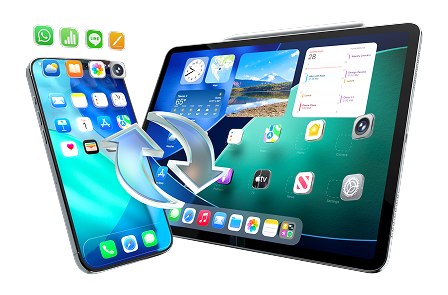
Key Features of Wondershare Dr.Fone
- Preview Before Recovery: Allows you to view each recoverable file to ensure you are restoring the correct data.
- Flexible Restoration: You have the option to restore your recovered data directly to a new device or save it to your computer.
- Multiple Recovery Modes: In addition to direct device scanning, it can also extract data from existing iCloud and iTunes backup files.
Steps to Recover Data From a Dead iPhone Using Wondershare Dr.Fone
Follow these steps to understand how to recover internal data from a completely dead powerless iPhone:
-
Step 1 Launch Dr.Fone and select Data Recovery
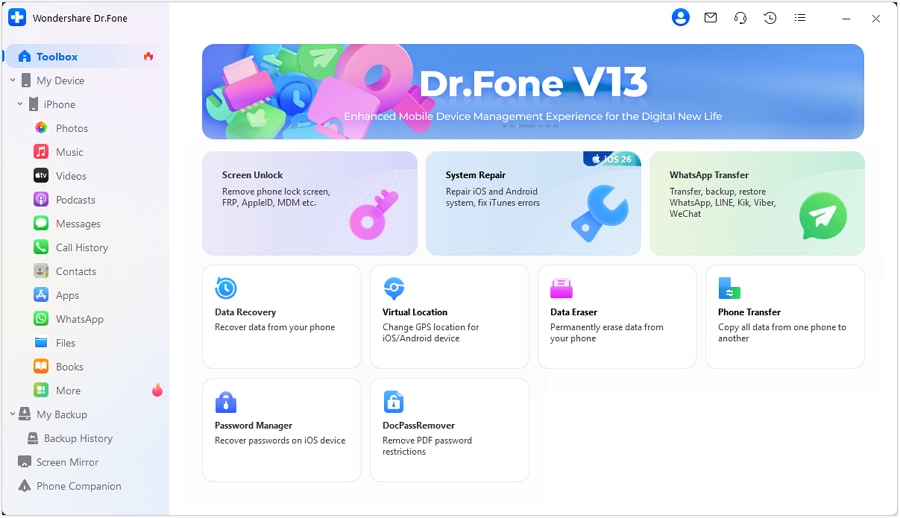
Download and install Wondershare Dr.Fone on your computer. Launch the application and navigate to Toolbox > Data Recovery. On the next screen, specify the device type by choosing "iOS".
-
Step 2 Connect your iPhone and start scanning
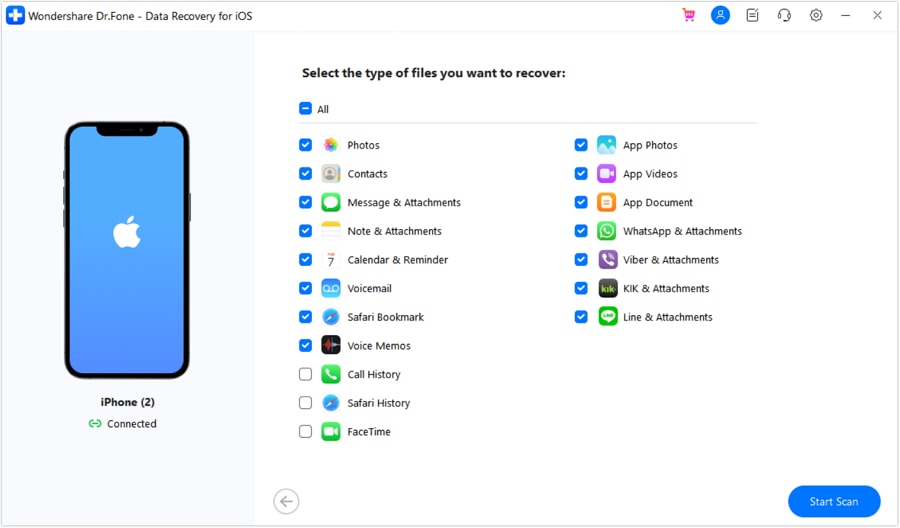
From the available options, select "Recover Data from iOS Device". Now, connect your dead iPhone to the computer using a reliable USB cable. Once Dr.Fone detects the device, click "Start Scan" to initiate the deep scanning process.
-
Step 3 Preview and recover your data
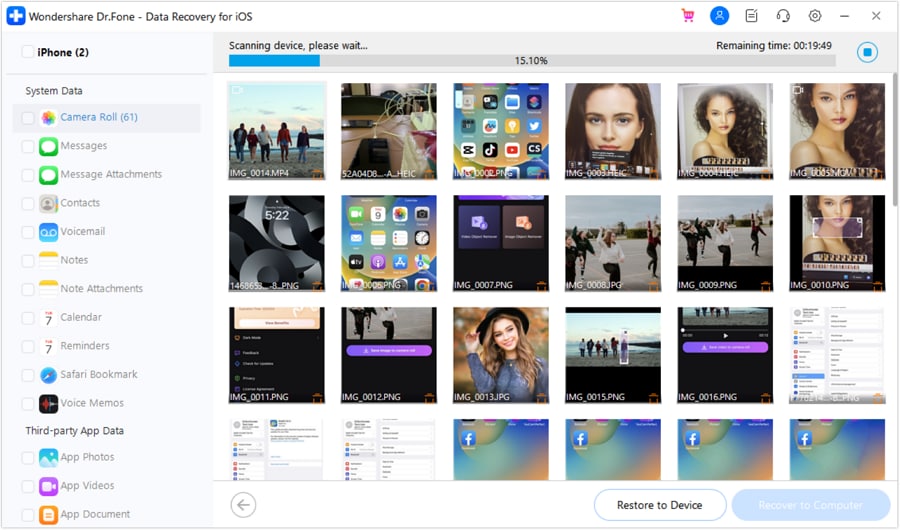
As the scan runs, recovered files will begin to populate on the screen, categorized by type. Once the scan is complete, you can browse and preview all the found data. Select the files you want to save and click "Recover to Computer" to extract them from your dead iPhone.




Conclusion
When you're dealing with an iPhone that won't turn on, knowing how to recover data from a dead iPhone is crucial. This guide has presented three reliable methods for dead iPhone data recovery. If you have a backup, restoring from iCloud or iTunes is the simplest path. If not, a dedicated tool can scan the device directly.
For situations without a backup, Dr.Fone - Data Recovery (iOS) offers a powerful and trustworthy solution. Its ability to perform a deep scan on unresponsive devices provides a strong chance to retrieve your precious files, making it an indispensable tool for any iPhone user facing a data loss crisis.
FAQ
-
1. What if my computer doesn't recognize the dead iPhone?
If your computer fails to recognize the iPhone, the issue may be with the logic board or charging port. First, try using a different certified Apple USB cable and a different USB port. If it still isn't detected, direct data recovery with software is not possible. At this point, you would need to consult a professional data recovery lab service that can perform advanced hardware repairs. -
2. Can I recover data from a water-damaged iPhone?
Yes, it's often possible. For a water-damaged iPhone, do not attempt to charge it. Dry it out completely first. If it still doesn't turn on, a tool like Dr.Fone can attempt recovery. Success depends on the extent of the corrosion on the internal components, especially the logic board and storage chip. -
3. How long does dead iPhone data recovery take?
The duration varies significantly. Restoring from an iCloud or iTunes backup can take anywhere from 15 minutes to over an hour, depending on the backup size and internet/computer speed. Using a software tool like Dr.Fone for a deep scan can also take 30 minutes to a few hours, depending on the amount of data on the device. -
4. Is it safe to use third-party data recovery software?
It's crucial to choose reputable software. Tools like Wondershare Dr.Fone are well-regarded for their security and privacy policies. They are designed to be read-only during the scanning process, meaning they do not write or alter any data on your device, which prevents further data loss. Always download software from the official website to avoid security risks.
 Add Wondershare Dr.Fone as a preferred source on Google