Resolve common problems and system crashes on both iPhone and Android devices.

 100% Security Verified | No Subscription Required | No Malware

 :
: 
 ChatGPT
 Perplexity
 Gemini
 Claude
 Grok
Grok
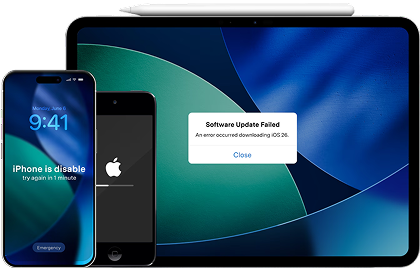
Excitement for new iOS releases, like the latest iOS 18, often leads users to update their devices immediately. However, this process can sometimes be interrupted by unexpected issues, such as the frustrating iPhone error 1110. This error typically appears when updating via iTunes or Finder, halting the process and leaving your device in an uncertain state.
The 1110 error is particularly common on devices with limited storage. Fortunately, this is a solvable problem. This guide will walk you through the causes of this error and provide nine effective solutions to help you get your iPhone updated and running smoothly.

In this article
- Part 1. Understanding iPhone Error 1110 and Its Causes
- Part 2. 9 Effective Methods to Resolve iPhone Error 1110
- Solution 1: Free Up Space on Your iPhone
- Solution 2: Update iTunes or Finder to the Latest Version
- Solution 3: Fix iPhone Error 1110 Without Data Loss via Dr.Fone
- Solution 4: Restore Your iPhone Using iTunes/Finder
- Solution 5: Enter Recovery Mode to Update or Restore
- Solution 6: Force Restart Your iPhone
- Solution 7: Perform a Factory Reset on Your iPhone
- Solution 8: Contact Apple Support for Assistance
- Solution 9: Check Your Physical and Network Connections
Part 1. Understanding iPhone Error 1110 and Its Causes
The iPhone (or iTunes) error 1110 is a specific issue that arises when you attempt to update or restore your iPhone through a computer. The number '1110' signifies a communication breakdown primarily caused by a critical lack of available storage space on the device itself. During an iOS update, the system needs to download the update package, unpack it, and install the new files, all of which require a significant amount of temporary free space.
If your iPhone's storage is nearly full, there isn't enough room for these processes to occur. iTunes or Finder detects this issue and terminates the update, triggering the 1110 error. While insufficient storage is the primary culprit, other factors like an outdated iTunes version, corrupted system files, or a faulty USB connection can sometimes contribute to the problem.
Part 2. 9 Effective Methods to Resolve iPhone Error 1110
Tackling the error 1110 on your iPhone requires a systematic approach. While freeing up space is the core solution, how you achieve that can vary depending on whether you can still access your device. Let's explore nine proven methods, starting with the simplest fixes and moving to more comprehensive solutions.
Solution 1: Free Up Space on Your iPhone
If your iPhone is still operational, the most direct way to fix error 1110 is to free up some space. This is the root cause of the problem. You can start by identifying and removing items that consume the most storage, such as unused applications, old videos and photos, downloaded music or podcasts, and clearing out browser and app caches. Aim to free up several gigabytes of space, as iOS updates can be quite large. Be mindful not to delete essential data, and consider backing up important files before you begin.

Solution 2: Update iTunes or Finder to the Latest Version
An outdated version of iTunes (on Windows or older macOS) or an issue with Finder (on modern macOS) can sometimes cause communication glitches that manifest as error 1110. Software bugs in older versions can interfere with the iOS update protocol. Ensuring your computer's software is current can resolve these underlying conflicts.
If your iPhone has ample storage but you still encounter the iPhone error 1110, the problem might lie with your computer's software. Follow these steps to update iTunes:
-
Step 1 Open iTunes
Launch the iTunes application on your Windows PC. For Mac users, the functionality is built into Finder, so ensure your macOS is up to date.
-
Step 2 Check for Updates
In the top menu bar of iTunes, click on the "Help" tab. From the dropdown menu, select "Check for Updates." iTunes will then search for a newer version. If one is available, you'll be prompted to download and install it.

Solution 3: Fix iPhone Error 1110 Without Data Loss via Dr.Fone
If you're looking for a reliable solution that fixes error 1110 without risking your data, a professional system repair tool is your best option. Dr.Fone - System Repair (iOS) is designed to resolve over 150 iOS system issues, including update errors, boot loops, and black screens, all while keeping your personal files intact. It supports the latest iOS versions and provides a streamlined, user-friendly process.
 Fix iOS issues, no data loss.
- One-click repair for all iOS problems.
- Solve recovery mode, Apple logo, black screen, etc.
- Upgrade or downgrade iOS without iTunes
Here’s how to use Dr.Fone to fix iPhone error 1110:
-
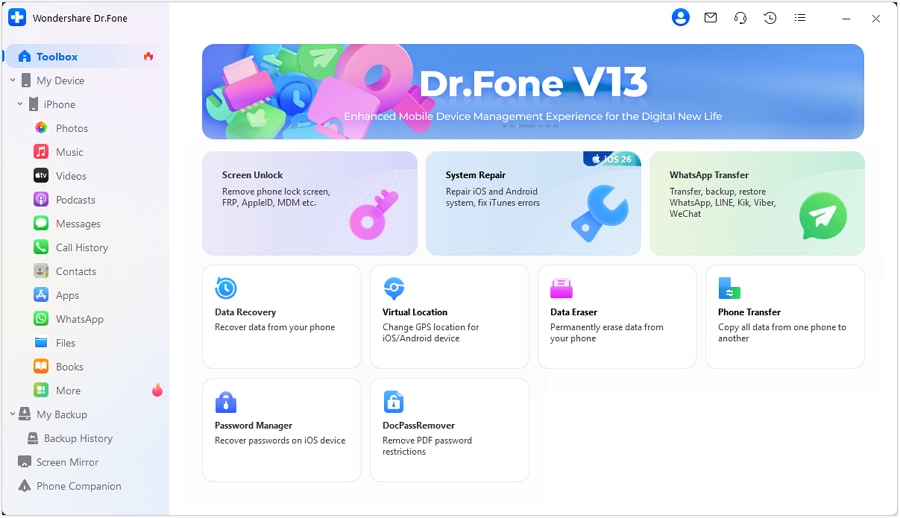
Step 1 Launch Dr.Fone and Select System Repair
Download and install Dr.Fone on your computer. Launch the application, navigate to the "Toolbox" section, and select "System Repair." Connect your iPhone to the computer.
-
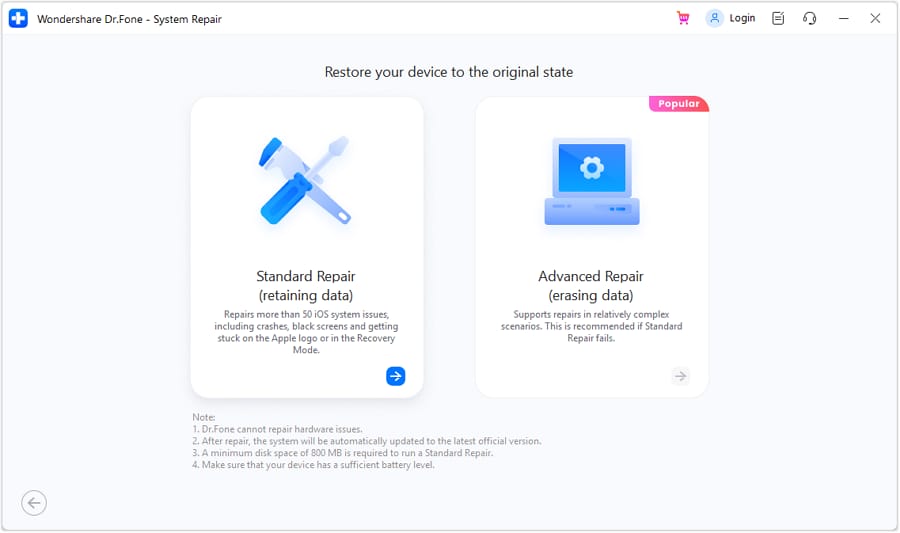
Step 2 Choose Standard Repair Mode
Select "iOS" and then choose "iOS Repair." Opt for the "Standard Repair" mode, which is designed to fix most system issues without deleting user data. Follow the on-screen instructions to put your device into Recovery Mode.
-
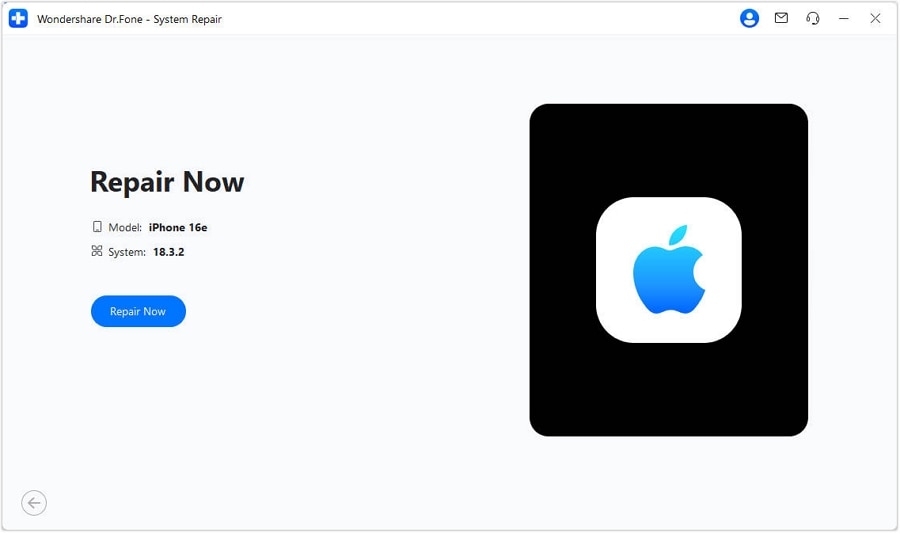
Step 3 Download Firmware and Initiate Repair
Dr.Fone will detect your iPhone model and display the appropriate iOS firmware. Click "Download" to get the firmware package. Once the download is complete, click "Repair Now" to start the repair process. The tool will fix the system files and resolve the error automatically.
For a more detailed walkthrough, you can watch this instructional video.
Solution 4: Restore Your iPhone Using iTunes/Finder
If your iPhone is unresponsive and you cannot manually free up space, restoring it via iTunes or Finder is a viable, albeit drastic, solution. This method erases all data and settings on your device, effectively resolving the storage issue by returning it to a clean slate. Warning: This process will result in complete data loss, so proceed only if you have a recent backup.
-
Step 1 Connect Your iPhone to the Computer
Open iTunes (or Finder on macOS Catalina and later) and connect your iPhone using a reliable USB cable.
-
Step 2 Locate Your Device
Once your device is recognized, click the small phone icon in the top-left corner of iTunes or find your iPhone in the Finder sidebar. This will take you to the device's Summary page.

-
Step 3 Restore Your iPhone
On the Summary tab, click the "Restore iPhone..." button. Follow the on-screen prompts to confirm the action. iTunes/Finder will then download the latest iOS and install it, erasing all your data in the process.

Solution 5: Enter Recovery Mode to Update or Restore
Recovery Mode is a special troubleshooting state that allows iTunes or Finder to communicate with your iPhone even when the operating system isn't loading correctly. It's a necessary step if your device is stuck and cannot be recognized normally. This mode gives you the option to either update (which attempts to preserve data) or restore (which erases data).
The method to enter Recovery Mode varies by iPhone model:
- For iPhone 8 and Later: Quickly press and release the Volume Up button, then the Volume Down button. Finally, press and hold the Side button until the Recovery Mode screen appears.
- For iPhone 7 and 7 Plus: Press and hold the Volume Down and the Side (Power) buttons simultaneously. Keep holding them until you see the Recovery Mode screen.
- For iPhone 6s and Earlier: Press and hold the Home and the Top (or Side) buttons together. Continue holding until the Recovery Mode screen is displayed.

Once your iPhone is in Recovery Mode and connected to your computer, iTunes/Finder will show a dialog box. It will offer to "Update" or "Restore" your device. Try "Update" first, as it attempts to reinstall iOS without affecting your data. If that fails, you'll need to repeat the process and choose "Restore," which will erase your device.

Solution 6: Force Restart Your iPhone
Sometimes, a temporary software glitch can make your device unresponsive or cause errors like the error code 1110. A force restart (or hard reset) is a simple yet effective way to clear out these minor issues by rebooting the system forcefully. It doesn't affect your data and can often resolve issues that a standard restart cannot.
- iPhone 8 or later: Press and quickly release the Volume Up button. Press and quickly release the Volume Down button. Then, press and hold the Side button until you see the Apple logo.
- iPhone 7 or 7 Plus: Press and hold both the Volume Down button and the Sleep/Wake button at the same time. Release both buttons when the Apple logo appears.
- iPhone 6s or earlier: Press and hold both the Sleep/Wake button and the Home button simultaneously. Release both buttons when the Apple logo appears.

Solution 7: Perform a Factory Reset on Your iPhone
If you can still access your iPhone's settings but other methods have failed, a factory reset is another option to create space and resolve deep-seated software conflicts. As the name implies, this action erases all content and settings, returning your iPhone to its original out-of-the-box state. This should be considered a last resort if you don't have a backup.
-
Step 1 Navigate to Settings
Open the "Settings" app on your iPhone and tap on "General".

-
Step 2 Find the Reset Option
Scroll down and select "Transfer or Reset iPhone".

-
Step 3 Erase All Content and Settings
Tap "Erase All Content and Settings" and confirm your choice by entering your passcode or Apple ID password when prompted. The process will begin, and your device will restart as new.

Solution 8: Contact Apple Support for Assistance
If none of the software-based solutions have worked, there might be a more complex hardware or software issue at play. In such cases, it's best to seek professional help. Contacting Apple Support can provide you with expert guidance. They can run diagnostics and determine if your device requires a repair. Continuing to attempt fixes on a potentially damaged device could worsen the problem.

Solution 9: Check Your Physical and Network Connections
Sometimes, the simplest things are overlooked. The iPhone error 1110 can be triggered by an unstable connection between your iPhone and computer. Ensure you are using an official or MFi-certified USB cable, as faulty third-party cables can cause data transfer issues. Try a different USB port on your computer as well. Furthermore, a stable internet connection is crucial for downloading the iOS update. If your Wi-Fi is unreliable, it could corrupt the download, leading to an error. Check your network and ensure it's working correctly before trying the update again.
Conclusion
Encountering the iPhone error 1110 can be a significant roadblock when you're trying to update your device. However, as this guide has shown, the problem is almost always linked to insufficient storage and can be resolved through various methods. From simply clearing space to using advanced repair tools, there is a solution for every scenario. For the best balance of effectiveness and safety, using a tool like Dr.Fone - System Repair (iOS) is highly recommended, as it can fix the issue without erasing your valuable data. By following these steps, you can overcome error 1110 and successfully update your iPhone.




FAQ
-
1. What exactly is iPhone error 1110?
Error 1110 is an update or restore error that occurs when using iTunes or Finder. It specifically indicates that your iPhone does not have enough free storage space to complete the iOS installation process. The update is halted to prevent potential damage to the device's software. -
2. Can I fix error 1110 without losing my data?
Yes, it is possible. If you can still access your iPhone, manually deleting files to free up space is the best way to solve it without data loss. If your device is unresponsive, using a third-party tool like Dr.Fone - System Repair (iOS) is designed to fix the error while preserving all your data. Methods like restoring or factory resetting will result in data loss. -
3. How much free space is needed to avoid the 1110 error during an iOS update?
While Apple doesn't specify an exact amount, a good rule of thumb is to have at least 6-8 GB of free space before starting an update. This provides ample room for the update package to be downloaded, unpacked, and installed without causing storage-related errors. -
4. Will simply updating iTunes or my Mac solve the 1110 error?
While it's a recommended step, it may not be a guaranteed fix. The primary cause of error 1110 is insufficient device storage. Updating iTunes or macOS can resolve underlying software conflicts that might contribute to the error, but if the storage issue isn't addressed, the error will likely persist.
 Add Wondershare Dr.Fone as a preferred source on Google