Permanently erase all iOS & Android data—completely unrecoverable.

 100% Security Verified | No Subscription Required | No Malware

 :
: 
 ChatGPT
 Perplexity
 Gemini
 Claude
 Grok
Grok

I just bought the new Cosmic Orange iPhone 17 Pro two weeks ago, and now the edges look entirely rose gold. Is my phone defective, or is there an iPhone 17 color change issue?
Reddit User External_Hunt4536
When Apple unveiled the iPhone 17 Pro and Pro Max in 2026, the Cosmic Orange finish instantly became the standout choice. Vibrant, futuristic, and uniquely eye-catching, it represented a bold departure from standard titanium hues. However, a widespread phenomenon quickly surfaced across forums and social media: the once-fiery orange devices were subtly transitioning into rose gold or metallic copper shades.
Now widely referred to as 'Colorgate,' this unexpected iPhone 17 orange turning pink transformation has left consumers debating whether it is a severe manufacturing defect, simple chemistry, or an unannounced design easter egg. Let's delve into the actual cause behind the color shift and explore practical steps to safeguard your device's finish and internal data.
In this article
- Part 1. What Is Happening to the Cosmic Orange iPhone 17 Pro?
- Part 2. The Science Behind the Discoloration
- Part 3. Flaw or Feature: How Is Apple Responding?
- Part 4. Steps to Take If Your iPhone 17 Turns Rose Gold
- Part 5. Protect Your iPhone Data During Repairs or Exchanges
- Part 6. Community Reactions to Colorgate
Part 1. What Is Happening to the Cosmic Orange iPhone 17 Pro?
The controversy ignited when early adopters began noticing an undeniable shift in their device's appearance. What started as an isolated Reddit post by a user sharing side-by-side images of an initially vivid Cosmic Orange frame turned completely rose gold quickly ballooned into a mega-thread.
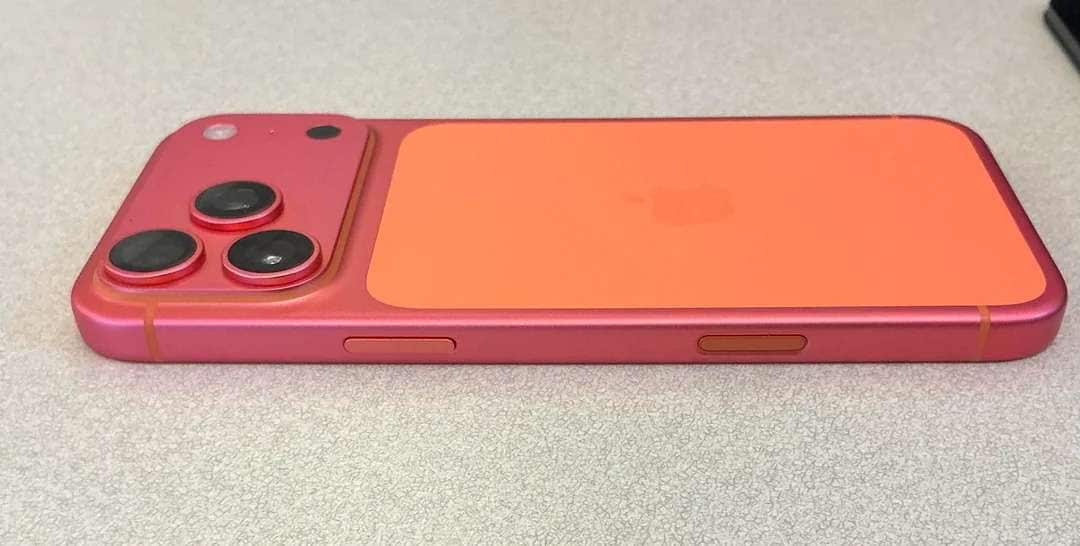
Thousands of users confirmed identical experiences with their devices. The reports painted a clear picture of an escalating iPhone 17 Pro discoloration:
- Rapid fading from bright neon orange to a soft, metallic rose gold within 10 to 14 days of typical usage.
- A gradient effect forming on the edges, where the bottom frame remains orange while the top turns pinkish.
- Extreme color variance observed under different lighting conditions, with the device looking orange in daylight and unmistakably pink under indoor LED lighting.
While some consumers initially brushed it off as an optical illusion or a bizarre 'Dynamic Tint' feature, industrial design analysts quickly pointed toward the underlying science of colored metal.
Part 2. The Science Behind the Discoloration
The highly discussed iPhone 17 color change is much more than a cosmetic annoyance; it is a live demonstration of chemical reactivity. To achieve the Cosmic Orange hue, Apple utilizes an advanced anodization process over the device's titanium and aluminum blend chassis. This process embeds microscopic organic dyes into a protective oxide layer. Unfortunately, these vivid tones are notoriously unstable when exposed to everyday environmental factors.
1. The Inherent Limits of Anodized Dyes
While anodized finishes are incredibly durable against scratches, the organic dyes used to create bright colors like orange or purple are inherently sensitive. UV light, moisture, and ambient heat can cause the dye molecules to break down or shift on a microscopic level. As the oxide layer subtly expands or contracts, it alters how the metal reflects light, resulting in the iPhone 17 Pro rose gold transition.
2. The Impact of UV Light and Skin Oils
Real-world usage severely accelerates this fading process. Users who frequently use their phones outdoors or leave them exposed on car dashboards reported the fastest rates of discoloration. Furthermore, the natural oils and mild acidity found in human sweat react with the anodized surface. Areas of the phone most frequently gripped by bare hands are typically the first to exhibit the pinkish shift.
3. Lighting Illusions vs. True Fading
It is also crucial to distinguish between actual pigment fading and metamerism—an optical phenomenon where colors appear completely different under varying light sources. Because the iPhone 17 Pro features a highly reflective brushed metallic finish, cool fluorescent lights tend to emphasize the red/blue spectrum of the dye, making the phone glow pink, while warm natural sunlight highlights the remaining yellow/orange pigments.
Part 3. Flaw or Feature: How Is Apple Responding?
As the 'Colorgate' discussion peaked in 2026, tech enthusiasts were divided. Is this rapid color degradation a manufacturing defect that warrants a mass recall, or is it a documented characteristic of premium colored metals?
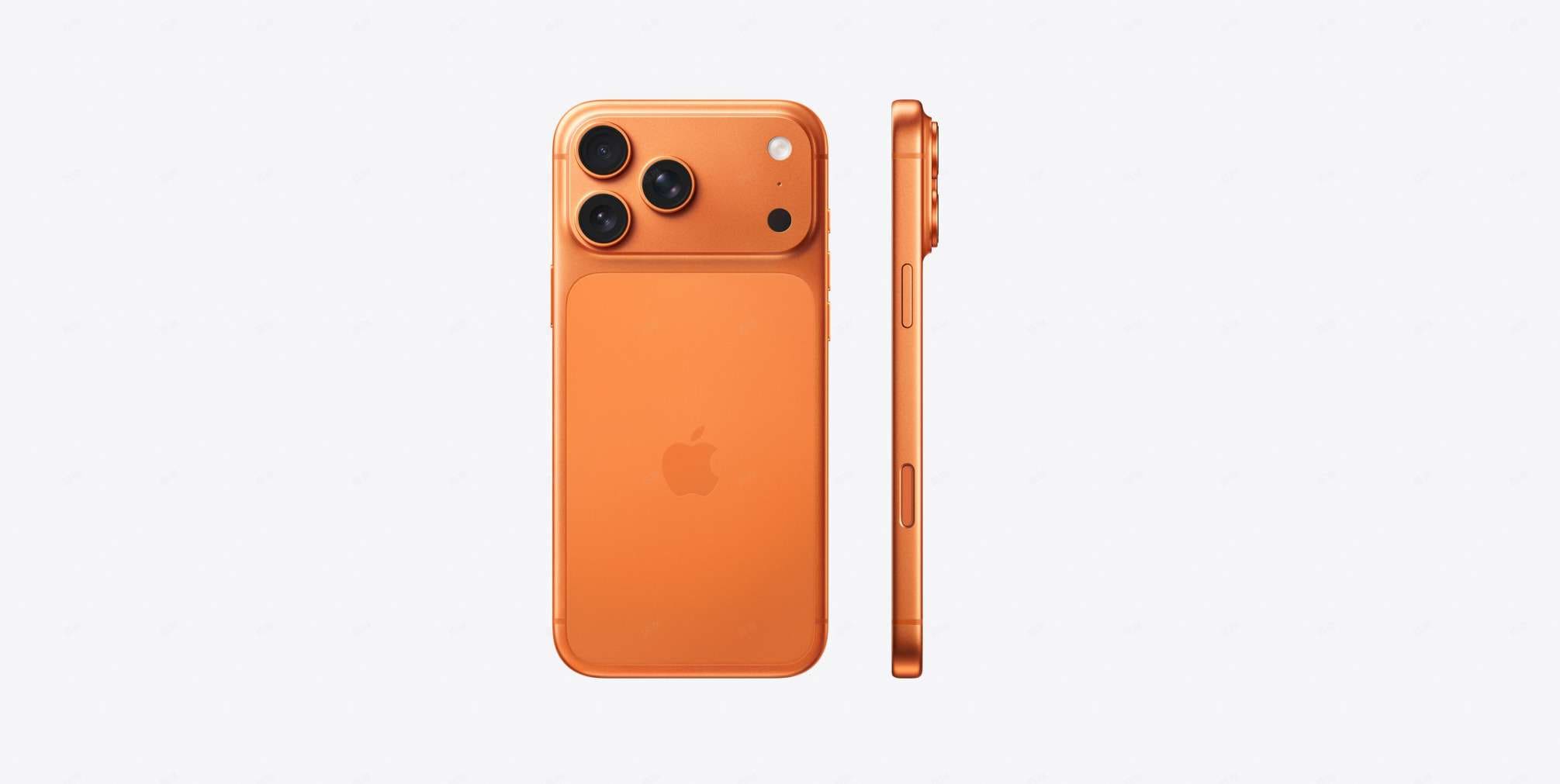
Currently, Apple has refrained from issuing a formal recall. According to internal retail guidelines, cosmetic wear—including anodization fading—is generally not covered under standard warranty replacements. However, many users have successfully argued that a complete color shift within a fortnight exceeds normal wear and tear, securing chassis replacements at the Genius Bar.

Interestingly, a subset of the community has embraced the change, showing off their uniquely aged 'iPhone 17 Pro rose gold' devices as a personalized patina. Yet, for users who paid a premium specifically for the bold Cosmic Orange, the inconsistency remains a point of frustration.
Part 4. Steps to Take If Your iPhone 17 Turns Rose Gold
If you observe your iPhone 17 orange turning pink, panic is unnecessary. While the chemical shift is permanent once it occurs, you can take immediate action to address the situation with Apple or prevent further fading if you decide to keep the device.
1. Exercise Your Return Window
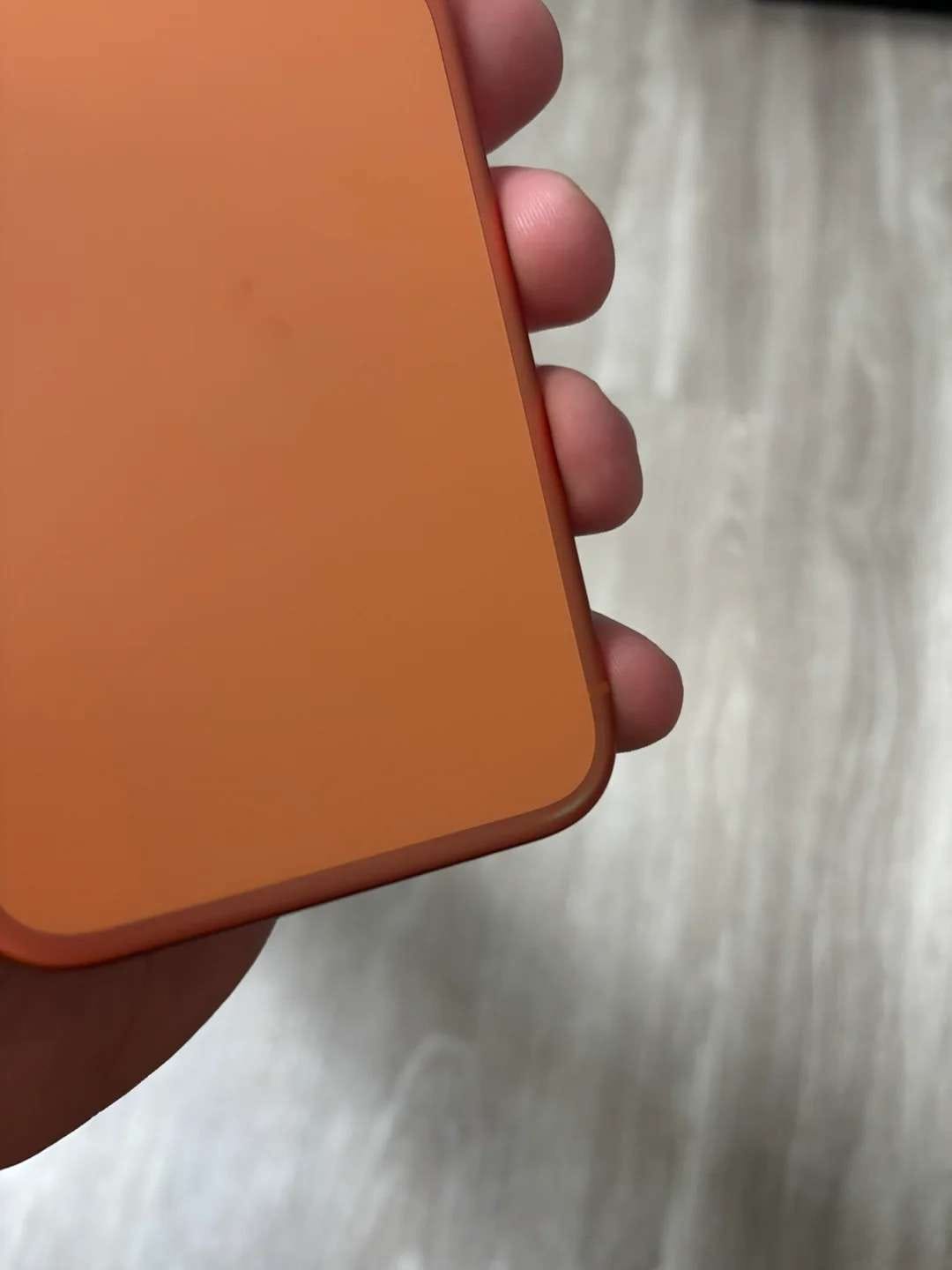
If your device begins shifting color within the first 14 days of purchase, do not hesitate to utilize the standard return policy. Visit your local Apple Store or authorized retailer to swap the unit. Documenting the discoloration under various lighting conditions with photos will greatly assist your case when speaking to customer support.
2. Limit UV Exposure and Heat
To preserve the remaining orange pigment, you must alter how you handle the device physically. Avoid leaving the iPhone in direct sunlight, such as on a windowsill or a car mount on a hot day. The thermal threshold for anodized dyes is remarkably sensitive, and prolonged heat bakes the pigment out of the metal.
3. Invest in Protective UV-Blocking Accessories
Your best line of defense against the iPhone 17 color change is a high-quality protective case. Look for cases explicitly designed with UV-resistant coatings. Not only will these prevent clear cases from yellowing, but they will also shield the anodized chassis from harsh sunlight. Alternatively, applying a high-grade vinyl skin over the back glass and rails can seal the color safely away from friction and light.
Part 5. Protect Your iPhone Data During Repairs or Exchanges
The aesthetic integrity of your device is important, but the security of the data stored inside is absolutely paramount. Whether you are turning the phone in for a chassis replacement, trading it for a different color, or just seeking an in-store diagnostic, you must ensure your personal information is irretrievably wiped.
 Permanently erase all data on iOS & Android — completely unrecoverable.
- Military-grade wiping to fully protect your privacy.
- Generate verified erasure reports to boost device resale value.
- Selectively erase private data and remove junk & large files.
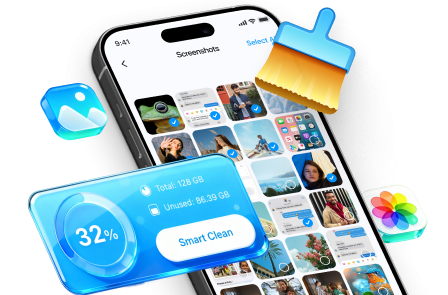
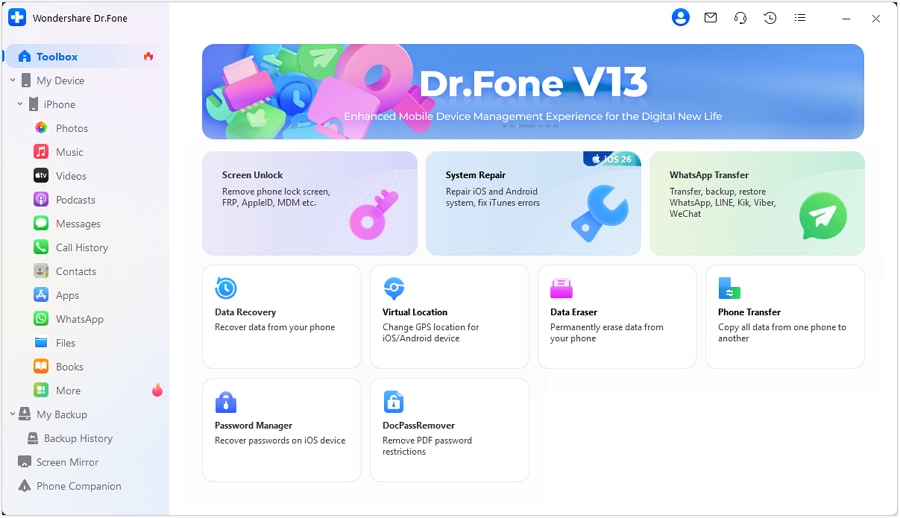
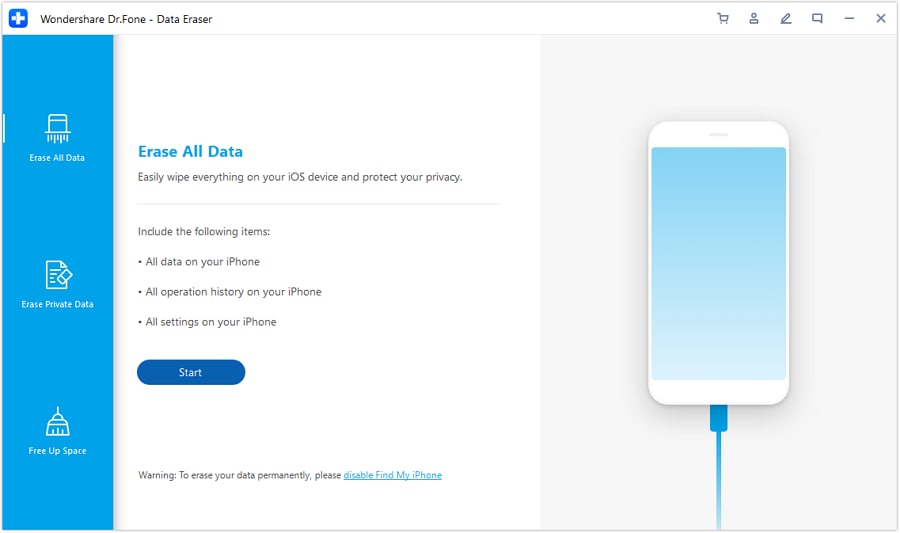
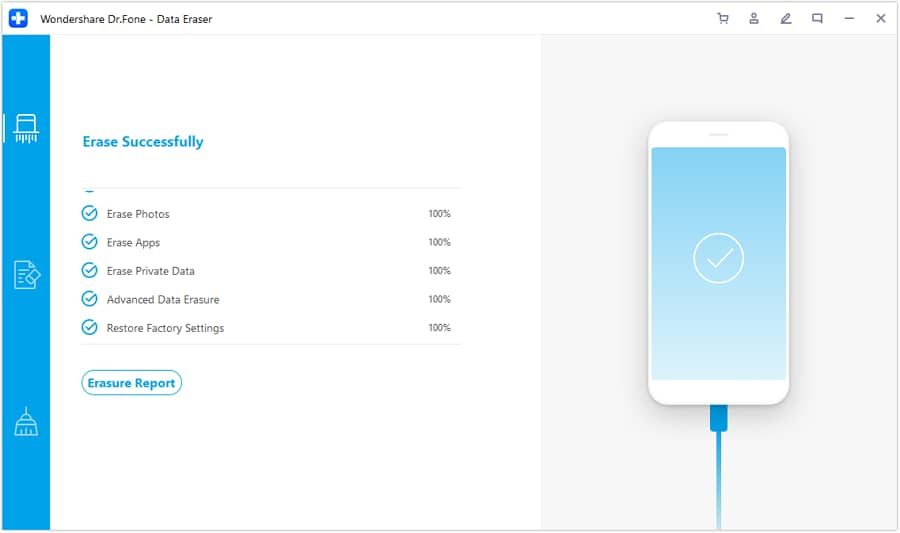
A standard factory reset from the settings menu simply removes the index to your files, leaving photos, chat histories, and banking information vulnerable to recovery via specialized software. Dr.Fone - Data Eraser utilizes military-grade algorithms to overwrite your storage space, guaranteeing 100% unrecoverability. This ensures your privacy remains intact regardless of who handles your discolored iPhone 17 Pro next.




 Add Wondershare Dr.Fone as a preferred source on Google