Teleport your device anywhere instantly with one click.

 100% Security Verified | No Subscription Required | No Malware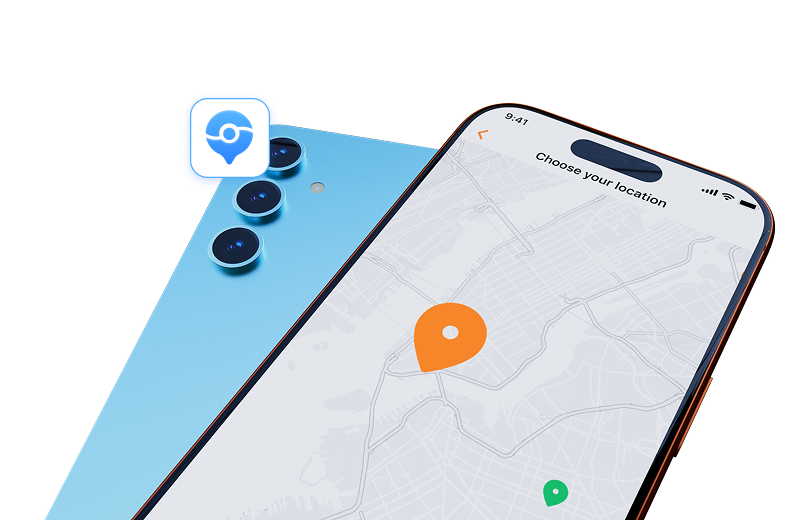

 :
: 
 ChatGPT
 Perplexity
 Gemini
 Claude
 Grok
Grok
Find My goes beyond map dot placement. Location sharing lets others view your current location, while Live Location tracks your travels. Apple separates your shared location from your device location. That distinction matters before you try to change Find My iPhone location.
Switching the device used for sharing, hiding your position, and creating a virtual GPS location are not the same action, and each has different limits. This guide explains how to change Find My location on iPhone with privacy in mind, what actually affects GPS data, and what risks you should consider first.
In this article
- Part 1 — Why People Change Find My iPhone Location
- Part 2: Which Method Can Change Find My iPhone Location?
- Solution 1: Spoof Find My iPhone Location Using Dr.Fone - Virtual Location
- Solution 2: Change Your IP-Based Location With Avast SecureLine
- Solution 3: Spoof Find My Location on a Jailbroken iPhone With FMFNotifier
- Solution 4: Change Find My Location With a Secondary iPhone
- Solution 5: Set a Find My iPhone Fake Location With Double Location
Part 1 — Why People Change Find My iPhone Location
Your iPhone location can affect more than a map pin. It may influence what others can see, which services you can access, and how some online offers appear. Here are the main reasons people may want greater control over it.
1. Keep Your Whereabouts Private
Find My can reveal your current position to people you share your location with. If you do not want someone to follow your movements for a period of time, you may want to hide your location on Find My iPhone or use another displayed location.
This is where changing Find My location on iPhone becomes a privacy choice rather than simply turning the phone off or stopping normal use.
2. Limit Exposure of Your Real Location
A real location can become sensitive if a phone or account is compromised. Reducing how often your true position is exposed can make that information harder to misuse.
For this reason, some users consider iPhone location spoofing when they do not want their actual coordinates shown continuously. The aim is to keep the real position less visible rather than share it unnecessarily.
3. Access Services Restricted by Location
Some apps, websites, and streaming services change availability according to location. A feature or program that works at home may become unavailable while you are traveling.
In these cases, changing the location seen by the service can help restore access. Depending on how the service checks location, this may involve changing the device location or using another digital location.
4. Check Prices From Other Regions
Flights, hotels, online stores, and other services may show different prices in different locations. Changing the location presented to a service can help you compare regional offers before booking or buying.
An iOS virtual location can be useful when a service relies on device location, while other services may respond to the location of your internet connection.
5. Keep a Safer Digital Location While Traveling
When WFH & traveling, you often connect to unknown networks. How about “Public Wi-Fi at places such as hotels, cafes, and airports may mean more exposure of your activity when connected”?
If a work system allows access only from certain locations, an alternative digital location may allow you to use the system successfully. In such cases, location control can support both access and privacy while you are away.
These situations require different types of location control. A Find My iPhone location changer, an internet-based location change, and switching the device that shares your position do not serve the same purpose. The next section compares these options so you can see where each one fits.
Part 2: Which Method Can Change Find My iPhone Location?
There is more than one way to control an iPhone's location, but the methods operate at different levels. The table below gives a quick view before we examine each option in detail.
| Method | How It Works | What You Need | Difficulty | Main Limitation |
|---|---|---|---|---|
| Dr.Fone - Virtual Location | Sets a virtual GPS position and can simulate movement along selected routes | iPhone + Windows PC/Mac | Easy | The iOS workflow requires desktop software |
| Avast SecureLine VPN | Routes internet traffic through another VPN server and changes the public IP-based location | Avast SecureLine app + subscription | Easy | Does not directly replace the iPhone's GPS coordinates |
| FMFNotifier | Legacy jailbreak tweak for Find My Friends that can use spoofed location presets and alert you to location requests | Jailbroken iPhone + Cydia | Hard | Very outdated; package metadata limits it to iOS 9.0–9.3.3 |
| Secondary iPhone | Makes another Apple device the source of the personal location you share through Find My | Second Apple device using your account | Easy | Changes the Sharing From device, not the actual location of your main iPhone in Devices |
| Double Location | Uses dedicated external hardware and a companion app to supply altered GPS data to iOS | Double Location hardware + companion app + iPhone | Medium | Requires proprietary hardware; current official availability could not be independently verified |
With those differences clear, we can start with the software-based GPS option.
Solution 1: Spoof Find My iPhone Location Using Dr.Fone - Virtual Location
When the goal is to alter the GPS position reported by the iPhone, an IP change alone is not enough. Dr.Fone - Virtual Location is a desktop tool that sets a virtual GPS position on iOS and Android devices. You can select a place on its map and move the phone's reported location there without jailbreaking or rooting the device. Wondershare currently lists support for iOS 27 and Android 16.
For iPhone location spoofing, Teleport Mode handles a fixed location. The tool can also simulate movement when you need the GPS position to travel along a route instead of staying on one point.
 Set your map route to simulate GPS movement.
- Set your wanted movement speed.
- HD and large map view to check location.
- Fake GPS location to anywhere.
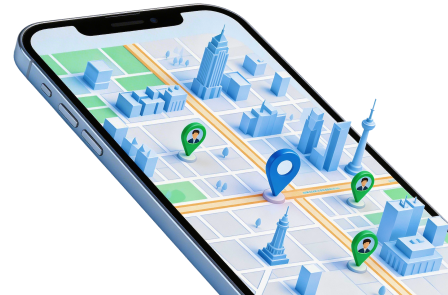
Key Features of Dr.Fone - Virtual Location
- Teleport your GPS instantly: select a destination on the map and change the phone’s GPS position there.
- No Jailbreak/Root: The location changer does not require any jailbreak of iOS, nor rooting of Android.
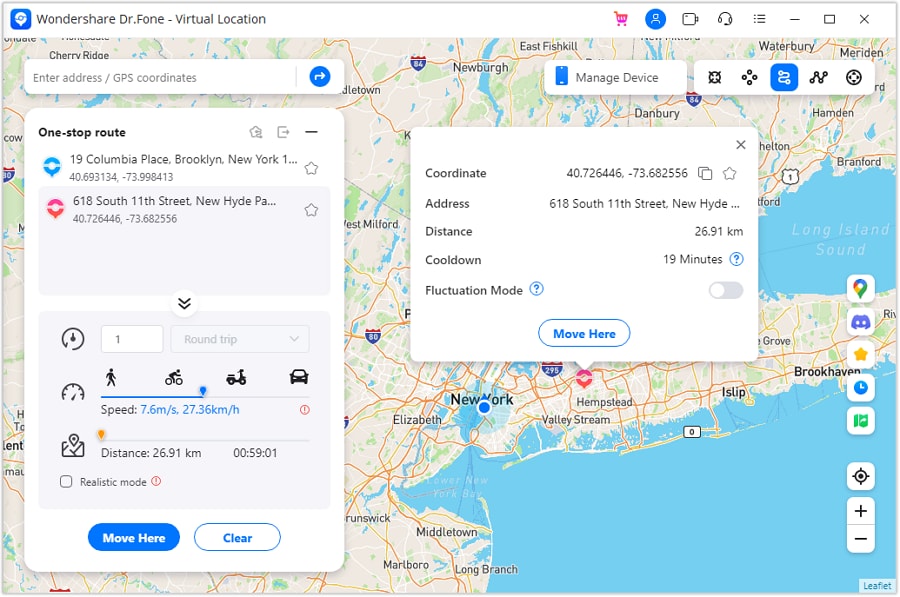
- One-Stop Route: Set a destination and simulate GPS movement along a route. You can choose a loop or round trip and adjust the movement speed.
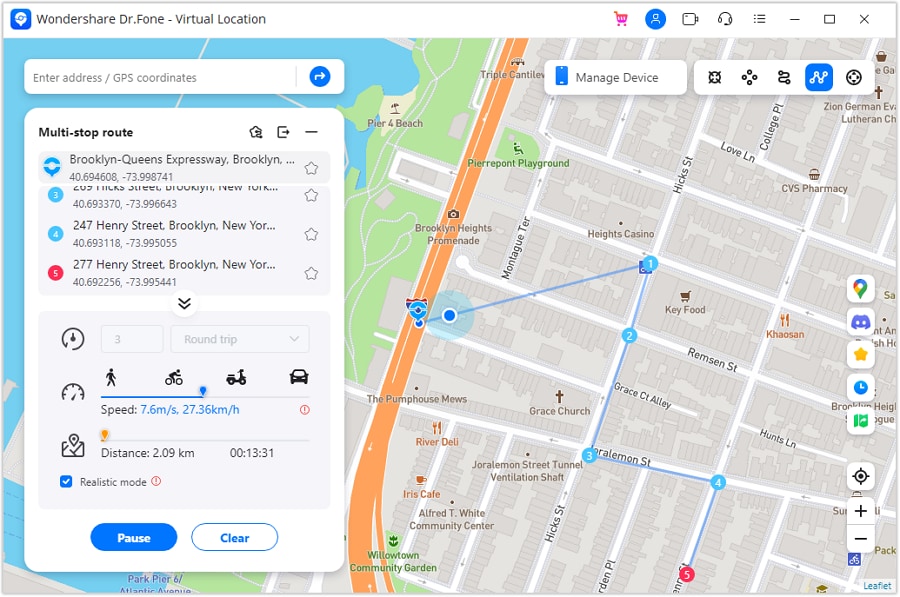
- Multi-Stop Route: Add several points when you want the virtual position to move through more than one location.
- Joystick movement: Control the virtual GPS direction manually or let it move automatically while you change direction in real time.
This combination makes the tool useful when you need an iOS virtual location rather than a change to your internet-based location.
How to Change Your iPhone GPS Location With Dr.Fone
-
Step 1 Open Virtual Location and Connect the iPhone
Launch Dr.Fone on your computer and open Virtual Location. Connect your iPhone and enter the location-changing interface. Once the device is connected, Dr.Fone displays the map used for GPS control.
-
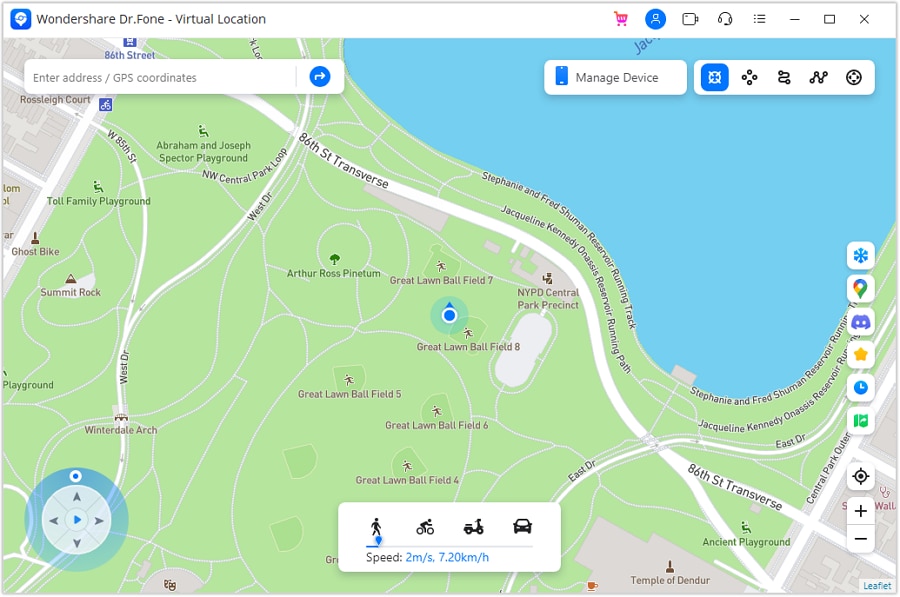
Step 2 Select Teleport Mode
Choose Teleport Mode from the controls in the upper-right corner. This mode is designed to replace the current GPS position with another location you select.
-
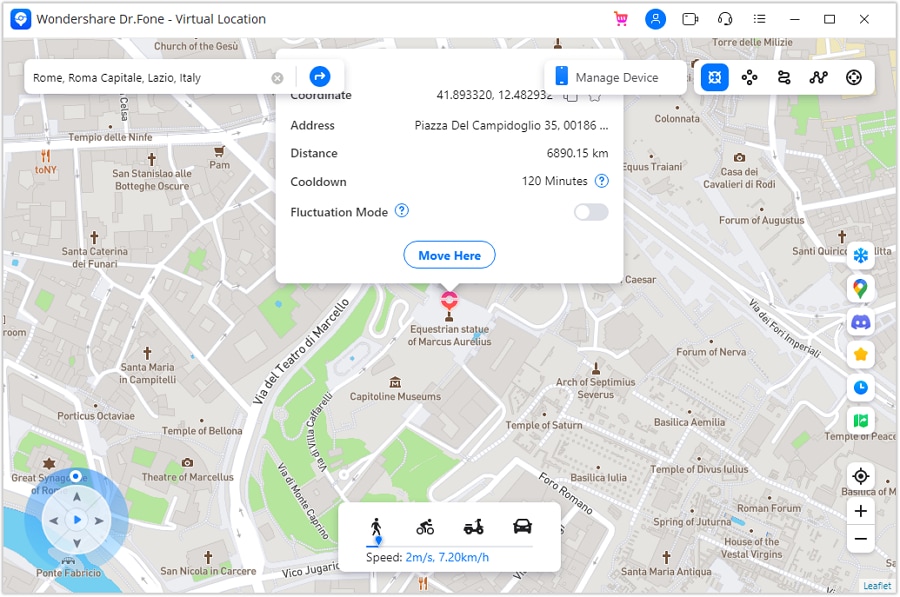
Step 3 Search for the New Location
Enter the city, address, or place you want in the search bar. Dr.Fone will move the map to that destination. Check that the correct point is selected before continuing.
-
Step 4 Apply and Check the New GPS Position
Click Move Here to set the selected point as the phone's virtual location. Dr.Fone then shows the changed position on its map. Open a map or relevant location-based app on the iPhone to confirm that the new GPS position is active.
If you require movement instead of a fixed point, please switch to One-Stop Route or Multi-Stop Route. Outline the route, set a value for the number of trips, speed and start.




Solution 2: Change Your IP-Based Location With Avast SecureLine
Avast SecureLine is not a GPS-based Find My iPhone location changer. It enables you to mask your actual IP address and switch your presence to another place. It comes with DNS leak protection, which keeps your browsing data more private.
However, its server choice is more limited than some alternatives. More importantly, changing an IP-based location is not the same as changing the iPhone's GPS coordinates. Keep that difference in mind if your main goal is to change Find My location on iPhone.
How to Use Avast SecureLine
-
Step 1 Install and Sign In
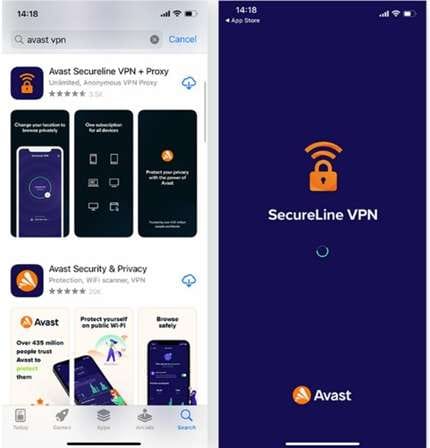
Open the App Store and search for Avast SecureLine. Install the app, create an account with the required details, and sign in.
-
Step 2 Allow the Required Permissions
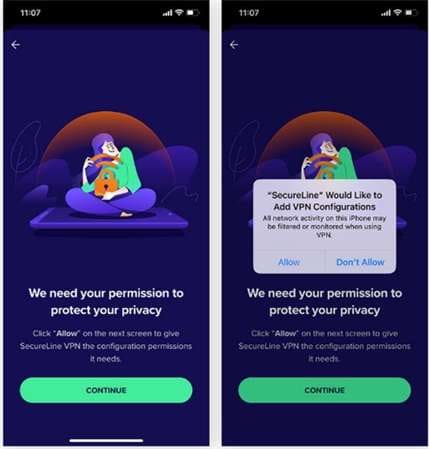
When Avast SecureLine asks for access needed to configure the VPN connection, tap Allow and follow the prompts shown on the iPhone.
-
Step 3 Choose a Location
Open the available location list and select the country or place you want your internet connection to use.
-
Step 4 Connect to the VPN
Tap Connect to start the Avast SecureLine connection. Once connected, your public IP address will appear from the selected VPN location.
You can then check the services you want to use. However, Avast SecureLine modifies the network location, not the GPS coordinates of the phone, therefore it should not be seen as a direct technique to spoof Find My iPhone location.
The next option is a different way for GPS-level adjustments on jailbroken devices.
Solution 3: Spoof Find My Location on a Jailbroken iPhone With FMFNotifier
FMFNotifier is designed for jailbroken iPhones and includes a Location Spoofer option. It can be used to assign a false location instead of showing the device's current position. This may suit users who want to hide their location on Find My iPhone and reduce how much of their real position is exposed.
The app also sends a notification when someone requests your location, giving you more control over which location is returned.
How to Use FMFNotifier
-
Step 1 Enable Location Spoofer
Open FMFNotifier and go to its menu. Select Location Spoofer and turn the feature on. Create or choose a label for the Find My iPhone fake location you want to use.
-
Step 2 Set and Save the Fake Location
Add the desired location to the selected label and lock it in place. When FMFNotifier detects a location request, it will alert you.
-
Step 3 Confirm the Spoofed Location
Confirm the location change when prompted. The app will then use the saved fake position instead of your current one.
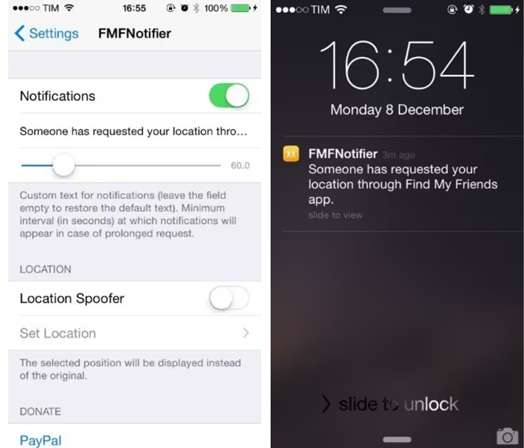
FMFNotifier depends on a jailbroken iPhone, so it is not suitable for standard iOS devices. If you prefer to avoid jailbreak-based iPhone location spoofing, the next option uses a secondary iPhone instead.
Solution 4: Change Find My Location With a Secondary iPhone
A second iPhone offers a simple way to change Find My location on iPhone without using extra software. The idea is to use another iPhone as the device sharing your location. You then leave that phone at the place you want others to see.
This approach needs two iPhones and access to the same Find My account. It is easy to set up, but it is less convenient because the secondary device must stay at the chosen location.
How to Use a Secondary iPhone
-
Step 1 Prepare the Secondary iPhone
Open Settings on the second iPhone and sign in with the account you use for Find My. Go to the Find My settings and make sure the location-sharing option is enabled.
-
Step 2 Turn On Share My Location
Open the Find My settings on the secondary phone and enable Share My Location. This allows the second device to provide the location that others can see.
-
Step 3 Place the iPhone at the Chosen Location
Take the secondary iPhone to the place you want to appear as your shared location and leave it there. Find My will then use that device's position for location sharing.
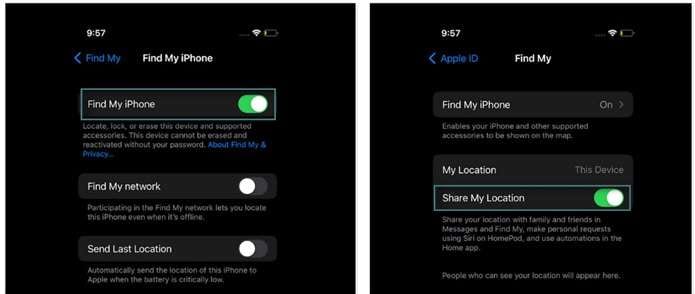
This method does not create an artificial GPS point. Instead, it uses the real location of another iPhone. That makes it different from a Find My iPhone fake location created with GPS-spoofing software.
The main drawback is convenience. You need a second iPhone and must physically leave it at the desired place. If that is not practical, the next option uses dedicated location-changing hardware.
Solution 5: Set a Find My iPhone Fake Location With Double Location
Double Location offers another way to place your iPhone at a virtual point on the map. You can select another location and fix the device to that location rather than showing your actual location. It can come in handy when you want a set iOS fake location instead of the current GPS.
How to Use Double Location
-
Step 1 Choose a Virtual Location
Download and open the Double Location app on your iPhone. A map will appear on the screen. Find the place you want to use, tap it, and copy its coordinates.
-
Step 2 Lock the New Position
After selecting the coordinates, tap Lock Position. The chosen point will then become the location used by location-based apps on the device.
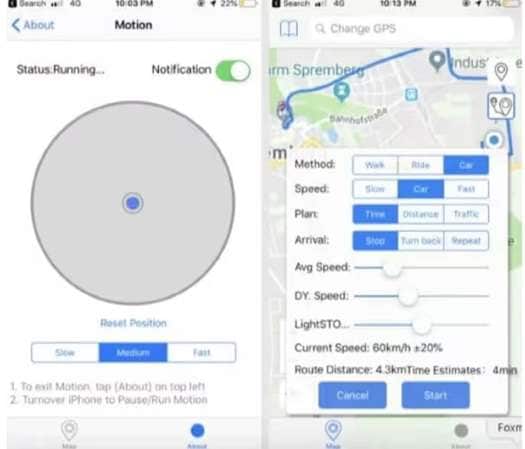
This method keeps the virtual position fixed at the selected point until you change it again, making it suitable when you need a stable Find My iPhone fake location rather than simulated movement.
Conclusion
Changing Find My location is not a one-size-fits-all task. A VPN changes your IP-based region, a second iPhone changes the device used for sharing, and jailbreak or hardware options bring extra limits and risks. If you need an iOS virtual location that changes GPS coordinates without jailbreaking, Dr.Fone - Virtual Location is the most practical option covered here.
It supports fixed locations and simulated movement, making it useful for privacy and testing needs. Whichever method you choose, check how it affects Find My, understand its limits, and use iPhone location spoofing responsibly with location-based apps and services.
FAQs
-
1. Is It Safe to Change Find My iPhone Location?
It depends on the method. Apple's built-in sharing controls and secondary-device option aren't changing iOS. Third-party location tools can sometimes have privacy and compatibility risks, while jailbreaking can lower your security and make your device unstable. -
2. Does Dr.Fone Work With Find My iPhone?
Yes, according to Wondershare. Its current Dr.Fone - Virtual Location documentation states that the tool can change GPS coordinates used with Find My iPhone without jailbreaking. Since it is a third-party feature, check compatibility after major iOS updates. -
3. Can a VPN Create a Find My iPhone Fake Location?
No, not on its own. A VPN alters your public IP and the region based on that IP. Find My utilises Apple Location Services, which can use GPS, Wi-Fi, Bluetooth, and cellular signals. Which means that switching your VPN server doesn’t actually affect the GPS location on your iPhone. -
4. Can I Hide Location on Find My iPhone Without Spoofing It?
Yes. To avoid sharing with everyone, turn off Share My Location. Open Find My. Tap Me, then turn off Share My Location. Open People, tap the person's name, then press Stop Sharing My Location. -
5. Is iPhone Location Spoofing Legal?
There is no single legal rule worldwide. Laws vary by location and by how the false location is used. Setting a virtual location on your own phone is also different from transmitting fake GPS signals. Using spoofed location for fraud or other unlawful activity can create legal problems, and some apps prohibit GPS spoofing in their terms.
 Add Wondershare Dr.Fone as a preferred source on Google