Resolve common problems and system crashes on both iPhone and Android devices.

 100% Security Verified | No Subscription Required | No Malware

 :
: 
 ChatGPT
 Perplexity
 Gemini
 Claude
 Grok
Grok
Experiencing poor call quality on a premium device like the iPhone 13 can be incredibly frustrating. Whether the sound is muffled, distant, or cuts out entirely, it disrupts a core function of your phone. You might be wondering if it's a hardware defect or considering drastic measures like switching to a different device.
Before you jump to conclusions, rest assured that many factors can contribute to poor sound quality on calls, and most are easily fixable. From simple settings adjustments and hardware cleaning to network configuration and software updates, numerous solutions are at your disposal. This guide will walk you through a comprehensive list of basic and advanced troubleshooting steps to restore crystal-clear audio to your iPhone 13 calls.
In this article
Part 1. Basic Fixes for iPhone 13 Poor Call Quality
When you first encounter poor sound quality on calls with your iPhone 13, it's best to start with the simplest potential solutions. These methods address the most common causes and can often resolve the issue without requiring technical expertise. Let's diagnose the problem based on what you're experiencing.
Issue 1: You Can't Hear the Other Person
If the primary problem is that the caller's voice is too quiet or completely inaudible, the issue likely stems from your iPhone's volume settings or a physical obstruction in the earpiece. Here are two direct methods to address this.
Method 1: Increase In-Call Volume
It sounds obvious, but the in-call volume is separate from your ringer or media volume. It's easy to accidentally lower it. During an active call, use the two buttons on the left side of your iPhone. Press the top button, the 'Volume Up' button, repeatedly to increase the earpiece volume to a comfortable level. This is often the quickest fix for low audio.
Method 2: Clean the Earpiece Speaker
Over time, dust, lint, and earwax can accumulate in the earpiece grill, muffling the sound. If raising the volume doesn't help, a gentle cleaning is the next step. Be careful not to use liquids or sharp objects.
Step 1 Get a Cleaning Tool
Obtain a soft, dry-bristled brush (like a new toothbrush or a small paintbrush). You can also use a small amount of adhesive putty, like Blu-Tack, which is excellent at lifting debris without leaving residue.
Step 2 Gently Clean the Grill
If using a brush, gently sweep it across the earpiece speaker grill to dislodge any debris. If using putty, press a small piece lightly against the earpiece and carefully peel it away. The dirt should stick to the putty.
Step 3 Test the Audio
Make a test call to see if the cleaning has improved the sound. Repeating this process a couple of times may be necessary to fully clear the obstruction and fix the iPhone 13's poor call quality.
Issue 2: The Other Person's Voice Is Unclear or Muffled
If you can hear the other person, but their voice is distorted, crackly, or muffled, the problem could be related to software glitches, network issues, or other settings. Here are several methods to try.
Method 1: Restart Your iPhone
A simple restart can clear temporary software bugs that might be interfering with your audio processing. It's the first troubleshooting step for almost any device issue.
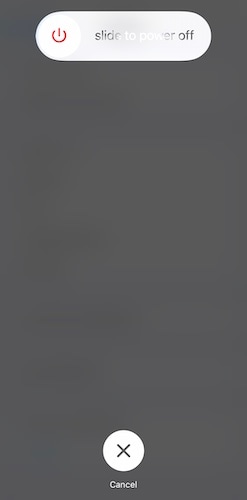
Step 1 Access the Power Slider
Press and hold the Volume Up button and the Side Button simultaneously until the power-off slider appears on the screen.
Step 2 Power Down
Drag the slider to the right to turn off your iPhone.
Step 3 Power Back On
Wait about 30 seconds, then press and hold the Side Button again until the Apple logo appears.
Method 2: Force Restart the iPhone
If a standard restart doesn't work, a force restart (or hard reset) is a more powerful way to clear the system's memory without affecting your data. This can resolve more stubborn glitches. It immediately cuts power and reboots the system.
Step 1 Press Volume Up
Quickly press and release the Volume Up button.
Step 2 Press Volume Down
Immediately press and release the Volume Down button.
Step 3 Press Side Button
Press and hold the Side Button. Continue holding it until you see the Apple logo, then release.
Method 3: Update to the Latest iOS Version
Apple frequently releases iOS updates that include bug fixes for known issues, including audio and connectivity problems. An outdated operating system could be the source of your call quality issues. For example, iOS 15.4.1 was specifically released to address call quality on iPhone 12 and 13 models.
Step 1 Go to Settings
Open the Settings app and tap on 'General'.
Step 2 Check for Updates
Tap 'Software Update'. Your iPhone will check if a new version is available.
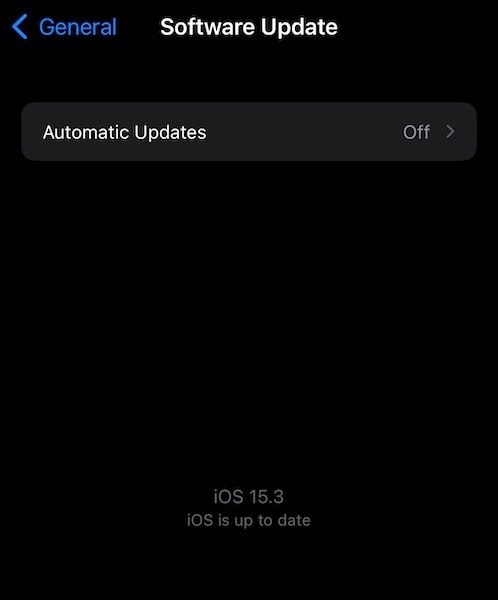
Step 3 Download and Install
If an update is available, connect your iPhone to a power source and Wi-Fi, then tap 'Download and Install'.
Method 4: Use Speakerphone or Earphones
To determine if the issue is with the earpiece itself, try using alternative audio outputs.
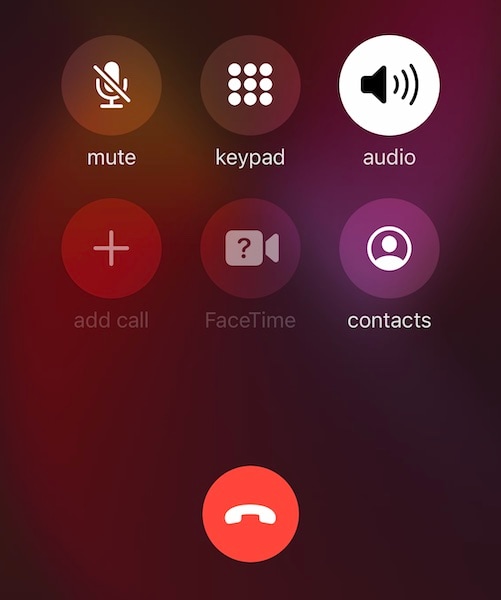
- Speakerphone: During a call, tap the speaker icon. The iPhone's main speaker is often louder and clearer. If the audio is perfect on speakerphone, the issue is isolated to the earpiece.
- Earphones: Connect a pair of wired or Bluetooth earphones (like AirPods). If the call quality is excellent through them, it further points to an issue with the iPhone's built-in earpiece.
Method 5: Check Your Network Signal
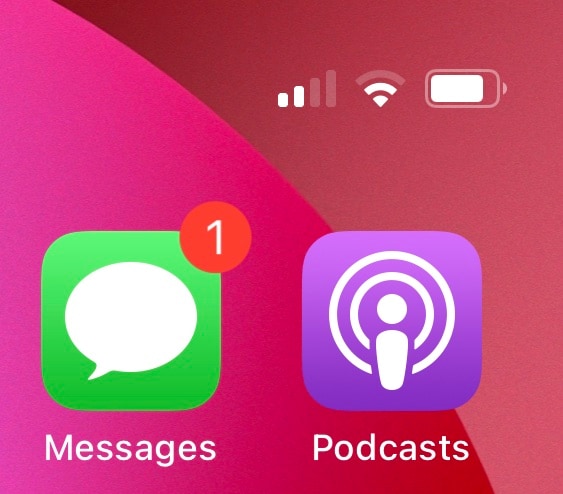
Poor cellular reception is a major cause of bad call quality. Look at the signal bars at the top of your screen. One or two bars indicate a weak signal, which can lead to dropped words and robotic voices.
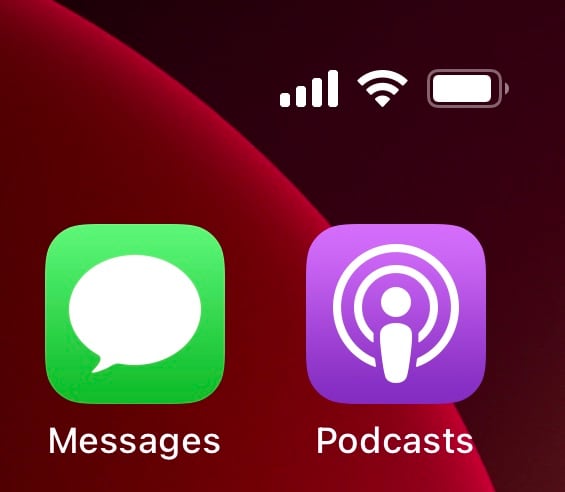
In contrast, four bars indicate an excellent connection, which should provide high-quality audio. If your signal is consistently weak in a specific location, try moving to a different area to see if it improves.
Method 6: Remove Your Phone Case
Poorly designed or bulky phone cases can sometimes interfere with the cellular antenna or muffle the microphones and speakers. Remove the case from your iPhone 13 and make a test call to see if the quality improves.
Method 7: Toggle Airplane Mode
This action forces your iPhone to disconnect from and then reconnect to the cellular network, which can refresh your connection and resolve temporary network issues.
Step 1 Open Control Center
Swipe down from the top-right corner of your screen.
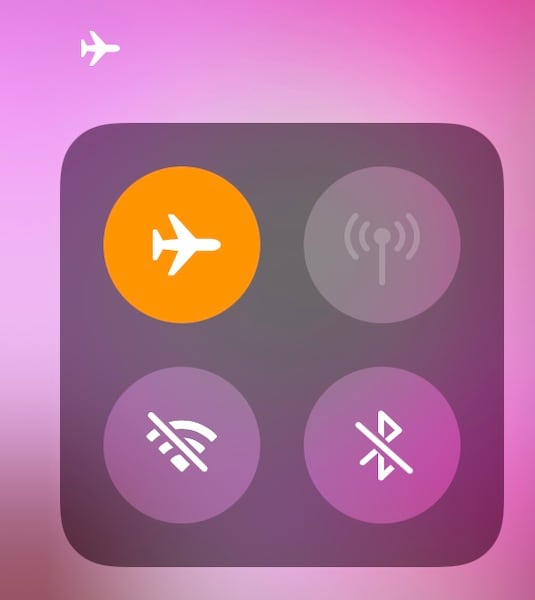
Step 2 Enable Airplane Mode
Tap the airplane icon to turn it on. All wireless radios will be disabled.
Step 3 Disable Airplane Mode
Wait about 15 seconds, then tap the airplane icon again to turn it off. Your phone will reconnect to the network.
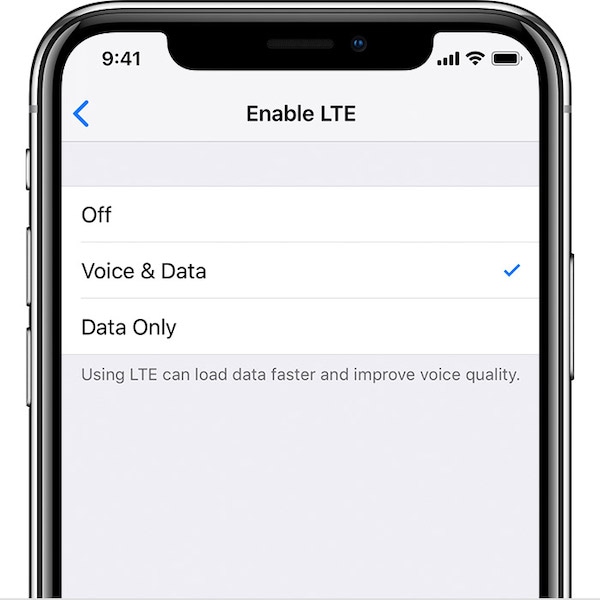
Method 8: Enable VoLTE for Better Voice Quality
VoLTE (Voice over LTE) routes your calls over the 4G LTE data network instead of older 2G/3G voice networks, resulting in significantly clearer HD voice quality. Most modern carriers use this by default, but it's worth checking.
Step 1 Navigate to Cellular Settings
Go to Settings > Cellular > Cellular Data Options.
Step 2 Check Voice & Data Options
Tap on 'Voice & Data' and ensure that 'VoLTE' is toggled on. If you don't see this option, your carrier enables it automatically.
Method 9: Use Wi-Fi Calling
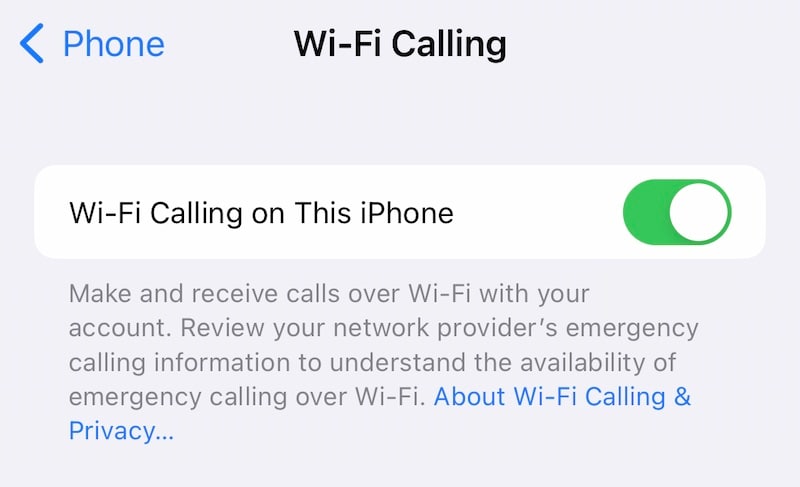
If you have a weak cellular signal at home or in the office but a strong Wi-Fi connection, Wi-Fi Calling is an excellent solution. It routes your calls over your Wi-Fi network, providing superior clarity.
Step 1 Open Phone Settings
Go to Settings > Phone.
Step 2 Enable Wi-Fi Calling
Tap on 'Wi-Fi Calling' and toggle 'Wi-Fi Calling on This iPhone' to the ON position. You may need to enter your address for emergency services.
Method 10: Reset Network Settings
This action erases all current cellular and Wi-Fi network settings, including saved Wi-Fi passwords and Bluetooth devices. It can resolve underlying configuration issues that may be affecting call quality.
Step 1 Go to General Settings
Navigate to Settings > General > Transfer or Reset iPhone.
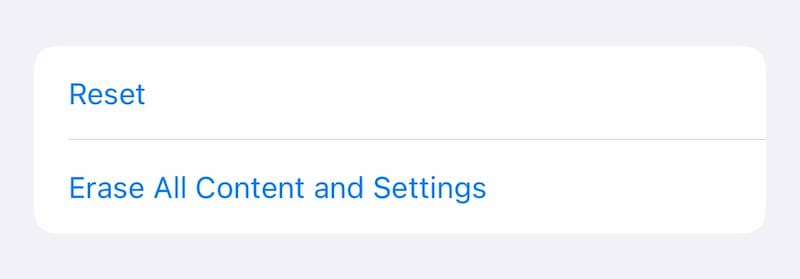
Step 2 Select Reset
Tap 'Reset' at the bottom of the screen.
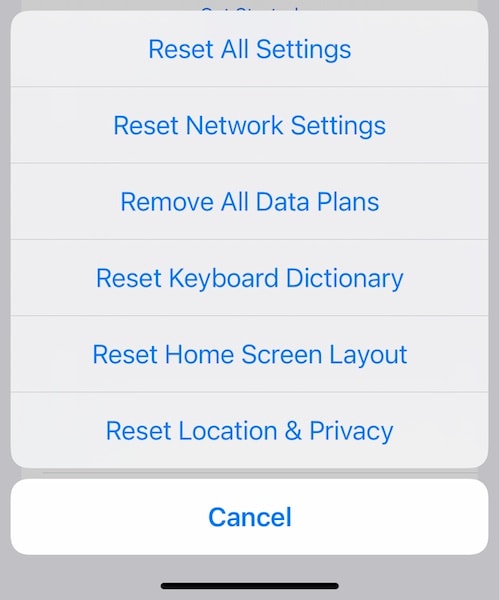
Step 3 Choose Reset Network Settings
Select 'Reset Network Settings' from the menu and enter your passcode to confirm. Your iPhone will restart.
Other Potential Concerns
In some cases, the poor call quality might be due to physical damage rather than a software or network issue.
- Physical Damage: If your iPhone has been dropped, especially near the top, the internal earpiece speaker may have been damaged. In this scenario, the only solution is to visit an Apple Store or authorized service provider for a professional repair.
- Water Damage: Although the iPhone 13 is water-resistant, moisture can still enter the speaker grills. If this happens, sound will be muffled until the internal components dry out completely. Let the phone air dry; do not use heat, as it can cause further damage.
Part 2. The Advanced Solution to Improve Call Quality
If you've tried all the basic fixes and the iPhone 13 poor sound quality on calls persists, the problem may be rooted in a deeper software corruption or a firmware glitch. Restoring the iOS firmware can often resolve these complex issues, but using iTunes or Finder can be intimidating and may lead to data loss. A more reliable approach is to use a dedicated system repair tool.
Dr.Fone - System Repair (iOS) is designed to fix a wide range of iOS system issues without deleting your personal data. It provides a user-friendly interface that guides you through the repair process, eliminating the guesswork and complex error codes associated with traditional methods.
 Fix iOS issues, no data loss.
- One-click repair for all iOS problems.
- Solve recovery mode, Apple logo, black screen, etc.
- Upgrade or downgrade iOS without iTunes
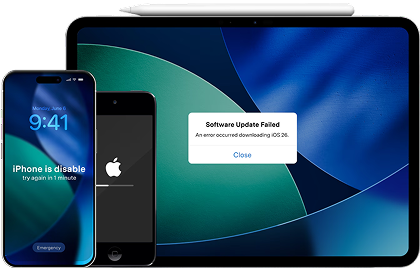
Step 1 Launch Dr. Fone
Download and install Wondershare Dr.Fone on your computer. Connect your iPhone 13 and open the application. Select the 'System Repair' module from the main menu.
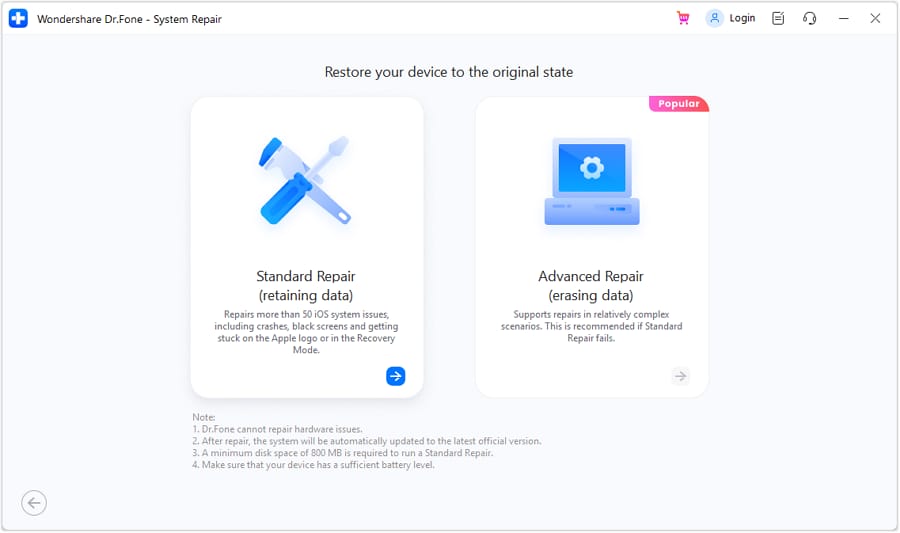
Step 2 Choose Standard Mode
Select 'Standard Mode' for the repair. This mode is designed to fix most common iOS system issues without erasing your device's data.
Step 3 Detect and Confirm Device
Dr.Fone will automatically detect your iPhone 13 model and its current iOS version. Verify that this information is correct and click 'Start' to proceed.
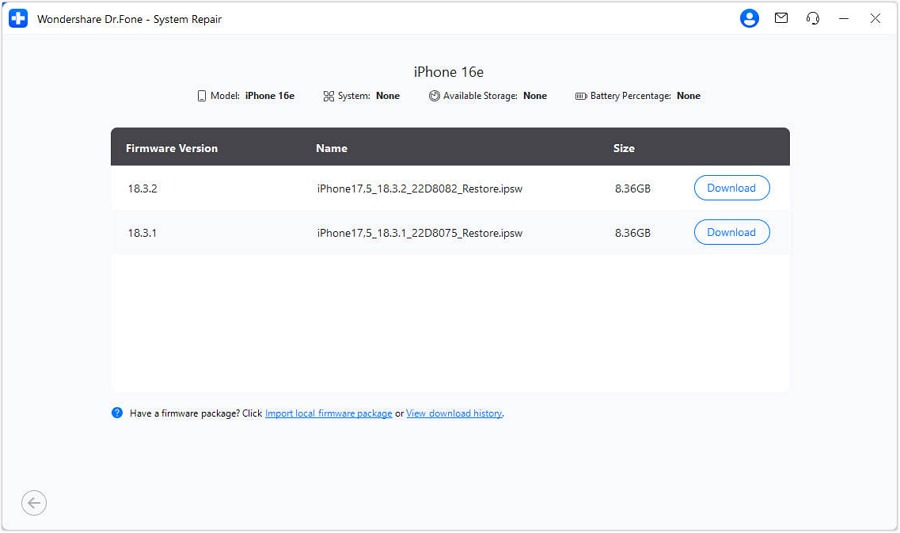
Step 4 Download Firmware and Fix
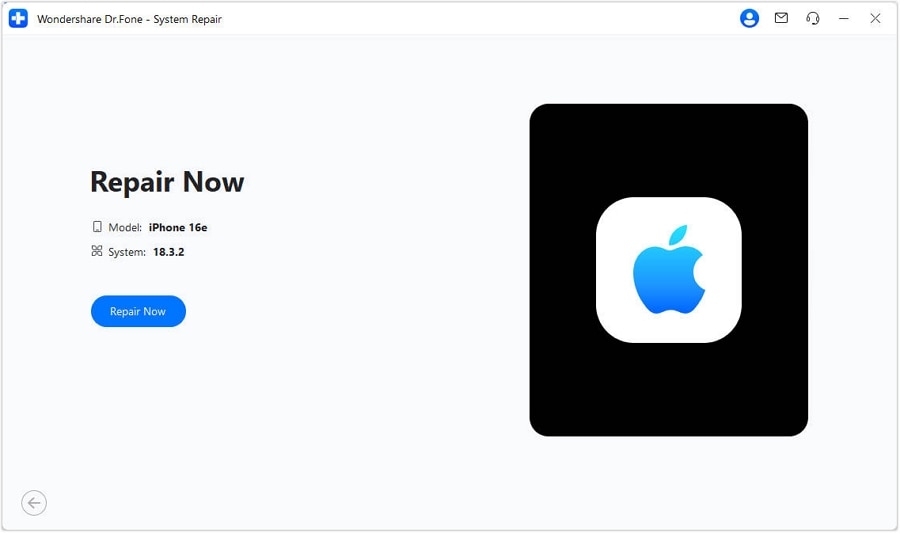
The software will begin downloading the appropriate iOS firmware package. Once the download and verification are complete, click 'Fix Now' to initiate the system repair process. Your iPhone will restart once the repair is finished, hopefully with the call quality issue resolved.
Conclusion
Facing poor call quality on your iPhone 13 is undoubtedly an annoyance, but it's rarely a sign of a critical hardware failure. As we've explored, the solution often lies in simple adjustments, such as cleaning the earpiece, restarting the device, or optimizing your network settings. By systematically working through the basic troubleshooting steps, you can identify and resolve the most common culprits behind muffled or unclear audio.
For more persistent issues that suggest a deeper software problem, tools like Dr.Fone - System Repair (iOS) offer a safe and effective way to restore your device's firmware without losing data. With these methods, you can confidently tackle any iPhone 13 poor call quality problems and get back to enjoying clear conversations.




FAQ
1. Why did my iPhone 13 call quality suddenly become bad?
Sudden drops in call quality are often caused by temporary issues. This could be a software glitch that a simple restart can fix, a poor network connection in your current location, or even a temporary issue with your carrier's network. Toggling Airplane Mode on and off can also help by forcing your phone to re-establish a fresh connection to the cell tower.2. Can a phone case really affect my iPhone's call quality?
Yes, absolutely. A poorly designed or overly thick case, especially one not certified by Apple, can obstruct the antennas, leading to a weaker cellular signal. It can also block the microphone or earpiece speaker, muffling the sound. If you're experiencing issues, try removing the case and making a call to see if there's any improvement.3. How much does updating iOS help with call quality issues?
Updating iOS can be very effective. Apple frequently includes fixes for connectivity and hardware performance in its updates. Specific updates have been released in the past to directly address call quality problems on certain iPhone models. Keeping your device updated ensures you have the latest performance improvements and bug fixes from Apple.4. When should I consider a professional repair for poor call quality?
You should consider a professional repair if you've exhausted all troubleshooting steps (including a system repair) and the issue persists. This is especially true if the problem started after the phone was dropped or exposed to water. In these cases, it's likely a hardware issue with the earpiece speaker or internal antenna that requires professional diagnosis and service.
 Add Wondershare Dr.Fone as a preferred source on Google