Resolve common problems and system crashes on both iPhone and Android devices.

 100% Security Verified | No Subscription Required | No Malware

 :
: 
 ChatGPT
 Perplexity
 Gemini
 Claude
 Grok
Grok
Making and receiving calls is the most fundamental function of a smartphone, and it's incredibly frustrating when it fails. Many iPhone 13 users have reported experiencing an issue where their device is frequently dropping calls on iPhone 13, disrupting important conversations and causing significant annoyance.
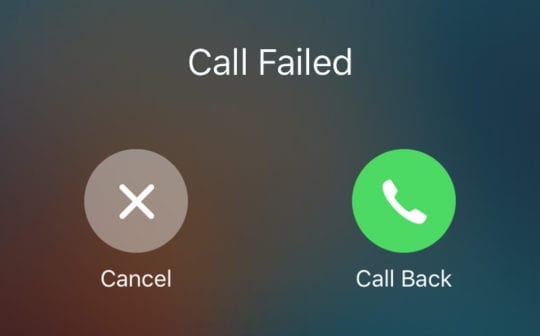
Fortunately, you've landed in the right place. This issue of dropped calls on iPhone 13 is often linked to solvable software glitches or network setting conflicts. This guide will walk you through a series of effective solutions, from basic troubleshooting to advanced system repair using tools like Dr.Fone - System Repair (iOS), to get your calls back on track quickly and efficiently.
In this article
Part 1. Common Reasons Your iPhone 13 is Dropping Calls
The most frequent culprit behind dropped calls on iPhone 13 is a poor cellular signal. Before diving into complex solutions, check the signal bars at the top of your screen. If you only have one or two bars, try moving to a different location, such as near a window or outdoors, to see if the signal improves.
Another excellent diagnostic step is to enable Wi-Fi Calling (if your carrier supports it) and make a call. If your calls are stable over Wi-Fi but drop on cellular, the problem is likely with your carrier's network. However, if calls drop on both, it points toward a potential software glitch, a misconfigured setting, or a SIM card issue on your device.
Part 2. 8 Simple Fixes for the iPhone 13 Dropped Calls Issue
Before resorting to more advanced measures, try these simple yet highly effective methods. Minor software conflicts are often the cause of the iPhone 13 dropping calls, and one of these tricks might be all you need to resolve it.
2.1. Inspect and Reinsert the SIM Card
A poorly seated or dirty SIM card can disrupt communication between your phone and the cellular network, leading to call drops. It's a fundamental step that should not be overlooked.
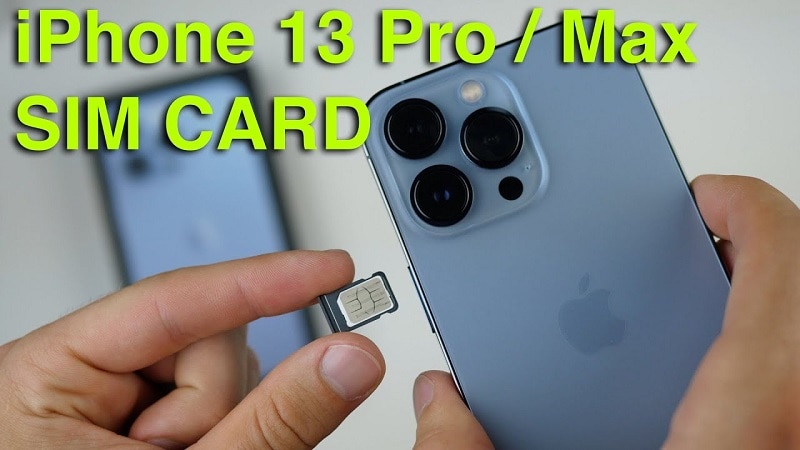
Follow these steps to check your SIM card:
- Turn off your iPhone 13.
- Locate the SIM tray on the right side of the device.
- Insert a SIM-eject tool or a small paperclip into the pinhole to pop the tray out.
- Carefully remove the SIM card and inspect it and the tray for any signs of damage or debris.
- Wipe the SIM card gently with a soft, dry cloth, place it back in the tray correctly, and reinsert it into the phone.
2.2. Toggle Airplane Mode On and Off
Toggling Airplane Mode is a quick way to force your iPhone to disconnect from and then reconnect to cellular and Wi-Fi networks. This simple action can refresh your network connection and often resolve temporary glitches causing call drops.
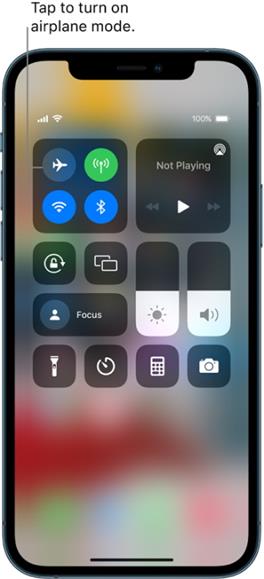
- Swipe down from the top-right corner of your screen to open the Control Center.
- Tap the airplane icon to turn Airplane Mode on. The icon will turn orange.
- Wait about 30 seconds, then tap the airplane icon again to turn it off.
2.3. Close All Background Apps
While multitasking is a core feature, having too many apps running in the background can sometimes consume excessive system resources, potentially interfering with essential functions like phone calls. Closing them can help stabilize your device's performance.
- From your Home Screen, swipe up from the bottom and pause in the middle of the screen.
- This will display all your recently used apps.
- Swipe up on each app's preview to close it.
2.4. Restart Your iPhone 13
A simple restart can clear out temporary files and resolve minor software conflicts that might be responsible for the dropped calls on iPhone 13. It's a classic troubleshooting step for a reason.
- Press and hold either the volume up or volume down button and the side button simultaneously.
- Continue holding until the 'slide to power off' slider appears on the screen.
- Drag the slider to turn off your device. Wait about 30 seconds, then press and hold the side button again until the Apple logo appears.
2.5. Reset Network Settings
Corrupted network settings can cause a host of connectivity issues, including call drops. Resetting them will revert all cellular, Wi-Fi, and VPN settings to their factory defaults without affecting your personal data.
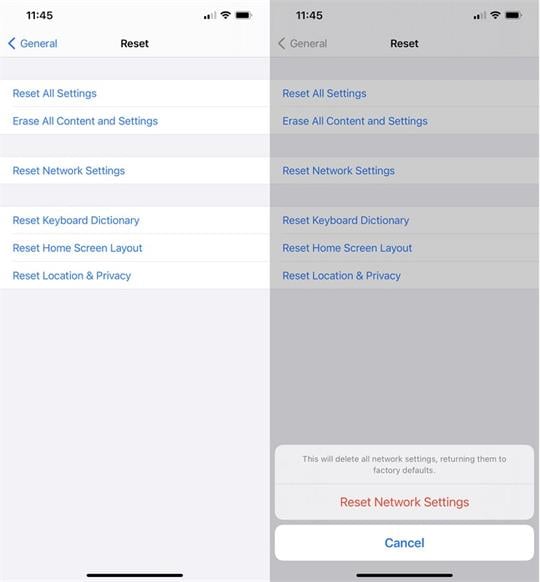
Here’s how to do it:
- Go to Settings > General.
- Scroll down and tap on Transfer or Reset iPhone.
- Tap Reset, and then select Reset Network Settings.
- You may be prompted to enter your device passcode. Confirm the action to proceed.
2.6. Enable Automatic Date & Time
An incorrect date and time on your device can cause authentication problems with your carrier's network, which can lead to unexpected call failures. Ensure it's set to update automatically.
- Navigate to Settings > General.
- Select Date & Time.
- Make sure the toggle for Set Automatically is turned on (green). This will sync your device's time with your carrier's network.
2.7. Check for Carrier Settings Updates
Your cellular carrier occasionally releases updates to improve network connectivity, performance, and compatibility. An outdated setting might be the reason for your iPhone 13 dropping calls.
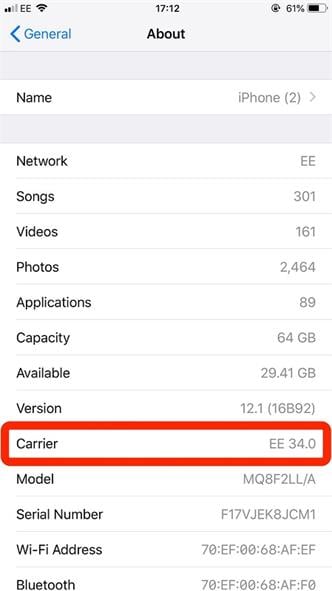
To check for an update:
- Ensure your device is connected to Wi-Fi or a cellular network.
- Go to Settings > General > About.
- If an update is available, a popup will appear automatically within a few seconds. Tap Update to install it.
2.8. Update to the Latest iOS Version
Apple regularly releases iOS updates that include bug fixes and performance improvements. Keeping your iPhone 13 updated is crucial for resolving known software issues that could be causing call drops.
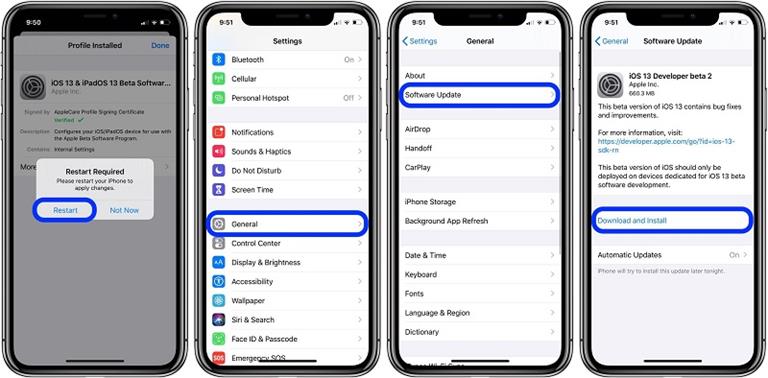
To update your iOS:
- Go to Settings > General > Software Update.
- If a new update is available, you will see the option to download and install it.
- Tap Download and Install and follow the on-screen prompts.
Part 3. 2 Advanced Methods to Resolve iPhone 13 Call Drops
If you've tried all the simple fixes and your iPhone 13 is still dropping calls, the problem may lie deeper within the iOS system. Here are two advanced methods to address more stubborn issues.
Our first recommendation is to use Dr. Fone - System Repair (iOS), a powerful tool designed to fix a wide range of iOS system problems conveniently and without any data loss. The second option involves restoring your iPhone via iTunes or Finder, which will erase your data, so a backup is essential.
3.1. Use Dr.Fone - System Repair (iOS) for a No-Data-Loss Fix
Dr.Fone - System Repair is a highly reliable and user-friendly solution. It can diligently repair the underlying software conflicts causing the iPhone 13 dropping calls issue, all while keeping your personal data safe. You simply download the software, connect your phone, and let it handle the repair process.

 Fix iOS issues, no data loss.
- One-click repair for all iOS problems.
- Solve recovery mode, Apple logo, black screen, etc.
- Upgrade or downgrade iOS without iTunes
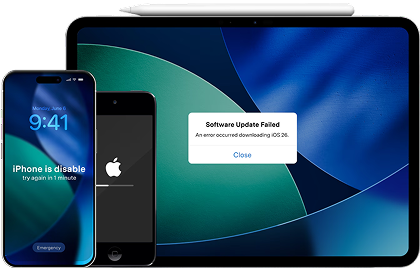
Here’s how to use it step-by-step:
-
Step 1 Download and Launch Dr.Fone
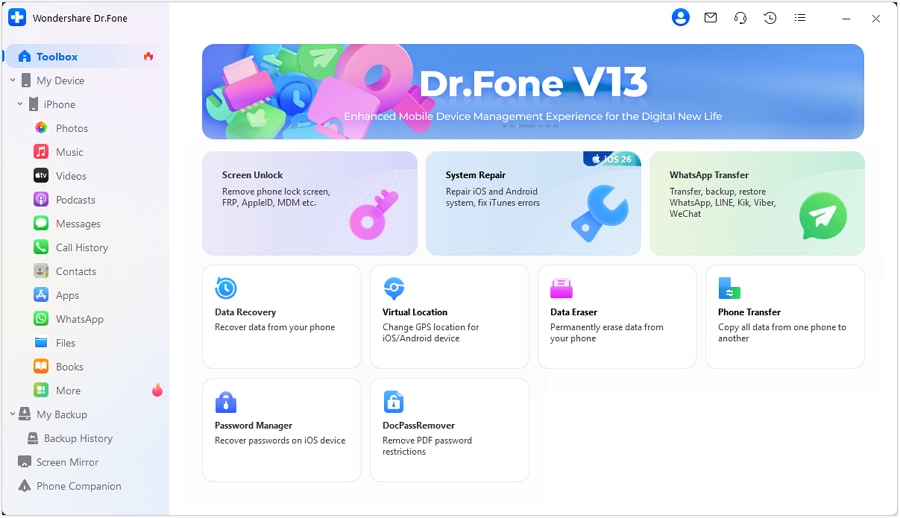
Download and install Dr. Fone on your computer. Open the application and select System Repair from the main dashboard.
-
Step 2 Connect Your iPhone 13
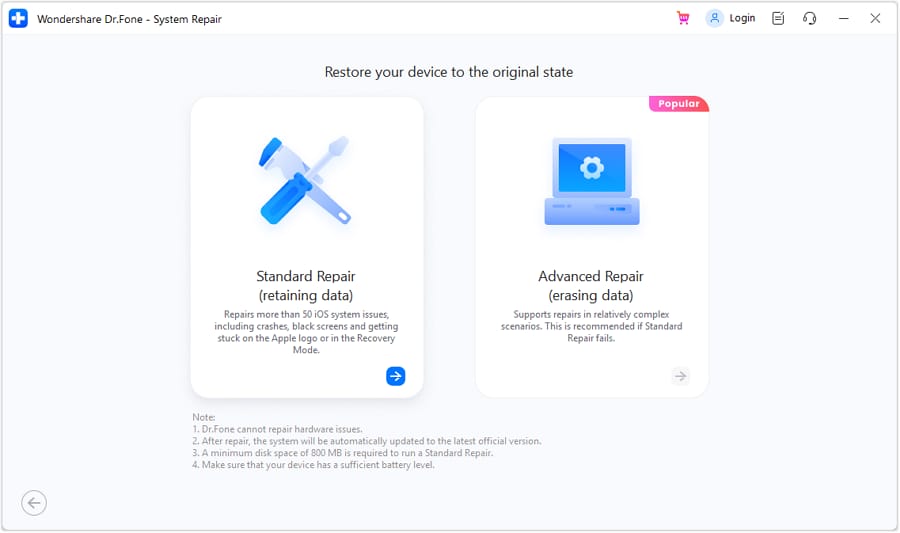
Connect your iPhone 13 to your computer using a Lightning cable. Once Dr.Fone detects your device, it will present two options: Standard Mode and Advanced Mode.
-
Step 3 Select Standard Mode
Choose Standard Mode. This mode is designed to fix most common iOS issues, like call dropping, without erasing any of your data. Advanced Mode should only be used as a last resort if Standard Mode fails, as it will erase all data.
-
Step 4 Download the Firmware
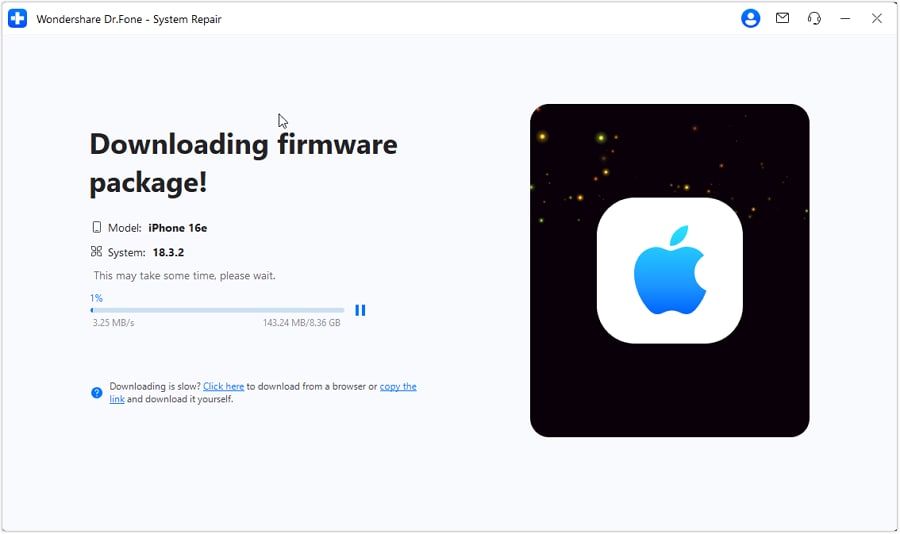
The software will automatically detect your iPhone 13 model and display the appropriate iOS firmware. Click Start to begin the download.
-
Step 5 Begin the Repair
Once the firmware is downloaded and verified, click the Fix Now button. Dr.Fone will begin repairing your iOS system. The process will take a few minutes, and your phone will restart once it's complete, with the call dropping issue resolved.
3.2. Restore iPhone 13 via iTunes or Finder (Data Erasure)
If you have previously created a backup, you can restore your iPhone 13 using iTunes (on older macOS/Windows) or Finder (on newer macOS). This process will completely erase your device and reinstall the operating system, which can fix deep-seated issues but will result in data loss if you don't have a recent backup.
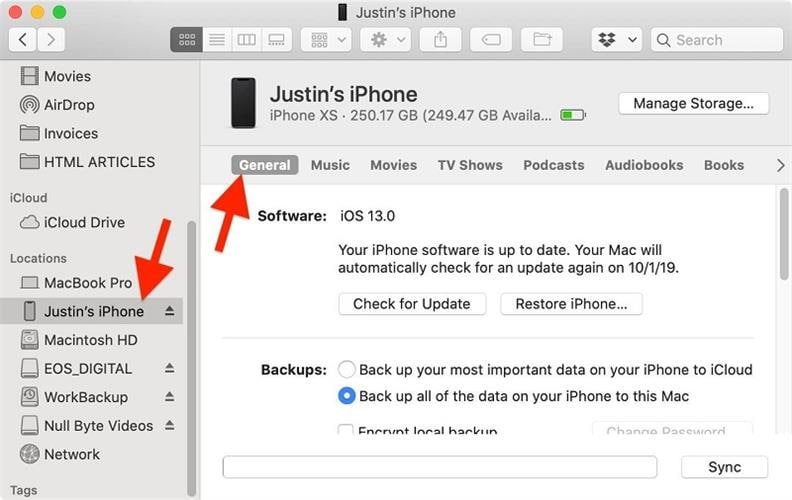
Remember to back up your iPhone before proceeding:
- Open Finder on your Mac or iTunes on your PC.
- Connect your iPhone 13 to the computer with a cable.
- You may need to enter your passcode and trust the computer.
- Select your iPhone 13 when it appears in the Finder or iTunes window.
- Click on Restore Backup. Be careful not to click 'Restore iPhone,' which erases the device without restoring a backup.
- Choose the most recent and relevant backup, then click Restore.
- Keep your device connected until it restarts and syncs with your computer.
Conclusion
Experiencing dropped calls on your iPhone 13 can seriously disrupt your daily communication. However, as we've explored, the issue can often be resolved with simple troubleshooting steps. By working through the hacks mentioned above, from checking your SIM card to resetting network settings, you can often fix the problem without much hassle.
For more persistent software issues that simple fixes can't solve, Dr. Fone - System Repair (iOS) offers a powerful and safe solution. It provides a straightforward way to repair your iPhone's operating system without compromising your valuable data. Try these methods and enjoy clear, uninterrupted calls once again!




FAQ
-
1. Why does my iPhone 13 drop calls even with full signal bars?
Even with a strong signal indicated, calls can drop due to network congestion, a faulty SIM card, or an underlying iOS software glitch. The signal bars only represent the strength of the connection to the nearest tower, not the overall quality or capacity of the network at that moment. -
2. Will resetting network settings on my iPhone 13 delete my personal data?
No, resetting network settings will not delete any of your personal data like photos, contacts, or apps. It will only erase your saved Wi-Fi networks and their passwords, saved Bluetooth devices, cellular settings, and any VPN configurations you have set up. -
3. Is it safe to use a third-party tool like Dr.Fone to fix my iPhone?
Yes, reputable and well-established tools like Dr.Fone - System Repair are designed to be safe. The Standard Mode repair process specifically focuses on fixing system files without touching your user data, making it a secure option for resolving software issues that you can't fix through standard methods. -
4. How often should I check for carrier updates on my iPhone 13?
Typically, your iPhone will automatically prompt you when a carrier settings update is available. However, it's good practice to manually check by going to Settings > General > About after any major iOS update or if you are experiencing connectivity issues. You don't need to check it daily.
 Add Wondershare Dr.Fone as a preferred source on Google