Resolve common problems and system crashes on both iPhone and Android devices.

 100% Security Verified | No Subscription Required | No Malware

 :
: 
 ChatGPT
 Perplexity
 Gemini
 Claude
 Grok
Grok

Hi, I have recently bought an iPhone 13 and it heats up while charging, its kind of hot while its charged up to 70% but after that it cools down gradually until it reaches 80%. Is it normal or is there some issue with it.
An iPhone 13 User
Many users report their iPhone 13 overheating while charging, a problem that can be alarming and potentially harmful to the device's longevity. When your iPhone 13 gets hot, it's often a sign that the processor is working overtime, or that external factors are contributing to a rise in temperature. This excess heat can degrade battery health over time and lead to performance throttling.
While the iPhone 13 is a powerhouse of technology, it's not immune to issues. Understanding why your iPhone 13 gets hot is the first step toward a solution. This can stem from software glitches, demanding applications, or even the environment you're in. Fortunately, most overheating problems can be resolved with a few simple adjustments. This guide will walk you through the common causes and provide ten effective solutions to cool down your device.
In this article
- Part 1. Common Reasons Your iPhone 13 Gets Hot When Charging
- Part 2. 10 Proven Methods to Stop Your iPhone 13 from Overheating
- Fix 1: Reduce Screen Brightness
- Fix 2: Manage Your External Environment
- Fix 3: Optimize Wi-Fi and Cellular Data Usage
- Fix 4: Identify and Manage Power-Hungry Apps
- Fix 5: Keep Your iOS Updated
- Fix 6: Disable Background App Refresh
- Fix 7: Turn Off Unused Connectivity Features
- Fix 8: Use Genuine Apple Chargers and Cables
- Fix 9: Limit Location Services
- Fix 10: Perform a Reset as a Last Resort
Part 1. Common Reasons Your iPhone 13 Gets Hot When Charging
Ever asked yourself, "Why does my iPhone 13 get hot?" An iPhone getting unusually warm isn't random; it's a reaction to specific demands placed on it. Understanding these triggers is key to preventing overheating. Let’s explore the most common culprits.
1. High-Quality Video Streaming
Streaming videos from platforms like YouTube or Netflix, especially in HD or 4K, places a heavy load on your iPhone. The device must simultaneously download data, decode the video file, and power the vibrant display. This combination of tasks requires significant processing power, which in turn generates substantial heat.
2. Intensive Gaming
Graphically demanding games push your iPhone 13's A15 Bionic chip to its limits. The CPU and GPU work in tandem to render complex graphics, process game logic, and maintain a high frame rate. This intense activity is a major source of heat, and you'll often feel the device warm up quickly during a gaming session.

3. Using Demanding Apps While Charging
The fast-charging capability of the iPhone 13 already generates some heat as it rapidly replenishes the battery. If you use performance-heavy applications during this process, you are adding another layer of heat generation. This combined thermal load can easily push the temperature beyond its normal range. It's best to let the iPhone charge without running intensive tasks.
4. High Ambient Temperatures
Your surrounding environment plays a crucial role. Using your iPhone in direct sunlight, leaving it in a hot car, or even having it in a thick, non-breathable case can trap heat. The phone struggles to dissipate its own internally generated heat when the external temperature is already high, leading to a rapid temperature increase.
5. Video Calls (FaceTime)
Video calling apps like FaceTime require the camera, microphone, speaker, display, and network connection to operate simultaneously. This multi-tasking effort is very demanding on the processor and can cause your iPhone to overheat, particularly during long conversations, and even more so if it's charging at the same time.
6. Active Hotspot, Bluetooth, or Wi-Fi
Features that rely on radio antennas, such as Personal Hotspot, Bluetooth, and even Wi-Fi, generate heat during operation. If you leave these services running, especially while charging, they contribute to the overall thermal load. The phone is constantly working to maintain these connections, which adds to the heat buildup.
7. Extended Audio Calls
While not as intensive as video calls, long audio calls still require the processor and cellular radio to work continuously. If you're on a call for an extended period, especially while using Bluetooth headphones like AirPods and charging the device, the combined activity can lead to noticeable warming.
8. Wireless Charging Inefficiency
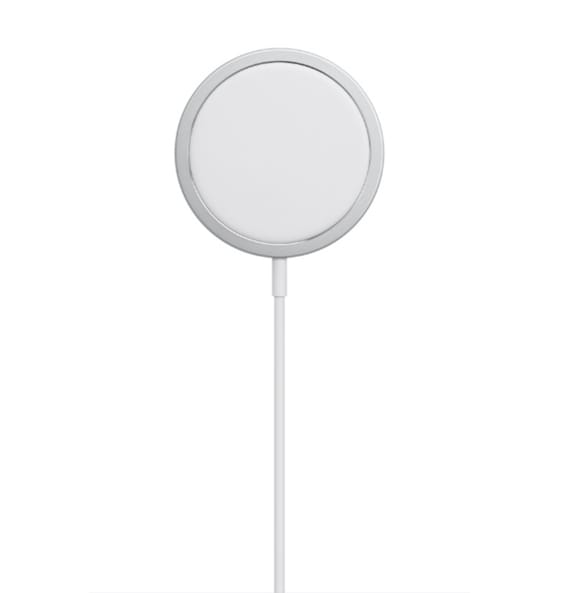
Wireless charging is convenient, but it's inherently less efficient than wired charging. Some energy is lost as heat during the inductive transfer process between the charging pad and the iPhone. This is a normal byproduct, but it can make the phone feel warmer than it would with a standard cable, especially if the phone isn't perfectly aligned on the charger.
Now that we've identified the potential reasons your iPhone 13 gets hot, let's move on to the practical solutions to manage and prevent this issue.
Part 2. 10 Proven Methods to Stop Your iPhone 13 from Overheating
Since overheating can also cause a slow charging issue, it is vital to take preventative measures. These tried-and-tested remedies can help you solve the problem quickly without needing to contact Apple support. Here’s how to fix an iPhone 13 getting hot.
Fix 1: Reduce Screen Brightness
A bright screen consumes significant battery power, which contributes to heat generation. You can mitigate this by enabling Auto-Brightness. Alternatively, for more direct control, go to Settings > Display & Brightness and manually lower the brightness using the slider. This simple adjustment can make a noticeable difference.
Fix 2: Manage Your External Environment
As previously discussed, your environment significantly impacts your phone's temperature. iPhones operate best between 32°F and 95°F (0°C and 35°C). Follow these guidelines:
- Keep your phone out of direct sunlight for prolonged periods.
- Never leave your iPhone on the dashboard of your car on a sunny day.
- Avoid placing your phone near heat sources like radiators or ovens.
- If possible, use your phone in a cool, well-ventilated area.

Fix 3: Optimize Wi-Fi and Cellular Data Usage
While Wi-Fi is generally more energy-efficient than cellular data, leaving it on when you're not connected to a network can drain the battery as it constantly scans for signals. This causes unnecessary heat. Turn off Wi-Fi when you're on the go. Conversely, when a strong Wi-Fi signal is available, use it instead of cellular data, as a weak cellular signal forces the phone's radio to work harder, generating more heat.
Fix 4: Identify and Manage Power-Hungry Apps
Some apps can run haywire in the background, consuming excessive CPU resources and causing your iPhone to heat up. To identify the culprits, navigate to Settings > Battery. Here, you'll see a list of apps and their respective battery consumption. If an app is using an unusually high amount of power, you can try force-quitting it or, if the problem persists, uninstalling it.
Fix 5: Keep Your iOS Updated
An overheating problem might not be caused by your apps but by a bug in the operating system itself. Software glitches can sometimes lead to inefficient processes that cause the CPU to overwork. If you suspect a software issue is making your iPhone 13 hot, a system repair tool can fix it without data loss.
 Fix iOS issues, no data loss.
- One-click repair for all iOS problems.
- Solve recovery mode, Apple logo, black screen, etc.
- Upgrade or downgrade iOS without iTunes
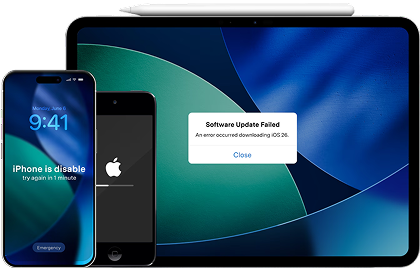
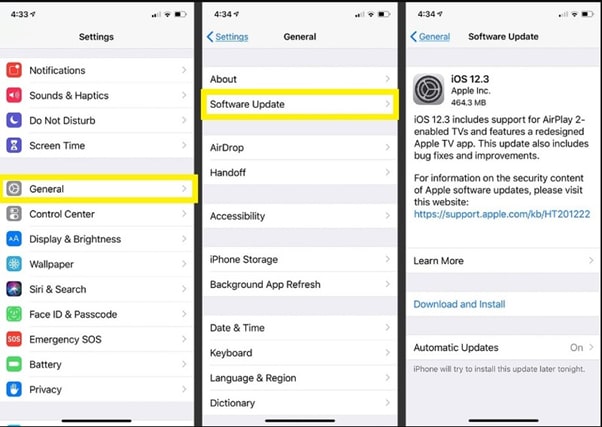
Additionally, always ensure your device is running the latest version of iOS. Apple frequently releases updates that include performance improvements and bug fixes. You can check for updates by going to Settings > General > Software Update and then tapping 'Download and Install' if an update is available.
Fix 6: Disable Background App Refresh
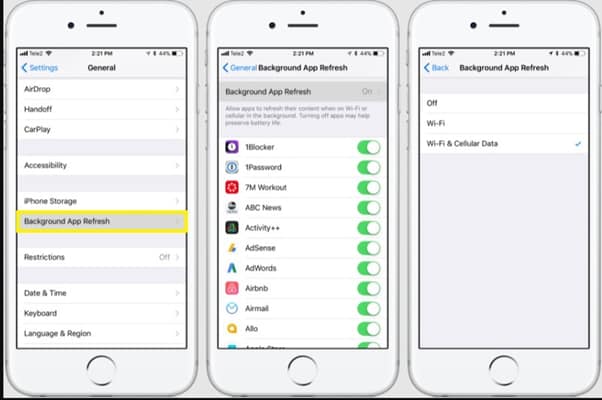
Background App Refresh allows apps to update their content even when you're not actively using them. While convenient, this feature contributes to CPU usage and heat generation. To prevent overheating, you can disable it entirely or for specific apps. Go to Settings > General > Background App Refresh and toggle it off.
Fix 7: Turn Off Unused Connectivity Features
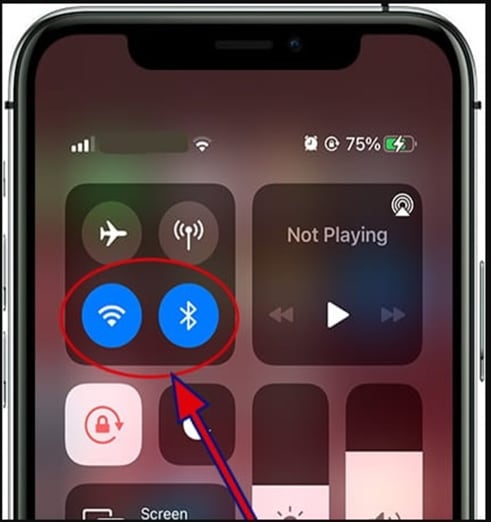
Personal Hotspot and Bluetooth are significant heat contributors, especially during charging. If you're not using them, turn them off from the Control Center or Settings. This prevents the phone from maintaining active connections, reducing the workload on its internal components and helping to keep it cool.
Fix 8: Use Genuine Apple Chargers and Cables
Using non-certified or counterfeit charging accessories can be dangerous. These products often lack the proper safety and voltage regulation standards, which can lead to inefficient charging, excessive heat generation, and even damage to your iPhone's battery and charging port. Always use MFi (Made for iPhone) certified cables and adapters.
Fix 9: Limit Location Services
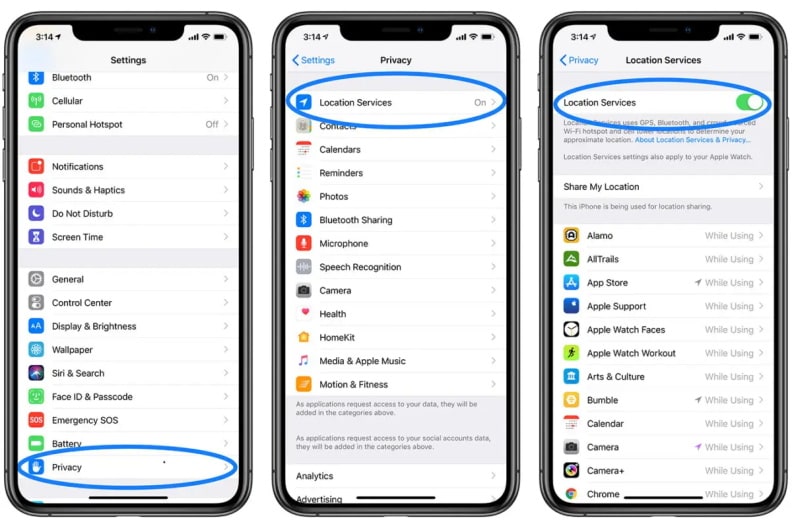
Many apps use GPS to track your location, which is an energy-intensive process. Review which apps have permission to access your location by going to Settings > Privacy > Location Services. For apps that don't need constant tracking, set their access to 'While Using the App' or 'Never'. This reduces the GPS radio's activity and helps lower the phone's temperature.
Fix 10: Perform a Reset as a Last Resort
If you've tried everything and the overheating persists, a reset might be necessary. First, try a force restart: quickly press and release the Volume Up button, then the Volume Down button, then press and hold the Side button until the Apple logo appears. If that doesn't work, you can perform a factory reset. Go to Settings > General > Transfer or Reset iPhone > Erase All Content and Settings. Note that this will delete all your data, so be sure to back up your device first.
If your iPhone 13 continues to overheat after attempting all these software-based solutions, it may indicate an underlying hardware problem. In this case, it is best to contact Apple Support or visit an authorized service center for a professional diagnosis.
Conclusion
Experiencing your iPhone 13 overheating while charging can be concerning, but it's often a solvable issue. By understanding the common triggers—from intensive apps to environmental factors—you can take proactive steps to manage your device's temperature effectively. The ten solutions provided offer a comprehensive guide to troubleshooting and resolving this problem.
Implementing these simple adjustments, such as managing background processes, using certified accessories, and keeping your software up to date, can significantly improve your iPhone's thermal performance and protect its long-term battery health. If the problem continues, don't hesitate to seek professional help from Apple, as it could signify a deeper hardware issue.
Frequently Asked Questions
-
1. Is it normal for an iPhone 13 to get slightly warm when charging?
Yes, it is perfectly normal for your iPhone 13 to become slightly warm during the charging process. This is a natural byproduct of the electrical energy being converted and stored in the battery. However, if the device becomes uncomfortably hot to the touch, it indicates a potential issue that needs to be addressed. -
2. Can an overheating iPhone damage the battery?
Yes, prolonged exposure to high temperatures can permanently damage your iPhone's battery capacity. Heat is a battery's worst enemy, as it accelerates the chemical aging process inside the lithium-ion cells. This leads to a reduced ability to hold a charge and a shorter overall battery lifespan. -
3. Does fast charging make the iPhone 13 hotter?
Fast charging pushes more power into the battery in a shorter amount of time, which naturally generates more heat than standard charging. To manage this, iOS has a built-in thermal management system that may slow down charging if the phone's temperature exceeds a certain threshold, typically around 80% charge. -
4. What should I do if my iPhone is still overheating after trying these fixes?
If you have implemented all the troubleshooting steps and your iPhone 13 continues to overheat, there might be a hardware malfunction, such as a faulty battery or a logic board issue. At this point, it is crucial to stop using the device if it's excessively hot and contact Apple Support or visit an authorized service provider for a professional inspection and repair.
 Add Wondershare Dr.Fone as a preferred source on Google