Recover photos, messages, WhatsApp, and more — no backup
needed.
Recover photos, messages, WhatsApp, and more — no backup
needed.

 100% Security Verified | No Subscription Required | No Malware

 :
: 
 ChatGPT
 Perplexity
 Gemini
 Claude
 Grok
Grok
I accidentally dropped my iPhone 6s into the water, and I desperately need to know how to recover data from a water-damaged iPhone. Can my photos and contacts still be saved? Does anyone have a proven solution for this?
Verified User Support Query 2026

Accidents happen in a split second, but the consequences for your digital life can be lasting. At Wondershare, the creators of Dr.Fone, we encounter thousands of users facing this exact crisis every year. When you need to recover data from a water damaged iPhone, the first rule is to remain calm and avoid common myths like using a hairdryer, which often does more harm than good.
Submerging a device in liquid triggers immediate electrochemical reactions that can short-circuit the motherboard. However, unless the storage chip itself is physically crushed or completely fried, there is a high probability you can retrieve pictures from a water-damaged iPhone. This guide details the professional 2026 protocols for emergency data salvage.
In this article
Part 1. Identifying and Managing iPhone Water Damage
Before attempting any software-based recovery, you must assess the physical state of your device. Water damage is often invisible from the outside but manifests through specific hardware failures that indicate internal moisture levels are critical.
Common Symptoms of iPhone Water Damage
If your iPhone has been exposed to liquid, watch for these red flags that suggest the internal circuitry is compromised:
- Startup Failures: The device won't turn on, is stuck in a boot loop, or shows the "White Screen of Death."
- Hardware Malfunctions: Speakers emitting distorted sound, microphones failing to pick up audio, or the device becoming extremely hot to the touch.
- Erratic Behavior: Applications like Safari or Mail opening and closing autonomously, or the touchscreen becoming unresponsive.
- System Warnings: Receiving messages stating "Liquid has been detected in the Lightning connector" or "This accessory is not supported."
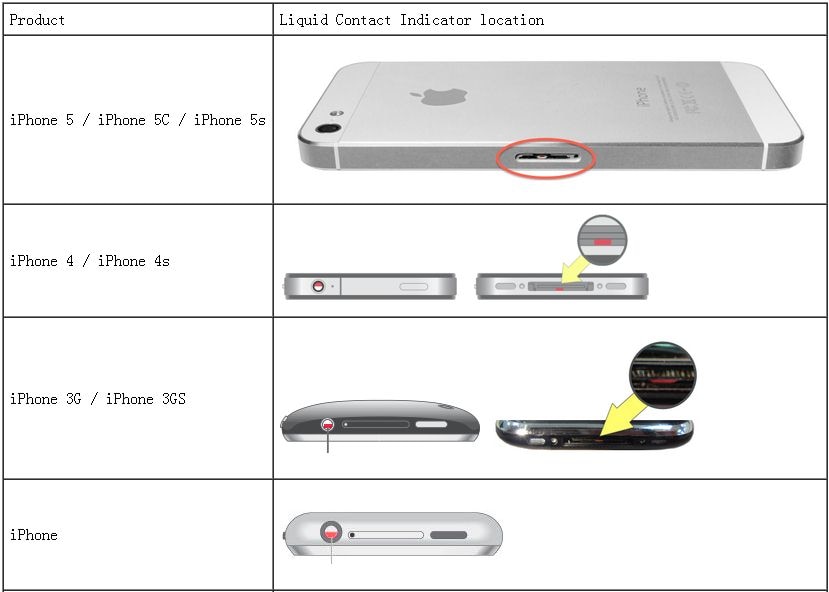
How to Check the Liquid Contact Indicator (LCI)
Apple includes a built-in Liquid Contact Indicator (LCI) that changes color when it comes into contact with water or liquid containing water. This is the most objective way to verify damage. When the LCI is triggered, it turns bright red. If it remains white or silver, you may have avoided significant damage.
Immediate Emergency Protocol
The actions you take in the first 60 minutes are vital for your ability to retrieve pictures from a water-damaged iPhone later.
Step 1 Power Off and Disconnect
Immediately shut down the iPhone. Do not attempt to charge it or plug it into a computer yet, as electricity flowing through wet circuits causes permanent shorts.
Step 2 Physical Desiccation (No Heat!)
Wipe the exterior dry. Use silica gel packets (desiccants) in a sealed container rather than rice. Never use a hairdryer, as the high heat can warp internal components and push moisture deeper into the logic board.
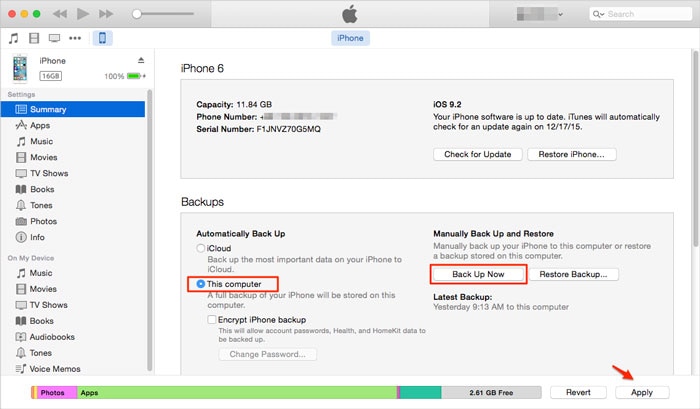
Step 3 Create an Emergency Backup
If the device still powers on briefly, attempt a quick backup. If it doesn't, do not force it; proceed to professional data recovery tools.
Part 2. Three Methods for Water Damaged iPhone Data Recovery
Even if your phone is physically damaged, your data often resides safely on the NAND flash memory chip or within your cloud accounts. Using professional software allows you to bypass the broken interface to reach the underlying data. This is particularly useful when the screen is black or the touch function is dead.
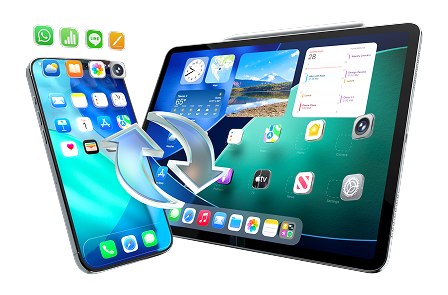
 Recovers data after deletion, crashes, or device damage.
- Supports photos, messages, contacts, WhatsApp, and more.
- Supports all major iPhone, iPad, and iPod models.
- Preview and recover only what you need.
Method 1. Direct Recovery from the Device Storage
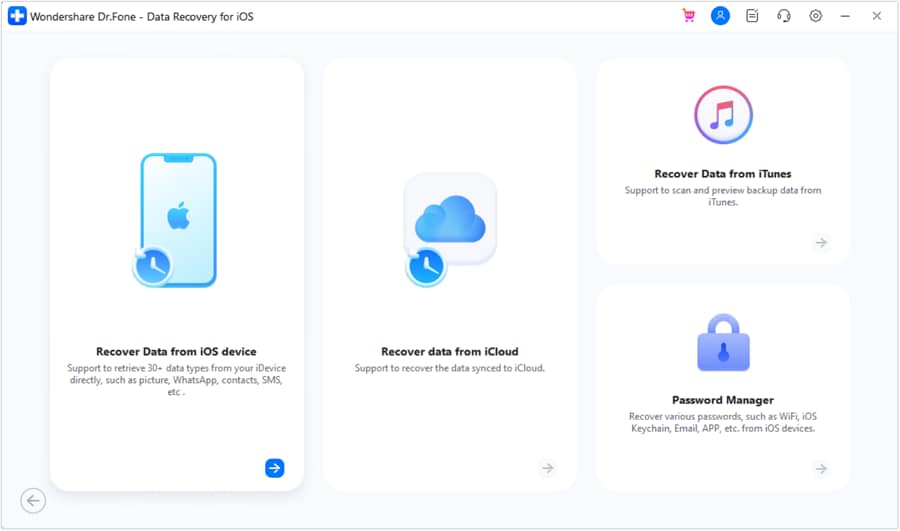
This is the primary method if you do not have a recent backup. By connecting your device to a computer, Dr.Fone can attempt to read the storage directly, bypassing the operating system's standard interface.

Step 1 Connect and Scan
Launch Dr.Fone on your PC or Mac and select "Data Recovery." Connect your iPhone via USB. Once detected, choose the file types you want to salvage and click "Start Scan."
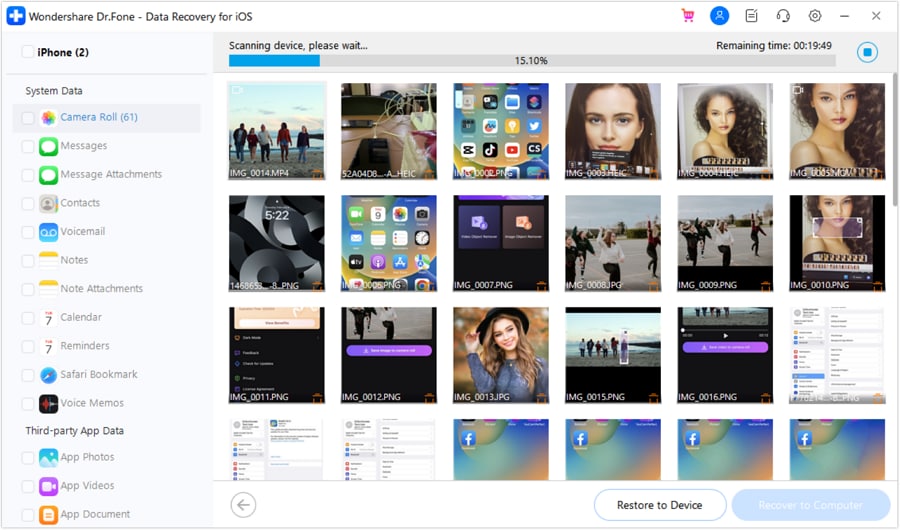
Step 2 Preview and Save
After the scan completes, you can browse through your photos, messages, and contacts. Select the items you need and click "Recover to Computer" to secure them safely on your hard drive.


Method 2. How to Recover Data from iTunes Backup
If your iPhone is too damaged to be recognized by a computer, your iTunes backup is a lifesaver. While standard iTunes restoration wipes your current phone, using Dr.Fone allows you to extract files selectively without needing a working iPhone in hand.
| Feature | Dr.Fone - Data Recovery | Standard iTunes Restore |
|---|---|---|
| Selective Recovery | (Choose specific photos/texts) | (All or nothing) |
| Data Overwriting | (Safe - no data lost) | (Wipes existing device data) |
| Preview Capability | (View before recovering) | (Blind restore) |
| Hardware Required | Computer Only | Working iPhone Required |
Step 1 Select the Backup File
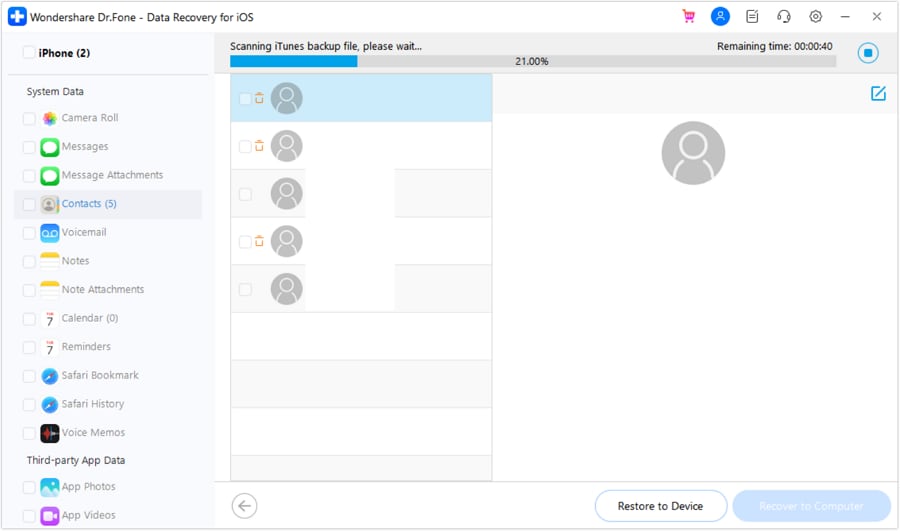
Open Dr.Fone and choose "Recover from iTunes Backup File." The software will automatically find all backups on your machine. Pick the most recent one created before the water damage occurred.
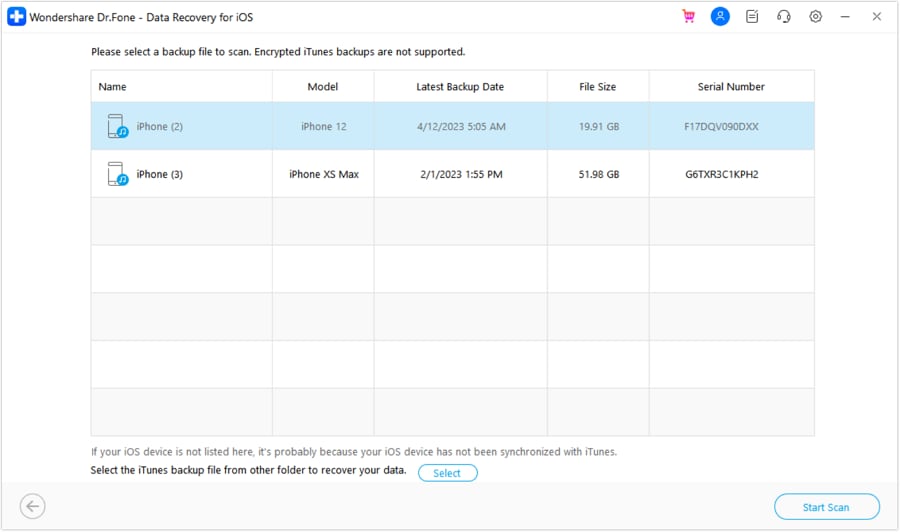
Step 2 Extract and Recover
Click "Start Scan" to unzip the backup. You can then look through your iMessages, call logs, and gallery. Check the items you want and export them to your PC.
Method 3. How to Retrieve Data from iCloud Backup
iCloud is the most common backup method for modern users. Normally, accessing this requires a full device reset, which is impossible if your phone won't turn on. Dr.Fone provides a gateway to download your iCloud content directly to your computer.
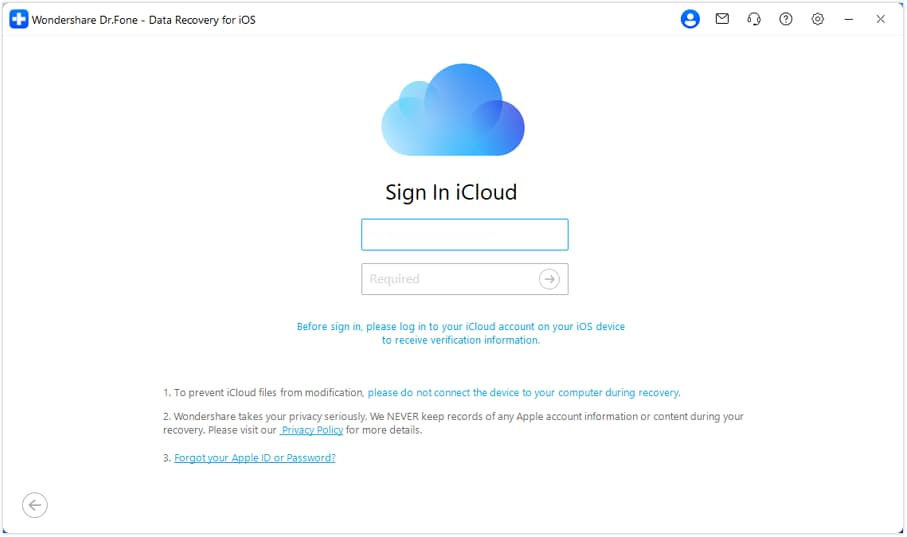
Step 1 Sign In to iCloud
Select "Recover from iCloud Backup File" and log in with your Apple ID. Dr.Fone uses secure encrypted channels to protect your privacy and does not store your credentials.
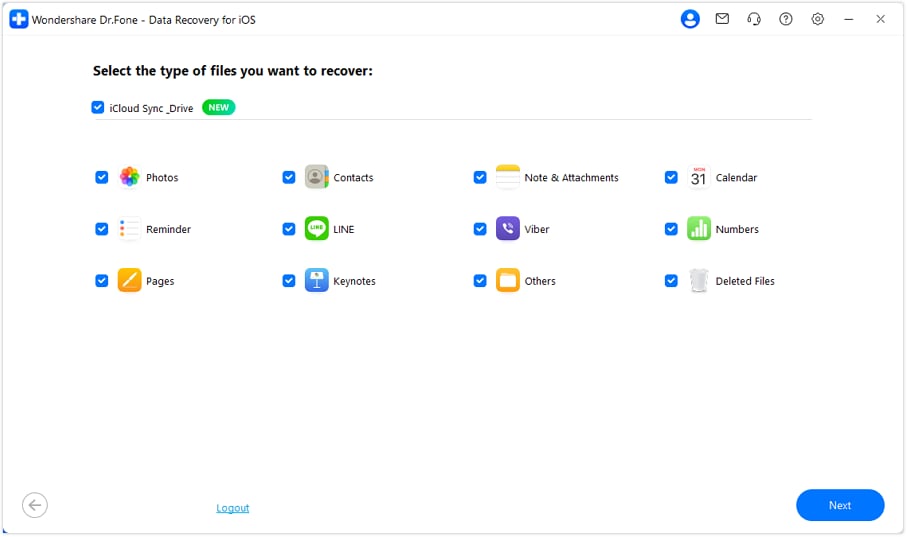
Step 2 Download the Backup
A list of your cloud backups will appear. Select the correct one and click "Download." You can then choose specific categories (like Photos or WhatsApp) to speed up the process.
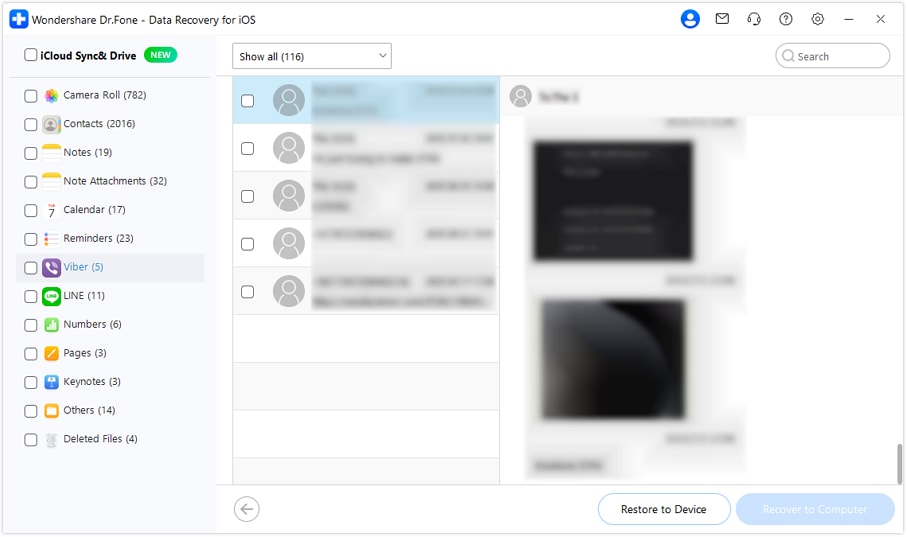
Step 3 Export to Computer
Preview the recovered files to ensure they are intact. Once satisfied, click the recovery button to save everything locally.
Conclusion
Facing a water-damaged iPhone is stressful, but it doesn't have to mean the end of your memories. By acting quickly to power down the device and using specialized tools like Dr.Fone, you can successfully recover data from a water-damaged iPhone in 2026. Whether you scan the device directly or rely on iTunes/iCloud extractions, the key is to avoid risky DIY methods and trust professional recovery protocols.
FAQ
1. Can I use rice to dry my iPhone?
While a common myth, rice is not very effective and can introduce dust or starch into the ports. Using silica gel packets in a sealed container is much more efficient for absorbing moisture without damaging the internals.2. Will Apple repair a water-damaged iPhone under warranty?
Standard Apple limited warranties do not cover liquid damage. However, if you have AppleCare+, you may be eligible for a device replacement at a reduced cost. Note that Apple's repair process usually involves replacing the device, which does not save your data.3. What is the success rate for recovering pictures from a water-damaged iPhone?
The success rate is very high if the internal storage chip remains intact. Even if the screen is black or the battery is dead, professional recovery software can often still access the data if the logic board can be temporarily powered.4. Does Dr.Fone support the newest iPhone models in 2026?
Yes, Dr.Fone is updated continuously to support the latest iOS versions and iPhone models, including the most recent releases, ensuring you can retrieve data from both legacy and modern devices.
 Add Wondershare Dr.Fone as a preferred source on Google