Resolve common problems and system crashes on both iPhone and Android devices.

 100% Security Verified | No Subscription Required | No Malware

 :
: 
 ChatGPT
 Perplexity
 Gemini
 Claude
 Grok
Grok
If iPhone Quick Start is not working, start with the basics that Apple currently requires: keep the current iPhone connected to Wi-Fi, turn on Bluetooth, place the new iPhone nearby, and keep both devices connected to power during migration. If the setup prompt disappears, restart both devices and try again. If the new iPhone is stuck on “Looking for Nearby Devices”, the most useful next checks are Wi-Fi/Bluetooth, a restart, iOS compatibility, and any work or school management profile that may affect migration.
This guide covers the main failure patterns: Quick Start not showing up, the old iPhone not being detected, “Bring Your Current iPhone Near This iPhone” not progressing, and a transfer that starts but stalls. It also explains Apple’s wired-transfer option and fallback methods if Quick Start remains unavailable.
If you decide not to continue with Quick Start, you can also transfer data from an old iPhone to a new one with another migration method, or restore data and content from an iCloud backup during setup.
In this article
Part 1: What is Quick Start? How to Use It?
Quick Start is Apple’s built-in setup and migration feature. Apple states that a current iPhone with iOS 11 or later, or an iPad with iPadOS 13 or later, can be used to set up a new device automatically. For wireless Quick Start, keep the current device connected to Wi-Fi with Bluetooth on, place the new device nearby, and keep both devices plugged into power until migration is complete. For the current official workflow, see Apple’s Quick Start guide.
If you are setting up a new iPhone and are unsure how to trigger Quick Start, follow the complete step-by-step guide below. If Quick Start is not appearing or not finding your device, skip to Part 2 for troubleshooting.
-
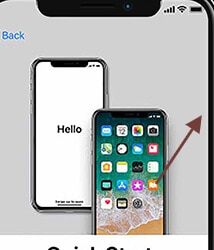
Step 1: Turn on your new iPhone and place it next to your current iPhone (running iOS 11 or later). The Quick Start screen will appear automatically on the current iPhone, displaying your Apple ID and a prompt to set up the new device. If the screen does not appear, make sure Bluetooth is enabled on your current iPhone.

-
Step 2: On your current iPhone, tap Continue when the "Set Up New iPhone" prompt appears. This confirms that you want to use Quick Start to transfer your data and settings to the new device using your existing Apple ID.
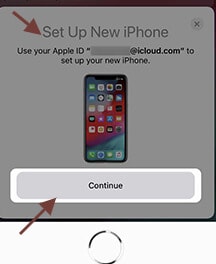
Point to note: If the Continue option does not appear on your current device, Bluetooth may be turned off. Go to Settings > Bluetooth and enable it before proceeding.
-
Step 3: Your new iPhone will display a unique animated pattern. Hold your current iPhone above the new device and align the animation within the camera viewfinder on your current phone. This securely pairs the two devices using encrypted visual authentication.
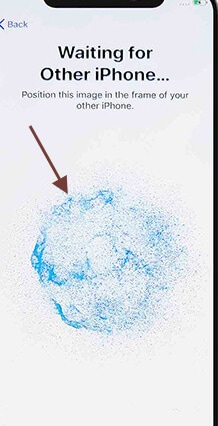
Point to note: If your current iPhone's camera is not functional, tap Authenticate Manually and enter a 6-digit code to complete the pairing step manually.
-
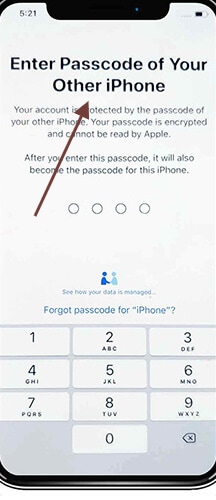
Step 4: On your new iPhone, enter the passcode from your current (old) iPhone when prompted. This verifies your identity and authorizes the data transfer.
-
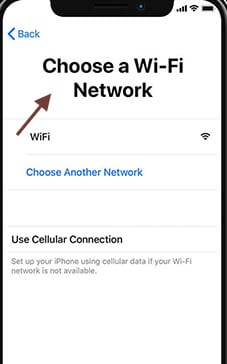
Step 5: On the new iPhone, select your preferred Wi-Fi network, enter the password, and tap Join. A stable Wi-Fi connection is required for fast data migration—using cellular data or a slow network can significantly increase transfer time or cause the process to stall.
-
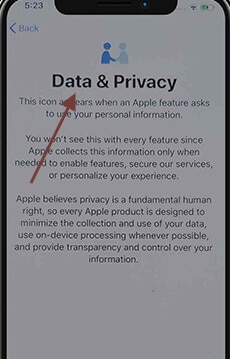
Step 6: Review the Data & Privacy information screen on your new iPhone. Tap Continue to acknowledge Apple's data handling policy and proceed to the next setup stage.
-
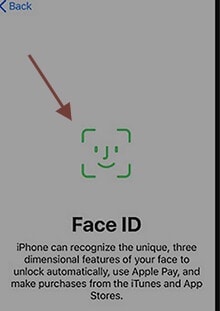
Step 7: Follow the on-screen prompts to configure Face ID or Touch ID on the new device using your face or fingerprint. This step sets up biometric authentication for the new iPhone independently of the old device.
-
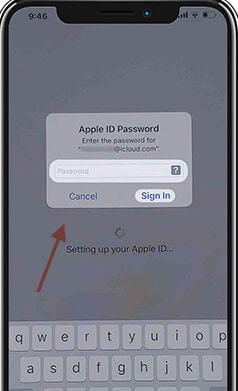
Step 8: Enter your Apple ID password on the new iPhone to sign in to your iCloud account. If you use multiple Apple IDs (for example, one for iCloud and one for the App Store), you may be prompted to enter each password separately.
-
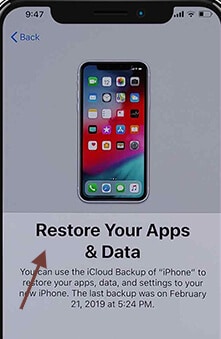
Step 9: Choose your data restoration method. You can restore from a recent iCloud backup, create a fresh backup from your current iPhone right now and restore from it, or transfer data directly from device to device. After selecting a backup, you will also be prompted to migrate settings such as Apple Pay, Siri voice data, and privacy preferences.
-
Step 10: Review and agree to the Terms and Conditions for iOS and any Apple services (such as iCloud, Siri, and App Analytics). Tap Agree to finalize the setup and begin the data transfer process.

Point to note: Keep both devices near each other and connected to power until migration finishes. Apple notes that transfer time varies with network conditions and the amount of data being moved. If content from a third-party cloud service is missing afterward, reopen that service on the new iPhone and let it finish syncing.
Part 2: How to Fix iPhone Quick Start Not Working
When Apple Quick Start is not working, the fastest fix depends on the exact screen you are seeing. Use this symptom map first, then work through the relevant section below.
| Symptom | Try first | Go to |
|---|---|---|
| Quick Start does not show up | Check iOS support, Wi-Fi, and Bluetooth | Fix 2.1 and Fix 2.2 |
| Stuck on “Looking for Nearby Devices” | Keep both phones nearby, then restart both | Fix 2.2 and Fix 2.3 |
| Old iPhone is not detected | Check connectivity and device-management restrictions | Fix 2.2 |
| Transfer starts but stalls or fails | Use Apple’s wired migration path or a verified fallback | Fix 2.4 and Fix 2.5 |
- Quick Start not showing up on new iPhone / set up new iPhone not appearing: The Quick Start screen never appears on the old device, even when both phones are held next to each other. Most often caused by Bluetooth being disabled or iOS version incompatibility.
- Apple Quick Start not finding device / "looking for nearby devices" stuck: Quick Start launches but the two iPhones cannot detect each other. Usually caused by interference, insufficient proximity, or a temporary software glitch requiring a restart.
- Quick Start transfer not working midway: The process begins but freezes, fails, or loops during data migration. Typically caused by Wi-Fi instability, a faulty USB cable, or an iOS system error that requires a firmware-level repair.
Work through the seven fixes below in order. The first three solutions resolve the majority of iPhone Quick Start not working cases and take under five minutes each.
Fix 2.1: Ensure Both iPhones Support Quick Start
Apple's current Quick Start instructions require the current iPhone used for automatic setup to run iOS 11 or later (or an iPad with iPadOS 13 or later). If the old device is too old to meet that requirement, Quick Start will not be available. If both devices support Quick Start but the prompt still does not appear, update them to the latest compatible software offered in Settings > General > Software Update and retry.
Here is how to check and update the iOS version on each device:
-
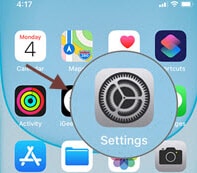
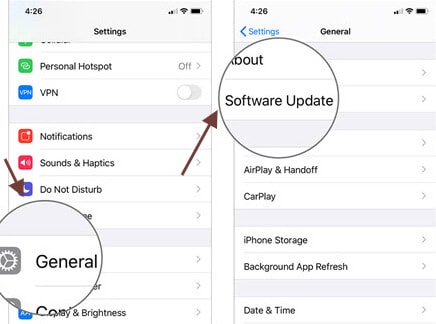
Step 1: On the iPhone you want to check, open Settings and scroll down to General.
-
Step 2: Tap Software Update. If an update is available, tap Download and Install to upgrade to the latest iOS version. Repeat this process on both iPhones. Once the devices are on compatible, up-to-date software, place them side by side and attempt Quick Start again.

Fix 2.2: Enable Bluetooth and Wi-Fi on Both iPhones
For wireless Quick Start, Apple says the current device should be connected to Wi-Fi with Bluetooth turned on. The new iPhone will also connect to Wi-Fi or cellular service as part of setup. If the old phone is not detected or the new iPhone stays on “Looking for Nearby Devices”, verify those connection settings before trying more invasive fixes.
Follow these steps to enable Bluetooth and Wi-Fi on both iPhones:
-
Step 1: On each iPhone, open Settings.
-
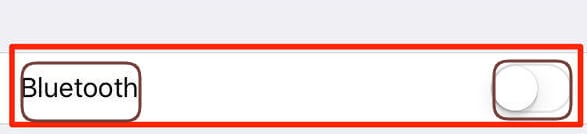
Step 2: Tap Bluetooth and toggle it ON (the toggle turns green). Then go back to Settings, tap Wi-Fi, and toggle it ON as well. On the current iPhone, confirm that Wi-Fi is connected and Bluetooth is on. On the new iPhone, follow the setup prompts to connect to Wi-Fi or cellular service.
Additional tips:
- Make sure neither device has Bluetooth or Wi-Fi disabled via Screen Time restrictions.
- If you previously used Control Center to "disable" Bluetooth or Wi-Fi, note that this only disconnects active connections—it does not fully turn off the radios. Go to Settings directly to confirm both are genuinely enabled.
- Keep the two iPhones within 30 cm (about 1 foot) of each other during the discovery phase for the strongest Bluetooth signal.
Also check a work or school management profile
If the iPhone is managed by an employer or school, a configuration or MDM policy can affect setup and migration behavior. Check Settings > General > VPN & Device Management. Do not remove a managed profile unless your organization authorizes it; if the device is supervised, contact the administrator for the correct migration path.
Fix 2.3: Restart Both of Your iPhones
If Bluetooth and Wi-Fi are enabled but the phones still do not detect each other, restart both devices. Apple specifically recommends restarting both devices if the prompt to set up the new device disappears from the current iPhone. This is also a low-risk first step when the new iPhone remains stuck on “Looking for Nearby Devices”.
Restart instructions vary by model:
For iPhone X, 11, 12, 13, 14, 15, 16, and 17 (no Home Button):
- Press and hold the Side button and either Volume Up or Volume Down simultaneously for about 3 seconds.
- Release when the "slide to power off" slider appears on screen.
- Drag the slider from left to right to turn off the device.
- After the screen goes fully black, wait 30 seconds, then press and hold the Side button until the Apple logo appears.
For iPhone SE (1st gen), iPhone 8, 7, and 6s (with Home Button):
- Press and hold the Top or Side (Power/Wake) button until the power slider appears.
- Drag the slider to turn off the device.
- Once fully powered down, press and hold the Power button again until the Apple logo reappears.
After both iPhones have restarted, place them next to each other again and check whether the Quick Start screen now appears. If the devices still do not connect after the restart, continue with the wired-transfer and fallback options below.
If you have to restart an iPad or iPod touch, press and hold the top or side button, then drag the power slider exactly as you would on an iPhone.
Fix 2.4: Try a Different USB Cable or Switch to Wired Transfer
If wireless Quick Start repeatedly fails, Apple supports a direct wired device-to-device migration. The required cable depends on the iPhone ports:
- iPhone 15 or later to iPhone 15 or later: use a USB-C Charge Cable.
- iPhone 14 or earlier to iPhone 15 or later: use a USB-C to Lightning Cable.
- iPhone 14 or earlier to another iPhone 14 or earlier: Apple specifies a Lightning to USB 3 Camera Adapter, a Lightning to USB Cable, and a 12W-or-higher power adapter.
Connect the two devices, turn them on, and follow the onscreen setup instructions. Keep the devices connected until migration finishes. For the exact cable combinations and current steps, see Apple’s wired migration instructions.
If you prefer a separate transfer tool instead of Quick Start, continue to Fix 2.5.
Fix 2.5: Use a Quick Start Alternative to Transfer Data to New iPhone
If Quick Start remains unavailable, Dr.Fone - Phone Transfer is an optional computer-based alternative for moving supported data types between phones over USB. It can be useful when the Apple setup path is blocked by repeated wireless discovery or transfer failures.
Examples of supported transfer data include:
- Contacts, call history, messages (SMS and iMessage), and voicemails
- Photos, videos, and camera roll albums
- Music, playlists, and podcasts
- Selected files and other supported data categories shown in the transfer interface
- Calendar events and notes




Follow the step-by-step guide below to transfer data from your old iPhone to your new iPhone using Dr.Fone:
-
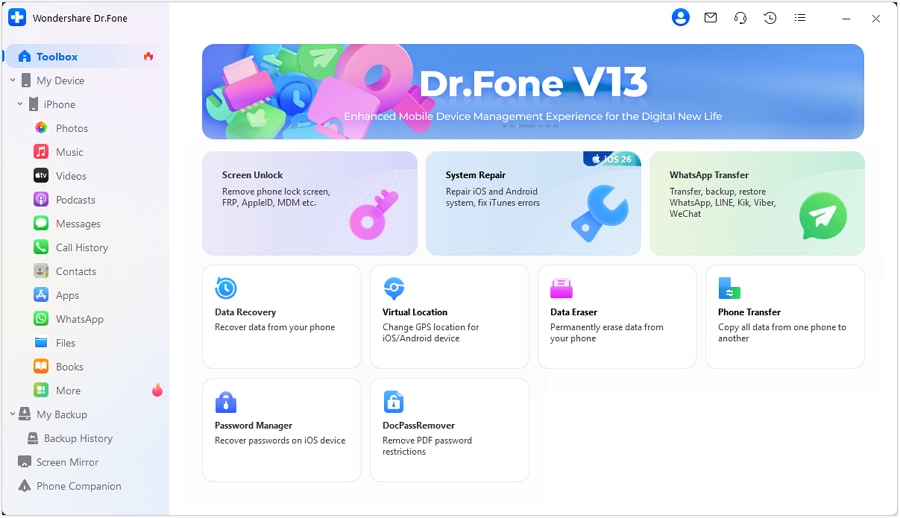
Step 1: Click the button below to download Dr.Fone for free. Install it on your Windows PC or Mac and launch the application.
-
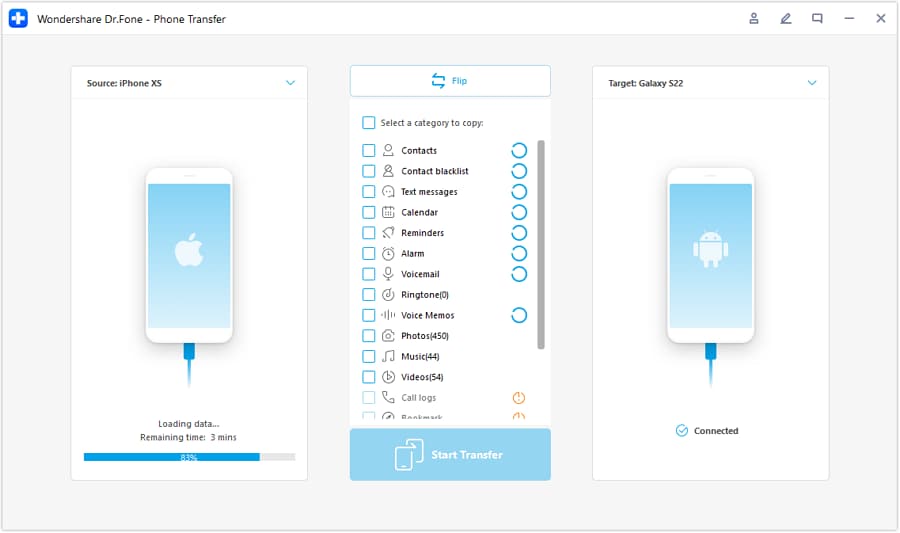
Step 2: On the Dr.Fone main screen, select "Phone Transfer". Use USB cables to connect both your old iPhone (source) and new iPhone (destination) to the computer simultaneously. Wait for Dr.Fone to detect and display both devices on screen.
-
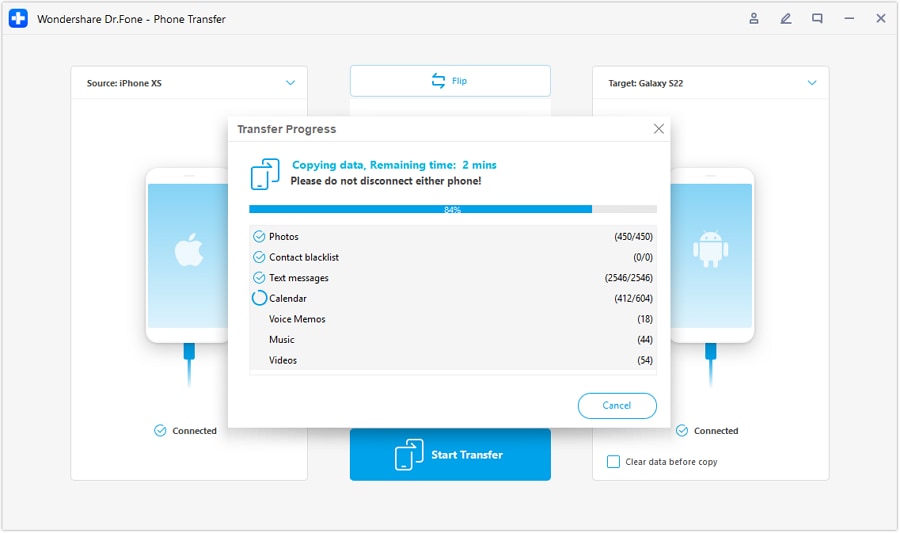
Step 3: Verify that your old iPhone is set as the Source and your new iPhone is set as the Destination. Use the Flip button if they are reversed. Select the data categories you want to transfer (or check Select All for a complete migration), then click "Start Transfer". Keep both iPhones connected throughout the process.
-
Step 4: A progress bar will indicate the transfer status; completion time depends on the amount of data being moved. Do not disconnect either device until the completion confirmation screen appears.
Fix 2.6: Repair the iOS System on Your Device
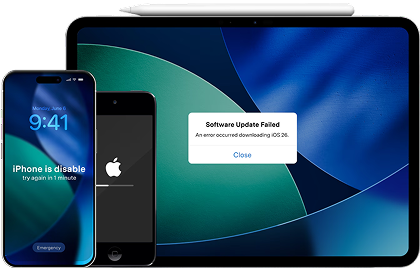
If Quick Start fails alongside broader software symptoms—such as repeated crashes, update failures, boot loops, or other system instability—the problem may extend beyond device discovery. In that situation, a system-repair workflow can be considered after the connection, restart, and wired-transfer checks above.
Dr.Fone - System Repair (iOS) provides guided firmware repair for software-related iPhone and iPad problems. It supports for iOS 27, iPadOS 27, iOS 26, and the iPhone 18 series. Standard Repair is designed to preserve personal data, while Advanced Repair is intended for more serious issues and erases device data.
Key capabilities:
- Standard Repair for supported software-related iOS/iPadOS issues while aiming to preserve data.
- Advanced Repair for more serious system problems; this mode erases device data.
- Guided firmware download and installation through the System Repair workflow.
- Current product support includes iOS 27, iPadOS 27, iOS 26, and the iPhone 18 series.
Important note: Using System Repair will upgrade your device to the latest compatible iOS version. If your iPhone has been jailbroken, the repair process will remove the jailbreak and restore it to a standard, non-jailbroken state. If your device was previously unlocked by a third party, it may re-lock after repair.
 Fix iOS issues, no data loss.
- One-click repair for all iOS problems.
- Solve recovery mode, Apple logo, black screen, etc.
- Upgrade or downgrade iOS without iTunes
Follow these steps to repair iOS and then retry Quick Start:
-
Step 1: Open Dr.Fone and go to Toolbox > System Repair.
-
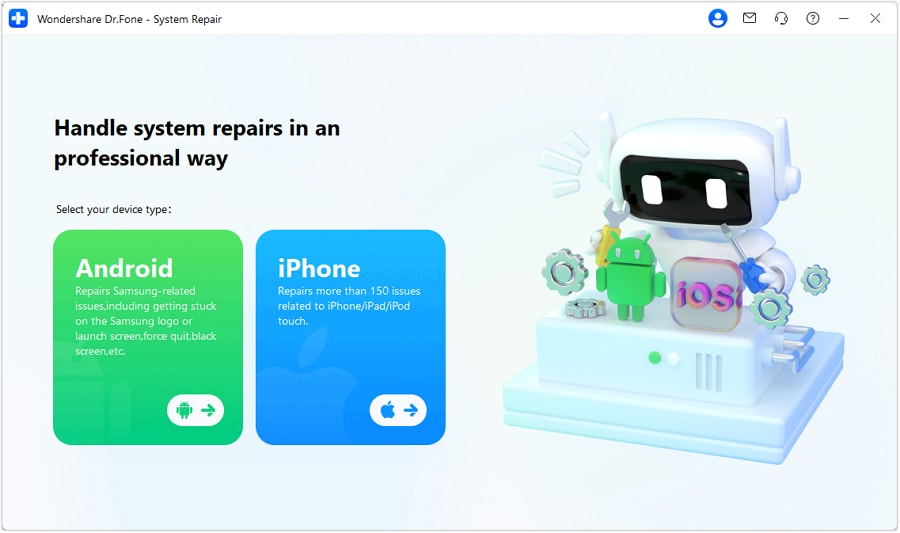
Step 2: Connect the iPhone to the computer with a USB cable, then select iPhone when Dr.Fone asks which device type you want to repair.
-
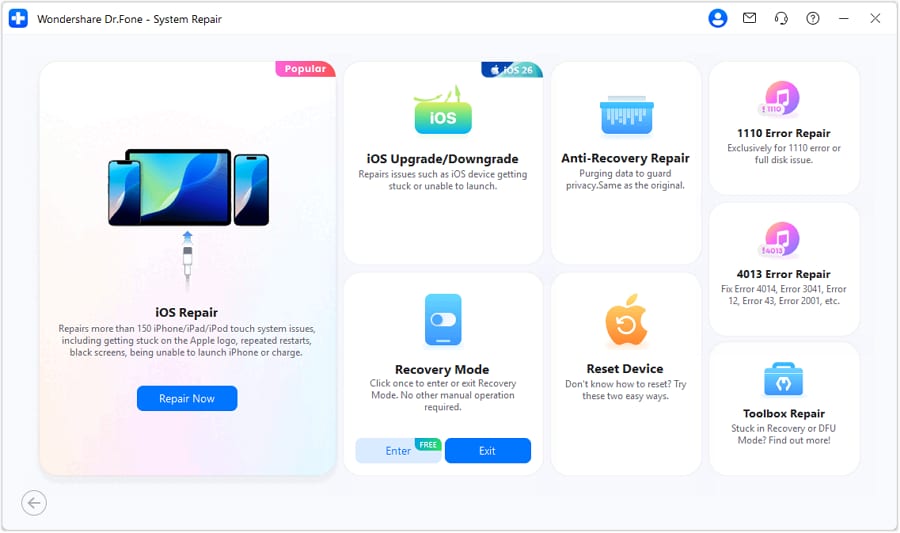
Step 3: Choose iOS Repair to open the iPhone system-repair workflow.
-
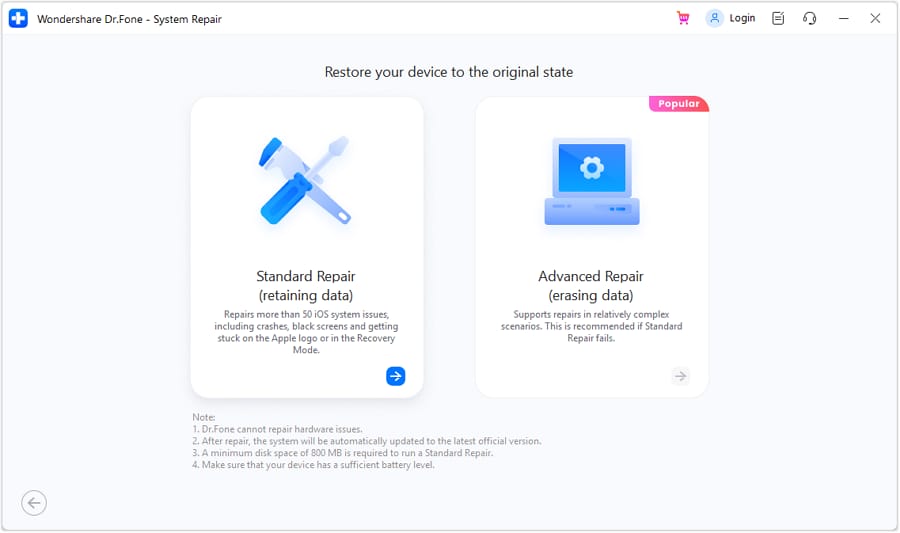
Step 4: Select Standard Repair first. Standard Repair is designed to preserve user data; Advanced Repair is intended for more severe cases and can erase the device.
-
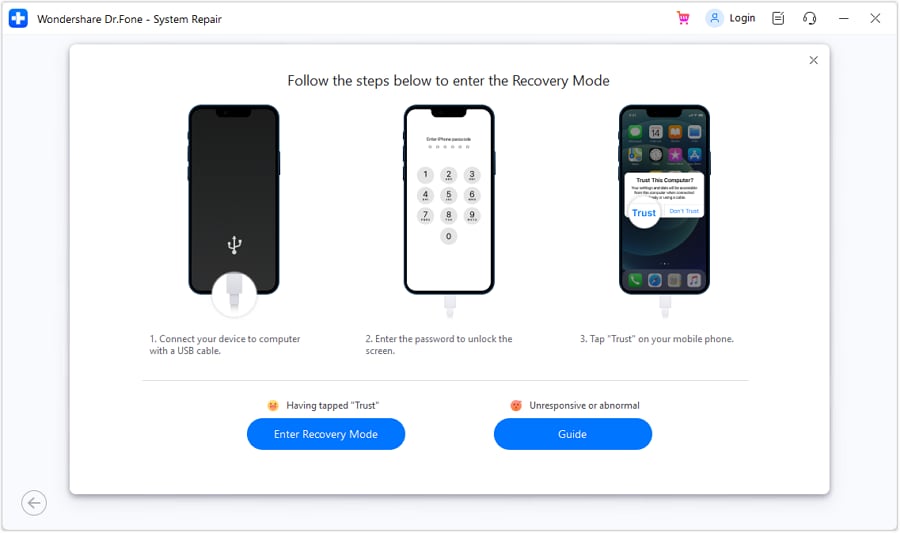
Step 5: Follow the on-screen instructions to place the iPhone in Recovery Mode so Dr.Fone can identify the device and available firmware.
-
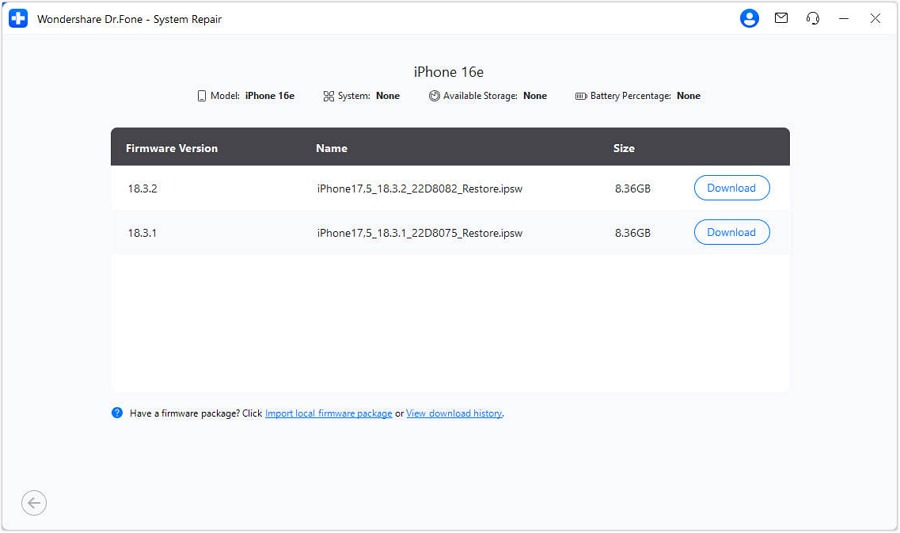
Step 6: Review the firmware versions shown for your device, select a compatible option, and click Download.
-
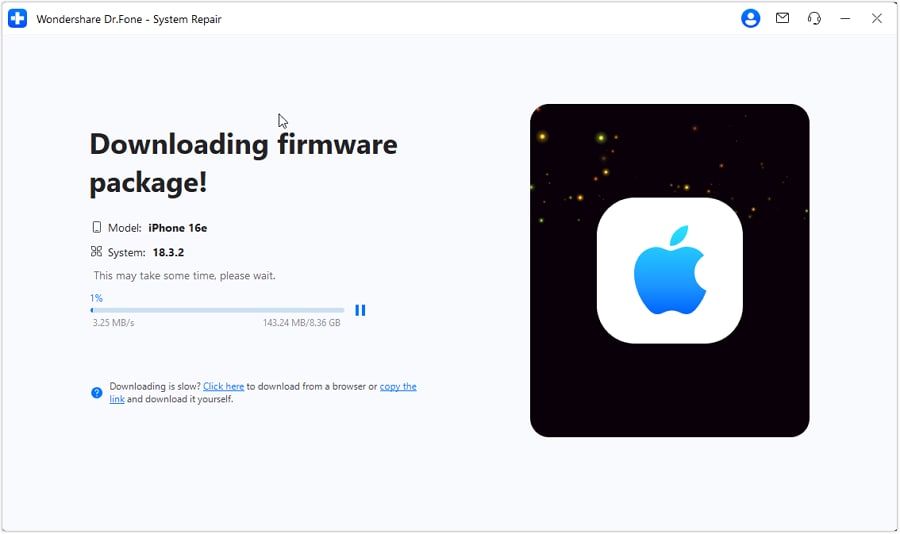
Step 7: Keep Dr.Fone open while it downloads and verifies the firmware package.
-
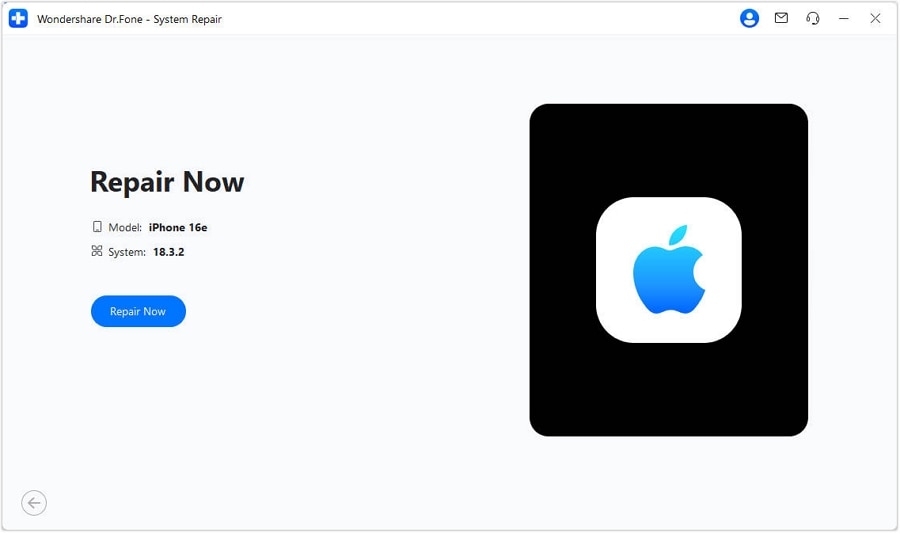
Step 8: After verification finishes, click Repair Now to start the repair.
-
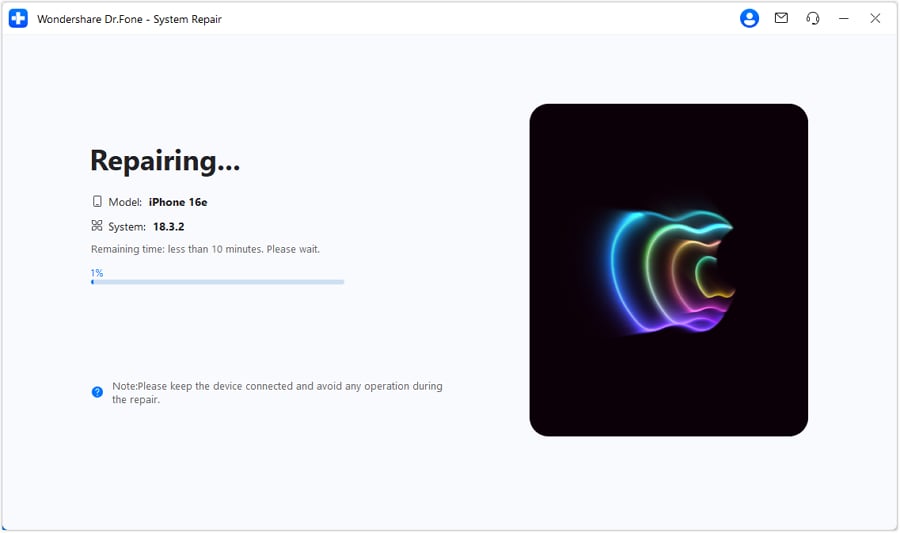
Step 9: Leave the iPhone connected while Dr.Fone installs the firmware and completes the repair. Do not disconnect the cable during this stage.
-
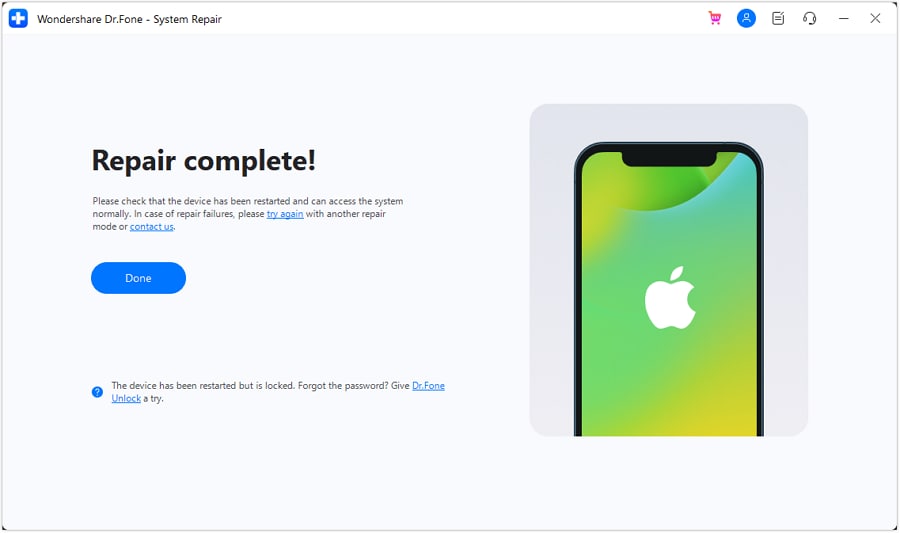
Step 10: When Dr.Fone reports that the repair is complete, let the iPhone restart and then try Quick Start again.
Fix iPhone quick start not working with one click! Have a try!
Fix 2.7: Contact Apple Support for Further Help
If the fixes above have been attempted and Apple Quick Start is still not working, the issue may involve a hardware fault—such as a defective Bluetooth or Wi-Fi antenna—or a device-specific software conflict that requires hands-on Apple diagnostic tools. In these cases, contacting Apple Support directly is the recommended next step.
Here is how to get support efficiently:
- Online: Visit support.apple.com and navigate to iPhone > Set Up & Transfer > Quick Start. Apple's support portal offers live chat, phone callbacks, and remote diagnostic tools.
- Apple Genius Bar: Book an appointment at your nearest Apple Store for in-person diagnosis. Apple technicians can run hardware diagnostic tests to determine whether a Bluetooth or Wi-Fi component is at fault.
- Apple Authorized Service Provider: If you do not have an Apple Store nearby, an authorized service provider can perform the same diagnostics and hardware repairs.
- What to tell Apple Support: Mention which iPhone models are involved, the iOS versions on both devices, which fixes you have already tried, and the exact error message or behavior you are seeing (e.g., "Quick Start not showing up," "stuck on Looking for Nearby Devices," or "transfer failed at X%").
Conclusion
Apple Quick Start is an excellent feature when it works—but iPhone Quick Start not working is a frustratingly common problem that can stop your new device setup completely. The good news is that nearly every case is fixable with the right approach. Here is a quick reference to match your symptom with the best solution:
- Quick Start not showing up on new iPhone: Check that both devices run iOS 11 or later (Fix 2.1) and that Bluetooth is enabled on the old iPhone (Fix 2.2).
- Apple Quick Start not finding device / "looking for nearby devices" stuck: Enable Bluetooth and Wi-Fi on both phones (Fix 2.2) and restart both devices (Fix 2.3).
- "Bring your current iPhone near this iPhone" not working: Restart both iPhones (Fix 2.3) and ensure they are within 30 cm of each other.
- Quick Start transfer not working or freezing: Switch to a wired USB connection with an Apple-certified cable (Fix 2.4) or use Dr.Fone - Phone Transfer as a reliable alternative (Fix 2.5).
- Nothing works after trying all of the above: Use Dr.Fone - System Repair (iOS) to fix corrupted firmware (Fix 2.6), or contact Apple Support for hardware diagnosis (Fix 2.7).
Start with the lowest-risk setup checks first: Wi-Fi, Bluetooth, proximity, compatible software, and a restart. If the new iPhone is still stuck on “Looking for Nearby Devices,” move to Apple’s wired migration option before treating the problem as a deeper system issue. If the iPhone also shows broader software instability, a verified system-repair workflow or Apple Support is the appropriate escalation.
FAQs
-
1. Why is Quick Start not showing up on my new iPhone?
Quick Start not showing up on a new iPhone is most commonly caused by one of three issues: (1) Bluetooth is disabled on the old iPhone—Quick Start uses Bluetooth for device discovery, so it will not appear without it. Go to Settings > Bluetooth on your old phone and make sure it is toggled on. (2) The old iPhone is running iOS 10 or earlier—Quick Start requires iOS 11 or later on both devices. Update the old device via Settings > General > Software Update. (3) The two iPhones are not close enough—they need to be within about 30 cm (1 foot) of each other for Bluetooth discovery to work. If all three conditions are met and Quick Start still does not appear, restart both devices and try again. -
2. How do I fix "Bring Your Current iPhone Near This iPhone" not working?
The "Bring Your Current iPhone Near This iPhone" prompt appears on the new device when it is waiting for the old iPhone to detect it via Bluetooth. If this screen is stuck and the old iPhone is not responding, try the following: First, ensure Bluetooth is enabled on the old iPhone (Settings > Bluetooth). Second, bring both phones within 20–30 cm of each other—Bluetooth discovery range is limited. Third, unlock the old iPhone's screen (it must be active and unlocked for Quick Start to work). Fourth, restart both devices to clear any Bluetooth stack errors. If the prompt still does not progress after these steps, it may indicate a Bluetooth hardware issue—contact Apple Support or use Dr.Fone - Phone Transfer as an alternative migration method. -
3. What should I do if Apple Quick Start is not finding my device even with Bluetooth on?
If Apple Quick Start is not finding your device even though Bluetooth is enabled on both iPhones, there are several additional factors to check. First, confirm that Wi-Fi is also turned on—Quick Start needs both Bluetooth AND Wi-Fi to function. Second, check that neither device has Bluetooth restricted via Screen Time (Settings > Screen Time > Content & Privacy Restrictions). Third, restart both iPhones to reset the wireless radios. Fourth, try disabling and re-enabling Bluetooth on both phones to force a fresh Bluetooth scan. Fifth, check for iOS version mismatches—if one device is running a significantly older iOS version, discovery may fail. If none of these steps work, use Dr.Fone - System Repair (iOS) to perform a firmware-level repair on the old iPhone, then attempt Quick Start again. -
4. Does Quick Start work on current iOS versions?
Yes. Apple continues to support Quick Start for setting up a new iPhone or iPad. The current Apple instructions require the existing device to have Wi-Fi connected and Bluetooth on, then place the new device nearby and follow the onscreen prompts. If the setup prompt disappears, restart both devices. -
5. How do I start Quick Start again on an iPhone?
If the Quick Start prompt disappears while both devices are still at the beginning of setup, restart both iPhones and place them next to each other again. If the new iPhone has already been fully set up and you want to rerun the initial setup flow, back up anything you need on the new device first, then erase it and start setup again.
 Add Wondershare Dr.Fone as a preferred source on Google