Resolve common problems and system crashes on both iPhone and Android devices.

 100% Security Verified | No Subscription Required | No Malware

 :
: 
 ChatGPT
 Perplexity
 Gemini
 Claude
 Grok
Grok
An unexpected Android system crash can be incredibly frustrating, bringing your daily activities to a sudden halt. Whether your device freezes, becomes unresponsive, or gets stuck in a reboot loop, this issue can seem like a major problem. You might worry about permanent damage or losing your valuable data.
Fortunately, most Android crash issues are fixable. This guide provides a comprehensive overview of why your Android phone might be crashing and walks you through 9 effective solutions, from simple troubleshooting to more advanced repairs. We'll also cover the critical first step: securing your data before you begin the repair process. Read on to regain control of your device.
In this article
- Why Does Your Android System Keep Crashing?
- Critical First Step: Rescue Your Data Before Fixing the Crash
- 9 Effective Solutions to Fix Android System Crashes
- Solution 1: Perform a Simple Restart
- Solution 2: Close Unnecessary Background Apps
- Solution 3: Free Up Internal Storage
- Solution 4: Uninstall Incompatible or Faulty Apps
- Solution 5: Clear System Cache Partition
- Solution 6: Check and Format Your SD Card
- Solution 7: Update Your Android OS
- Solution 8: Use a Professional Android Repair Tool
- Solution 9: Perform a Factory Reset (Last Resort)
Why Does Your Android System Keep Crashing?
Understanding the root cause of an Android system crash is the first step toward a permanent solution. Several factors, ranging from software conflicts to hardware problems, can lead to instability. Here are the most common culprits:
- Software Glitches and Bugs: Temporary errors or bugs within the Android operating system can cause unexpected crashes.
- Incompatible or Poorly Optimized Apps: An app that isn't compatible with your OS version or is poorly coded can consume excessive resources, leading to system failure.
- Outdated Operating System: Running an old version of Android can leave your device vulnerable to bugs that have been fixed in newer updates.
- Corrupted System Files: Essential system files can become corrupted during an update or due to malware, disrupting normal operations.
- Malware and Security Threats: Malicious software can interfere with system processes and cause instability and frequent crashes.
- Insufficient Storage: When your device's internal storage is nearly full, the operating system lacks the space needed for its processes, often resulting in crashes.
- Hardware Overheating: Pushing your device too hard with intensive tasks can cause it to overheat, leading to an emergency shutdown to protect its components.
- Failing Hardware: In some cases, a persistent crash could indicate a problem with the device's physical components, like the battery or motherboard.
Critical First Step: Rescue Your Data Before Fixing the Crash
Before you attempt any fixes, especially the more invasive ones, it is absolutely essential to secure your data. An Android system crash can make your files inaccessible, and some repair methods may erase them completely. Prioritizing data recovery ensures your photos, contacts, messages, and other important files are safe.
For this crucial task, we recommend Dr.Fone - Data Recovery (Android). This powerful tool is designed to retrieve data from devices that are unresponsive, locked, or suffering from system crashes. It can scan your device's internal memory and recover a wide range of file types, including photos, videos, contacts, messages, and WhatsApp chats, even when you can't access the system normally.
 Scan Android phones and tablets directly.
- Preview and recover only what you want.
- Supports WhatsApp, photos, videos, contacts, and more.
- Works with 6000+ Android devices.

Follow these steps to rescue your data from a crashed Android device:
-
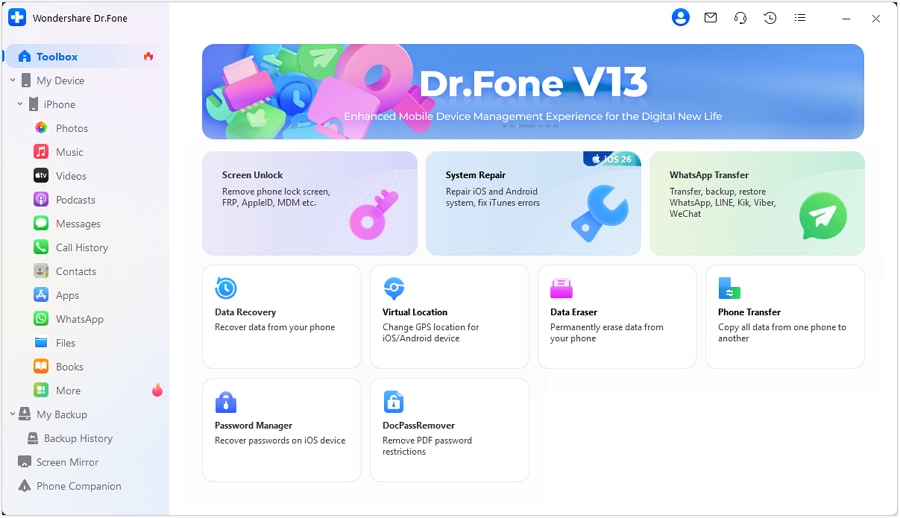
Step 1 Launch Dr.Fone and Connect Your Device
Download and install Dr.Fone on your computer. Open the software and navigate to Toolbox > Data Recovery. Connect your Android phone to the computer using a USB cable.
-
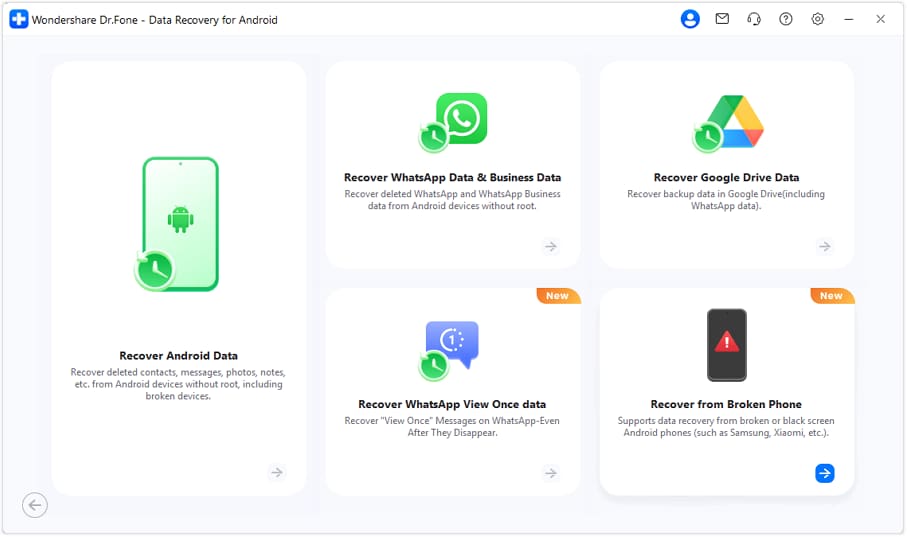
Step 2 Select Recovery Mode
In the next window, choose "Android" and then click on "Recover from Broken Phone" located in the bottom right corner.
-
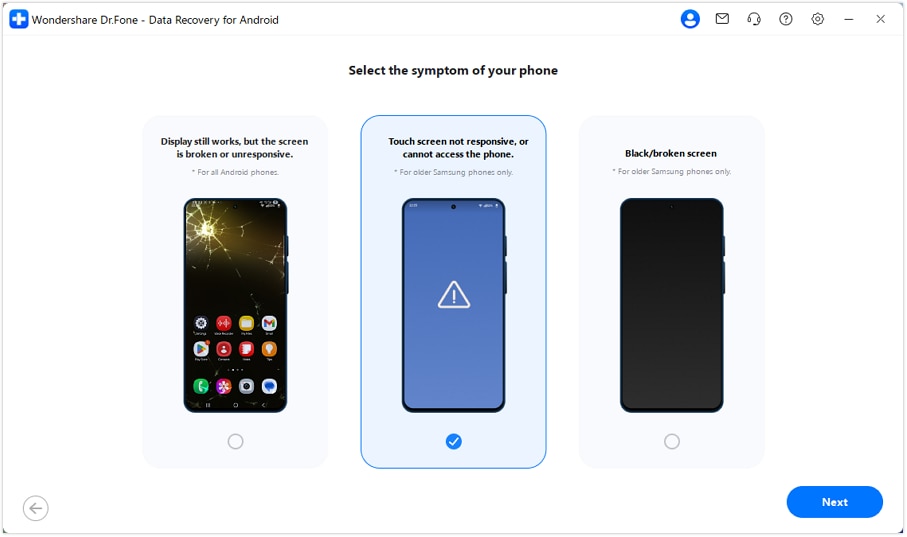
Step 3 Specify the Device Issue
Select the option that best describes your phone's condition. For a system crash, choose "Touch screen not responsive or cannot access the phone" to proceed.
-
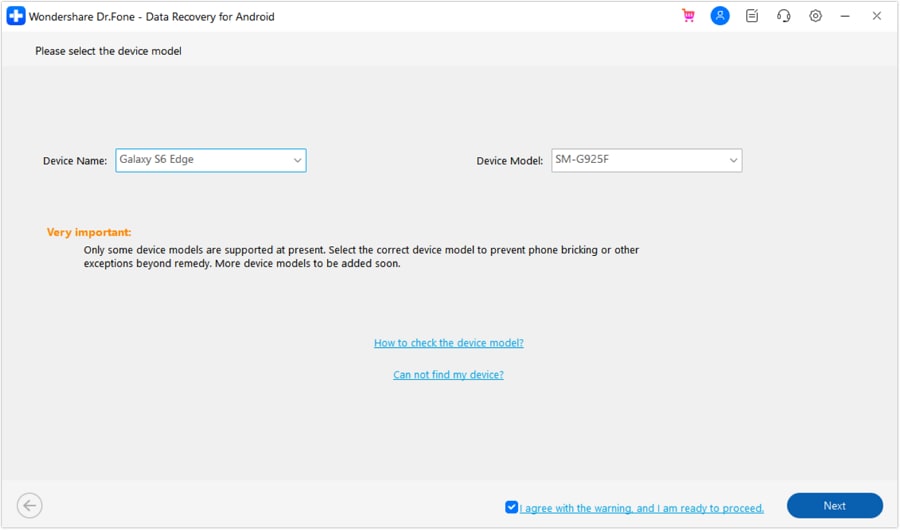
Step 4 Enter Device Information
You will be prompted to select your device's name and model from the dropdown menus. Providing accurate information is crucial for the process to succeed.
-
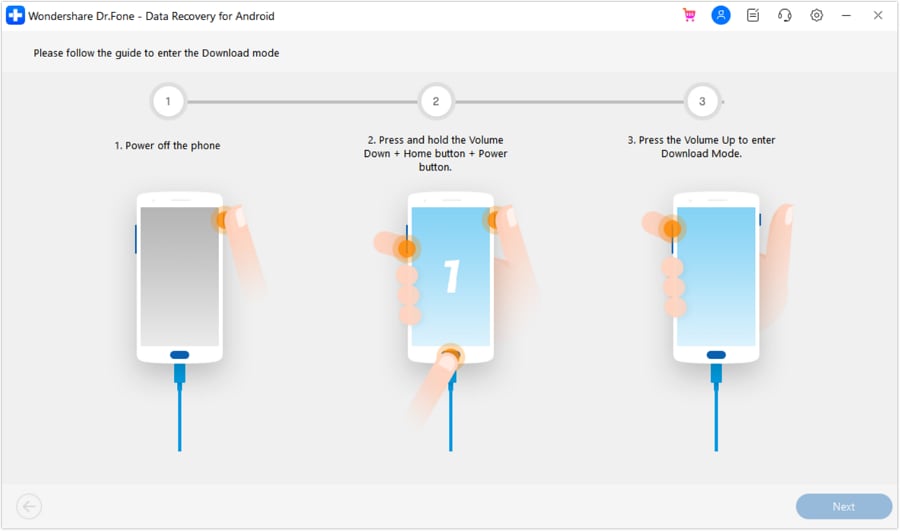
Step 5 Enter Download Mode
Follow the on-screen instructions to put your device into Download Mode. This typically involves pressing the Volume Down, Home, and Power buttons simultaneously.
-
Step 6 Scan and Recover Data
Once your phone is in Download Mode, Dr.Fone will begin analyzing it and scanning for all recoverable data. After the scan is complete, you can preview the files and select what you want to save. Click "Recover to Computer" to export your data to a safe location on your PC.

9 Effective Solutions to Fix Android System Crashes
With your data safely backed up, you can now proceed with troubleshooting the crash. Start with the simplest solutions and move to more complex ones if the problem persists.
Solution 1: Perform a Simple Restart
The classic "turn it off and on again" method is often surprisingly effective. Restarting your device clears temporary files and resolves minor software glitches that could be causing the crash. It’s the quickest and easiest first step.
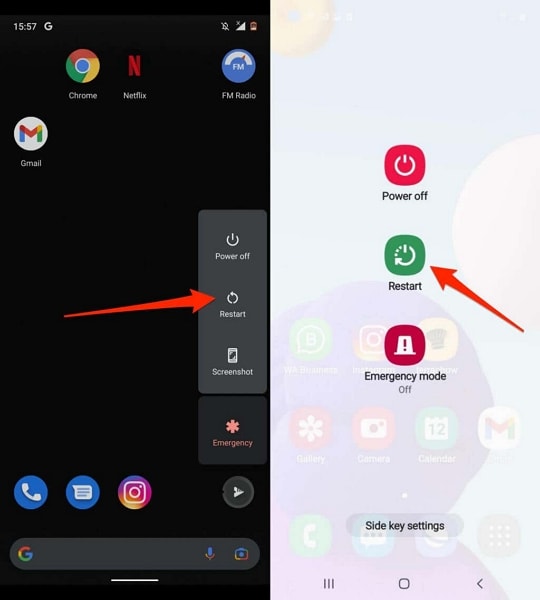
To restart, press and hold the Power button until the power menu appears. Tap on the "Reboot" or "Restart" option. If your device is frozen, you may need to hold the Power button down for 10-15 seconds to force a restart.
Solution 2: Close Unnecessary Background Apps
Too many apps running in the background can exhaust your device's memory (RAM), leading to performance issues and system crashes. Closing them can free up vital resources.
-
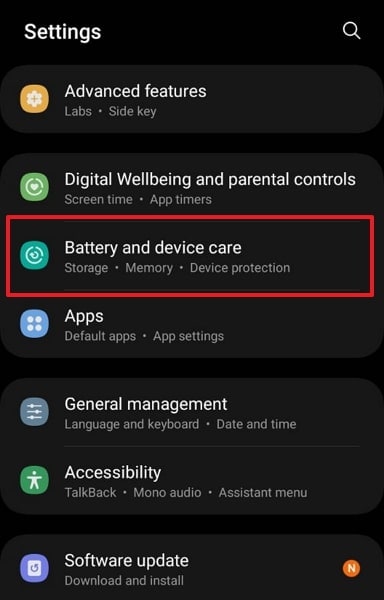
Step 1 Access Device Care
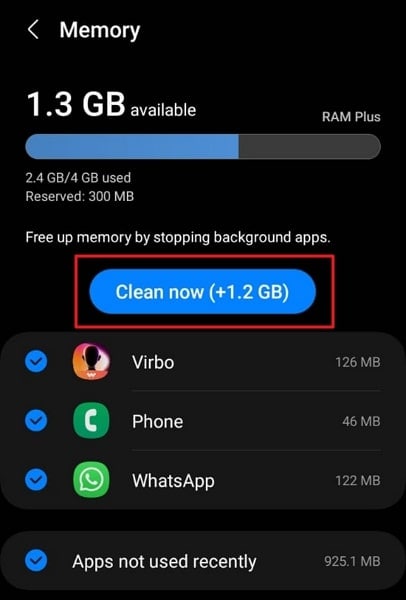
Open "Settings" and navigate to "Battery and device care." Tap on "Memory" to see which applications are currently running and consuming RAM.
-
Step 2 Clean Memory
On the memory screen, tap the "Clean now" button. This will automatically shut down unnecessary background processes and free up memory.
Solution 3: Free Up Internal Storage
When your phone's storage is almost full, the Android system doesn't have enough room to operate effectively, which can cause it to crash. Aim to keep at least 15-20% of your internal storage free.
-
Step 1 Check Storage
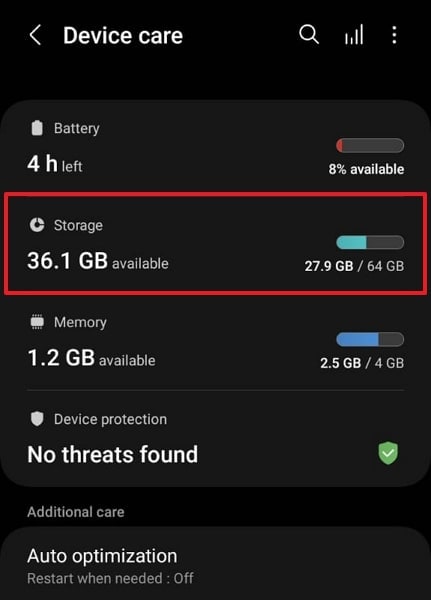
Go to "Settings" > "Battery and device care" > "Storage." Here you will see a breakdown of how your storage is being used by apps, images, videos, and other files.
-
Step 2 Remove Unwanted Files and Apps
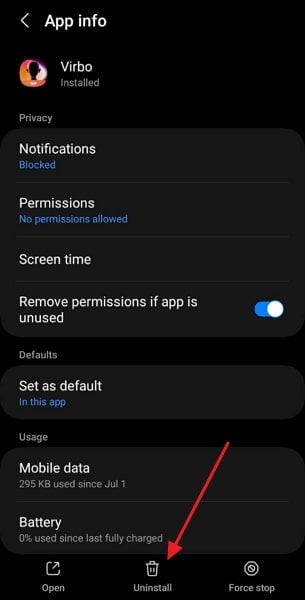
Delete old photos, videos, and downloads you no longer need. To uninstall apps, tap on the "Apps" category, select an app you don't use, and tap "Uninstall."
Solution 4: Uninstall Incompatible or Faulty Apps
If the crashes started after installing a new app, that app could be the culprit. Poorly coded or incompatible apps can conflict with the system. It's always safest to download apps from the official Google Play Store.
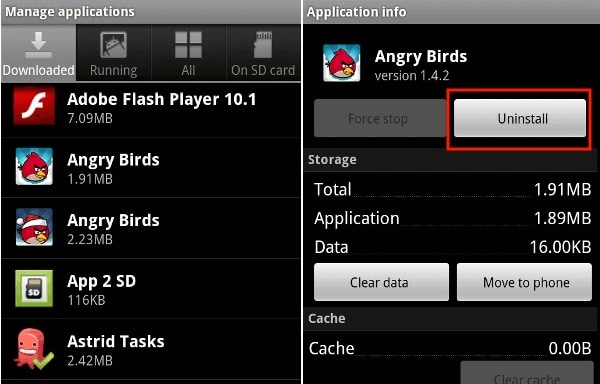
To remove a suspicious app, go to "Settings" > "Apps." Find the app in the list, tap on it, and then select "Uninstall."
Solution 5: Clear System Cache Partition
The system cache contains temporary files that help your phone run faster. However, these files can become corrupted over time and cause system instability. Clearing the cache partition can resolve this without deleting your personal data.
-
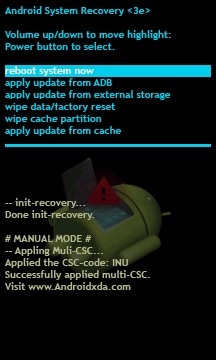
Step 1 Boot into Recovery Mode
Turn off your phone. Then, press and hold the Volume Down and Power buttons together until the Recovery Mode menu appears.
-
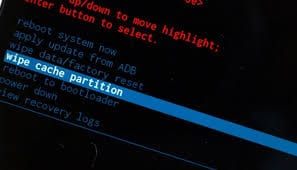
Step 2 Wipe Cache Partition
Use the volume buttons to navigate to "Wipe cache partition" and press the Power button to select it. Confirm your choice, and the process will begin.
-
Step 3 Reboot System
Once finished, select "Reboot system now" to restart your device with a fresh cache.
Solution 6: Check and Format Your SD Card
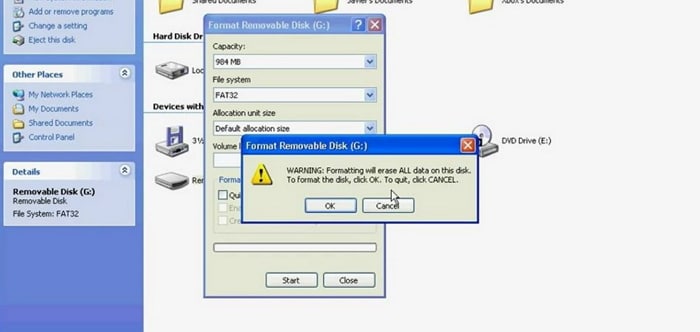
A corrupted or failing SD card can interfere with the Android system, causing it to crash. Try removing the SD card to see if the issue stops. If it does, the SD card is likely the problem.
You can try to fix it by backing up its data to a computer and then formatting it. Insert the SD card into your PC, right-click on it in File Explorer, and select "Format." Be aware that this will erase all data on the card.
Solution 7: Update Your Android OS
Software updates from manufacturers often include bug fixes and stability improvements that can resolve known crashing issues. Keeping your device's operating system up to date is crucial for smooth performance.
-
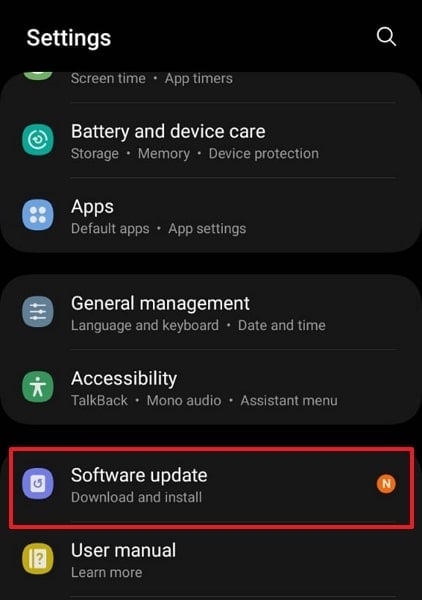
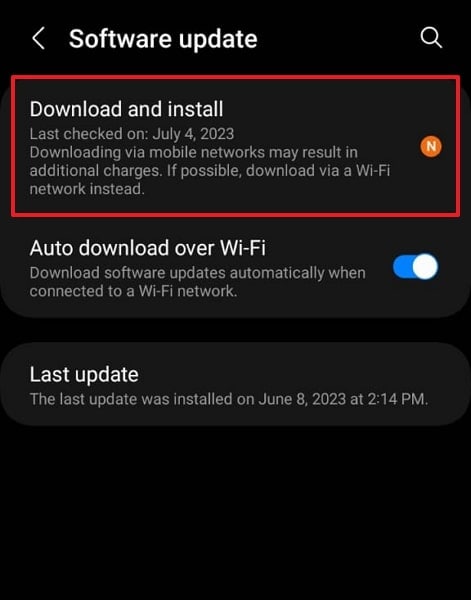
Step 1 Go to Settings
Open your device's "Settings" and scroll down to find the "Software Update" option.
-
Step 2 Download and Install
Tap "Download and Install." Your device will check for available updates. If one is found, follow the prompts to download and install it.
Solution 8: Use a Professional Android Repair Tool
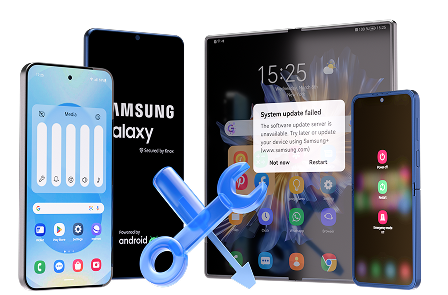
If none of the above methods work, the issue may lie deeper within the Android system files. In this case, a specialized repair tool can be the most effective solution. Wondershare Dr.Fone - System Repair (Android) is designed to fix a wide range of system errors, including crashes, boot loops, and the black screen of death, without requiring any technical expertise.
- Fix Android instantly – no skills needed.
- Solve boot loop, black screen, won’t turn on, etc.
- High success rate for all system issues.
- User-friendly interface with easy-to-follow steps.
Here’s how to use Dr.Fone to fix your Android system crash:
-
Step 1 Launch Dr.Fone and Select System Repair
Open Dr.Fone on your computer, go to the "Toolbox" section, and click on "System Repair." Connect your Android device.
-
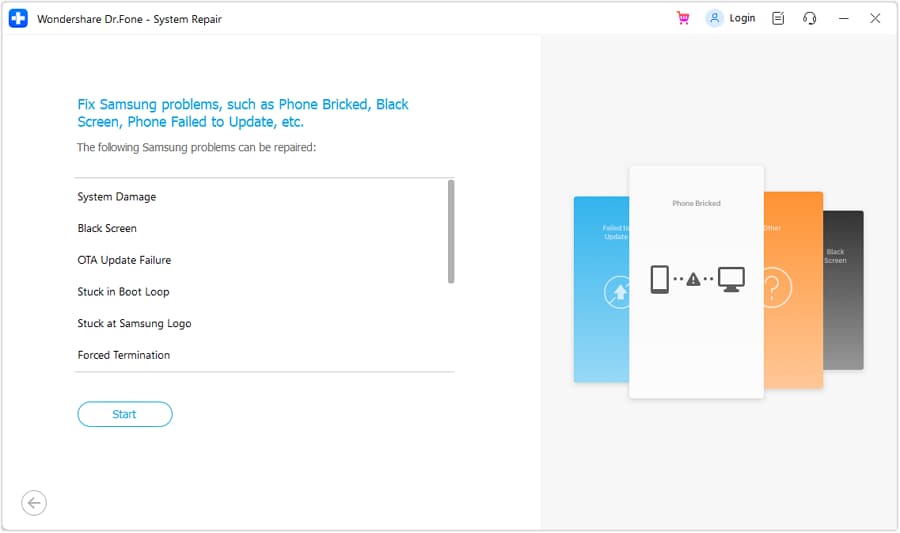
Step 2 Initiate the Repair
Select "Android" as your device type and click the "Start" button to begin the repair process.
-
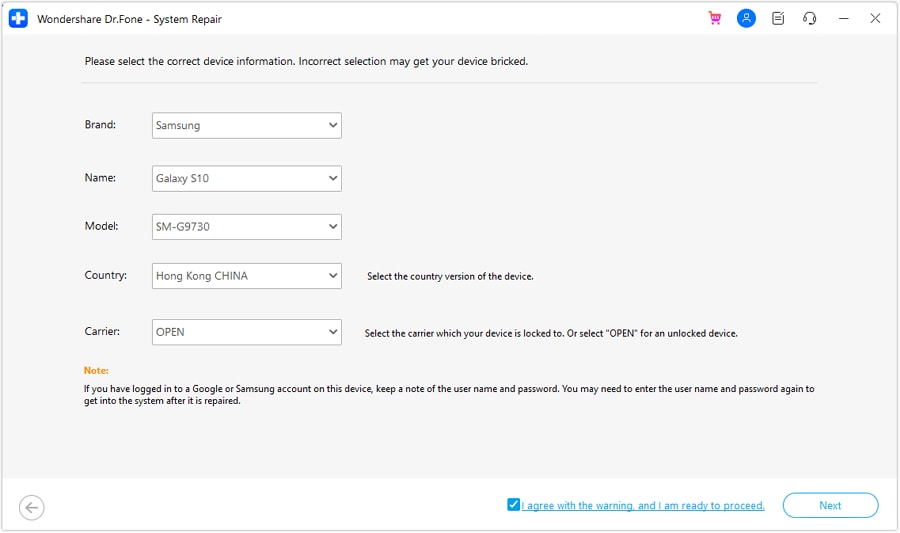
Step 3 Provide Device Details
The software will require you to provide your device's Brand, Name, Model, Country, and Carrier. Fill in this information accurately and click "Next."
-
Step 4 Enter Download Mode
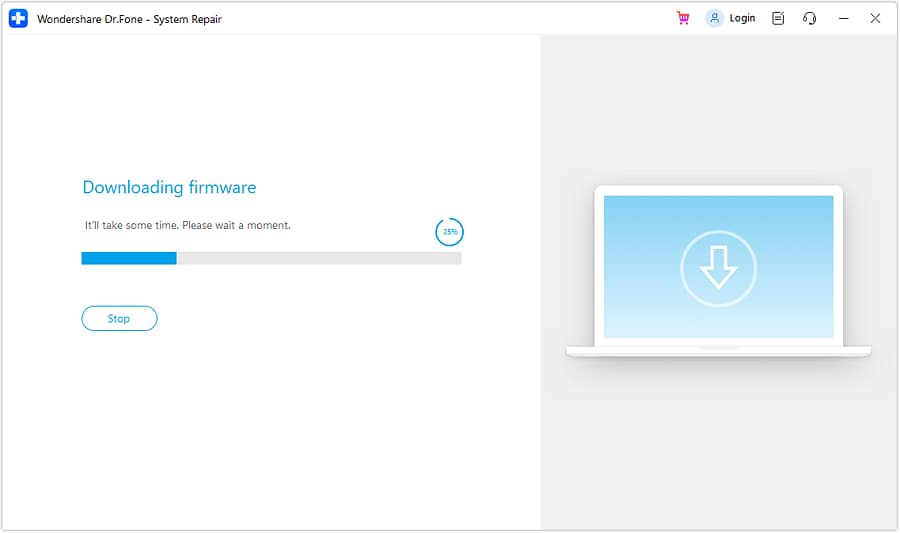
Follow the on-screen guide to put your phone into Download Mode. Once in this mode, Dr.Fone will automatically start downloading the appropriate firmware for your device.
-
Step 5 Complete the Repair
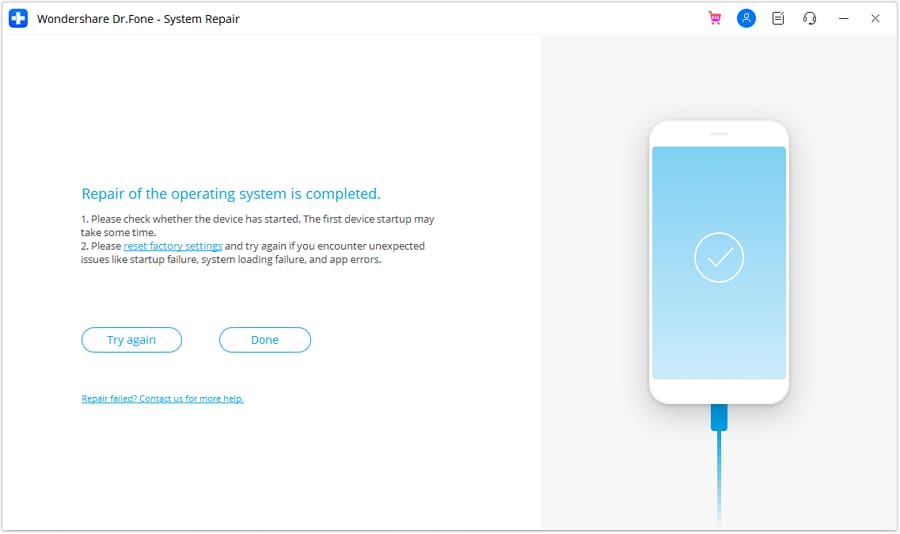
After the firmware is downloaded and verified, click "Fix Now." The tool will begin repairing your Android system. Once the progress bar is complete, your device will restart, and the system crash issue should be resolved.
Solution 9: Perform a Factory Reset (Last Resort)
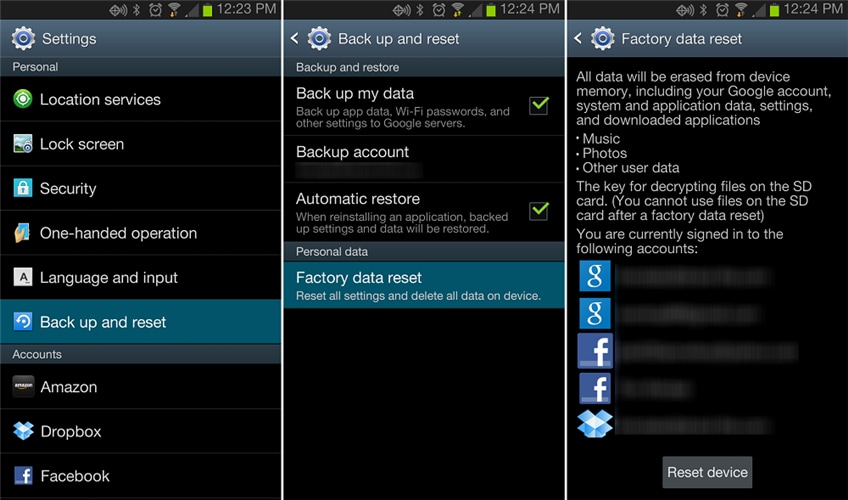
A factory reset should be your final option, as it will erase all data, apps, and settings on your device, returning it to its original out-of-the-box state. This can resolve deep-seated software corruption but at the cost of your personal data (which is why the data rescue step is so important).
To perform a factory reset, go to "Settings" > "General management" > "Reset" > "Factory data reset." Tap "Reset" and confirm to proceed.
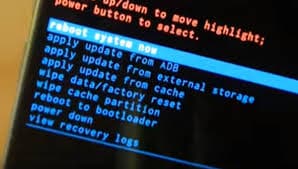
If you can't access settings, you can perform a factory reset from Recovery Mode by selecting the "Wipe data/factory reset" option.
Conclusion
Experiencing an Android system crash is a common but fixable problem. By systematically working through these solutions—from a simple restart to using a powerful repair tool—you can identify and resolve the root cause of the issue. Always remember to prioritize backing up your data before attempting any significant repairs. With these steps, you can restore your device to a stable and reliable state.
FAQ
-
1. What is the first thing I should do when my Android phone crashes?
The very first thing you should try is a forced restart. Press and hold the Power button for 10-15 seconds until the device reboots. This simple action often clears the temporary glitches that cause crashes and is the least invasive solution. -
2. Can an Android system crash be a sign of a virus?
Yes, frequent and unexplained system crashes can be a symptom of malware or a virus. Malicious software can interfere with core system processes, leading to instability. If you suspect an infection, run a reputable mobile security scan and uninstall any suspicious apps you've recently downloaded. -
3. Will a factory reset definitely fix the Android crash issue?
A factory reset resolves most software-related issues by wiping the device and reinstalling a clean version of the Android OS. However, it will not fix problems caused by hardware failure. If your phone continues to crash after a factory reset, it likely has a physical issue that requires professional repair. -
4. How often should I clear my phone's cache to prevent crashes?
While you don't need to clear it daily, clearing your device's cache partition every few months can be good preventative maintenance. It helps remove corrupted temporary files that can build up over time and cause performance issues. If you notice your phone slowing down or becoming buggy, clearing the cache is a good troubleshooting step.
 Add Wondershare Dr.Fone as a preferred source on Google