Resolve common problems and system crashes on both iPhone and Android devices.

 100% Security Verified | No Subscription Required | No Malware

 :
: 
 ChatGPT
 Perplexity
 Gemini
 Claude
 Grok
Grok
"System UI has stopped" means Android's SystemUI process has crashed. SystemUI is a persistent system process that draws interface elements outside normal apps, including the status bar, notification shade, lock screen, navigation UI, and volume interface. A one-time crash may clear after a restart; repeated crashes usually point to a buggy app or launcher, low storage, corrupted temporary data, or a broader system/firmware problem.
Start with the least destructive fixes: restart the phone, update the system and apps, free storage, then test Safe Mode. Only use app-update rollback or recovery-menu options when they match your device and the timing of the problem. Save factory reset for last.
In this article
- Part 1: What System UI is and why it crashes
- Part 2: Restart and update Android first
- Part 3: Use Safe Mode to find app conflicts
- Part 4: Roll back a recent Google app update only when relevant
- Part 5: Clear cache or wipe the cache partition when supported
- Part 6: Repair supported Android firmware with Dr.Fone
- Part 7: Factory reset as a last resort
- FAQs
Part 1: What System UI is and why it crashes
com.android.systemui is not a normal app you should disable. In Android's open-source platform, SystemUI is documented as a persistent process and provides system-level interface elements such as the status bar, notification shade, keyguard/lock screen, navigation UI, and volume controls.
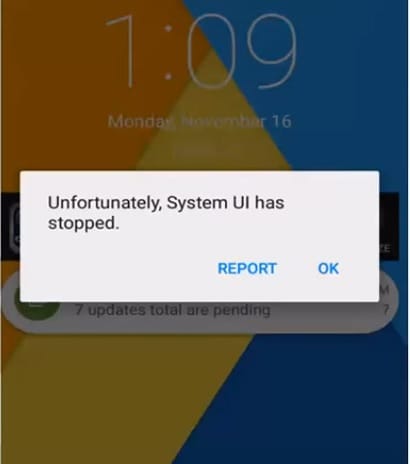
Common triggers for a repeated System UI has stopped or System UI keeps crashing message include:
- A recent app, launcher, widget, or theme conflict: If the problem began immediately after a change, that change is the strongest clue.
- A buggy or incomplete system/app update: A restart, pending update, or targeted rollback may resolve an update-specific conflict.
- Low free storage or corrupted temporary data: Android may become unstable when storage is nearly full or cached data is damaged.
- Modified firmware or root-related changes: Custom ROMs, modules, or incompatible system modifications can break SystemUI components.
- Deeper firmware corruption: If SystemUI crashes even in Safe Mode or immediately after boot, the issue may be system-level rather than app-level.
Important: Android System Intelligence is a different component from com.android.systemui. If the error specifically names Android System Intelligence, troubleshoot that component rather than assuming it is the same SystemUI crash.
Part 2: Restart and update Android first
For a new or occasional Android System UI crash, start with the basic fixes before changing system settings.
- Restart the phone. A reboot can clear a one-time SystemUI hang.
- Install pending Android/system updates. Use the update screen provided by your device manufacturer.
- Update your apps from Google Play. Pay special attention to launchers, accessibility tools, widgets, themes, and apps that draw over other apps.
- Free storage space. If internal storage is almost full, remove large files or unused apps and restart again.
If the error comes back right after boot or after a specific recent app change, continue with Safe Mode.
Part 3: Use Safe Mode to find app conflicts
Safe Mode temporarily disables downloaded third-party apps. If SystemUI works normally in Safe Mode, a recent app, launcher, overlay, theme, or widget is a likely trigger.
- Use your phone manufacturer's Safe Mode method. On many Android phones, you can open the power menu, touch and hold Power off, then confirm Safe mode. The exact method varies by brand and Android version.
- Use the phone for a few minutes in Safe Mode and see whether the SystemUI error returns.
- If the crash stops, restart normally and uninstall recently added or updated apps one at a time, starting with launchers, themes, widgets, accessibility tools, cleaners, and screen-overlay apps.
If the crash continues even in Safe Mode, move to system-level checks.
Part 4: Roll back a recent Google app update only when relevant
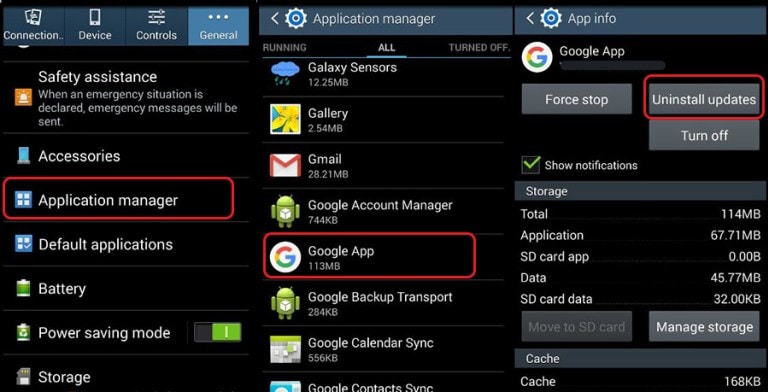
This is a conditional fix, not a universal SystemUI solution. Older Android versions and some device builds have shown SystemUI problems after a Google app update. Try a rollback only if the crashes began immediately after that update and your device actually provides an Uninstall updates option.
- Open Settings > Apps and find the Google app.
- Open the app menu and look for Uninstall updates. If your device does not offer it, skip this method.
- Restart the phone and check whether SystemUI is stable.
- If the rollback helps, install a newer fixed update when one becomes available instead of leaving app updates disabled indefinitely.
Part 5: Clear cache or wipe the cache partition when supported
Some Android versions let you clear an app's cache from Settings > Apps. You can clear cache for a recently updated app without deleting your personal files. Avoid clearing storage/data unless you understand what will be reset.
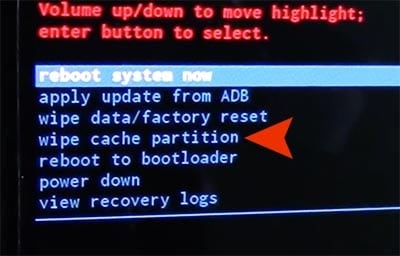
Some devices also expose Wipe cache partition in Recovery Mode, but many modern Android devices do not. If your Recovery menu includes that option, wiping the cache partition removes temporary system cache and does not normally erase personal files. If the option is absent, do not substitute Wipe data/factory reset.
Part 6: Repair supported Android firmware with Dr.Fone
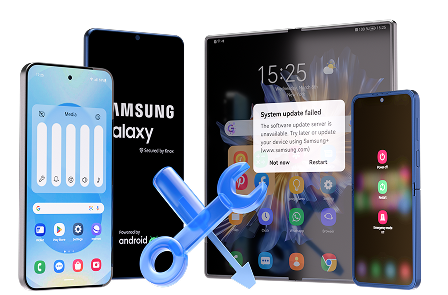
If SystemUI keeps crashing after Safe Mode and basic system checks, and the problem appears to come from damaged firmware, Dr.Fone - System Repair (Android) can be considered for supported Samsung, Xiaomi, Redmi, and POCO devices. Android System Repair is available on Windows only.
 Fix Android instantly – no skills needed.
- Solve boot loop, black screen, won’t turn on, etc.
- High success rate for all system issues.
- User-friendly interface with easy-to-follow steps.
For a supported Samsung device, the current repair flow is:
-
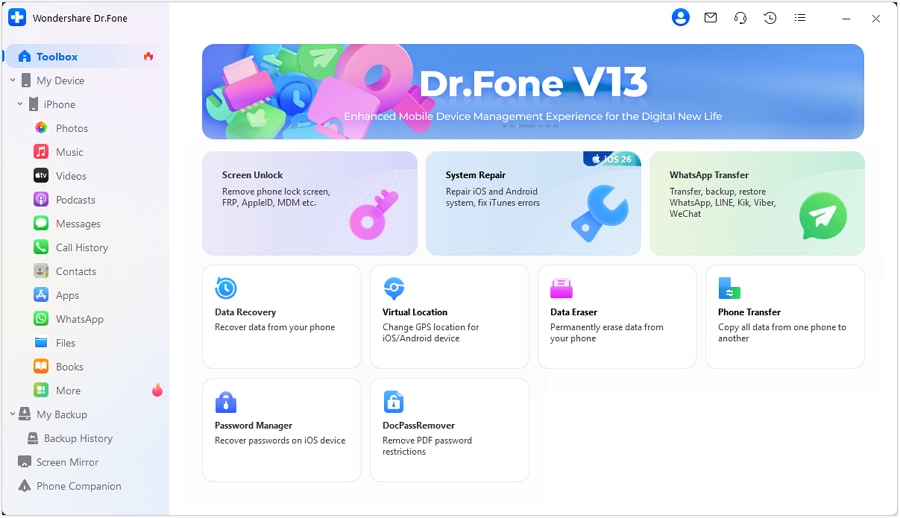
Step 1 Open System Repair
Launch Dr.Fone on a Windows PC, open Toolbox, connect the Samsung device, and choose System Repair.
-
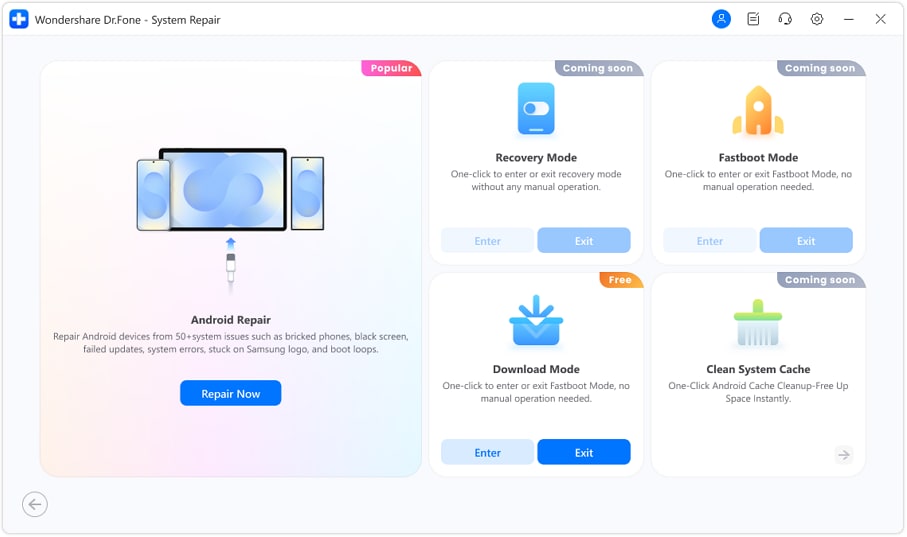
Step 2 Choose Android Repair
Select Android, choose Android Repair, and click Repair Now.
-
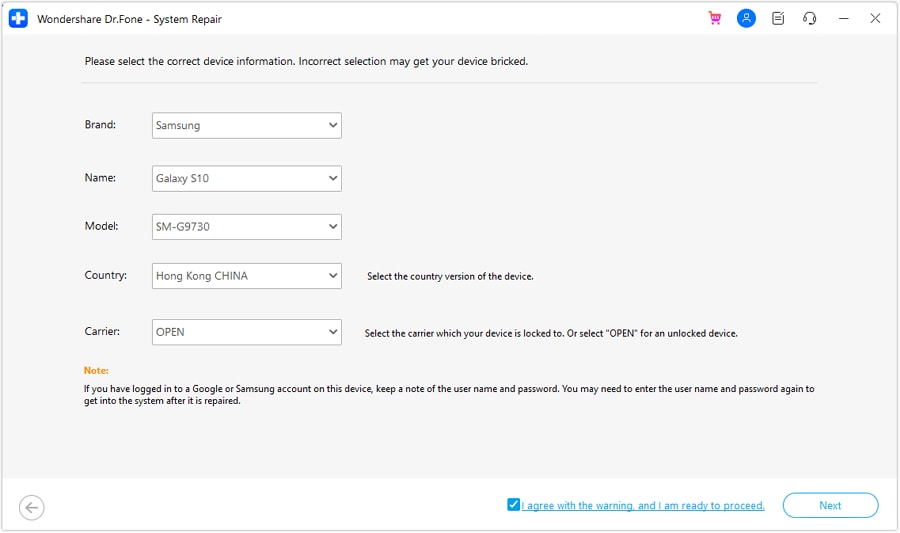
Step 3 Select Samsung and confirm device details
Select Samsung, then confirm the device name, model, country, and carrier exactly as shown for your phone or tablet.
-
Step 4 Enter Download Mode
Follow Dr.Fone's on-screen instructions for your Samsung model to enter Download Mode.
-
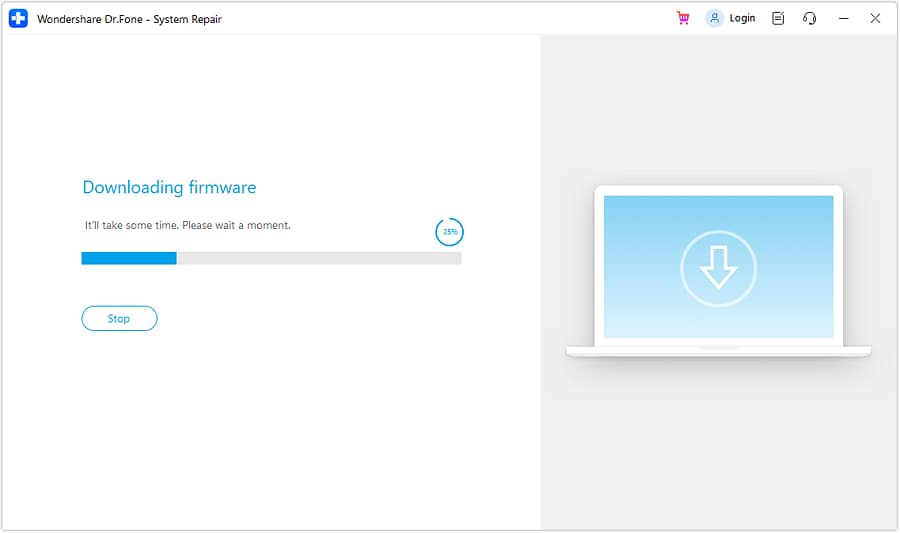
Step 5 Download firmware and repair
Let Dr.Fone download and verify the matching firmware, then click Fix Now. The Samsung repair flow requires confirmation that device data may be erased.
-
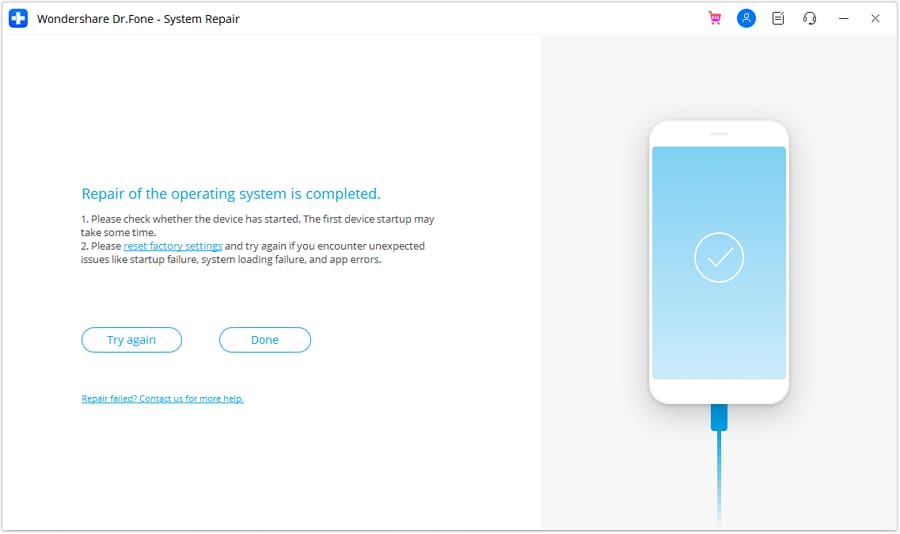
Step 6 Check the repair result
When repair completes, click Done and confirm whether the phone can boot and SystemUI stays responsive.
Part 7: Factory reset as a last resort
A factory reset erases apps, accounts, settings, and local files, so use it only when the SystemUI crash makes the phone unusable and other troubleshooting has failed.
- Back up photos, files, messages, authenticator recovery codes, and other important data first when possible.
- Make sure you know the Google account credentials used on the device before resetting it.
- Use the reset path shown by your phone manufacturer. Settings names vary by brand and Android version.
- If the error returns on a clean device before you reinstall third-party apps, contact the manufacturer or an authorized service center.

Conclusion
The “System UI has stopped” error usually does not mean your Android phone is permanently damaged. Start with the least destructive fixes: restart the device, install pending updates, free storage, and use Safe Mode to check whether a recent app, launcher, widget, theme, or overlay is causing the crash. Use Google app rollback or Recovery cache options only when they match the timing of the problem and are actually available on your device.
If SystemUI still crashes after those checks, the problem may be deeper in the firmware. For supported Samsung, Xiaomi, Redmi, or POCO devices, Dr.Fone - System Repair (Android) is a Windows-only repair option; check the data implications first because the Samsung repair workflow can erase device data. Keep a factory reset as the final software step, and contact the device manufacturer or an authorized service center if the error returns on a clean system or hardware problems are suspected.




 safe & secure
4,624,541 people have downloaded it
Frequently Asked Questions
-
1. What does "System UI has stopped" mean on Android?
It means the com.android.systemui process has crashed. SystemUI draws core interface elements such as the status bar, notifications, lock screen, navigation UI, and volume controls. A repeated crash needs troubleshooting rather than simply dismissing the message.
-
2. Can I force stop or disable System UI?
Do not treat SystemUI like a normal optional app. It is a persistent Android system process. Disabling or removing it on a modified/rooted device can break major interface functions. Fix the crash source instead.
-
3. Why does System UI keep crashing on Samsung?
The trigger can be a recent app or launcher, a system/app update, low storage, corrupted temporary data, or a deeper firmware problem. Restart first, test Safe Mode, and then use Samsung-specific system repair or factory reset only if less destructive steps fail.
-
4. Is Android System Intelligence the same as System UI?
No. Android System Intelligence and com.android.systemui are different system components. If the error dialog specifically names Android System Intelligence, clear its cache, install pending system/app updates, and troubleshoot that component rather than assuming it is a SystemUI crash.
 Add Wondershare Dr.Fone as a preferred source on Google