Permanently erase all iOS & Android data—completely unrecoverable.

 100% Security Verified | No Subscription Required | No Malware

 :
: 
 ChatGPT
 Perplexity
 Gemini
 Claude
 Grok
Grok
Wiping the cache partition on Android is a highly effective troubleshooting technique designed to remove outdated, corrupted, or fragmented temporary system cache files. Over time, as your device receives software updates and runs numerous background processes, these hidden files can accumulate. Clearing them helps resolve unexpected update glitches, persistent boot delays, app instability, and minor OS conflicts. The best part? Performing a wipe cache partition process is completely safe—it does not delete your personal files, precious photos, text messages, or installed applications.
If you are frequently asking what does wiping cache partition do, the simplest answer is that it gives your operating system a fresh start. By refreshing temporary system data, Android is forced to rebuild clean, optimized cache files the next time the smartphone reboots. For many power users and technicians, an android wipe cache partition procedure is the immediate go-to step after installing new firmware, dealing with severe lag, or encountering recovery mode errors.
However, modern Android architecture has evolved. The system cache, app cache, and Dalvik or ART cache operate differently on current iterations like Android 14 and beyond. This comprehensive 2026 guide breaks down what the cache partition actually is, where Android stores these files, and the safest methods to clear it across various smartphone brands.
In this article
Part 1: What is Wipe cache partition on Android?
The term wipe cache partition refers to the deliberate deletion of temporary system-level cache files hoarded by the Android OS. By clearing out this partition, the operating system is prompted to generate fresh execution files. It is crucial to note that this procedure is entirely separate from a factory reset. A factory reset wipes the device clean to its out-of-the-box state, whereas clearing the cache partition strictly handles disposable system data, keeping your accounts, media, and downloaded applications fully intact. It serves as a frontline defense against minor system conflicts, especially following over-the-air (OTA) updates, unexpected power losses, or severe boot-related anomalies.
When investigating what does wiping cache partition do, users often expect dramatic performance boosts. Realistically, it purges stale temporary files that Android no longer actively requires or files that have become corrupted, preventing the system from reading them properly. Consequently, executing this command can stabilize your device, eradicate temporary UI bugs, and facilitate a significantly smoother boot process. However, it does not permanently expand your available user storage. Cache memory is independently managed by the Android system and will naturally reconstruct itself as you continue to use the phone.
To avoid technical confusion, it is essential to distinguish between the three primary types of Android cache:
- System cache partition: These are temporary, core-level OS files that can traditionally be wiped from the Android Recovery Mode on supported models.
- App cache: These are temporary files generated by your daily applications (like Chrome or WhatsApp), which are manually cleared via Settings > Apps.
- Dalvik or ART cache: This is pre-compiled, optimized code crafted by the Android system to ensure applications launch rapidly. On modern smartphones, this infrastructure is autonomously managed by the Android Runtime (ART).
In legacy Android forums, you might encounter references to the dalvik cache stored in specific directories like /data/dalvik-cache. However, modern iterations have seen the Android Runtime (ART) entirely supersede the outdated Dalvik framework. Users searching for terms like android dalvik cache location, android 10 dalvik cache location, android 11 dalvik cache location, or even android 14 dalvik cache location must understand that systemic cache handling has fundamentally transformed. In contemporary devices, accessing these root directories is unnecessary, as Android seamlessly reconstructs required runtimes in the background.
Similarly, queries regarding the android cache partition location, android cache partition location /cache, or android cache partition mount point /cache generally point to the legacy /cache partition utilized by older generations of smartphones. On the majority of devices released recently, cache orchestration is heavily dynamic and tailored by the manufacturer (OEM). Therefore, not every smartphone will expose a dedicated, user-facing /cache partition.
Ultimately, an android clear cache partition operation is a secure, highly recommended maintenance protocol for devices that support it, but its primary utility is troubleshooting system anomalies rather than acting as a miracle storage-saving tool.
Part 2: How to perform Wipe cache partition on Android?
Executing an Android wipe cache partition varies heavily depending on your device's manufacturer, its specific Android version, and whether the UI still features a legacy dedicated cache partition. Below are the three most reliable and practical methods for anyone wondering how to wipe cache partition on Android effectively.
Method 1: Utilizing Android Recovery Mode
This is the definitive, classic method utilized for smartphones that still actively feature a Wipe cache partition function within their Recovery Mode environment. It is the most robust solution when your phone is suffering from severe input lag, is caught in a boot loop post-update, or refuses to boot into the normal user interface.
-
Step 1 Enter Recovery Mode
Power your smartphone off completely. Next, utilize the specific hardware key combination mapped for your brand to boot into Recovery Mode. On the vast majority of standard Android devices, this requires simultaneously holding down the Power and Volume Up buttons. Keep them pressed until the manufacturer logo appears.
-
Step 2 Navigate to Cache Options
Once the Recovery Mode interface materializes (often characterized by a black screen with technical text), use the volume rocker to scroll through the available commands. Locate the specific option labeled Wipe cache partition.

-
Step 3 Execute the Wipe
Highlight the cache wipe command and press the Power button to confirm your selection. This action exclusively purges temporary system files. Warning: Under no circumstances should you accidentally select Wipe data / factory reset unless you intend to permanently delete all data from your phone.
-
Step 4 Reboot the Device
Once the formatting process is complete, highlight "Reboot system now" and confirm. Android will seamlessly rebuild the necessary cache infrastructure automatically during this startup sequence.

Method 2: Clearing System-Wide Cache from Settings
If your specific smartphone omits a dedicated cache partition tool within Recovery Mode, purging cached data directly through the Settings app is the most logical and straightforward alternative. This technique is incredibly helpful for routine performance optimization.
- Navigate to your device's Settings app, scroll down, and tap on Storage to analyze how much internal capacity is currently occupied by temporary cached data.

- If your operating system version supports it, tap directly on Cached Data. A prompt will appear asking you to confirm the deletion—accept it to finalize the wipe.

On numerous contemporary Android builds (like Android 13 and Android 14), unified system-wide cached data management might not be presented in this exact format. In such scenarios, you must manually clear the cache on an app-by-app basis.
Method 3: Purging Individual App Cache
When only one or two specific applications are freezing, constantly crashing, or draining your battery, clearing the individual app cache is significantly more practical than wiping the entire system cache partition. This targeted approach is completely safe and uniformly available on every modern Android phone.
- Open the Settings menu and navigate to Apps (or Apps & Notifications).
- Scroll through the installed application list and select the problematic software.
- Tap on Storage & Cache (or simply Storage), and press the Clear Cache button.

This localized approach guarantees that you eliminate corrupted files associated with a malfunctioning app without disturbing the rest of the operating system. It remains the most realistic and necessary maintenance method on highly customized user interfaces where recovery-level cache controls have been deprecated.
For users searching for brand-specific tutorials like wipe cache partition realme or wipe cache partition xiaomi, be aware that the recovery layouts heavily depend on your exact MIUI, HyperOS, or Realme UI version. Certain Realme and Xiaomi models allow limited recovery maintenance, whereas others rely entirely on integrated "Security" or "Phone Manager" apps to execute deep cache cleaning.
Part 3: What if error happens while wiping Cache partition?
 Fix Android instantly – no skills needed.
- Solve boot loop, black screen, won’t turn on, etc.
- High success rate for all system issues.
- User-friendly interface with easy-to-follow steps.
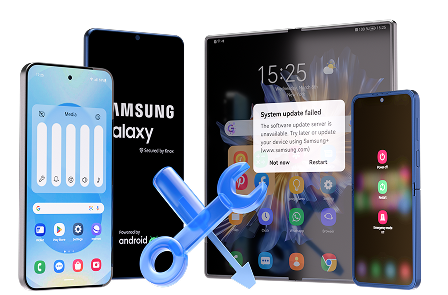
Sometimes, an error popping up while attempting to wipe the cache partition signifies a more deeply rooted firmware corruption that a simple cache clearance cannot resolve. If your smartphone remains stuck on the manufacturer logo, experiences persistent boot loops, or completely denies you access to the Android Recovery Mode, you are likely facing critical OS damage. In these severe scenarios, leveraging a professional toolkit like Dr.Fone - System Repair (Android) is highly recommended. It systematically flashes the appropriate firmware to your device, effortlessly bypassing complex system errors and reviving "bricked" phones with an exceptionally high success rate.
Rather than continually struggling with standard recovery options that fail to execute, Dr.Fone directly repairs the underlying system files. It seamlessly fixes the dreaded black screen of death, sudden power-offs, and unresponsive interfaces without requiring users to master complicated ADB commands or risk voiding their warranty through unverified flashing tools.




If an error appears during a standard wipe cache partition attempt, it could also mean your device no longer utilizes a traditional dedicated cache partition layout. Under such circumstances, you should revert to alternative troubleshooting methods to regain stability. Initiate a forced hardware reboot first to flush volatile memory. If your smartphone is operable, manually clear the cache for individual problem applications or utilize reliable storage management features integrated into your phone to eliminate rogue files.
Consistently failing to wipe the cache often indicates that restarting after a recent software update might be all that is needed to let the Android framework organically rebuild its necessary internal cache logic.
Conclusion
Executing a wipe cache partition on Android remains a dependable, non-destructive maintenance strategy capable of removing stale system files without jeopardizing your personal data. While it serves as an excellent remedy for post-update stutters, boot sequence delays, and unpredictable system behaviors, it is not a universal cure for every performance drop, nor will it drastically increase available device storage. Understanding your device's specific architecture—whether it necessitates Recovery Mode access, Settings adjustments, or pinpointed app cache clearing—ensures optimal performance. When basic cache maintenance proves insufficient against relentless bugs, turning to dedicated diagnostic tools remains the safest path to restoring full functionality.
FAQ
-
1. What does wiping cache partition do on Android?
Wiping the cache partition fundamentally deletes temporary, redundant system cache files, compelling the Android operating system to rebuild fresh, optimized versions. While it effectively resolves update-related conflicts, lagging UI elements, and frustrating boot delays, it safely leaves your personal media, customized settings, and installed applications untouched. -
2. Where is the Android cache partition or /cache partition located?
On legacy smartphone models, the system cache was typically anchored to a literal/cachemount point. In contrast, modern Android devices orchestrate caching dynamically in the background, frequently masking any dedicated partition from the user. Consequently, exact cache partition mount points fluctuate dramatically depending on OEM design and the installed Android generation. -
3. Where is the Android Dalvik cache location on Android 10, 11, or 14?
Historically, Android deployed environments that stored execution code in paths like/data/dalvik-cache. However, current platforms, notably Android 10 through Android 15, rely heavily on the advanced Android Runtime (ART). ART autonomously manages runtime optimizations, rendering manual Dalvik cache locating and clearing completely obsolete for everyday users. -
4. How do I clear cache partition on Realme or Xiaomi phones?
To initiate a wipe cache partition on Realme or Xiaomi hardware, boot the device into its respective Recovery Mode by pressing the specific hardware key combination. If the stock recovery lacks a distinct cache wipe prompt (common in recent UI builds), the safest and most practical alternative is utilizing the built-in Phone Manager app or manually clearing cached data for individual applications via the system Settings menu.
 Add Wondershare Dr.Fone as a preferred source on Google