
2026 Update: The Best 12 Apps for Android Hardware Test

May 19, 2026 • Filed to: Device Data Management • Proven solutions
 TL;DR:
Dr.Fone is the top recommended tool for comprehensive Android hardware diagnostics in 2025 because it operates via a PC connection to report actionable component health statuses, such as true battery health percentages and storage integrity, rather than just displaying static device specifications.
● To access Dr.Fone's deep system-level hardware reporting, you must connect the Android phone to a Windows or Mac computer via USB, select File Transfer mode, and manually enable USB Debugging within the device's Developer Options.
● For users requiring strictly on-device testing without a computer, AIDA64 provides the most granular real-time hardware monitoring for advanced users, while Phone Doctor Plus is optimal for running active Pass/Fail diagnostic tests on individual sensors and cameras.
● Performance benchmarking requires dedicated tools like 3DMark for GPU stress testing or PCMark for real-world productivity simulation, and users should note that companion tools like HWiNFO and MemTest86 are strictly Windows or DOS utilities that do not run natively on Android.
Ask AI for a summary
 ChatGPT
 Perplexity
 Gemini
 Claude
 Grok
Grok
Dr.Fone Basic:
Better Control for Your Phone
Manage, transfer, back up, restore, and mirror your device
Your Android smartphone is a sophisticated piece of engineering—packed with a processor, GPU, multiple cameras, sensors, wireless radios, a battery system, and a display—all working together seamlessly. But hardware components degrade, firmware updates can introduce conflicts, and manufacturing defects occasionally surface weeks after purchase. Running an Android hardware test regularly is the most effective way to catch these issues before they escalate into costly repairs or permanent data loss.
The right Android diagnostic app or phone test app gives you immediate, detailed visibility into what's happening inside your device. Whether you need to check real-time CPU temperatures, verify that every sensor is responding correctly, benchmark GPU performance for gaming, or get a comprehensive Android hardware info report before selling a used phone, the tools in this guide can do it all. Beyond Android-native apps, we also include select PC-based tools that complement your hardware check on Android devices by providing deeper system-level diagnostics from a connected computer.
This guide covers the 12 best apps and tools for Android hardware testing in 2025, with detailed descriptions, reliability ratings, platform compatibility notes, and a step-by-step guide to using the top-rated pick—Dr.Fone—for complete Android device diagnostics and hardware health assessment.

Part 1: Why Regular Android Hardware Tests Matter
Modern Android devices are used heavily every day—streaming, gaming, photographing, navigating, and communicating. This continuous use places constant stress on hardware components, and performance degradation rarely announces itself until it becomes a serious problem. For Android specifically, hardware testing is particularly important because of the enormous variety of devices across manufacturers, chipset generations, and Android versions. A tool that runs perfectly on one device may expose a hardware inconsistency on another.
Running regular Android hardware tests—whether through a dedicated phone tester app, an Android diagnostic app, or a phone check software suite—keeps you informed about your device's real condition rather than relying on assumptions. Here are the key benefits of making hardware testing a routine practice:
- Early detection of hardware faults before failure. Regular testing through an android hardware test app can reveal early warning signs—a battery whose capacity has dropped below 80%, a touch zone with declining sensitivity, or a camera sensor that occasionally fails to focus—long before these issues cause outright device failure. Catching problems early dramatically reduces repair costs and prevents unexpected data loss from sudden device shutdowns.
- Accurate performance benchmarking and comparison. Benchmark tools like 3DMark and PCMark generate standardized Android hardware test scores that let you objectively compare your device's current performance against its original specifications and against other phones in the same price class. This is invaluable for making informed upgrade decisions and for verifying that your device's performance hasn't degraded over time.
- Security vulnerability identification. Regular diagnostics help surface security risks that go beyond just software patches. Outdated firmware, hardware-level vulnerabilities in certain chipsets, and misconfigured system settings can all be flagged by comprehensive Android device diagnostics tools, giving you the information needed to take protective action before exploitation occurs.
- Protection of critical data through proactive monitoring. Storage degradation is one of the most underdiagnosed Android hardware issues. Regular hardware checks on Android devices—monitoring internal storage health, available memory, and I/O performance—can alert you to a failing storage chip before it causes irreversible data loss. Combined with a regular backup routine, this forms the most effective data protection strategy available.
- Transparent device grading for buying and selling used phones. When buying or selling a second-hand Android device, a documented hardware test report generated by a reputable android diagnostic app provides objective, component-level evidence of the device's condition. This eliminates guesswork, builds buyer confidence, and enables fair pricing based on verified hardware health rather than visual inspection alone.
- Faster, more accurate troubleshooting. When your Android device is behaving erratically—lagging, overheating, dropping calls, or draining battery abnormally—running a structured Android hardware test with a dedicated phone check software tool can pinpoint the exact component causing the problem within minutes, rather than spending hours testing different software fixes that may be irrelevant to a hardware-level fault.
By making regular hardware testing a part of your device maintenance routine, you significantly extend your Android phone's functional lifespan, protect your data, and always know exactly what condition your device is in. In the next section, we'll review the 12 best tools for running these tests.
Part 2: The 12 Best Android Hardware Test Apps and Tools (2025)
Below are the 12 best Android hardware test apps and diagnostic tools for 2025. The list includes Android-native apps you can install directly on your device (including those available as a hardware test APK), as well as PC-based companion tools that provide deeper system diagnostics when connected to your Android phone. Each entry includes a reliability rating, compatibility note, and detailed feature breakdown to help you choose the right tool for your specific testing needs.
(1) CPU-Z
Best for: Detailed information about the CPU, system information, battery, and sensors of your Android mobile device.
Reliability index: 8/10
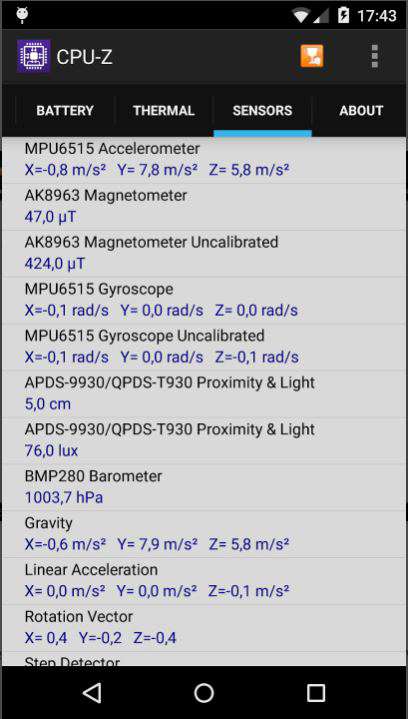
CPU-Z is one of the most widely used free android hardware info apps and an excellent best app to check phone specs in detail. It identifies your device's SoC (System on Chip) with granular detail—including processor name, architecture (ARM Cortex generation), core count, clock speeds, GPU model, and manufacturing process node. Beyond the processor tab, CPU-Z provides a complete system overview including Android version, build number, screen resolution, and display density. Its battery tab shows real-time charge level, voltage, temperature, and charging status, while the sensors tab displays live readings from every sensor on your device—accelerometer, gyroscope, proximity, ambient light, and more. CPU-Z is available on both Windows and Android. However, the Android version lacks benchmarking and report-saving features present in the Windows build, and displays advertisements that can interrupt the experience. For pure android device info and spec verification, it remains one of the most trusted free tools available.
(2) Hardware Info (now HWiNFO)
Best for: Comprehensive real-time hardware analysis, monitoring, and reporting on Windows and DOS
Reliability index: None, the app doesn't work on Android
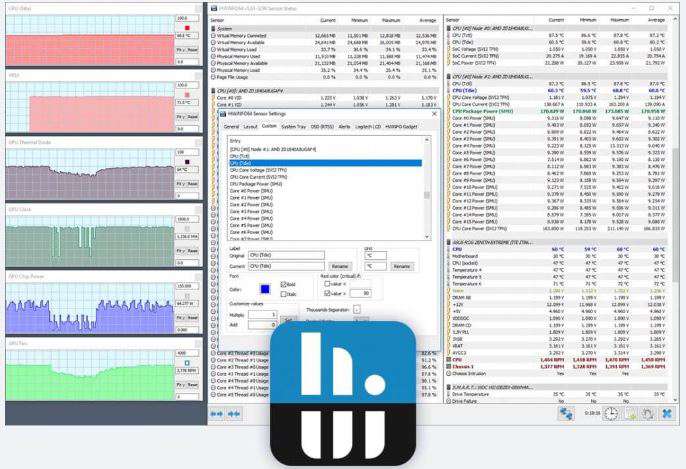
HWiNFO (formerly Hardware Info) is a professional-grade hardware analysis and real-time monitoring tool designed exclusively for Windows and DOS environments—it does not function as an Android app. However, it earns its place on this list as a powerful companion tool for users who manage Android devices alongside Windows PCs. HWiNFO provides exhaustive in-depth information about every hardware component in a Windows system: CPU architecture and per-core performance, motherboard chipset, memory configuration and speeds, GPU clock and VRAM details, storage drives, audio hardware, and network adapters. Its real-time sensor monitoring panel logs hundreds of hardware parameters simultaneously—including CPU temperatures, fan speeds, and power consumption—making it invaluable for diagnosing thermal throttling on a Windows machine used to manage or test Android devices. If you need a phone check software that works natively on Android hardware, skip to Dr.Fone or AIDA64 instead.
(3) Dr. Fone's Phone Verification
Best for: Managing iOS and Android phone data, giving device information and verification report, and checking the phone's overall health and performance.
Reliability index: 9/10
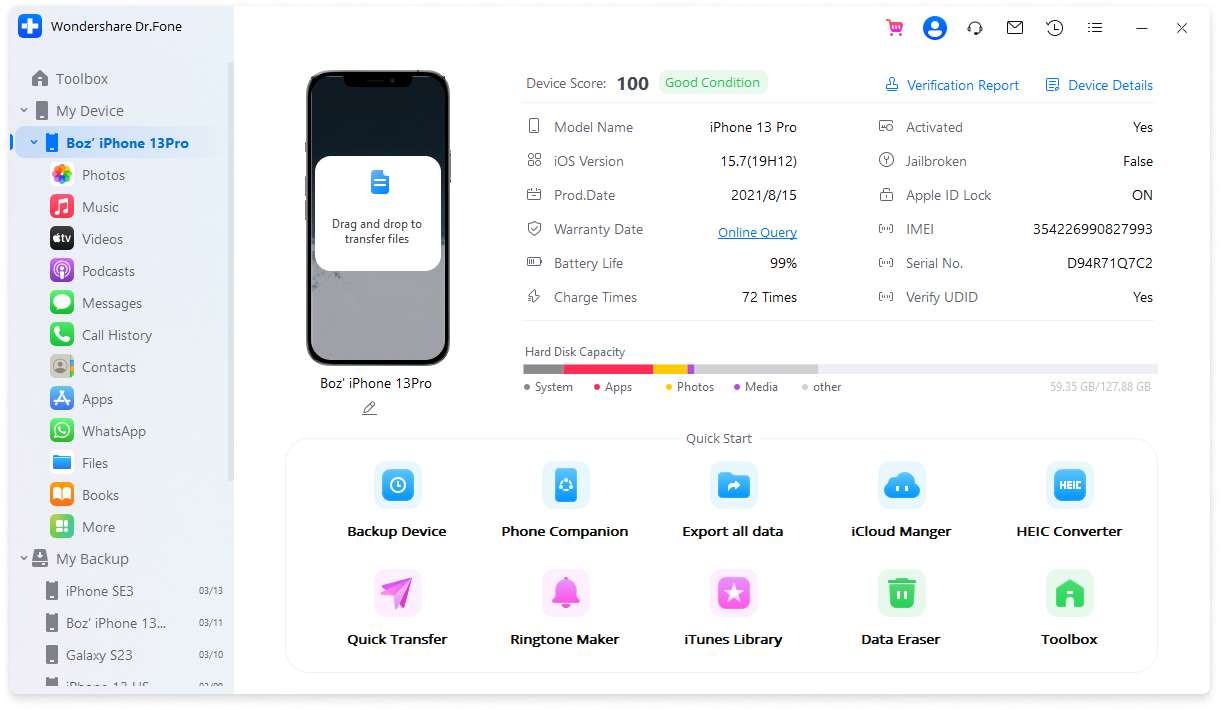
Dr.Fone stands out as the most comprehensive all-in-one solution on this list—combining Android diagnostic app capabilities with a full suite of device management, repair, and data recovery tools. Its Phone Verification module is a standout feature for anyone who needs complete Android hardware info: it reports hard disk capacity and storage health, battery status (including charge level and health percentage), battery temperature and voltage, RAM capacity and current usage, processor details, and overall device condition—all displayed in an intuitive, at-a-glance dashboard. Unlike Android-native hardware test APK tools that run on-device, Dr.Fone operates as a PC application (Windows and Mac) that communicates with your connected Android device over USB, giving it access to deeper system-level data than most on-device apps can retrieve. For iOS users, Dr.Fone additionally generates a comprehensive Verification Report—a shareable, exportable document that certifies the device's hardware condition, ideal for pre-sale disclosure or insurance claims. Dr.Fone's 9/10 reliability rating reflects its combination of hardware visibility, ease of use, and the breadth of additional features it offers beyond simple device diagnostics, including data transfer, recovery, system repair, and screen unlock.
(4) Droid Hardware Info
Best for: Providing detailed hardware information.
Reliability index: 7/10
Droid Hardware Info is a lightweight and focused android device info app that delivers a structured, category-by-category breakdown of your smartphone's hardware components directly on-device—no PC connection required. It organizes hardware data into dedicated sections: Device (model, manufacturer, Android version), System (CPU details, clock speeds, architecture), Memory (total RAM, available RAM, internal and external storage), Camera (front and rear specifications, supported resolutions), Battery (capacity, charge status, temperature, voltage), and Sensors (a complete list of all hardware sensors with real-time readings). Its clean interface and offline functionality make it particularly useful as a quick hardware check Android tool for mobile retailers and repair technicians who need instant device specifications without a computer. The primary limitation is its scope—Droid Hardware Info is an informational tool rather than an active testing suite, meaning it reports hardware parameters but does not run component-level tests like touch grid tests or display color cycling. For users who need both spec reporting and active hardware testing, pairing it with a dedicated phone tester app like Phone Doctor Plus or Dr.Fone provides more complete coverage.

(5) Test Your Android
Best for: Testing and getting information about the features and system of your Android device
Reliability index: 7/10
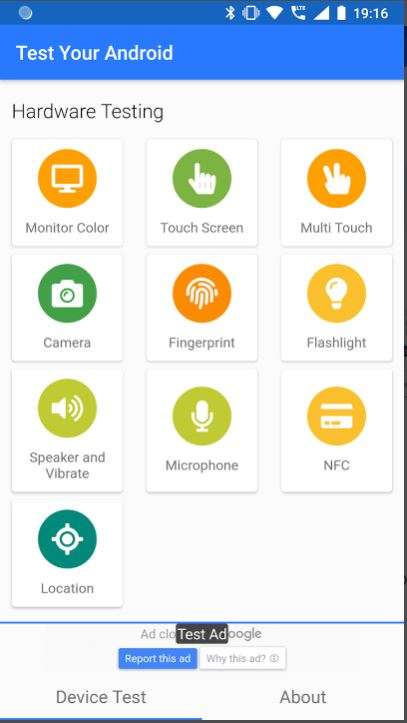
Test Your Android is an all-in-one phone test app Android users can install directly as an APK from Google Play. It combines hardware testing with system information retrieval in a single interface, making it a convenient starting point for anyone who wants a broad overview of their device's condition without switching between multiple tools. The app covers a wide range of hardware test categories including display (dead pixel detection, color test), touch screen responsiveness, sound (microphone and speaker test), GPS accuracy, accelerometer, gyroscope, and network connectivity. Beyond diagnostics, it bundles additional utilities—a barcode scanner, sound level meter, compass, and flashlight—that add everyday utility beyond pure testing. The downsides are notable: intrusive full-screen pop-up advertisements interrupt the testing workflow, the app does not generate a post-test report or exportable summary, and its Defective Pixel Mode has been reported to lag on certain devices. For users who can tolerate the ads, it remains a solid free android hardware test app for quick, broad component checks. Those needing professional-quality results or report documentation should consider Dr.Fone or AIDA64.
(6) 3DMark
Best for: Benchmarking and comparing the GPU and CPU performance of your smartphone and tablet.
Reliability index: 8/10
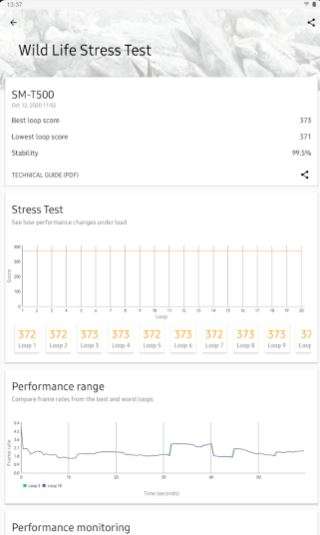
3DMark is the industry-standard GPU and CPU benchmarking app for Android and iOS smartphones and tablets, and one of the most credible hardware test Android tools for performance evaluation. It runs a series of standardized graphical workloads—including the Wild Life benchmark for general GPU performance, Wild Life Extreme for high-end devices, and the Solar Bay ray-tracing test for premium flagship phones—and generates a numerical score that can be directly compared against a database of thousands of other devices. This makes 3DMark particularly valuable when you want to verify that a phone's performance matches its advertised specifications, assess how a device holds up under sustained load (a key indicator of thermal throttling), or make an objective data-driven comparison before purchasing a new smartphone. Unlike general-purpose android diagnostic apps that report static hardware specs, 3DMark actively stresses the GPU and CPU to measure real-world throughput under sustained demand. The app is free on Google Play with optional paid features for deeper profiling and historical trend analysis.
(7) Network Master
Best for: Network speeds and connections testing
Reliability index: 6/10
Network Master – Speed Test is a free Android app focused on Wi-Fi and cellular network hardware diagnostics—a specialized category of hardware check Android that most general diagnostic tools don't cover in depth. Its core functionality includes real-time Wi-Fi speed testing (measuring both download and upload throughput), network stability analysis, signal strength mapping, and a security scanner that detects potentially unsafe networks or devices connected to the same Wi-Fi. Additional features include the ability to allocate bandwidth priority to specific apps (useful during gaming or large downloads) and a mobile hotspot tool that turns your Android phone into a portable router. A notable limitation: Network Master is no longer available on the Google Play Store, but it can still be downloaded as a hardware test APK from trusted third-party sources like APKPure or Softonic. Given its removal from Google Play, users should exercise caution and verify the source before downloading. For users who need to diagnose Wi-Fi signal issues, ISP speed inconsistencies, or network-related battery drain on Android, it remains a useful specialized tool.
(8) Phone Doctor Plus
Best for: Providing device diagnosis and optimization
Reliability index: 7/10
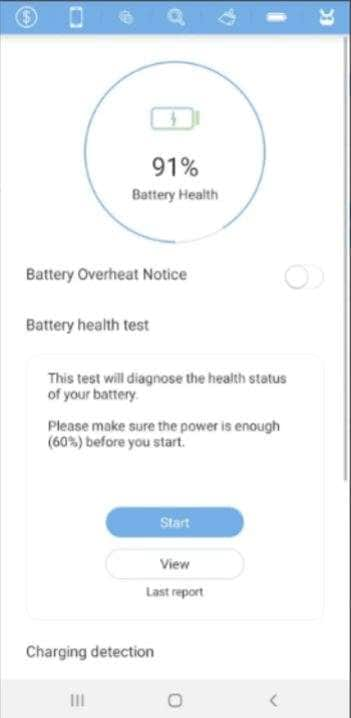
Phone Doctor Plus is a comprehensive phone tester app that combines active hardware diagnostics with battery and performance optimization features in a single Android application. On the diagnostic side, it tests a wide range of hardware components—including GPS accuracy, CPU load and temperature, cellular and Wi-Fi connectivity, gyroscope, accelerometer, proximity sensor, ambient light sensor, microphone, speaker, and camera. Each test is presented with a clear Pass/Fail result, and the app generates a summary health report that categorizes your device's condition by component area. On the optimization side, Phone Doctor Plus includes battery life management tools, background process management, and performance-enhancing features that help extend device longevity based on the diagnostic findings. This makes it one of the few android hardware test apps that not only identifies problems but also provides actionable optimization steps in response. Available on Google Play as a free download with optional premium features, it is a solid middle-ground choice for users who want both diagnostic insight and performance management in one place.
(9) AIDA64
Best for: Advanced diagnostics and monitoring
Reliability index: 8/10
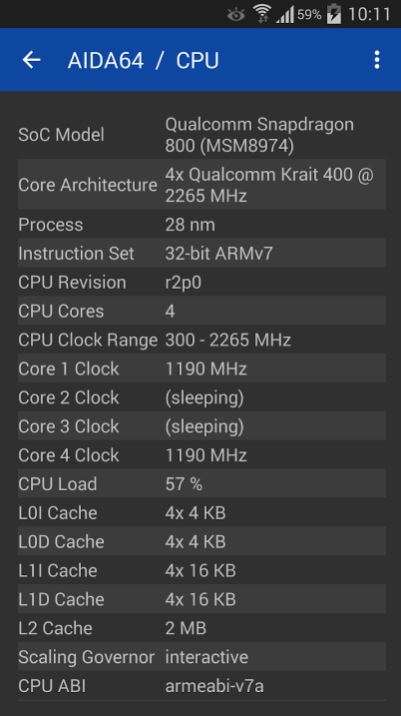
AIDA64 is a professional-grade android hardware info app and system diagnostic tool that offers some of the most technically detailed hardware reporting available on Android. Originally renowned as a Windows diagnostic suite, AIDA64's Android version delivers a rich set of capabilities for advanced users: it identifies the exact CPU model, architecture, and per-core clock speeds in real time; monitors battery level, voltage, temperature, and charging current; displays detailed Wi-Fi signal data (SSID, BSSID, channel, signal strength) and cellular network parameters; and provides a complete listing of installed apps alongside system directory structure. Its hardware monitoring capabilities extend to real-time core clock and GPU frequency measurement, and it supports advanced features including Vulkan and OpenCL API detection, CUDA-compatible GPU identification, PCI/USB device enumeration, and sensor polling for all available hardware sensors. AIDA64 is particularly valuable as an android diagnostic app for power users, developers, and IT professionals who need granular, real-time hardware data rather than a simplified Pass/Fail test result. It is available as a free download on Google Play.
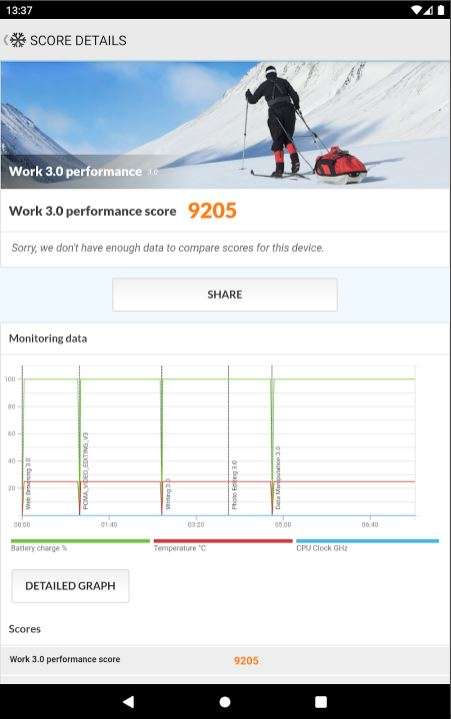
(10) PCMark
Best for: Advanced work performance assessment
Reliability index: 8/10
PCMark for Android is a work performance benchmarking app that distinguishes itself from GPU-focused tools like 3DMark by simulating real-world productivity tasks rather than abstract graphical stress tests. Its benchmark suite replicates common daily workloads—web browsing (rendering complex HTML/CSS pages), video playback and editing, photo editing, writing (measuring keyboard and UI responsiveness), and data processing—generating a comprehensive performance score that directly reflects how your device handles everyday tasks. PCMark also features a dedicated battery life profiling mode that measures real-world endurance under mixed workloads, providing a far more accurate battery life estimate than simple loop-playback tests. The app's storage benchmark tests read/write speeds and I/O performance of internal flash storage—an important indicator of overall system responsiveness that many other phone test apps for Android overlook. PCMark scores can be compared against an online database of thousands of Android devices, making it straightforward to benchmark your phone's current performance against both its initial specifications and comparable competing devices. Available on Google Play, it's an excellent android hardware test app for users who prioritize real-world performance data over synthetic GPU scores.
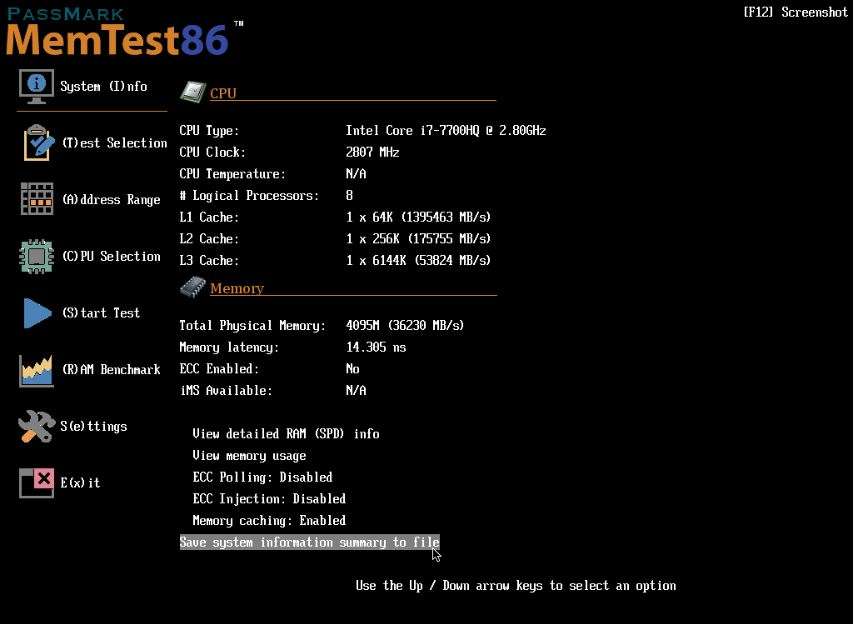
(11) MemTest86
Best for: Memory diagnosis tests
Reliability index: None, the app doesn't work on Android
MemTest86 is a standalone, bootable RAM diagnostic tool designed for x86-based Windows and Linux PCs—it does not run on Android devices. Like HWiNFO, it is included here for users who manage Android devices from a Windows PC and need comprehensive RAM health verification on their computer. MemTest86 runs directly from a bootable USB drive before the operating system loads, making it the most thorough method available for testing PC memory integrity. It performs up to 13 different memory test algorithms across multiple passes, identifying single-bit errors, stuck bits, address line faults, and inter-cell interference across up to 64 GB of physical RAM. It supports DDR2, DDR3, DDR4, and DDR5 memory types, and operates on both 32-bit and 64-bit systems. The tool is completely free, open-source, and produces a detailed pass/fail report for each memory bank tested. For users who need to verify the RAM health of the Windows PC they use for Android device management, MemTest86 is the definitive solution.
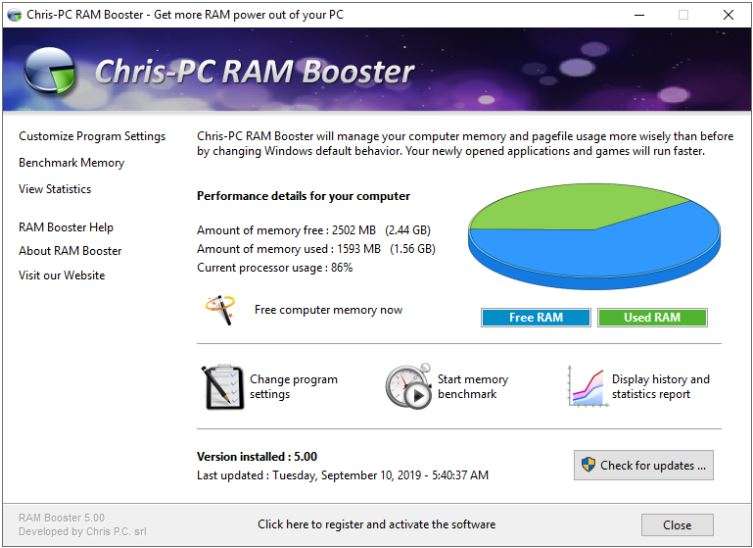
(12) RAM Booster
Best for: Displaying information on the total capacity of virtual RAM and physical RAM, and freeing up memory automatically when a certain percentage is reached
Reliability index: /
RAM Booster (Chris PC RAM Booster) is a Windows memory management and optimization utility—not an Android application—designed to improve PC performance by actively managing virtual and physical RAM allocation. It provides a real-time dashboard showing total physical RAM capacity, current usage percentage, and available free memory, alongside virtual memory (page file) statistics. Its signature feature is a configurable auto-optimization threshold: users can set a specific memory usage percentage (for example, 85%), and the tool will automatically flush inactive processes and recover available memory whenever that threshold is reached—without requiring manual intervention. This passive optimization model makes it particularly useful as a background service on the Windows PC you use for Android device management, keeping the system responsive during resource-intensive tasks like bulk photo transfers, ADB operations, or running multiple Android diagnostic tools simultaneously. While it carries no direct Android hardware testing capability, it serves as a useful performance maintenance companion tool in a Windows-based Android management workflow.
Part 3: Author's Verdict — Why Dr.Fone Is the Best Android Diagnostic App
After reviewing all 12 tools, Dr.Fone's Phone Verification feature earns the highest overall rating for Android hardware assessment. While apps like AIDA64 and CPU-Z excel at real-time hardware monitoring, and 3DMark and PCMark deliver excellent benchmarking data, none of them combines comprehensive Android hardware info reporting with the full suite of device management capabilities that Dr.Fone provides. As a phone check software solution, Dr.Fone is unique in offering hardware diagnostics alongside data recovery, system repair, file transfer, and screen unlock—all from a single, professionally designed interface that works on both Windows and Mac.
What makes Dr.Fone specifically stand out for android device diagnostics is the depth of its Device Details panel. Rather than simply listing hardware specifications, Dr.Fone reports the current health status of each component: actual battery health percentage (not just charge level), used versus available storage with health indicators, RAM occupancy and process breakdown, real-time device temperature, and full software version details—all information that directly answers the question "is my phone performing as it should?" This combination of live health data and static hardware specifications makes it the most actionable android hardware test app in this comparison for users who want to understand not just what hardware their phone has, but how well that hardware is currently functioning.
Here is the complete step-by-step guide to accessing the Phone Verification feature in Dr.Fone and running a full hardware check on your Android device:
Step 1: Download Wondershare Dr.Fone from the official Wondershare website and install it on your Windows or Mac computer. Launch the application after installation. Ensure you have a USB data cable available for connecting your Android device.
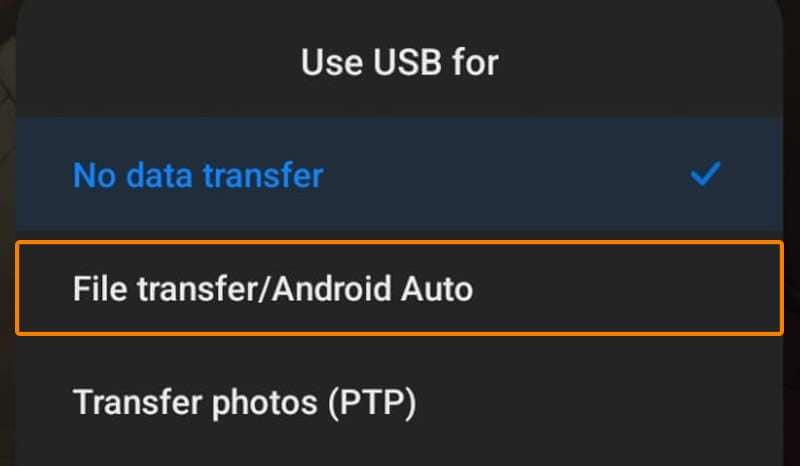
Step 2: Connect your Android device to your PC via USB cable and open Dr.Fone. On your Android phone, select File Transfer from the USB connection mode options that appear in the notification shade. This mode is required for Dr.Fone to properly communicate with your device's file system and hardware reporting APIs.
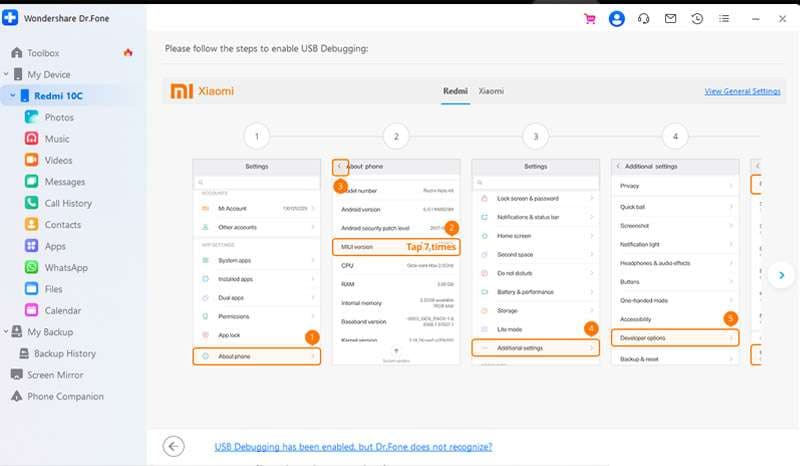
Step 3: Enable USB Debugging on your Android device to grant Dr.Fone access to deeper hardware diagnostics. Navigate to Settings > About device > Software info > Build number and tap Build number seven times to unlock Developer Options. Then go to Settings > Developer Options > USB Debugging and toggle it on. The exact path to Developer Options may vary slightly between Android versions and manufacturer skins—if your device shows a different path, refer to Dr.Fone's built-in guidance by clicking the tab that corresponds to your device model.
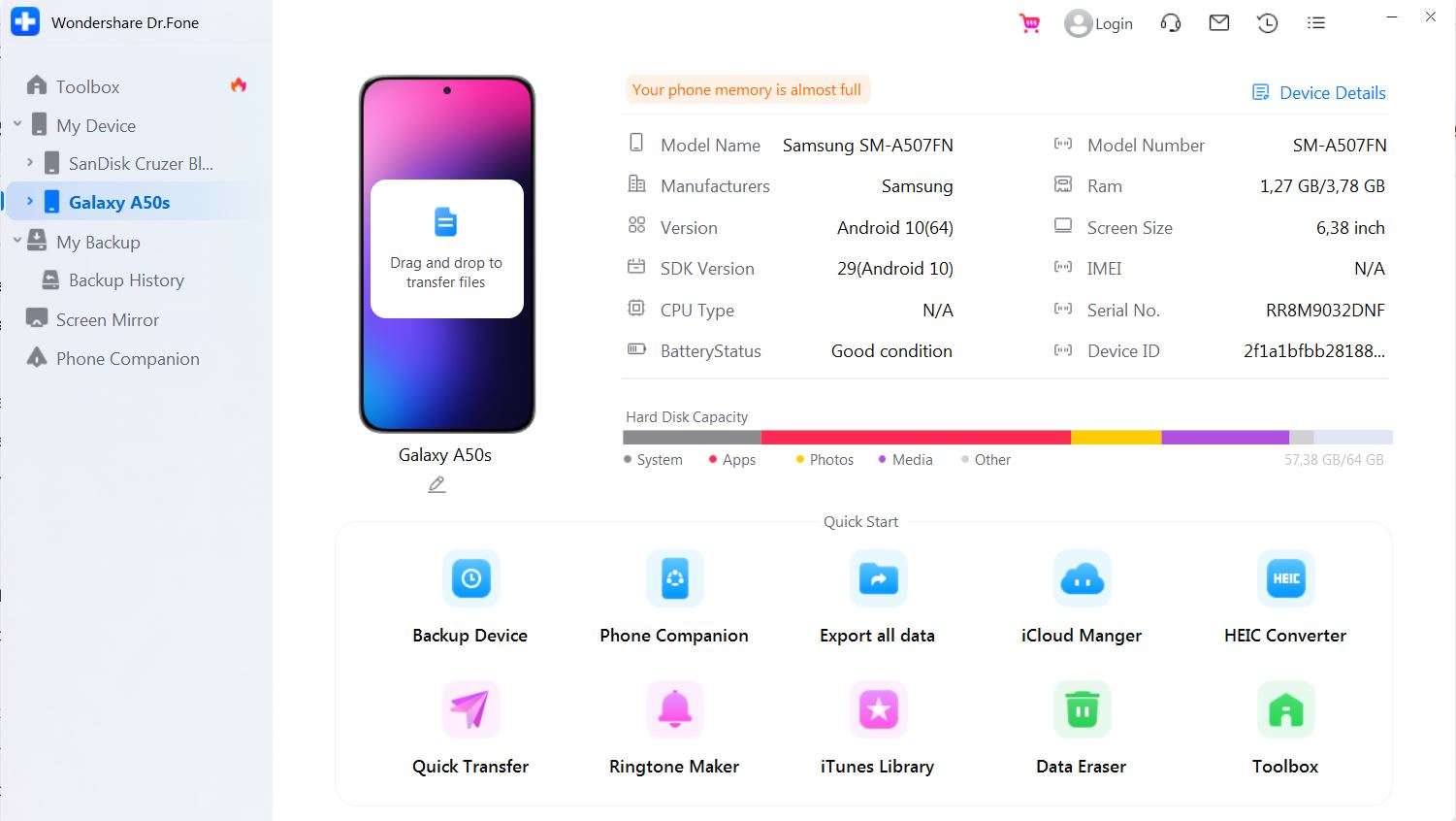
Step 4: Once USB Debugging is enabled and Dr.Fone has recognized your device, your phone will appear in the Dr.Fone interface by name. Click on your phone's name to access the device dashboard, then click "Device Details" to open the full hardware and health report. Here you'll see a complete Android hardware info breakdown: battery health status and temperature, internal storage capacity and usage, RAM capacity and current occupancy, processor information, device model details, and overall system condition—all in one consolidated, easy-to-read view.
 safe & secure
Ditch the hassle of multiple apps and simplify your mobile experience with Dr.Fone App, the ultimate all-in-one solution for iOS and Android users. Unlock your device, change your GPS location, and transfer WhatsApp data with ease. Plus, recover lost data from Android devices and transfer files, photos, and music between devices with ease. Fix common system issues and get the most out of Dr.Fone App with our "Tips" section below.
Dr.Fone App (iOS) & Dr.Fone App (Android)
Your One-Stop Expert for Screen Unlock, Smart Clean, Data Recovery, Change Location, and Phone Management of Mobile Devices!
- Effortlessly unlock various locks on your device.
- Instantly free up storage space by smart clean.
- Rapidly recover different kinds of lost phone data and information.
- Easily changes GPS location on Android devices.
- Easily manage cluttered and private device content.



Conclusion
Keeping your Android device performing at its best requires more than software updates and storage cleanups—it requires regular, structured Android hardware testing with the right tools. As this guide has demonstrated, the best approach combines multiple resources: use on-device android diagnostic apps like CPU-Z, AIDA64, or Phone Doctor Plus for real-time hardware monitoring and quick component-level tests; use benchmarking tools like 3DMark and PCMark to track performance trends over time; and use Dr.Fone as your primary phone check software for comprehensive device health assessment, data management, and system repair from a single PC-based platform.
Dr.Fone's Phone Verification feature remains the most complete and actionable option on this list—providing detailed Android hardware info including battery health status, storage integrity, RAM usage, and overall device condition in a single, consolidated dashboard. Its combination of hardware visibility, user-friendly design, iOS and Android compatibility, and the breadth of additional tools it offers (data recovery, system repair, file transfer, screen unlock) makes it the clear recommendation for users who want professional-level android device diagnostics without technical complexity.
Whether you're a daily Android user who wants peace of mind, a mobile retailer who needs fast, reliable device grading tools, or a repair technician diagnosing a client's device, the 12 tools reviewed in this guide give you everything needed to run thorough, accurate hardware tests on Android—and to act decisively on what you find.
FAQs
 Q1. What is the best app to check phone specs and hardware info on Android?
Q2. What is the best Android diagnostic app for a full hardware check?
Q3. Is there a free hardware test APK for Android I can download?
Q4. What is the best phone check software for Android device diagnostics?
Q1. What is the best app to check phone specs and hardware info on Android?
Q2. What is the best Android diagnostic app for a full hardware check?
Q3. Is there a free hardware test APK for Android I can download?
Q4. What is the best phone check software for Android device diagnostics?
Dr.Fone Basic:
Better Control for Your Phone
Manage, transfer, back up, restore, and mirror your device


Android Erase
- Android Diagnostics
- 1. Fix Android Microphone Issues
- 2. Test NFC on Android Device
- 3. Check Android Device in Minutes
- 4. Apps For Sensor Check Android
- 5. Apps for Testing Device's Hardware
- 6. Tools for Conducting Screen Tests
- 7. Ways to Check Phone's Vibrations
- 8. Check Mobile Signal Strength
- 9.Realme Touch Screen Test Codes
- 10.Android Codes To Test Touch Screen
- 11.Phone Processor Speed Tests
- Erase Android
- 1. Delete Browsing History on Android
- 2. Clear App Data and Cache on Android
- 3. Delete Photos from Android
- 4. Wipe Android When It's Lost
- 5. Wipe Cache Partition on Android
- 6. Delete Text Messages on Android
- 7. Delete WhatsApp Backup
- 8. Wipe Data or Factory Reset
- 9. Erase Android Data Before Selling
- 10. Delete Contacts on Android
- 11.Delete Multiple Contacts on Android
- 12.Wipe Android Phone before Selling
- 13.Delete Photos on Android
- 14.Remove Pre-installed Apps
- 15.Delete Apps on Android
- 16. Access Trash on Android
- Android Reset
- 1. Restart Phone without Power Button
- 2. Reset Phone without Volume Buttons
- 3. Factory Reset Android Phone
- 4. Hard Reset Android Phone Using PC
- 5. Hard Reset Locked Infinix Phone
- 6. Factory Reset Lenovo Phone
- 7. Factory Reset Android Tablets
- 8. Factory Reset Lenovo Tablets
- 9. Format Your Android Phone
- 10. Hard Reset Android Phones
- 11.Reset Android Without Home Button
- 12.Restart Your Android Phone
- 13.Soft Reset Android Devices
- 14.Reset Android without Losing Data
- 15.Ways to Hard Reset Tecno Spark
- 16.Updated Android Factory Reset Code
- Data Erase Apps
- 1. Speed Booster for Android
- 2. Android Cleaners to Boost Device
- 3. Data Erase Apps to Protect Privacy
- 4. Data Eraser Apps to Wipe Android
- 5. 15 Best Cleaning Apps for Android
- Sell Old Android
- ● Manage/transfer/recover data
- ● Unlock screen/activate/FRP lock
- ● Fix most iOS and Android issues
- Free Download Free Download Free Download




Daisy Raines
staff Editor