Effortlessly manage data through preview, delete, export, etc.

 100% Security Verified | No Subscription Required | No Malware

 :
: 
 ChatGPT
 Perplexity
 Gemini
 Claude
 Grok
Grok
You may or may not have heard of a hard reset in relation to Android phones and tablets. The truth is that performing a hard reset Android operation is a definitive troubleshooting solution that most Android users will actively seek when their device is facing persistent system glitches, severe software crashes, or even underlying hardware-related unresponsiveness.
At some point in the lifecycle of your mobile device, learning how to hard reset Android will become necessary. Whether you are planning to sell your old phone or you simply want to revive a heavily lagging tablet, this comprehensive guide will thoroughly prepare you for that eventuality. We will explore exactly why you need to hard reset Android and walk you through the safest methods to accomplish it.
In this article
Part 1. What Exactly is a Hard Reset on Android?
A hard reset, which is also commonly known as an alternate reset or a factory data reset, is a master restoration process performed when your Android device is experiencing severe issues with its core performance. Unlike a soft reset (which is simply restarting your device), a hard reset digs deep into the operating system.
Depending on the severity of the software issues you are encountering, the hard reset is often considered a complete and full solution. When done correctly, it will get your phone or tablet working optimally, just like the day you unboxed it. It is incredibly powerful because it can fix a number of operational issues even when your phone or tablet’s touchscreen is entirely unresponsive and not working.
Part 2. Why You Need to Hard Reset Android Phones and Tablets
There are several distinct situations when you may find it very advantageous, or completely mandatory, to hard reset an Android phone or tablet. If you ever find yourself facing one of the following scenarios, you may need to perform a hard reset immediately to regain control of your hardware.
- A hard reset will essentially wipe all local information and restore the device to its original factory state. Therefore, you must perform a reset if you want to safely dispose of, trade-in, or sell your Android device without exposing your personal data.
- A reset also comes in extremely handy when your device is running a little bit slow over time. If you have noticed that some of your crucial apps are running sluggishly, crashing unexpectedly, or frequently freezing, a hard reset may be necessary to clear out the corrupted cache and bloated system files.
- If your device is completely unresponsive, caught in a boot loop, or not responding correctly to any touch inputs.
- You may also need to perform a reset if you have unfortunately lost or forgotten your device password, PIN, or pattern lock, and are locked out of the system.
- A reset may also be necessary if, for some deeply rooted reason, your Android operating system is failing, perhaps due to a botched over-the-air update or a malicious software infection.
Part 3. Backup Your Android Data Before Resetting It
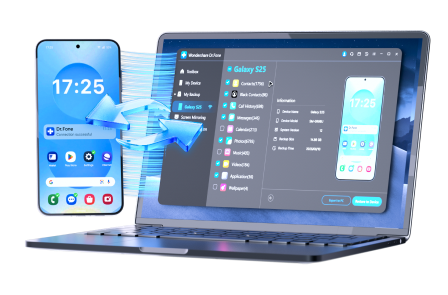
Performing a hard reset on your Android device will always result in a complete, irreversible loss of local data. It wipes your internal storage entirely. Therefore, it is critically important to fully back up your device before attempting a hard reset. This way, you can always get your precious photos, contacts, and application data back in case anything goes wrong or simply to restore them to the freshly reset operating system. Wondershare Dr.Fone Basic is one of the absolute best tools to use to effectively, securely, and easily back up the data on your device to a computer.
 Effortlessly manage data through preview, delete, export, etc.
- Transfer all data between devices.
- Robust backup solutions for reliable data protection.
- Mirror screens to PC for meetings, teaching, and control.
-
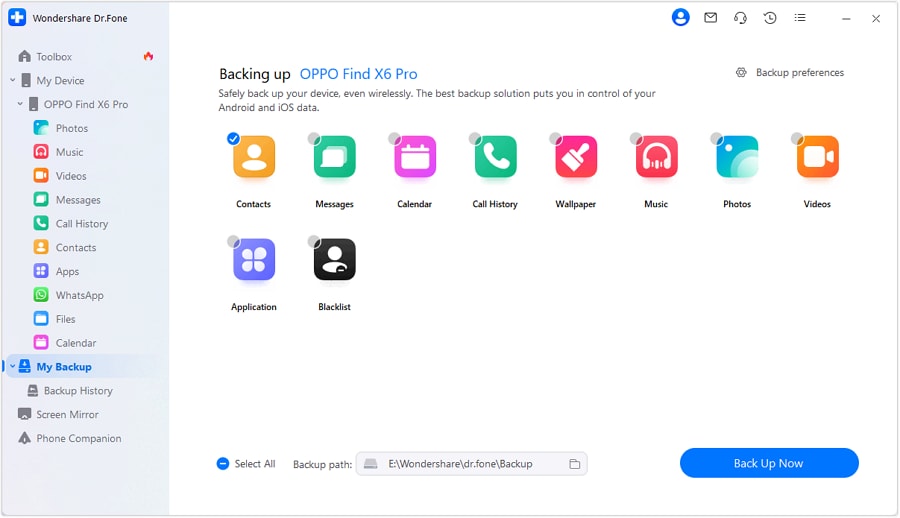
Step 1 Run the program and connect your device
Start the process by properly launching Dr.Fone on your personal computer. Connect your Android device using a high-quality USB cable, and navigate to the My Backup > Back Up Now option on the main dashboard to begin securing your files.
-
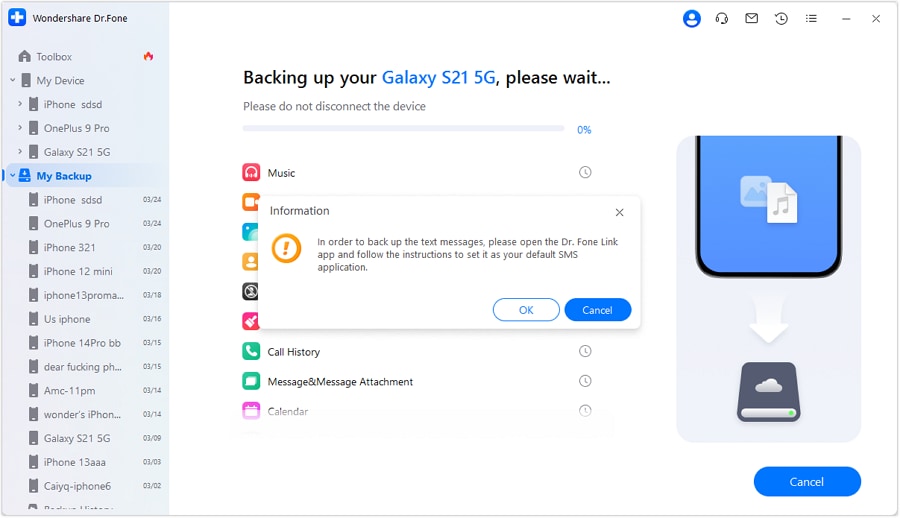
Step 2 Make Dr.Fone Link App Your Default SMS App
To safely safeguard your sensitive text messages, the software will prompt you to set Dr.Fone Link as your temporary default SMS app via your device's settings menu. Confirm your selection with an OK to allow the backup to read the messages.
-
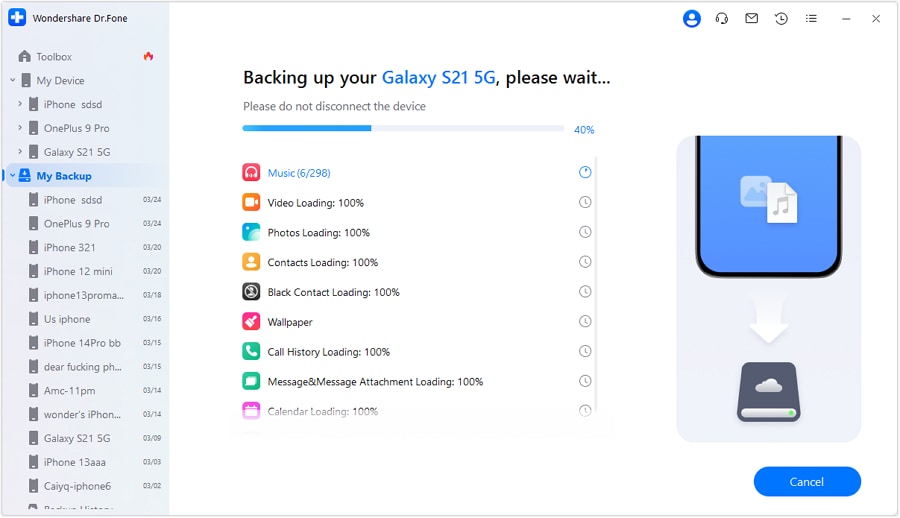
Step 3 Initiate Device Backup and Monitor Progress
The system backup will start automatically after permissions are granted. You can keep track of the progress visible directly in the user window. Do not disconnect the phone during this phase.

Also, you can click the video below to start your visual learning journey to learn more details about the backup and restore procedures before jumping into the reset.
Part 4. How to Hard Reset Android Phones and Tablets Safely
In order to hard reset your Android tablet or phone from outside the operating system, you will first of all need to forcefully enter the Android System Recovery mode. This is achieved by pressing a specific combination of hardware buttons on the device. Because the sequence is slightly different for different devices and manufacturers, we have outlined the most common configurations below. The following are some of the most commonly used methods used to initiate the wipe.
Method 1: Standard Key Combination
- Step 1: Ensure the phone is completely powered off. Then, press and forcefully hold the Volume Up and Volume Down keys at the exact same time. While holding them, press the Power key until a test screen showing available recovery options appears.
- Step 2: Next, the touchscreen will likely be disabled. You will need to press the Volume down key to navigate downwards through the menu options to find the “Factory Reset” or “Wipe Data” option, and then press the Power key to select it.
Method 2: Key Combination for Devices with Physical Home Buttons
- Step 1: Ensure the device is fully turned off. Then, press and hold the physical Home key. While continuing to hold the Home key down, turn on the device by pressing and holding the Power key.
- Step 2: This specific sequence will bring you to the main Android Recovery Screen. Once you arrive here, release the previous buttons and press the Volume up and Volume Down keys at the same time to unlock the menu options.
- Step 3: Use the volume rockers to select “Wipe data/ factory reset” in the recovery menu.
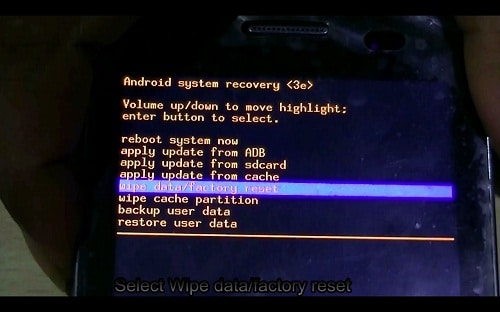
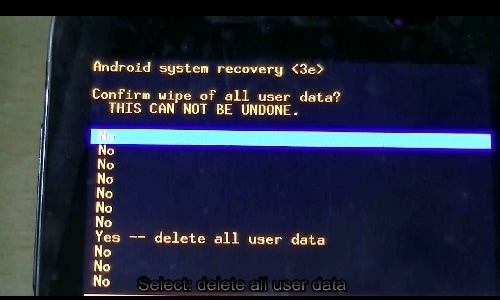
- Step 4: In the subsequent warning submenu, carefully choose the option “Yes - delete all user data.” Once you confirm this with the Power button, it should effectively hard reset your Android device and wipe the internal partitions clean.
Part 5. What if the Hard Reset is Not Working Properly?
If the standard reset fails to work or you cannot get past the boot logo even after attempting it, then it may strongly indicate that your device actually has physical hardware problems rather than just software glitches. The motherboard or flash memory could be failing. If your warranty period is not yet over, you can take it back directly to the manufacturer or your carrier to have it professionally fixed or replaced.
If, however, you have been historically flashing custom ROMs on your device, installing third-party kernels, or even messing with the device’s core software in any root-level way, you may have accidentally overwritten the stock recovery software. This creates a severe software problem known as a "soft brick." In this specific case, you need to have the device repaired by a professional or learn how to flash original factory firmware via PC tools.
Now you know exactly how to safely hard reset your device. You can now get your device back to normal working conditions if it has been causing you any performance problems of any kind. We hope it works out perfectly for you!
Conclusion
Knowing how to hard reset your Android device is a crucial piece of knowledge for any modern smartphone owner. It reliably helps fix severe systemic issues like agonizingly slow performance, app crashes, or unresponsive hardware troubles. However, please always remember that a hard reset is a destructive process that can lead to permanent data loss.
So, we highly advise that you always backup your personal data first. Wondershare Dr.Fone Basic is a highly recommended and reliable tool for that exact purpose. If the hard reset doesn't ultimately solve the problem you are experiencing, you might need to seek out professional technical help to fix more serious hardware degradation or deep-rooted software corruption issues.




FAQ
-
1. Does a hard reset delete everything on my Android device?
Yes, a hard reset will permanently erase all user data stored on the internal memory of your device. This includes your downloaded apps, photos, videos, contacts, messages, system settings, and accounts. It restores the device to the exact state it was in when it left the factory, which is why a prior backup is crucial. -
2. Is performing a hard reset bad for your phone's lifespan?
No, performing a hard reset is not physically harmful to your phone. It is a standard software maintenance procedure designed by the manufacturer. While you shouldn't do it constantly, occasional hard resets can actually improve the lifespan and performance of your device by clearing out corrupted data, persistent bugs, and accumulated digital clutter. -
3. How long does an Android hard reset typically take?
The process usually takes anywhere from 5 to 15 minutes. The initial wipe happens quite quickly, but the subsequent reboot process takes significantly longer than a normal startup because the operating system needs to rebuild its essential cache files and re-initialize its core applications from scratch. -
4. What is the key difference between a soft reset and a hard reset?
A soft reset simply refers to turning your device off and then back on again (a standard reboot). It closes running apps and clears active memory (RAM) but does not delete any of your saved personal data. A hard reset, however, completely wipes the storage drive, removes all user data, and reinstalls the base operating system layout.
 Add Wondershare Dr.Fone as a preferred source on Google