Resolve common problems and system crashes on both iPhone and Android devices.

 100% Security Verified | No Subscription Required | No Malware

 :
: 
 ChatGPT
 Perplexity
 Gemini
 Claude
 Grok
Grok
If your iPad or iPhone Recovery Mode is not working, first identify which failure you are seeing: the device will not enter Recovery Mode, the computer does not detect it after it enters Recovery Mode, or the Update/Restore process fails. In most cases, the fastest path is to check the USB connection and computer software, retry the correct button sequence for your model, and use Update before Restore when Apple gives you both options.

In this article
- Part 1: What Recovery Mode Does
- Part 2: Why iPhone/iPad Recovery Mode May Not Work
- Part 3: How to Fix iPhone/iPad Recovery Mode Not Working
- Fix 1: Check the Cable, USB Port, and Computer Detection
- Fix 2: Update Finder, Apple Devices, or iTunes
- Fix 3: Retry Recovery Mode with the Correct Button Sequence
- Fix 4: Force Restart, Then Try Again
- Fix 5: Use Dr.Fone - System Repair (iOS)
- Fix 6: Use DFU Restore Only as a Last Resort
- Fix 7: Contact Apple Support
- FAQs About Recovery Mode Not Working
Part 1: What Recovery Mode Does—and What It Does Not Do
Recovery Mode lets a Mac or Windows PC communicate with an iPhone or iPad when a normal update or startup is not working. Apple recommends it for situations such as a device that is not recognized by the computer, a device that shows the recovery screen, or a device that cannot update or restore normally. See Apple’s current iPad Recovery Mode instructions or iPhone Recovery Mode instructions for the official workflow.
Recovery Mode itself does not automatically erase your data. The important decision comes when your computer offers Update or Restore. Update tries to reinstall the system without erasing the device, while Restore reinstalls iOS or iPadOS and erases the device. If you have not tried Update yet, use it before Restore.
If your device is already stuck on the recovery screen rather than failing to enter it, see this guide to an iPhone stuck in Recovery Mode. If it is repeatedly restarting instead, the troubleshooting path may be closer to an iPad boot loop.
Part 2: Why iPhone/iPad Recovery Mode May Not Work
“Recovery Mode not working” can describe several different problems. Matching the symptom to the likely cause helps you avoid repeating the wrong fix.
- The device will not enter Recovery Mode: the button sequence or timing may be wrong for your model, or a button may not be working reliably.
- The device enters Recovery Mode but the computer does not detect it: the USB cable may not support data, the port may be unstable, the charging port may be dirty or damaged, or the computer software may be outdated.
- Finder, Apple Devices, or iTunes does not recognize the device: the Mac or PC may need a software update, a different USB port, a different cable, or a restart.
- The device leaves the recovery screen during a software download: Apple notes that a long download can cause this. Let the download finish, then enter Recovery Mode again.
- Update or Restore fails repeatedly: a deeper iOS/iPadOS software problem, security-software conflict, restore error, or hardware issue may be involved.
Part 3: How to Fix iPhone/iPad Recovery Mode Not Working
Start with the symptom that matches your device. The table below routes you to the most useful next step instead of making you repeat every method.
| What you see | Likely area to check | Next step |
|---|---|---|
| iPad/iPhone will not enter Recovery Mode | Button sequence, timing, or button hardware | Retry the correct Recovery Mode sequence |
| Device is in Recovery Mode but Mac/PC does not see it | Cable, USB port, computer, Finder/Apple Devices/iTunes | Check the connection and update the computer software |
| Device leaves Recovery Mode while software downloads | Download took too long | Let the download finish, then enter Recovery Mode again |
| Buttons are hard to time or do not respond | Manual entry is the blocker | Use a guided one-click Recovery Mode option |
| Update/Restore keeps failing | Deeper software or hardware issue | Try guided system repair, then seek service if needed |
Fix 1: Check the Cable, USB Port, and Computer Detection
If your iPad is in Recovery Mode but is not detected by your Mac, or iTunes/Apple Devices is not recognizing the iPad, troubleshoot the physical connection before changing anything on the device.
- Use a USB cable that supports both charging and data. If possible, try a different known-good cable.
- Connect directly to another USB port on the computer. Avoid a keyboard port or unstable hub while updating or restoring.
- Check the iPhone/iPad charging port for debris or damage, then reconnect the cable firmly.
- If available, try a second Mac or Windows PC. If another computer detects the device, the original computer is the likely source of the problem.
- When the device is booted normally, respond to any Trust This Computer? or Allow accessory to connect? prompt before retrying Recovery Mode.
Apple’s current device-recognition guidance also recommends testing another cable, another USB port, and another computer when Finder or Apple Devices does not recognize an iPhone or iPad.
Fix 2: Update Finder, Apple Devices, or iTunes
A modern Recovery Mode workflow no longer means “update iTunes” for every computer. Use the current app for your platform, then restart the computer and try again.
For Windows Users
Step 1: Open the Apple Devices app on a current Windows PC and install any available Windows/app updates.
Step 2: If your setup still uses iTunes, update iTunes to the latest version available for that PC.
Step 3: Restart the PC, reconnect the device, and retry Recovery Mode.


For Mac Users
Step 1: On macOS Catalina or later, update macOS and use Finder to locate the connected iPhone or iPad.
Step 2: On macOS Mojave or earlier, update iTunes before retrying the recovery process.

Fix 3: Retry Recovery Mode with the Correct Button Sequence
If you cannot get an iPad into Recovery Mode, or an iPhone is not entering Recovery Mode, use the sequence for the exact device type and keep holding the final button until the recovery screen appears. Releasing at the Apple logo is a force restart, not Recovery Mode.
iPad Without a Home Button
- Keep the iPad connected to the computer. Open Finder on Mac or Apple Devices on Windows.
- Press and quickly release the volume button closest to the top button.
- Press and quickly release the volume button farthest from the top button.
- Press and hold the top button. Keep holding it past the Apple logo until the Recovery Mode screen appears.
iPad With a Home Button
- Keep the iPad connected to the computer.
- Press and hold the Home button and the top button together.
- When the iPad turns off, release the top button but keep holding the Home button until the Recovery Mode screen appears.
iPhone 8 or Later, Including iPhone SE (2nd Generation and Later)
- Press and quickly release Volume Up.
- Press and quickly release Volume Down.
- Press and hold the side button until the Connect to computer screen appears.
iPhone 7 and iPhone 7 Plus
Press and hold the side button and Volume Down button at the same time. Keep holding both until you see the Connect to computer screen.
iPhone 6s or Earlier, Including iPhone SE (1st Generation)
Press and hold the Home button and the side/top button at the same time. Keep holding both until the Connect to computer screen appears.
If Finder or Apple Devices starts downloading software and the download takes more than about 15 minutes, the device can leave the Recovery Mode screen. Let the download finish, then repeat the Recovery Mode sequence. When the computer offers Update or Restore, try Update first if you have not already; Restore erases the device.
Prefer not to repeat the button timing? Dr.Fone - System Repair (iOS) currently provides a one-click Enter Recovery Mode option. This can simplify the entry step, but the later choice between Apple’s Update and Restore remains a separate decision.
Fix 4: Force Restart, Then Try Again
If the device is frozen, looping, or ignoring the Recovery Mode sequence, force restart it once, let it boot as far as it can, then reconnect it and retry Fix 3.

For iPhone 8 or Later
Press and quickly release Volume Up, press and quickly release Volume Down, then press and hold the side button. Release it when the Apple logo appears.
For iPhone 7 and 7 Plus
Press and hold the side button and Volume Down button together until the Apple logo appears.
For iPhone 6s or Earlier
Press and hold the Home button and the side/top button together until the Apple logo appears.
For iPad Without a Home Button
Press and quickly release the volume button closest to the top button, press and quickly release the other volume button, then press and hold the top button until the iPad restarts.
For iPad With a Home Button
Press and hold the Home button and the top/side button together until the Apple logo appears.

Fix 5: Use Dr.Fone - System Repair (iOS)
 Fix iOS issues, no data loss.
- One-click repair for all iOS problems.
- Solve recovery mode, Apple logo, black screen, etc.
- Upgrade or downgrade iOS without iTunes
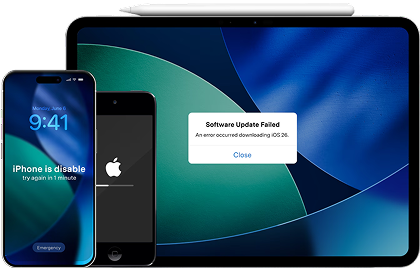
If you are troubleshooting a white-screen iPad or another software-related startup issue, the repair path below may also be relevant. Dr.Fone gives you two relevant paths for this problem. If the iPad or iPhone simply will not enter Recovery Mode because the button sequence is difficult, use Enter Recovery Mode. If the device has a software problem that continues after you can access recovery tools, use iOS Repair > Standard Repair.
Option A: Enter Recovery Mode Without Repeating the Button Combination
Step 1:
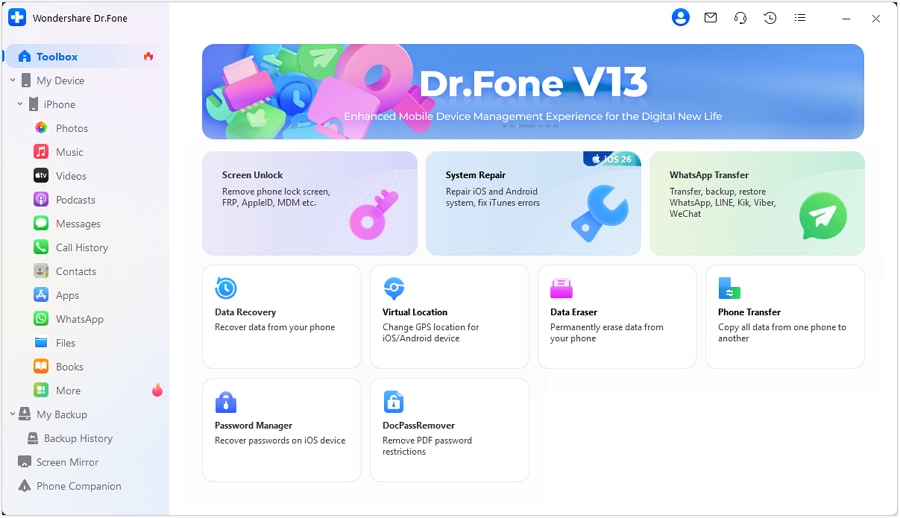
Launch Dr.Fone, open Toolbox, and select System Repair.
Step 2:
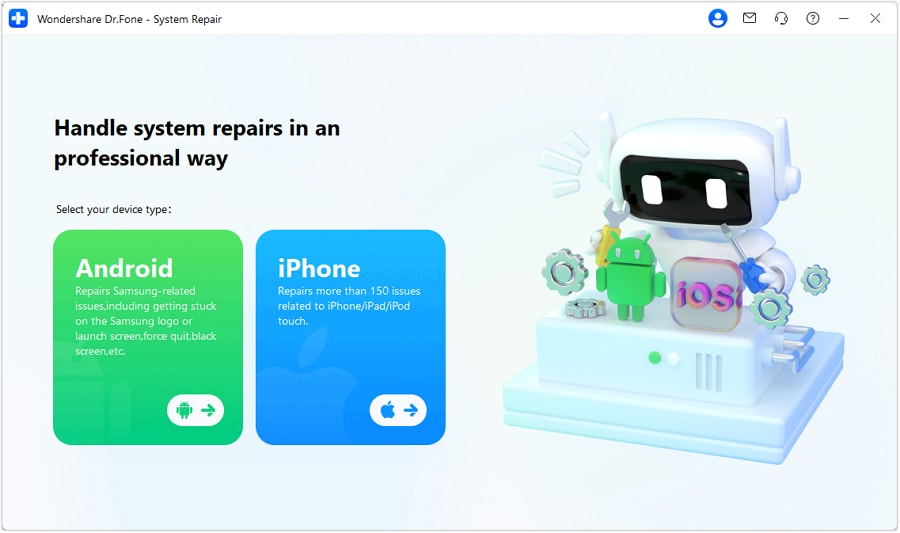
Select iPhone as the device type.
Step 3:
Choose Enter/Exit Recovery Mode.
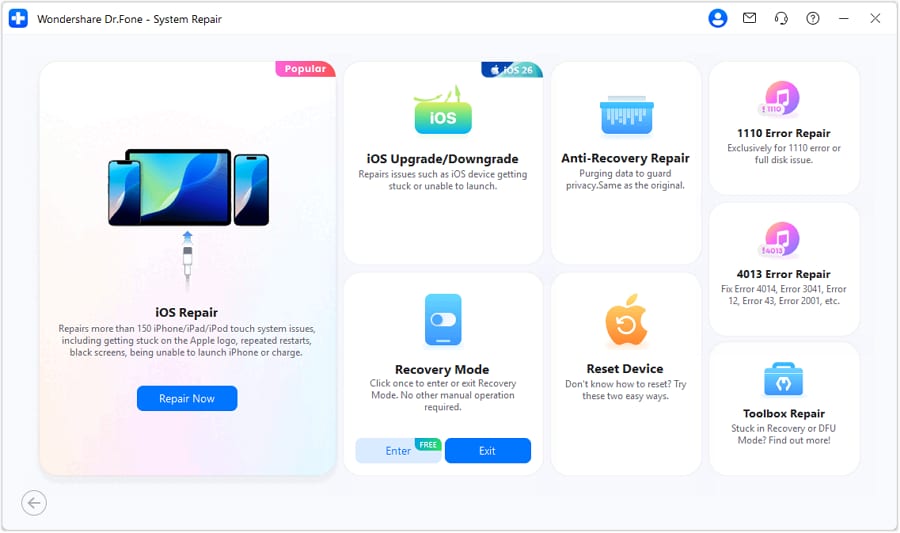
Step 4:
Select Enter and follow the on-screen prompt. Once the device is in Recovery Mode, you can continue with the recovery action you intended to perform.
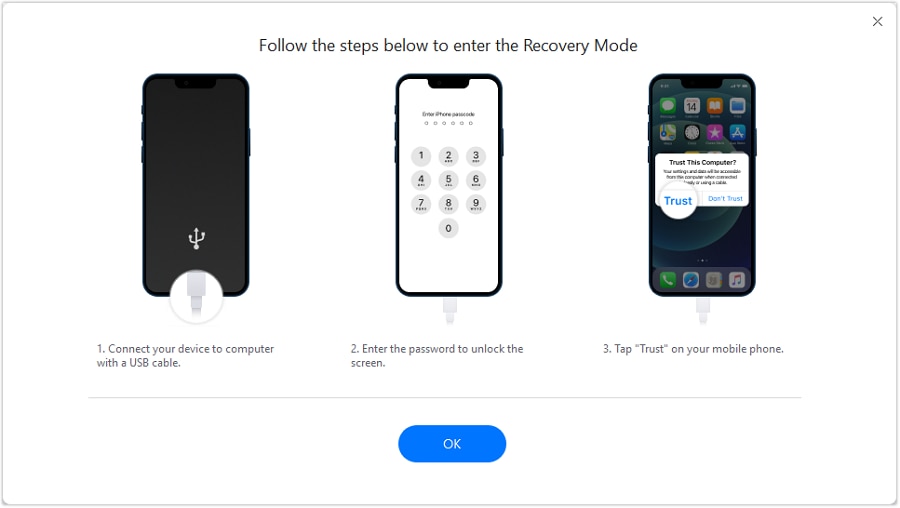
Option B: Use Standard Repair for an Underlying iOS/iPadOS Software Issue
If the above guide is still not working, Standard Repair is intended for supported software-related system problems and is designed to retain personal data. Keep the device connected throughout the repair.
Step 1:
In System Repair, choose iPhone, select iOS Repair, and then choose Standard Repair.
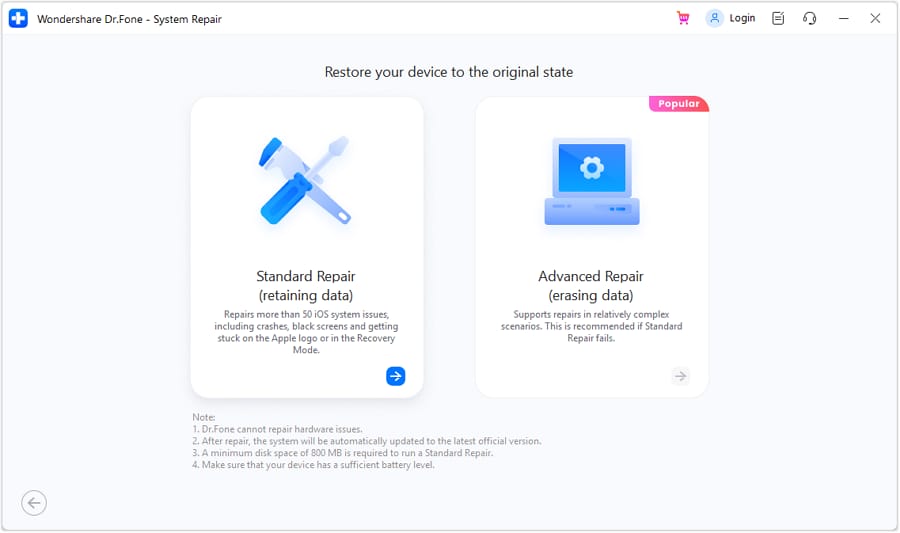
Step 2:
Follow the on-screen Recovery Mode guidance. If the device is not responding normally, use the built-in guide before continuing.
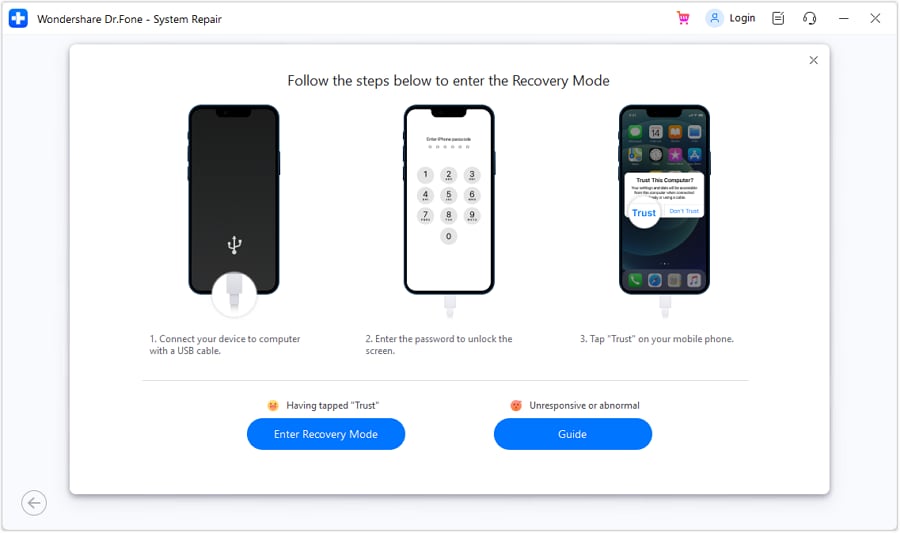
Step 3:
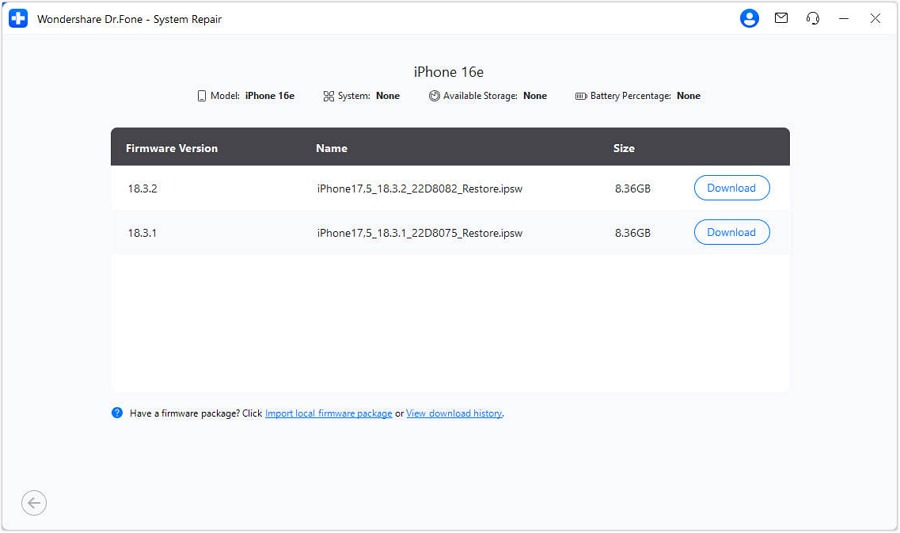
Select and download the appropriate iOS/iPadOS firmware. Dr.Fone verifies the firmware after the download completes.
Step 4:
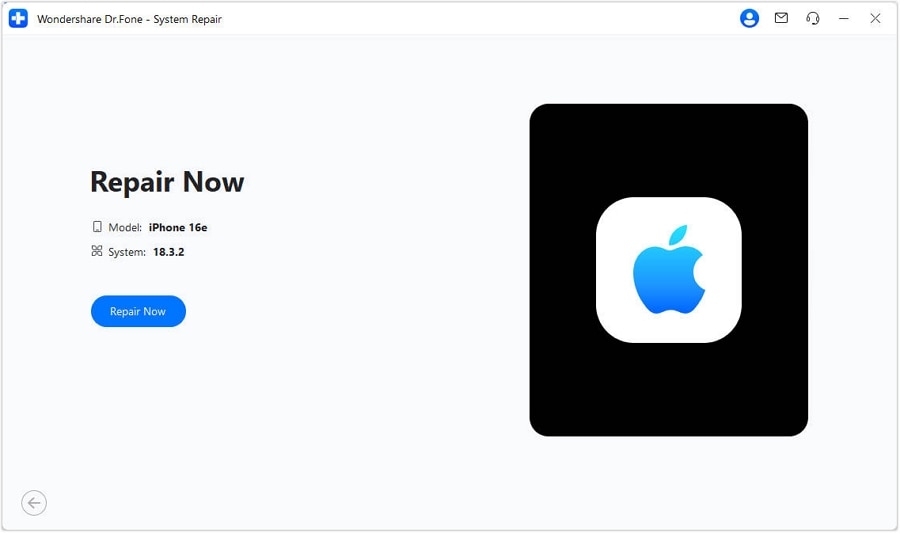
When the firmware is ready, click Repair Now and keep the device connected while the repair runs.
Step 5:
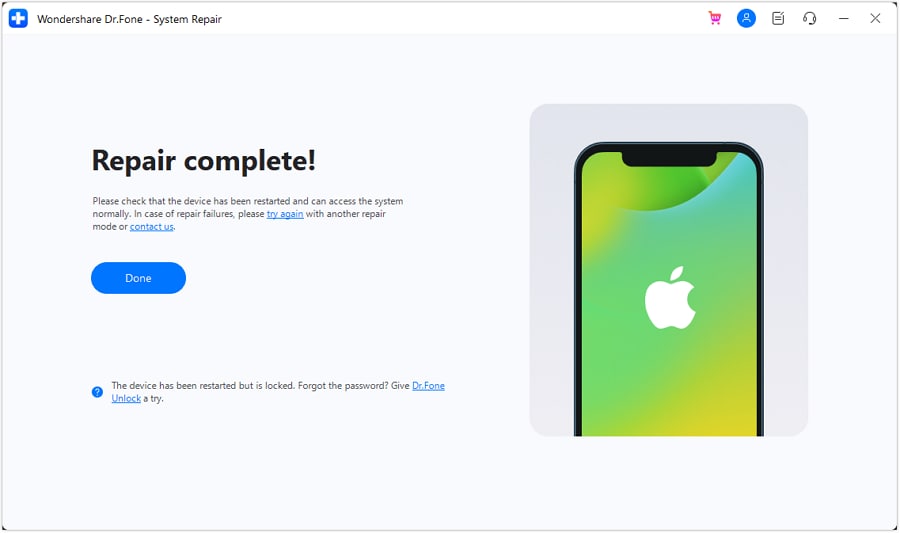
When the completion screen appears, click Done and check whether the iPhone or iPad starts and works normally.
For the latest product workflow and screenshots, see the official Dr.Fone iOS System Repair guide.




Fix 6: Use DFU Restore Only as a Last Resort
DFU (Device Firmware Update) mode is a deeper restore path than standard Recovery Mode. It is useful only when normal recovery and restore methods have failed, and it should be treated as a last resort because a DFU restore erases the device.
The original button timing for DFU varies by iPhone/iPad model and is easy to perform incorrectly. Before using DFU, make sure you have already tried the correct Recovery Mode sequence, another cable/USB port/computer, and the current Finder or Apple Devices workflow. If you have a usable backup and still need DFU, use model-specific instructions from a trusted service source rather than applying one generic button sequence to every device.

Fix 7: Contact Apple Support
Contact Apple Support or arrange service if the device still cannot enter Recovery Mode after the correct model-specific sequence, if Finder/Apple Devices cannot detect it after you change the cable, port, and computer, or if a required button or charging port is damaged. Apple also recommends service when Recovery Mode cannot be used because a button does not work or when Update/Restore repeatedly fails.
Start from Apple Support so the repair path can be matched to your exact iPhone or iPad model.

FAQs About iPad/iPhone Recovery Mode Not Working
1. Why won't my iPad go into Recovery Mode?
The most common causes are using the wrong button sequence for the iPad model, releasing the final button at the Apple logo instead of holding it to the recovery screen, a data/USB connection problem, outdated computer software, or a button/port hardware issue.
2. What if my iPad is in Recovery Mode but my Mac does not detect it?
Use Finder on a current Mac, then try a different data-capable cable, another USB port, and another Mac if available. Update macOS, reconnect the iPad, and check the charging port for debris or damage. If multiple computers cannot detect the iPad, service may be needed.
3. Does Recovery Mode erase an iPhone or iPad?
Entering Recovery Mode does not itself erase the device. If Finder or Apple Devices offers Update and Restore, Update attempts to reinstall the system without erasing the device, while Restore erases it and reinstalls iOS/iPadOS.
4. Why did my iPad exit Recovery Mode while the computer was downloading software?
Apple notes that this can happen when the software download takes more than about 15 minutes. Let the download finish, then put the iPad back into Recovery Mode and continue.
5. Can I enter Recovery Mode without using the button combination?
Yes. Dr.Fone - System Repair (iOS) currently includes a one-click Enter Recovery Mode option. It can simplify the entry step when button timing is the problem, but it does not change the separate decision to Update, Restore, or repair the device afterward.
Conclusion
When iPad or iPhone Recovery Mode is not working, diagnose the failure before escalating: check the connection, use the current Finder or Apple Devices workflow, retry the correct button sequence, and force restart once if the device is frozen. Use Update before Restore when possible, because Restore erases the device. If manual Recovery Mode entry is the blocker, a guided one-click entry tool can help; if repeated recovery attempts still fail, move to system repair or Apple service rather than repeating the same button sequence indefinitely.
 Add Wondershare Dr.Fone as a preferred source on Google