Recover photos, messages, WhatsApp, and more — no backup
needed.
Recover photos, messages, WhatsApp, and more — no backup
needed.

 100% Security Verified | No Subscription Required | No Malware

 :
: 
 ChatGPT
 Perplexity
 Gemini
 Claude
 Grok
Grok

Have you opened the Calendar app on your iPhone only to realize your important upcoming events, meetings, or personal reminders are completely gone? You do not need to panic. Whether it was caused by an unexpected software glitch, an iOS update gone wrong, or simply accidental deletion, there are several proven ways to recover your iPhone calendar events. So, how exactly do you get the calendar back on your iPhone in 2026?
We have prepared a comprehensive guide detailing the most effective methods to help you recover deleted calendar events on your iPhone. You can safely restore your calendar with an existing backup using iCloud or iTunes. However, if you have not backed up your device recently, you can still recover the calendar on your iPhone using advanced data retrieval tools like Wondershare Dr.Fone. Follow along to retrieve your schedule seamlessly.
In this article
- Part 1. How iPhone Stores Calendar Events With and Without Backup
- Part 2. How to Recover Deleted Calendar Events on iPhone from iCloud
- Part 3. How to Retrieve Deleted Calendar Events on iPhone from iTunes
- Part 4. What If You Do Not Use Backup or Want to Retrieve Separate Events
- Part 5. 3 Ways to Restore Calendar on iPhone with Dr.Fone
Part 1. How iPhone Stores Calendar Events With and Without Backup

Your iPhone continuously stores a massive variety of data, from high-resolution photos and messages to complex typing patterns. All of this background data allows your iPhone to assist you seamlessly, create a personalized user experience, and ensure you can view and manage your daily life. The built-in iPhone Calendar app relies on local database architecture to enable you to create events and trigger notifications so you never miss critical appointments.
So, what actually happens on a system level to the calendar events you input into your iPhone? The iOS ecosystem writes this data, along with your event metadata, into its local SQLite memory database. It is hard-coded into the system directory, allowing instant access. If you accidentally delete your calendar events, the binary data often remains on your iPhone's internal storage, flagged as 'available space' and waiting to be overwritten. You can still recover your deleted calendar data successfully as long as you do not overwrite it by downloading heavy files or installing new applications.
Furthermore, if you have actively backed up your iPhone using iCloud or iTunes, you can recover all your data, including the lost calendar events, by rolling your iPhone back to a specific chronological timestamp when the backup was originally created. That structural snapshot will allow you to access your lost calendar events exactly as they were.
Part 2. How to Recover Deleted Calendar Events on iPhone from iCloud

Routinely backing up your iPhone via iCloud allows you to securely access your data from any Apple device as long as you authenticate with your Apple ID account. It can be incredibly convenient when your primary phone is physically unavailable or you need to transfer your digital life to a newly purchased device. More importantly, this cloud-based backup acts as a safety net, allowing you to retrieve calendar from iCloud when you accidentally delete schedules from your phone.
Besides simply syncing your data across the ecosystem, iCloud is highly useful for recovering lost information. However, you absolutely need an existing backup created at a time when the calendar events were still physically present on your iPhone. To accurately verify if you have an appropriate iCloud backup, follow these steps:
-
Step 1 Open Settings on your iPhone
Navigate to your home screen and open the core Settings application.
-
Step 2 Access your Apple ID profile
Click on your name at the very top of the Settings list to enter your Apple ID management portal.

-
Step 3 Navigate to iCloud Settings
From your profile menu, tap on the iCloud section to view your storage breakdown.

-
Step 4 Select iCloud Backup
Scroll down slightly and click on the iCloud Backup option to check its status.

-
Step 5 Verify the Last Backup Date
Check if the iCloud Backup toggle is turned on and observe the timestamp indicating when the last successful backup was made. Do not click on 'Back Up Now', as this will overwrite your previous safe state with your current empty calendar.

You can effectively recover your lost calendar events if you locate a recent, relevant iCloud backup. However, be aware that the standard procedure for retrieving your calendar events requires erasing your iPhone's current content and settings entirely. Ensure you do not have unsaved files, new photos, or recent messages you could lose in the process. Follow these strict steps to restore calendar on iPhone using your iCloud backup:
-
Step 1 Enter General Settings
Open Settings again and navigate directly to the General tab.

-
Step 2 Locate Transfer or Reset
Scroll all the way down to the bottom and tap on Transfer or Reset iPhone.

-
Step 3 Initiate the Device Erasure
Click on Erase All Content and Settings to completely wipe your device to its factory state.

-
Step 4 Follow Setup Prompts
When the wiping process is complete and the device reboots, follow the initial on-screen instructions to set up your device language and region.
-
Step 5 Choose iCloud Restore
When you reach the crucial Apps & Data screen, tap precisely on Restore from iCloud Backup.

-
Step 6 Select the Correct Timestamp
Sign securely into your Apple ID and select the most recent iCloud backup that you know contains your lost calendar events. This full restoration will return your iPhone to the selected historical time stamp, pulling all your scheduling data and settings back into place.
Part 3. How to Retrieve Deleted Calendar Events on iPhone from iTunes

iTunes has traditionally been Apple's primary media player, localized media library, and comprehensive mobile device management utility for Windows and older Macs. With iTunes, you can safely view your media and rigorously manage your iPhone's internal systems. On modern macOS versions, this functionality is integrated into Finder and the Music App, but the core mechanics remain identical. iTunes enables you to create regular, fully encrypted local backups of your iPhone, meaning recovering calendar events can effectively be done via an established iTunes backup.
However, it is vital to note that if you have never connected and backed up your iPhone locally to iTunes, you will not have an archive from which to recover your deleted calendar data. Therefore, your first objective should be to check your computer for a valid iTunes backup by following these straightforward steps:
-
Step 1 Connect and Launch
Connect your iPhone securely to your computer using an original lightning or USB-C cable and open the iTunes application.
-
Step 2 Locate Your Device
Click on the small device icon representing your iPhone, typically located in the top-left area or the drop-down menu.
-
Step 3 Open Preferences
Next, click on Edit in the upper left corner of the iTunes interface window and select Preferences from the bottom of the list.

-
Step 4 Review Backup History
Navigate to the Devices tab in the pop-up window and carefully check the timestamps to see when the last local iTunes backup was successfully recorded.
If you confirm that iTunes has retained a local backup containing your calendar events, you can utilize it to overwrite your current iPhone state and retrieve your schedule. Follow these execution steps to restore your calendar events from an iTunes backup:
-
Step 1 Establish Connection
Keep your iPhone firmly connected to your personal computer.
-
Step 2 Access Device Summary
Open iTunes and ensure your iPhone is actively recognized by the system.
-
Step 3 View Sync Settings
Click on your iPhone icon, then proceed to your device's summary or Sync Settings panel.

-
Step 4 Navigate to the Backups Section
Stay within the General or Summary section to view your detailed iTunes backup management options.
-
Step 5 Execute the Restoration
Find the specific iTunes backup archive that logically contains your deleted calendar events, then click the Restore Backup button to initiate the transfer.

Keep in mind that restoring an entire iTunes backup can take a significant amount of time. This is because the system physically restores all your heavy data, applications, and settings from the backup's time stamp, not only the lightweight calendar events you are looking for.
Part 4. What If You Do Not Use Backup or Want to Retrieve Separate Events

Even though successfully recovering calendar events from iTunes and iCloud is fundamentally sound and provides a basic sense of data security, the reality is that many users do not perform regular backups in the first place. Fortunately, there are advanced technical pathways to help you recover lost calendar events directly from the device's internal storage without relying on an existing backup.
While recovering calendar events with the official iTunes and iCloud methods is standard, these approaches carry severe structural disadvantages. The primary drawback is that if you have neglected iCloud syncs and iTunes archives, you are entirely locked out of official recovery options. Thus, the chances are incredibly high that your most recent calendar events were simply never backed up.
More importantly, Apple's native iCloud and iTunes backup architectures strictly prohibit you from retrieving separate, isolated calendar events. They do not even allow you to recover only the Calendar app's database independently. When you choose to recover calendar events using standard iTunes or iCloud protocols, you are essentially forcing your whole iPhone to downgrade to the rigid state of that past backup. This highly disruptive process overwrites all new messages, recently taken photos, and application data gathered since that backup date.
However, you do not need to worry about total data loss if you have not backed up your iPhone, or if you simply refuse to overwrite your entire system just for a few meetings. Professional recovery software can bypass these limitations entirely. If you want to meticulously retrieve your separate calendar events without risking your current phone data, a specialized tool is the perfect choice.
 Recovers data after deletion, crashes, or device damage.
- Supports photos, messages, contacts, WhatsApp, and more.
- Supports all major iPhone, iPad, and iPod models.
- Preview and recover only what you need.
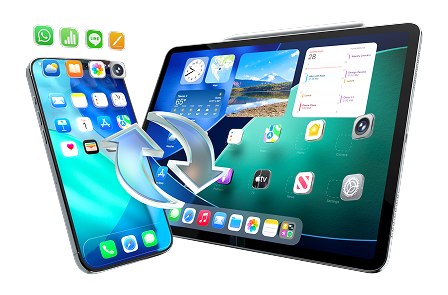
By leveraging dedicated recovery software, you gain granular control over what gets restored, saving you hours of frustrating device resets and preventing unnecessary collateral data loss.
Part 5. 3 Ways to Restore Calendar on iPhone with Dr.Fone

Wondershare Dr.Fone is an incredibly powerful, industry-leading iPhone data recovery software suite that empowers you to securely manage, comprehensively back up, and surgically recover data in just a few straightforward clicks. It fundamentally bypasses Apple's rigid restore limitations, allowing you to seamlessly retrieve deleted photos, critical messages, specific calendar events, notes, and other granular data types without full device resets.
Wondershare Dr.Fone is engineered to save you from catastrophic data loss caused by accidental deletion, sudden system crashes, severe water damage, stolen devices, unstable jailbreaks, or an inability to synchronize standard backups. The software's advanced deep-scanning technology guarantees the most efficient and successful data recovery results available on the consumer market.
Some of Wondershare Dr.Fone's premier, user-centric features include:
- Selective recovery of specific file types without overwriting the device.
- Real-time lost data preview to ensure accuracy before restoring.
- Direct restoration of entries (like calendar events) securely back to the device.
- Flexible exporting capabilities to save digital records securely to your computer.
Moreover, Wondershare Dr.Fone allows you to uniquely extract and recover specific calendar events directly from your iOS device's local memory, as well as selectively extract them from massive iCloud and iTunes backup files. Even though you technically can recover your general data directly from iCloud and iTunes officially, it is profoundly safer, faster, and more convenient to extract precisely what you need using Wondershare Dr.Fone.
1. Restore Specific Calendar Events from iCloud
If you possess an active iCloud backup, it is technically easy to recover your deleted calendar events via Apple's method. However, if you vehemently want to avoid erasing your whole phone and resetting it to an outdated state, you can utilize Wondershare Dr.Fone to dissect your iCloud backup remotely. There is absolutely no need to forcefully recover your whole device footprint; you can merely pinpoint and restore the isolated calendar events you are missing.
Follow these structured steps to accurately recover specific calendar events from iCloud using Wondershare Dr.Fone:
-
Step 1 Launch the Software
Download, install, and securely open Wondershare Dr.Fone on your PC or Mac.
-
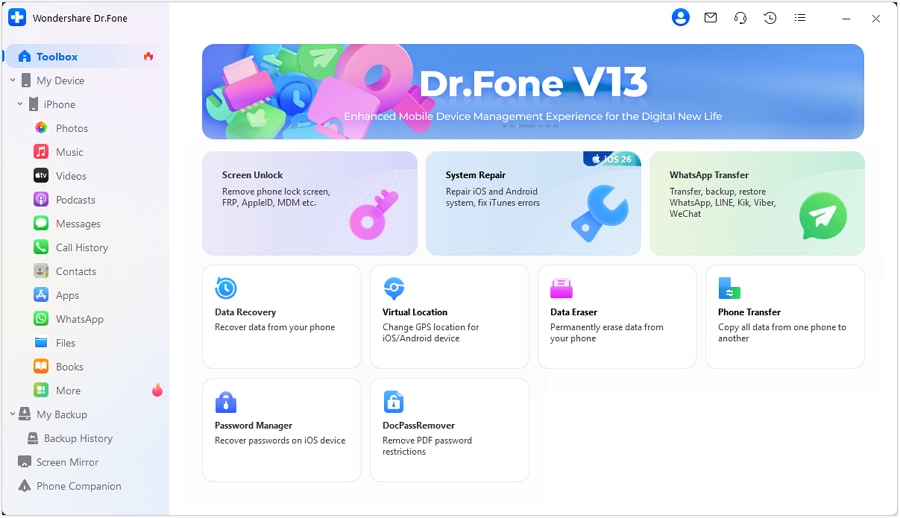
Step 2 Access Data Recovery module
Click on the Toolbox icon located in the left-side menu navigation, then boldly select the Data Recovery feature.
-
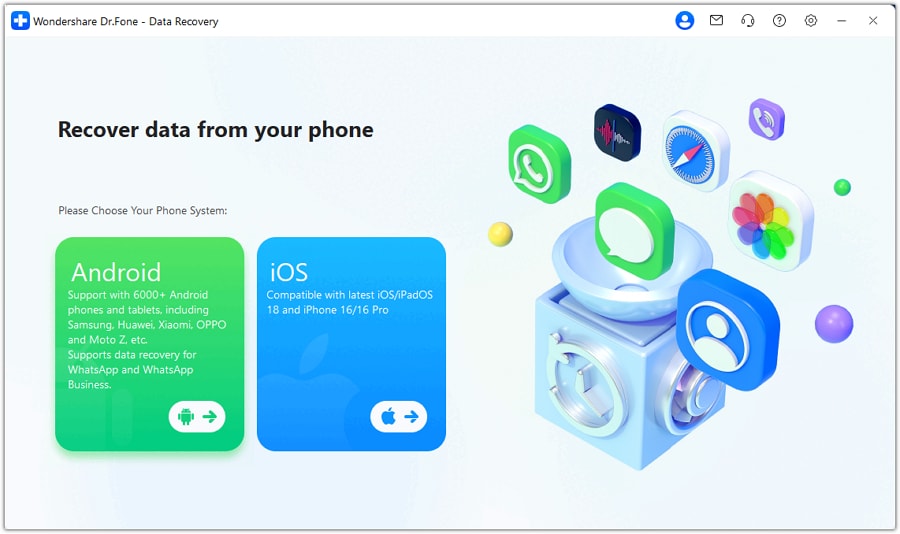
Step 3 Designate the Ecosystem
Now, you need to select the targeted operating device type. Click firmly on the iOS option.
-
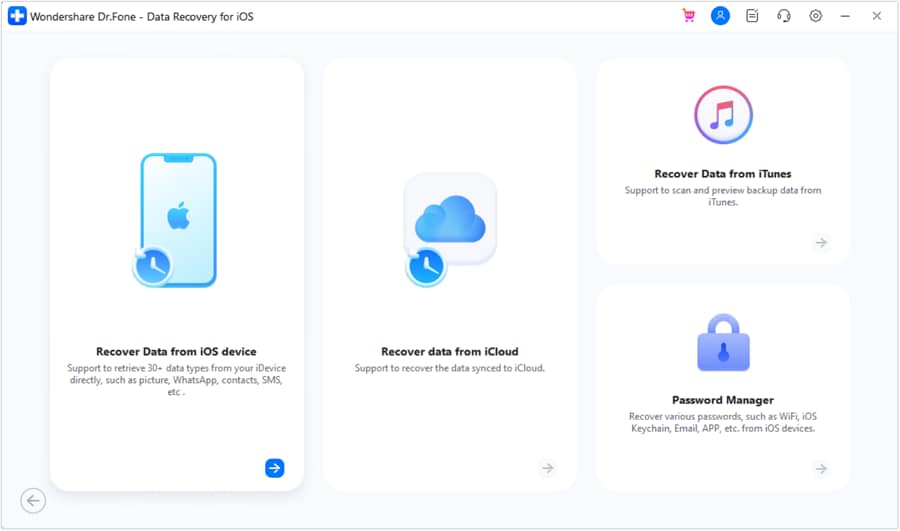
Step 4 Choose Cloud Recovery
Select the "Recover data from iCloud" option to initiate an interface with your remote iCloud backup archives.
-
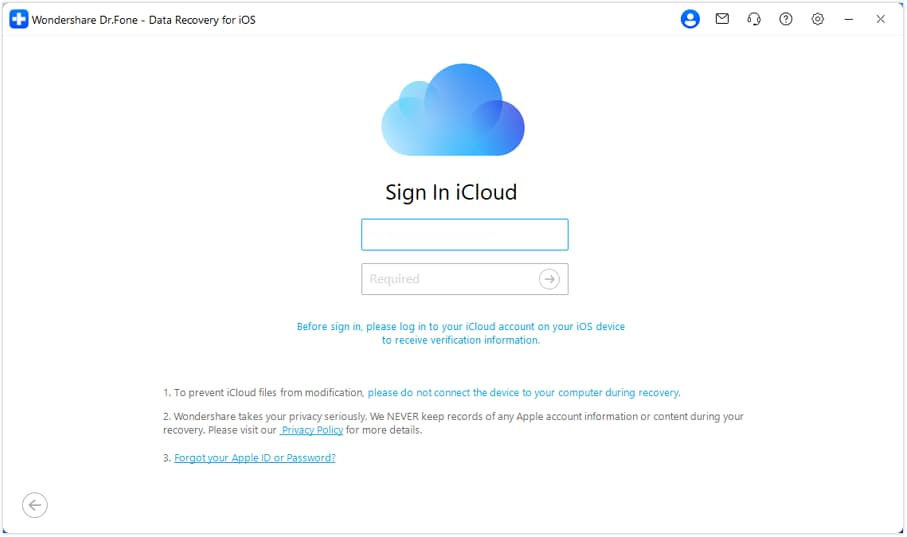
Step 5 Authenticate Your Account
This command will open a highly secure window asking you to sign into your Apple iCloud account. Type in your legitimate login credentials to proceed.
-
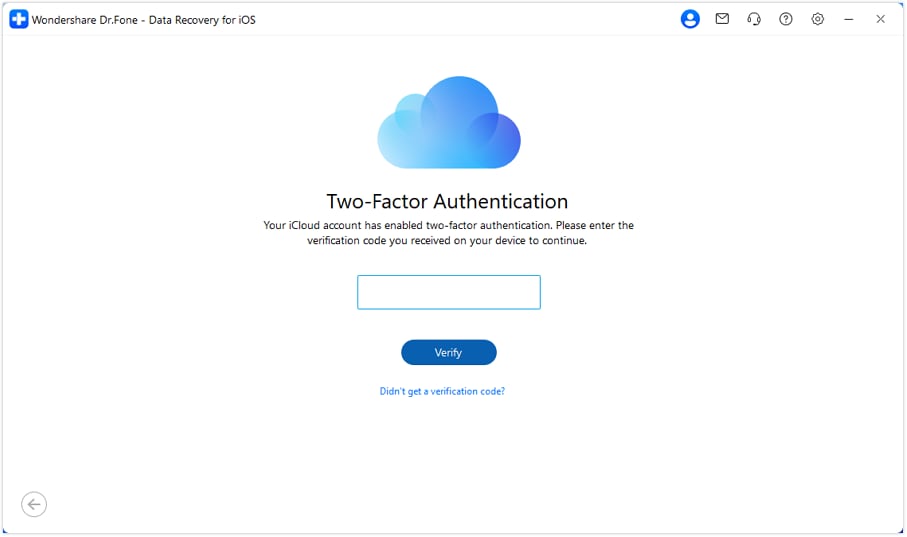
Step 6 Input Security Code
Type in the verification code sent directly to your trusted Apple device if you currently have standard two-factor authentication enabled.
-
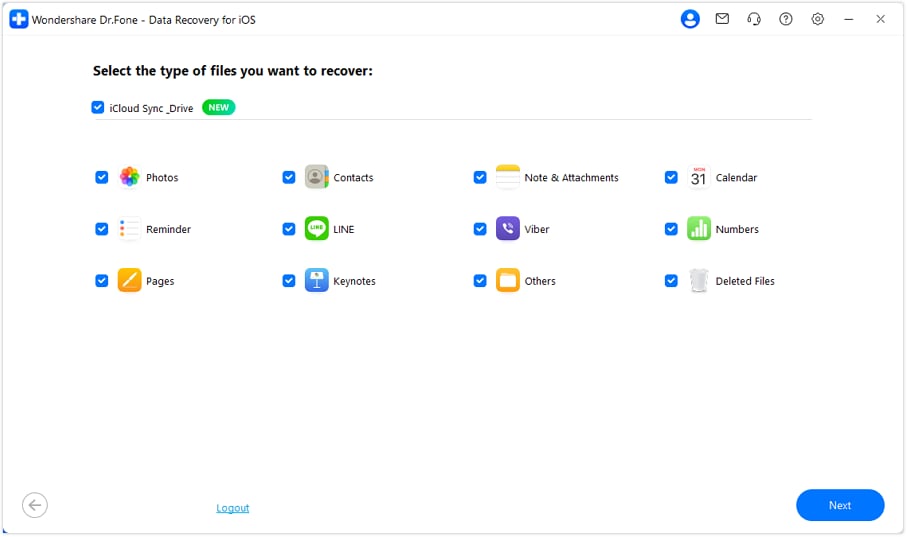
Step 7 Filter for Calendar Events
You will be subsequently asked to explicitly select the strict type of files you desperately want to recover. Check only the Calendar category to isolate and restore calendar events exclusively. Click Next.
-
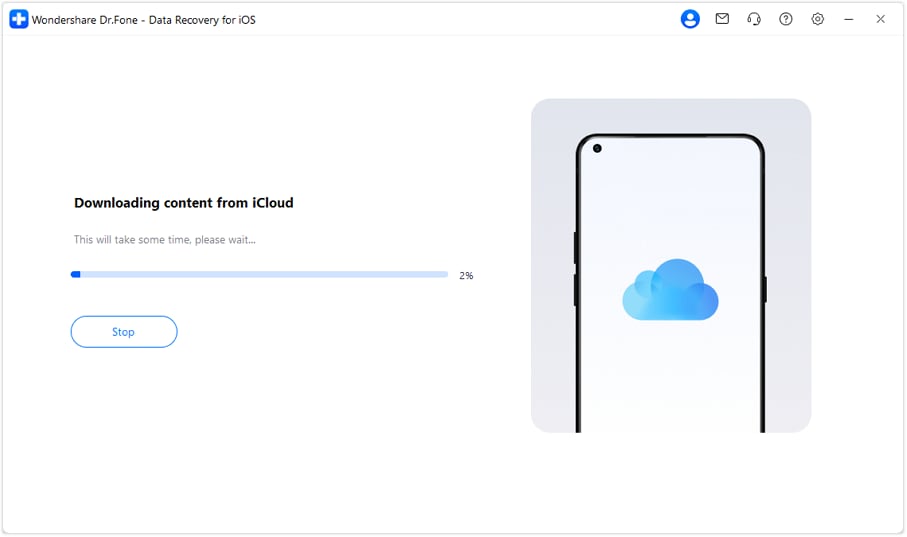
Step 8 Monitor the Extraction
This action will officially start the focused downloading process, which you can easily monitor via the on-screen progress bar.
-
Step 9 Preview and Restore
Once the specialized download is fully completed, you will visually see all the individual calendar events previously backed up on iCloud. Carefully select only the calendar events you actively want to recover and confidently click "Restore to Device" to inject them seamlessly back into your iPhone.
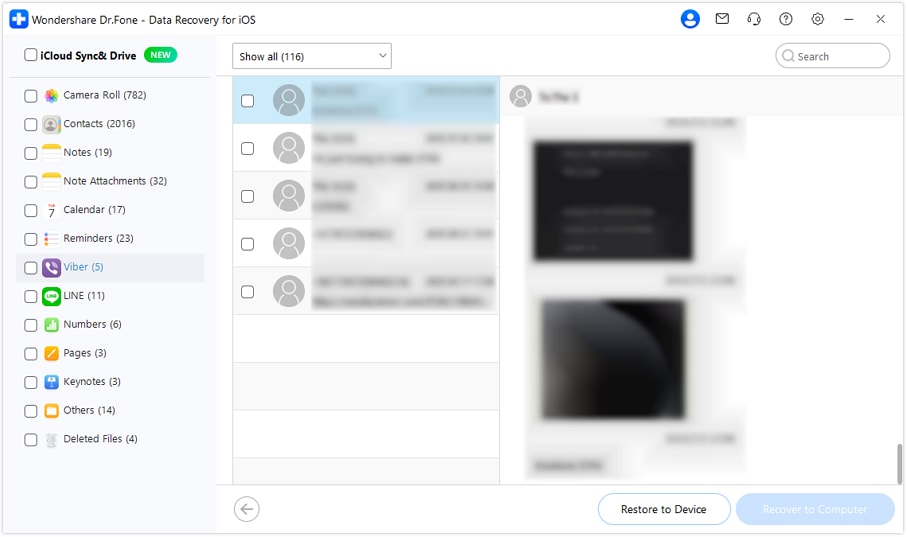
-
Step 10 Confirm Target Device
In the resulting pop-up window, definitively select your connected iPhone as the final destination for your successfully recovered calendar events.
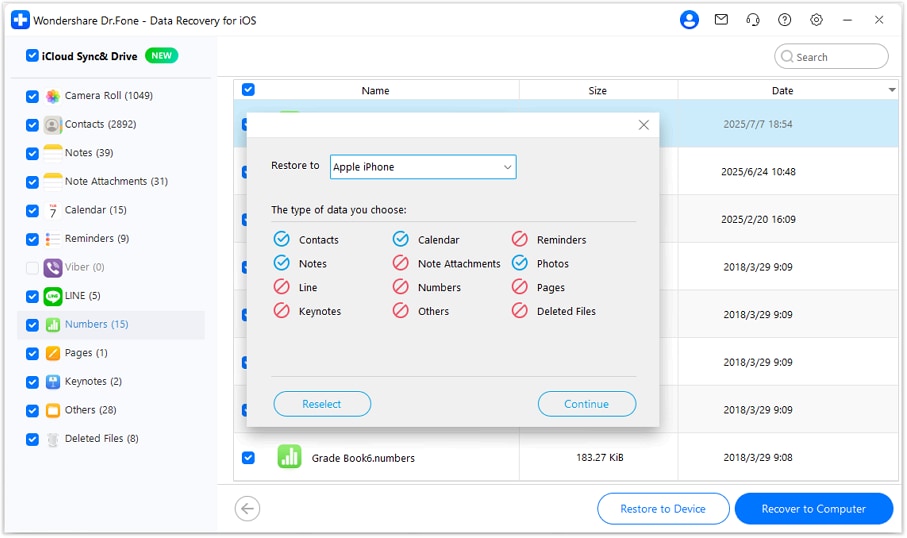
-
Step 11 Maintain the Connection
This will swiftly open the dedicated screen showing your hardware connection status. Ensure you keep your iPhone solidly connected to your computer via cable.
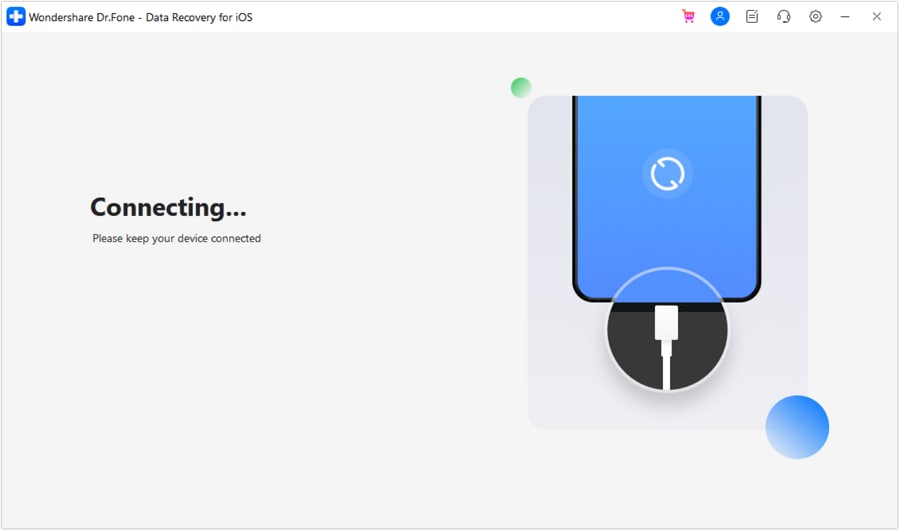
-
Step 12 Finalize Device Restoration
Once the cable connection is verified and confirmed, your calendar events will automatically start recovering directly into your iPhone's database. You can safely monitor the live restoration process on the main screen.
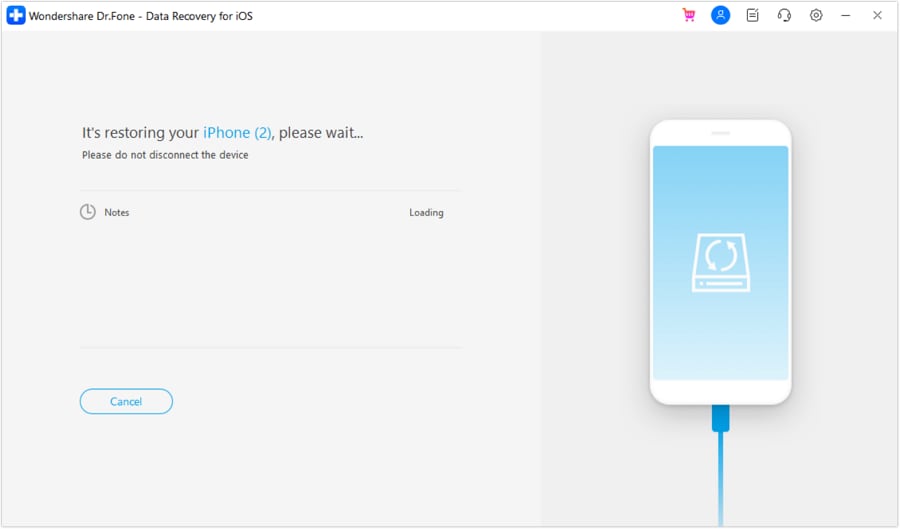
-
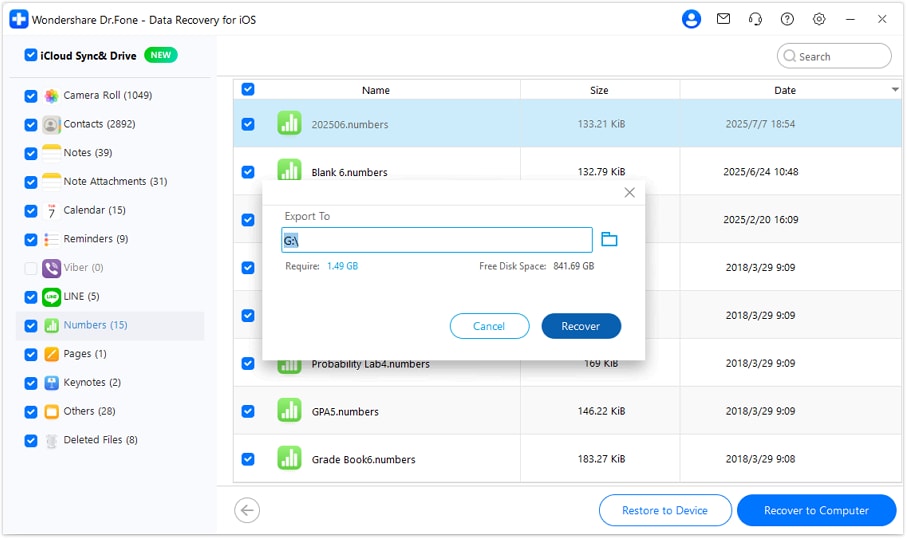
Step 13 Save a Local Copy
To be completely safe and redundant against future data loss, recover your calendar notes natively to your computer's hard drive by clicking "Recover to Computer". Set a highly secure location on your local PC and click Recover.
2. Restore Specific Calendar Events from iTunes
If you prefer to restore specific calendar events extracted directly from your hefty iTunes backup, Wondershare Dr.Fone operates as a flawless extractor tool. You definitively do not need to rewrite your whole iPhone to the outdated time stamp when the final iTunes backup was compiled. Wondershare Dr.Fone's logic algorithm can help you parse the backup file and recover not only the core calendar app architecture but also pinpoint the highly specific calendar events hidden inside iTunes.
If you eagerly want to recover specific calendar events selectively from a local iTunes backup, execute these steps:
-
Step 1 Initiate the Software
Download and securely open Wondershare Dr.Fone on your desktop PC or macOS machine.
-
Step 2 Enter Data Recovery
Go straight to the Toolbox module, then decisively click on Data Recovery.
-
Step 3 Target iOS Architecture
This input will immediately open the window asking you to meticulously select the target device type. Click iOS to proceed.
-
Step 4 Choose iTunes Extraction
Then intentionally click on the "Recover Data from iTunes" functional block.
-
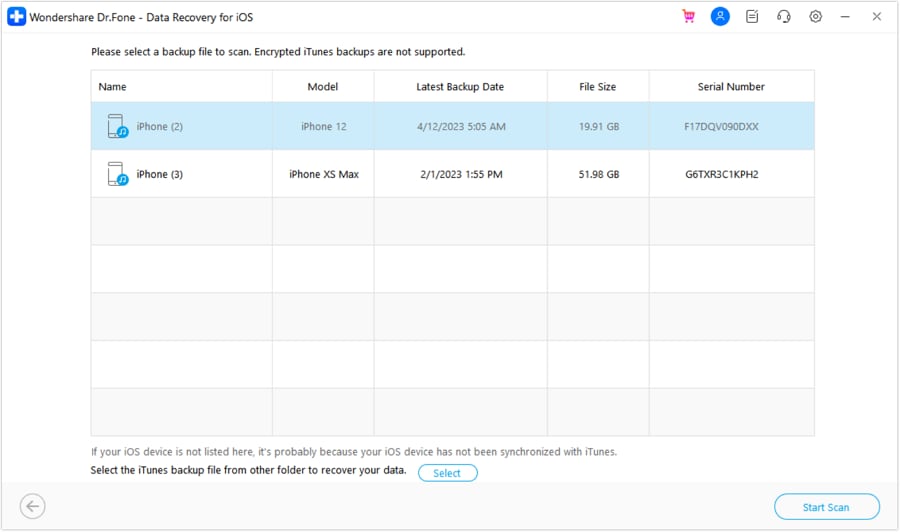
Step 5 Locate Your Backup Archive
Carefully select the exact iTunes backup instance that structurally contains your lost calendar events from the comprehensive list of detected backups, and click Start Scan.
-
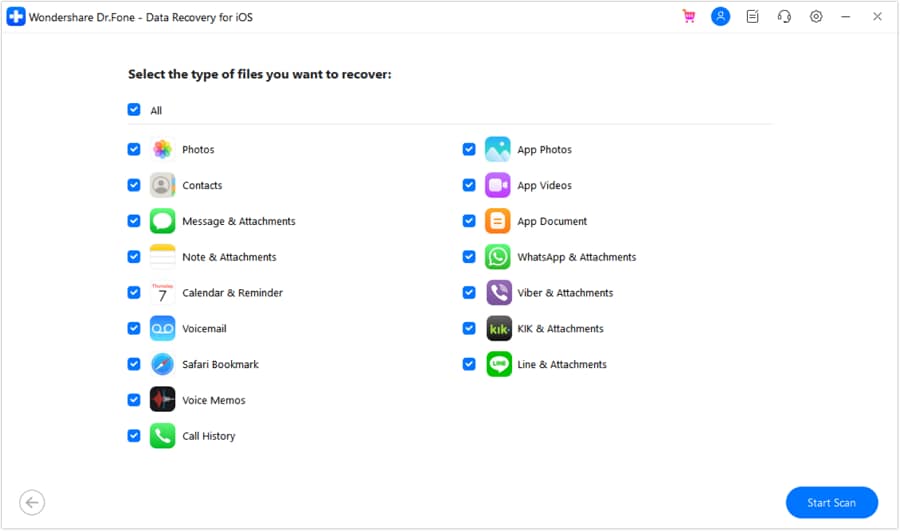
Step 6 Filter the Output
Now deliberately check only the box situated next to "Calendar & Reminder" to command the engine to recover only relevant calendar data from the bulky iTunes file.
-
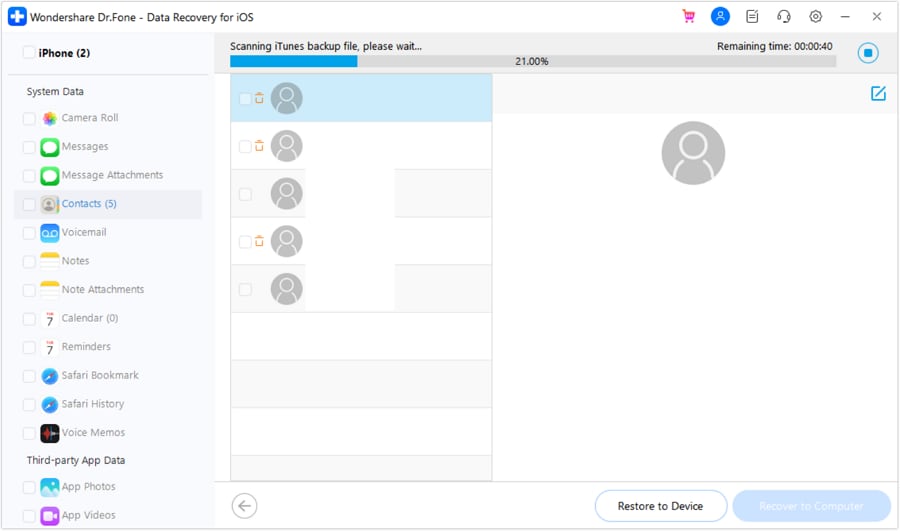
Step 7 Observe the Scan
You can casually monitor the deep-scanning process directly on the main screen.
-
Step 8 Preview Calendar Entries
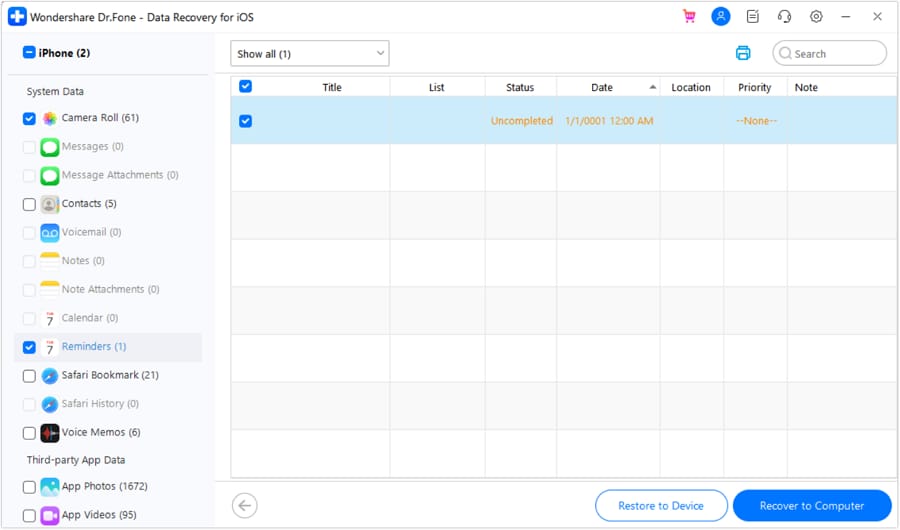
After the scanning phase concludes, instantly preview the parsed calendar data it actively found. If you spot the exact lost calendar events you desperately want to restore, simply select them and click Restore to Device.
-
Step 9 Select Your Phone
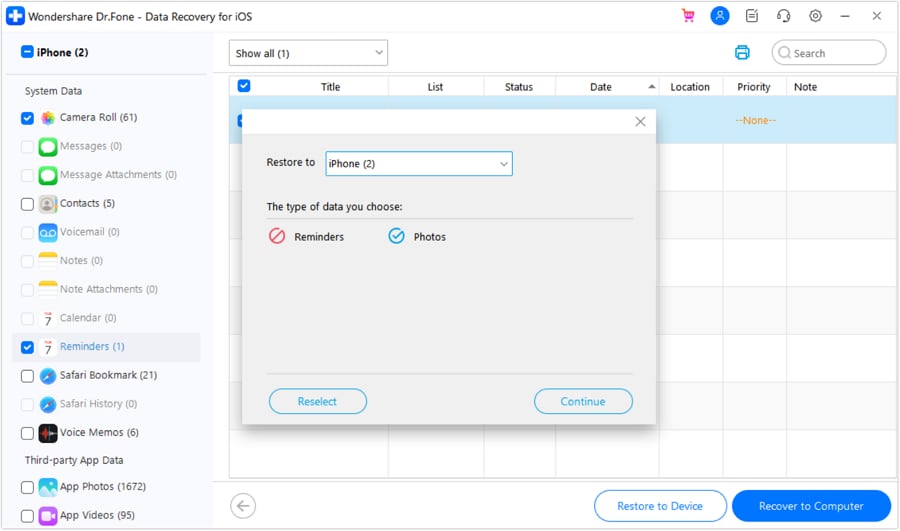
Select your physically connected iPhone natively in the pop-up modal window and click Continue.
-
Step 10 Authenticate Device Trust
This action will actively trigger a screen asking you to physically trust the connection and unlock your iPhone's screen passcode to legally continue the recovery of your sensitive calendar events.

-
Step 11 Complete the Transfer
Patiently wait for the automated restoration process to successfully complete. When it is definitively done, your highly specific calendar events will be flawlessly recovered directly to your native iPhone app.

-
Step 12 Export a Hard Copy
If you proactively want to ensure the permanent safety of your digital calendar events, you can also effortlessly save them locally to your computer. Click "Recover to Computer", thoughtfully select the exact directory location, and click Recover.

3. Recover Calendar Events from iPhone Storage
The previous two powerful methods of recovering calendar events strictly required an existing iCloud or iTunes backup archive. However, Dr.Fone operates utilizing deep storage algorithms and can actively recover your highly valued lost calendar events even if you have historically never backed up your iPhone whatsoever. The mechanics and steps of recovering structurally lost calendar events natively from the physical iPhone storage blocks are quite similar to the previous two software methods.
Rigorously follow these guided steps to directly recover calendar events on your iPhone completely without a previous backup:
-
Step 1 Navigate to Data Recovery
Securely open Wondershare Dr.Fone. Go directly to the Toolbox panel, then deliberately click on Data Recovery.
-
Step 2 Set Target Platform
Select iOS appropriately as your dedicated device architecture type.
-
Step 3 Choose Direct Device Recovery
Now definitively select the "Recover Data from iOS device" primary option to effectively recover bare-metal calendar events completely without a backup.
-
Step 4 Connect via Cable
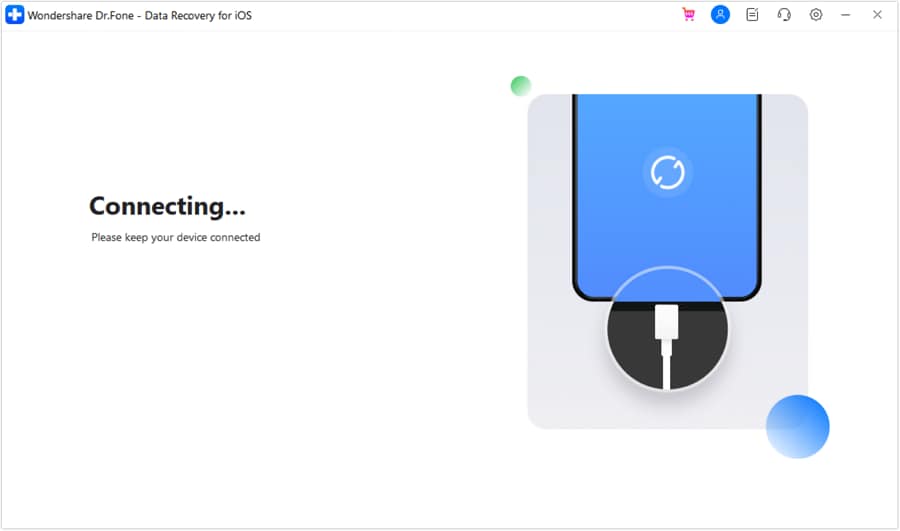
Physically connect your powered-on iPhone securely to your computer's USB port to continue.
-
Step 5 Isolate Calendar Data Type
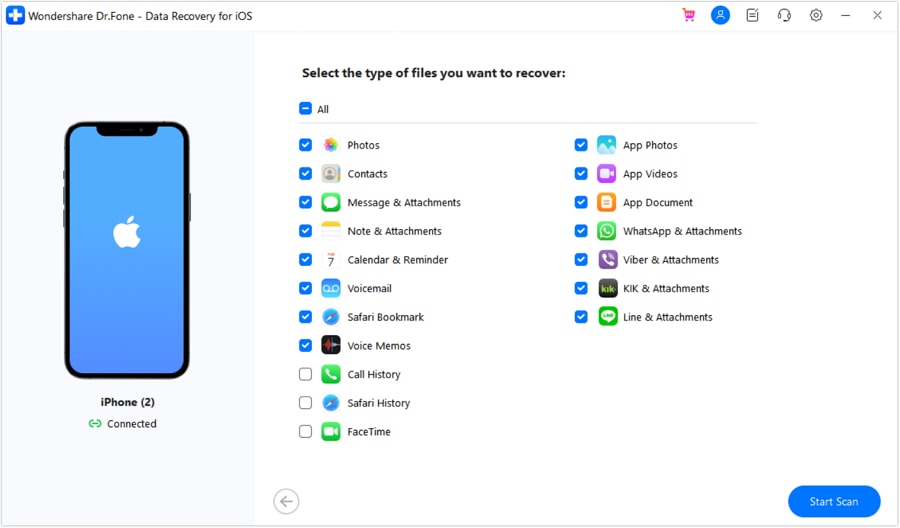
From the comprehensive data list given by the engine, logically select only the Calendar & Reminders specific option by carefully ticking the checkbox located strictly next to it.
-
Step 6 Initiate the Deep Scan
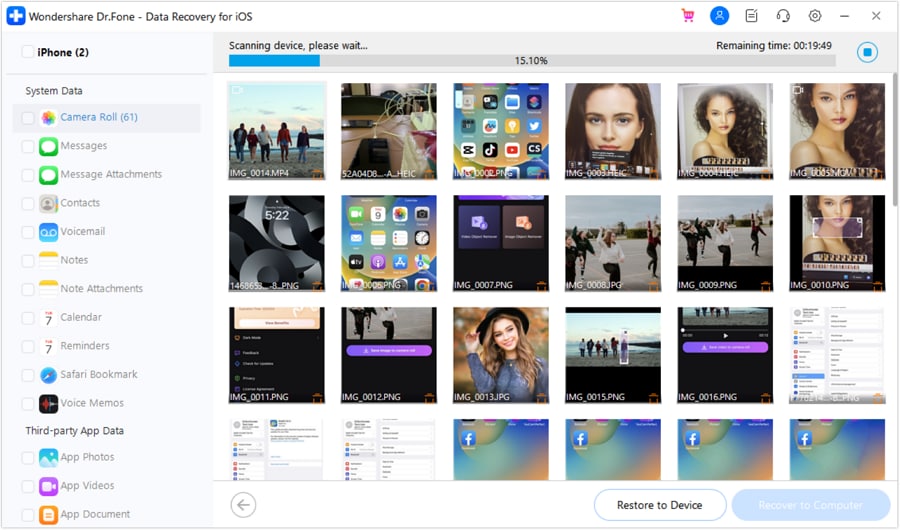
Wondershare Dr.Fone will aggressively scan your iPhone's NAND storage for recently lost or ghosted calendar events. You can actively monitor the progress percentage dynamically on the screen.
-
Step 7 Preview the Extracted Cache
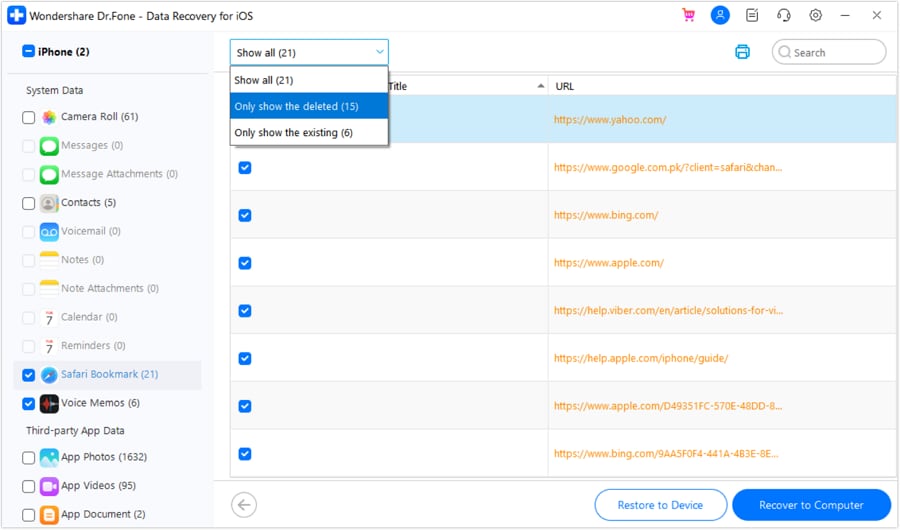
Once the memory sweep is entirely done, you can freely preview the raw calendar events the intelligent program accurately found. Simply select the specific events you desperately want to permanently recover and forcefully click "Restore to Device".
-
Step 8 Authorize Device Restoration
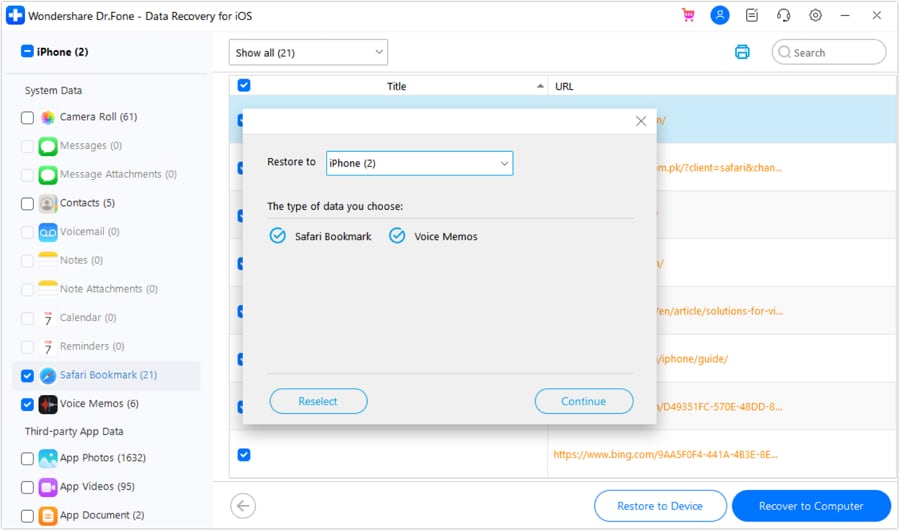
Precisely select your connected iPhone model in the subsequent pop-up window and confidently click Continue.
-
Step 9 Bypass Security Lock
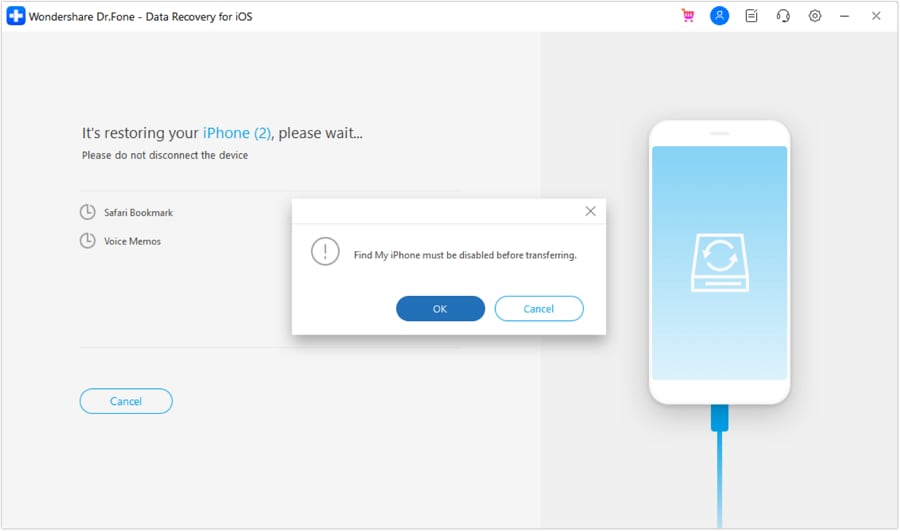
Temporarily disable Apple's Find My option within your device's core settings to grant write access, and click OK on the software prompt.
-
Step 10 Verify Successful Push
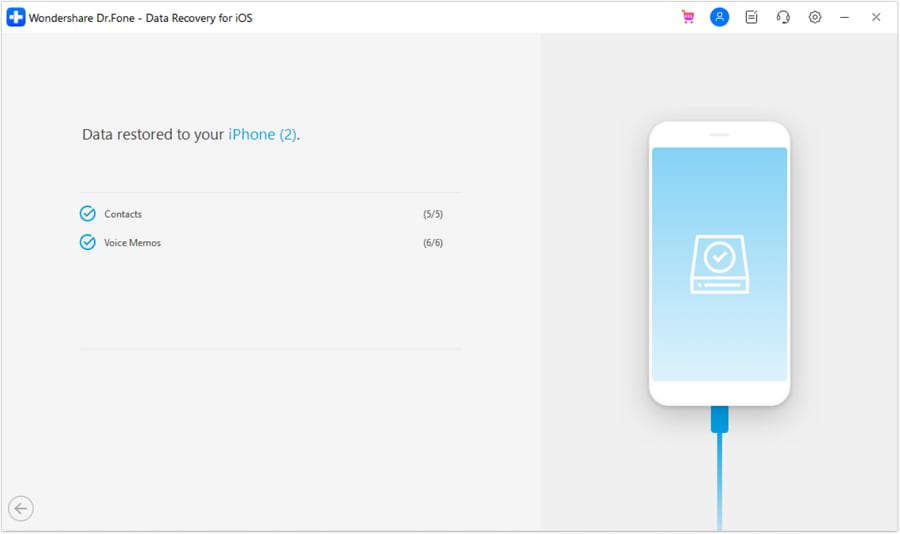
The final confirmation screen will proudly show you the comprehensive list of calendar events safely and successfully restored to your active iPhone.
-
Step 11 Create a Local Backup Vault
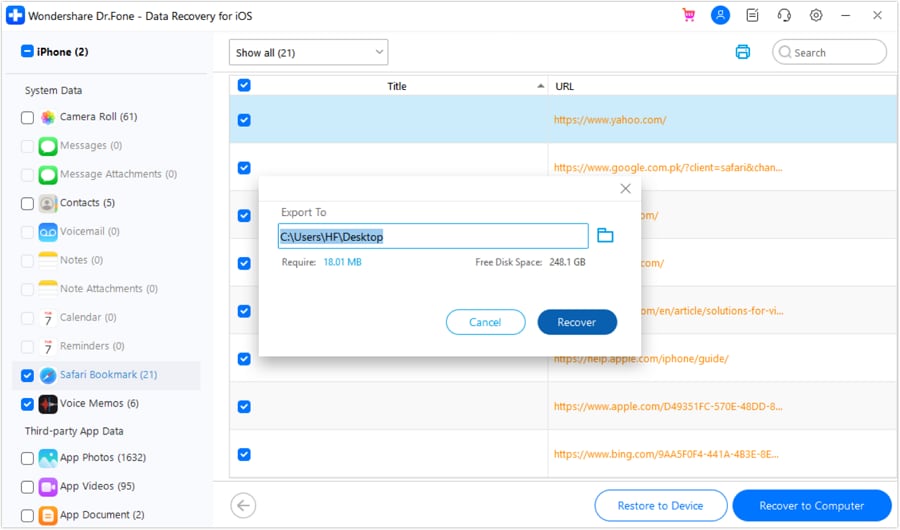
We highly suggest you functionally save your retrieved calendar events directly to your computer to entirely avoid catastrophically losing them ever again. To perform this archiving, click "Recover to Computer", designate the secure folder location you logically want them stored, and click Recover.




 safe & secure
Conclusion
Ultimately, if you unexpectedly lost crucial calendar events on your iPhone due to accidental deletion, software updates, or syncing errors, you definitively do not need to worry. There are several robust, proven technical pathways to successfully recover them. If you diligently made a routine backup, you can easily recover your calendar events natively using Apple's default iCloud or iTunes platforms. However, keep in mind that these native utility apps only awkwardly allow you to revert the entire state of your iPhone back to the highly specific timestamp when the massive backup was originally written.
If you desire to smartly utilize your stored iCloud or iTunes backup cache to extract and selectively recover distinct calendar events completely without altering or erasing all your current iPhone data, utilizing Wondershare Dr.Fone is the undisputed best path. Moreover, its advanced memory-parsing engine can safely help you actively recover ghosted calendar events directly from the device block storage, entirely without needing a prior backup.
FAQ
-
1. How far back can I legitimately recover deleted calendar events on my iPhone?
The timeframe heavily depends on your device usage. If you are recovering without a backup, success relies on whether the storage sectors holding the deleted events have been overwritten by new data. If you have an iCloud or iTunes backup, you can recover calendar events from the exact date that specific backup was created. -
2. Does restoring from iCloud or iTunes overwrite my current iPhone data?
Yes. Using Apple's official built-in restoration methods forces a complete device wipe, meaning all new photos, messages, and app data accumulated since the backup date will be permanently deleted and replaced by the old backup. To avoid this, use a third-party tool for selective recovery. -
3. Why did my iPhone calendar events suddenly disappear without warning?
Calendar events commonly disappear due to sudden iCloud synchronization glitches, signing out of your Apple ID, buggy iOS software updates, accidental deletion, or third-party email accounts (like Gmail or Exchange) suddenly losing connection with the native iOS Calendar app. -
4. Can I technically retrieve calendar from iCloud without performing a factory reset?
Officially through Apple, no. You must factory reset the iPhone to trigger the iCloud restore prompt. However, by using professional iOS data recovery software, you can log into your iCloud archive securely from your computer, extract only the necessary calendar files, and push them back to your phone without any reset.
 Add Wondershare Dr.Fone as a preferred source on Google