Recover photos, messages, WhatsApp, and more — no backup
needed.
Recover photos, messages, WhatsApp, and more — no backup
needed.

 100% Security Verified | No Subscription Required | No Malware

 :
: 
 ChatGPT
 Perplexity
 Gemini
 Claude
 Grok
Grok
When an iPhone is connected to your Mac or Windows PC for the first time, the system will automatically create an iTunes or Finder backup. As device storage grows, many users naturally wonder: since there is an iTunes backup securely stored locally, is there any straightforward way to view iPhone backup contents directly? The reality of Apple's ecosystem makes this surprisingly complex.
Actually, this official Apple backup is compiled into a highly encrypted SQLite database file. As we all know, due to the strict privacy policy of Apple, this file is not in a readable format by default. You can neither access nor read it straightly on your Mac or Windows machine without specialized tools. In order to solve this frustrating problem, we are going to introduce a reliable iPhone backup viewer to seamlessly read iPhone backup on Mac in 2026. Furthermore, we will share a similar strategy to view iPhone backup on Windows. Let's explore how to read your iPhone backup safely.
In this article
Part 1. Why Is It Difficult to Read iPhone Backup Files Directly?
Apple designs its backup systems—whether via iTunes, Finder, or iCloud—to act as complete restore points rather than accessible file folders. When you back up your iOS device, the media, messages, and app data are scrambled into long strings of alphanumeric folder names and SQLite database structures. Without an intelligent iPhone backup viewer, identifying a single photograph or a specific text message is virtually impossible.

Part 2. How to View iPhone Backup on Mac
To view iPhone backup straightly on Mac without risking data corruption or performing a full device restore, you need a dedicated extraction tool. Currently, you can securely read up to 11 file types from an iPhone backup on Mac, including photos, videos, contacts, messages, call history, Safari bookmarks, notes, calendars, and more.
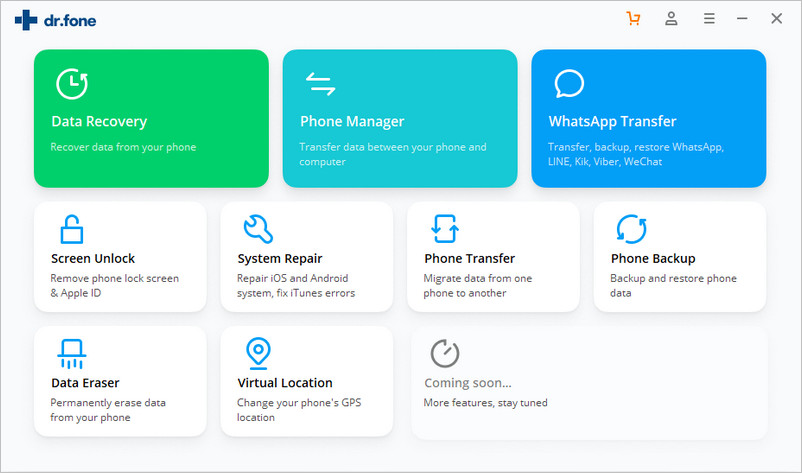
Featured Solution: To easily bypass these limitations, you can use Dr.Fone (Mac) - Data Recovery (iOS) to scan and extract your files safely.
This powerful application acts as the ultimate iPhone backup viewer, capable of reading both iTunes and iCloud backups directly. It is fully compatible with the latest Mac 14 and iOS 17 systems (and fully updated for all 2026 releases).
 Recovers data after deletion, crashes, or device damage.
- Supports photos, messages, contacts, WhatsApp, and more.
- Supports all major iPhone, iPad, and iPod models.
- Preview and recover only what you need.
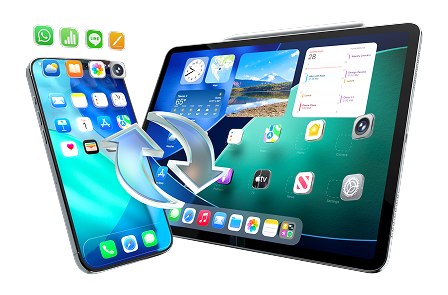
2-1. Steps to view iPhone backup on Mac
Using the software is incredibly intuitive. Follow the steps below to extract contents from your stored files.
-
Step 1 Select the Backup File
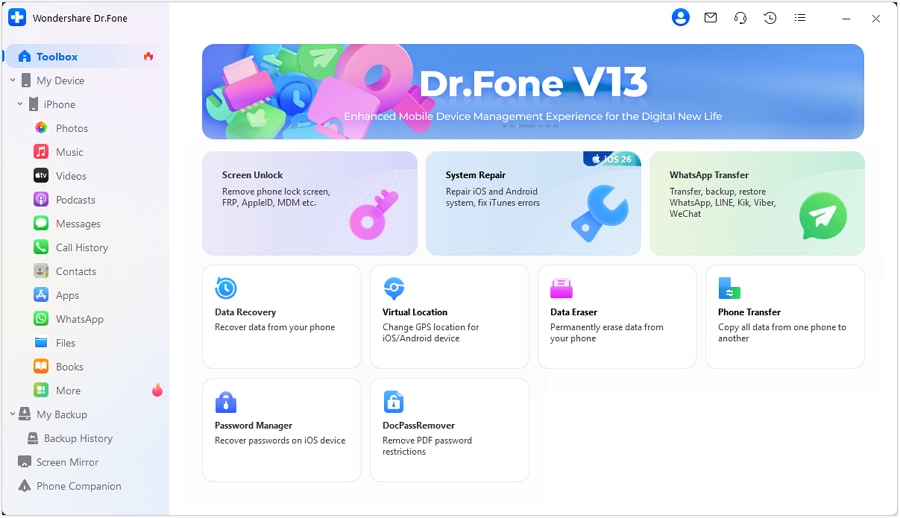
After installing Dr.Fone on your Mac, launch the software and navigate to the data recovery module. You need to select "Recover from iTunes backup" on the top of the main window. Then all iTunes backup files of your device will be displayed in the list. Select the relevant one for your device and click "Scan" to extract contents from it.
-
Step 2 Preview and Extract the Contents
When the scan is over, the contents inside the iTunes backup will be logically categorized. You will see sections listed in categories like "Message", "Contacts", "Video", "Call History", and more. Then you can click files one by one to view iTunes backup on your Mac in full detail.




- Read iPhone backup without restoring
- Preview files in high resolution
- No data overwrite risk
- Requires a computer to operate
- Full extraction requires premium version
Part 3. How to View iPhone Backup on Windows
From the above introduction, we can know that this highly rated iPhone backup viewer also has a robust Windows version. If you are operating a PC and you'd like to read iPhone backup on Windows seamlessly, you can just try Dr.Fone - Data Recovery (iOS).
It can help you to access and view iTunes backup and iCloud backup easily on any modern Windows OS. Finding the default backup path on Windows (usually hidden in the AppData folder) is tedious, but this software bypasses the manual search completely. The operation is almost the identical as that of the Mac version. You just need to connect your device or load the local file, hit scan, and review your categorized files.
Part 4. Additional Tips for iOS Data Management
- Free Preview: You can use the trial version to extract the iTunes backup and preview the files for free. If you want to export and keep them permanently on your Mac or PC, you need to purchase the full version of the software.
- Direct Recovery: Except from reading iPhone backup on Mac, this software empowers you to recover data directly from the device hardware—supporting all generations including iPhone 3GS/4/4S/5, all iPads, and iPod touch models.
- Cloud Access: If your local files are missing, you can also access iCloud backup to view it with the feature "Recover from iCloud backup file". The steps are remarkably similar to viewing an iTunes backup.
Conclusion
Well, it is incredibly easy to view iPhone backup or iTunes backup on Windows or Mac once you have the right tool. Navigating Apple's complex SQLite databases shouldn't prevent you from accessing your own memories and data. If you are going to extract and view an iTunes backup, then you can rely on this highly effective iPhone backup viewer to help you finish the job within 3 simple steps.
FAQ
-
1. Where are iPhone backups stored on Mac and Windows?
On a Mac, iTunes or Finder backups are typically stored in ~/Library/Application Support/MobileSync/Backup/. On Windows, the path is usually \Users\(username)\AppData\Roaming\Apple Computer\MobileSync\Backup\. Regardless of the location, the files remain unreadable without a dedicated viewer. -
2. Can I view iPhone backup files for free?
Yes, you can use the trial version of an iPhone backup viewer to scan and preview the contents of your iTunes or iCloud backup completely for free. Exporting those files to your computer requires a license. -
3. Will viewing my iTunes backup overwrite the current data on my iPhone?
No. Extracting and reading an iPhone backup using a professional viewer like Dr.Fone is a completely read-only process. It does not overwrite or alter the existing data on your iOS device. -
4. Can I read encrypted iPhone backups?
Yes, but you must know the encryption password. Once you input the correct password into the viewer software, it will decode the SQLite files and allow you to view the contents normally.
 Add Wondershare Dr.Fone as a preferred source on Google