Recover photos, messages, WhatsApp, and more — no backup
needed.
Recover photos, messages, WhatsApp, and more — no backup
needed.

 100% Security Verified | No Subscription Required | No Malware

 :
: 
 ChatGPT
 Perplexity
 Gemini
 Claude
 Grok
Grok
Losing crucial data is a frustrating experience, but what happens when you accidentally delete the backup itself? Whether you are trying to recover lost messages, precious photos, or essential business contacts, you might find yourself needing to undelete iPhone backup file data. While Apple provides official ways to restore your iPhone using iTunes or iCloud, these methods often come with significant limitations. The most glaring flaw is that the official restoration process requires you to wipe your current device data, completely overwriting your iPhone with the old backup.
Furthermore, Apple's standard solutions do not allow you to preview the contents of a backup or selectively recover specific files. You are forced into an "all-or-nothing" scenario. Fortunately, in 2026, it is entirely possible to undelete iPhone backup files safely and efficiently without losing your existing data. In this comprehensive guide, we will introduce you to a user-friendly tool that offers two distinct methods to retrieve your backup data seamlessly.
In this article
Part 1. How to Undelete iPhone Backup Files - From iTunes Backup
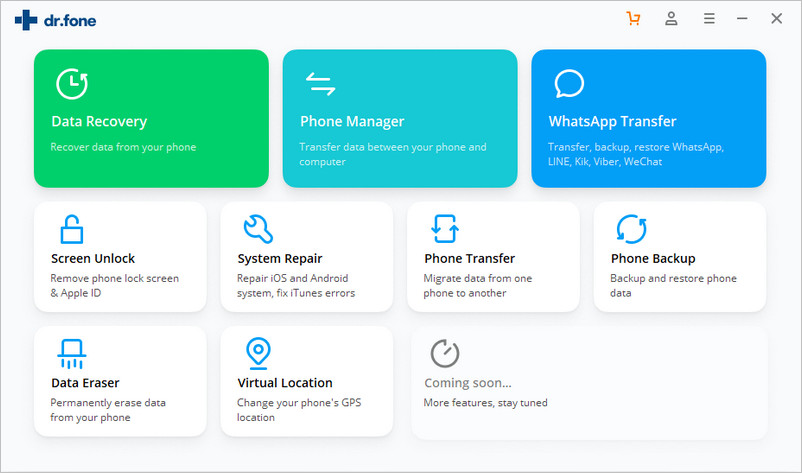
If you have historically backed up your device to your computer, your iTunes backups are stored locally on your hard drive. To safely find and undelete iPhone backup files without affecting your current iPhone data, you can use a professional recovery solution like Dr.Fone - Data Recovery (iOS). This powerful software is designed to deeply scan your computer for all existing iTunes backup files, allowing you to preview the extracted content before executing the recovery.
 Recovers data after deletion, crashes, or device damage.
- Supports photos, messages, contacts, WhatsApp, and more.
- Supports all major iPhone, iPad, and iPod models.
- Preview and recover only what you need.

-
Step 1 Search your old iPhone backup files
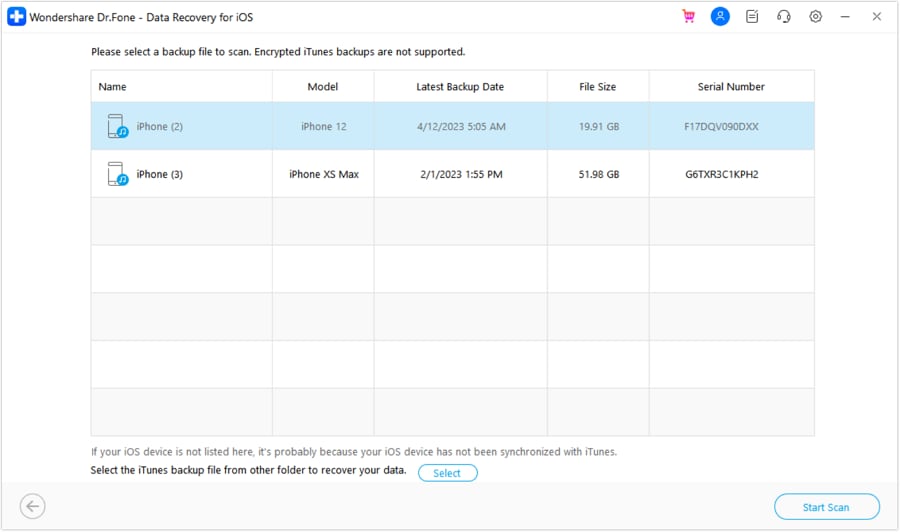
For this tutorial, we will take the Windows version as an example, but the Mac process is identical. After downloading and installing the program, launch it on your computer. Select the "Recover from iTunes Backup File" option located at the left or top of the primary window. The software will automatically search your local directories and display all found iPhone backups. If your old backup is detected, select it and click "Start Scan" to extract the files for preview.
-
Step 2 Preview and undelete iPhone backup
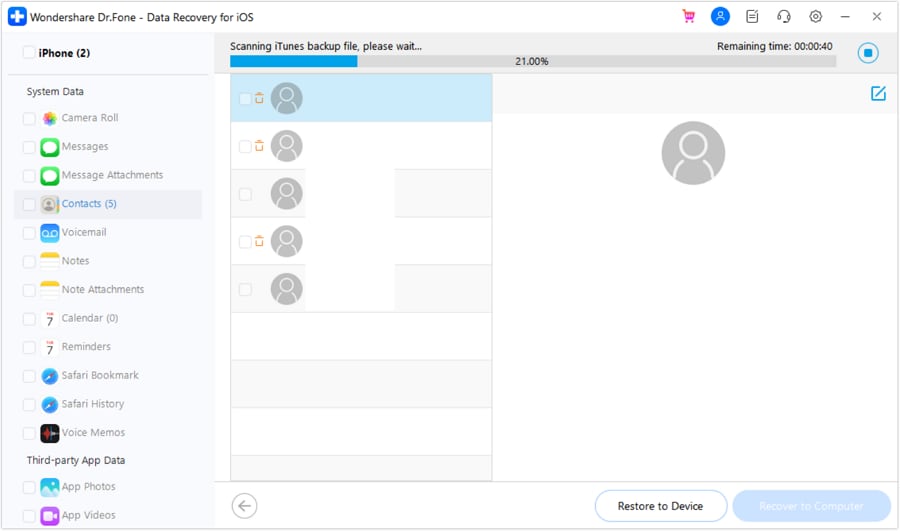
The scanning process is highly optimized and usually takes just a few seconds. Once complete, you will be presented with a categorized view of all the contents within that backup. You can easily preview photos, videos, messages, contacts, and notes. Simply mark the checkboxes next to the specific items you wish to retrieve, and click "Recover to Computer" to save them directly to your hard drive. You have now successfully undeleted your iPhone backup file data.




Part 2. How to Undelete iPhone Backup Files - From iCloud Backup
If you primarily back up your device over Wi-Fi, your data is likely stored in iCloud. Apple normally requires you to erase all content and settings on your iPhone to apply an iCloud backup. However, using the "Recover from iCloud Backup Files" feature allows you to access and undelete iCloud backup files securely without resetting your device.
-
Step 1 Choose recovery mode and log in
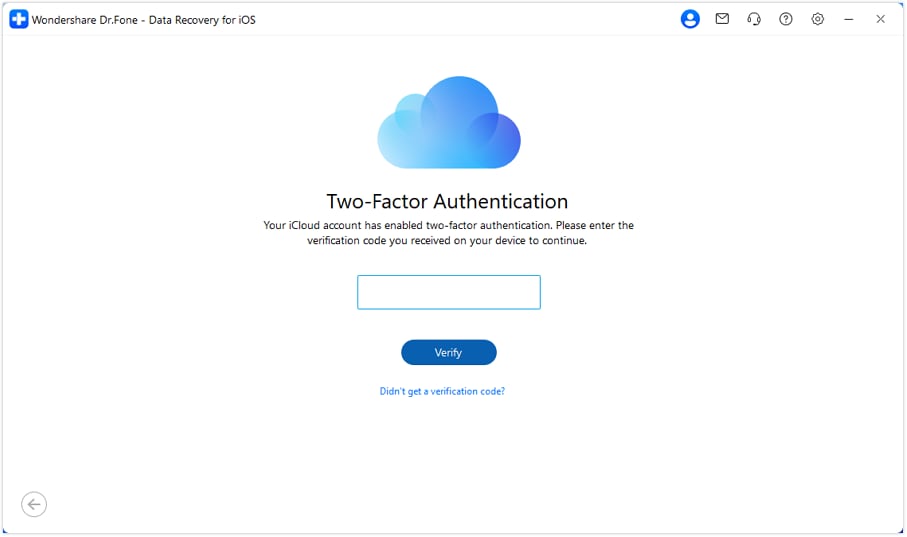
Launch Dr.Fone on your computer and select the "Recover from iCloud Backup Files" option from the main dashboard. You will be prompted to enter your Apple ID and password. The software prioritizes your privacy, ensuring your account details are never stored or compromised.
-
Step 2 Download your desired iCloud Backup File
Once successfully logged into your iCloud account, Dr.Fone will display a list of all available iCloud backup files associated with your Apple ID. Review the list based on dates and device names. Choose the backup file that contains the data you wish to restore, and click the "Download" button next to it.
-
Step 3 Choose File Types to Scan
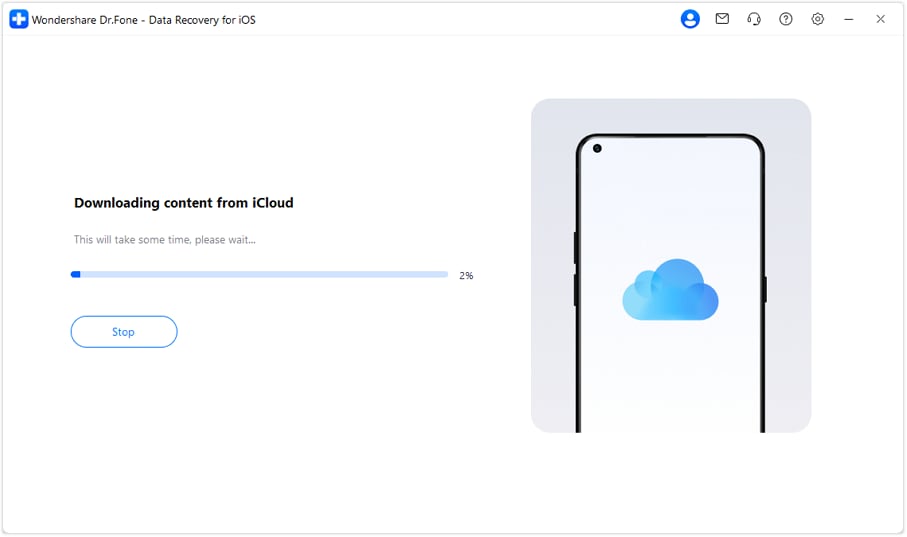
To save time and streamline the process, a pop-up window will appear asking you to select the specific types of files you want to download and scan. Whether it is just photos, contacts, or WhatsApp messages, make your selections and click the "Scan" button. Please wait patiently as the tool downloads and parses the backup data.
-
Step 4 Recover Data from iCloud Backup File
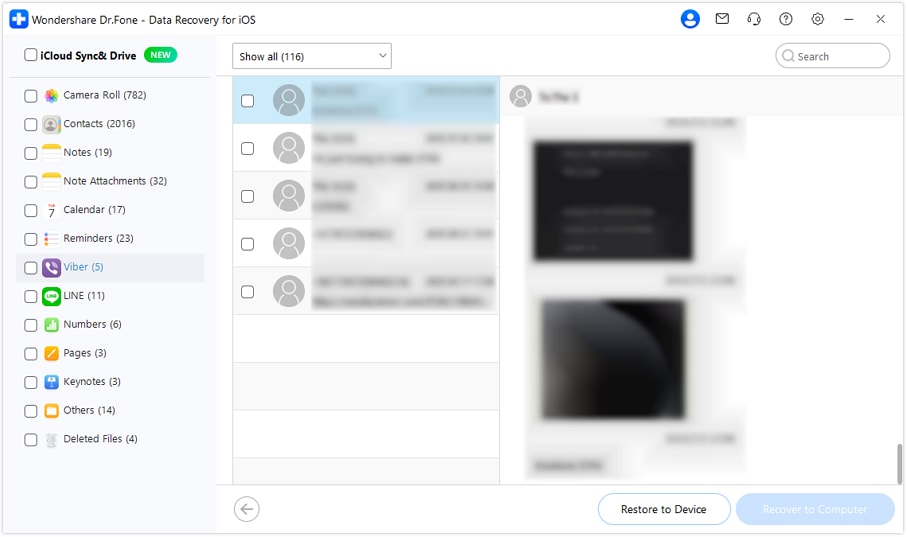
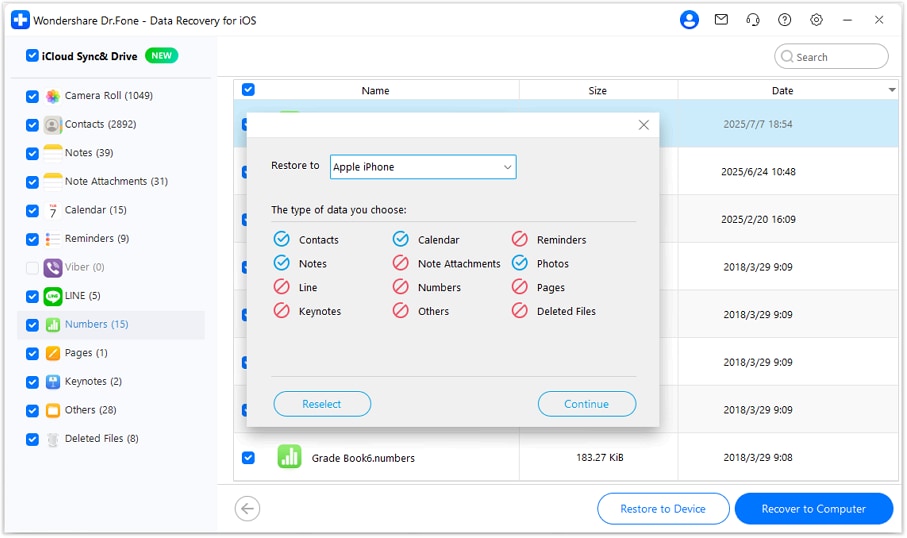
After the scan is finalized, you can easily preview the extracted contents categorized on the left sidebar. Select the specific data you need. You will be given two options: "Recover to Computer" to save the files locally or "Recover to your device" to push the selected files back to your connected iPhone with just a single click.
Conclusion
Figuring out how to undelete iPhone backup files does not have to be a stressful endeavor. While standard Apple procedures force you to wipe your entire device to access old backups, utilizing advanced third-party solutions like Dr.Fone provides a much safer and flexible alternative. By extracting data directly from iTunes or downloading it securely from iCloud, you gain the power to preview your files and selectively recover exactly what you need without sacrificing any current device data.
FAQ
-
1. Can I undelete an iPhone backup file that was completely deleted from my PC?
If an iTunes backup file is permanently deleted from your computer's hard drive and emptied from the recycle bin, standard backup extractor tools cannot retrieve it. You would need specialized computer data recovery software to scan your hard drive for deleted backup folder fragments. -
2. Will restoring an iCloud backup overwrite my current iPhone data?
If you use the official Apple method through your iPhone's settings, yes, you must erase all content and settings first. However, if you use a third-party extractor tool, you can download the iCloud backup to your computer and selectively recover files without overwriting your phone. -
3. How long do iCloud backups stay available?
Apple typically retains your iCloud backups as long as you have sufficient iCloud storage space and continue to back up your device. However, if you disable iCloud backup for a device, Apple may delete the stored backup after 180 days. -
4. Is it safe to enter my Apple ID into third-party recovery software?
Reputable data recovery programs, such as Dr.Fone, utilize secure encryption and do not store or transmit your Apple ID credentials to third-party servers. Your login is only used locally to request permission from Apple to download your backup files.
 Add Wondershare Dr.Fone as a preferred source on Google