Move contacts, messages, photos, videos, app data, and more between iOS and Android.

 100% Security Verified | No Subscription Required | No Malware

 :
: 
 ChatGPT
 Perplexity
 Gemini
 Claude
 Grok
Grok
Listening to your favorite tracks on a classic iPod is a nostalgic experience, renowned for its pristine audio clarity and dedicated offline playback capabilities. Although Apple officially discontinued the iconic iPod lineup in 2022, many audiophiles still hold onto these devices in 2026 for their vast, carefully curated music libraries. However, keeping your sole music collection on an aging device carries risks, such as hardware failure or inevitable battery degradation. As a preventive measure, migrating those cherished playlists to a more modern and reliable platform is highly recommended.
Today's modern smartphones, particularly the iPhone 15 series and newer iterations, effectively replicate and even surpass the audio quality of older iPods, making them the perfect new home for your media. Whether you want to know how to transfer music from iPod to iPhone without losing quality, or you need to figure out how to transfer songs from iPod to iPhone using a computer, there are several streamlined methods available. In this comprehensive guide, we will explore the most efficient techniques to safely extract and move your entire music library.
In this article
Part 1. How to Transfer Music From Old iPod to iTunes Library
As previously mentioned, Apple halted the production of new iPod models, indicating that existing devices will receive limited or no firmware updates moving forward. While you can continue using your iPod just as before, its overall functionality and connectivity compatibility will inevitably deteriorate over time without active developer support.
Therefore, securing your iPod's music playlist by backing it up to another platform is a vital step. Using an iPhone 15 as your primary music player guarantees a seamless transition and excellent listening experience. To facilitate this exchange securely, the first major phase involves migrating your old iPod data to iTunes. Follow the detailed instructions below to transfer music from an old iPod to your local iTunes library.
Transfer Music From an iPod to the Computer
Before importing into iTunes, you must first extract the hidden music files to your computer's local storage. This process requires adjusting some viewing permissions on your PC. Here is how to download songs from your iPod directly to a computer.
Step 1 Connect iPod to PC
Assuming that your iTunes is set to not sync iOS devices automatically upon connection, plug your old iPod securely into the computer using a compatible data cable.
Step 2 Access File Explorer
Open the File Explorer on your Windows desktop. Right after, access the left-side navigation panel and then click on This PC.
Step 3 Locate Your iPod
Find and double-click your connected iPod icon situated under the Devices and Drives section.
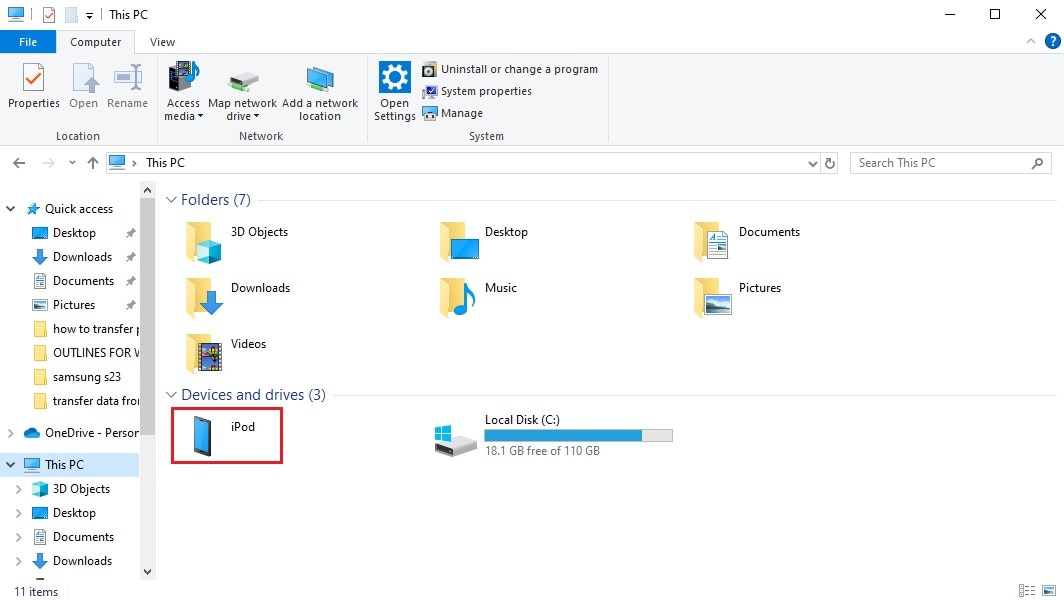
Step 4 Adjust View Settings
If your iPod folder appears empty and doesn't show any files, click the View button located on the top menu bar of File Explorer.
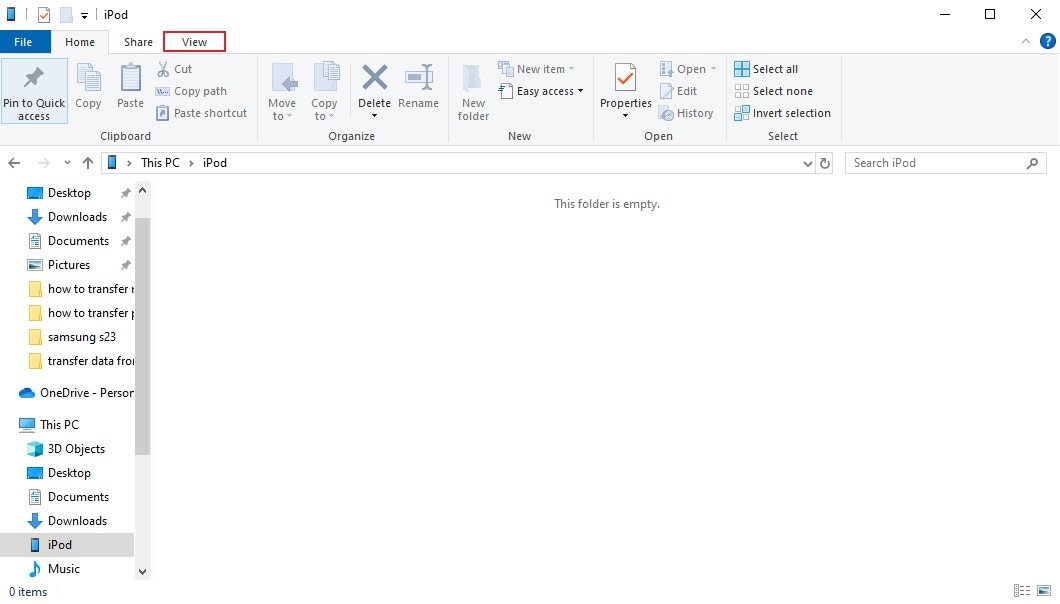
Step 5 Reveal Hidden Items
Find the Show/Hide section on the menu ribbon. From there, check the tickbox next to Hidden Items. The internal system folders on your iPod will immediately become visible.

Step 6 Open iPod_Control
Look for the faint, semi-transparent folder labeled iPod_Control and double-click to open it.

Step 7 Copy the Music Folder
Locate the specific folder named Music, right-click on it, and select Copy from the context menu.
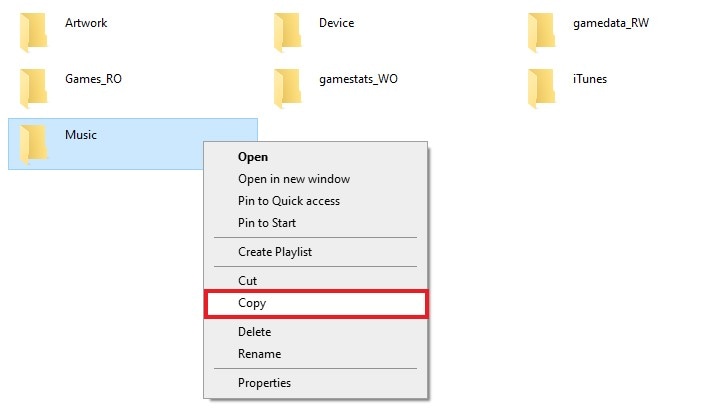
Step 8 Paste to Local Storage
Navigate to a safe location on your computer's local drive (like the Desktop or Documents folder) and paste the copied Music folder there.
Add iPod Music to iTunes Library
Once the hidden music files from your old iPod are successfully copied to your PC, the hardest part is over. Now, you need to catalog them into iTunes. Review the tutorial below to finalize adding this folder to your iTunes library.
Step 1 Launch iTunes
Open the updated iTunes application on your computer.
Step 2 Access File Menu
Click File situated on the top-left menu bar of the software interface.
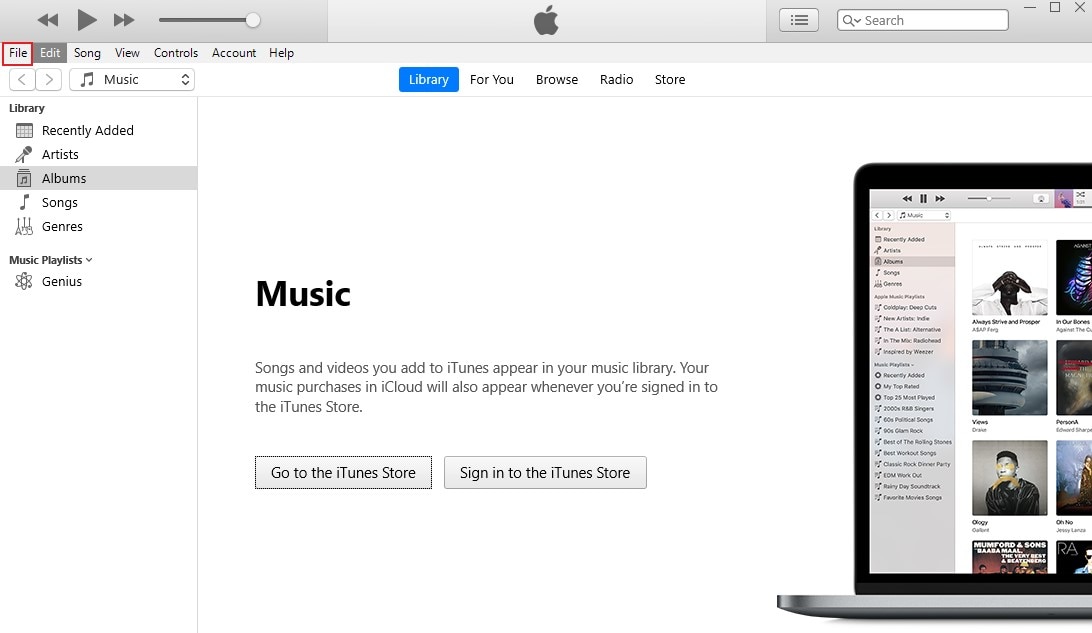
Step 3 Select Add Folder
Because the extracted music tracks are bundled together within the directory you pasted earlier, click on the Add Folder to Library option.
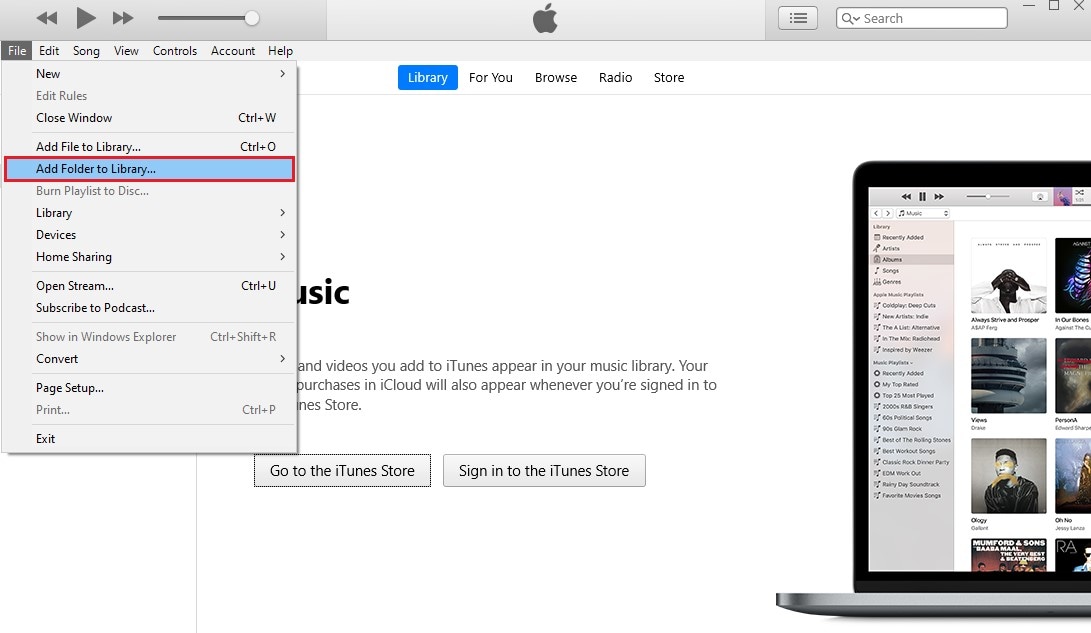
Step 4 Import the Files
Browse your computer to select the newly pasted Music folder. Finally, hit Select Folder to prompt iTunes to process the audio files.
Step 5 Verify the Import
Click Library at the top or navigate to the Albums button on the left-side panel to confirm that all tracks from the iPod have been successfully registered.
Part 2. How to Transfer Music From iPod to iPhone 15 in Easy Steps
Multiple data migration pathways can help you securely transfer music from your old iPod to a modern iPhone 15. The right choice often depends on whether you prefer local file management or cloud synchronization. Below is a comprehensive list of reliable tutorials covering different scenarios on how to transfer music from your iPod to your iPhone.
Method 1: Transfer music from iPod to iPhone 15 via iTunes library
Assuming you followed Part 1 and imported your iPod files into the iTunes library, loading them onto your iPhone 15 is straightforward. By utilizing manual synchronization, you prevent iTunes from overwriting your existing mobile data.
Step 1 Connect Your iPhone
With iTunes running on your computer, connect the iPhone 15 using a high-quality data cable.
Step 2 Access Device Summary
Locate the small device icon near the top left. Go to the left-side panel and click Summary under your device name, then scroll down to the Options segment.
Step 3 Enable Manual Management
Crucially, uncheck the tickbox next to Automatically Sync When This iPhone is Connected. Conversely, check the tickbox beside Manually Manage Music and Videos.
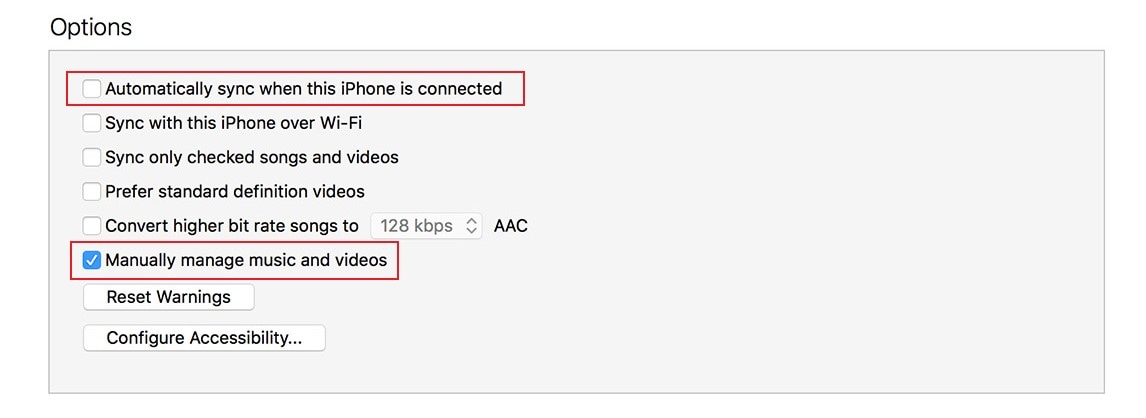
Step 4 Apply Changes
Click Sync or Apply at the bottom right corner to save these new preferences.
Step 5 Navigate to Music Library
Return to the main Library view displaying the songs you imported from the iPod.
Step 6 Drag and Drop Files
Highlight the specific tracks or entire albums you intend to move. Drag them directly toward your iPhone listed under the On My Device section on the left-side panel. Wait momentarily for the transfer to complete.
Method 2: Transfer music from iPod to iPhone 15 by enabling Sync Library
If you maintain an active Apple Music subscription on an internet-capable iPod (like an iPod Touch), manual extractions aren't necessary. You can seamlessly synchronize your entire library wirelessly across devices utilizing the same Apple ID account.
Step 1 Open iPod Settings
Unlock your iPod Touch and tap on the main Settings application.
Step 2 Navigate to Music
Scroll down the menu list and select Music.
Step 3 Toggle Sync Library
Look for the Sync Library feature. Toggle the switch next to it so it turns green, initiating the upload of your local tracks to iCloud.
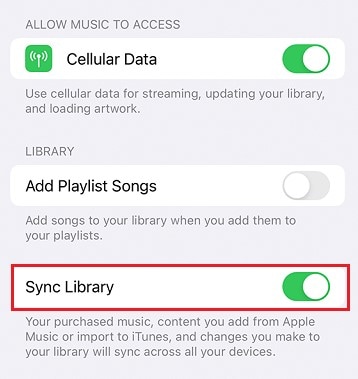
Step 4 Access on iPhone 15
Ensure Sync Library is also toggled on within your iPhone 15 settings. Open the Music app, and you will see the populated files streaming directly from the cloud.
Method 3: Transfer music from iPod to iPhone 15 via iTunes Store
Any music strictly purchased through Apple's ecosystem is permanently tied to your Apple ID. You don't need to physically transfer these specific files; they can be freshly re-downloaded directly onto your iPhone 15.
Step 1 Open iTunes Store
Launch the dedicated iTunes Store app on your iPhone 15.
Step 2 Access More Options
Tap the More button located at the bottom-right corner of the screen interface.
Step 3 View Purchased Items
Select Purchased and tap on Music. Navigate to the Not on This iPhone tab to filter out songs you haven't downloaded yet.
Step 4 Initiate Downloads
Scroll through the catalog to pinpoint the missing albums or tracks. Tap the cloud-shaped Download icon next to an item, or hit Download All to retrieve everything associated with your account.
Method 4: Transfer music from iPod to iPhone 15 using Wondershare Dr.Fone
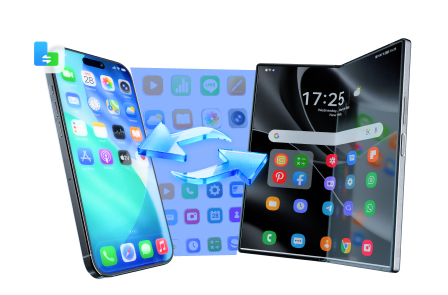
Manual folder extraction and iTunes synchronization can sometimes feel overly technical and prone to sync errors. If you prefer a streamlined, direct device-to-device migration without risking data deletion, employing a dedicated software solution is vastly superior. Wondershare Dr.Fone makes data transfer as simple as plugging in both devices and clicking a single button.
 Move data between iOS to Android and vice versa.
- Transfer contacts, SMS, photos, videos, music, and more types.
- Available with all phones with Android and iOS versions.
- Simple, click-through process.
Step 1 Install the Software
Download the application from its official website. Proceed to install it securely on your Windows or Mac computer.
Step 2 Connect Both Devices
Launch the newly installed suite. Connect both your old iPod and the target iPhone 15 to the desktop simultaneously using reliable USB cables.
Step 3 Select Phone Transfer
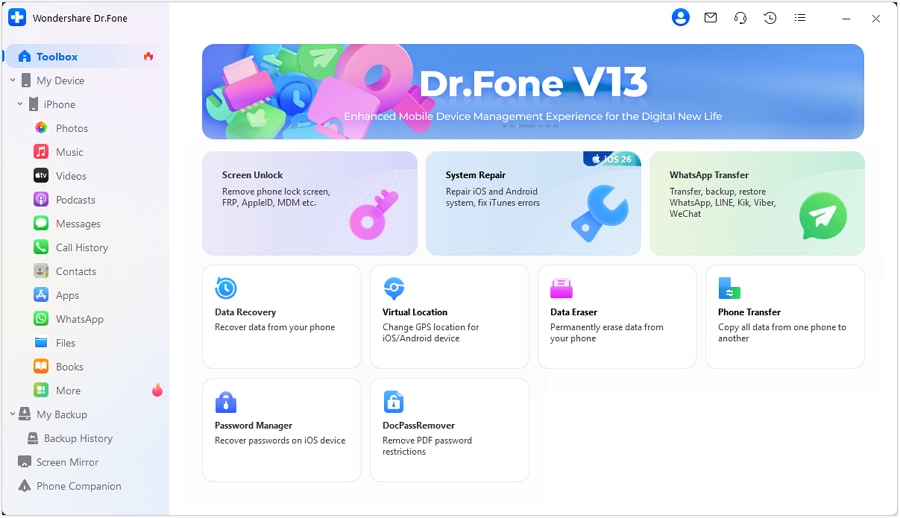
Navigate the left-side panel to click Toolbox. On the central main dashboard, locate and click the Phone Transfer module.
Step 4 Assign Device Roles
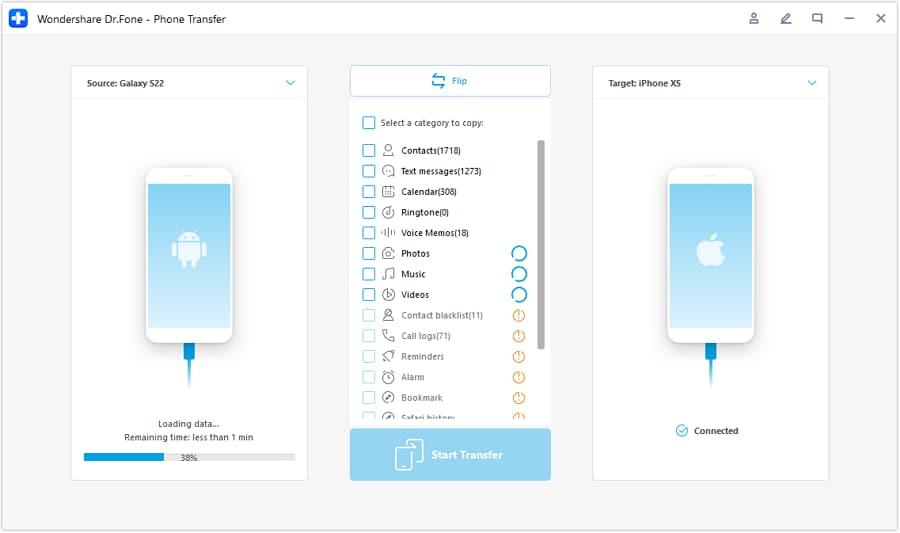
Ensure that the iPod is configured as the Source device (on the left) and your iPhone 15 acts as the Target (on the right). If they are inverted, click the Flip button at the top center.
Step 5 Select Music and Start
In the middle checklist, tick the box explicitly for Music. Finally, click the Start Transfer button to trigger the seamless copying sequence.
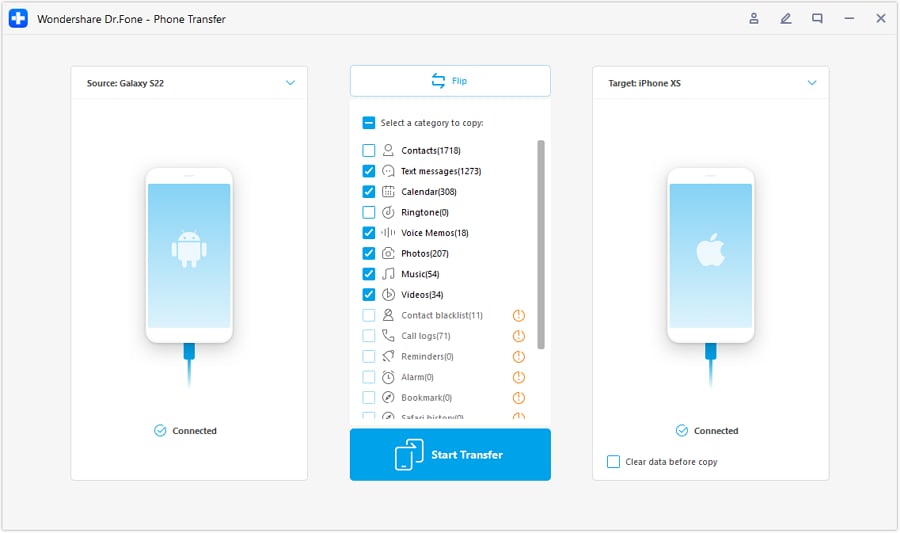
Step 6 Wait for Completion
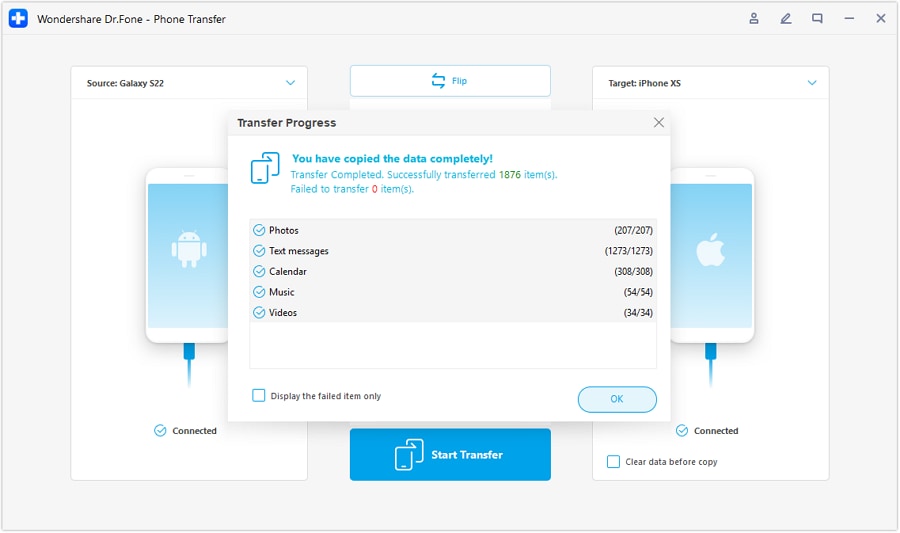
Allow the software a few moments to meticulously move your files. Do not disconnect the cables during this critical phase. If needed, you can click Cancel to stop the procedure.

Step 7 Finalize the Operation
Once the prompt confirms success, click OK and safely eject your devices to enjoy your relocated playlists.
Part 3. EXTRA TIP: How to Download Music From iPod to Computer using Wondershare Dr.Fone. ?
While extracting folders manually via File Explorer is effective, it lacks structural organization. Alternatively, Wondershare Dr.Fone offers a highly organized backup utility that extracts audio alongside other vital data comprehensively into accessible archives.
Step 1 Launch and Connect
Open the Wondershare Dr.Fone software on your PC. Connect your iPod and wait until the interface recognizes the hardware.
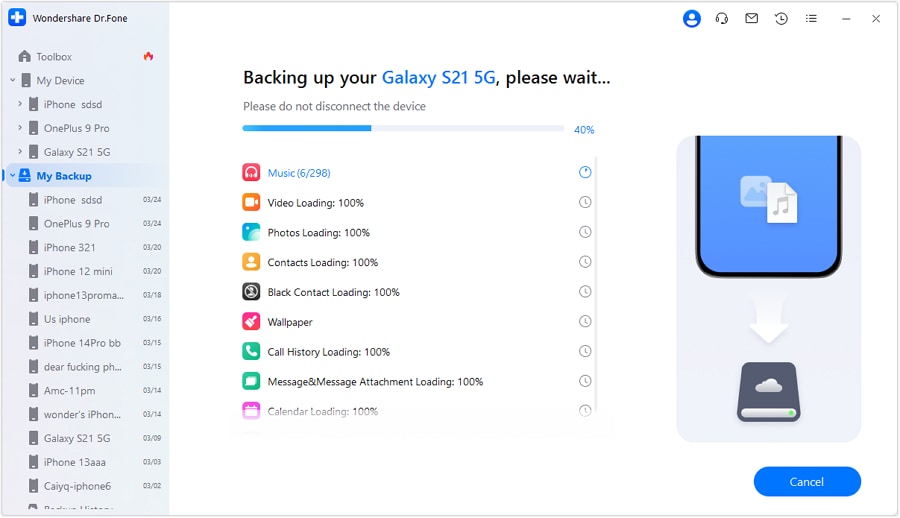
Step 2 Initiate Backup
Look to the left-side navigation panel and select My Backup. Moving to the main dashboard pane, click Back Up Now to commence the automated extraction.
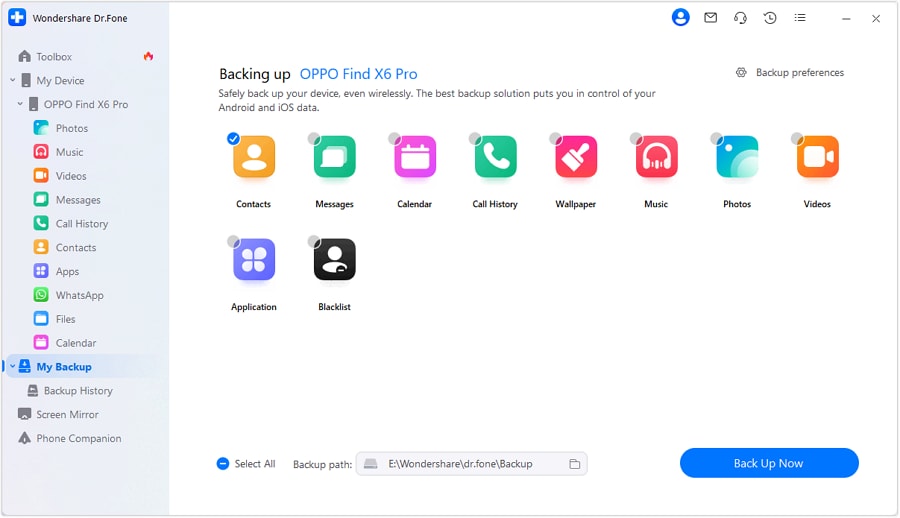
Step 3 Allow the Process to Run
Refrain from interacting with your iPod or shutting down the application while the progress bar climbs to prevent corrupted backup sectors.
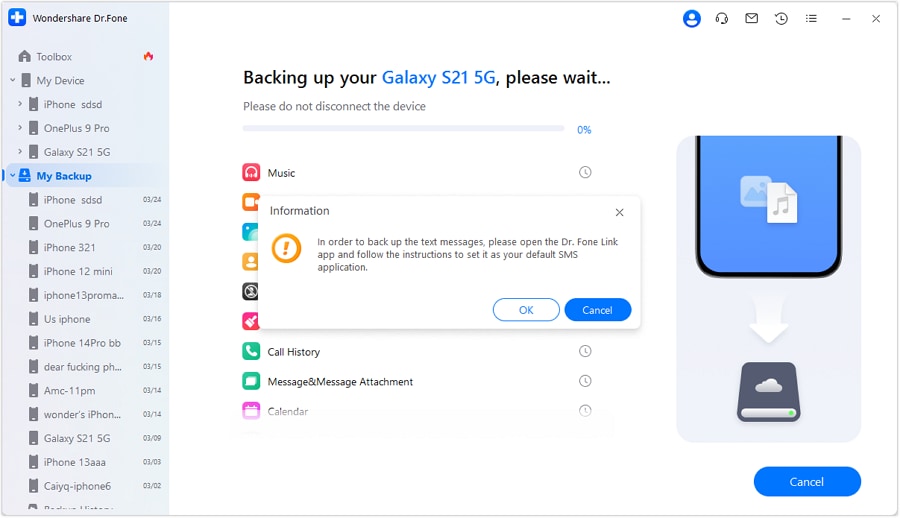
Step 4 Review the Archives
Once you reach 100%, click Open in Folder or View Backups to visually locate and verify the securely stored music files on your local drive.




Conclusion
The iPod revolutionized portable audio, offering a completely unique and focused environment for enjoying vast music collections offline. Despite its official discontinuation, the value of the media stored within these classic players remains incredibly high. Waiting for hardware to fail is a significant risk, so taking proactive steps to preserve your playlists is essential. By following any of the proven tutorials above, you now know exactly how to transfer music from iPod to iPhone 15 securely. For a modern, error-free transition that entirely sidesteps iTunes' frustrating sync limitations, leveraging a specialized software utility guarantees that your musical history is safely moved to your newest device in mere clicks.
FAQ
1. Can I transfer music from an old iPod to an iPhone without a computer?
If you are utilizing Apple Music or iTunes Match with an internet-capable iPod Touch, you can simply sync your library over the cloud without needing a computer. However, for manual file extraction from an older offline model like an iPod Classic or Nano, a computer is strictly required to act as the intermediary bridge.2. Will transferring music from iPod to iPhone overwrite my current iPhone library?
If you use the standard automated iTunes sync feature, it may completely replace the existing media library on your iPhone with the one from your computer. To prevent this destructive overwrite, manually manage your music settings in iTunes or utilize a dedicated third-party transfer tool to safely merge the files.3. How do I transfer music from iPhone to iPod?
To transfer music from iPhone to iPod, you can apply the same dedicated phone transfer methodology, which supports bidirectional data migration. Simply connect both devices to your computer, set the iPhone as the source and the iPod as the target within the transfer interface, and initiate the copy process seamlessly.4. What should I do if my computer doesn't recognize my old iPod?
Ensure you are using an authentic, functioning Apple cable and test a different USB port directly on your computer's motherboard. Additionally, updating your computer's USB drivers or performing a clean installation of iTunes can resolve software recognition issues. For extremely old devices, ensure the battery holds enough charge to properly power up its internal hard drive.
 Add Wondershare Dr.Fone as a preferred source on Google