

 TL;DR:
MMI (Man-Machine Interface) codes are built-in sequences of numbers, asterisks, and hashes that allow Android users to bypass standard menus and directly execute hidden hardware diagnostics, system checks, or network commands.
● While general MMI codes process commands locally or via the network, USSD codes strictly require an active network connection to fetch carrier data, and secret dialer codes function offline to unlock advanced diagnostic menus.
● If a device rejects a command with an "Invalid MMI Code" error, you can resolve the incompatibility by appending a comma or plus sign to the sequence, toggling Airplane mode for 10 to 30 seconds, or resetting the mobile network options.
● Since specific codes are hardcoded into manufacturer firmware and often restricted by regional carriers, users can rely on the universal *#06# command to extract their IMEI and verify device authenticity, MDM locks, and warranty status through Dr.Fone Online Unlock's 20-point diagnostic report.
Ask AI for a summary
 ChatGPT
 Perplexity
 Gemini
 Claude
 Grok
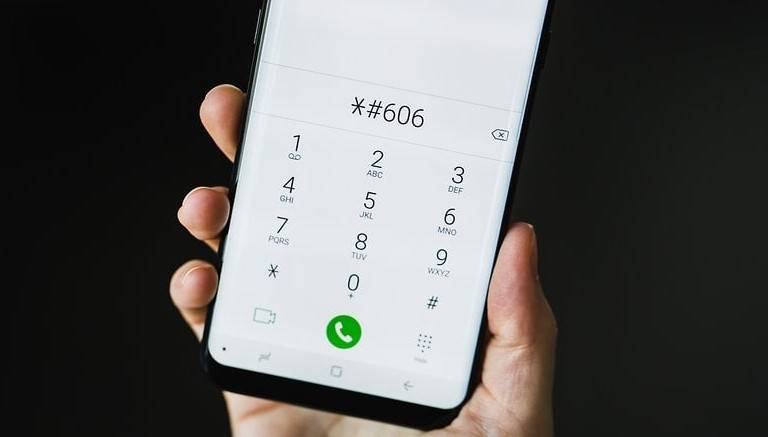
MMI codes are combinations of numbers, asterisks (*), and hash signs (#) entered in a phone dialer. Some show device information, some request carrier services, and others open manufacturer-specific test menus. This list of MMI codes for Android, including Samsung, helps you understand what each code may do and when it may not work.
Start with common read-only codes, check your phone brand for additional options, and follow the troubleshooting steps if you see an invalid MMI code error. Never try an unfamiliar reset or service code simply because it appears in an online list.
 Verify your device info safely in one click
In this article

Part 1. What is an MMI Code?
MMI stands for Man-Machine Interface. On mobile phones, dialer codes can be interpreted by the device or by the mobile network. Some codes are standardized service requests, while others are manufacturer-specific shortcuts. The same sequence may behave differently or fail on another model.
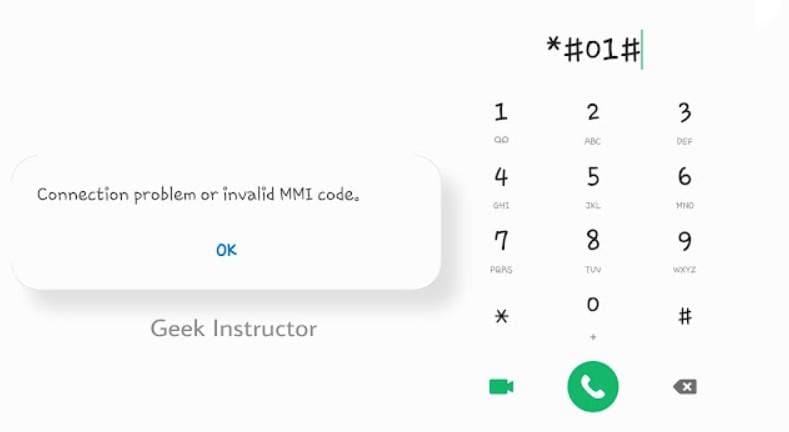
For example, *#06# commonly displays the IMEI on supported phones. Other codes depend on the device, Android or One UI version, carrier, and region. A code listed below is not a guarantee that the feature exists on your phone.
Difference Between MMI Codes, USSD Codes, & Secret Dialer Codes
These terms overlap. USSD is used for interactive network services; MMI covers dialer commands and service codes more broadly; manufacturer secret codes often open device-specific diagnostic menus. Compare their usual roles below.
| Feature | MMI Codes | USSD Codes | Secret Dialer Codes |
|---|---|---|---|
| Meaning | Numbers and symbols to access phone or network features | Codes to talk with mobile network services | Hidden codes for advanced settings or tests |
| Purpose | Check IMEI or call forwarding | Check balance, plans, or offers | Open diagnostic menus on supported devices |
| How It Works | Processed by phone or network | Sent to the network for instant reply | Works locally on the device |
| Examples | *#06#, *#21# | *123#, *111# | *#0*# (some Samsung models); *#*#4636#*#* (some Android builds) |
| Network Need | Depends on the code | Always needs a network | Mostly works offline |
| Visibility | Shown on screen | Shows quick reply | Hidden, for experts |
| Availability | Varies by phone and service | Varies by carrier | Varies by model, software, and carrier |
| Ease | Medium | Easy | Hard |
Part 2. List of MMI Codes — Secret MMI Code List You Should Know
Use this list of MMI codes as a reference, not a universal Android command sheet. Start with information-only checks. The older or manufacturer-specific entries may be disabled on recent firmware, and some advanced menus can change settings.
Compatibility note: Many codes below were documented on older Android builds. Treat non-IMEI commands as model-specific references; avoid modifying service-menu settings, and do not use reset or wipe codes from unofficial lists.
Common Android Dialer Codes (Availability Varies)
| Code | Function |
|---|---|
| *#06# | Shows the IMEI on supported phones (also available in Settings > About phone) |
| *#07# | May show regulatory or SAR information on some devices |
| *#*#4636#*#* | Phone information/testing menu on some Android builds; not universal |
| *#*#44336#*#* | Software version and update info (older devices only; verify support) |
| *#*#3264#*#* | RAM version (older devices only; verify support) |
| *#*#426#*#* | Google Play Services diagnostic report (older devices only; verify support) |
| *#*#2664#*#* | Touchscreen test (older devices only; verify support) |
| *#*#232331#*#* | Bluetooth test (older devices only; verify support) |
| *#*#232339#*#* | Wi-Fi/WLAN test (older devices only; verify support) |
| *#*#1575#*#* | Full GPS test |
| *#*#0842#*#* (older devices only; verify support) | Vibration and backlight test (older devices only; verify support) |
| *#0782# | Clock test (older devices only; verify support) |
Device-Specific MMI Codes
1. Samsung Galaxy (Selected Models)
| Code | Function |
|---|---|
| *#0*# | Hardware test menu on supported Galaxy models; may be restricted |
| *#011# | Network details and serving cell information (availability varies by model and firmware) |
| *#0228# | Battery status (availability varies by model and firmware) |
| *#0808# | USB settings (availability varies by model and firmware) |
| *#1234# | Software version/Model details (availability varies by model and firmware) |
| *#7353# | Quick test menu (availability varies by model and firmware) |
| *#9900# | System dump mode (availability varies by model and firmware) |
| *#34971539# | Camera firmware info (availability varies by model and firmware) |
2. Huawei
| Code | Function |
|---|---|
| *#*#2846579#*#* | Project menu |
| *#*#0000#*#* | About phone |
| *#*#225#*#* | Calendar info |
| *#*#426#*# | FCM diagnostics |
3. Motorola
| Code | Function |
|---|---|
| *#*#2486#*#* | Open Engineering mode |
| *#07# | Show regulatory info |
| ##7764726 | Hidden menu (Motorola Droid) |
4. OPPO/Realme
| Code | Function |
|---|---|
| *#800# | Accesses a log function or a diagnostic test menu |
| *#899# | Engineer mode |
| *#67# | Call forwarding check |
| Step 2. Review what will be reset and follow the confirmation prompts. Do not select an option to erase eSIMs unless you intend to remove an eSIM and have a way to reactivate it. | Screen test |
| *#*#3264#*#* | RAM version |
| *#888# | PCB version info |
| *#6776# | Display software version/device info |
5. Xiaomi
| Code | Function |
|---|---|
| *#*#64663#*#* | Hardware diagnostic and quality check menu |
6. OnePlus
| Code | Function |
|---|---|
| *#66# | IMEI and MEID (encrypted) |
| *#888# | PCB motherboard version |
| *#1234# | Software version |
| *#*#197328640#*#* | Service mode |
7. Nothing
| Code | Function |
|---|---|
| *#*#682#*#* | Opens the offline update tool |
Part 3. Where to Find More MMI Codes?
Need a code for your exact phone? Check the manufacturer support materials or ask your carrier before trying a sequence that changes network or service settings.
- Manufacturer Websites
Official support pages often describe safe ways to find an IMEI, run diagnostics, or review phone information. They may not publish every service code. Match instructions to your specific model and software version.
- Online Resources
Community posts and videos can be useful leads, but are not official verification. Check the device model, Android version, posting date, and whether the command changes settings before trying it.
Pro Tip. Use Dr.Fone Online Unlock to Check Your Android Phone's Authenticity
After checking your IMEI with *#06# or Settings, you can use Dr.Fone Online Unlock to request available device-status information. The report options, coverage, and any fees depend on the device and service. An IMEI check alone cannot guarantee that a phone is genuine or free of every lock.
Open the official service, choose the relevant IMEI check, and enter the IMEI from your own phone. Review the information shown and confirm any important status with the manufacturer or carrier.
Dr.Fone Online Unlock - IMEI Check
Check available IMEI and device-status information; coverage varies by model and region.
- Check the available lookup options before proceeding.
- Use the official Dr.Fone Online Unlock website.
- Available status details depend on the lookup service.
- Region and device coverage can vary.
- Review results and confirm critical details with your carrier or manufacturer.
Verify your device info safely in one clickGuide to Check Available Phone Details with Dr.Fone Online Unlock
Here is a quick example of checking the available information using your IMEI. Menu names and report options may change.
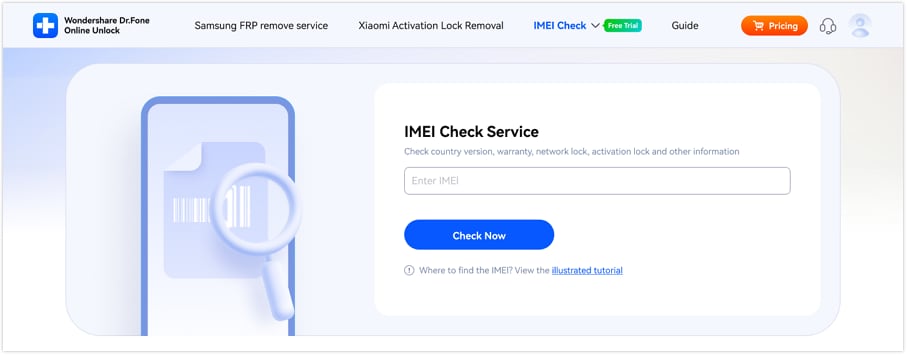
01of 02Access the Tool and Head to the IMEI Check Tab
Open the official IMEI Check service, choose a supported lookup, and enter the IMEI you found on your device. Follow the on-screen prompts.
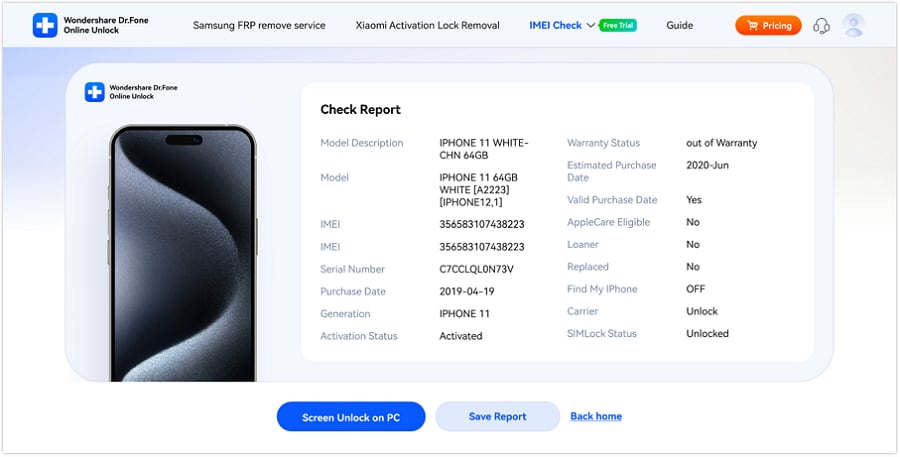
02of 02Check the Samsung Details and Save the Report
Review any returned information. If a report-download option is offered, follow the instructions shown. Do not assume every status can be confirmed from an IMEI alone.
Verify your device info safely in one click
Part 5. How to Fix an Invalid MMI Code on Android
An invalid MMI code error can mean the code is typed incorrectly, unsupported on your device, or unavailable through your carrier. Try the checks below, starting with the least disruptive.
Way 1. Change the Code
Recheck every digit and the * and # symbols against a trustworthy source. Do not add commas, plus signs, or other characters at random: doing so changes the command. If a code is not supported, use Settings or your carrier’s official method instead.
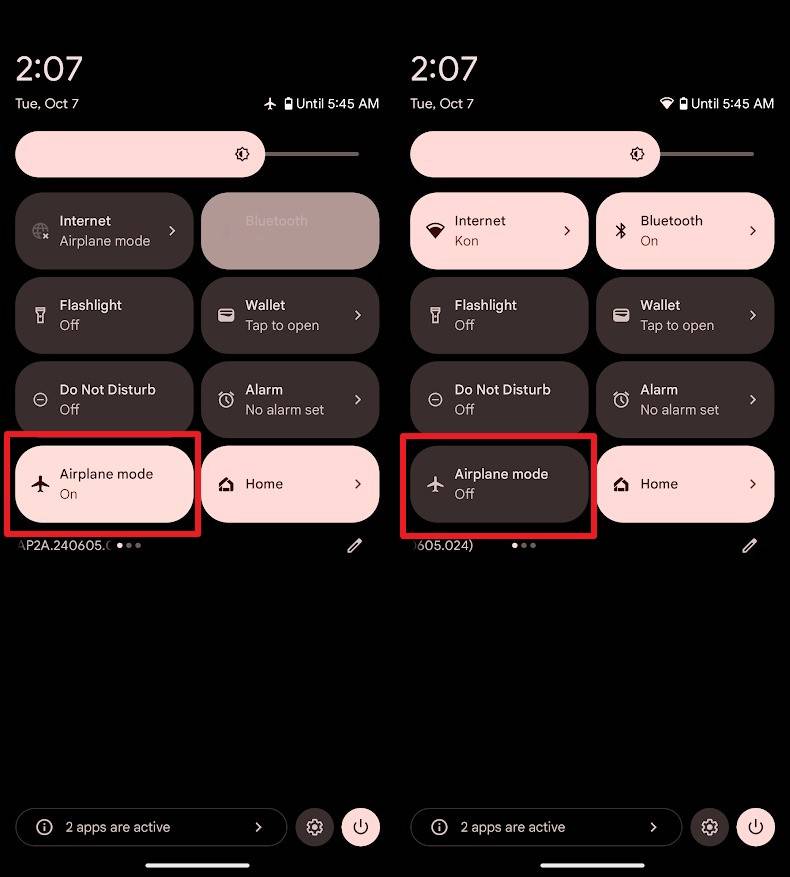
Way 2. Enable and Disable Airplane
If a carrier-dependent code stops working because of a temporary network issue, toggle Airplane mode on and off, then try again. This will not make an unsupported manufacturer code work.
Instructions: Open Android Quick Settings, turn on Airplane mode for about 10–30 seconds, then turn it off. Retry only after mobile service reconnects.
Way 3. Restart Android Device
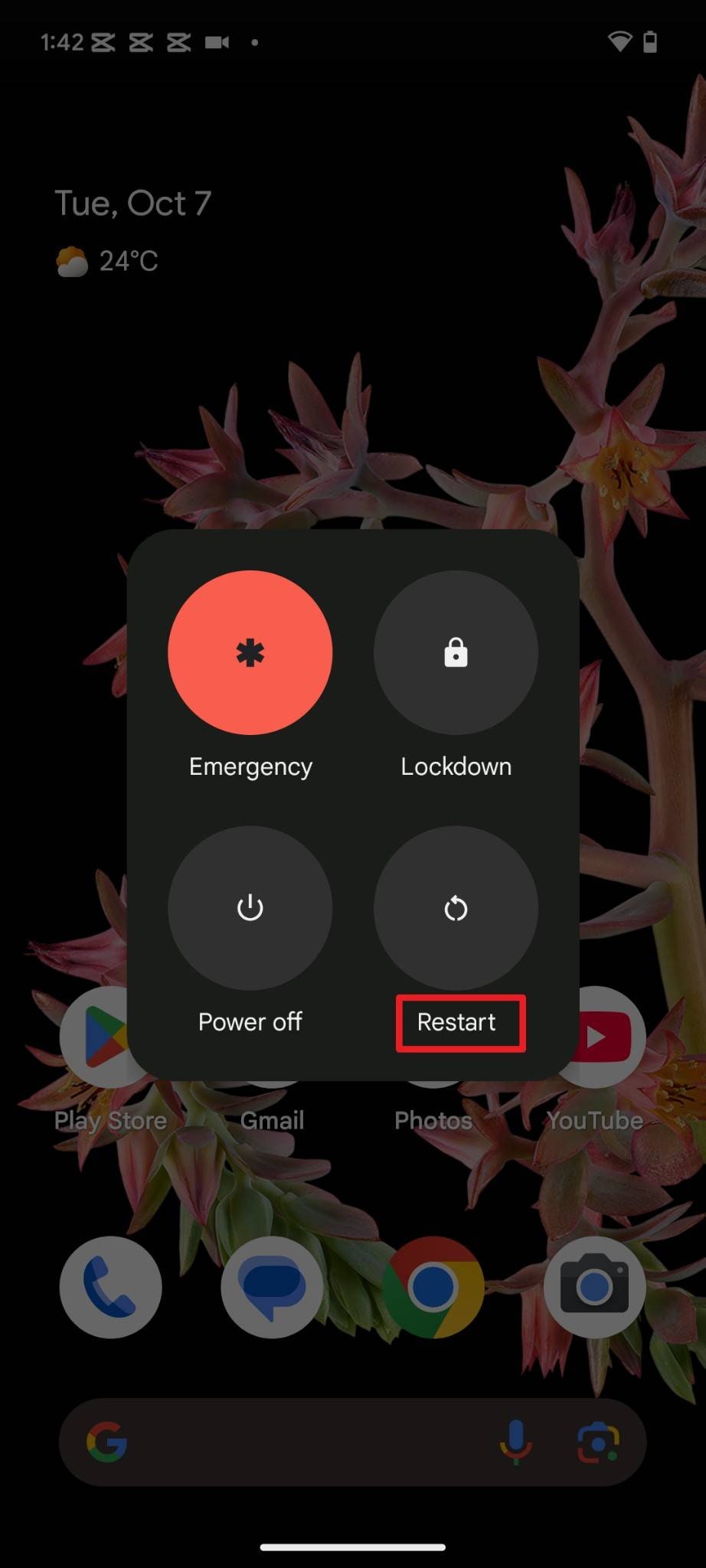
Restarting your phone can clear a temporary dialer or mobile-network issue. The restart method varies by model, so use your device’s regular power menu.
Instructions: Open the phone’s power menu and choose Restart. After mobile service returns, try the verified code again.
Way 4. Reset Network Settings
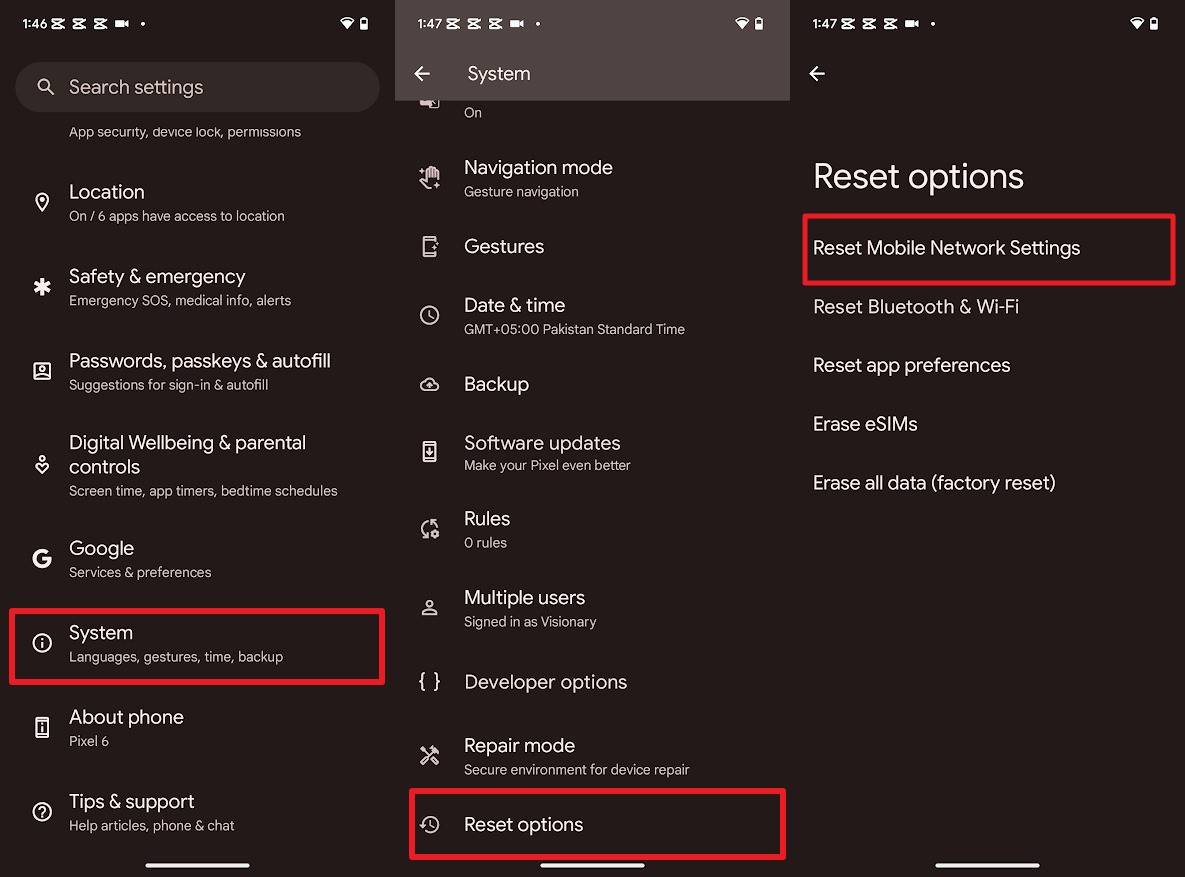
Resetting mobile network settings may help with carrier-service errors, but it is not a general fix for unsupported secret codes. This can remove saved network preferences, so use it only after simpler checks fail.
Step 1. In Settings, search for Reset mobile network settings or Reset network settings. The path varies by Android version and brand.
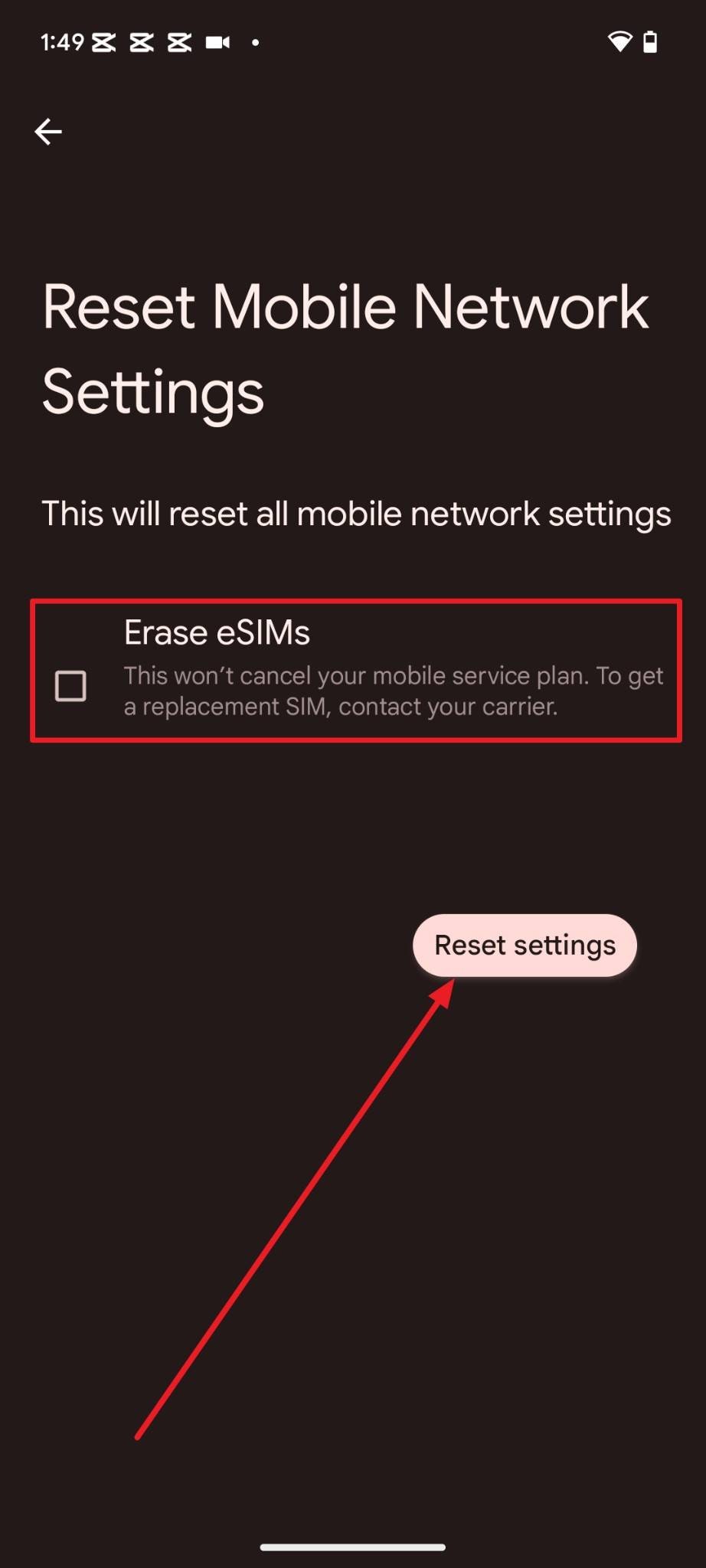
Step 2. On the new screen, decide whether to toggle the "Erase eSIMs" option, hit the "Reset Settings" option, and enter your device passcode.
Way 5. Restart the Device and Reinsert the SIM
If a physical SIM appears unrecognized, turn the phone off and check that the SIM is properly seated, then restart. Do not attempt to remove an eSIM. If the code still fails, ask your carrier whether the service code is supported.
Part 6. Tips for Using MMI Codes on Android
Use these checks to avoid errors or unintended settings changes when reading an MMI code list.
| Tip | Description |
|---|---|
| Double-Check Code Format | Enter codes exactly as shown with correct * and # symbols. Even a small mistake can stop them from working or cause errors. |
| Test Hardware Components | On supported Samsung phones, *#0*# may open hardware diagnostics. Otherwise use Samsung Members or the manufacturer’s diagnostic app. |
| View Device Info Quickly | Use *#06# where supported to find your IMEI, or check Settings > About phone. Other testing codes are model-dependent. |
| Access Hidden Menus | Do not open unfamiliar engineering or service menus; some can change system or network settings. |
| Save Trusted Code Lists | As codes vary by brand or Android version, bookmark reliable sources to ensure safe and accurate use. |
Conclusion
A useful MMI code list distinguishes common information checks from device-specific service menus. Start with *#06# when you need your IMEI, confirm the code against your model and carrier, and stop if a command is unknown or unsupported. If you need more device-status details, Dr.Fone Online Unlock offers available IMEI lookup options, but results do not replace official verification.
Verify your device info safely in one click
FAQs
-
Q: Do MMI codes work on all carriers and regions?
MMI codes do not work on every network or device. Carrier, country, software version, and manufacturer restrictions can change which commands are supported. If a code fails, check your carrier or phone maker’s instructions.
-
Q: Are MMI codes safe to use on any Android phone?
Information-only commands, such as *#06# on supported phones, are generally low risk. Some service and engineering commands can change settings or erase data, so do not try an unfamiliar code without device-specific guidance.
-
Q: Can I create or customize my own MMI codes?
You cannot assign your own system-level or carrier MMI commands through the normal dialer. App shortcuts and automation tools are different from manufacturer or network service codes.



James Davis
staff Editor
Generally rated4.5(105participated)