Resolve common problems and system crashes on both iPhone and Android devices.

 100% Security Verified | No Subscription Required | No Malware

 :
: 
 ChatGPT
 Perplexity
 Gemini
 Claude
 Grok
Grok
Connecting your iPhone to a computer is a fundamental task for backing up data, syncing media, or performing system restores. However, many users encounter a frustrating wall: iTunes not detecting iPhone despite a physical connection. This issue can manifest as a complete lack of response, an unknown 0xE error, or the device icon simply failing to appear in the iTunes interface.
Whether you are using a high-end Windows PC or a modern Mac, these connection hurdles can stem from software glitches, driver mismatches, or hardware failures. In this 2026 troubleshooting guide, we will walk you through the most effective methods to resolve situations where iTunes won't recognize iPhone, ensuring you can manage your device without further stress.
In this article
Part 1. Essential Checklist Before Troubleshooting
Before diving into complex technical fixes, it is vital to rule out basic physical and software oversight. Often, the reason for iTunes not recognizing iPhone is a simple setting or a faulty peripheral. Go through this checklist to see if a quick fix is available.
-
Step 1Check Software Compatibility
Verify that you have the most recent version of iTunes. An outdated build may lack the necessary protocols to communicate with newer iOS versions, leading to connection failures.
-
Step 2Power Status and Unlocking
Ensure your iPhone is powered on and unlocked. If the device is on the Lock Screen, iTunes may not gain permission to access the internal file system.
-
Step 3The 'Trust' Prompt
When you connect your device, look for the 'Trust This Computer' alert on your iPhone screen. Tap 'Trust' and enter your passcode to establish a secure handshake.
-
Step 4Inspect Cables and Ports
Disconnect all third-party USB peripherals. Try different USB ports on your computer and always use an original Apple Lightning or USB-C cable to rule out hardware damage.
Part 2. Reinstall or Update iTunes on Windows and Mac
Software conflicts are a leading cause of iTunes not detecting iPhone. If your software is buggy or installation files are corrupted, a clean update or reinstallation is necessary. Depending on whether you are using macOS or Windows, the update process differs slightly.
Updating iTunes on macOS
On modern Macs, iTunes functionality is integrated into the App Store and Finder. To ensure your system can communicate with your iPhone, you must keep macOS and its components up to date.
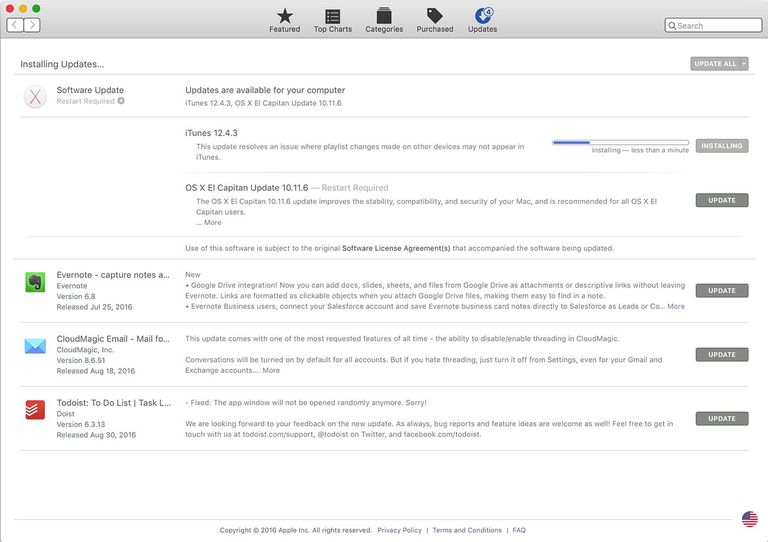
- Close any running instances of iTunes or Finder.
- Open the Apple Menu at the top-left corner and select App Store.
- Navigate to the Updates tab. If a system update or iTunes-related update is listed, click 'Update'.
- Wait for the process to complete and restart your Mac.
Updating iTunes on Windows
Windows users often face more issues due to driver variations. Whether you downloaded iTunes from the Microsoft Store or Apple’s website, keeping it current is paramount.
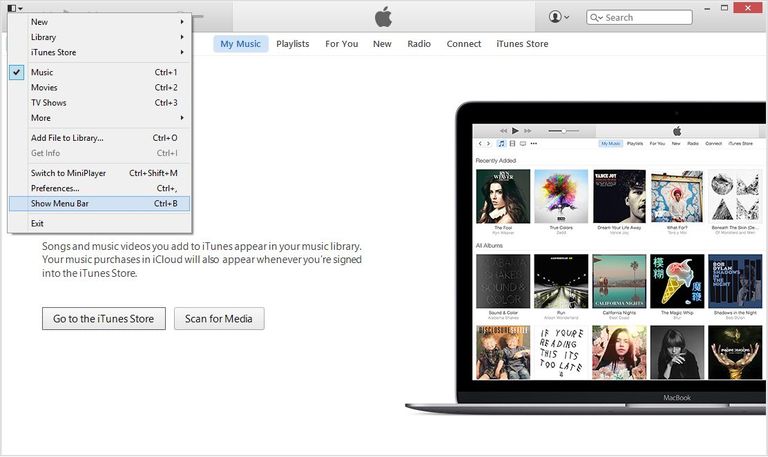
If your manual update fails, you can use the built-in Apple Software Update tool. Simply click the Start button, search for 'Apple Software Update', and run it to check for any pending components for iTunes or iCloud. If the software continues to malfunction, consider using a professional repair tool to fix underlying iOS system issues that might be blocking the connection.
 Fix iOS issues, no data loss.
- One-click repair for all iOS problems.
- Solve recovery mode, Apple logo, black screen, etc.
- Upgrade or downgrade iOS without iTunes
Part 3. Update iPhone Drivers and Apple Services on Windows
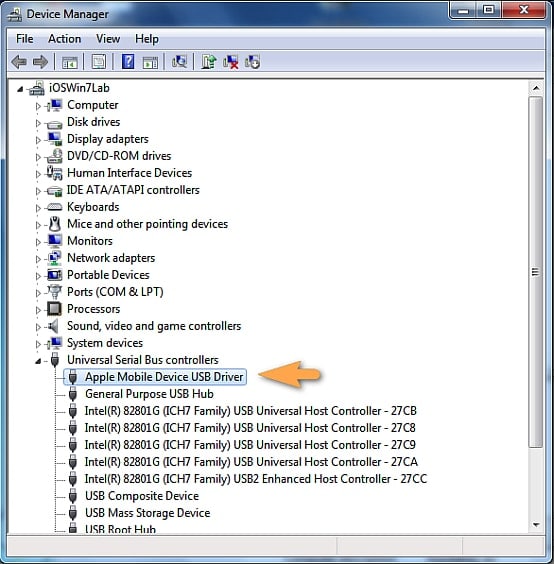
Windows relies on specific drivers to recognize mobile devices. If these drivers are outdated or missing, you will find iTunes not recognizing iPhone. Updating the Apple Mobile Device USB Driver is a technical but effective way to force a connection.
-
Step 1Access Device Manager
Right-click the Start button and select Device Manager. Ensure your iPhone is connected via USB during this process.
-
Step 2Locate USB Controllers
Expand the section labeled Universal Serial Bus controllers. Look for the Apple Mobile Device USB Driver.
-
Step 3Update the Driver
Right-click the driver and choose Update driver. Select 'Search automatically for updated driver software' and follow the prompts to install any found files.

Part 4. Reset iPhone as a Final Resort
If all software-based solutions fail and the connection remains dead, the issue might lie within the iPhone's internal firmware. Performing a factory reset can clear deep-seated system errors, though it will erase your data. Use this only if you have no other choice.
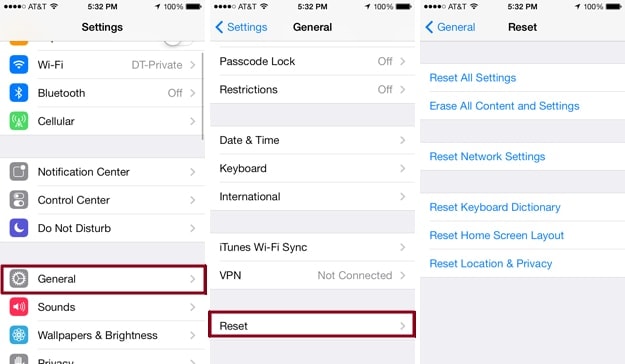
To learn the detailed steps on how to safely reset your device, you can visit the expert guide on how to factory reset iPhone. Before doing this, we recommend using a management tool to try and salvage your data or fix the system without total deletion.
Conclusion
Fixing iTunes not detecting iPhone is usually a matter of systematic troubleshooting, from checking your cables to updating drivers. By following the checklists and technical steps outlined in this 2026 guide, you can restore functionality and ensure your iPhone remains perfectly synced with your computer. If standard methods fail, professional system repair tools offer a safer alternative to a full factory reset.
FAQ
-
1. Why is my iPhone not showing up in iTunes but charging?
If your device is charging but not appearing in iTunes, it often indicates that the USB cable's data transfer wires are broken, or the USB driver is outdated. Try a different Apple-certified cable and update the Apple Mobile Device USB Driver. -
2. What should I do if I don't see the 'Trust This Computer' alert?
If the prompt doesn't appear, try resetting your Trust Settings on the iPhone by going to Settings > General > Transfer or Reset iPhone > Reset > Reset Location & Privacy. Reconnect the device to trigger the alert. -
3. Can a third-party antivirus block iTunes from recognizing iPhone?
Yes, some security software may flag the connection as a threat. Temporarily disable your antivirus or firewall to check if it resolves the detection issue. -
4. How do I fix the 0xE error in iTunes?
The 0xE error usually points to a communication conflict. Restarting both devices, updating iTunes to the latest version, and switching USB ports are the most effective first steps to clear this code.
 Add Wondershare Dr.Fone as a preferred source on Google