iPhone Lagging? 11 Proven Fixes to Make It Smooth Again [2026 Guide]
Selena LeeOriginally published Jul 27, 2026, updated Oct 24, 2026
:
TL;DR:
If your iPhone is experiencing severe lag, the most effective immediate solutions involve clearing system resources and adjusting background settings.
Clear System Junk: Accumulated cache and old app files consume crucial memory, drastically slowing down operations on older models like the iPhone 7.
Disable Background App Refresh: Preventing applications from constantly updating in the background reduces CPU strain and instantly improves responsiveness.
Reduce Transparency & Motion: Turning down complex visual effects in Accessibility settings relieves processing burden, particularly beneficial for aging hardware.
Why is my iPhone lagging all of a sudden? Especially when typing, using apps, or navigating menus, my iPhone 7 is lagging and freezing constantly. What are the best ways to stop lagging and restore its speed?
Recent User Query
The iPhone is universally recognized as a robust and premium device compared to the average smartphone on the market. It is specifically engineered for longevity and seamless performance, which explains why iPhones tend to maintain an incredibly high resale value over the years. However, despite its impressive architecture, it is not entirely immune to performance bottlenecks like iPhone 14 lagging or iPhone 7 lagging and freezing over time.
Experiencing iPhone lagging is undoubtedly frustrating and disruptive. It forces you to pause and wait just to execute basic tasks—a sluggishness that certainly wasn’t there when the device was new. In more severe cases, a phone lagging issue might cause it to take unusually long to start up, or the screen may completely freeze during boot sequences, leaving users worried about permanent hardware damage.
Generally speaking, a lagging iPad or iPhone is a direct result of how we utilize our devices and the specific load we place on them. For instance, accumulating too many large applications, media files, or background processes can severely clog your internal memory and overwhelm your CPU capabilities. Consequently, whether you own an older device or a flagship, your iPhone starts lagging and freezing altogether due to processing exhaustion.
Furthermore, it is worth noting historical software shifts. Back around 2017 to 2018, numerous users began heavily reporting that their phones were suddenly behaving sluggishly immediately after a major iOS firmware update. Apple later clarified that specific power-management updates were released to intentionally slow down older iPhones to prevent unexpected shutdowns caused by chemically aged batteries. Therefore, if you are constantly asking 'why is my iPhone lagging', the fault doesn’t lie entirely with your usage habits.
Modern software updates are typically optimized for newer devices equipped with faster multi-core CPUs, enhanced memory (RAM), and brand-new batteries. When older components try to keep up, system delays become inevitable.
This comprehensive guide is designed to shed more light on why your iPhone or specific heavy applications—such as Snapchat lagging—slow down your experience, and we provide actionable, highly effective solutions to stop lagging permanently.
Some of the most common and noticeable situations when your iPhone is lagging include simple interactions like typing on the default keyboard. This is an incredibly common problem reported by iPhone 14 and iPhone 6 plus lagging users, where the keyboard might not only be frustratingly unresponsive, but text predictions may also stop showing entirely or get hidden behind visual glitches.
This unresponsiveness is remarkably consistent with scenarios involving an iPhone lagging after iOS 16 update. Firmware updates are complex; they always carry either exciting new features or essential bug fixes. Either way, executing an update brings an influx of new, heavy software components to your device's core system. Unfortunately, these new codebases can sometimes carry unexpected bugs or compatibility errors that can, as a result, cause your iPhone to malfunction and throttle in various ways.
Such system-level malfunctions are usually also highly noticeable when engaging with resource-heavy third-party applications like WhatsApp, Instagram, and particularly scenarios involving Snapchat lagging. Because these third-party apps operate heavily on your iPhone’s underlying OS, a minor system update or memory shortage can cause them to freeze or crash instantly. At this point, the iPhone or iPad lags severely when simply starting the app, and in some frustrating cases, the app randomly closes back to the home screen.
Furthermore, a critically low battery charge or a significantly degraded battery health status can directly cause your iPhone to lag. This performance drop happens because the operating system intentionally restricts processor speeds since there is not enough stable power available to safely support its high-performance operations without risking a sudden shutdown.
However, you do not have to endure a slow device. There are robust, proven solutions you can implement on your iPhone right now to effectively stop the lag and restore peak performance. Below are 11 of the most effective solutions.
Part 2. 11 solutions to fix the iPhone lagging
Fix iPhone Lagging
Solutions to stop iPhone lagging quickly and safely include the following techniques:
2.1 Clear system junk data in your iPhone
Dr.Fone - Data Eraser
Erase iOS & Android Data Permanently
Permanently erase all data on iOS & Android — completely unrecoverable.
Military-grade wiping to fully protect your privacy.
Generate verified erasure reports to boost device resale value.
Selectively erase private data and remove junk & large files.
Daily system operations automatically lead to the creation and accumulation of hidden junk files. These invisible files include cached code used to facilitate updates, leftover files from the installation of an app, image thumbnails for pictures that have already been deleted, alongside numerous other temporary content blocks. As a result of this constant buildup, the heavy accumulation of junk files ultimately causes your iPhone to lag since there is virtually no ‘breathing space’ or free memory left for your iOS to operate smoothly.
Therefore, to truly stop lagging, you’ll have to wipe out these hidden junk files completely, and one highly efficient and secure way to do so is by using the Dr.Fone - Data Eraser tool. It goes deep into the system to clear out residual files that standard manual deletion misses.
Note: But take care. If you'd like to completely remove the Apple account after you forgot the Apple ID password, it's highly recommended to use Dr.Fone - Screen Unlock (iOS) instead. It will securely erase the iCloud account and activation lock from your iOS devices.
So, how can you rapidly wipe off junk files with Dr.Fone - Data Eraser?
Step 1 Connect and Launch
To start the process to stop your phone lagging, make sure you have Dr.Fone - Data Eraser correctly installed and launched on your computer. Connect your iPhone via a reliable USB cable.
Step 2 Select Erase Junk Files
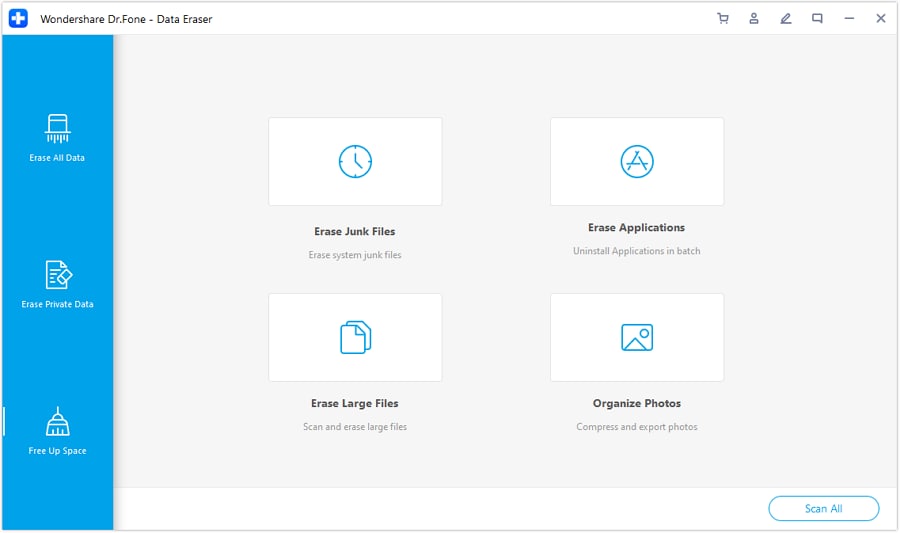
Click on the Data Eraser feature from the main interface. Connect your phone, then strategically select the "Free Up Space" menu located at the bottom. On the left pane is the first dedicated option, "Erase junk files". Click on it to initiate.
Step 3 Scan and Select Junk Data
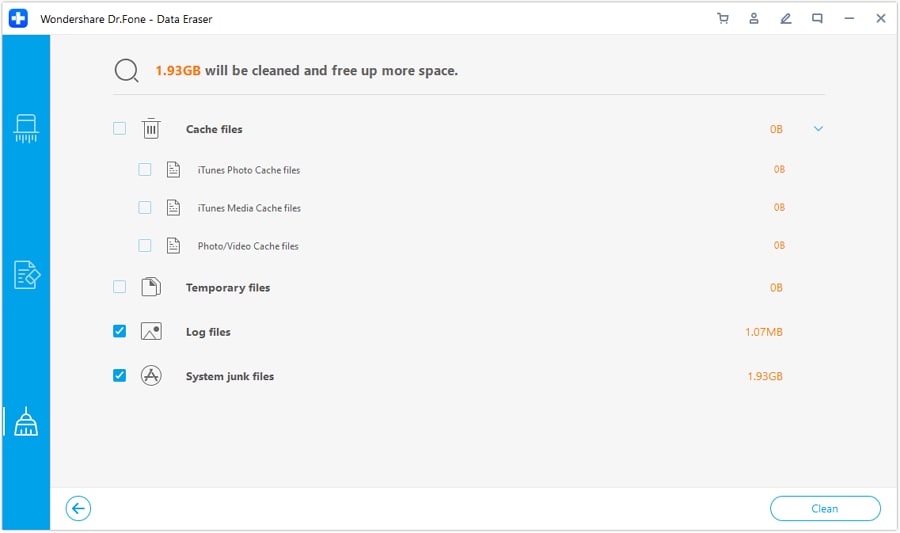
The software then meticulously scans and displays all found system junk files causing your iPhone 7 lagging and freezing. On the left are convenient checkboxes for you to mark, and on the right are their exact storage sizes. Select all the unnecessary data you don’t need and click on "Clean".
Step 4 Complete the Cleanup
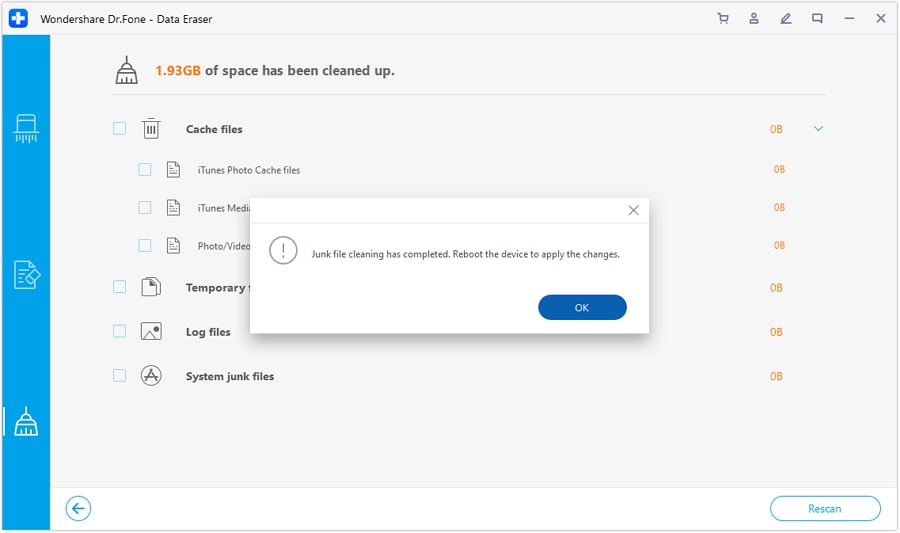
When the system cleaning is entirely complete, the next results window opens up to clearly show the total amount of gigabytes or megabytes of space freed. At this point, you can also seamlessly do a rescan to ensure your phone lagging issue is completely resolved.
Most large files secretly hoarding space on your iPhone include high-definition videos, 4K camera roll recordings, and downloaded movies. Additional data clogging your storage can be the streaming movies you have already watched or the bulky WhatsApp video forwards you no longer need. To precisely remove such massive items that cause an iPad lagging experience, utilize Dr.Fone - Data Eraser for bulk management.
Step 1 Access Large File Eraser
Back at the main "Free Up Space" tab is the highly specific option to "Erase Large Files". Click on it to proceed.
Step 2 Scanning for Bulky Data
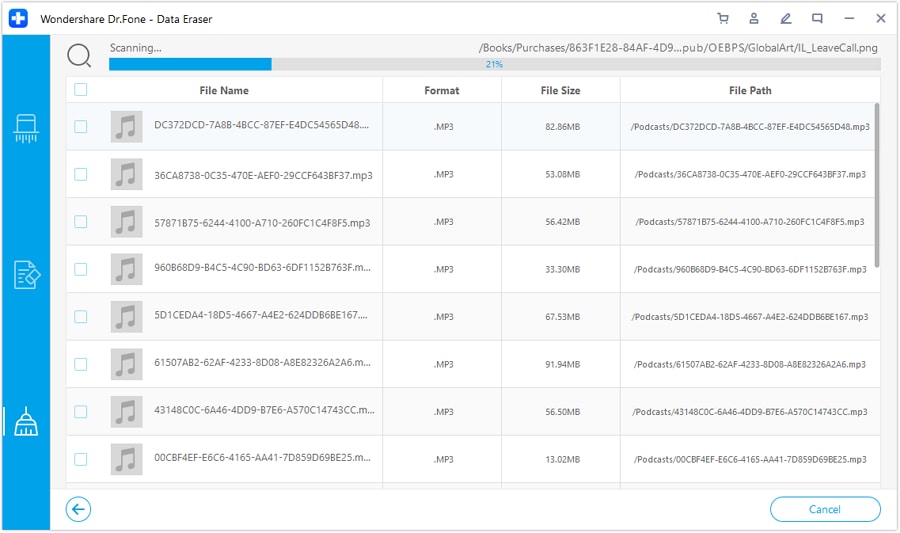
The program immediately starts heavily searching your entire device directory for these storage-hogging files.
Step 3 Filter and Delete
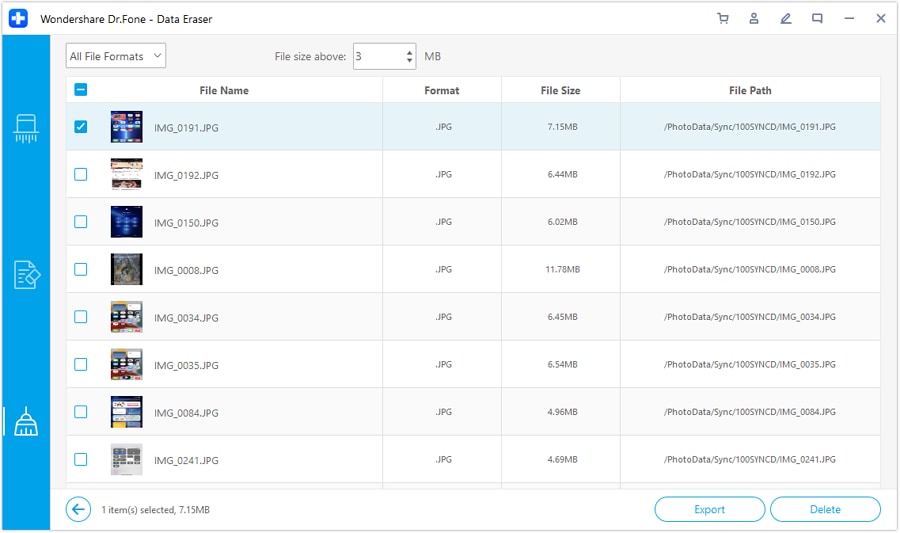
Files safely detected will be comprehensively shown in a detailed list. The window thoughtfully provides drop-down menus at the top for easily applying filters in file formats (like MP4 or MOV) and sizes. After accurately filtering, you can selectively mark the files to wipe out and click either "Delete" or "Export". Both reliably get rid of data on your iPhone while potentially saving them safely on your computer.
2.3 Quit all running apps
You will generally find it easier and faster to access an active app right from the iOS app switcher as opposed to constantly clicking on the app icon itself on the home screen. The app switcher essentially lets you quickly pick up exactly from where you left off. But what happens if these suspended apps become overwhelming for the RAM? Well, at this point, your iPhone 6 plus lagging becomes evident, and you’ll have to manually close some of them to free up operational memory.
To do so efficiently on your iPhone 6, 7, or SE models:
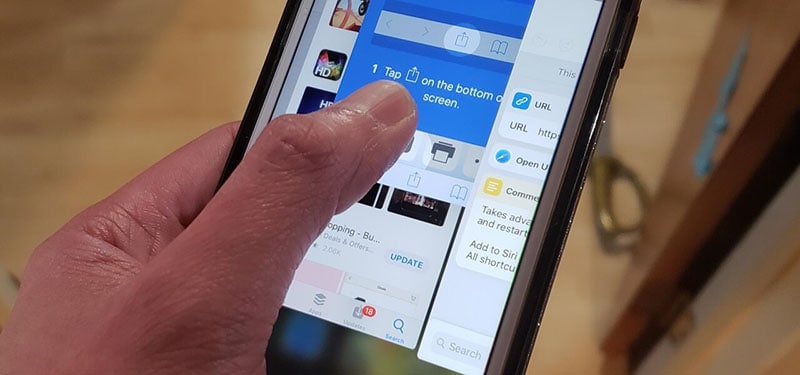
Step 1: First, firmly press the physical Home button twice in quick succession to vividly access your multi-tasking app switcher.
Step 2: Swipe gently to and from the sides to visually go through various suspended apps. Swipe directly up on the app preview card to permanently get rid of the running background process.
You can also rapidly get rid of multiple running apps simultaneously by swiping up with three fingers at the same time.
iPhone 8, iPhone X, and all newer iPhone users have absolutely no physical Home button. Therefore, you’ll have to utilize gesture controls:
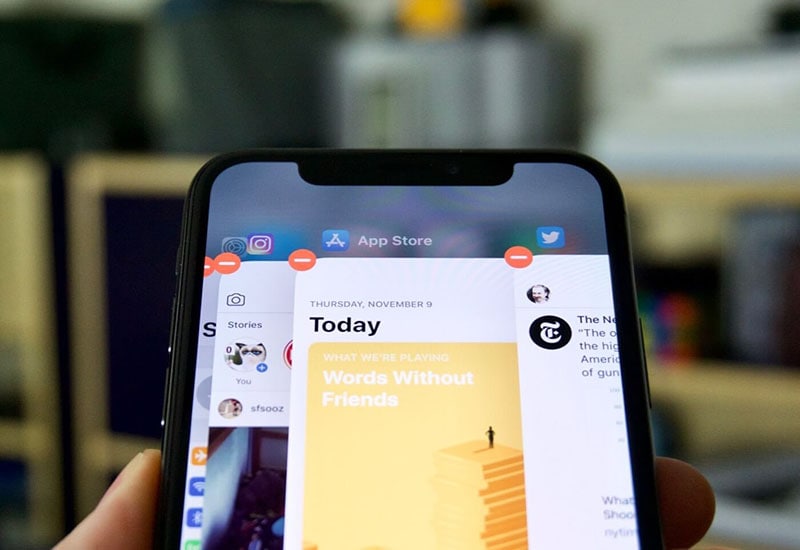
Step 1: To start the process, simply from the very bottom edge of the screen, swipe up and hold slightly in the middle. This gesture will fluidly bring up the app switcher interface.
Step 2: Now, carefully long-press on any app preview card until the red minus circle boldly appears at the top left for you to delete. (On newer iOS versions, you can just swipe up directly without long-pressing).
If you don't explicitly see the red circle in the app switcher layout, you can simply swipe the targeted app up and entirely off the top of the screen. This decisive action will instantly remove the app from the active list of running apps and fully close its background processes. Repeat this satisfying swipe-up gesture for each app you passionately want to quit until all the unnecessary running apps have been successfully closed.
2.4 Restart your iPhone
Restarting an iPhone is a remarkably easy operation but remains a highly helpful and foundational way to rapidly fix various complex issues such as unexpected app crashes, notoriously slow performance, Snapchat lagging, and an array of other hidden software-related problems. It flushes the RAM and clears basic processor queues.
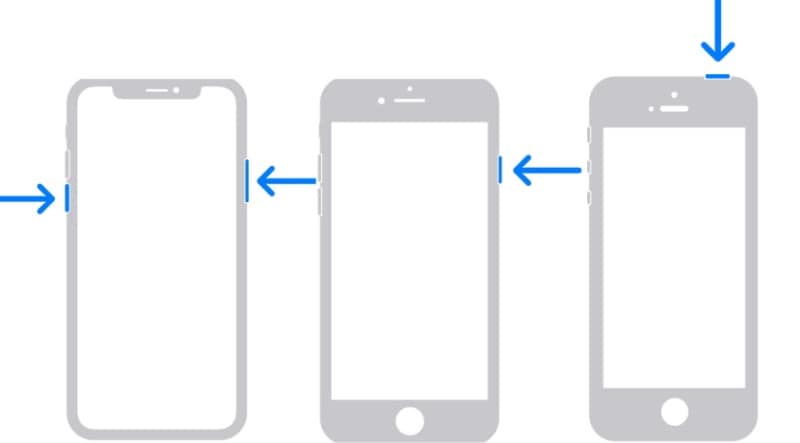
1. To successfully restart iPhone X, iPhone 11, iPhone 12, iPhone 13, iPhone 14, and newer modern models:
Firmly press and hold the right side button and either the volume up or down button simultaneously, then drag the on-screen slide to power off. To cleanly turn it back on, simply press and hold the side button until the iconic Apple logo emerges.
2. To correctly restart iPhone 6, iPhone 7, iPhone 8, or the iPhone SE (2nd/3rd gen):
Press and hold the designated side button, then drag the corresponding slide to power off. To securely turn it back on, firmly press and hold the side button.
3. To easily restart the original iPhone SE (1st gen), iPhone 5, and earlier vintage models:
Press and gently hold the top power button, then slide to power off. To power it back up, press and firmly hold the top button.
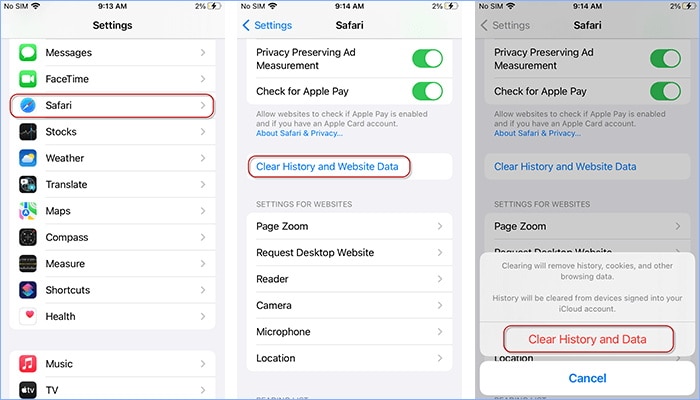
2.5 Clear Safari junk data
Over time, a massive amount of browser junk files, explicitly including search history, cached website assets, heavy tracking cookies, and even outdated bookmarks, may be secretly causing your iPhone to lag during daily use. Clearing this accumulated Safari junk data can dramatically help free up vital storage space and can also significantly improve the overall speed and scrolling performance of the Safari browser itself.
To do so manually straight from your iPhone settings:
Step 1: Confidently go to the main Settings menu on your home screen and tap on "Safari".
Step 2: Then, scroll down carefully and select "Clear History and Website Data".
Step 3: Lastly, tap boldly on the red "Clear History and Data" confirmation tab.
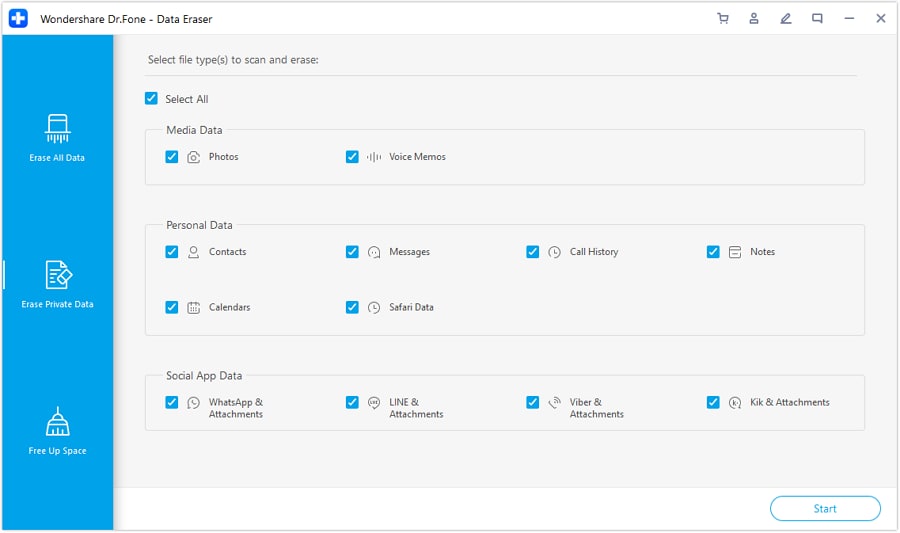
For a much deeper and strictly irrecoverable cleanse, use Dr.Fone - Data Eraser to completely clear Safari junk data and ensure total privacy.
Step 1 Select Private Data Erase
First of all, to masterfully use Dr.Fone - Data Eraser, ensure your iPhone is properly connected to the PC. Select the highly secure "Erase Private Data" tab clearly visible on the left column.
Step 2 Scan Browser Data
On the broad right panel, precisely select the exact type of data to scan (such as Safari data) and firmly click on the blue "Start" option.
Step 3 Erase Safely
When the deep scanning is 100% complete, highly specific details of the found Safari cache are shown. You can now securely and permanently erase the selected data.
2.6 Delete useless apps
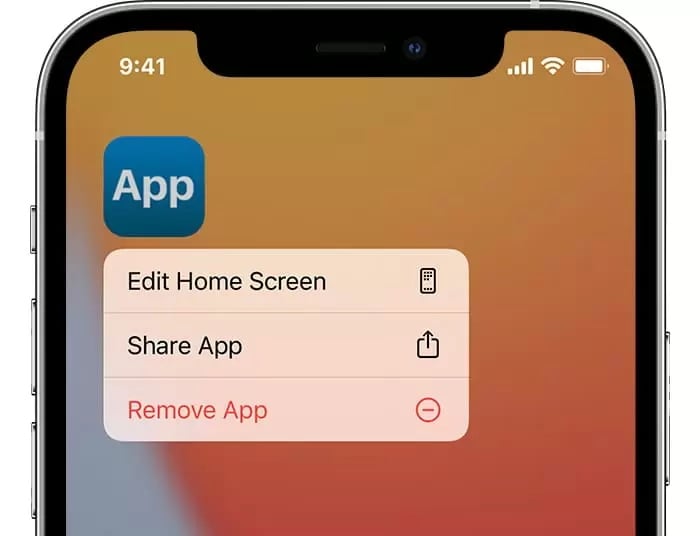
If an app is no longer serving a purpose, it’s just dead weight consuming precious processor indexing capacity. On the iPhone home page, simply press and continuously hold the targeted app icon until the "Remove App" popup dynamically appears. Tap "Remove App" to instantly delete the app you want to discard.
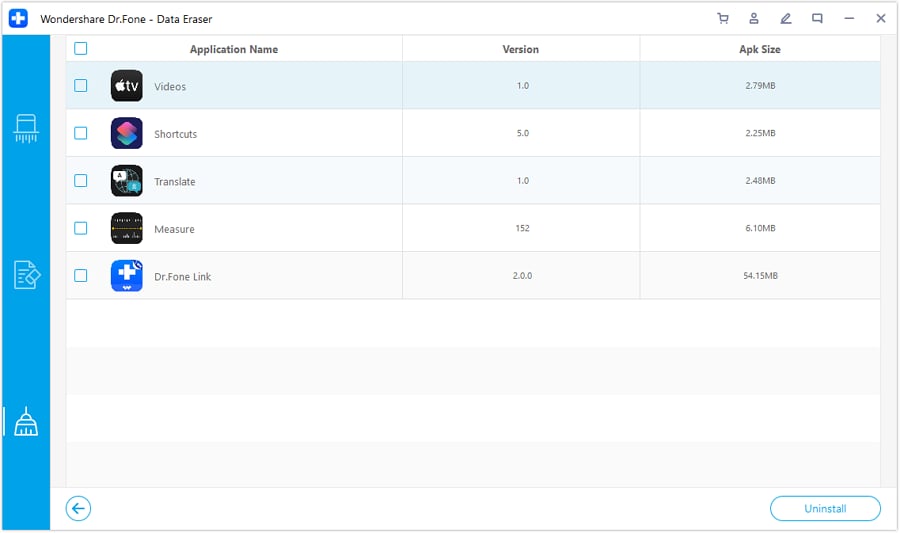
Although you can certainly manually tap, hold, and delete unwanted apps painfully one by one, utilizing the advanced Dr.Fone - Data Eraser allows you to incredibly easily remove all useless apps in massive batches with literally just one click.
Step 1 Select Applications
On the "Free Up Space" operational window, tap on "Erase Applications" and then strategically select all the unwanted apps by marking them directly on the adjacent checkboxes.
Step 2 Initiate Uninstall Scan
Click confidently on "Start" to safely launch the rapid scanning and preparation process.
Step 3 Batch Uninstall
On the final confirmation window, boldly click on "Uninstall" to permanently wipe out the selected apps and their lingering cache data simultaneously.
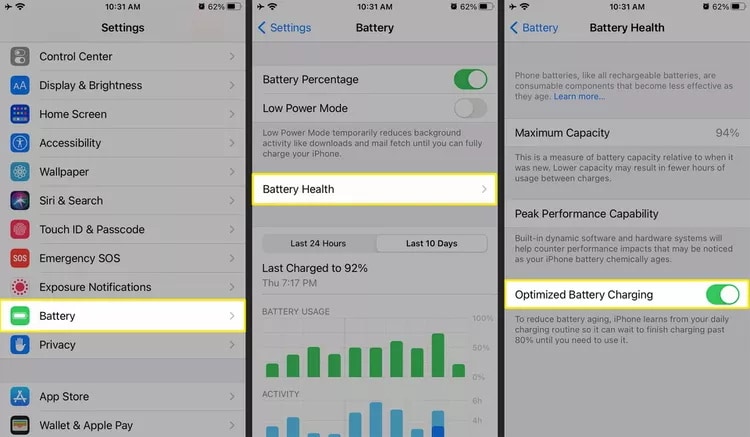
2.7 Enable the optimized battery charging mode
Many people actively complain about unusually slow battery charging issues introduced in iOS 16 and beyond, where it takes an extended amount of time to fully charge their device. However, this is by design. The "Optimized Battery Charging" feature on the iPhone is strictly designed to fundamentally improve battery health and vastly prolong its functional lifespan. By intelligently learning your daily charging patterns, it cleverly adjusts the charging rate to actively avoid prolonged overcharging and significantly reduce harmful battery aging—a major culprit behind unexpected phone lagging.
Step 1: Go directly to your iPhone Settings > Battery.
Step 2: Click the Battery Health & Charging menu to firmly turn on the toggle for Optimized Battery Charging.
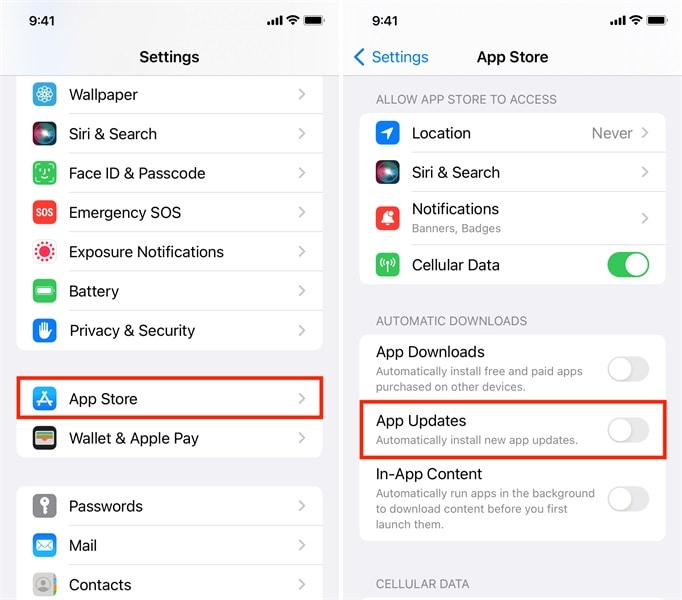
2.8 Turn off the auto-update feature
Applications routinely come with heavy background updates that include flashy new features or under-the-hood improvements. While useful, these updates can silently take up massive additional storage space on your device. Having your iPhone automatically auto-update apps while suffering from low storage can directly contribute to severe performance issues and extreme lag, especially noticeable when an iPad is lagging during gameplay. If you heavily experience lagging immediately after app updates happen quietly in the background, you can follow these swift steps to decisively disable auto-updates:
Step 1: Go directly to the main Settings menu.
Step 2: Scroll down slowly to find the App Store section.
Step 3: Under the Automatic Downloads header, smoothly turn the toggle off from Green to Grey on the distinct ‘App Updates’ tab.
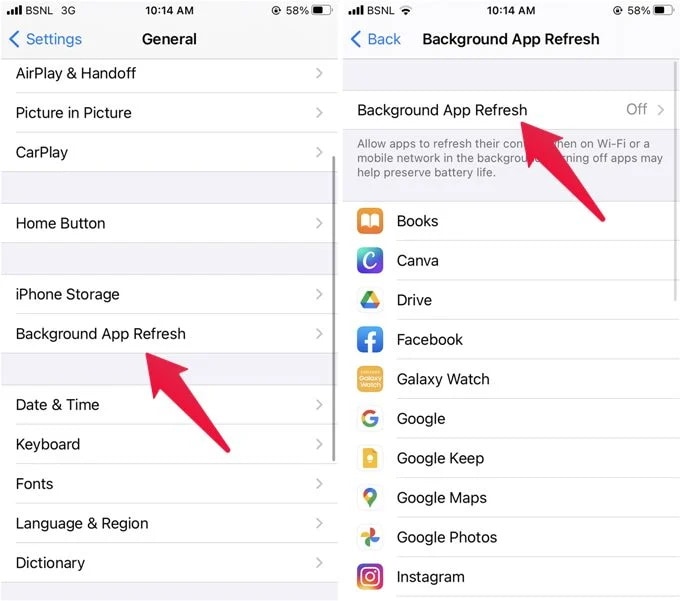
2.9 Disable Background app refresh
When the notorious "Background App Refresh" feature is enabled, social media and utility apps continuously force themselves to refresh their content in the silent background, even when you're completely oblivious and not actively using them. This constant, invisible refreshing consumes immense processing power, RAM, and cellular data, which can noticeably slow down your aging device and violently drain its battery much faster. Turning it off is one of the best answers to "why is my iPhone lagging".
Step 1: Using the standard Settings app, go straight into your iPhone’s General tab.
Step 2: Carefully select the option labeled ‘Background App Refresh’.
Step 3: On the subsequent window, tap the primary 'Background App Refresh' row and definitively turn it off entirely, or limit it exclusively to Wi-Fi.
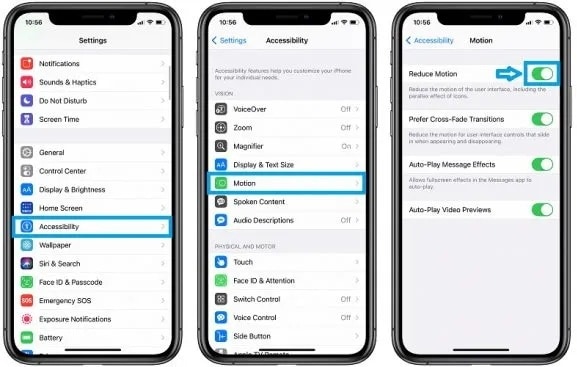
2.10 Reduce Transparency and Motion
Features like Reduce Transparency and Reduce Motion on your Apple device can incredibly improve the overall scrolling performance and your day-to-day experience by aggressively reducing the complex visual effects, blur engines, and heavy animations that iOS loves to display. This simple tweak can tremendously help to minimize the severe strain on core system resources, resulting in much smoother menu navigation, noticeably faster app launches, and significantly reduced battery consumption, especially for older models facing iPhone 7 lagging and freezing issues.
Step 1: Open up the main Settings app.
Step 2: Scroll down a bit to select the Accessibility menu.
Step 3: Tap specifically on the Motion tab to decisively turn on the highly effective ‘Reduce Motion’ feature.
Step 4: Separately, strictly under the Display & Text Size accessibility feature, be sure to turn on the ‘Reduce Transparency’ toggle to relieve graphics processing pressure.
2.11 Restore factory settings
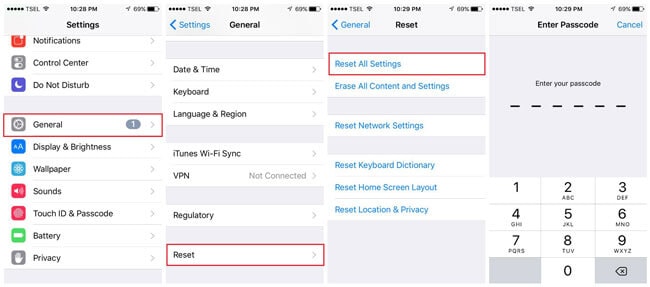
When you completely reset your stubborn iPhone back to its original factory settings, it entirely removes all heavily installed apps, bloated media, disorganized contacts, and other fragmented personal data. It can be incredibly useful as a nuclear option for a severe iPhone lagging crisis. It's incredibly important to deeply note that resetting safely to factory settings permanently and irreversibly deletes all stored data on the device hardware, so it's absolutely crucial to back up any important information securely before proceeding with this extreme step.
Step 1: Go into Settings and then select General.
Step 2: Here, firmly scroll down to the very bottom to find the ‘Reset’ option (On newer iOS versions, look for 'Transfer or Reset iPhone' > 'Reset').
Step 3: Carefully select ‘Reset All Settings’ or ‘Erase All Content and Settings’, enter your secure passcode, and strictly confirm your decision.
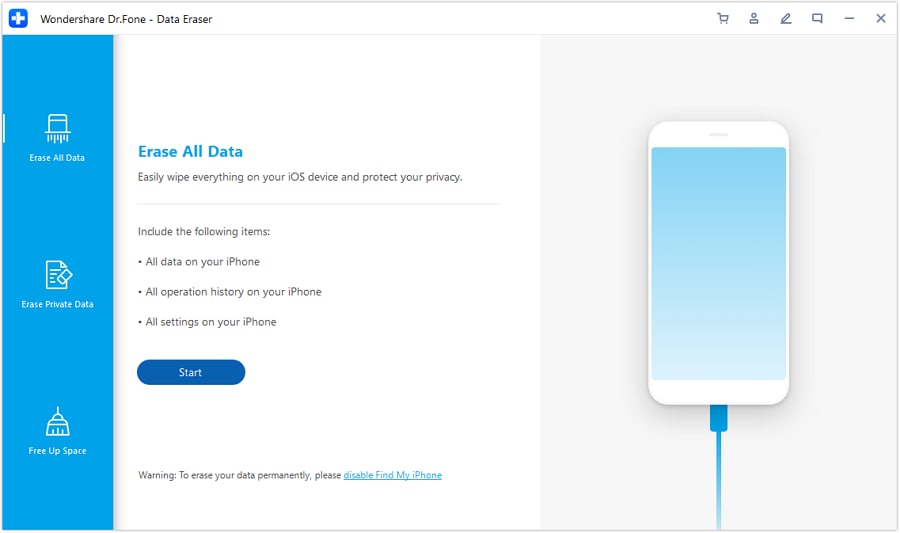
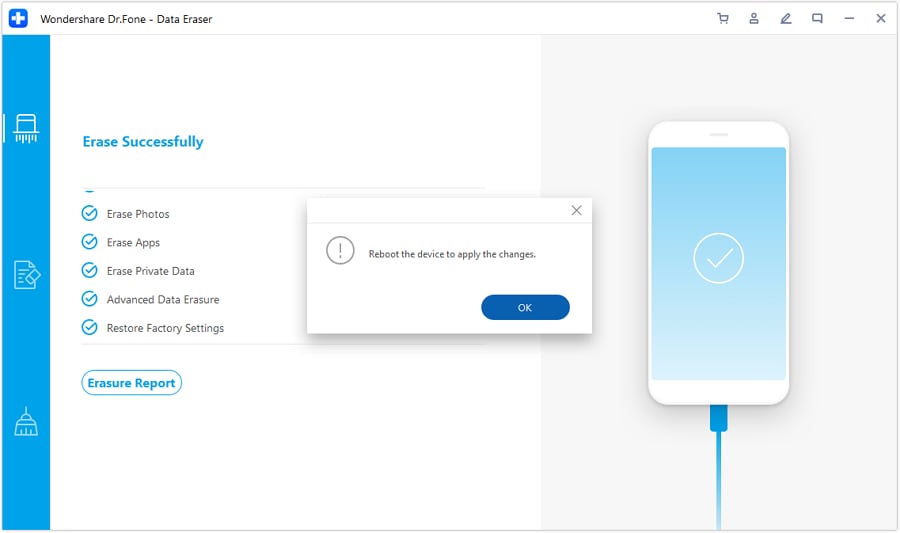
To seamlessly and securely use Dr.Fone - Data Eraser to completely reset factory settings and guarantee zero data recovery:
Step 1 Initialize Full Erasure
Connect your phone securely to the computer via cable, and on the dedicated "Erase all data" tool window, boldly click on "Start".
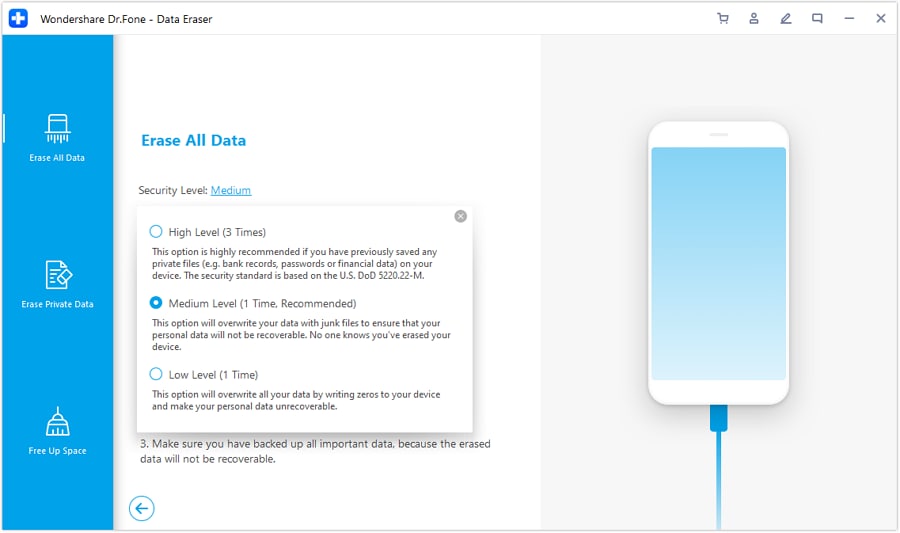
Step 2 Choose Security Level
The highly intuitive next window strictly requires you to precisely select the desired level of security wipe. For maximum peace of mind, definitively select the highest or medium military-grade standard.
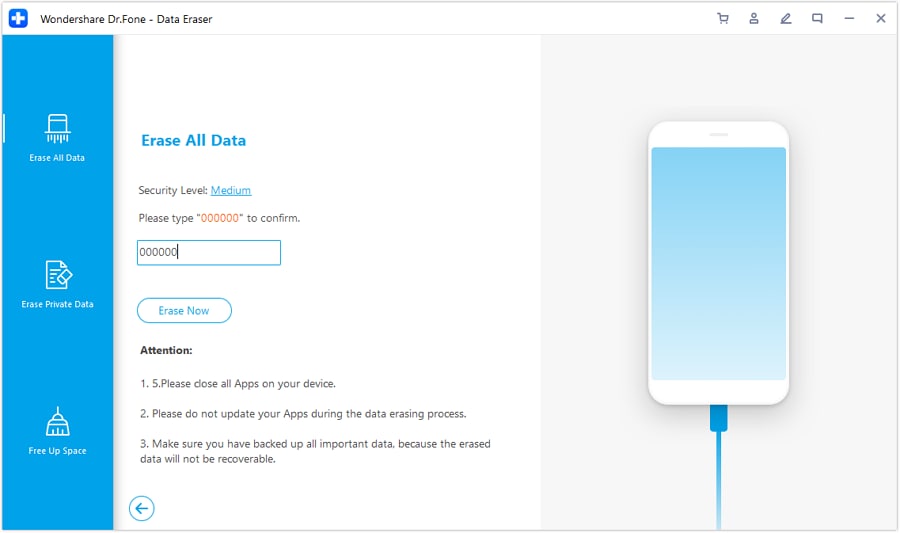
Step 3 Confirm the Wipe
To prevent accidental deletion, explicitly enter the provided confirmation code ‘000000’ into the text box and fiercely click ‘Erase now’.
Step 4 Reboot Device
Now, simply confirm by clicking ‘Ok’ to safely reboot your freshly wiped, fully optimized, and lag-free iPhone.
Conclusion
While there are undoubtedly numerous highly effective ways to massively boost your aging iPhone’s functionality, it is still essentially critical to proactively make sure that the hardware doesn't get needlessly weighed down by bloated cache, too many active background processes, and unoptimized settings. Hence, when it specifically comes to performing major iOS updates, you can safely try deferring them slightly until you find a reliable patch or fix for whatever underlying lagging issue the community initially reports.
Therefore, meticulously monitoring the exact number of heavy apps we actively use at any given time goes an incredibly long way in keeping your trusted iPhone delightfully snappy and consistently efficient. The frequent and deliberate closing of stagnant apps, combined with routine storage maintenance, fundamentally keeps your iPad or iPhone from lagging over the years.
However, in those truly extreme cases where your iPhone stubbornly becomes totally unresponsive, dangerously hot, and randomly shuts down from time to time despite basic tweaks, we highly recommend you use the professional Dr.Fone - Data Eraser toolkit for a deep, system-level clean or a complete factory reset to restore factory-level speeds.
Lastly, if this guide helped restore your device's speed, we would strongly urge you to generously share this comprehensive article on phone lagging issues with your frustrated friends, family members, and loved ones who might be enduring a slow smartphone experience.
FAQ
1. Why is my iPhone lagging and freezing suddenly?
An iPhone lagging suddenly is typically caused by a severely depleted RAM pool, virtually zero available internal storage, or a rogue application consuming massive CPU cycles in the background. It can also drastically occur immediately after a heavy iOS update as the phone struggles to index new files. Doing a hard restart and clearing Safari cache are the best immediate first steps.
2. Can a chemically aged battery cause iPhone 7 lagging and freezing?
Absolutely. Apple's iOS is fundamentally programmed to automatically throttle CPU and GPU performance when it detects a highly degraded or aging battery. This aggressive power management feature strictly prevents the device from shutting down randomly under heavy load, but it directly results in severe iPhone 7 lagging and noticeable UI stuttering.
3. Why is Snapchat lagging on my phone so frequently?
Snapchat is an incredibly resource-intensive application because it continuously runs your camera processing, location services, and AR filters simultaneously in real-time. If your phone is lagging specifically during Snapchat usage, it typically indicates a lack of available RAM. You can usually fix this by instantly disabling Snapchat's background app refresh and routinely clearing the app's internal cache via its own settings menu.
4. How can I stop lagging permanently on an older iPad or iPhone 6 plus?
To reliably stop lagging on vintage Apple hardware like an iPhone 6 Plus or older iPads, you must fundamentally reduce the operating system's processing burden. This involves strictly turning on 'Reduce Motion' and 'Reduce Transparency' in the Accessibility settings, aggressively turning off Background App Refresh globally, removing non-essential apps, and ensuring you always maintain at least 3 to 5 gigabytes of completely free internal storage space for the OS to breathe.
Chief Editor of the Dr.Fone team since 2012, Selena is a veteran technology editor known for turning complex iOS and Android topics into clear, user-focused guidance.
 Permanently erase all iOS & Android data—completely unrecoverable.

 100% Security Verified | No Subscription Required | No Malware

 :
: 
 ChatGPT
 Perplexity
 Gemini
 Claude
 Grok
Grok

 Permanently erase all data on iOS & Android — completely unrecoverable.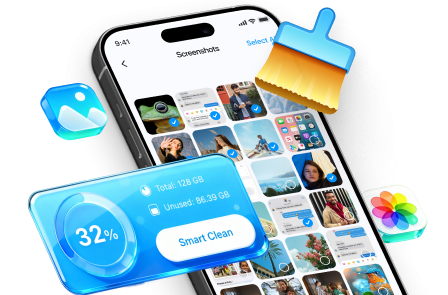






 Add Wondershare Dr.Fone as a preferred source on Google