Resolve common problems and system crashes on both iPhone and Android devices.

 100% Security Verified | No Subscription Required | No Malware

 :
: 
 ChatGPT
 Perplexity
 Gemini
 Claude
 Grok
Grok
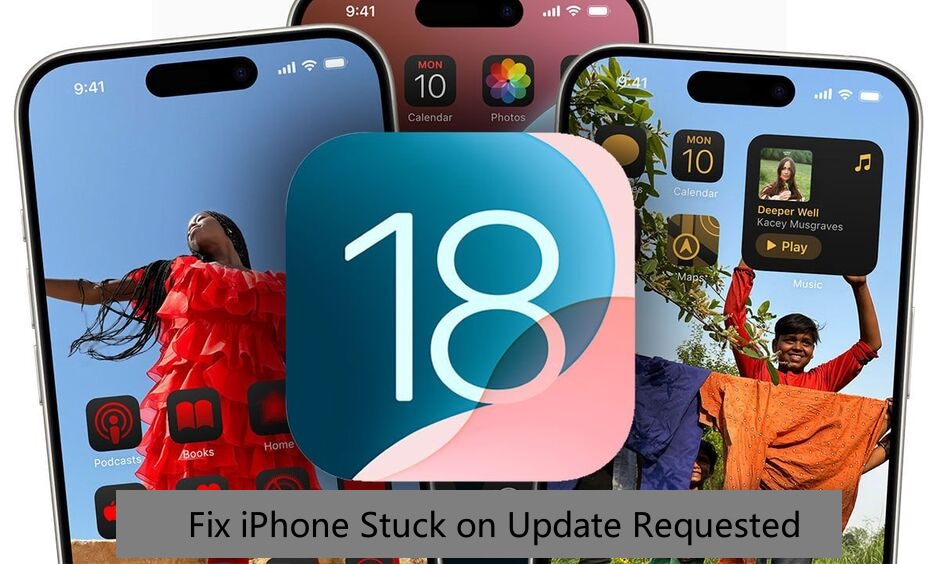
If your iPhone is stuck on "Update Requested", the update request has not progressed to downloading or installing. The cause may involve the connection, power, available storage, or a temporary software issue, so work through the checks in order instead of assuming one specific cause.
Connect your iPhone to power, use a reliable Wi-Fi network, check storage, and retry the update. If the status does not change, remove the update file and try again. A computer-based update or an optional system-repair tool can be considered after the lower-risk checks.
In this article

What Does "Update Requested" Mean on iPhone?
When an iPhone displays "Update Requested", it has sent the request for a software update but has not continued to the downloading, verifying, or installation stage. The status does not identify one confirmed cause by itself.
Possible factors include an unstable Wi-Fi connection, Low Data Mode, limited available storage, a temporary software process, or an update file that needs to be removed and downloaded again.
To review the update screen, open Settings, tap General, and select Software Update. The available update and its installation options appear there when they are available.
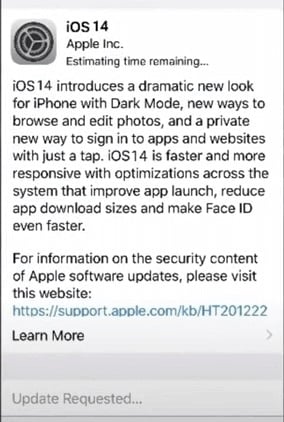
Updates can include security fixes, bug fixes, and new features. If the request remains unchanged, continue with the troubleshooting steps below rather than waiting indefinitely.
How to Fix iPhone Stuck on Update Requested?
Try these fixes from the lowest-risk checks to the available escalation options. After each step, return to Settings > General > Software Update and check whether the update progresses.
1. Force restart your iPhone
A force restart can refresh system processes when the update request is unresponsive. Use the button combination that matches your iPhone model:
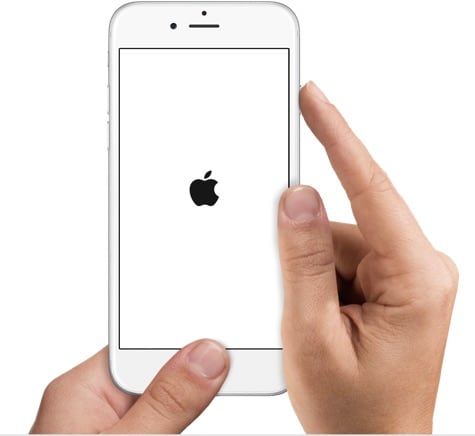
iPhone 6s or earlier, including iPhone SE (1st generation):
- Press and hold the Home button and the side or top button together.
- Keep holding until the Apple logo appears.
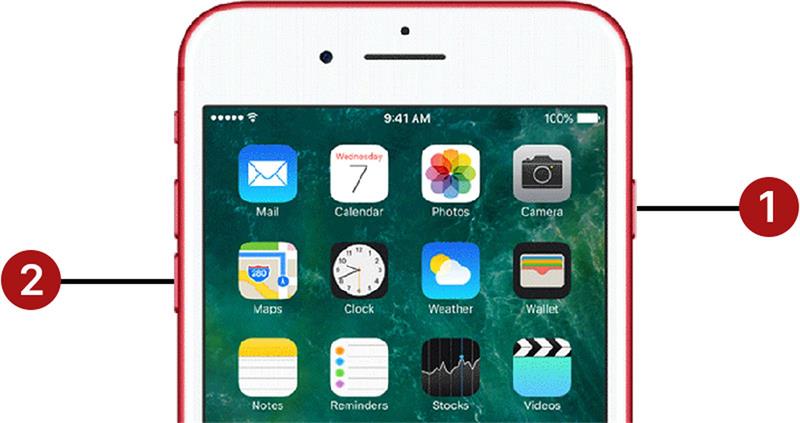
iPhone 7:
- Press and hold the side button and Volume Down button together.
- Keep holding until the Apple logo appears.
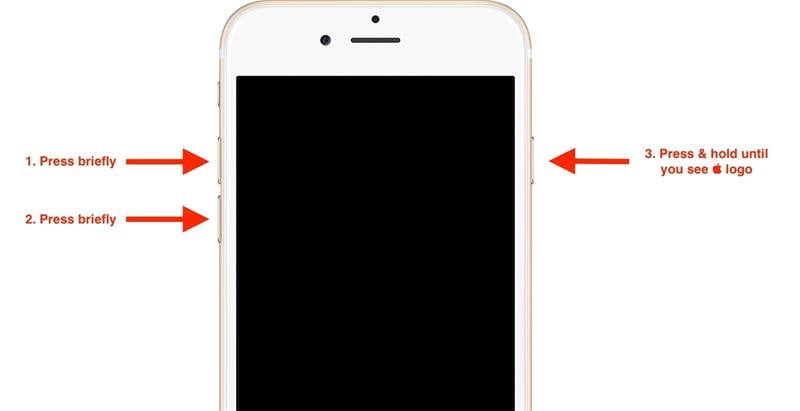
iPhone 8 or later, including iPhone SE (2nd generation and later):
- Quickly press and release Volume Up.
- Quickly press and release Volume Down.
- Press and hold the side button until the Apple logo appears.
After the iPhone restarts, unlock it and reconnect to Wi-Fi before checking Software Update again.
2. Charge your iPhone
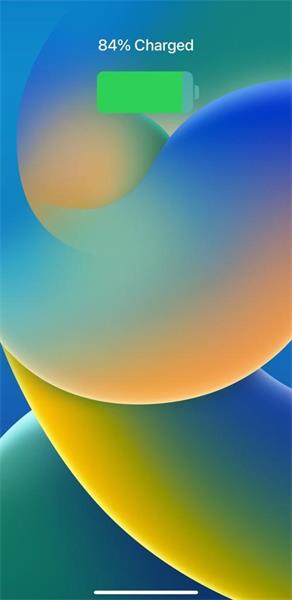
Connect the iPhone to a working charger and keep it connected while checking and installing the update. A low or unstable power state can interrupt an update attempt.
Once the phone has sufficient charge, open Settings > General > Software Update and try again. Keeping the device connected to power during the process can help prevent another interruption.
3. Check Wi-Fi and Low Data Mode
Software updates need a reliable internet connection. Reconnect to Wi-Fi, move closer to the router if necessary, and avoid switching networks while the update request is being processed.
- Open Settings > Wi-Fi and confirm that the iPhone is connected to the intended network.
- Tap the connected network and turn off Low Data Mode if it is enabled.
- Return to Settings > General > Software Update and try the update again.
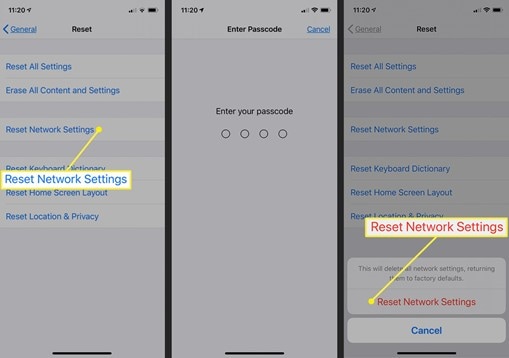
If the issue continues, restart the router or try another reliable Wi-Fi network. Avoid resetting network settings unless necessary because doing so removes saved Wi-Fi passwords and other network information.
4. Delete the software update
If an update file is already stored on the iPhone and the request does not progress, delete that file and start a new update attempt.
- Open Settings and tap General.
- Tap iPhone Storage.
- Find and tap the listed iOS update.
- Tap Delete Update, then confirm.
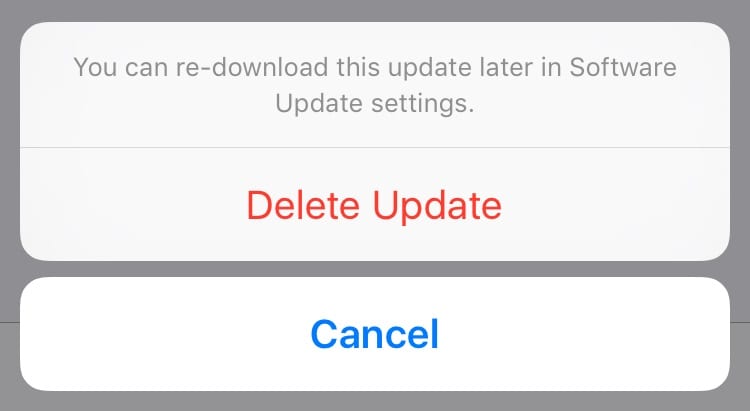
After deleting the update, return to Settings > General > Software Update and download it again. If the update is not listed in iPhone Storage, continue to the storage and connection checks.
5. Free up your iPhone storage
Insufficient free space can prevent an iOS update from downloading or preparing. Review storage before deleting anything.
- Open Settings and tap General.
- Tap iPhone Storage to review the apps and content using space.
- Remove or offload content you no longer need, or move important files to a protected location first.
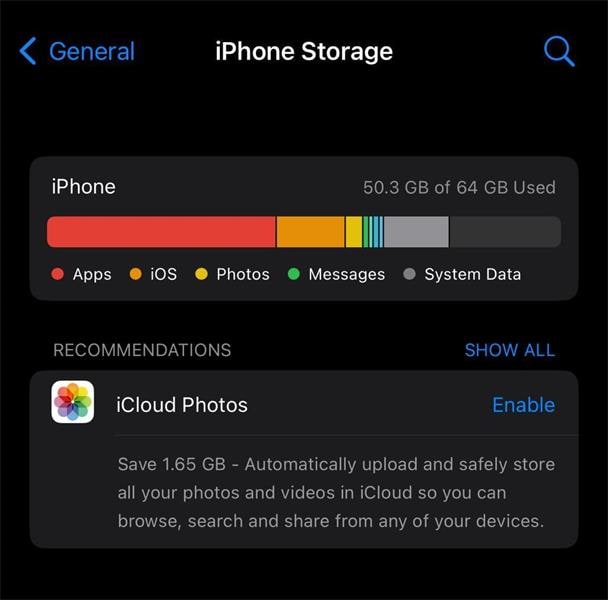
Protect important photos, messages, and documents before deleting local content. When enough space is available, reconnect to Wi-Fi and try Software Update again.
6. Update your iPhone with a computer
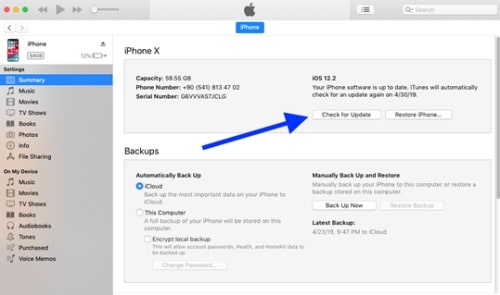
A computer-based update is an alternative when an over-the-air update remains on "Update Requested." Before proceeding, make a current backup of important iPhone data and use Apple’s current instructions for the computer and software available to you.
Apple’s troubleshooting guide, If your iPhone or iPad won't update, provides the current computer-update guidance and the distinction between updating and restoring. Choose Update when you need to reinstall or update iOS while retaining the device’s existing content; do not choose Restore unless you understand that it reinstalls iOS and can erase the device.
Keep the iPhone connected during the process and follow the prompts shown by the current Apple computer software. If the computer offers only recovery or restore options, stop and confirm your backup before continuing.
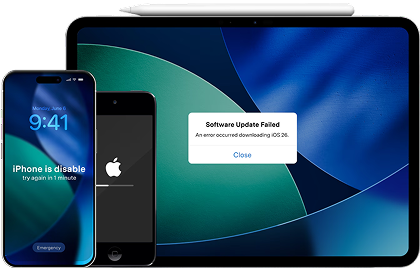
7. Dr.Fone - System Repair
If the manual checks do not resolve the issue, Dr.Fone - System Repair (iOS) is an optional desktop path for reviewing and repairing certain iOS system problems. It should not replace Apple's manual troubleshooting or a backup, and you should review the on-screen instructions before starting.
Whether your iPhone is stuck during an update or facing other system errors, Dr.Fone has you covered.
 Fix iOS issues, no data loss.
- One-click repair for all iOS problems.
- Solve recovery mode, Apple logo, black screen, etc.
- Upgrade or downgrade iOS without iTunes
Download and install Dr.Fone on a Windows or Mac computer, connect the iPhone, and open the tool.
-
Step #1:
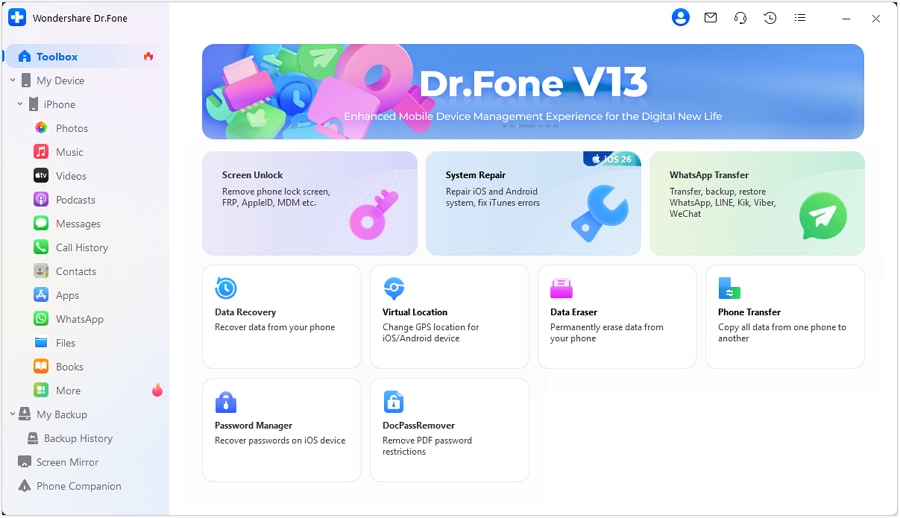
Open Dr.Fone and select System Repair on the homepage.
-
Step #2:
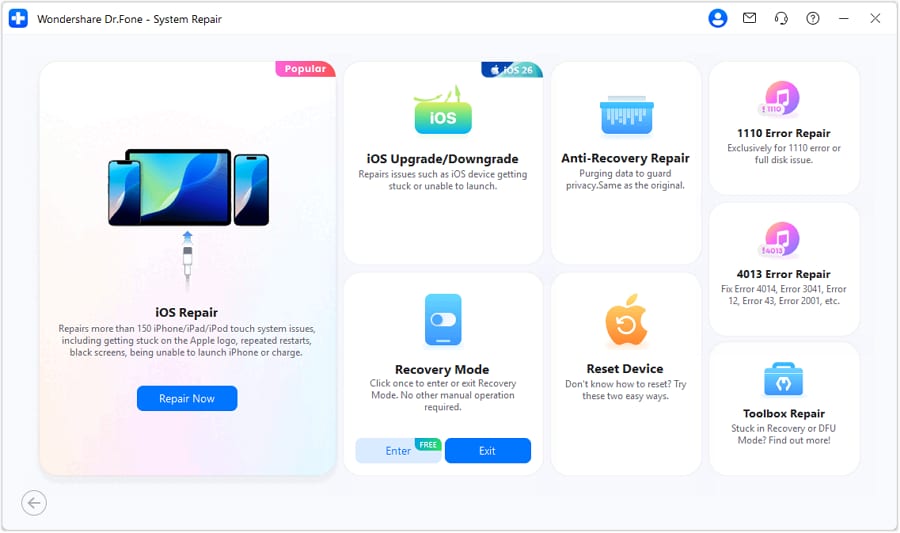
Select the iOS repair option shown for your device.
-
Step #3:
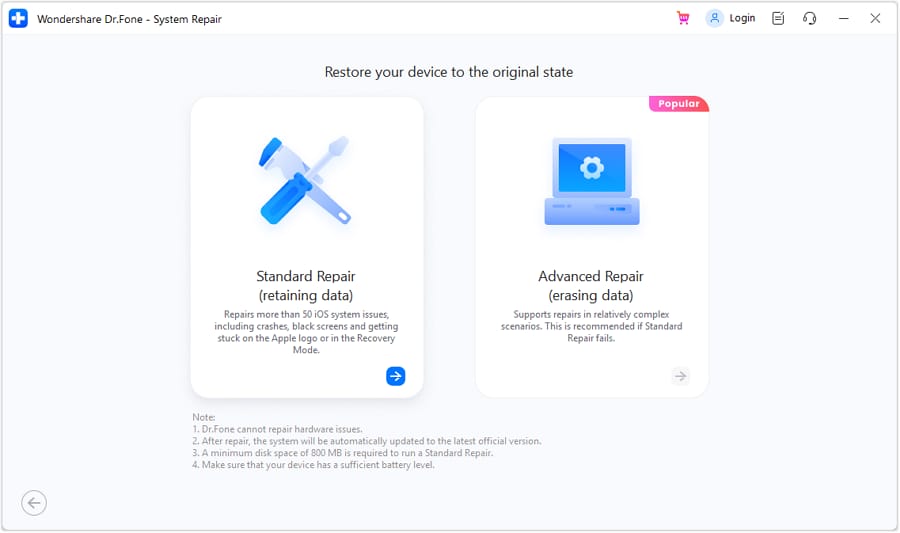
Review the available repair modes and choose the mode appropriate for your situation.
-
Step #4:
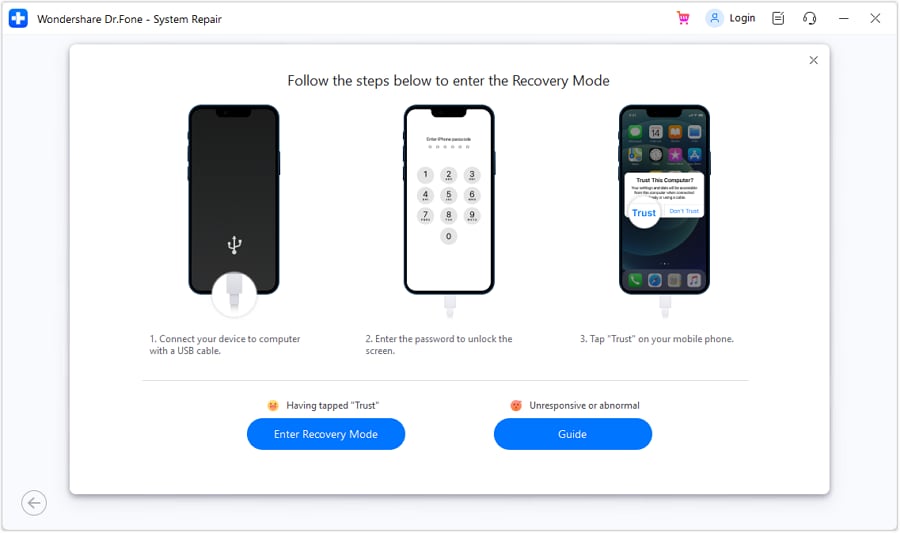
Follow the on-screen steps to place the iPhone in Recovery Mode if prompted.
-
Step #5:
Review the firmware information, download the required firmware, and follow the prompts to continue.
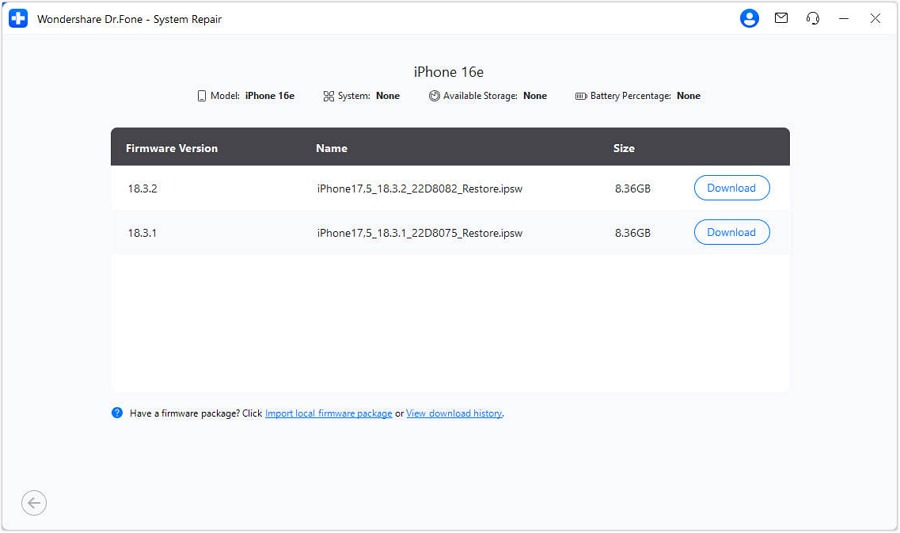
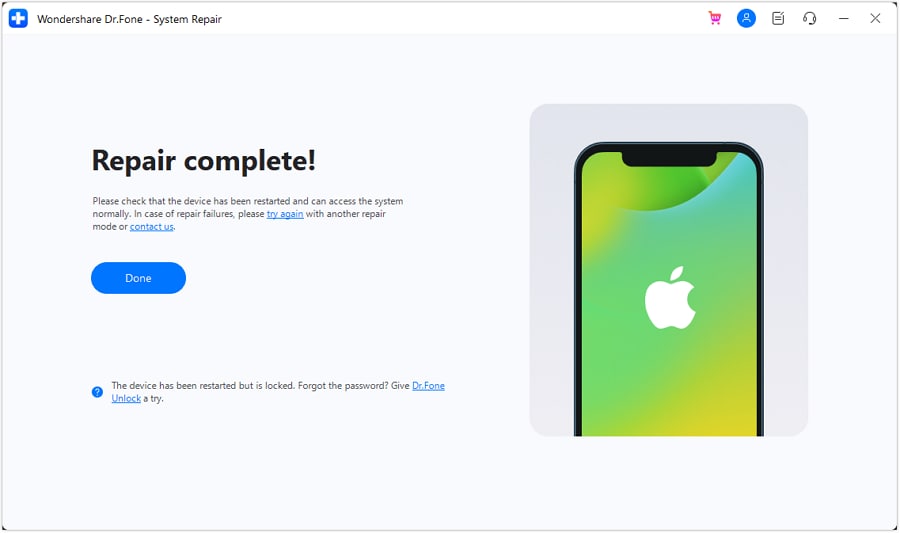
Stop if the displayed device, firmware, or repair option does not match your iPhone, and use Apple’s troubleshooting guidance instead.




 safe & secure
FAQs
-
Why is my iPhone stuck on Update Requested?
Your iPhone may remain stuck because the update request has not progressed to downloading or because the connection, Low Data Mode, power, storage, or update file needs attention. Check those items in order, then retry Software Update.
-
What does it mean when my iPhone says Update Requested?
It means the iPhone has requested a software update but has not moved on to downloading, verifying, or installing it. The message alone does not identify one specific cause.
-
How long should an iPhone stay on Update Requested?
The status should not remain unchanged indefinitely. If it does not progress after checking Wi-Fi, connecting power, and retrying Software Update, move on to deleting the update file or using another supported update path.
-
Why is my iOS update requested but not downloading on iPhone?
Check the Wi-Fi connection, turn off Low Data Mode for that network, review available iPhone storage, and retry the update. If an update file is already stored, deleting it can allow a fresh attempt.
-
Can I delete the iOS update when my iPhone is stuck on Update Requested?
Yes. Open Settings > General > iPhone Storage, tap the listed iOS update, and select Delete Update. Then return to Settings > General > Software Update and try downloading it again.
-
What should I check if my iPhone update is stuck on Update Requested?
Check your Wi-Fi connection and Low Data Mode, connect the iPhone to power, force restart the device, review iPhone Storage, delete the stored update if necessary, and retry Software Update.
-
Can I update my iPhone with a computer if it is stuck on Update Requested?
A computer-based update can be an alternative when an over-the-air update does not progress. Back up important data first, use Apple’s current computer-update instructions, and choose Update rather than Restore when your goal is to update iOS without intentionally erasing the device.
The Bottom Line
When an iPhone is stuck on "Update Requested", start with the manual checks: connect to power, confirm reliable Wi-Fi, turn off Low Data Mode, review storage, and retry the update. If the status remains unchanged, delete the stored update and try again. A computer-based update is another option after creating a backup. Dr.Fone - System Repair (iOS) can be considered as an optional system-repair path, but it does not replace Apple’s troubleshooting guidance and should be used only after reviewing its instructions.
safe & secure Add Wondershare Dr.Fone as a preferred source on Google