Recover photos, messages, WhatsApp, and more — no backup
needed.
Recover photos, messages, WhatsApp, and more — no backup
needed.

 100% Security Verified | No Subscription Required | No Malware

 :
: 
 ChatGPT
 Perplexity
 Gemini
 Claude
 Grok
Grok
Smartphones have fundamentally transformed the way we capture and preserve life's most precious milestones. These compact, everyday gadgets hold the capacity to store thousands of digital files, seamlessly recording every birthday party, wedding ceremony, or critical business presentation. Unfortunately, data loss remains an inevitable risk that can strike at any moment. You might suddenly discover that highly valued recordings are missing due to accidental formatting, malware attacks, or a simple misclick.
There is no need to panic when disaster strikes. While losing important clips can be incredibly frustrating, finding out how to recover deleted video on Android is much more accessible than most users realize. Modern file systems leave a trace of your media even after deletion, meaning those digital memories are rarely gone forever if you act quickly.
This comprehensive guide will walk you through how your device processes video storage and the most effective methods to retrieve deleted videos from Android phone and tablet setups. By following these insights, Android video recovery will become a straightforward task.
In this article
Part 1: Where is the video stored on Android devices?
Before launching into advanced recovery protocols, you must first understand where downloaded and captured videos are physically saved on your Android phone. Being familiar with your local directory structure is the foundation of digital management. Generally, Android devices utilize two distinct storage repositories: the internal phone storage and the expandable SD card storage. To efficiently locate the default destination of your saved videos, follow these standard configuration steps.
-
Step 1. Access Device Settings
Navigate to your main app drawer and tap on your phone's Settings icon.

-
Step 2. Locate Storage Options
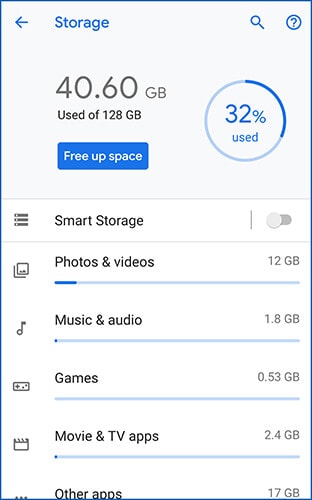
Scroll down your settings menu and look for either the Device storage or File manager tab, which dictates how internal data is structured.
-
Step 3. Differentiate Storage Types
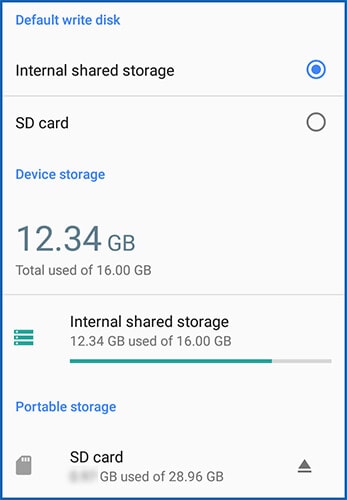
Within this menu, carefully check the metrics for both your internal phone storage and your external SD card storage to see where the bulk of your media is being routed.
-
Step 4. Confirm the Save Path
Find where sample videos are consistently stored. Typically, videos are automatically directed to your default photo gallery or a dedicated DCIM folder. However, if you are attempting to extract files from your Android phone to your PC via a USB cable, reviewing these storage paths is mandatory to ensure you are scanning the correct drive.
Part 2: How to retrieve deleted video from Android phones and tablets?
When device storage begins to hit maximum capacity, users often feel compelled to manually delete unwanted files and data from their Android phone to free up space. Sometimes this is a well-thought-out administrative decision, but frequently it becomes an impulsive action simply to make room for newer, critical files. Unfortunately, this impulsive cleaning can lead to instant regret when you accidentally erase a video that held massive sentimental or professional value.
If you find yourself in this stressful situation, worry no more. Specialized Android Recovery Software is readily available to safely and comprehensively help you recover deleted or lost videos on Android devices. Among the crowded software market, the most reliable and efficient platform for dedicated Android video recovery remains Dr.Fone - Data Recovery (Android).
 Scan Android phones and tablets directly.
- Preview and recover only what you want.
- Supports WhatsApp, photos, videos, contacts, and more.
- Works with 6000+ Android devices.
Recognized globally, Dr.Fone - Data Recovery (Android) operates as top-tier Android video recovery software that offers a remarkable 97% file recovery efficiency rating. Beyond just videos, its powerful scanning engine provides users the ability to safely recover Android messages, contacts, photos, and critical documents across more than 6,000 supported device models.

To successfully execute an Android video recovery, carefully follow these straightforward instructions:
-
Step 1. Launch the Recovery Module
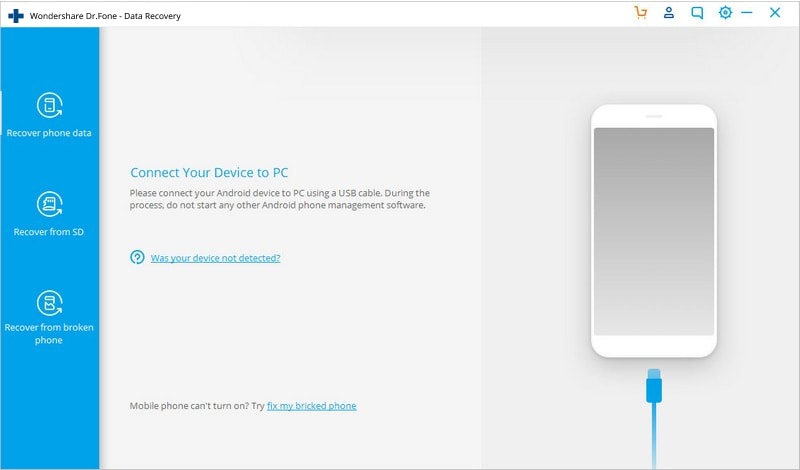
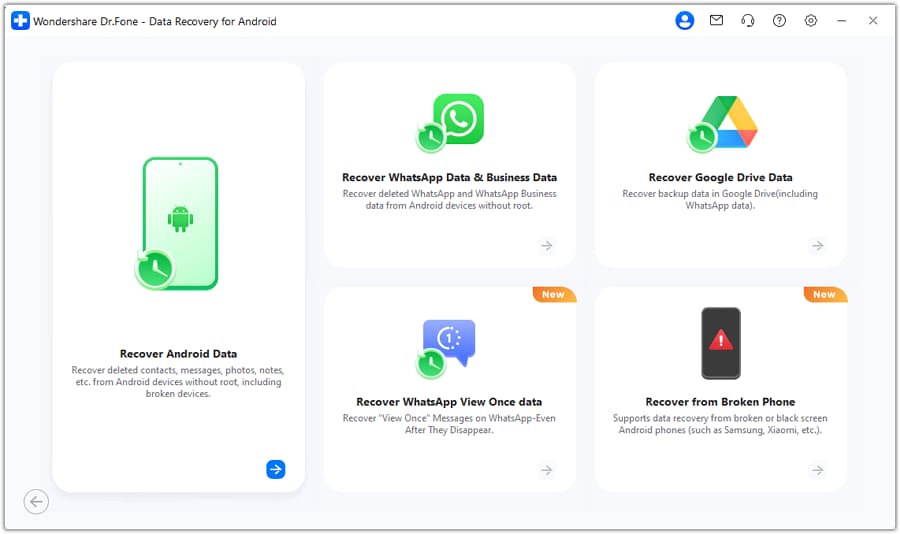
Open the Dr.Fone interface on your personal computer. From the main dashboard, navigate to the Data Recovery module and specifically select Recover Android Data to initiate the process.
-
Step 2. Connect Your Android Device
Using a secure USB cable, connect your Android smartphone or tablet directly to your PC. Once the software recognizes the device, you will be prompted to select the specific file types you wish to scan for. Make sure to check the box for Videos.
-
Step 3. Initiate the Scanning Process
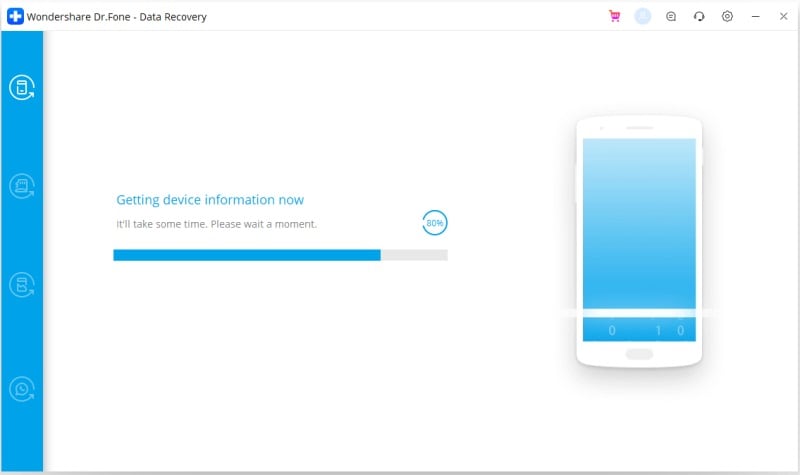
Allow the software to begin its deep scan of your Android device's internal memory and inserted SD card. Keep your device securely connected throughout this phase.
-
Step 4. Preview Discovered Media
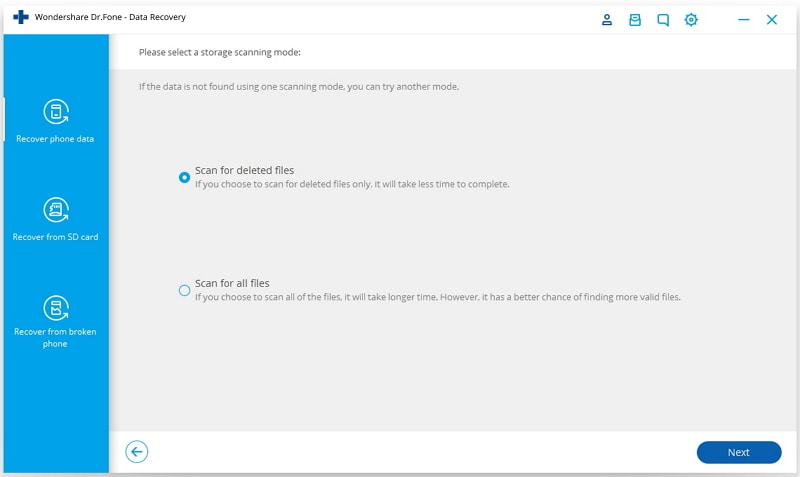
Upon completion of the scan, all hidden or previously deleted video files will be dynamically displayed in the software's interface. You can now selectively browse through the results to find exactly what you lost.
-
Step 5. Finalize the Restoration
Mark the corresponding checkboxes directly below the specific videos you intend to keep, then click the recovery button to safely restore these files directly to your computer's local hard drive.
For users who prefer visual guidance, please reference the official video guide detailing the exact procedures for a secure Android video recovery below:
Take action today and install the official Dr.Fone software to guarantee that no critical memory is ever permanently lost from your smart devices.




More useful tips on Android data recovery:
- How to Recover Contacts from Android Phone with Broken Screen
- How to Recover Deleted Files from Android Without Root
- How to Recover Deleted Files from Android Phones and Tablets
Part 3: Top 5 video player apps for Android device
Once you have successfully executed the steps in recovering a lost video file, you'll need a reliable application to view your newly restored media smoothly. Here is a curated list of the top 5 premium video players you should consider downloading for your Android device.
1. MX Player app
The MX Player app serves as a highly robust, multi-purpose video player. It provides users with premium features including hardware acceleration, multi-core decoding for better performance, pinch to zoom capabilities, custom subtitle gestures, and a dedicated kids lock mechanism.

2. VLC for Android
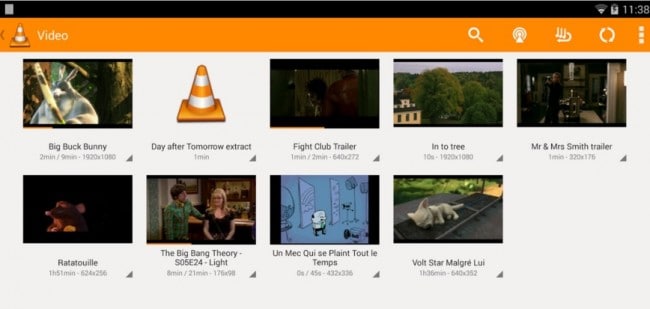
Originally renowned as a massive open-source video player app for PC, VLC is now natively available for Android devices. This powerful application plays almost all multimedia file extensions seamlessly, alongside handling physical discs, peripheral devices, and complex network streaming protocols. It features built-in multi-track audio processing, dynamic subtitle auto-rotation, on-the-fly aspect-ratio adjustments, and intuitive swipe gestures to natively control both volume and screen brightness.
3. Mobo Player
The Mobo player app effectively uses advanced software decoding to render a massive variety of video file formats that standard players struggle with. A standout feature known as floating window mode allows users to keep an active video window hovering atop their other applications, making multitasking a breeze while working, texting, or handling incoming calls.

4. Rockplayer 2 app
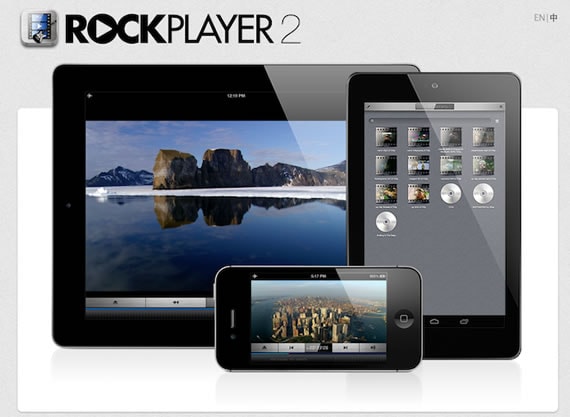
The Rockplayer 2 app excels at ensuring that demanding audio and video tracks synchronize perfectly without lag. It introduces a completely distinct viewing experience, packed with a rich set of features and interface gestures. Users can easily exchange media files between numerous Wi-Fi connected devices and entirely customize their playback control bar.
5. All Cast app

The All cast app functions uniquely by enabling comprehensive casting functionality. It is designed not only to stream your retrieved videos to larger screens but to smoothly project your stored photos and downloaded music libraries as well.
Conclusion
It is universally agreed that maintaining vast storage spaces ensures your important files will not face accidental deletion and will remain safely tucked inside your device for a very long time. We actively rely on our Android devices every single hour of the day, continuously gathering ample data sets and building personal media libraries. While high-resolution pictures tend to consume a substantial part of your allocated storage space, permanently erasing such vividly captured memories out of sheer frustration would be incredibly regretful.
Videos, in particular, hold dynamic emotional weight. These files help us physically reminisce real-life gestures, voices, and pivotal events. Erasing a video permanently truly means missing out on revisiting that moment. Fortunately, thanks to highly sophisticated data restoration solutions, you finally have a realistic chance to safely retrieve deleted videos from Android phones. No longer do you have to permanently say goodbye to a video recording of a child's first footsteps or a deeply personal message from a loved one. The recovery process is effortless and can be triggered with just a few clicks. Stop worrying over data loss—powerful toolkits are readily available to securely rescue what was previously thought to be gone forever.
FAQ
-
1. Can I recover a video that I deleted months ago on my Android phone?
Yes, it is potentially possible to recover an older deleted video provided that the specific storage sector holding that deleted file hasn't been overwritten by newly downloaded data, apps, or media. Employing robust recovery software as soon as possible offers the highest probability of restoring older files.• Turn off Wi-Fi and Cellular Data immediately to prevent background updates.• Avoid taking new photos or installing new software until the scan is complete. -
2. Is it safe to use third-party software for Android video recovery?
Absolutely. Reputable recovery applications like Dr.Fone utilize localized, read-only scanning algorithms. This ensures that the software analyzes your device's memory for missing bytes without altering existing data or compromising your personal privacy. -
3. Why did my video get permanently deleted instead of going to the Recently Deleted folder?
Not all Android devices or file explorer applications feature a "Recently Deleted" or "Trash" folder by default. Furthermore, if you use third-party cleaner apps or manually empty your system cache, the files bypass temporary storage and face immediate deletion from the directory index. -
4. Does rooting my phone guarantee that all deleted videos will be recovered?
Rooting your Android device does not guarantee a 100% recovery rate, but it grants recovery software administrative-level access to deeply scan the entirety of the internal memory. This significantly expands the amount of retrievable data compared to a standard surface-level scan on a non-rooted device.
 Add Wondershare Dr.Fone as a preferred source on Google