Recover photos, messages, WhatsApp, and more — no backup
needed.
Recover photos, messages, WhatsApp, and more — no backup
needed.

 100% Security Verified | No Subscription Required | No Malware

 :
: 
 ChatGPT
 Perplexity
 Gemini
 Claude
 Grok
Grok
I accidentally deleted an important project folder and some family photos from my phone. I have been searching everywhere, but is there an Android recycle bin? How can I restore deleted files on Android?
A Frustrated Android User

Experiencing that sudden, heart-sinking feeling when you accidentally delete vital photos, work documents, or cherished memories is something many smartphone users face. Whether the data loss occurred during a routine phone cleanup, a system restart, or just an accidental tap, the immediate question is always whether you can retrieve those files.
On desktop operating systems, restoring files is as simple as opening a trash bin. Consequently, many users expect to find a built-in Android recycle bin to easily restore deleted files on Android in one click. However, the architecture of mobile devices is slightly different. In this comprehensive guide, we will explore where deleted files go, how to access app-specific trash folders, and the most effective methods to recover deleted files on an Android device securely.
In this article
Part 1. Where is My Android Recycle Bin?
To clear up a common misconception: you will not find a universal, system-wide Android recycle bin on your smartphone. Unlike Windows PCs or Macs, Android operating systems do not dedicate a central folder to hold all deleted files. The primary reason for this architectural choice is the restricted internal storage capacity inherent to mobile devices.
Smartphones typically feature anywhere from 32 GB to 256 GB of storage. Allocating a significant portion of this space to function as an overarching Android recycle bin would rapidly consume available memory with unnecessary or unwanted files. To maintain system efficiency and performance, Android permanently removes the index pointer to a file once deleted, rather than moving it to a central trash directory.
However, if you need to restore deleted photos on Android or recover specific documents, many individual applications have implemented their own temporary trash features. Here are the most common app-specific recycle bins you can utilize.
1. Android Email Recycle Bin
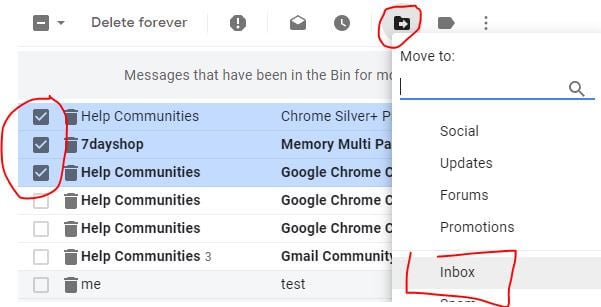
Prominent email clients such as Gmail, Microsoft Outlook, and Yahoo Mail operate with their own internal trash or bin folders. When you delete an email, it is usually relocated to this folder, allowing you to restore deleted data on Android temporarily (often up to 30 days). Simply open your email application, navigate to the sidebar menu, and tap on the 'Trash' or 'Bin' folder to retrieve your messages.
2. Recycle Bin in File Explorer Apps
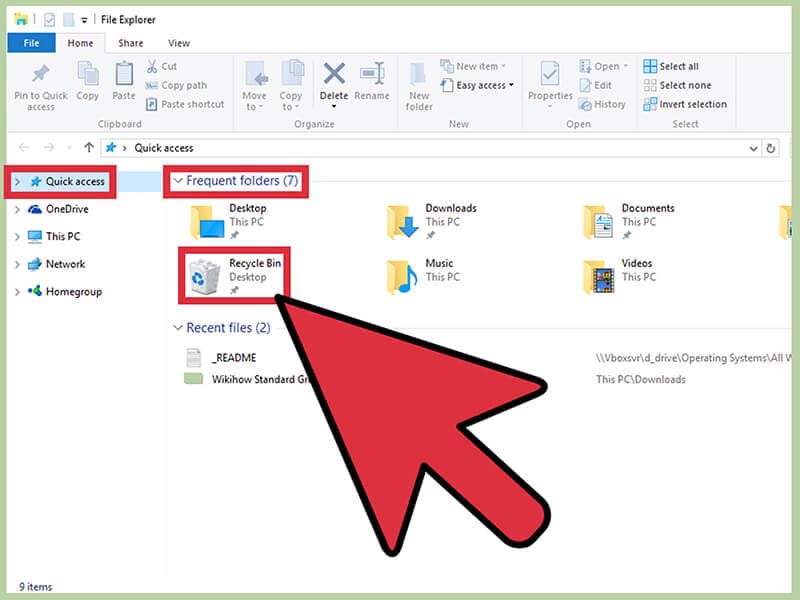
Advanced file management applications, including ES File Explorer or cloud-integrated apps like Dropbox, feature a built-in recycle bin. By accessing the settings or side menu of these explorers, you can view recently deleted files and choose to restore them to their original location on your Android device.
3. The Trash in the Photos App
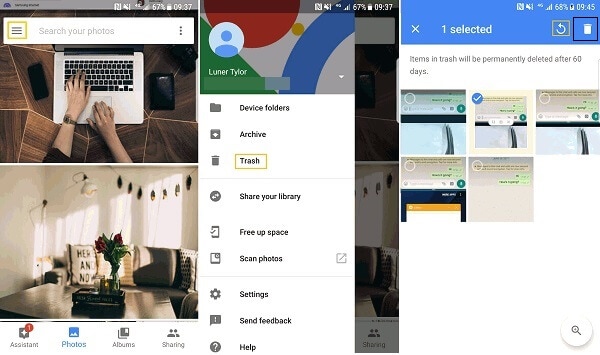
If your primary concern is how to restore deleted photos on Android, gallery applications like Google Photos are lifesavers. Google Photos contains an in-built 'Trash' folder that securely holds deleted images and videos for up to 60 days (if backed up) before permanent deletion, making media recovery highly convenient.
Part 2. How to Restore Deleted Files Without Android Recycle Bin?
Because Android phones lack a centralized native Android recycle bin, recovering files that were permanently deleted from the internal storage can seem daunting. Fortunately, third-party data recovery software provides robust solutions.
These specialized tools scan the internal memory for the fragmented data of deleted files that have not yet been overwritten. Below are some of the most reliable applications that help you recover deleted files on Android effectively.
2.1 Dr.Fone - Data Recovery (Android)
Recognized globally for its efficiency, Dr.Fone - Data Recovery (Android) is a premier desktop application designed to restore deleted data on Android seamlessly. Whether you have lost crucial text messages, comprehensive WhatsApp chat histories, audio files, videos, or essential contacts, this software delivers exceptional retrieval capabilities.

 Scan Android phones and tablets directly.
- Preview and recover only what you want.
- Supports WhatsApp, photos, videos, contacts, and more.
- Works with 6000+ Android devices.
Dr.Fone operates with one of the highest recovery success rates in the industry. It bypasses the need for a standard recycle bin, utilizing deep scanning algorithms to access the core memory sectors. Furthermore, it is fully compatible with both legacy and the latest Android versions across more than 6,000 device models, ensuring a safe and user-friendly experience.
Steps to recover Android deleted files with the help of Dr.Fone
Follow these detailed instructions to successfully restore your missing information:
Step 1 Connect your device to the system
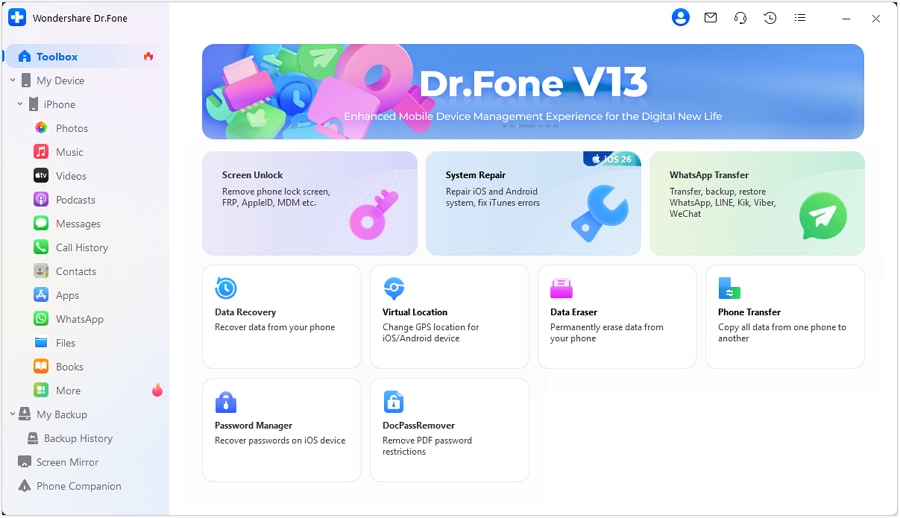
Begin by downloading and installing Dr.Fone on your Windows or Mac computer. Launch the program and select the 'Data Recovery' module from the main interface. Next, connect your Android device securely to the computer using a compatible USB cable.
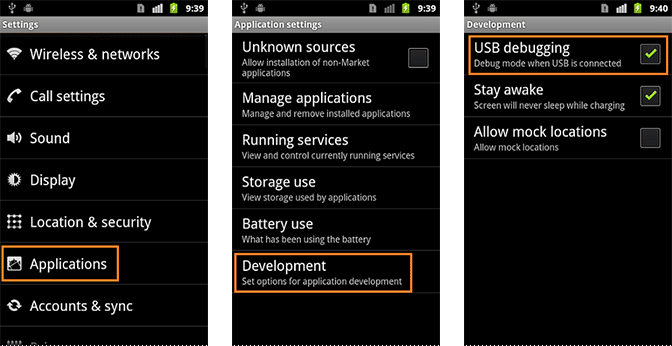
Step 2 Activate USB Debugging
To allow the software to scan your phone, you must activate USB Debugging in your Android settings. If your device runs Android 4.2.2 or higher, a prompt will automatically appear on your screen requesting permission. Tap 'OK' to enable USB debugging mode.
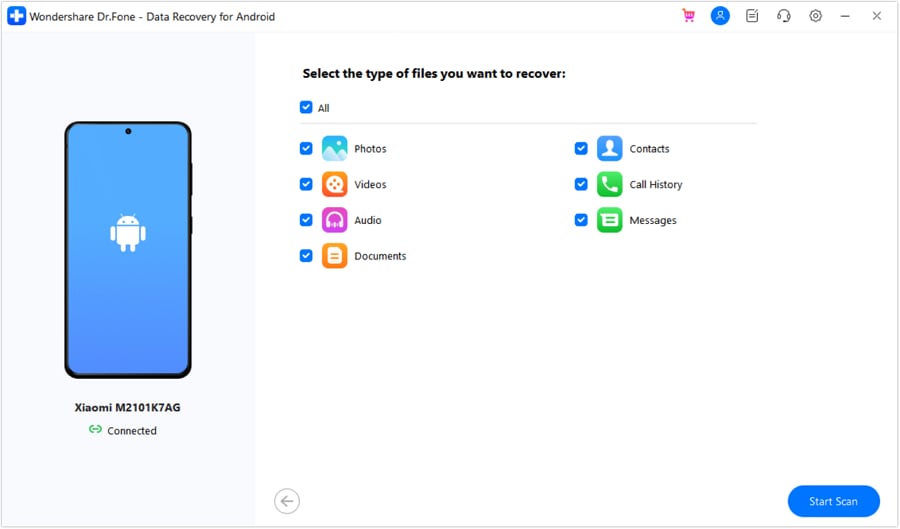
Step 3 Select the Data Types to Scan
Once your device is recognized, Dr.Fone will display all the recoverable data types. Choose the specific categories you wish to restore (such as Photos, Contacts, or Messages) to expedite the process, then click 'Start Scan' to initiate the deep analysis of your Android device.
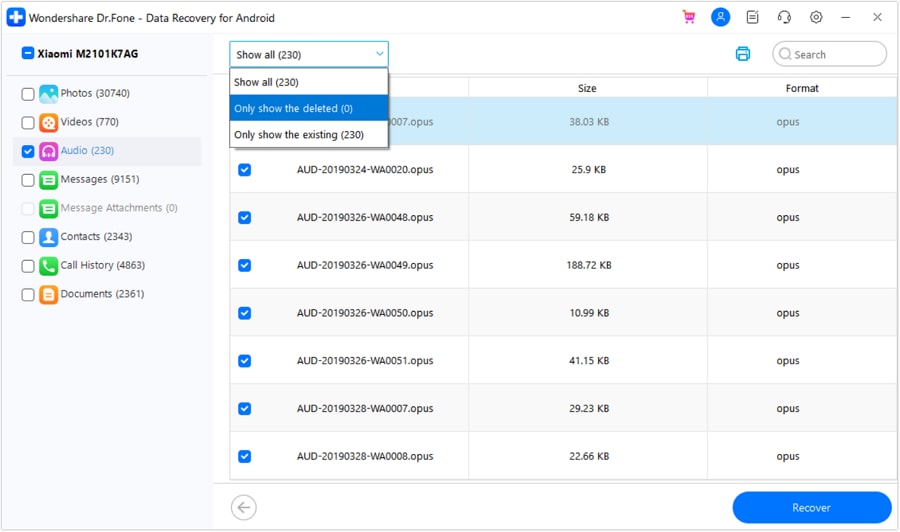
Step 4 Preview and Recover Data
Upon completion of the scanning process, Dr.Fone presents a detailed preview of all retrievable items. Carefully review the files, check the boxes next to the data you want to retrieve, and click 'Recover' to save them safely onto your computer system.




2.2 EaseUS MobiSaver for Android
EaseUS MobiSaver is another viable desktop alternative when you are trying to figure out how to restore deleted files on Android. Operating from your computer, it avoids overwriting data directly on your phone's storage space, increasing the likelihood of successful retrieval.

This utility excels at retrieving lost multimedia elements, meaning if you need to restore deleted photos on Android, it offers a solid pathway. Furthermore, it assists users in recovering lost contacts post-factory resets, offering a free download tier for basic recovery needs.
2.3 Fonepaw Android Data Recovery
FonePaw Android Data Recovery provides comprehensive scanning capabilities to restore a wide array of lost files from Android smartphones and tablets. It is adept at handling scenarios where users need to recover WhatsApp messages, retrieve deleted documents, or restore deleted photos seamlessly.
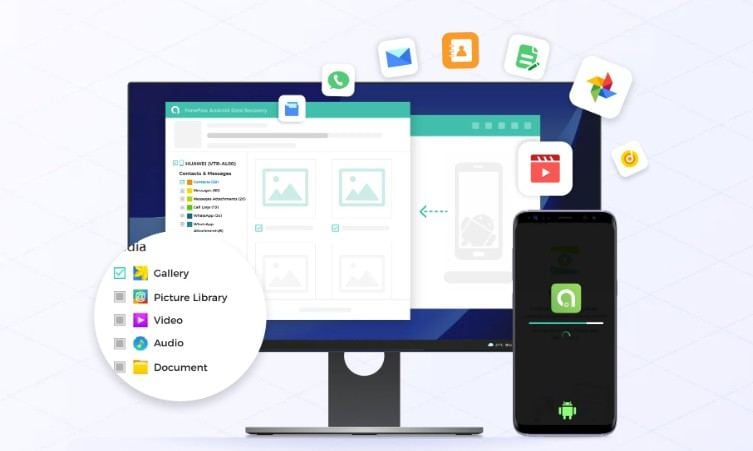
Similar to other professional tools, FonePaw requires installation on a PC or Mac. Once connected, you select the specific file types and allow the software to penetrate the system's storage. Note that comprehensive deep scans with this software might require slightly more time to complete compared to leading alternatives like Dr.Fone.
Conclusion
It remains an unfortunate reality for many users that Android devices do not ship with an overarching, system-wide Android recycle bin. However, this architectural limitation does not mean your lost memories or critical documents are gone forever. By checking app-specific trash folders like Google Photos or Gmail, you can often find recently removed items.
For items permanently erased from internal storage, third-party desktop recovery software is your most dependable option to restore deleted data on Android. If you are seeking a highly secure, industry-leading solution, Dr.Fone - Data Recovery (Android) stands out as the ultimate method to recover deleted files on an Android device with minimal effort and maximum success.
FAQ
1. Why is there no unified Android recycle bin on my phone?
Because smartphones typically have limited flash storage (e.g., 64GB or 128GB), hosting a unified Android recycle bin would consume critical space with unnecessary deleted files, thereby slowing down the operating system. Instead, Android immediately unindexes deleted files to free up space, leaving only app-specific trash bins.2. Can I restore deleted photos on Android without a PC?
Yes, you can temporarily restore deleted photos on Android directly from the device if you use an application like Google Photos or a gallery app with a built-in 'Trash' or 'Recently Deleted' folder. These folders usually retain images for 30 to 60 days before they are permanently wiped.3. Where do deleted files go on an Android phone?
When you delete a file on Android, the operating system removes the file index marker, making the space available for new data. The file itself remains physically on the internal storage memory in a fragmented state until new data overwrites it, which is why data recovery software can retrieve it.4. Does Dr.Fone require root access to recover deleted files on Android?
Dr.Fone - Data Recovery (Android) can perform standard scans and retrieve many types of deleted files without requiring you to root your device. However, certain deep scanning functions for deeply embedded system files might perform better on rooted devices.
• Rooted Devices: Allows for deeper storage scanning and a greater likelihood of full recovery for older files.• Non-rooted Devices: Excellent for general recovery, scanning caches, and recently deleted photos or messages.
 Add Wondershare Dr.Fone as a preferred source on Google