Recover photos, messages, WhatsApp, and more — no backup
needed.
Recover photos, messages, WhatsApp, and more — no backup
needed.

 100% Security Verified | No Subscription Required | No Malware

 :
: 
 ChatGPT
 Perplexity
 Gemini
 Claude
 Grok
Grok

My smartphone suddenly blacked out and won't turn on. Can you retrieve photos from a dead iPhone or Android device, and what are the most effective recovery methods?
Tech Forum User
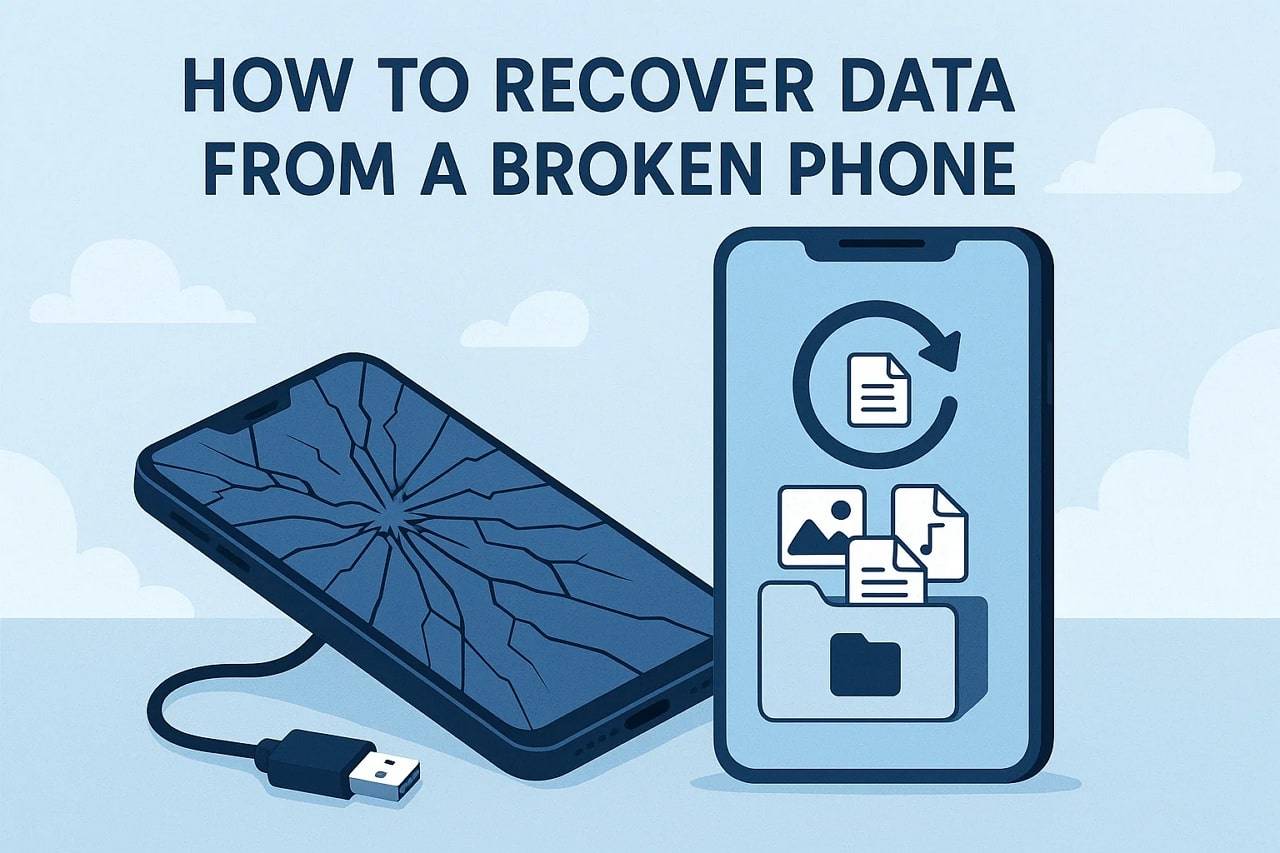
Don't panic when your smartphone suddenly goes dark—all hope is not lost! Losing cherished memories, crucial contacts, and important work files can feel devastating. Fortunately, in 2026, data retrieval from a seemingly lifeless device is far from an insurmountable task. Many users ask, "can you retrieve photos from a dead iphone or Android?" The answer is a resounding yes.
With the right software expertise and specialized recovery tools, you can breathe a sigh of relief as your valuable information is successfully revived. This comprehensive guide explores straightforward, highly effective techniques to extract your data. Whether you need to figure out how to recover photos from dead iphone without backup or restore internal memory from a bricked Android, we have you covered.
In this article
Part 1. What Causes Dead Android and iOS Phones?
Are you among the millions of users left baffled by an unresponsive device? When a smartphone suddenly stops working, understanding the root cause and severity of the malfunction is vital. Common culprits range from minor software glitches to catastrophic hardware failures. Identifying the exact reason is the first step toward figuring out how to recover photos from dead iphone or Android.
- Battery Deterioration: A fully depleted, swollen, or faulty battery can completely prevent the phone from powering on. Sometimes, replacing the physical battery is enough to resolve the blackout.
- Software and Firmware Glitches: A critical operating system error, a botched iOS/Android update, or corrupted system files can cause sudden shutdowns, leaving you stranded in a boot loop.
- Hardware Malfunctions: Physical trauma to internal components, such as a shattered motherboard or a disconnected display cable, often renders the smartphone structurally inoperable.
- Water and Liquid Damage: Exposure to moisture can cause rapid corrosion and irreversible short circuits to the phone's internal circuitry, which is a leading cause of dead devices.
- Extreme Overheating: Prolonged exposure to extreme heat can permanently fry sensitive CPU and memory components.
The severity of a dead smartphone dictates your recovery approach. While temporary software crashes allow for straightforward local recovery, severe motherboard damage might necessitate advanced data extraction software or professional assistance to bypass the dead OS.
Part 2. How to Recover Photos from Dead iPhone
If you are an Apple user, you might be desperately searching for ways to get your pictures back. Users frequently ask, "can you retrieve photos from a dead iphone?" Yes, with the help of specialized iOS data extraction utilities, you can bypass the unresponsive screen and access the internal file system.
This is especially critical if you are trying to figure out how to recover photos from dead iphone without backup. When iCloud syncing was turned off, your only lifeline is pulling the data directly from the physical memory chips using desktop software.
 Recovers data after deletion, crashes, or device damage.
- Supports photos, messages, contacts, WhatsApp, and more.
- Supports all major iPhone, iPad, and iPod models.
- Preview and recover only what you need.
To perform this recovery, connect your dead iPhone to a PC or Mac. Using a tool like Dr.Fone - Data Recovery (iOS), the software will attempt to communicate with the device's bootloader. If the motherboard is still partially alive, the software will scan the internal storage, allowing you to preview and extract photos directly to your computer, even if you never created an iCloud backup.
Part 3. Different Ways to Recover Data from Dead Android Phones
For Android users, after identifying the hardware or software problem, it is time to recover data from the internal memory. There are a few proven techniques to attempt Android data extraction.
Method 1: Extracting Files Using Dr.Fone - Data Recovery (Android)
Wondershare Dr.Fone remains an industry-leading software solution expertly engineered to tackle complex Android recovery scenarios. With its powerful scanning algorithms, this desktop tool empowers users to effortlessly bypass black screens and retrieve inaccessible data, making it the preferred choice for a dead phone.
- Scan Android phones and tablets directly.
- Preview and recover only what you want.
- Supports WhatsApp, photos, videos, contacts, and more.
- Works with 6000+ Android devices.
Follow these precise steps to restore your files using the specialized broken device recovery mode:
-
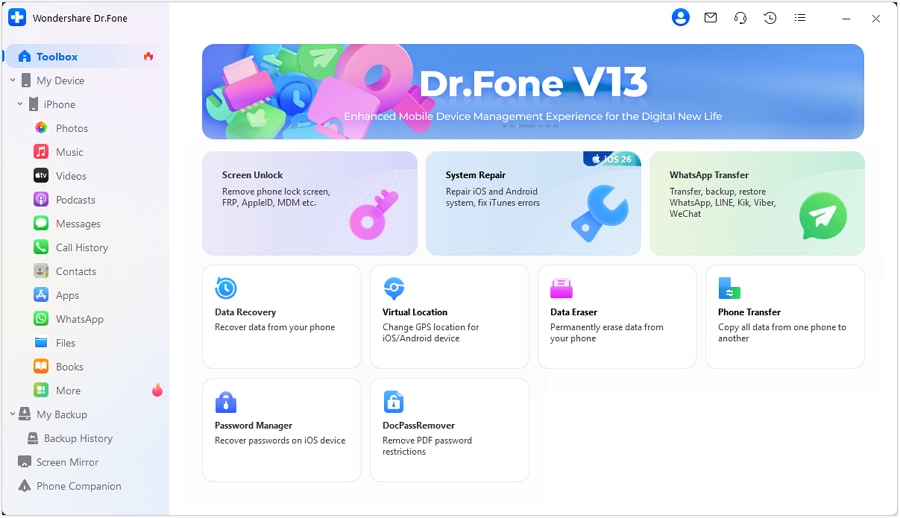
Step 1 Launch the Recovery Software
First, open Dr.Fone on your computer and connect your dead Android smartphone using a stable USB cable. Navigate through the main interface and click on "Toolbox" > "Data Recovery."
-
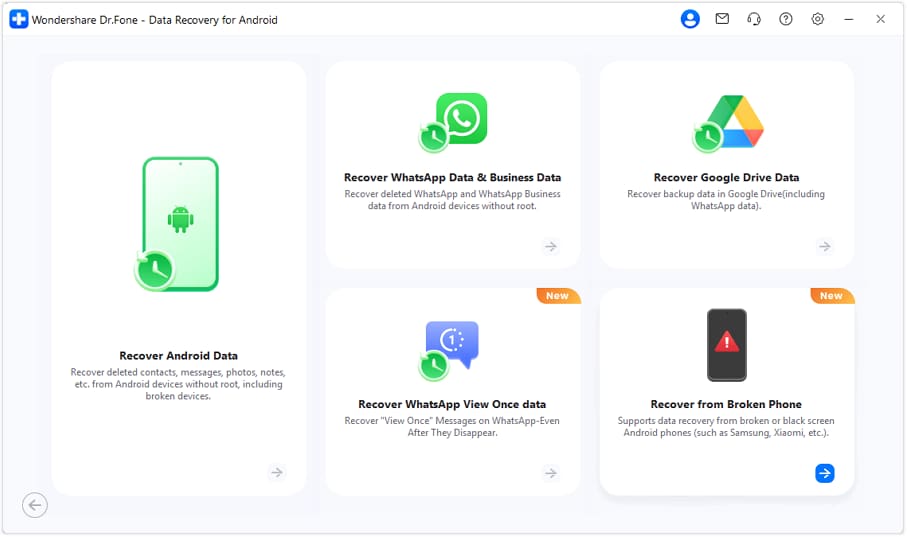
Step 2 Choose the Android Device Pipeline
On the subsequent screen, select the Android option. Since you are dealing with an unresponsive unit, click specifically on the "Recover from broken phone" function.
-
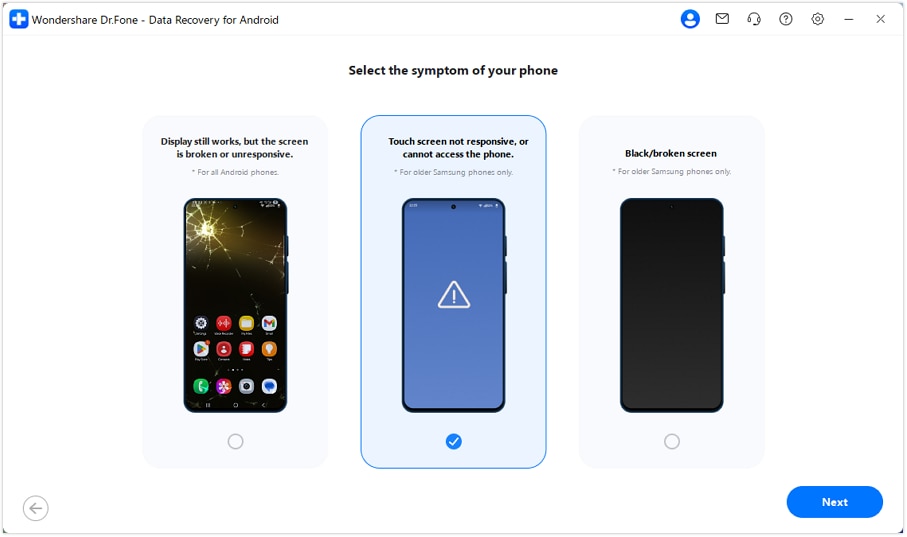
Step 3 Identify Your Specific Issue
The system will prompt you to define the exact failure condition. For a device that refuses to turn on, select the "Black/broken screen" option and click "Next" to continue the diagnostic.
-
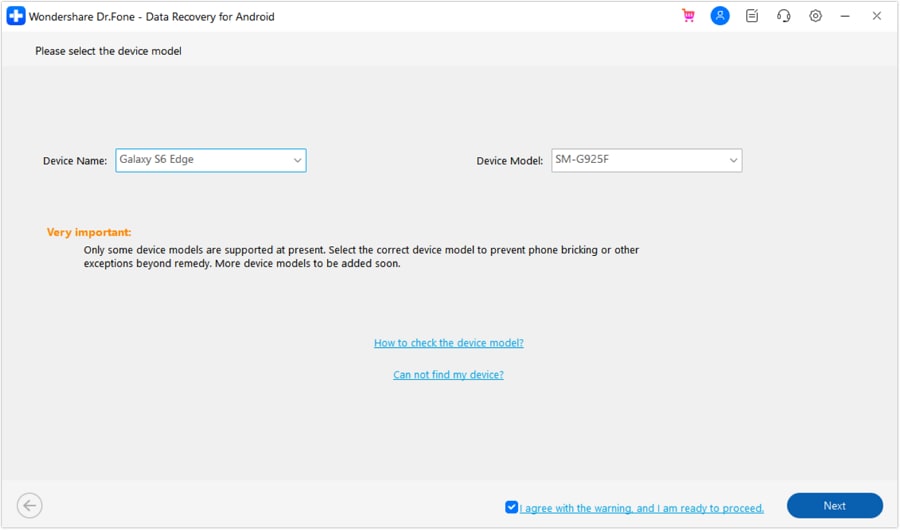
Step 4 Input Device Information
Accurate firmware matching is essential. Select your exact Device Name and Device Model from the dropdown menus. Check the "I agree with the warning" box at the bottom-right and proceed.
-
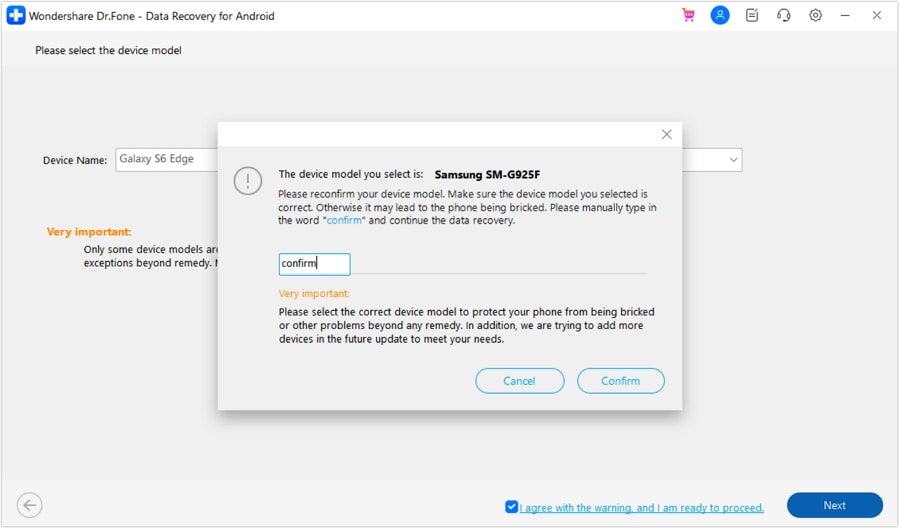
Step 5 Confirm the Operation
Because accessing core system files carries slight technical risks, the application will ask for a manual confirmation. Type the designated verification word on your screen and click "Confirm."
-
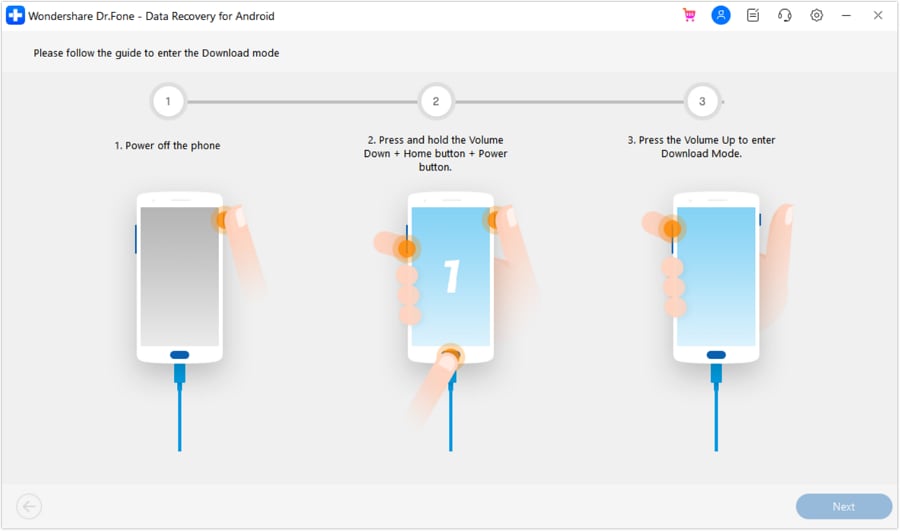
Step 6 Boot into Download Mode
Follow the on-screen graphical instructions carefully to force your unresponsive Android into Download Mode (usually involving a specific combination of volume and power buttons). Once activated, the software will download the appropriate recovery package.
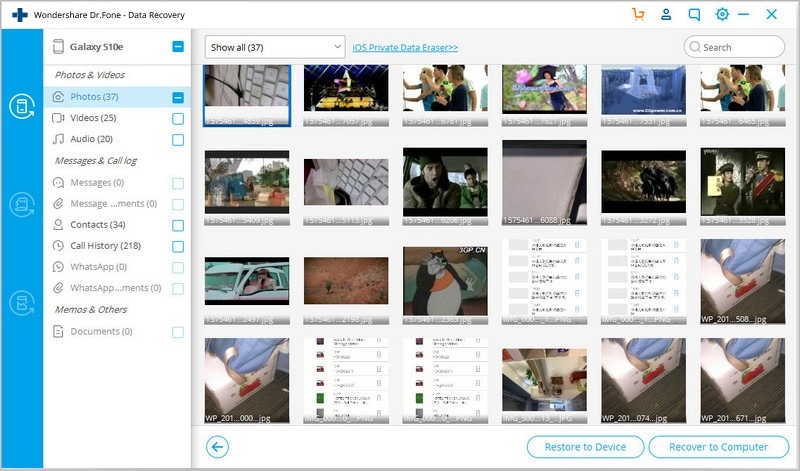
Once the system scan is complete, you will be presented with a highly organized preview of all recoverable files. Simply select the images, contacts, or documents you need and export them safely to your PC's local storage.
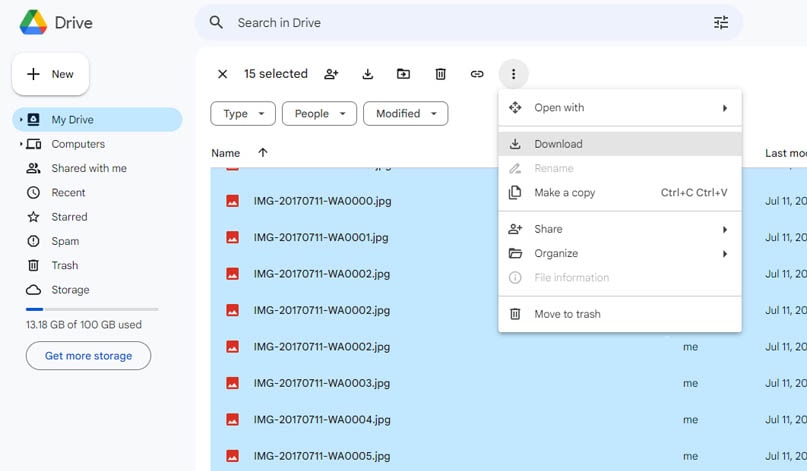
Method 2: Restoring Backups from Google Drive
If your device is catastrophically damaged beyond local scanning repair, cloud backups act as the ultimate fail-safe. Google Drive provides seamless synchronization, ensuring that as long as auto-sync was active before the device died, your data remains safely stored in the cloud.
-
Step 1 Access Google Drive on a PC
Open a web browser on your computer and log into the Google account associated with the dead smartphone.
-
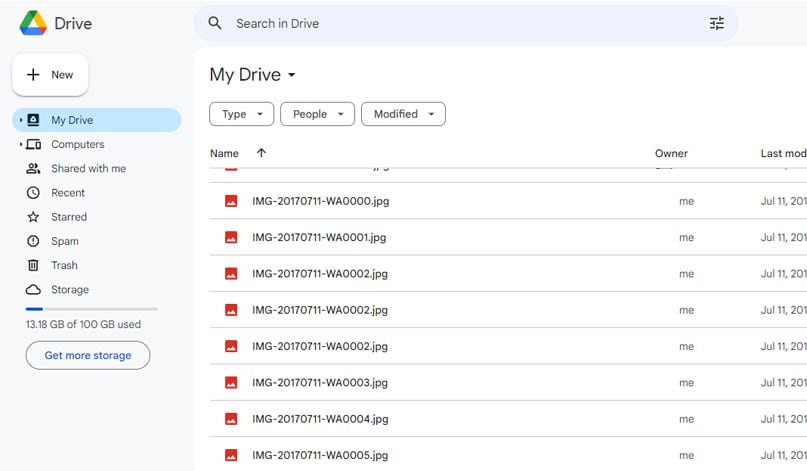
Step 2 Locate Your Files
Navigate to "Files" > "My Drive" on the left sidebar to view all synced documents, photos, and app data.
-
Step 3 Download to Local Storage
Select the specific media or backup folders you need. Click the three vertical dots menu and choose "Download" to save a secure copy directly to your computer's hard drive.
1. Dedicated Recovery Software (Dr.Fone):
Ideal for users asking how to recover photos from dead iphone without backup or un-synced Android devices. It provides a direct, localized extraction protocol that pulls data straight from the physical storage hardware.
2. Cloud Backup (Google Drive/iCloud):
Best for devices that are utterly shattered or waterlogged to the point of zero motherboard functionality, provided that proactive cloud syncing was enabled prior to the accident.
Part 4. Expert Tips for Preventing Data Loss in 2026
Prevention is invariably better than a cure. Safeguarding your valuable digital assets from abrupt hardware failure is non-negotiable. Implementing proactive security measures guarantees long-term accessibility.
- Automated Cloud Syncing: Configure iCloud or Google Drive to back up your photos automatically over Wi-Fi. This eliminates the panic of a sudden black screen.
- Invest in Desktop Backup Utilities: Utilize reputable desktop software to generate complete, encrypted images of your device's storage monthly.
- Leverage External SSDs: For large 4K video files or high-res images, physically transferring them to an external SSD provides an incorruptible secondary layer of defense.
- Maintain Firmware Updates: Operating system updates often patch severe memory leak vulnerabilities and firmware bugs that could lead to unexpected boot crashes.
- Avoid Sideloading Suspicious Apps: Malicious malware can intentionally brick your device. Stick to the official Apple App Store and Google Play Store to mitigate ransomware risks.




Conclusion
A dead smartphone screen does not automatically equate to permanent digital loss. By exploring cutting-edge data extraction utilities and recognizing the distinction between software crashes and hardware death, you can successfully salvage your digital footprint in 2026.
Whether you need a specialized iOS tool because you are wondering how to recover photos from dead iphone without backup, or you are extracting WhatsApp files from a bricked Android utilizing Dr.Fone, targeted software provides the highest success rate. Furthermore, establishing rigorous automated cloud habits guarantees that next time tragedy strikes, your data remains fully insulated.
FAQ
-
1. Can you retrieve photos from a dead iPhone if it won't turn on at all?
Yes, if the internal memory chip is undamaged. Advanced desktop recovery tools can often communicate with the bootloader of a dead device to extract the raw photo files directly to your computer.• Software brick: High chance of recovery.• Complete motherboard failure: Requires professional micro-soldering. -
2. How to recover photos from dead iPhone without backup?
If you lack an iCloud or iTunes backup, you must use local extraction software like Dr.Fone - Data Recovery (iOS). It scans the physical storage sectors of the device directly via a USB connection, bypassing the need for any pre-existing cloud data. -
3. Does a dead battery mean my Android data is gone forever?
Absolutely not. A dead or faulty battery prevents the phone from booting, but your data is permanently written to non-volatile flash memory. Replacing the battery or using recovery software while hooked up to a stable power source will safely retrieve your files. -
4. Is it safe to use third-party data recovery software on a dead phone?
Yes, provided you use industry-recognized tools. Legitimate recovery software operates in a read-only mode during scanning, meaning it will not overwrite or further corrupt your existing data while attempting to salvage your files.
 Add Wondershare Dr.Fone as a preferred source on Google