Recover photos, messages, WhatsApp, and more — no backup
needed.
Recover photos, messages, WhatsApp, and more — no backup
needed.

 100% Security Verified | No Subscription Required | No Malware

 :
: 
 ChatGPT
 Perplexity
 Gemini
 Claude
 Grok
Grok
A dead phone can instantly become a stressful nightmare, especially if it serves as the primary vault for your irreplaceable photos, crucial business contacts, important text messages, and confidential documents. Whether you are dealing with a sudden hardware failure, severe water damage, or a catastrophic software crash that leaves the screen completely black, losing access to your digital life is devastating. Fortunately, learning how to recover data from dead phone is entirely possible using a variety of proven techniques. Depending on how your device malfunctioned, you can leverage everything from specialized recovery software to pre-configured cloud backups.
This comprehensive 2026 guide will walk you through 4 highly effective methods to retrieve lost files safely from a non-working device. Understanding the nuances of each approach ensures a dramatically higher chance of successful content retrieval, allowing you to bypass system errors and avoid permanent data loss. Keep reading to explore the best recovery options available for your specific situation.
In this article
- Part 1. Can You Really Retrieve Data from a Dead Phone?
- Part 2. [100% Working Way] How to Retrieve Data from Dead Phone
- Part 3. How To Get Data from Dead Phone Using Google Drive Backup
- Part 4. How To Perform Dead Phone Data Recovery via Samsung Cloud [Samsung Users]
- Part 5. How To Recover Data From a Dead Phone With an SD Card
Part 1. Can You Really Retrieve Data from a Dead Phone?
Yes, retrieving data from a completely dead phone is possible, though the overall success rate heavily depends on the root cause of the failure and the specific recovery tools at your disposal. If the device suffers from a minor software glitch, a deeply drained battery, or firmware corruption, restoring access might only require standard troubleshooting. However, major physical destruction—such as a shattered motherboard or severe water damage—usually requires professional software or hardware intervention to extract the internal memory.
When the screen is shattered or the system is completely unresponsive, external recovery utilities become your best lifeline. By exploring cloud synchronization, SD card transfers, and advanced PC-based extraction software, you can quickly figure out how to retrieve data from dead phone without needing the screen to function. Identifying the specific symptoms of your device will dictate the most viable recovery path.
Part 2. [100% Working Way] How to Retrieve Data from Dead Phone
 Scan Android phones and tablets directly.
- Preview and recover only what you want.
- Supports WhatsApp, photos, videos, contacts, and more.
- Works with 6000+ Android devices.
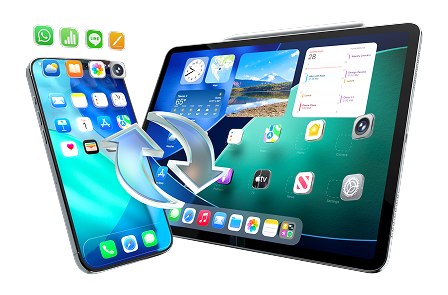
When a mobile device becomes completely unresponsive or suffers from a black screen of death, recovering internal data might feel like an impossible task. However, specialized recovery software is explicitly designed to bypass OS-level blocks and directly extract files from a compromised internal storage chip. For Android users facing this dire situation, the most reliable and effective solution is Dr.Fone - Data Recovery (Android).
This robust application excels at bypassing system crashes, frozen screens, and non-booting OS loops. By connecting your device to a computer, Dr.Fone communicates directly with the phone's memory, allowing you to salvage essential files like photos, contacts, WhatsApp chats, and messages even if the phone itself cannot turn on. This makes it an absolute lifesaver for anyone wondering how to get data from dead phone without needing complex technical expertise.
Why Recover Phone Content Using Dr.Fone - Data Recovery (Android)
- Effortlessly extracts data even if the phone screen is cracked, unresponsive, or stuck on a black display.
- Offers a detailed preview feature, allowing users to selectively choose specific files before finalizing the restoration.
- Securely retrieves a massive range of file types including contacts, messages, gallery photos, videos, call logs, and documents.
Detailed Manual on How To Recover Data From Dead Phone
The software features an incredibly intuitive interface designed for users of all technical levels. Simply follow these step-by-step instructions to extract your vital data from a physically broken or dead phone:
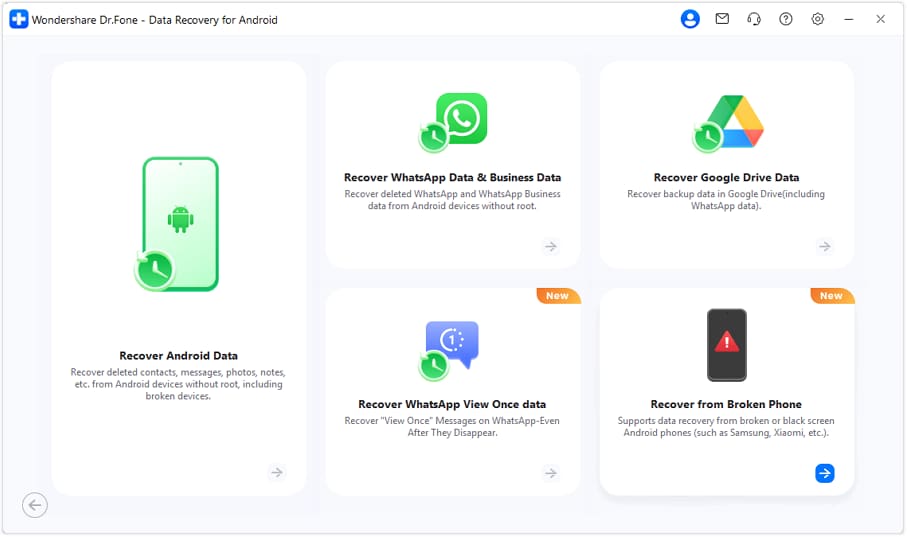
Step 1 Find and Select the Recover from Broken Phone Option
Start by launching the Dr.Fone application on your computer. From the main interface, navigate to "Toolbox" and select "Data Recovery." Next, choose "Android" as your device OS and click on the "Recover from Broken Phone" feature. Select the fault condition that most accurately reflects your dead device, then click "Next" to continue.
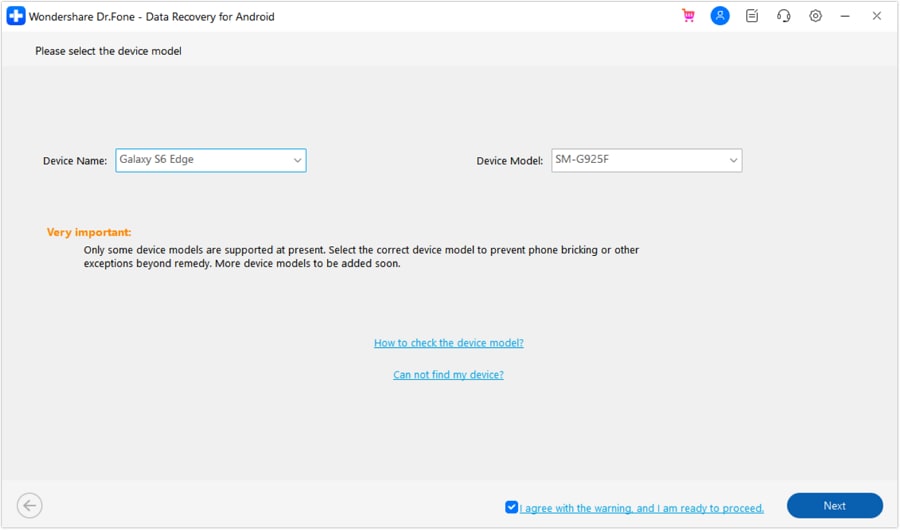
Step 2 Provide the Phone Information and Agree to the Warning Prompt
The software will prompt you to provide specific hardware details. Carefully select the correct "Device Name" and "Device Model" from the dropdown menus. It is critical to provide precise information to prevent soft-bricking the device. After confirming the model, check the "I agree with the warning, and I am ready to proceed" box and hit "Next".
Step 3 Activate Download Mode to Extract Device Content
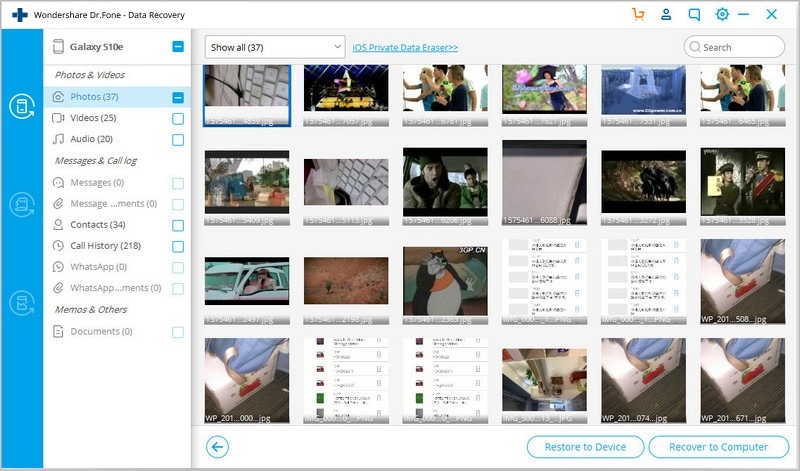
Type "Confirm" in the provided text field to authorize the operation. Connect your dead phone to the PC via USB and follow the on-screen instructions to force the device into Download Mode. Once in Download Mode, click "Next" and Dr.Fone will automatically scan the internal storage. Finally, preview your retrieved files and choose "Recover to Computer" to safely save them.




Part 3. How To Get Data from Dead Phone Using Google Drive Backup
Proactive cloud backups are an absolute lifesaver when physical hardware fails. For the vast majority of Android devices, Google Drive acts as the primary, default cloud storage ecosystem. As long as you had background syncing enabled before the fatal crash, restoring your lost digital footprint is a streamlined process. Utilize the following routine to successfully recover data from dead Android phone internal memory:
Step 1 Verify the Google Drive Backup Exists
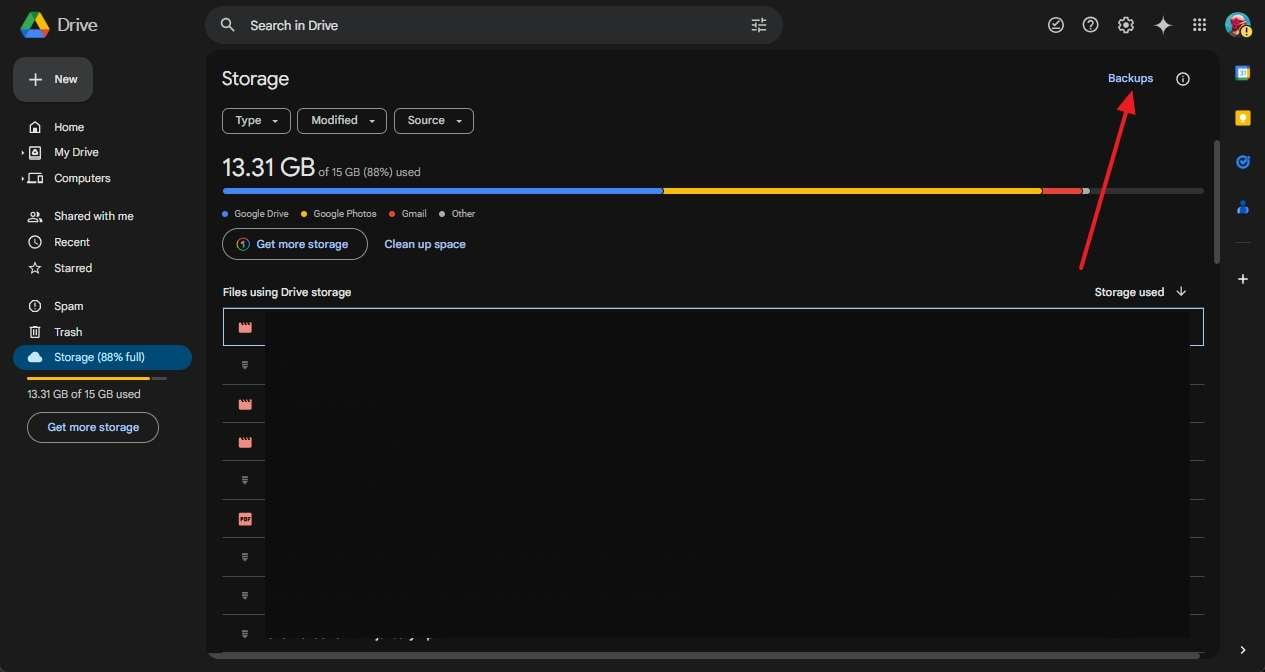
Before initiating a factory reset or setting up a replacement device, log into your Google Drive account via a web browser or another working device. Navigate to the "Backups" section in the sidebar menu. Verify that a recent backup file matching your dead device's timestamp is safely stored in the cloud.
Step 2 Restore Data to the New Device
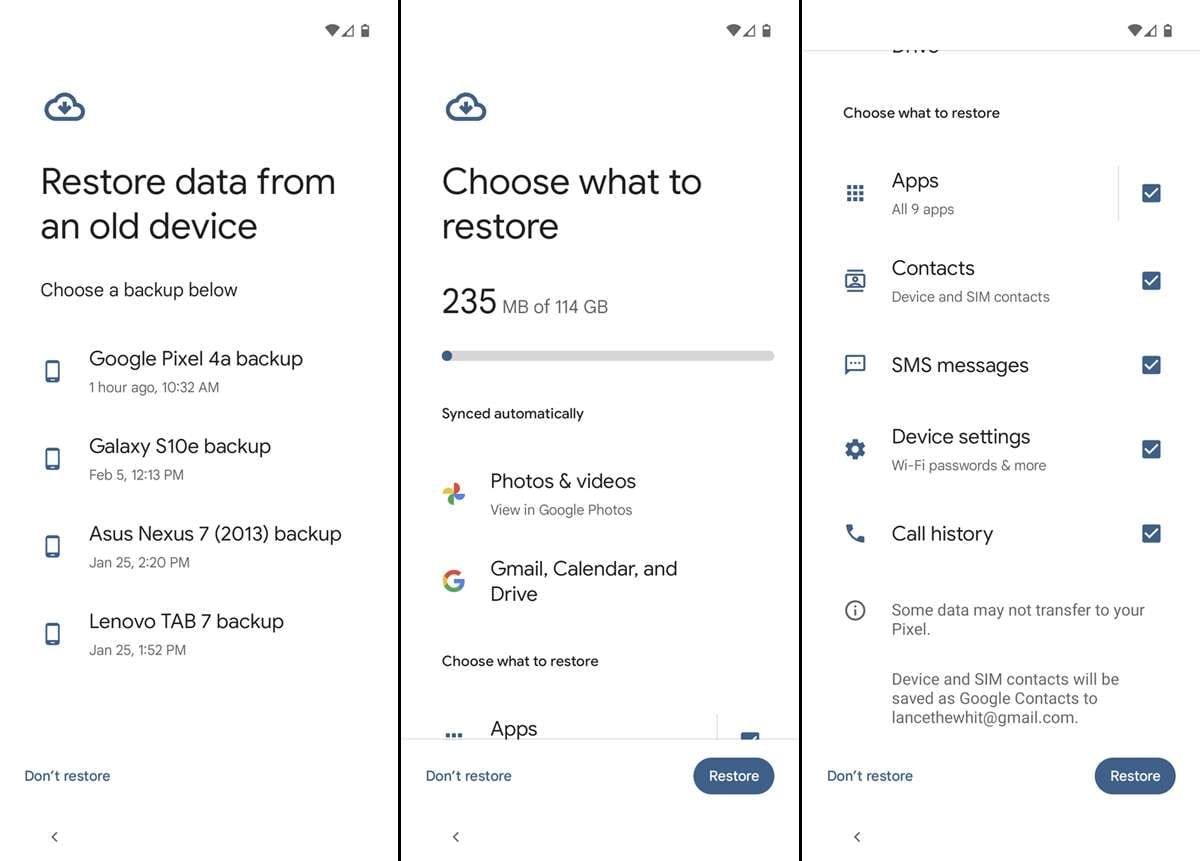
Power on your new or repaired Android smartphone and begin the initial setup sequence. When prompted, select "Restore from Backup" and authenticate using the exact same Google account credentials. Choose the verified backup file from the list, confirm your selection, and allow the system to seamlessly download your apps, contacts, and settings.
Part 4. How To Perform Dead Phone Data Recovery via Samsung Cloud [Samsung Users]
While Google Drive provides a universal fallback, leading smartphone manufacturers frequently bundle proprietary cloud architectures for deeper system integration. For Galaxy device owners, Samsung Cloud provides an incredibly seamless recovery pipeline. If you consistently utilized automatic syncs prior to the system failure, retrieving your gallery and app data is extremely straightforward. Follow these specialized steps to recover data from a dead phone using the native Samsung ecosystem:
Step 1 Access Samsung Cloud on the Replacement Device
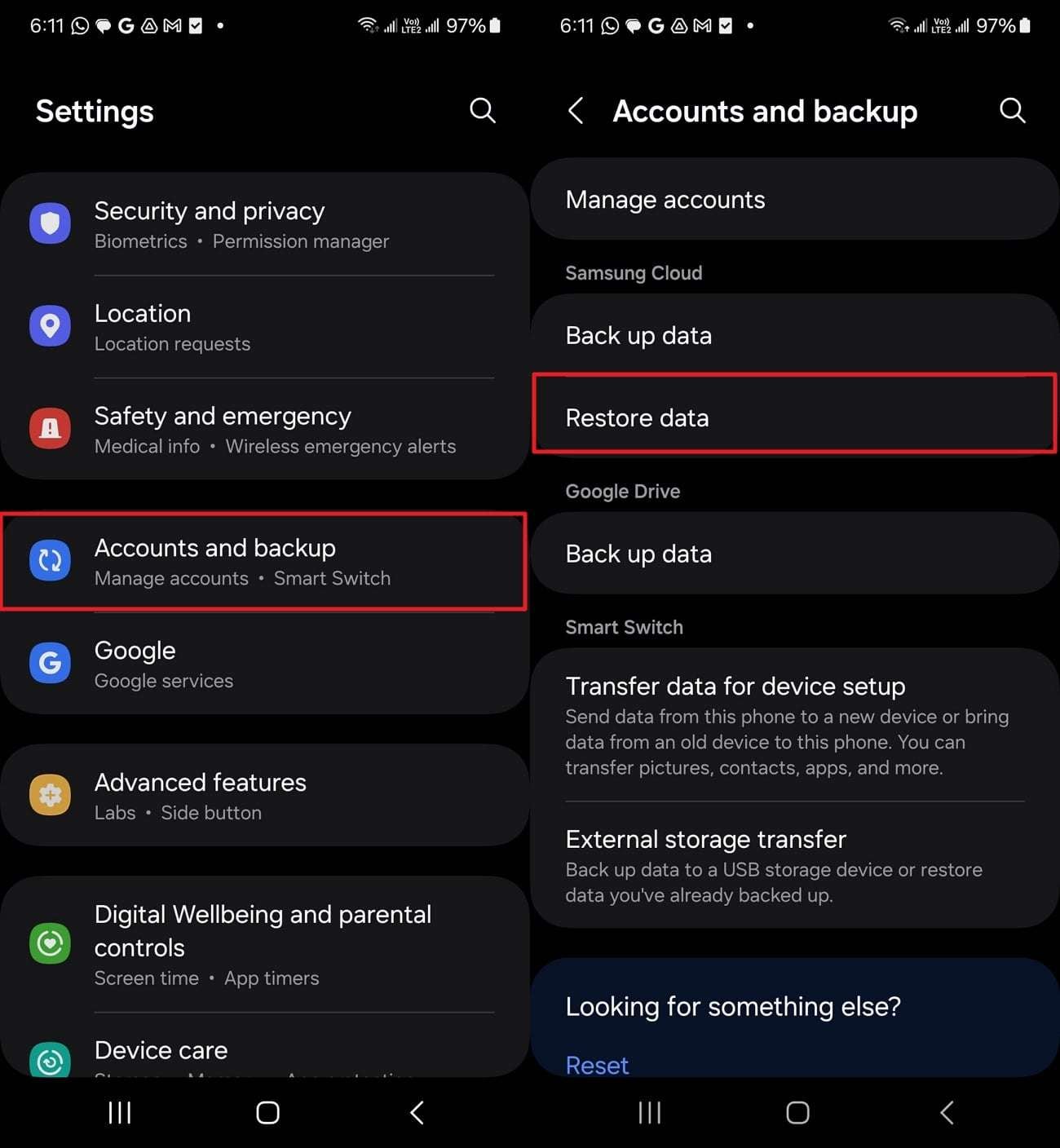
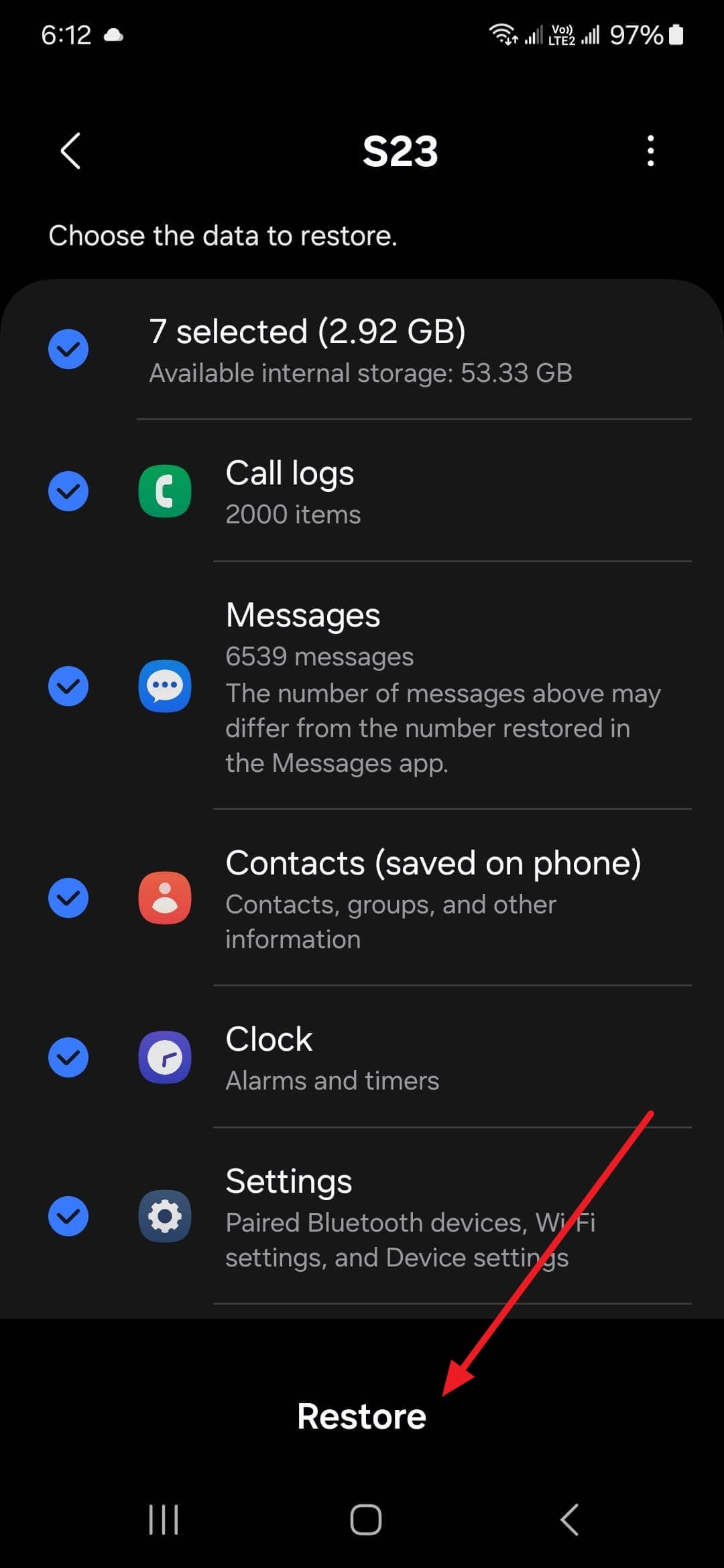
Turn on your replacement Samsung smartphone and navigate to the "Settings" menu. Tap on "Accounts and Backup," then select "Restore Data" nestled under the "Samsung Cloud" header. The system will prompt you to choose your dead device from a list of historically linked hardware; carefully check the data categories (like Contacts, Calendar, or Messages) you want to extract.
Step 2 Finalize the Restoration Process
After reviewing the selected data fields, tap the prominent "Restore" button to initiate the transfer. Ensure your device is connected to a stable Wi-Fi network as the data repopulates in the background. Once the completion message appears, click "Done" to finalize the recovery sequence and access your old files.
Part 5. How To Recover Data From a Dead Phone With an SD Card
Physical separation of data is a major advantage for Android configurations that still support expandable storage. Because a MicroSD card operates independently from the internal motherboard, it generally survives catastrophic device failures like water submersion or critical battery swelling. This physical segregation makes it one of the quickest and easiest ways to recover data from a dead Android phone. Here is how to execute this physical transfer:
Step 1 Extract the SD Card from the Broken Device
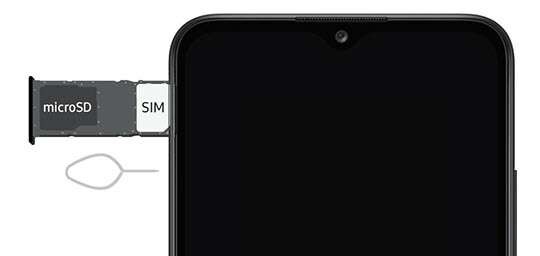
Locate the SIM/SD card tray on the exterior chassis of your dead mobile phone. Insert a standard SIM ejector tool or a small paperclip into the pinhole to pop out the tray. Carefully remove the external SD card, ensuring you don't scratch the metal contact points during extraction.
Step 2 Access the Files via a PC or New Phone
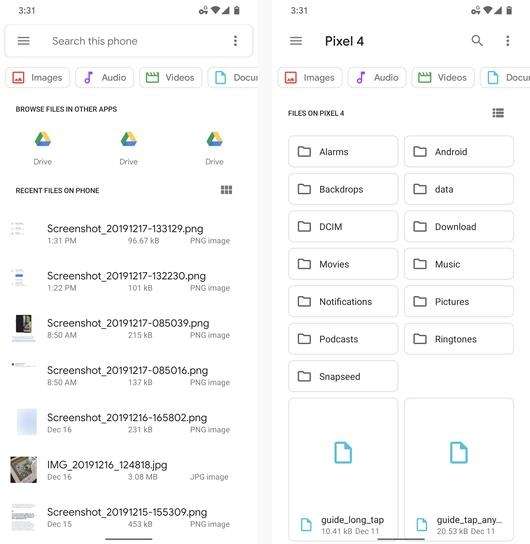
Slide the salvaged SD card into a replacement Android phone or use a dedicated USB SD card reader to connect it directly to your computer. If using a PC, open "Windows Explorer" (or Finder on Mac) to browse the external drive's contents. From here, you can seamlessly copy and paste all critical photos, documents, and media to a secure local folder.
Conclusion
Navigating the stressful reality of dead phone data recovery can feel like an insurmountable challenge for many smartphone users. However, as this guide has demonstrated, there are multiple robust avenues available to retrieve your data, ranging from cloud-based Google Drive syncs to straightforward SD card physical extractions.
For situations where cloud backups fail and the internal storage is trapped behind a broken screen, professional utilities like Dr.Fone - Data Recovery (Android) offer the most reliable rescue operation. Its unparalleled ability to securely extract raw data from fundamentally broken or unresponsive systems guarantees you the highest chance of getting your files back. Act decisively, choose the recovery path best suited for your device's condition, and restore your digital life today.
FAQ
1. Can I retrieve data from a water-damaged dead phone?
Yes, it is possible to retrieve data from a water-damaged phone, but you must act carefully. Do not attempt to turn the device on or plug it into a power source, as this can cause a short circuit. Instead, use specialized data extraction tools like Dr.Fone if the storage chip is intact, or consult a professional hardware repair service for severe motherboard corrosion.2. Will a factory reset fix my dead phone without erasing my data?
No. A factory reset will completely wipe the internal storage of the device. If your phone is stuck in a boot loop and you perform a hard reset via the recovery menu, all local files, photos, and apps will be permanently deleted. Always attempt a data recovery process before considering a factory wipe.3. How can I extract contacts from a dead Android phone?
If you had Google Sync enabled, your contacts are safely backed up to your Google account. Simply log into Google Contacts on a PC to view them. If not, and the phone's internal memory is still functional despite a broken screen, use Android data recovery software to extract the local contact list directly to your computer.4. What is the success rate of dead phone data recovery?
The success rate is highly variable. If the phone simply has a dead battery, broken display, or software glitch, the success rate using recovery software is incredibly high. However, if the internal flash memory chip is physically shattered or fried by a massive electrical surge, the data may be unrecoverable even by professionals.
 Add Wondershare Dr.Fone as a preferred source on Google