Recover photos, messages, WhatsApp, and more — no backup
needed.
Recover photos, messages, WhatsApp, and more — no backup
needed.

 100% Security Verified | No Subscription Required | No Malware

 :
: 
 ChatGPT
 Perplexity
 Gemini
 Claude
 Grok
Grok

“All the photos stored on my SD card have been deleted out of the blue. There's no backup of my data and I can't afford to lose my photos. Can someone tell me how to recover deleted pictures from the SD card on the phone?”
Losing data from an SD card or phone's internal memory is a frustrating nightmare experienced by hundreds of Android users daily. Whether it was caused by an accidental deletion, a sudden formatting error, or a corrupted file system, your precious memories and vital documents might seem gone forever.
Fortunately, with the correct memory card recovery software for Android, getting those files back is entirely possible. I used one of these robust tools to perform an SD card recovery for Android myself, and the results were phenomenally successful. In this comprehensive 2026 guide, I will share the exact steps and top tools to help you perform a flawless SD card data recovery for Android.
In this article
Part 1. Is SD Card Recovery for Android Possible?
Yes, SD card recovery for Android is absolutely possible provided you act quickly and wisely. When you accidentally delete files or photos on your Android device, the operating system does not immediately erase the actual physical data from the memory blocks. Instead, it simply removes the file pointers allocating that memory, marking the space as "available" for new data to be written.

This means your deleted pictures and documents remain hidden on the SD card until new files overwrite them. To successfully recover deleted files from an SD card, you must immediately stop using the card. Do not snap new photos, download files, or install any new applications. Then, leverage a dedicated SD card data recovery for Android tool to deeply scan the storage and extract the inaccessible content before it is gone for good.
Part 2. How to Recover Deleted Files from SD Card?
Now that you understand the mechanics behind SD card recovery for Android, the crucial next step is selecting the perfect recovery tool. After extensively testing multiple options to recover deleted pictures from an SD card on my phone, I discovered that Dr.Fone - Data Recovery (Android) consistently delivered the safest and most reliable results.
 Scan Android phones and tablets directly.
- Preview and recover only what you want.
- Supports WhatsApp, photos, videos, contacts, and more.
- Works with 6000+ Android devices.
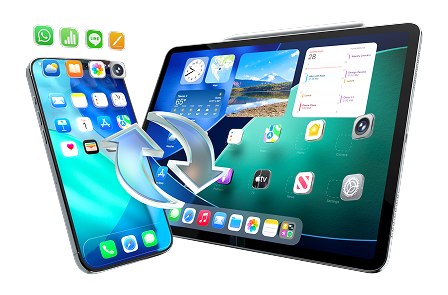
Dr.Fone stands out as a pioneering memory card recovery software for Android developed by Wondershare. It offers robust capabilities to salvage lost files not only from your device's internal storage but also directly from external SD cards. Whether you are dealing with a formatted card, accidental deletion, or a virus attack, this software performs an intensive deep scan to restore photos, videos, music, and documents with an exceptionally high retrieval rate.
Furthermore, the intuitive interface allows users to preview the extracted files before committing to the restoration, ensuring you only retrieve the exact data you need. It supports over 6000 Android phones and tablets from major brands like Samsung, HTC, Motorola, LG, Sony, and Google.




Step-by-Step Guide: How to Recover Deleted Files from SD Card on Phone
If you are looking for a reliable SD card recovery software for Android mobile free download (for Mac or Windows), Dr.Fone is your best bet. Follow these precise steps to safely retrieve your files:
-
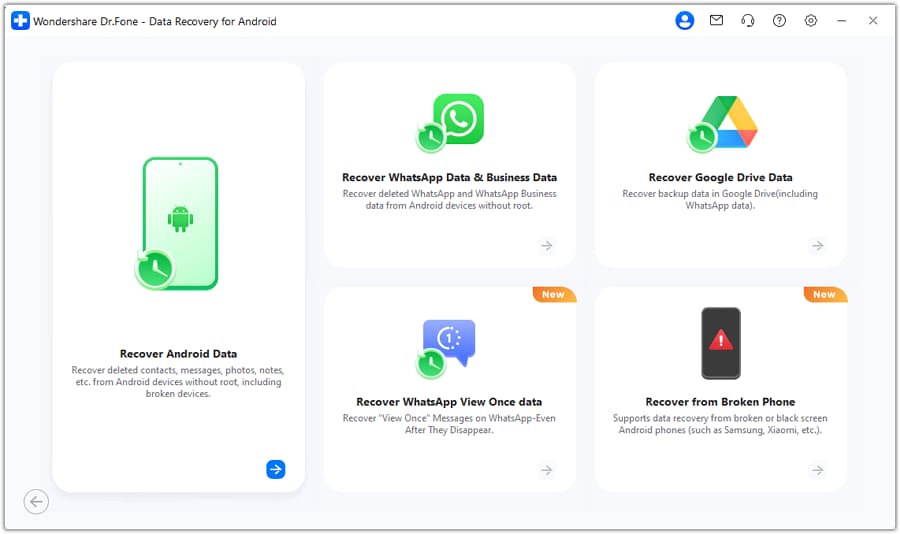
Step 1 Connect Your SD Card to the System
To initiate the SD card recovery for Android, launch the Dr.Fone toolkit on your Windows PC or Mac. From the main home interface, select the "Data Recovery" module.
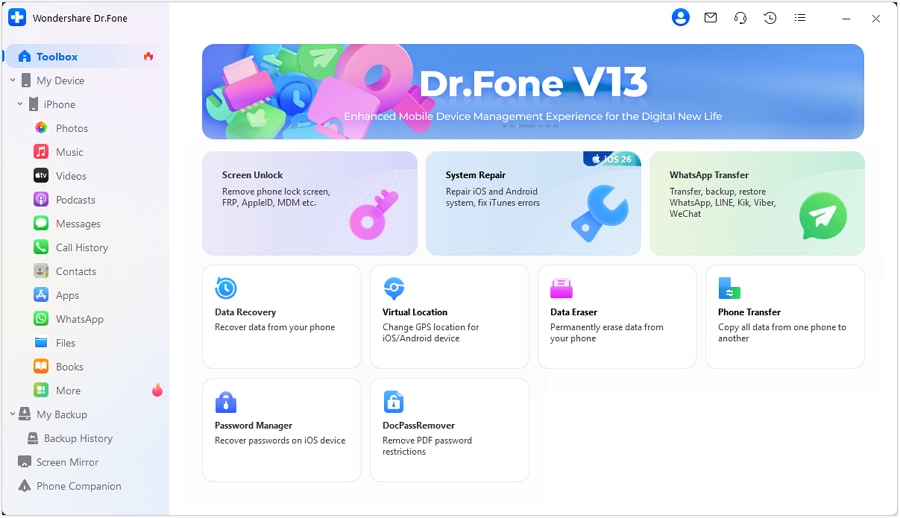
Next, you must securely connect your SD card to your computer. You can utilize a dedicated card reader, insert it directly into your system's built-in slot, or simply connect your Android device via USB with the SD card inside. Navigate to the "Recover Android Data" option within the application and click "Next" to proceed.
-
Step 2 Scan Your SD Card for Lost Data
You will be prompted to select the specific file types you wish to recover, such as photos, videos, audio, or documents. Once you have made your relevant selections, click on the "Start Scan" button.
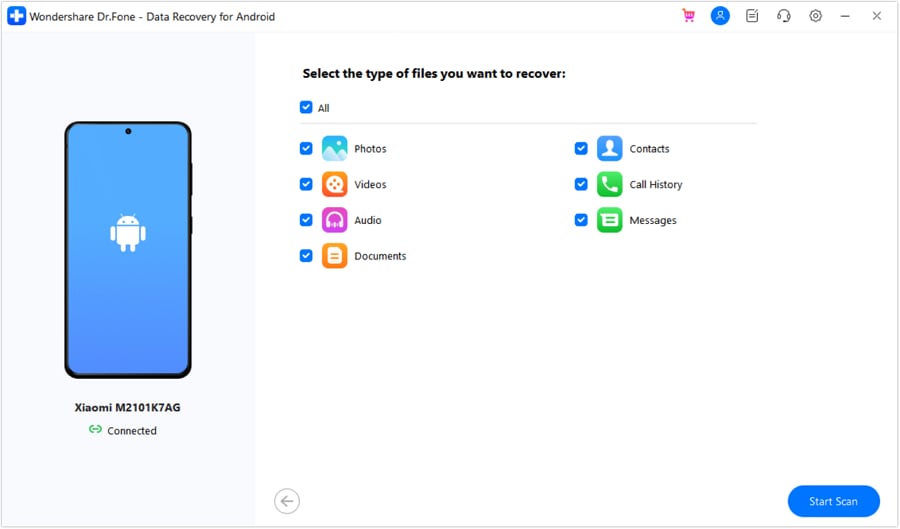
Sit back and allow the software to perform an exhaustive scan of your SD card for any lost or deleted content. Ensure your SD card remains firmly connected throughout this process. You can monitor the scanning progress via the on-screen indicator.
-
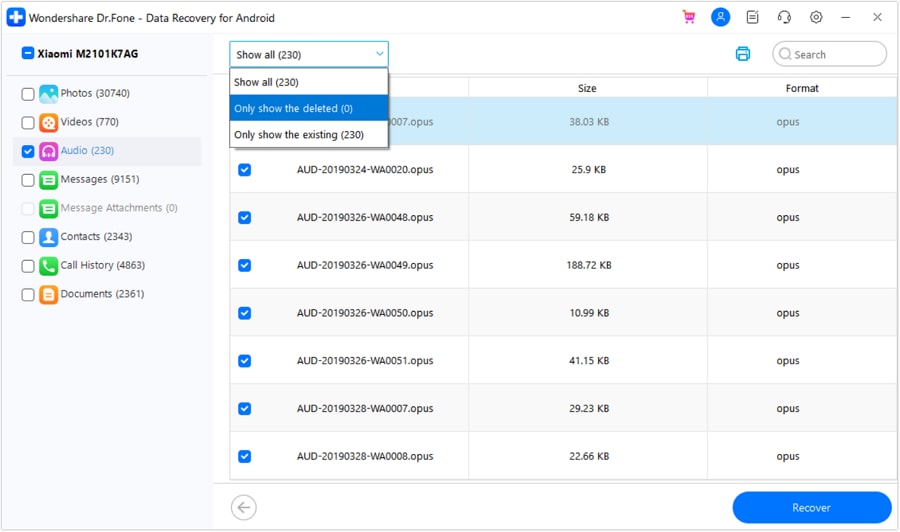
Step 3 Preview and Recover Your Data
Once the deep scan concludes, the application will notify you. All retrievable data will be neatly segregated into distinct categories on the left panel. Take your time to preview your files directly within the interface to ensure their integrity. Finally, select the data you wish to get back and click the "Recover" button to securely save it to your computer.
Things to Consider When Choosing an SD Card Recovery Tool
Achieving successful SD card data recovery for Android depends heavily on your post-data-loss habits. Keep these crucial guidelines in mind for the best outcome:
- Act Rapidly: Try to perform data recovery as soon as possible. Prolonging the recovery minimizes your chances, as background processes might overwrite the lost data.
- Halt All Operations: Do not use the SD card to capture photos or move files from another source. Any new data written to the card can permanently overwrite your inaccessible files.
- Prioritize Reliability: Only use a verified, reliable SD card recovery software for Android. Untested tools can inject malware or cause irreversible damage to the storage sector.
- Protect Your Privacy: Always review the terms and conditions. A professional tool will never access your private data or leak it to a third party.
- Restore to a Safe Location: Never restore your recovered data back onto the exact same SD card if it is corrupted or unstable. Save the files to your computer's hard drive first to create a secure backup copy.
Part 3. Other 3 Popular Android SD Card Recovery Software
Apart from Dr.Fone - Data Recovery (Android), the market offers several other capable memory card recovery software for Android. Here is an overview of three highly regarded alternatives you can explore.
3.1 Recoverit SD Card Recovery
Recoverit is another flagship application developed by Wondershare, meticulously engineered to help users recover lost and deleted data across complex scenarios. It extends far beyond native system storage, executing deep-level data recovery from SD cards, external hard drives, and varied secondary storage platforms.

With its dual-scan architecture, you can run a rapid scan for instant access to recently deleted items, or deploy the comprehensive "all-around recovery" to piece together severely fragmented files. It recovers photos, music, compressed files, and documents with true lossless quality on both Mac and Windows.
- Free trial version is readily available for testing
- Backed by a robust money-back guarantee
- Exceptionally intuitive and user-friendly interface
- Supports nearly all major data formats and extensions
- Highly responsive dedicated customer support
- The free version restricts users to a maximum recovery of 100 MB of data
3.2 iSkySoft Toolbox - Android Data Recovery
Another prominent solution to execute SD card data recovery for Android is developed by iSkySoft. Designed to tackle various data loss emergencies, this toolkit is incredibly streamlined and perfectly capable of analyzing both the internal smartphone memory and external SD components.

It adapts seamlessly to different failure scenarios, whether dealing with accidental deletions or system formatting issues. It consistently delivers a high recovery rate for photos, videos, and critical documents, all while providing a clear preview interface to aid user selection.
- Features an accessible, beginner-friendly interface
- Includes a free trial version for initial evaluation
- The application is exclusively available for Windows systems
- Offers somewhat limited layers of advanced data recovery
- Restricted compatibility, primarily supporting devices on Android 7.0 and older
3.3 EaseUS Data Recovery Wizard
The EaseUS Data Recovery tool serves as a comprehensive, all-in-one desktop utility capable of reversing data loss under stringent conditions. While frequently deployed to salvage content from a system's native hard drive, its architecture is exceptionally well-suited for secondary data storage units, including SD cards and external memory drives.

It excels in locating stranded data even from a heavily formatted SD card, supporting photo, video, and document extraction across all popular memory card configurations on leading Mac and Windows operating systems.
- A free version is offered to evaluate the software's capabilities
- Universally compatible with the vast majority of consumer devices
- Permits users to meticulously preview files before committing to recovery
- Highly accessible interface requiring no advanced technical skills
- The free tier is strictly limited to 500 MB of data restoration
- Pro versions are considerably costlier than competing data recovery tools
Part 4. Tips for Solving SD Card Issues on Android Phones
After successfully using an SD card recovery software for Android mobile, you will inevitably want to ensure your storage device remains stable. Unfortunately, Android users frequently face unexpected formatting errors or detection failures. Here is how you can systematically resolve the most common SD card-related issues on modern Android devices.
4.1 SD Card Not Detected on Android
If your SD card suddenly vanishes from your storage manager and is not getting detected by your Android phone, do not panic. This is a prevalent hardware or software communication glitch. Try these fixes:
Fix 1: Verify Hardware Compatibility
Ensure the specific classification of the SD card (e.g., SDXC, SDHC) is genuinely supported by your smartphone model. Inserting an older-generation card into a brand-new device, or vice versa, often triggers severe compatibility roadblocks.
Fix 2: Inspect for Physical Damage
Remove the card and scrutinize the metallic contact pins. Even minor dirt, scratches, or corrosion on the device's card slot or the SD card itself can prevent detection. Test the SD card on a different Android device or PC to isolate the culprit.
Fix 3: Remount the SD Card
Sometimes a simple reboot of the hardware connection is enough. Eject the SD card tray, completely remove the card, wait a few moments, and firmly reattach it to see if the device recognizes the storage.

4.2 Android SD Card Corrupted
Receiving an ominous system prompt stating your "SD card is corrupted" usually signifies a critical filesystem error. Before giving up on the card, systematically implement the following troubleshooting suggestions.
Fix 1: Perform a System Restart
Occasionally, background software glitches interfere with storage reading processes. Simply powering down your Android device and restarting it forces the OS to rescan and remount the SD card natively, often clearing minor temporary corruption flags.
Fix 2: Execute an Anti-virus Scan
If malware or a malicious script corrupted the file headers on your SD card, an integrated anti-virus scan is mandatory. Connect the SD card directly to your PC and run a thorough scan utilizing a trusted desktop anti-virus suite to isolate and eradicate the hidden threats.
Fix 3: Reformat the SD Card
If the corruption is beyond logical repair, formatting the SD card is the final resort. Warning: This permanently wipes the existing directory. Connect the card to your Windows system, right-click the designated SD card drive, select "Format", choose the appropriate file system (like exFAT), and click "Start". This process essentially resets the card to factory defaults, allowing it to function as a brand-new storage unit.

4.3 Not Enough Space on SD Card
The dreaded "Insufficient Storage" error is a notorious bug in the Android ecosystem. Bizarrely, this prompt often appears even when you mathematically possess gigabytes of free space. Resolve this frustrating anomaly using these methods:
Fix 1: Reboot Your Smartphone
The simplest approach to recalibrate the OS storage metrics is a standard restart. Rebooting flushes out cached storage errors and forces the Android device to read the SD card's authentic available capacity.
Fix 2: Format the SD Card Natively
If the directory structure is reporting false values, a fresh format via the Android UI can correct it. Navigate to your device's native SD card settings, unmount the drive safely, and select the "Format" option. Allow the system to completely rebuild the card's filesystem.

Fix 3: Manually Clear Up Space
Sometimes the card is genuinely cluttered with hidden cache files or fragmented media. Systematically migrate heavy data—like bulky video recordings or photo bursts—from your SD card to the phone's internal memory or cloud storage. Additionally, dive into the App Settings to clear bloated application cache data that might be secretly hoarding your SD storage.

Conclusion
Losing irreplaceable memories and critical documents doesn't have to be a permanent tragedy. Armed with the knowledge of how to recover deleted files from an SD card on your Android phone, you can confidently address unexpected data loss. While several options exist in 2026, I strongly advocate using Dr.Fone - Data Recovery (Android). It remains an industry-leading, tried-and-tested desktop solution that safely executes SD card data recovery for Android without risking further file corruption on the mobile device.
FAQ
-
1. Can I recover deleted files from an SD card on Android without a PC?
While it is possible to find a "recover deleted files from sd card android app" on the Google Play Store, downloading and installing an app directly onto the phone heavily increases the risk of overwriting the exact deleted data you are trying to retrieve. For the safest and most successful recovery, utilizing a desktop program via a PC is strongly recommended. -
2. How long do deleted pictures stay on an SD card before they are lost forever?
Deleted files do not have an arbitrary expiration timer. They remain physically etched on the SD card indefinitely until the operating system requires that specific sector to write new data. If you immediately remove the SD card and halt all operations, the files will remain intact and recoverable for years. -
3. Why does my phone constantly prompt that the SD card is corrupted?
Consistent corruption errors usually stem from abruptly ejecting the card without unmounting it, sudden battery failure during data transmission, or physical wear on the contact pins. If running a disk repair tool like CHKDSK on a PC does not solve it, rescuing the data via recovery software and then reformatting the card is the best strategy. -
4. Does formatting an SD card permanently erase all my files?
Executing a standard "quick format" does not permanently shred the data; it only clears the master file table, marking the space as vacant. Professional SD card recovery for Android tools can easily bypass this and extract the files. However, a "full format" physically overwrites every sector with zeroes, rendering the data permanently unrecoverable.
 Add Wondershare Dr.Fone as a preferred source on Google