Recover photos, messages, WhatsApp, and more — no backup
needed.
Recover photos, messages, WhatsApp, and more — no backup
needed.

 100% Security Verified | No Subscription Required | No Malware

 :
: 
 ChatGPT
 Perplexity
 Gemini
 Claude
 Grok
Grok
Safeguarding your digital life is more critical in 2026 than ever before, and choosing the right cloud storage infrastructure can make all the difference. OneDrive Personal delivers a seamless, secure, and highly intuitive approach to protecting your most valuable personal files, family photos, and critical documents. Beyond merely holding your data, it ensures you have lightning-fast access to your content from any device—whether you are working on a Windows PC, a Mac, or navigating a smartphone on the go. With effortless synchronization across all major operating systems, managing scattered files becomes entirely automated.
In this comprehensive guide, we will unpack everything you need to know about setting up and maximizing your personal one drive experience. From advanced military-grade encryption features to evaluating how it stacks up against competitors regarding overall utility and google drive personal pricing, this thorough review will help you determine if it is the ultimate storage solution for your sensitive content.
In this article
- Part 1. What is OneDrive Personal?
- Part 2. Outstanding Features of OneDrive Personal
- Part 3. Benefits and Drawbacks of Using OneDrive Personal in Daily Life
- Part 4. Pricing and Storage Plans
- Part 5. How To Use OneDrive To Secure Your Important Files
- Part 6. Which Cloud Storage is Better: Google Drive vs. OneDrive Personal?
- Part 7. Get Your Lost Data Back Effortlessly From Google Drive via Dr.Fone
- Part 8. Must Try: Reclaim Your Digital Space with Smart Clean
Part 1. What is OneDrive Personal?
Effectively managing an ever-growing library of digital files requires a dependable cloud storage service, and OneDrive Personal has proven to be an industry leader in this space. Developed by Microsoft, it is a dedicated cloud platform engineered specifically for individuals who need an ultra-secure, centralized hub to store, back up, and organize their digital content effortlessly.
Unlike Microsoft’s complex enterprise solutions, one drive personal is uniquely tailored for the everyday consumer. It bypasses complicated IT configurations, offering a remarkably straightforward interface that requires zero advanced technical skills. By enabling real-time cross-device synchronization, users can instantly back up their critical data and access it securely from virtually any internet-connected device worldwide.
Furthermore, the platform perfectly integrates with the broader Windows ecosystem, native Microsoft 365 applications, and even macOS architecture. This built-in compatibility is backed by robust security protocols, including cutting-edge file encryption and proactive ransomware detection that provide an extra layer of peace of mind.
Part 2. Outstanding Features of OneDrive Personal
Handing over your private photos and sensitive documents to an online server requires absolute trust in the provider's capabilities. A deep dive into the features of your personal one drive reveals a powerhouse of functionalities built for modern file management, backup automation, and collaboration.
1. Personal Vault for Enhanced Security
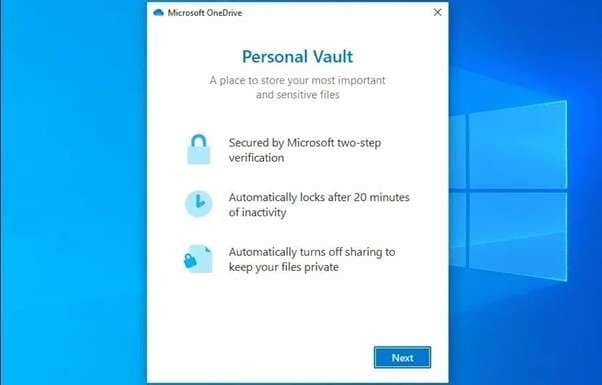
Security is paramount, and the Personal Vault is a massive game-changer. This hyper-protected zone within your storage requires mandatory multifactor authentication (such as a PIN, fingerprint, or SMS code) to unlock. It guarantees that your most confidential files remain locked down even if someone gains unauthorized physical access to your device.
2. Cross-Device File Synchronization
Whether you are drafting a document on a Windows desktop or reviewing it on an Android phone, your files remain perfectly synced. The service automatically updates your content across all linked devices in real-time, ensuring you are always working on the absolute most recent version of a file.
3. Automatic Photo and Video Backup
Mobile users can take full advantage of the automated media backup feature. Once activated, every photo or video captured on your smartphone is instantly uploaded to the cloud, safeguarding your irreplaceable memories against accidental deletion, device theft, or sudden hardware failure.
4. Real-Time Collaboration with Microsoft 365
Because it is deeply entwined with the Microsoft 365 suite (Word, Excel, PowerPoint), users can co-author documents with friends, family, or colleagues in real time. You can view edits as they happen natively within the web or desktop apps, making remote teamwork highly productive.
5. File Versioning and Recovery
Accidentally overwriting a crucial document is no longer a disaster. The system maintains a comprehensive version history of your files for up to 30 days, allowing you to seamlessly roll back and restore previous iterations with just a few clicks.
6. Offline Access to Files
Internet connectivity isn't always guaranteed, but that doesn't mean your work must stop. Fortunately, you can designate specific folders or files for full offline access. Any edits made while disconnected are queued up and automatically synced back to the cloud the second you re-establish a network connection.
7. Advanced Search and Organization
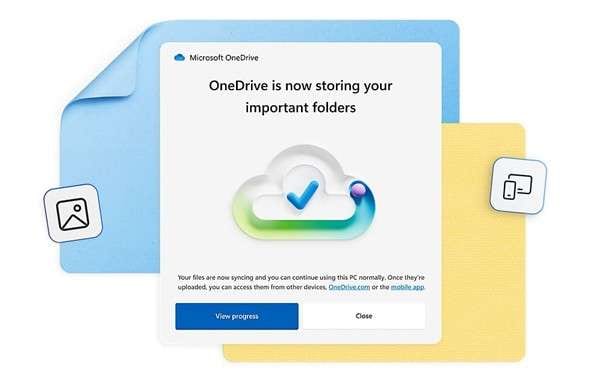
As your digital archive grows, locating specific items can become incredibly frustrating. Microsoft has implemented an advanced, AI-driven search engine that can detect text within images and intelligently filter results by keyword, ensuring you find exactly what you need in seconds.
Part 3. Benefits and Drawbacks of Using OneDrive Personal in Daily Life
Evaluating any digital tool requires a balanced look at its strengths and weaknesses. Before committing your entire digital footprint to one specific platform, it is critical to carefully weigh the distinct advantages against potential limitations to see if it truly aligns with your storage demands.
- Seamless File Explorer integration allows for highly intuitive drag-and-drop file management.
- Effortlessly upgradeable storage tiers without needing to migrate massive datasets elsewhere.
- Built-in mobile document scanner instantly converts physical notes into high-quality PDFs.
- Advanced sharing permissions, including strict expiration dates and password-protected links.
- The basic free tier only provides 5 GB, which feels severely limited compared to market alternatives.
- Lacks zero-knowledge encryption, meaning the provider technically holds your master encryption keys.
- Uploading or synchronizing massive files (like 4K video exports) can sometimes encounter throttling.
- The macOS application lacks the same deep, system-level integration found on Windows devices.
Part 4. Is OneDrive Personal Free? How Much Does It Cost?
Cost is frequently the ultimate deciding factor when expanding your digital storage footprint. Fortunately, Microsoft provides a flexible range of plans designed to accommodate varying budget constraints. If you are asking whether the entry-level tier is completely free, the answer is yes. A basic account grants you 5 GB of free space, which is sufficient for light text document storage and backing up a handful of priority photos.
However, if you are a power user heavily engaged in media creation, you will inevitably need to upgrade. It’s also wise to keep google drive personal pricing in mind when evaluating these paid tiers, as both tech giants offer fiercely competitive rates. Below is a detailed breakdown of the current Microsoft pricing structure for individual and family accounts:
| Plan | Storage Capacity | Key Features & Inclusions | Price (USD) |
|---|---|---|---|
| OneDrive Free | 5 GB | Basic cloud storage capability and standard online access to web-based Office apps. | Free |
| Microsoft 365 Basic | 100 GB | Expanded storage space, ad-free Outlook, and access to premium mobile Office apps. | $1.99/month |
| Microsoft 365 Personal | 1 TB | Includes premium desktop versions of Word, Excel, PowerPoint, plus advanced ransomware security. | $9.99/month |
| Microsoft 365 Family | Up to 6 TB | Shareable with up to 6 people (1 TB each), comprehensive family safety features included. | $12.99/month |
Part 5. How To Use OneDrive To Secure Your Important Files
Integrating this powerful cloud solution into your daily digital workflow is astonishingly simple. Whether you prefer managing your data visually via a web browser or utilizing native PC applications for background tasks, the user experience is highly optimized for efficiency.
Configuring via Web Browser
-
Step 1 Log into Your Dashboard
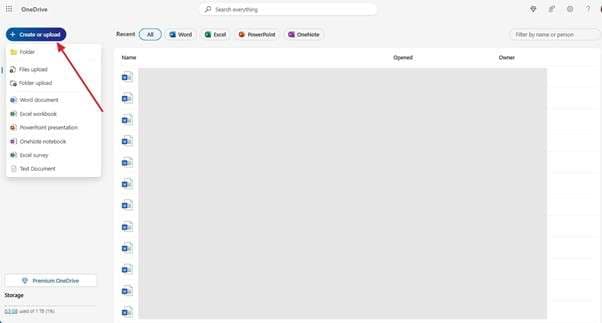
Open your preferred web browser, navigate to the official OneDrive portal, and log in securely using your Microsoft account credentials. Once the dashboard loads, click the "+ Create & Upload" button at the top left to seamlessly import individual files or entire directory folders.
-
Step 2 Activate the Personal Vault
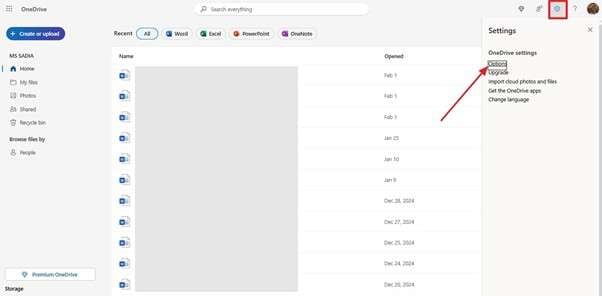
To lock down highly sensitive documents, tap the "Gear" icon in the upper right corner and select the "Options" menu. Navigate to the "Personal Vault" tab and closely follow the two-factor identity verification prompts to finalize the setup.
Configuring on a Windows PC
-
Step 1 Set Up the Desktop Client
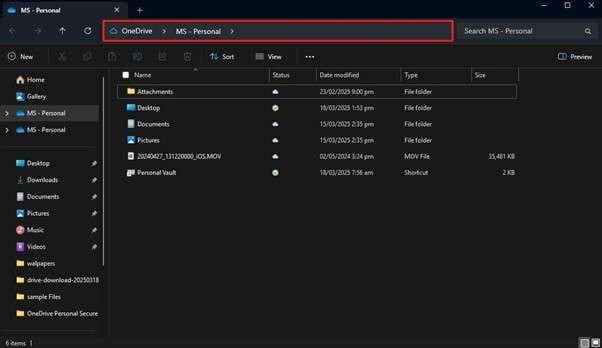
If you are actively using Windows 10 or 11, the application is likely already pre-installed. Otherwise, download it directly from the Microsoft Store. Sign in with your account, and a dedicated, synchronized cloud folder will magically appear in your File Explorer sidebar.
-
Step 2 Manage Files Locally
Because of extreme OS-level integration, this synced folder acts exactly like a traditional hard drive directory. You can effortlessly drag, drop, copy, or paste files here. Any local modifications will instantly sync to the cloud servers in the background.
Part 6. Which Cloud Storage is Better: Google Drive vs. OneDrive Personal?
Deciding on the ultimate cloud ecosystem frequently boils down to rigorously assessing core features, app integrations, and long-term value for money. Two giants overwhelmingly dominate this space: Google Drive and Microsoft's robust alternative. When comparing them side-by-side, you must weigh Google's collaborative web strengths against Microsoft's unrivaled desktop synergy, while also analyzing google drive personal pricing versus Microsoft's paid tiers.
| Feature Category | Google Drive | OneDrive Personal |
|---|---|---|
| Base Free Storage | 15 GB (Shared universally across Gmail, Google Photos, and Drive) | 5 GB (Dedicated exclusively to your main storage account) |
| Entry-Level Pricing | Starts at $1.99/month for 100 GB (standard google drive personal pricing) | Starts at $1.99/month for 100 GB |
| System Synchronization | Excellent cross-platform web synchronization and mobile backups | Unbeatable real-time native sync on Windows File Explorer |
| Productivity Suite | Flawless web integration with Google Docs, Sheets, and Slides | Deeply integrated with both desktop and web Word, Excel, PowerPoint |
| Advanced Security | Standard 2FA and enterprise-grade encryption at rest/transit | Includes the highly secure Personal Vault with biometric/PIN support |
| Link Expiration Tools | Mostly restricted to Workspace users or specific educational accounts | Fully available and heavily integrated for premium personal subscribers |
Part 7. Get Your Lost Data Back Effortlessly From Google Drive via Dr.Fone
Regardless of how secure your cloud environment is, unpredictable digital events like accidental manual deletion, botched mobile synchronizations, or catastrophic smartphone factory resets can result in massive data loss. If you find yourself desperately missing essential files that were supposedly backed up to cloud services, relying on Dr.Fone - Data Recovery (Android) is undoubtedly your safest bet for rapid restoration.
This industry-leading data retrieval software completely takes the anxiety out of data loss scenarios. It empowers everyday users to meticulously extract deleted photos, lost text messages, expansive WhatsApp chat histories, and vital business documents directly from Android hardware or deep Google Drive backups. Rather than forcing you to deal with complicated technical workarounds, this tool provides a highly visual, user-friendly interface that scans, previews, and securely recovers what you thought was gone forever.
 Scan Android phones and tablets directly.
- Preview and recover only what you want.
- Supports WhatsApp, photos, videos, contacts, and more.
- Works with 6000+ Android devices.
To safely retrieve your precious files and restore digital order, simply follow these carefully structured operational steps:
-
Step 1 Launch the Recovery Toolkit
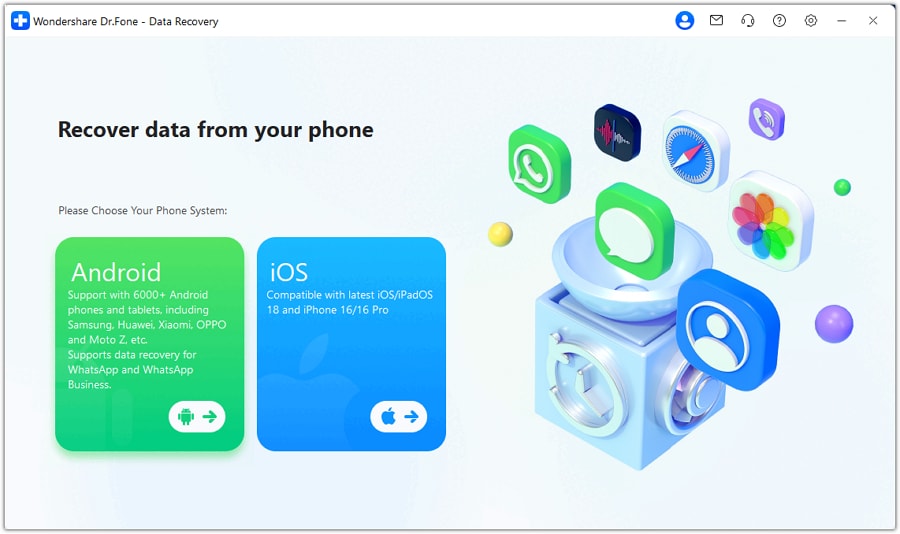
Install and quickly open Dr.Fone on your personal desktop. From the vibrant main interface, navigate directly to the "Toolbox" menu on the left side, select the robust "Data Recovery" module, and specifically choose "Android" as your targeted operating system.
-
Step 2 Authenticate Your Account
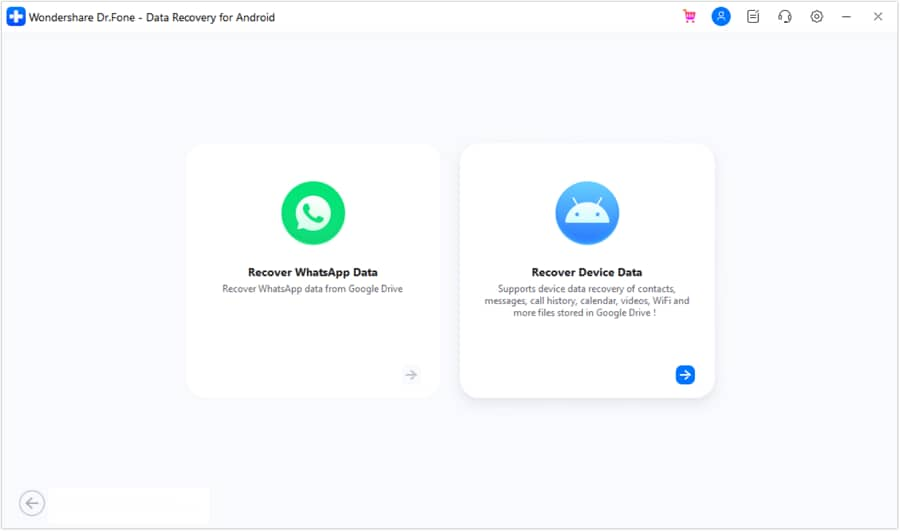
On the subsequent secure interface, firmly click on the "Recover Google Drive Data" option. You will instantly be prompted to "Sign In" securely to your master Google account. Once authenticated, hit "Recover Device Data" to specify the exact file categories you wish to thoroughly scan.
-
Step 3 Preview and Restore
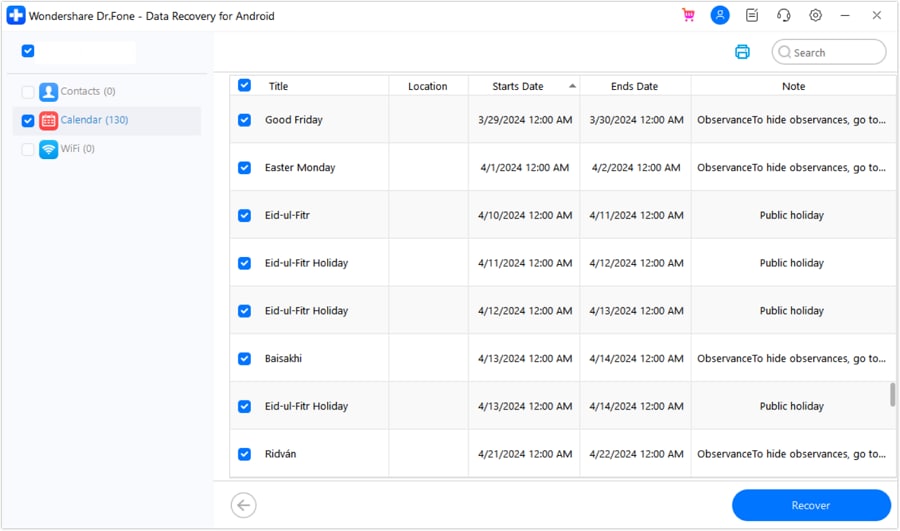
Once the intensive cloud scan is fully finished, meticulously browse through the retrieved list of files. Use the dynamic preview function to ensure complete accuracy, then click "Recover" to systematically export and save the selected items directly to your computer's local hard drive.
Part 8. Must Try: Reclaim Your Digital Space with Smart Clean
Over time, mobile device storage inevitably becomes severely cluttered with redundant screenshots, duplicate address book contacts, and entirely obsolete calendar invites. If your smartphone storage is literally groaning under the immense weight of digital hoarding, Dr.Fone App - Smart Clean (iOS) is the ultimate utility for rapidly optimizing your device space.
Rather than manually painstakingly deleting files one by one, Smart Clean employs deeply advanced heuristic algorithms to instantly detect and eliminate duplicate photos, massively bloated videos, and expired temporal data. By aggressively automating your storage cleanup routine, you can dramatically accelerate your device's overall performance, free up massive amounts of memory, and maintain a highly organized digital life without the grueling manual hassle.
- Intelligent deep-scanning specifically for cluttered albums, contacts, and outdated calendar events.
- Instantly wipe duplicate screenshots, blurry burst photos, and identical redundant videos.
- Full manual override capabilities: Preview and carefully select exactly what you wish to delete.
- Incredibly fast data processing wrapped in a pristine, highly user-friendly mobile interface.
Ready to finally experience a vastly faster, cleaner smartphone? Download the optimization app directly using the verified links below:


Conclusion
Ultimately, OneDrive Personal firmly stands out as a highly resilient, heavily integrated, and remarkably intuitive cloud storage platform. Whether you are actively safeguarding precious family photos, synchronizing critical freelance business documents, or quietly locking away sensitive identity data within the impregnable Personal Vault, this service fluidly scales to meet your exact demands. It effectively removes all the traditional friction from modern file sharing and multi-device synchronization.
However, despite having the best defensive cloud protocols, unexpected data loss can still tragically catch you off guard. Should you ever suddenly lose access to critical files from cloud backups or local device memory, absolutely do not panic. Leveraging specialized recovery tools like Dr.Fone - Data Recovery (Android) strongly guarantees that seemingly permanently deleted files have an incredibly high chance of secure restoration, affording you ultimate peace of mind over your expansive digital footprint.


FAQ
-
1. Is there a strict file size limit for uploads to OneDrive Personal?
Yes, but it is exceptionally generous. Individual files uploaded to this specific cloud environment can be as massive as 250 GB in size. This massive allowance makes it incredibly easy for users to seamlessly store heavy 4K video exports, massive ZIP data archives, or extensive organizational datasets without arbitrarily splitting them up. -
2. How exactly does the Personal Vault distinctly enhance my file security?
The robust Personal Vault essentially acts as an ultra-secure, heavily encrypted sub-sector within your main storage directory. It strictly requires dynamic two-factor authentication—such as an SMS security code, Microsoft Authenticator PIN, fingerprint, or facial recognition—before temporarily granting access. This guarantees that highly sensitive documents like scanned passports or tax files remain utterly impenetrable to unauthorized viewers. -
3. Are there any strict restrictions on the specific types of files I can permanently store?
Generally speaking, you can effortlessly upload almost any file format found on your personal PC directly to your cloud space. However, Microsoft's automated security systems actively monitor for severely malicious content (like active ransomware or malware) or items blatantly violating their strict Code of Conduct. Such dangerous files may be automatically blocked from syncing or outright deleted to comprehensively protect the server network. -
4. Can I comfortably access my personal one drive files while completely offline?
Absolutely, comprehensive offline functionality is fully supported. Using either the dedicated desktop client or mobile application, you can explicitly mark vital folders or documents as "Always keep on this device." You can creatively edit these offline files freely, and all your structural changes will automatically push to the cloud servers the precise moment your internet connection is permanently restored.
 Add Wondershare Dr.Fone as a preferred source on Google