Resolve common problems and system crashes on both iPhone and Android devices.

 100% Security Verified | No Subscription Required | No Malware

 :
: 
 ChatGPT
 Perplexity
 Gemini
 Claude
 Grok
Grok
Our smartphones are central to our daily lives, and when an iPhone suddenly refuses to power on, it can be a source of significant stress and disruption. An unresponsive device with a black screen can leave you feeling disconnected and worried about your data. The problem can stem from various issues, ranging from a completely depleted battery to more complex software glitches or even physical hardware damage.
Fortunately, you don't have to panic. There are several proven troubleshooting techniques that can resolve the "iPhone won't turn on" issue and bring your device back to life. This guide provides a comprehensive overview of effective solutions applicable to all iPhone models, helping you diagnose the problem and apply the right fix to get your device operational again.
In this article
Part 1. Common Reasons Your iPhone Screen is Black and Won't Turn On
To effectively resolve any technical issue, it's crucial to first understand the potential causes. An iPhone that displays a black screen and refuses to power on can be symptomatic of several underlying problems. Identifying the root cause is the first step toward applying the correct solution. Here are the most frequent culprits when your i phone wont switch on:
1. Depleted or Defective Battery
The most straightforward reason is a completely drained battery. If the power is fully depleted, the device won't respond. Furthermore, an old, worn-out, or physically damaged battery may be incapable of holding a charge, preventing the iPhone from powering on even when connected to a charger.
2. Software Crashes and System Conflicts
Your iPhone's operating system (iOS) can experience critical errors. A failed software update, a buggy application, or corrupted system files can cause the OS to crash, leading to a black screen. In these situations, the device might be technically on but unable to boot up properly, making it seem like the iPhone is not powering on.
3. Physical or Liquid Damage
Accidental drops or exposure to water can wreak havoc on an iPhone's delicate internal components. Damage to the logic board, display connectors, or other critical circuits can interrupt the power flow and prevent the device from turning on. Sometimes this damage isn't externally visible.
4. Overheating Safeguards
iPhones are designed with thermal protection mechanisms. If the device's internal temperature exceeds a safe limit—due to prolonged exposure to direct sunlight or intensive processing—it will automatically shut down to prevent damage. Until it cools sufficiently, it will remain unresponsive.
5. Display Malfunction
In some cases, the iPhone might actually be on, but the screen remains black due to a faulty display. You might still hear sounds, feel vibrations, or notice it connecting to a computer. This indicates a problem with the screen itself or its connection to the logic board, not a power issue.
Part 2. The Ultimate Fix When Your iPhone Won’t Turn On At All
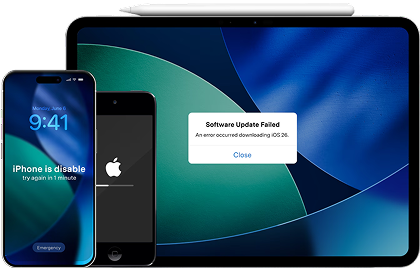
When basic troubleshooting fails and your device remains unresponsive, it's time to turn to a more powerful solution. For complex software issues that cause the iPhone not turning on, a professional-grade tool can be the most effective remedy. Dr.Fone - System Repair (iOS) is engineered to resolve a wide array of iOS system problems without compromising your personal data.
This software excels at fixing issues like the black screen of death, boot loops, being stuck on the Apple logo, and other firmware-related errors. It offers two repair modes: Standard Mode, which fixes most common iOS problems without data loss, and Advanced Mode for more severe system corruption. Additionally, it allows you to upgrade or downgrade your phone to the desired iOS version safely. Compatible with all iPhone models and iOS versions, Dr.Fone provides a reliable path to recovery.
 Fix iOS issues, no data loss.
- One-click repair for all iOS problems.
- Solve recovery mode, Apple logo, black screen, etc.
- Upgrade or downgrade iOS without iTunes
Follow these steps to repair your unresponsive iPhone:
-
Step 1 Launch the System Repair Tool
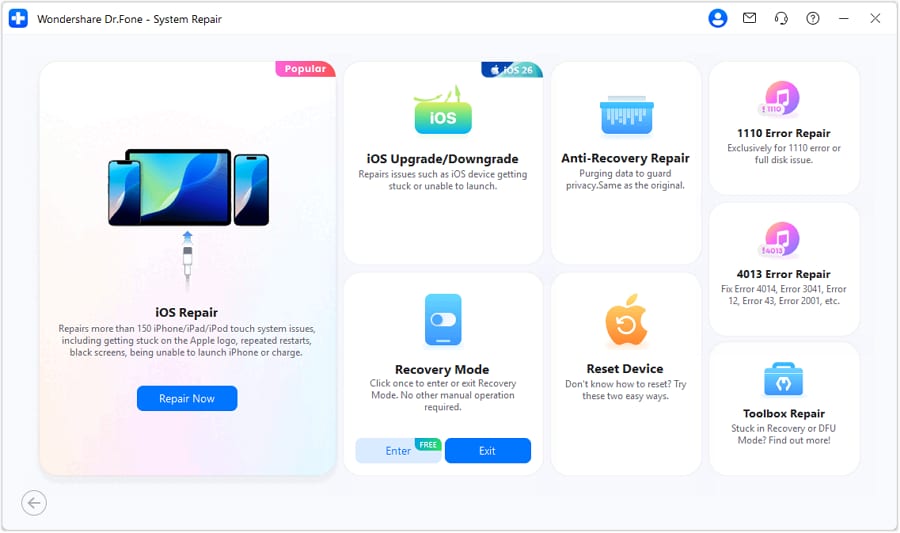
After installing and launching Dr.Fone on your computer, navigate to the "Toolbox" section on the left panel and select "System Repair." On the next screen, specify "iOS" as your device type and then click on the "iOS Repair" option to begin.
-
Step 2 Enter Recovery Mode
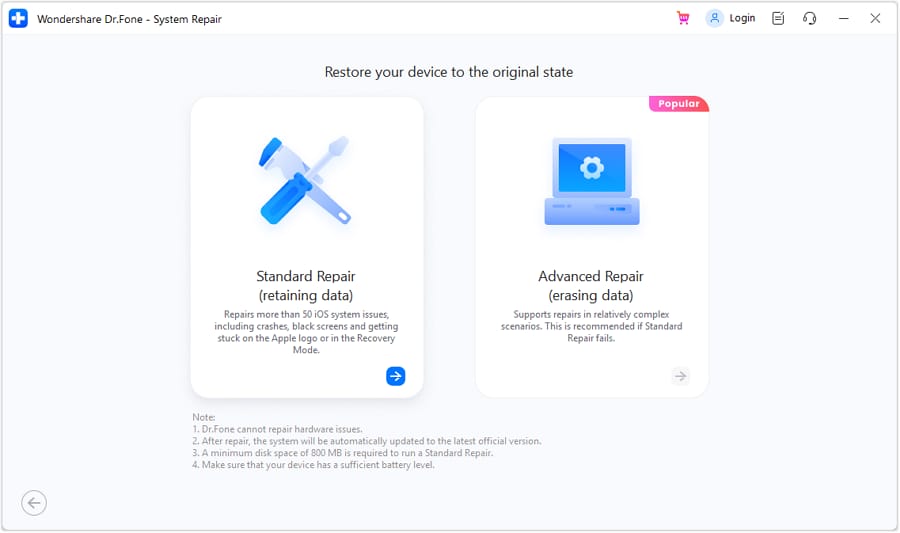
Connect your iPhone to the computer using a USB cable. Choose "Standard Repair" for a data-safe fix. The software will then provide on-screen instructions to guide you in putting your iPhone into Recovery Mode. Click "Enter Recovery Mode" once your device is ready.
-
Step 3 Download Firmware and Repair
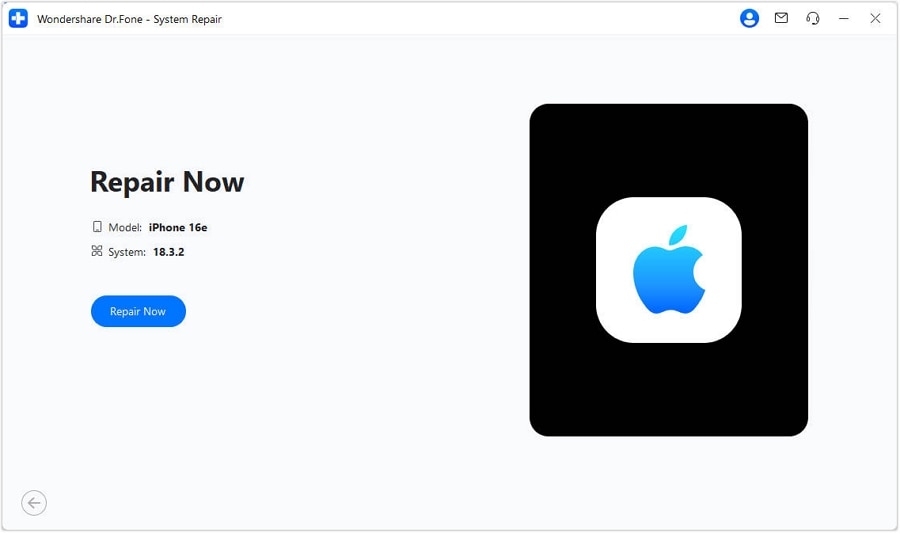
Dr.Fone will automatically detect your iPhone model and display a list of compatible iOS firmware versions. Select the desired version and click "Download." Once the firmware is downloaded and verified, click the "Repair Now" button to initiate the system repair process. Your iPhone should restart normally once the process is complete.
Part 3. Essential Troubleshooting Steps for an Unresponsive iPhone
Before resorting to specialized software, it's always wise to try some fundamental troubleshooting methods. These basic steps can often resolve minor glitches or common issues without the need for advanced tools. Here are five practical solutions to try when your i phone is not turning on.
Method 1: Properly Charge Your iPhone
As noted earlier, a completely dead battery is a common reason for an iPhone not turning on. If the battery has been drained for a while, it may need a significant amount of time to charge before showing any signs of life. Also, faulty charging accessories can be the problem.
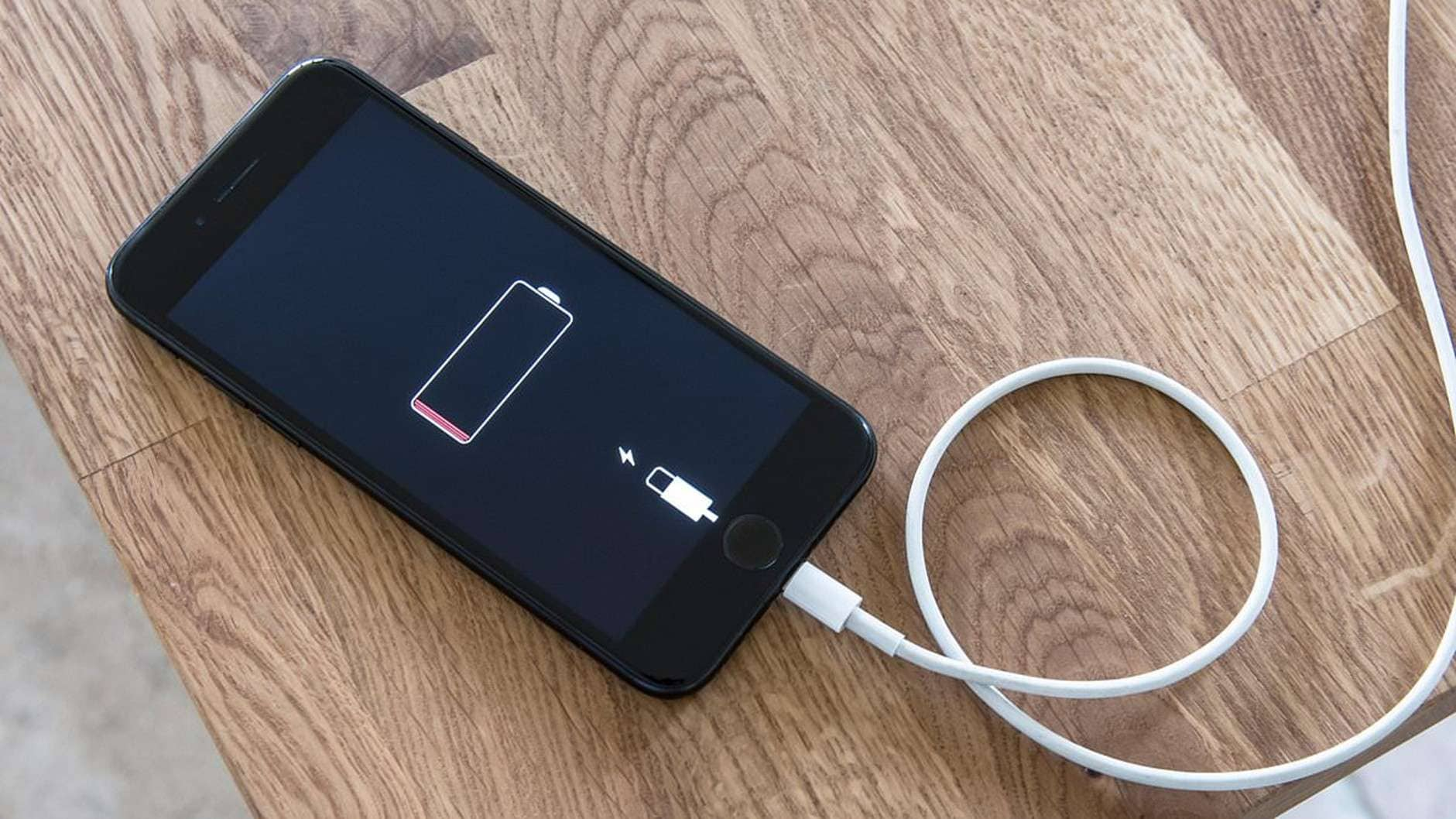
To address this, use an official or MFi-certified Lightning cable and a reliable power adapter. Plug your iPhone directly into a wall outlet, not a computer's USB port, as wall outlets provide more power. Let it charge for at least 30-60 minutes. Look for the charging icon to appear on the screen to confirm that it's receiving power.
Method 2: Let Your iPhone Cool Down
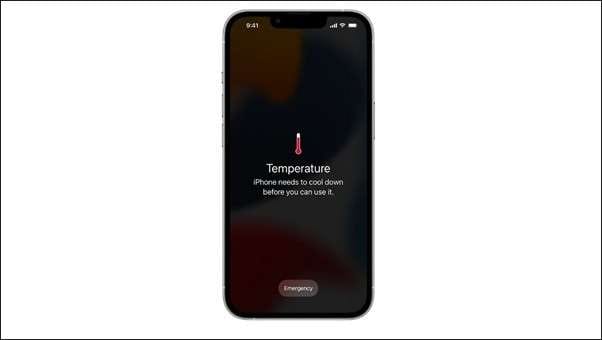
Overheating can render your iPhone temporarily unresponsive as a safety precaution. If your device has been left in a hot car, in direct sunlight, or has been running a graphically intensive app for an extended period, it might have shut down to protect its internal components. Trying to turn it on while it's hot will not work.
Move your iPhone to a cooler, shaded location. Remove its case to help heat dissipate more effectively. Do not place it in a refrigerator or freezer, as the sudden temperature change can cause condensation and further damage. Wait until the device feels cool to the touch before attempting to power it on again.
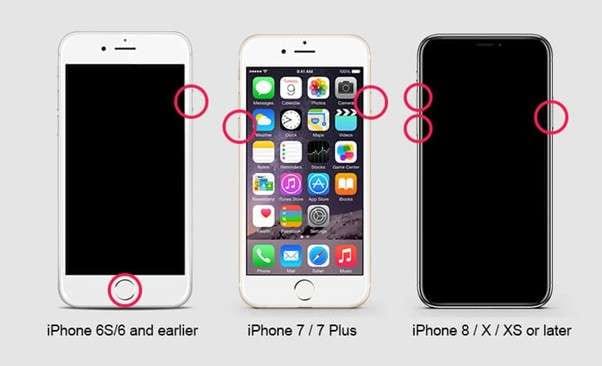
Method 3: Perform a Force Restart
A force restart is one of the most effective solutions for a software glitch that causes a black screen. It abruptly cuts power to the device and reboots the operating system, clearing out temporary bugs and memory issues without erasing any of your data. The procedure varies depending on your iPhone model.
- For iPhone 8, SE (2nd gen) and Later: Quickly press and release the Volume Up button. Immediately press and release the Volume Down button. Then, press and hold the Side button until the Apple logo appears.
- For iPhone 7 and 7 Plus: Press and hold both the Volume Down button and the Sleep/Wake button simultaneously. Release both buttons when you see the Apple logo.
- For iPhone 6s, SE (1st gen) and Older: Press and hold both the Home button and the Sleep/Wake button at the same time. Continue holding until the Apple logo appears on the screen.
Method 4: Use Recovery Mode to Update iOS
A corrupted or failed iOS update can leave your iPhone in an unbootable state. In this scenario, you can use Recovery Mode with a computer (iTunes on older systems, Finder on macOS Catalina and later) to reinstall or update the operating system. This method can often resolve deep-seated software problems.
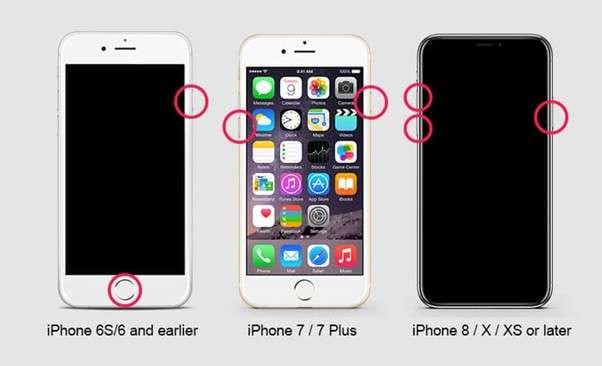
Step 1. Open the latest version of Finder or iTunes on your computer and connect your iPhone with a USB cable. Follow the correct button sequence for your model to enter Recovery Mode:
- iPhone 8 and Later: Press and release Volume Up, then Volume Down. Press and hold the Side button until the Recovery Mode screen appears.
- iPhone 7/7 Plus: Press and hold the Volume Down and Sleep/Wake buttons together until you see the Recovery Mode screen.
- iPhone 6s and Earlier: Press and hold the Home and Sleep/Wake buttons simultaneously until the Recovery Mode screen is displayed.
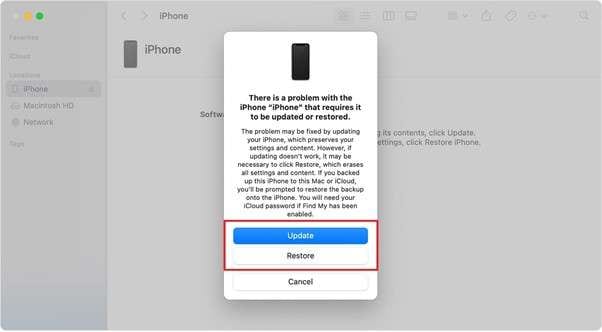
Step 2. Your computer will detect the iPhone in Recovery Mode and show a dialog box. Choose the "Update" option. This will attempt to reinstall iOS without erasing your data. If updating fails, you may need to repeat the process and select "Restore," which will erase all data and install a fresh copy of iOS.
Method 5: Identify and Address Hardware Issues
If none of the software-based solutions work, the problem is likely hardware-related. Physical damage is a common culprit if the iPhone is not powering on. This could be a faulty battery, a damaged charging port, a broken screen, or a more severe logic board issue, especially after a drop or water exposure.
Carefully inspect your device for any visible signs of damage, like cracks or dents. Try a different charging cable and adapter to rule out faulty accessories. If you suspect hardware damage, it is best to seek professional assistance. Contact Apple Support or visit an Apple Store or an Apple Authorized Service Provider for a proper diagnosis and repair.
Conclusion
In conclusion, facing an iPhone that won't turn on can be alarming, but it is often a fixable problem. By systematically working through the solutions presented, from basic checks like charging and force restarting to more advanced steps like using Recovery Mode, you can address most software-related causes. Each method targets a different potential issue, increasing your chances of success.
For persistent or complex system errors, a dedicated tool like Dr.Fone - System Repair (iOS) offers a reliable and data-safe solution. Its powerful repair capabilities can fix over 150 different iOS issues, providing peace of mind when your device seems unresponsive. By following this guide, you can confidently troubleshoot your iPhone and get it back in working order.




FAQ
-
1. Will force restarting my iPhone erase my data?
No, a force restart is a safe procedure that does not affect your personal data, photos, or settings. It simply forces the device to shut down and reboot, which is effective for clearing minor software glitches that may cause the screen to go black. -
2. How can I tell if the problem is the battery or the screen?
If the screen is the issue, your iPhone might still show signs of being on. Try flipping the silent switch on the side; you should feel a vibration. You could also connect it to a computer to see if it's recognized by iTunes or Finder. If there are no signs of life at all, even after charging, the battery or another internal component is more likely the culprit. -
3. My iPhone got wet and now it won't turn on. What should I do?
Do not attempt to charge it or turn it on. This can cause a short circuit and permanent damage. The best course of action is to power it off immediately (if you can), dry the exterior, and take it to a professional repair service as soon as possible. They can safely open it and assess the extent of the liquid damage. -
4. How long should I charge my iPhone if the battery is completely dead?
If your iPhone's battery is fully depleted, it may take some time to show a response. Connect it to a wall charger using a certified cable and let it charge for at least one hour before trying to turn it on. Sometimes, the charging screen may not appear for 15-30 minutes.
 Add Wondershare Dr.Fone as a preferred source on Google