 Effortlessly manage data through preview, delete, export, etc.

 100% Security Verified | No Subscription Required | No Malware

 :
: 
 ChatGPT
 Perplexity
 Gemini
 Claude
 Grok
Grok
Android 6.0 Marshmallow, released by Google many years ago, was a significant step forward for the mobile operating system. At the time, Samsung users were eager to get this update on their devices to access its new features and performance improvements. While Marshmallow has since been superseded by many newer Android versions, some users with older devices may still be curious about this classic OS.
This article revisits the process of updating Samsung devices to Android 6.0 Marshmallow. We'll explore its landmark features, discuss the feasibility of such an update today, and provide a general guide on how to check for software updates on your Samsung phone, along with crucial tips to ensure a safe process.
In this article
Part 1. What Was Android 6.0 Marshmallow?
Android 6.0 Marshmallow, first unveiled in May 2015, was not a complete visual overhaul but a significant refinement of its predecessor, Android Lollipop. Officially released in October 2015, its primary focus was on improving the core user experience, stability, and battery life. Marshmallow introduced a more intelligent and polished interface that laid the groundwork for many features we consider standard today.
For Samsung, a leading Android manufacturer, this update was rolled out to its flagship devices of the era, including the Galaxy S6, S6 Edge, and Galaxy Note 5. The update brought Google's software enhancements to Samsung's popular hardware, improving everything from power management to app security for millions of users.

Part 2. Key Features of Android 6.0 Marshmallow
Android Marshmallow introduced several groundbreaking features that enhanced the platform's functionality and user-friendliness. Here are some of the most notable additions:
- Now on Tap: This feature enhanced Google Now by allowing users to access contextual information without leaving their current app. By long-pressing the home button, it would analyze the on-screen content and provide relevant search results, links, and actions.
- Granular App Permissions: Instead of asking for all permissions at the time of installation, apps began to request access to features like the camera, microphone, or contacts only when they needed them. This gave users more direct control over their data and privacy.
- Doze Mode: To significantly improve battery life, Doze mode put the device into a deeper sleep state when it was stationary and unused for a period. This reduced background activity and power consumption, leading to much better standby times.
- Native Fingerprint Support: Marshmallow standardized fingerprint sensor support across the OS, allowing users to unlock their devices, make purchases in the Play Store, and authenticate payments via Android Pay securely.
- Redesigned App Drawer: The app drawer switched from a horizontal, paginated layout to a single, vertical-scrolling list with a search bar and a row of frequently used apps at the top for faster access.
- System UI Tuner: A hidden menu for power users, the System UI Tuner allowed for minor customizations to the status bar, such as adding a battery percentage indicator or rearranging the Quick Settings tiles.
- Adoptable Storage: This feature allowed a microSD card to be formatted and adopted as internal storage, seamlessly extending the device's capacity for apps and data.

Part 3. How to Update to Android 6.0 on Samsung Devices (General Guide)
The original method to get early access to Android 6.0 on Samsung involved joining the Galaxy Beta Program, a process that is no longer available for such an old version. In 2026, receiving an official Over-The-Air (OTA) update for Marshmallow is highly improbable. However, the standard procedure for checking for any available software update on a Samsung device remains the same.
Here are the universal steps to check if your phone has a pending system update:
-
Step 1 Connect to a Stable Wi-Fi Network
Ensure your Samsung device is connected to a reliable Wi-Fi network to avoid interruptions and data charges. A stable connection is crucial for downloading large update files.
-
Step 2 Navigate to Software Update Settings
Open the Settings app on your device. Scroll down and tap on About Device or Software update (the location may vary slightly depending on your Android version).

-
Step 3 Check for Updates
Tap on Download and install or Check for updates. Your device will now connect to Samsung's servers to see if any new firmware is available for your specific model and region.

-
Step 4 Download and Install the Update
If an update is found, you will be prompted to download it. Once the download is complete, tap Install now. Your phone will restart and begin the installation process. Do not turn off your device during this time.

The images shown illustrate the historical process of joining a beta program and installing an update. While the specific screens may differ, the general flow of downloading and installing remains similar for any OTA update.
Part 4. Important Tips Before Performing an Android Update
Before proceeding with any major software update, it's essential to take a few precautions to protect your data and ensure a smooth installation. These tips are crucial whether you're updating to a new OS or just installing a security patch.
- Back Up Your Data: This is the most critical step. An update can sometimes fail and lead to data loss. Back up your photos, contacts, messages, and other important files to a computer or cloud service.
- Charge Your Battery: Ensure your device has at least an 80-85% battery level before starting. If your phone powers off during the installation, it could become bricked or permanently damaged.
- Use a Stable Wi-Fi Connection: System updates are often large files. A stable Wi-Fi connection prevents the download from being corrupted and avoids using up your mobile data allowance.
- Free Up Storage Space: Make sure you have enough free internal storage for the update file and the installation process. If your storage is full, the update may fail to download or install correctly.
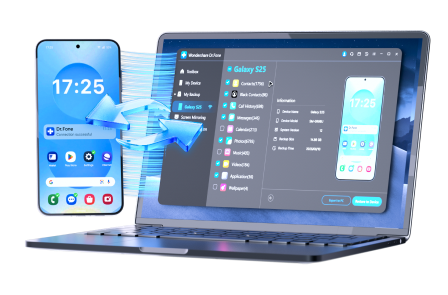
For a comprehensive and reliable way to back up your device, a dedicated tool can simplify the process. Dr.Fone Basic offers a complete solution to manage and back up your phone's data to a computer, ensuring everything is safe before an update.
 Effortlessly manage data through preview, delete, export, etc.
- Transfer all data between devices.
- Robust backup solutions for reliable data protection.
- Mirror screens to PC for meetings, teaching, and control.
Conclusion
Updating a Samsung phone to Android 6.0 Marshmallow is now more of a look into Android's history than a practical task. While official updates for this version have long ceased, the principles of updating your device remain timeless. The features introduced in Marshmallow, such as Doze mode and granular app permissions, were revolutionary at the time and have become integral parts of modern Android.
For users of any Android device, the key takeaways are to always check for updates using the official settings menu and, most importantly, to perform a complete data backup before initiating the process. Following these steps will ensure your device stays secure and your personal information remains safe.
FAQ
-
1. Which Samsung devices originally received the Android 6.0 update?
Key Samsung devices from the 2015-2016 era received the Marshmallow update, including the Galaxy S5, S6, S6 Edge, S6 Edge+, Galaxy Note 4, and Note 5. Availability varied by region and carrier. -
2. Can I manually install Android 6.0 on an old Samsung phone?
It is technically possible to manually install Android 6.0 using custom ROMs (like LineageOS) and tools like Odin. However, this is an advanced process that carries risks, such as bricking your device and voiding its warranty. It is only recommended for expert users who understand the risks involved. -
3. What should I do if my phone gets stuck during an update?
If your phone freezes during an update, do not turn it off immediately. Wait for at least 15-20 minutes. If it's still stuck, you can try a force restart (usually by holding the Power and Volume Down buttons). If the problem persists, you may need to enter recovery mode or seek professional assistance. Using a tool like Dr.Fone - System Repair can also help resolve such issues. -
4. Why is it so important to back up my phone before an OS update?
Backing up your phone is a crucial safety measure. While updates are typically smooth, unforeseen issues like file corruption, installation failure, or software conflicts can occur, potentially leading to the complete loss of your personal data, including photos, contacts, and messages. A backup ensures you can restore your information if something goes wrong.
 Add Wondershare Dr.Fone as a preferred source on Google



