Move contacts, messages, photos, videos, app data, and more between iOS and Android.

 100% Security Verified | No Subscription Required | No Malware

 :
: 
 ChatGPT
 Perplexity
 Gemini
 Claude
 Grok
Grok
If you are among the dedicated music lovers still preserving a functioning iPod in 2026, you hold onto a piece of iconic technology history. Apple may have officially ended the iPod product line in 2022, but the legacy of these portable media players lives on in the massive offline music libraries many users have carefully accumulated over the decades.
However, as aging hardware inevitably begins to show signs of wear and tear, securing your cherished music collection becomes a pressing priority. Many users find themselves desperately asking, can I transfer iPod music to Android to ensure my playlists survive an ecosystem switch? The definitive answer is yes. In this comprehensive guide, we will walk you through exactly how to download music from your iPod to your Android phone, or alternatively, move your tracks the other way around.
In this article
Part 1. Can I Transfer iPod Music to Android?
A frequent and important question we encounter is, can you transfer music from an iPod to an Android phone? Despite Apple’s long-standing reputation for maintaining a highly enclosed digital ecosystem, liberating your media files and moving them to a non-Apple smartphone is entirely achievable today.
Utilizing a direct Bluetooth connection remains one of the quickest methods available for transferring media without cables. However, you must first verify your device's hardware capabilities. Bluetooth file sharing is supported on all newer iPod Touch variants, but it remains noticeably absent on early-generation click-wheel iPod models. Specifically, Bluetooth functionality was integrated into the iPod Touch starting from the 2nd Generation (running iOS 3.0 or later) and into the iPod Nano line from the 7th Generation onwards.
If your specific iPod model lacks Bluetooth functionality, do not worry. Alternative methods leverage intermediary desktop software and dedicated setup applications to securely migrate your data. The following sections will outline each approach, ensuring you learn exactly how to download music from an iPod to an Android phone smoothly and without losing sound quality.
Part 2. Transfer Music from iPod to Android via Bluetooth
Harnessing built-in Bluetooth technology is often the most direct route for wireless data exchange between an Apple device and an Android phone. By bypassing cumbersome cables, you can instantly beam your favorite tracks directly to your new smartphone's internal storage.
Before proceeding, double-check that your iPod model natively supports wireless transfers. If your hardware is compatible, follow these straightforward instructions to execute your cross-platform music migration.
-
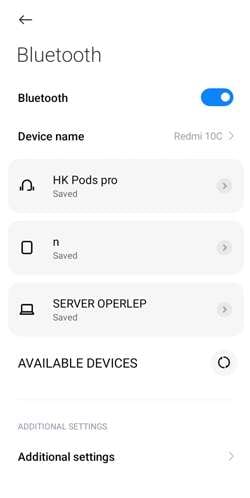
Step 1 Enable Bluetooth on Both Devices
On your iPod, tap into the Settings menu and navigate to the Bluetooth section to toggle it on. Similarly, access the quick settings panel or the main settings menu on your Android device to activate Bluetooth. Ensure both devices are set to 'Discoverable' mode so they can locate one another.
-
Step 2 Pair the Hardware
On your Android phone, scan for available nearby devices and tap on your iPod's name when it appears in the list. A pairing code may appear on both screens; confirm the pairing request on your iPod's screen to establish a secure, trusted connection.
-
Step 3 Initiate the File Transfer
Navigate to the music application or file manager on your iPod where your desired songs are stored. Select the specific audio tracks you want to move, tap the share icon, and choose the 'Send via Bluetooth' option. Select your paired Android phone as the final destination.
-
Step 4 Accept the Incoming Files on Android
Your Android device will immediately display a prompt asking for permission to receive files from the iPod. Accept this incoming Bluetooth transfer request. The tracks will sequentially download into your phone's internal storage directory.
-
Step 5 Verify the Transfer Success
Once the progress bar completes, open your preferred media player on the Android device to ensure the transferred songs are present, properly formatted, and ready for offline playback.
Part 3. How to Transfer Music from Android to iPod with Move to iOS App
If your overarching goal is to move tracks from an Android smartphone back to an iPod, Apple’s official Move to iOS application presents a structured, albeit restricted, pathway. While heavily favored for migrating to brand-new iPhones, it functions perfectly well for setting up newer iPod Touch models.
Please note that this method is strictly applicable to the iPod Touch and requires the Apple device to be in its initial setup phase (meaning it must be factory reset). Users with vintage iPod models will need to rely on the desktop software solution detailed in the subsequent section.
-
Step 1 Prepare the iPod for Setup
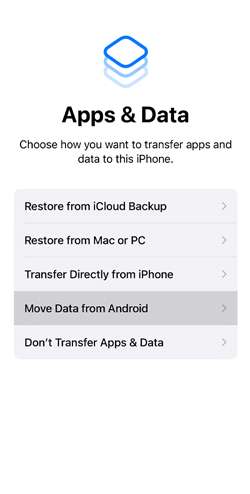
Power on your factory-reset iPod Touch and progress through the initial configuration screens until you reach the 'Apps & Data' menu. From there, select the 'Move Data from Android' option to generate a localized network.
-
Step 2 Launch the Application
On your Android phone, download and open the Move to iOS app from the Google Play Store. Tap 'Continue', thoroughly review the terms and conditions, and press 'Agree' to move forward to the pairing stage.
-
Step 3 Enter the Verification Code
Your iPod will automatically generate a unique six-digit or ten-digit authentication code. Input this specific code carefully into your Android device to establish a direct, private Wi-Fi connection between the two devices.
-
Step 4 Select the Content to Migrate
On the Android screen, a comprehensive list of transferable data types will appear. Ensure that you select 'Music' to target your audio files exclusively. Tap 'Continue' to begin the migration. Leave both devices completely alone and plugged into a power source until the loading bar on the iPod finishes.
-
Step 5 Finalize the Transfer Process
Once the transfer officially completes, tap 'Done' on the Android phone. You can now continue the on-screen setup prompts on your iPod Touch to finalize configuration and access your newly imported Android music library.
Part 4. How To Transfer Music From iPod to Android/Android to iPod With Easy Software
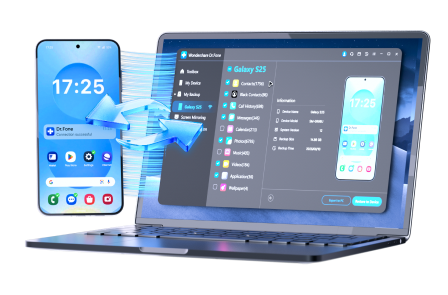
For users who desire a definitive, two-way transfer solution without the frustrating constraints of factory resets or Bluetooth version limitations, leveraging professional desktop software is the optimal choice. This is precisely where Dr.Fone excels, offering a robust Phone Transfer utility that effortlessly bridges the gap between Apple's isolated ecosystem and Android's open platform.
If you have been desperately asking, can I transfer music from an iPod to an Android phone seamlessly and safely? The answer lies within Dr.Fone Basic. This powerful suite is designed specifically to handle cross-platform data transfers rapidly and securely.
Dr.Fone features an incredibly intuitive user interface, empowering even absolute tech beginners to bypass iOS compatibility hurdles and migrate their media collections in just a matter of clicks.
 Effortlessly manage data through preview, delete, export, etc.
- Transfer all data between devices.
- Robust backup solutions for reliable data protection.
- Mirror screens to PC for meetings, teaching, and control.
-
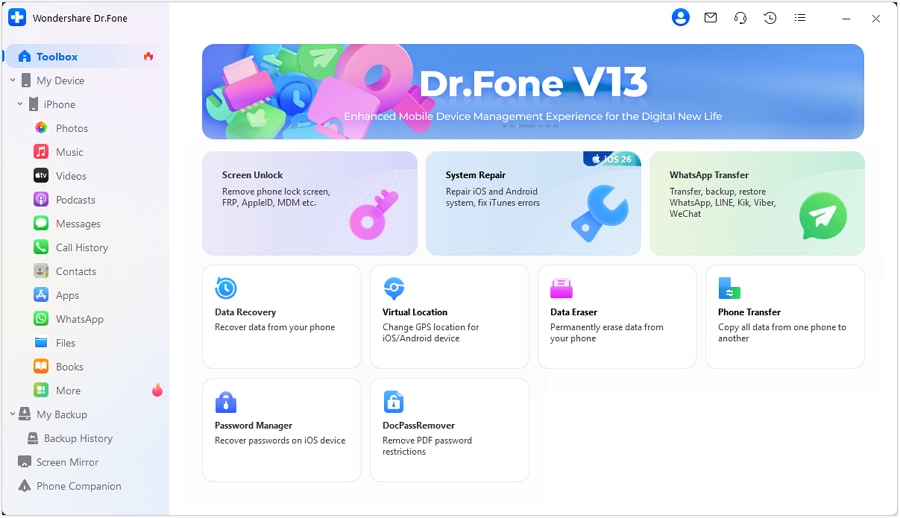
Step 1 Launch the Dr.Fone Phone Transfer Tool
Start by physically connecting both your iPod and your Android phone directly to your computer using their respective USB cables. Open the Wondershare Dr.Fone software on your desktop and actively select the 'Phone Transfer' module from the main Toolbox interface.
-
Step 2 Specify Your Source and Destination Devices
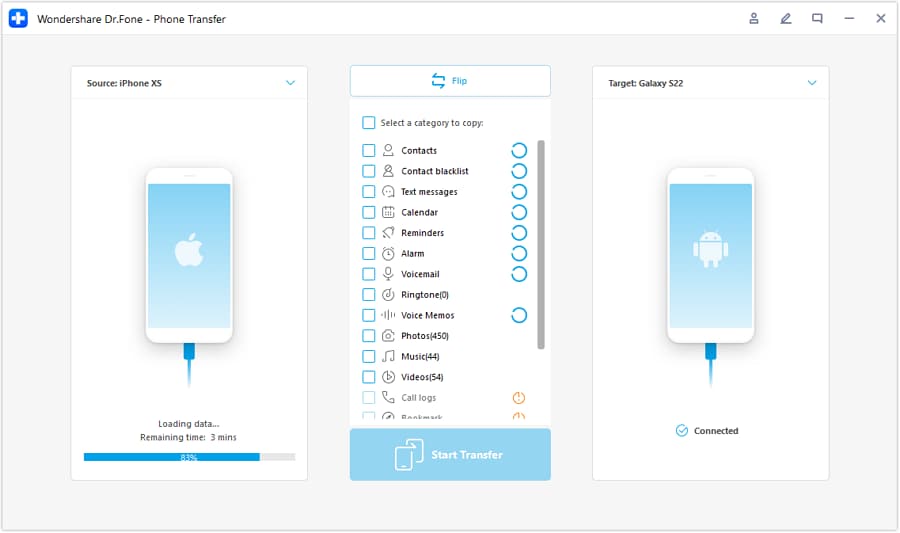
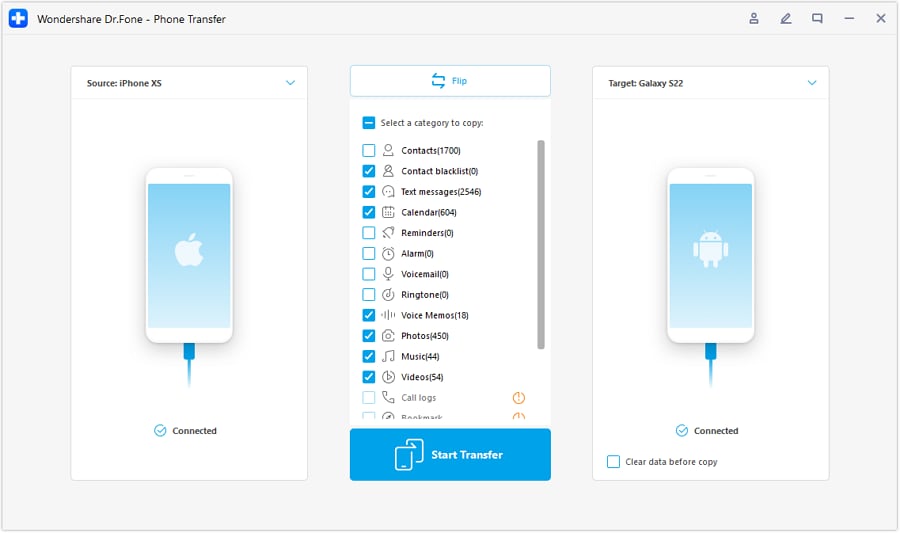
The program will quickly detect and meticulously load the data profiles of both connected devices. Review the interface to ensure they are placed correctly. Use the 'Flip' button located in the center of the screen to easily switch their positions, setting the iPod as the source and Android as the destination (or vice versa).
-
Step 3 Choose the Music Category for Migration
The software will display a detailed list of transferable data types in the middle column. Check the box next to 'Music' (and any other files you wish to move concurrently), then click the Start Transfer button. You also have the practical option to check 'Clear data before copy' if you wish to wipe existing media on the destination device first.
-
Step 4 Disable iCloud Syncing (If Applicable)
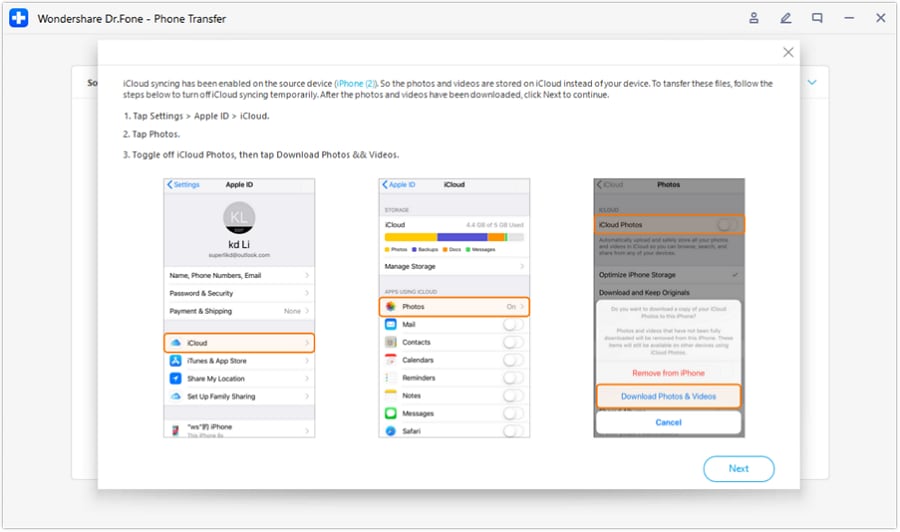
Depending on your current iOS configuration, the Phone Transfer tool may temporarily prompt you to disable iCloud syncing for music to prevent disruptive file conflicts. Follow the brief on-screen instructions to quickly turn off this setting on your Apple device.
-
Step 5 Monitor the Data Transfer Progress
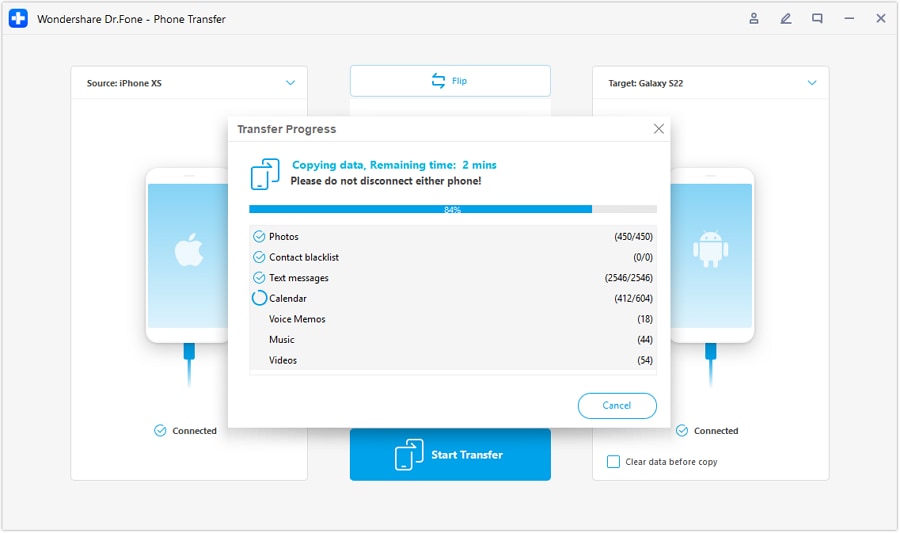
A pop-up window will emerge on your screen, showcasing a real-time progress bar of your data transfer. Refrain from disconnecting either device until the bar is fully loaded and you receive a clear success message. Once finished, click 'OK' to safely disconnect your devices and enjoy your newly transferred library.




Conclusion
Freeing your beloved music collection from aging hardware does not have to be a complicated or risky endeavor. Transferring music seamlessly between legacy iPods and modern Android smartphones is highly accessible when armed with the correct methodologies. For users with compatible hardware, built-in Bluetooth capabilities serve as a straightforward, wireless bridge for migrating favorite tracks efficiently.
However, when dealing with older iPod iterations, navigating massive libraries, or seeking two-way versatility, dedicated third-party platforms are indispensable. Comprehensive software like Dr.Fone Basic drastically simplifies the procedure, breaking down ecosystem barriers and ensuring your audio files are safely relocated without any loss of quality. No matter which method you select, you can now enjoy your timeless music library across any modern ecosystem.
FAQ
-
1. Will I lose the original music on my iPod after transferring it to an Android phone?
No, the transfer process simply copies the audio files from your iPod to your Android device. The original tracks will remain fully intact and playable on your iPod unless you specifically choose to delete them after the process is completed. -
2. What audio formats can be transferred from an iPod to an Android device?
Common audio formats like MP3, AAC, and WAV can be transferred and played on almost all modern Android smartphones natively. If your iPod contains Apple-exclusive formats like ALAC, a third-party media player app may be required on your Android to play them successfully. -
3. Why can't I find the Bluetooth option on my older iPod classic?
Apple did not include Bluetooth hardware in the original iPod Classic line or early Nano models. Bluetooth file sharing is restricted strictly to iPod Touch models (2nd Gen and newer) and iPod Nano (7th Gen and newer). For older models, desktop software is required. -
4. Can I use a direct USB-C to Lightning cable to transfer music between an iPod and Android?
While you can physically connect the two devices using a USB-C to Lightning or USB-C to 30-pin cable, Apple's iOS ecosystem blocks direct file manager access for music via direct cable connection to Android. You still need an intermediary software bridge to facilitate the data exchange.
 Add Wondershare Dr.Fone as a preferred source on Google