
9 Proven Ways to Fix iPad Screen Flickering

Oct 24, 2026 • Filed to: Phone Repair Solutions • Proven solutions
 TL;DR:
To fix an iPad screen flickering issue, first rule out software glitches by disabling Auto-Brightness, reducing motion effects, and performing a hard reset before attempting deep system restorations or hardware replacements.
● If the flickering is constant, worsens when physical pressure is applied to the back panel, or is accompanied by visible display lines and touch failures, the issue is hardware-related and requires a professional screen replacement.
● For older iPads or devices experiencing memory pressure, enabling Reduce Transparency and Reduce Motion in the Accessibility settings can stabilize the screen by minimizing the graphics rendering load.
● Persistent software-based flickering from corrupted iPadOS files can be repaired without data loss using the Standard Mode in Dr.Fone - System Repair (iOS), whereas attempting a Factory Reset to clear deep system conflicts will completely erase your device data.
Ask AI for a summary
 ChatGPT
 Perplexity
 Gemini
 Claude
 Grok
Grok
My iPad screen is flickering on iPadOS 18. Is this a software bug, or should I worry about hardware? Is there a way to revert to iPadOS 17?
An iPad screen flickering issue can be caused by either a software glitch or a hardware fault. In many cases, an iPad flickering screen after an iPadOS update, app crash, or settings conflict points to software. However, if you also notice iPad display lines, screen shaking after impact, or flickering that gets worse when you press or move the device, the problem may involve the display hardware. This guide explains the most common causes, how to tell whether the issue is software- or hardware-related, and the most effective ways to fix a flickering screen on iPad safely.
Because users describe this issue in different ways, you may also see it called iPad display flickering, iPad screen glitching, iPad flashing screen, or a glitchy iPad screen. No matter how it appears, the right fix depends on what triggered the problem and how severe the display issue has become.

This article breaks down the most likely reasons behind iPad display issues and walks you through proven solutions, from basic settings changes to advanced system repair and screen replacement.
- Part 1: What Cause iPad Screen Flickering?
- Part 2: How to Fix iPad Screen Flickering?
- Fix 1: Press Your iPad Screen
- Fix 2: Hard Reset iPad
- Fix 3: Turn-Off Auto-Brightness Feature
- Fix 4: Turn On Reduce Transparency and Motion
- Fix 5: Update iPadOS
- Fix 6: Force Quit Applications
- Fix 7: Stop Screen from Flickering with Dr.Fone - System Repair (iOS) (No Data Loss)
- Fix 8: Factory Reset iPad
- Fix 9: Contact Support For Screen Replacement
Part 1: What Cause iPad Screen Flickering?
iPad screen flickering usually happens because of display settings conflicts, unstable apps, iPadOS bugs, storage or memory pressure, or physical screen damage. Before trying advanced fixes, it helps to understand what kind of problem you are dealing with, because software issues and hardware issues often look similar at first.
If your iPad display flickering started after an update, after installing an app, or only happens in certain brightness conditions, software is the more likely cause. If the screen has visible damage, starts showing iPad display lines, or flickers after being dropped, hardware becomes much more likely.
- Outdated or buggy iPadOS: If your system files are corrupted or the current version of iPadOS is unstable, your iPad may start flashing, shaking, or refreshing the display abnormally.
- Problematic apps or background conflicts: A single poorly optimized app can overload graphics resources and make the screen appear jumpy, unstable, or glitchy.
- Auto-brightness and motion effects: Dynamic visual settings sometimes make users think the screen is blinking when it is actually adjusting brightness or animation effects too aggressively.
- Low available storage or RAM pressure: Heavy multitasking, limited free space, or memory strain can make the interface lag and create what looks like an iPad screen problem.
- Malware, corrupted data, or failed system processes: While uncommon on iPad, damaged system behavior can still lead to a glitchy iPad experience.
- Loose display connection or hardware damage: A damaged panel, internal connector issue, or pressure-related screen fault may cause persistent flickering, white flashes, or horizontal lines.
A simple way to assess severity is this: if the flicker appears only during specific tasks or after software changes, start with software fixes. If the problem is constant, worsens physically, or includes lines, touch failure, or blackouts, skip ahead to repair options.
Part 2: How to Fix iPad Screen Flickering?
To fix iPad screen flickering, start with the safest software checks first, then move to system repair or hardware service only if the problem remains. This order helps you avoid unnecessary data loss and makes it easier to identify whether the issue is caused by software or a damaged screen.
If you are wondering how to fix iPad screen glitch issues quickly, the best approach is to begin with display settings, force restart the device, update iPadOS, and then move to professional repair tools or factory reset only when basic methods fail.
Fix 1: Press Your iPad Screen
This method may help only when the flickering is related to a loose screen connection or minor internal hardware displacement. It is not a guaranteed fix, and it should be done carefully to avoid making physical damage worse.
If your iPad screen lines flicker when the device is twisted slightly, held from one side, or pressed near the back panel, the problem may be mechanical rather than software-related. In that case, gentle pressure can sometimes temporarily stabilize the display connection and confirm that the fault is hardware-based.
Place the iPad face down on a flat surface with a thick, soft cloth underneath it. Remove the back case if you are using one. Hold the device steady with one hand, then gently apply controlled pressure to the back of the device with your fingers. Avoid pressing hard around the camera module or directly on fragile areas.
This is mainly a diagnostic step, not a permanent repair. If pressing the device changes the flickering behavior, you should strongly consider professional screen service.

Fix 2: Hard Reset iPad
A hard reset is one of the fastest ways to fix temporary software glitches that make an iPad screen blink, shake, or flash. It clears active background processes and refreshes core system functions without erasing your data.
This fix is especially useful when the flickering iPad screen started suddenly, after a freeze, or while switching between apps. If the issue is caused by a temporary graphics or memory conflict, a forced restart can restore the display to normal.
1. iPads Without a Home Button
- Step 1: Press and quickly release the “Volume Up” button.
- Step 2: Press and quickly release the “Volume Down” button.
- Step 3: Press and hold the “Power” button until the Apple logo appears.
2. iPads With a Home Button
- Step 1: Press and hold the “Home” and “Power” buttons together.
- Step 2: Keep holding both buttons until the Apple logo appears on the screen.
After restart, use the iPad for a few minutes and check whether the display is stable. If the flickering returns immediately, continue with the next fixes.

Fix 3: Turn-Off Auto-Brightness Feature
If your iPad display flickering seems worse in changing lighting conditions, Auto-Brightness may be contributing to the problem. In some cases, the screen is not truly malfunctioning but repeatedly adjusting luminance in a way that looks like flickering.
This is a useful fix when users report that the brightness keeps shifting, the screen looks unstable indoors, or the display appears to pulse slightly while reading or browsing. Disabling Auto-Brightness helps you determine whether the issue is caused by sensor-based changes rather than a deeper display failure.
- Step 1: Open “Settings” on your iPad and go to “Accessibility.”
- Step 2: Tap “Display & Text Size.”
- Step 3: Scroll down, find “Auto-Brightness,” and turn it off.
Once disabled, observe the screen at a fixed brightness level. If the flickering disappears, the issue was likely related to brightness behavior rather than hardware damage.

Fix 4: Turn On Reduce Transparency and Motion
Reducing visual effects can help when your iPad screen problem is tied to animation lag, interface rendering issues, or heavy graphics load. These accessibility settings reduce motion and transparency effects that may make a glitchy iPad screen look even worse.
This fix is particularly helpful on older iPads, devices under memory pressure, or tablets that start flickering while opening app switcher views, widgets, transitions, or layered interface effects.
- Step 1: Go to “Settings” and open “Accessibility.”
- Step 2: Tap “Display & Text Size,” then enable “Reduce Transparency.”

- Step 3: Go back, tap “Motion,” and enable “Reduce Motion.”
These changes simplify the visual layer of iPadOS and can reduce display instability caused by motion-heavy effects.

Fix 5: Update iPadOS
If your iPad flashing screen issue began after system instability, updating iPadOS may fix known bugs, patch corrupted processes, and improve display behavior. An outdated operating system is a common reason for random glitches, app crashes, and display inconsistency.
This is one of the most important fixes when users ask, “Why is my iPad screen shaking?” or report flickering after installing apps or restoring backups. System updates often include performance improvements that stabilize rendering and touchscreen behavior.
- Step 1: Open “Settings” and go to “General.”
- Step 2: Tap “Software Update.”
- Step 3: If an update is available, tap “Download and Install.”
After the installation finishes, test the display again. If the flicker started right after an update and persists, using a dedicated iOS repair tool may be more effective than waiting for the next patch.

Fix 6: Force Quit Applications
If the flickering happens only in one app or shortly after opening certain apps, force quitting them can stop the display issue immediately. Some apps can trigger rendering conflicts, memory leaks, or GPU stress that make the screen appear unstable.
This is a strong clue that the problem is app-specific rather than hardware-related. If the screen behaves normally on the home screen but starts glitching inside a game, editor, or streaming app, close the app first before attempting deeper system repairs.
1. For iPads without Home Button
Swipe up from the bottom of the screen and pause to open the app switcher. Then swipe up on the problematic app to close it completely.
2. For iPads with Home Button
Double-press the Home button to open recently used apps, then swipe up on the app you want to quit.
After force quitting the app, reopen it only if necessary. If the flickering returns only with that app, update or reinstall it instead of assuming your iPad display is damaged.

Fix 7: Stop Screen from Flickering with Dr.Fone – System Repair (iOS) (No Data Loss)
If basic fixes do not work and you still suspect a software issue, Dr.Fone - System Repair (iOS) is one of the most practical ways to repair iPadOS without deleting your data. This is especially useful when your iPad flickering problem is caused by update errors, system corruption, boot issues, or unstable firmware behavior.
Unlike many repair methods that require a full reset, Dr.Fone - System Repair (iOS) is designed to fix iOS and iPadOS system problems while keeping user data intact in Standard Mode. That makes it a strong choice for users who want to fix an iPad flashing screen without jumping straight to factory reset.

Dr.Fone - System Repair (iOS)
Repair iOS System Errors Without data loss.
- Only fix your iOS to normal, no data loss at all.
- Fix various iOS system issues stuck in recovery mode, white Apple logo, black screen, looping on start, etc.
- Downgrade iOS without iTunes at all.
- Works for all models of iPhone, iPad, and iPod touch.
With a simple workflow and guided firmware repair, Dr.Fone helps users recover from system-level display glitches without requiring advanced technical knowledge.
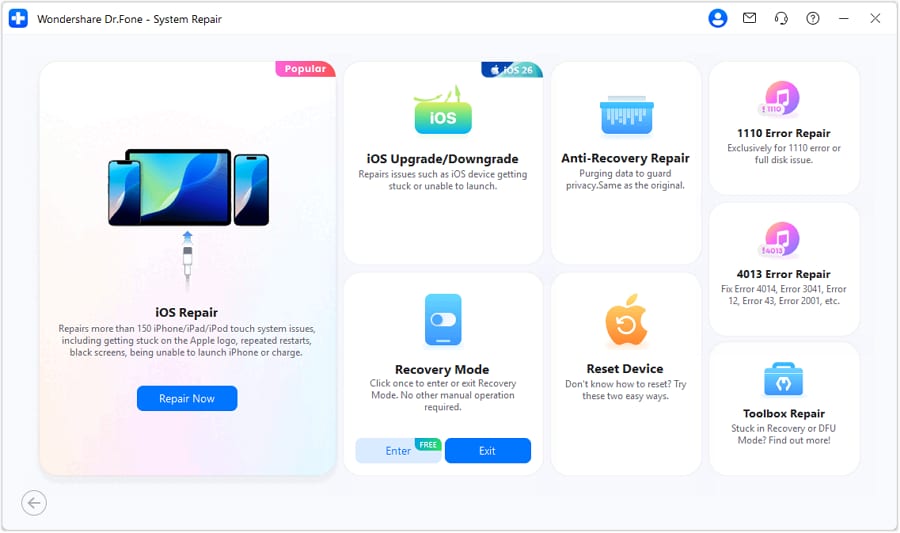
- Step 1: Launch System Repair
Install the latest version of Dr.Fone on your computer, connect the iPad, and choose the “System Repair” feature from the main screen.
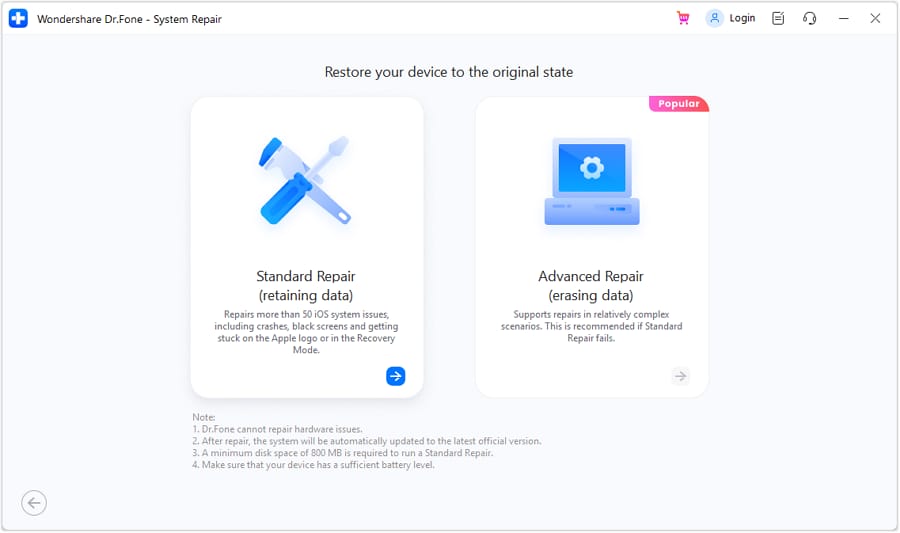
- Step 2: Set Device Properties
Select “Standard Mode.” The program will detect your device model and iPadOS version automatically. Confirm the information, adjust it if needed, and click “Start.”
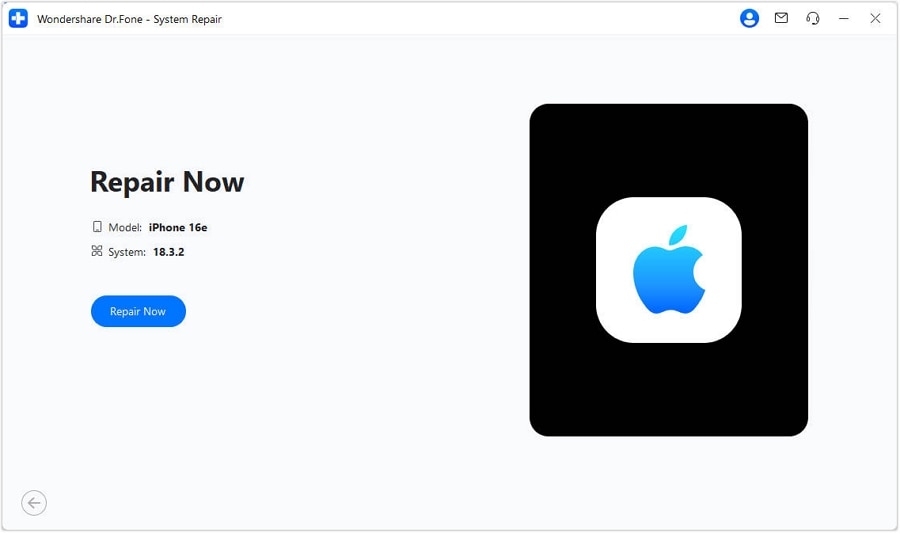
- Step 3: Download Firmware and Repair the Device
The required firmware will be downloaded and verified. Once ready, click “Fix Now” to begin repairing your iPadOS. Wait until the repair completes, then check whether the screen flickering has stopped.
4,624,541 people have downloaded it
 safe & secure
Fix 8: Factory Reset iPad
If software corruption is severe and no other fix works, a factory reset can remove deep system conflicts and restore the iPad to a clean state. However, this method erases your data, so it should be used only after you back up important files.
This step is useful when the flickering iPad screen happens across the whole system, survives restarts, and is clearly not tied to one app or one setting. It is also a reasonable option if you want to rule out software completely before paying for screen repair.
- Step 1: Open “Settings” and go to “General.”
- Step 2: Scroll down and tap “Transfer or Reset iPad.”

- Step 3: Choose “Erase All Content and Settings,” then follow the on-screen instructions to reset the device.
Before doing this, it is strongly recommended to back up your data. If the screen still flickers after a full reset and clean setup, the issue is very likely hardware-related.

Tips: Wondershare Dr.Fone makes it easier to protect important iPad and iPhone data before major troubleshooting. You can back up photos, videos, contacts, music, messages, and other essential content in just a few clicks, then restore only what you need later. This is especially helpful before a factory reset or any advanced repair attempt.
 safe & secure
Fix 9: Contact Support For Screen Replacement
If none of the software fixes work, and your iPad still shows persistent flickering, flashing, or display lines, you should arrange professional hardware inspection or screen replacement. This is the correct next step when the device has suffered impact, screen pressure, moisture exposure, or internal panel failure.
Common signs of hardware trouble include:
- Flickering that never stops, even on the lock screen
- Visible horizontal or vertical lines
- Dark patches, ghosting, or partial blackouts
- Touch problems combined with display instability
- Flicker that changes when the iPad is bent or pressed
In these cases, software repair is unlikely to solve the problem permanently. Contact Apple Support or a qualified repair provider to inspect the screen assembly and internal display connection.

Conclusion
iPad screen flickering is not always a sign of hardware failure, but it should never be ignored. In many cases, the issue comes from settings conflicts, app instability, outdated iPadOS, or corrupted system behavior. That is why it makes sense to start with safe fixes like a hard reset, turning off Auto-Brightness, reducing motion effects, updating iPadOS, and closing problematic apps.
If those methods do not work, Dr.Fone - System Repair (iOS) offers a more advanced way to repair iPadOS system problems without data loss. When the flickering continues after software repair or factory reset, the issue is much more likely to be hardware-related, and professional screen service becomes the best solution. By following the fixes in the right order, you can identify the real cause faster and choose the safest way to restore a stable iPad display.
4,624,541 people have downloaded it
safe & secureFAQs
 Q1. Why is my iPad flickering screen after an update?Q2. What does a glitchy iPad screen usually mean?Q3. How to fix iPad screen glitch and flashing problems without losing data?Q4. Do iPad display lines mean the screen is damaged?



Daisy Raines
staff Editor
Generally rated4.5(105participated)