Move contacts, messages, photos, videos, app data, and more between iOS and Android.

 100% Security Verified | No Subscription Required | No Malware

 :
: 
 ChatGPT
 Perplexity
 Gemini
 Claude
 Grok
Grok
It is undeniable that the Apple iPod has offered a spectacular array of features to users over the years. For instance, you could use this incredibly popular portable iOS device to stream videos, listen to thousands of songs, and store precious media files. In terms of portable entertainment, the iPod was revolutionary. But can you take and store photos on an iPod? The short answer is absolutely yes. If you are using the modern iterations of this device, capturing and storing snaps is a walk in the park. Because of this convenience, many users accumulated massive photo libraries on their devices.
There is no denying that the iPod is among the cutting-edge innovations that fundamentally revolutionized our digital world, taking our entertainment experience to an entirely new level. However, we must not forget that Apple has officially discontinued the worldwide production of this beloved iOS device line. Along with this cessation, developers have halted updates for the iPod's security patches and software. While you can certainly still use your existing iPod if it works fine, by 2026 it has become critically important to back up your memories. How can you safeguard them? It is incredibly simple: figure out how to transfer photos from iPod to iPhone to ensure they remain accessible and secure.
In this article
- Part 1. Can You Transfer Photos From an iPod to an iPhone?
- Part 2. How to Transfer Photos From iPod to iPhone?
- Method 1: Transfer photos from iPod to iPhone via iCloud
- Method 2: Transfer photos from iPod to iPhone via iTunes
- Method 3: Transfer photos from iPod to iPhone via AirDrop
- Method 4: Transfer photos from iPod to iPhone using Google Photos
- Method 5: Transfer photos from iPod to iPhone using Wondershare Dr.Fone
- Part 3. BONUS TIP: Back Up Your iPod Photos Before the Data Transfer
- Conclusion
- FAQs
Part 1. Can You Transfer Photos From an iPod to an iPhone?
Originally, iPods were exclusively designed to serve as compact music players equipped with a mass storage capacity that could typically hold over 10,000 songs. However, Apple consistently decided to upgrade the fundamental features of iPods over time. The last generation of iPods that the tech giant produced was no longer just a basic music player. It essentially transformed into a portable entertainment powerhouse that operated remarkably similarly to an iPhone. The newer iPod Touch versions became fully capable of running various iOS apps, streaming online media content, and capturing high-quality photos. If you still own one of these units, you are well aware that modern iPods can accomplish all these tasks effortlessly.

It is true that Apple made the strategic decision to discontinue the entire iPod product line back in 2022. That means there will be no new iPod iterations released to the market ever again. Likewise, the security infrastructure and software capabilities of existing units are no longer being updated or enhanced. Does this mean you should stop using your iPod right now and bury it inside a cabinet? The short answer is absolutely not. You can still enjoy your iPod just as you did before. As long as your particular unit remains in good physical shape and a functional state, it is totally fine to keep using it.
Use your iPod for as long as you desire, but do not forget the critical step to back up your photos to another reliable device. Why is this necessary? It acts as a vital precautionary measure in case your aging iPod suddenly breaks down and your data becomes permanently inaccessible. If you actively learn how to get photos off an iPod and transfer them to your iPhone, you guarantee that you can always access those irreplaceable memories easily. Don't sweat the technical details. There are numerous proven techniques out there designed to help you securely transfer photos from your iPod. Simply review the options below and choose the one that perfectly aligns with your specific needs and preferences.
Part 2. How to Transfer Photos From iPod to iPhone?
It is entirely fair to state that migrating your photo gallery from an old iPod to your primary iPhone is absolutely necessary in today's digital landscape. As highlighted earlier, iPods have permanently lost official technical support from Apple. Because of this vulnerability, you need to be fully prepared in case an unexpected hardware failure happens on your end. While your device is still operational, do not hesitate to safely transfer your photos from your iPod to your iPhone as a secure backup measure. Don't worry about complexity. Executing this transfer is a piece of cake. There are multiple streamlined methods you can try to complete this procedure in a few easy steps. Do you want to discover what those techniques are? Check out the detailed list compiled below.
Method 1: Transfer photos from iPod to iPhone via iCloud.
The absolute easiest way to natively transfer your photos from iPod to iPhone is to back them up directly to iCloud. By taking this route, you can seamlessly access all your synced photos from your iPhone using Apple's integrated iCloud services. You won't have the hassle of sending them out one by one manually. All you have to do is properly log in to the exact same Apple ID you use to back up your iPod photos. It truly is just as simple as that. Want to try it right now? Here is a step-by-step guide for you.
-
Step 1 Open the Settings Application
Unlock your iPod and navigate to the home screen. Locate and tap on the Settings app.
-
Step 2 Access Your Apple ID Profile
Tap on your Profile name and icon situated at the very top of your Settings screen.
-
Step 3 Navigate into the iCloud Menu
Scroll down slightly to find and click the iCloud option.

-
Step 4 Select the Photos Option
Within the interface, click on Photos listed beneath the "Apps Using iCloud" section.

-
Step 5 Enable iCloud Photos Syncing
Carefully toggle on the radio switch right next to the iCloud Photos label to initiate the backup.
-
Step 6 Wait for the Sync to Complete
In a minute or two (depending on your gallery size), the photos currently on your iPod will be synced automatically to your iCloud storage. After that, open your iPhone's Photos app and you will instantly find the synced backup images populated from your iPod.

Method 2: Transfer photos from iPod to iPhone via iTunes.
Another reliable traditional method you can consider is to manually sync your iPod and iPhone utilizing iTunes on your PC. It is admittedly quite a longer process compared to other modern wireless techniques. Nonetheless, it remains an extremely effective and proven way to securely transfer your photos from your iPod to your iPhone without needing an internet connection. Do you want to know how this process works? If so, thoroughly check out the comprehensive guide provided below and follow the indicated steps accordingly.
-
Step 1 Connect the iPod to Your Computer
Link your iPod directly to the computer using a compatible USB data cable. Wait patiently until the iOS device is fully recognized by your system.
-
Step 2 Launch the File Explorer
After a successful connection is established, go to the File Explorer application on your Windows computer and then click on This PC.
-
Step 3 Access Your iPod's Internal Storage
Find and click your designated iPod icon located under the Devices and Drives section.

-
Step 4 Copy the Desired Photo Folders
Navigate deeply to look for the specific internal folder (often labeled DCIM) that securely stores the photos you desperately want to transfer to your iPhone. Right-click on it and then select the Copy option.

-
Step 5 Paste to Local Storage
Right after copying, strategically paste the copied folder onto a readily accessible location on the local storage of your computer (such as your desktop). At this point, you can safely disconnect your iPod from the computer terminal.
-
Step 6 Connect Your iPhone to iTunes
Launch the iTunes application on your desktop afterward. Once its primary dashboard fully loads up and stabilizes, connect your target iPhone utilizing another proper data cable.
-
Step 7 Access iPhone Photo Sync Settings
On the intuitive left-side panel, tap on your respective Device icon and then smoothly click Photos nested underneath the main Summary section.

-
Step 8 Select the Target Folder
Carefully tick the checkbox situated next to Sync Photos. On the adjacent drop-down selection explicitly next to Copy Photos From, browse your system directories and select the precise folder you just saved that contains your iPod photos.
-
Step 9 Execute the Syncing Process
Lastly, just click the Done button at the bottom right corner to initialize and start the syncing process toward your iPhone.
Method 3: Transfer photos from iPod to iPhone via AirDrop.
Fortunately, the newer generations of iPod models fully support AirDrop functionality natively. If you own an AirDrop-compatible unit, you can definitely leverage it to rapidly transfer your photos from your iPod to your iPhone without any wires. This method is exceptionally useful for moving smaller batches of photos. Don't worry about technical difficulty; it is indeed a complete walk in the park. Do you want to give it a try now? Here is a concise guide that can help you get started immediately.
-
Step 1 Open the iPhone Control Center
On your receiving iPhone, smoothly swipe down from the upper right of its status bar to bring out the dynamic Control Center interface. From there, long-press or firmly click the Network Settings section box to expand it.
-
Step 2 Access AirDrop Settings
After the network box expands, click the AirDrop icon.

-
Step 3 Adjust Discoverability
Select the option labeled Everyone for 10 minutes to ensure your iPhone is easily discoverable by your iPod.

-
Step 4 Select Photos on the iPod
Switch over to your sending iPod, open the Photos app, and actively select all the specific photos you genuinely want to transfer. Right after your selection is complete, tap the ubiquitous Share button located at the bottom of the screen.
-
Step 5 Choose AirDrop as the Medium
Choose AirDrop displayed prominently among the given file-sharing options.

-
Step 6 Select the Destination iPhone
From the populated radar list of nearby available devices, carefully select your iPhone as the intended receiver.
-
Step 7 Accept the Transfer Request
Lastly, click Accept on the popup prompt appearing on your iPhone screen to smoothly proceed with the final transfer.
Method 4: Transfer photos from iPod to iPhone using Google Photos.
The highly versatile Google Photos application is natively compatible with the newer generation models of iPods. If your specific unit can successfully download and install this app from the App Store, then you should absolutely use it to dynamically transfer photos from your iPod to your iPhone. It acts as an excellent third-party cloud bridge. Rest assured, it is a piece of cake to execute. All you inherently have to do is properly turn on the backup feature of this robust media-hosting software on your configured Google account. Ready to see how it operates? If so, here is the detailed guide curated for you.
-
Step 1 Install and Launch Google Photos
Start by launching the Google Photos application on your iPod's home screen.
-
Step 2 Access Your Google Profile
Tap your dedicated Profile icon or picture located comfortably at the top-right corner of your interface screen.

-
Step 3 Enter App Settings
From the subsequent dropdown menu, click on the Google Photos settings configuration tab.
-
Step 4 Open Backup Options
Once inside the settings menu, firmly click the option indicating Back Up and Sync.
-
Step 5 Enable the Backup Feature
Lastly, toggle on the blue radio button clearly sitting next to the Back Up and Sync text label to authorize the upload of your iPod library to Google's cloud servers.

-
Step 6 Access from Your iPhone
On your modern iPhone, launch the identical Google Photos application and accurately log in to the exact same Google account that you just used to back up your iPod photos. From there, you can instantly access, view, and save the photos that have been seamlessly synced on your universal account.
Method 5: Transfer photos from iPod to iPhone using Wondershare Dr.Fone.
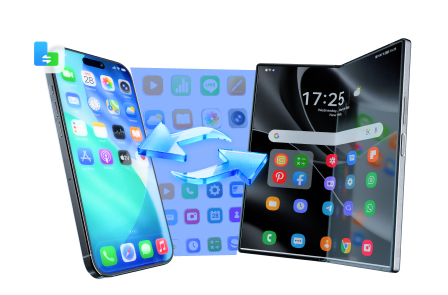
Is there an inherently faster and more convenient desktop option to bulk transfer photos from iPod to iPhone without battling iCloud limits or iTunes complexities? Fortunately, there is a dedicated solution. You can effortlessly facilitate this exact kind of complex procedure with the reliable aid of specialized third-party software. In this particular regard, Wondershare Dr.Fone. can surely help you bridge the hardware gap tremendously. Do you want to try its incredibly powerful 1-click phone transfer feature right now? If so, check out the foolproof visual guide intricately provided below.
- Incredibly fast device-to-device direct transfer.
- Maintains absolute original photo quality and metadata.
- Does not require an active Wi-Fi connection during transfer.
- Eliminates the confusing syncing rules associated with native apps.
- Requires a desktop or laptop computer to mediate the transfer.
- Requires two functional data cables connected simultaneously.
 Move data between iOS to Android and vice versa.
- Transfer contacts, SMS, photos, videos, music, and more types.
- Available with all phones with Android and iOS versions.
- Simple, click-through process.
-
Step 1 Install the Software
Simply download the Wondershare Dr.Fone installer file securely from its official website. Right after the download is fully completed, systematically install it onto your primary computer system.
-
Step 2 Connect Both iOS Devices
Launch the newly installed software framework on your desktop afterward. Once it completely loads up and the main software dashboard becomes starkly visible on your computer screen, plug in both your iPod and your target iPhone using high-quality USB data cables. Follow the intuitive on-screen guide and perform the indicated device-trust steps accordingly to make absolutely sure that the connection between the devices is rock-stable enough to confidently facilitate the succeeding heavy data operations.
-
Step 3 Open the Phone Transfer Tool
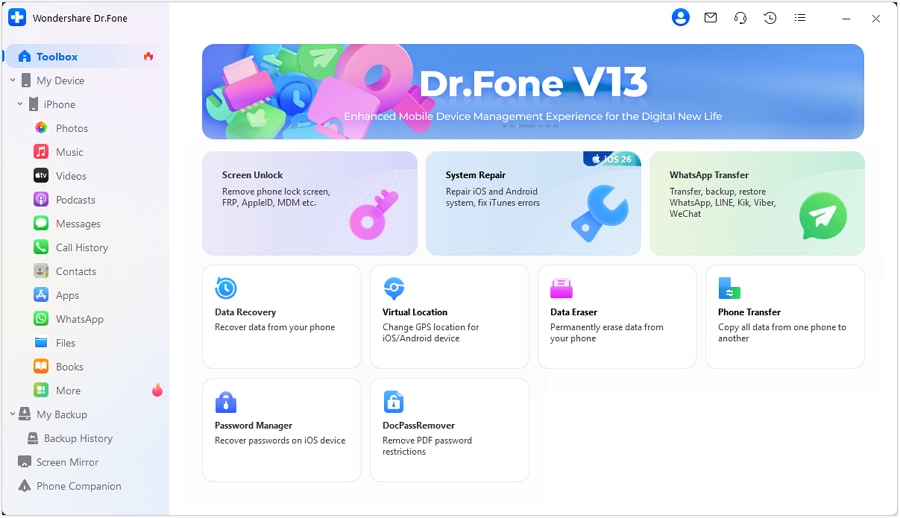
Head straight over to the intuitive left-side structural panel and then firmly click the Toolbox tab. From the populated grid on the main dashboard, locate and click the Phone Transfer utility block.
-
Step 4 Assign Source and Target Roles
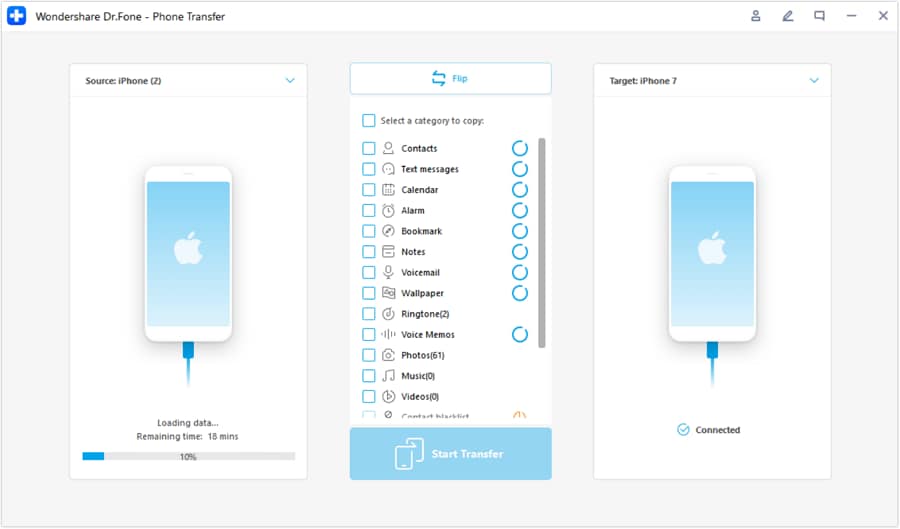
Visually confirm and correctly nominate your aging iPod distinctly as the Source device, ensuring your new iPhone securely occupies the Target position. Alternatively, if the software misplaced them, you can simply tap the central Flip button to flawlessly specify and reverse your preferred path of the data transfer.
-
Step 5 Select Photos for Migration
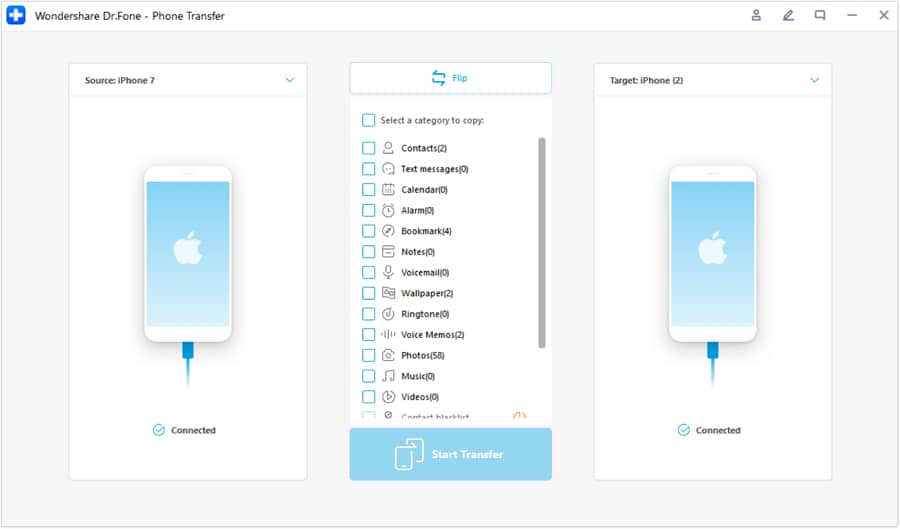
After locking in the correct device orientation, cautiously tick the dedicated checkbox clearly sitting directly next to the Photos data category. Should there be other media files you strongly want to include in the bulk data transfer, check their respective categories as well. Then, aggressively click the massive Start Transfer button to swiftly proceed to the next stage.
-
Step 6 Temporarily Disable Find My
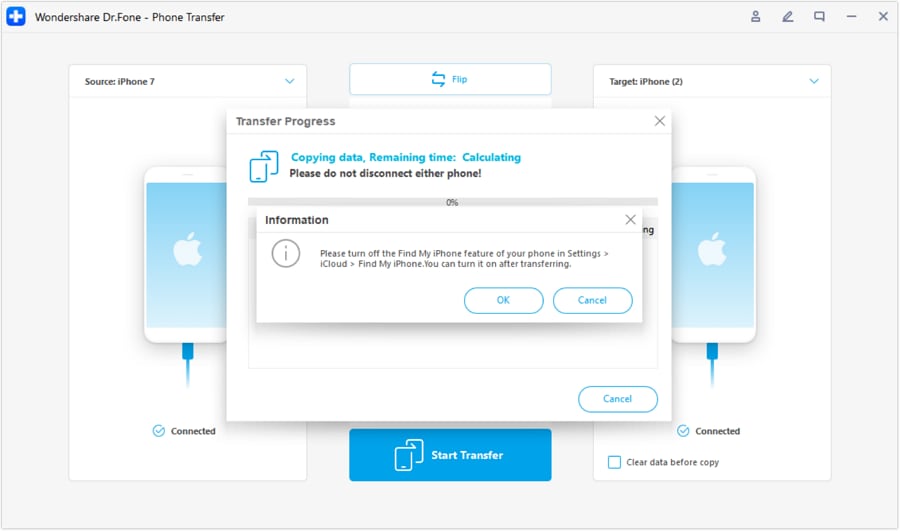
A sudden software notice will be promptly triggered if the "Find My" security protocol is currently enabled globally on your connected iOS devices. Don't worry at all. You just practically need to momentarily turn it off on both your iPod and your iPhone through their local settings menus. After achieving that, click OK firmly on your computer screen to seamlessly continue the process.
-
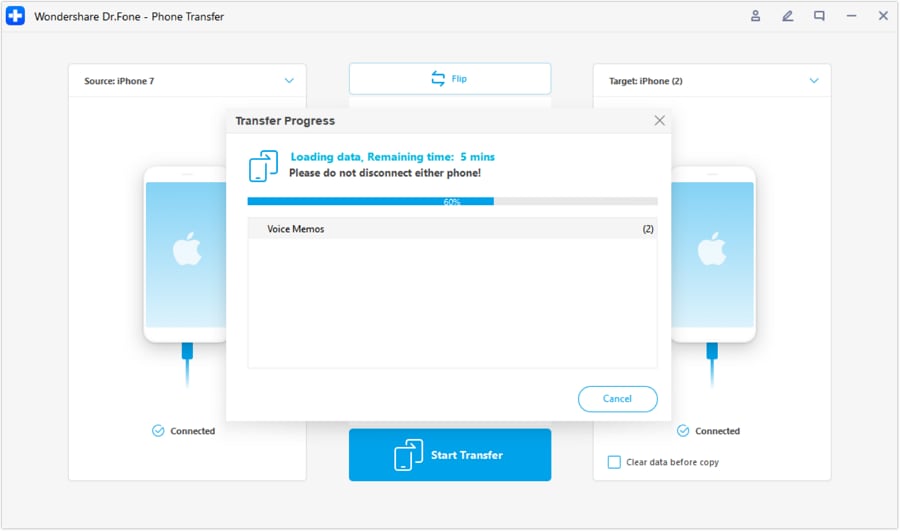
Step 7 Await Transfer Completion
Wait patiently while the robust Wondershare Dr.Fone engine forcefully transfers your massive catalog of photos directly from your iPod directly to your iPhone storage pipeline. It is highly advised to absolutely refrain from using your computer and your connected iDevices actively during this window to completely avoid unwanted software delays and unnecessary hardware disruptions.
-
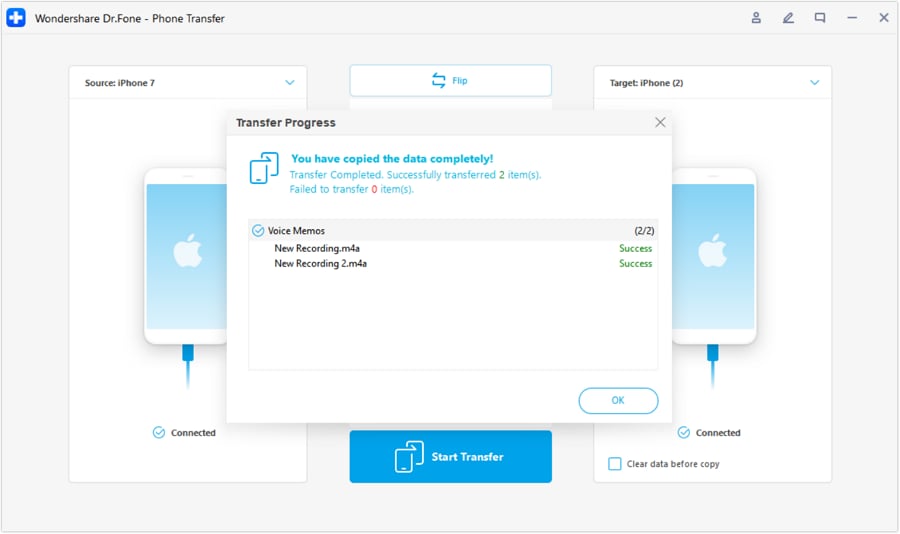
Step 8 Verify Final Transfer Results
Once the massive data transfer is successfully reported as completed, click OK on your computer interface to neatly wrap the session up. Right after that, immediately open and meticulously check the native Photos app sitting actively on your iPhone and visibly confirm to yourself if all the previously missing photo files are safely residing there now.




Part 3. BONUS TIP: Back Up Your iPod Photos Before the Data Transfer
We have exhaustively seen from the highly detailed previous discussions that there are genuinely multiple streamlined ways to confidently transfer photos from iPod to iPhone. Every single one of them is verified and highly effective. Thus, you truly shouldn't hesitate to immediately try any of the brilliant methods discussed closely above in case you urgently need to transfer photos dynamically from an aging iPod console. However, under no circumstances should you forget that massive data transfer is an inherently sensitive internal procedure. It intimately involves delicate media files that are incredibly vulnerable to abrupt data loss and sudden corruption issues if interrupted. Hence, it's structurally best practice to fully back up your fragile iPod deeply first before you formally proceed with the main data transfer objective. Don't worry about complexities. Wondershare Dr.Fone has successfully engineered software that has made it exponentially easier for completely non-technical everyone. Eager to discover and try it out now? Here is a meticulously crafted short guide perfectly suited for you.
-
Step 1 Launch Dr.Fone and Connect
Launch the robust Wondershare Dr.Fone application platform smoothly on your primary computer terminal. Once it fully loads up all background processes, confidently connect your delicate iPod unit properly using a highly reliable data cable.
-
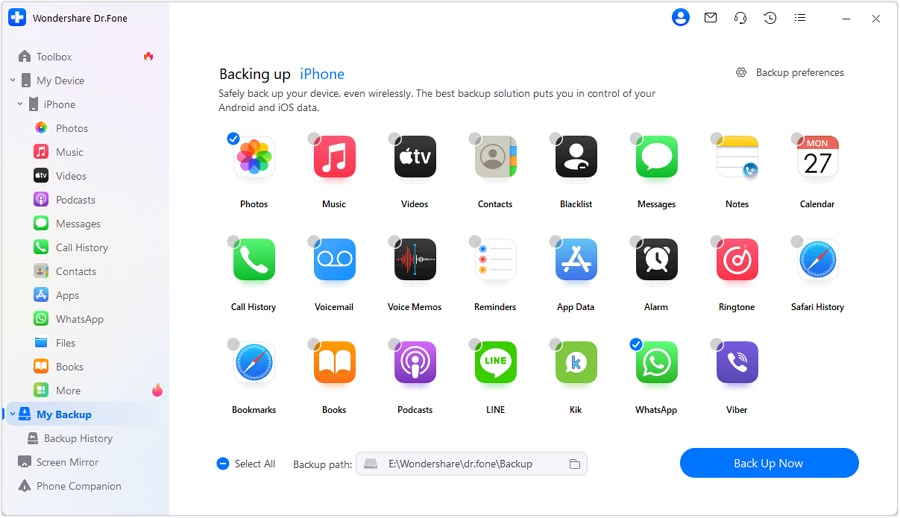
Step 2 Trigger the Backup Protocol
Actively navigate over to the far left-side UI structural panel and then firmly click the My Backup option panel. Immediately afterward, click the prominent Back Up Now interactive button displayed boldly on the primary main dashboard view.
-
Step 3 Allow the Backup to Run
The Wondershare Dr.Fone desktop engine will immediately begin comprehensively backing up your connected iPod system. Wait carefully while the heavy procedural process is visibly ongoing on screen. Strictly refrain from touching or using your physical iPod and the host computer to strategically avoid highly unwanted sudden hardware interruptions and massive unnecessary time delays.

-
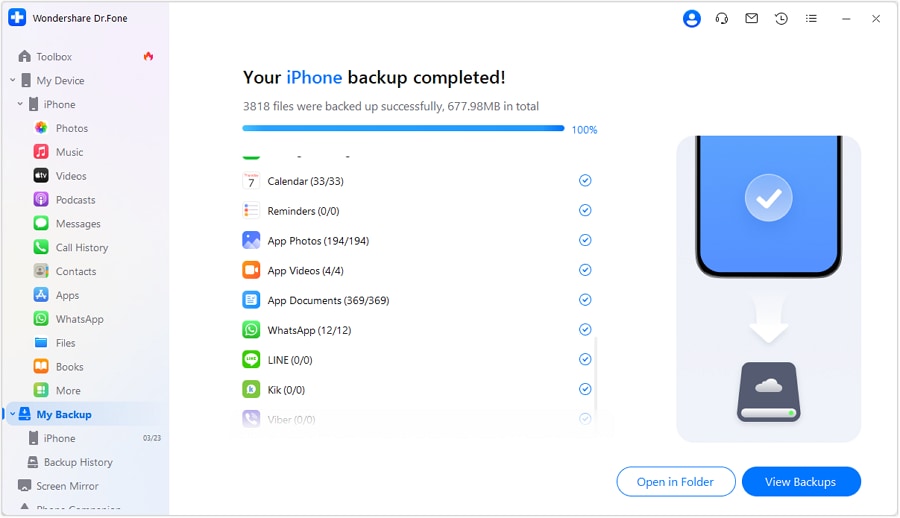
Step 4 Inspect Your Secured Backup Archive
Directly after fully completing the intense backup procedural process, please take a brief relaxing moment to thoroughly review the safely extracted files. You logically just have to simply click the Open in Folder text link or the View Backups command prompt to instantly dive into and access them locally.
Conclusion
There is absolutely no denying the historical fact that iPods have truly served their functional purpose very, very well over the past couple of decades. They consistently share a remarkably significant historical contribution that fundamentally further enhanced our entire digital entertainment landscape as we know it today. Unfortunately, the cold hard reality remains that Apple has already permanently stopped all worldwide iPod production entirely and ceased extending software security support completely. We technically cannot do anything physically about that timeline but proactively act to dynamically back up our surviving iPods as soon as feasibly possible. Please do not foolishly wait actively until it is tragically already far too late and your hardware dies unrecoverably. If you have some minor free time available today, smartly start to formally transfer your irreplaceable photos reliably from your older iPod to your current modern iPhone setup.
Carefully refer back to the deeply comprehensive discussions mapped out above and intelligently pick the very best tailored method that seamlessly suits your specific hardware setup and personal preferences. The meticulously detailed tutorials elaborated previously on exactly how to get photos off an iPod can securely and undoubtedly help you achieve tremendous success a lot in this tricky hardware regard. Additionally, make sure to smartly download the powerful Wondershare Dr.Fone framework toolkit software on your primary computer terminal for easily accessible, highly secure, and readily available 24/7 smartphone technical assistance. Actively explore around the suite and properly take full maximum advantage of its incredibly powerful automated file backup routines and lightning-fast direct phone transfer architectural features to guarantee digital safety into 2026 and far beyond.
FAQ
-
1. Can I still use Apple services on my discontinued iPod?
Yes. As long as your iPod touch can connect to Wi-Fi and log into your Apple ID, you can still access iCloud and use fundamental Apple services. However, because older operating systems lack modern security patches, relying entirely on these services for long-term backup is not recommended. -
2. Will transferring photos from iPod to iPhone delete them from the iPod?
No, transferring photos using methods like iCloud, AirDrop, iTunes, or Dr.Fone only copies the files. Your original photos will remain completely untouched and securely intact on your iPod until you manually decide to delete them. -
3. What is the fastest method to transfer thousands of iPod photos?
While iCloud is convenient, transferring thousands of files over Wi-Fi can be extremely slow and might exceed your free iCloud storage limits. Using a direct USB-based software solution like Wondershare Dr.Fone is statistically the fastest, most stable method for migrating massive media libraries without compression. -
4. Does the photo quality drop when I transfer them to an iPhone?
Generally, no. Techniques like AirDrop, iTunes syncing, and direct Dr.Fone transfers maintain the precise original resolution and EXIF metadata of your images. Just be careful when using third-party messaging apps as a bridge, as they heavily compress image data.
 Add Wondershare Dr.Fone as a preferred source on Google