 Teleport your device anywhere instantly with one click.


 100% Security Verified | No Subscription Required | No Malware


 :

 ChatGPT
 Perplexity
 Gemini
 Claude
 Grok
To stop mSpy, close the access it relies on: a compromised account, an installed monitoring app, or a trusted sync connection. A warm battery or missing Home Screen icon cannot establish which route is involved. Android investigations often start with installed applications and powerful permissions; on iPhone, account access deserves attention even when there is nothing obvious to uninstall.
Work through the checks below on a device you own or are authorized to manage. Detection and removal are different tasks: first document the concern, then choose account protection, app removal, or a reset. A GPS changer belongs in a separate category and must not be mistaken for an anti-spyware tool.

Save relevant screenshots, dates, and account alerts somewhere the suspected monitor cannot access, if doing so is safe. Uninstalling an app or erasing the phone can destroy useful evidence. You do not need to confront anyone or prove the exact software name before asking a trusted support organization for help.
In this article
- Part 1. What Is mSpy, and Can You Really Detect It?
- Part 2. How to Detect mSpy on Phone: Android and iPhone Checks
- Part 3. How to Stop mSpy from Spying on Your Phone
- Method 1: Change Your Apple ID or Google Account Password
- Method 2: Add Two-Factor Authentication for Extra Protection
- Method 3: Remove a Suspicious mSpy App Manually on Android
- Method 4: Limit Location Tracking with Dr.Fone - Virtual Location
- Method 5: Use a Factory Reset When Nothing Else Works
- Method 6: Update iOS If the iPhone Has Been Jailbroken
- Method 7: Turn Google Play Protect Back On
- Part 4. Which Method Should You Pick to Stop mSpy?
Part 1. Understanding mSpy and the Limits of Detection
mSpy is sold as monitoring software. Depending on the platform, permissions, and setup, monitoring products may collect location information, calls, messages, or activity associated with social apps such as WhatsApp and Instagram. Do not assume every advertised capability applies to every phone or installation.
The privacy issue is access without meaningful permission. A parental-monitoring label does not make covert surveillance harmless, and having physical access to someone's handset is not the same as consent. Here, the aim is protecting your own device and accounts rather than setting up monitoring on somebody else's phone.
There is no single visual test that reliably proves mSpy is present. Android software may use an uninformative service name, while iPhone concerns can involve cloud credentials or a previously trusted computer. A clean Home Screen therefore is not a clean bill of health. Conversely, an unfamiliar name alone is not evidence that a legitimate system service is spyware.
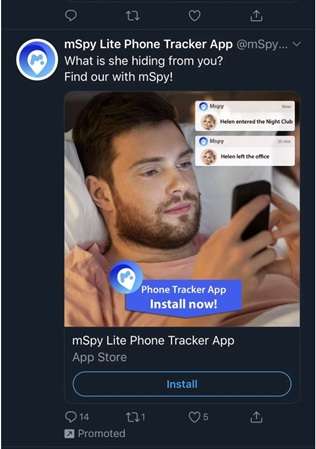
Use several observations together: what is installed, what permissions it has, which devices are signed in, and whether someone had an opportunity to configure monitoring. Keep a record of what you find before changing the setup.
Part 2. Device Checks for Suspected mSpy Access
Start with settings rather than downloading a random detector. Battery drain, excess data traffic, and unexpected slowness are reasons to investigate, not diagnostic results. The following checks preserve the source article's separate iPhone and Android workflows while explaining what each result can actually tell you.
2.1. Inspect an iPhone's Apps, Profiles, and Account Access
Step 1 Look for signs of an unexpected jailbreak
Search the App Library and installed-app listings for tools such as Cydia or Sileo. Their presence can indicate a modified software environment. Their absence does not rule out monitoring, and you should not install a jailbreak tool as part of this check.
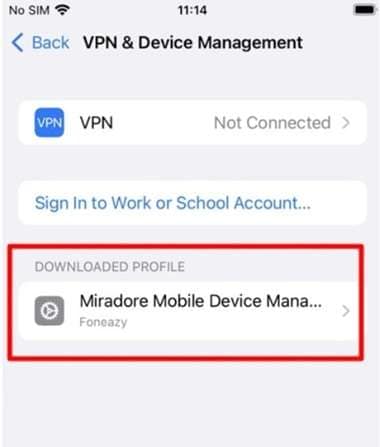
Step 2 Identify configuration and management profiles
Visit Settings > General > VPN & Device Management. Note the organization and purpose of each entry. A work or school profile may be legitimate; verify it with the administrator instead of deleting it blindly. Remove an unauthorized profile only after considering safety and evidence.
Step 3 Compare battery activity with actual use
In Settings > Battery, examine background activity and power consumption. Unexpected use is a lead to investigate alongside permissions and account activity. Navigation, updates, charging, and ordinary apps can also account for a spike.
Step 4 Check the wider access picture
Record unusual data usage, recurring pop-ups, or persistent performance changes. Also review devices connected to your Apple Account and computers previously trusted for syncing. If available, Apple's Safety Check can help review sharing and access; decide whether changing them is safe before proceeding.
2.2. Inspect Android Applications and Sensitive Permissions
Step 1 Inspect the complete installed-app list
Open Settings > Apps and display all applications, not just launcher icons. Investigate entries you cannot account for, including generic labels resembling System Service or Update Service. Record the app details first; do not remove essential Android components based only on their names.
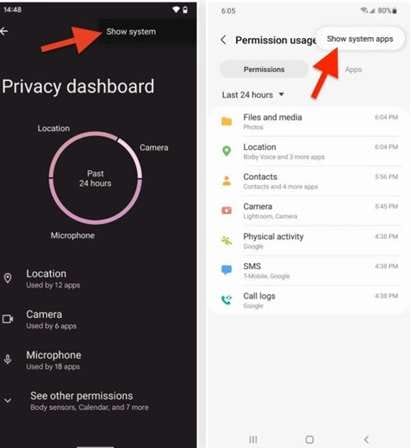
Step 2 Audit permissions by data type
Use the privacy or permission manager to review access to location, microphone, contacts, and messages where shown. Consider whether each grant fits the app's purpose. Also inspect unusually powerful access, such as accessibility services, when investigating an app that appears suspicious.
Step 3 Review device administrator privileges
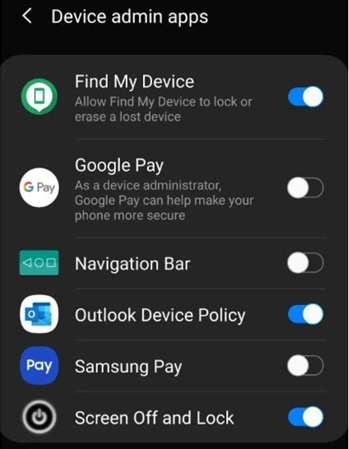
Search Settings for Device admin apps; the exact route varies by manufacturer. Identify any unfamiliar administrator before disabling it. An unauthorized administrator can prevent ordinary uninstalling, but a legitimate organization-managed phone needs its administrator's involvement.
Step 4 Correlate symptoms with specific apps
Compare overheating, background data, and slowdowns with app activity and recent installations. A symptom becomes more useful when it points to an unexplained permission or program. If you cannot identify the cause, seek reputable technical help rather than treating every slowdown as an infection.
Once a suspicious access route is identified, choose a targeted response below. The aim is to interrupt that route without needlessly erasing information or increasing a personal-safety risk.
Part 3. Seven Responses to Suspected mSpy Monitoring
Account security and local app removal address different problems. A password change does not uninstall Android software, and deleting an app does not undo an exposed cloud password. Use the relevant measures together, from a trusted device where possible, and verify the outcome instead of assuming one action ends all monitoring.
Method 1: Replace Exposed Apple or Google Credentials
For iPhone, protect the Apple Account associated with iCloud. For Android, secure the relevant Google Account. Choose a long, unique password that the suspected monitor has never known, and avoid entering it on a device you still believe is compromised.
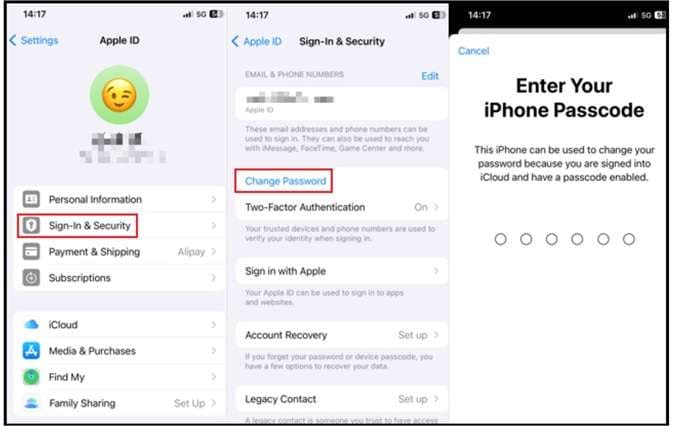
Review signed-in devices, recovery addresses, and recovery phone numbers as part of the same task. Revoke unfamiliar sessions where the account service permits it. Changing a password reduces the usefulness of the old credentials, but an already trusted device or altered recovery method also requires attention.
Repeat the review for any separate email account used to recover the phone's main account. Otherwise, someone with control of recovery email may be able to regain access later. Keep new credentials out of shared notes, browsers, and password stores that the other person can open.
Method 2: Protect New Sign-Ins with Two-Factor Authentication
Enable Apple's two-factor authentication or Google's two-step verification after reviewing account recovery. A second verification factor adds a barrier beyond a password; it does not automatically remove every existing signed-in session or protect a phone that another person can unlock.
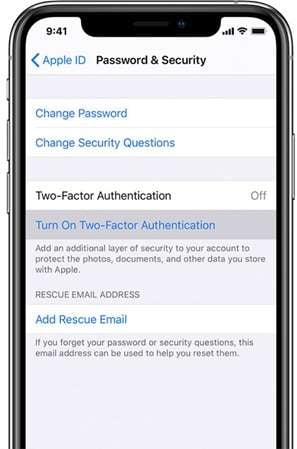
Check that verification prompts and codes reach only devices and numbers you control. Save recovery information securely, and never approve a sign-in you did not initiate. If the suspected monitor can access your trusted handset, consider that exposure before relying on codes delivered to it.
Method 3: Uninstall an Identified Android Monitoring App
Use manual removal when the investigation points to a specific unauthorized local app. Do not interpret the example names below as a definitive mSpy signature: legitimate software can use similarly generic names, and monitoring software can change labels.
Step 1 Use your manufacturer's Safe Mode procedure
On many Android phones, opening the power menu and holding Power off offers a Safe Mode restart. Other models use different buttons. Follow the manufacturer's instructions if that option is absent; Safe Mode temporarily limits third-party apps rather than removing them.
Step 2 Reopen the app's settings entry
Find the application recorded during your checks under Settings > Apps. Possible labels in the original article include Update Service, SyncManager, and System Service. Confirm the app's identity and permissions before deciding it is unauthorized.
Step 3 Remove privileges that block uninstalling
If Uninstall is unavailable, inspect Device admin apps and disable the suspicious app's administrator access when safe. Return to its app information page and uninstall it. Restart normally, check the installed-app list again, and continue the account review rather than assuming removal also protects cloud access.
If the app returns or settings cannot be changed, stop guessing at system components. A qualified technician can help assess managed-device restrictions, persistent changes, or the need for a clean restore.
Method 4: Understand What Virtual GPS Can and Cannot Protect
 Set your map route to simulate GPS movement.
- Set your wanted movement speed.
- HD and large map view to check location.
- Fake GPS location to anywhere.

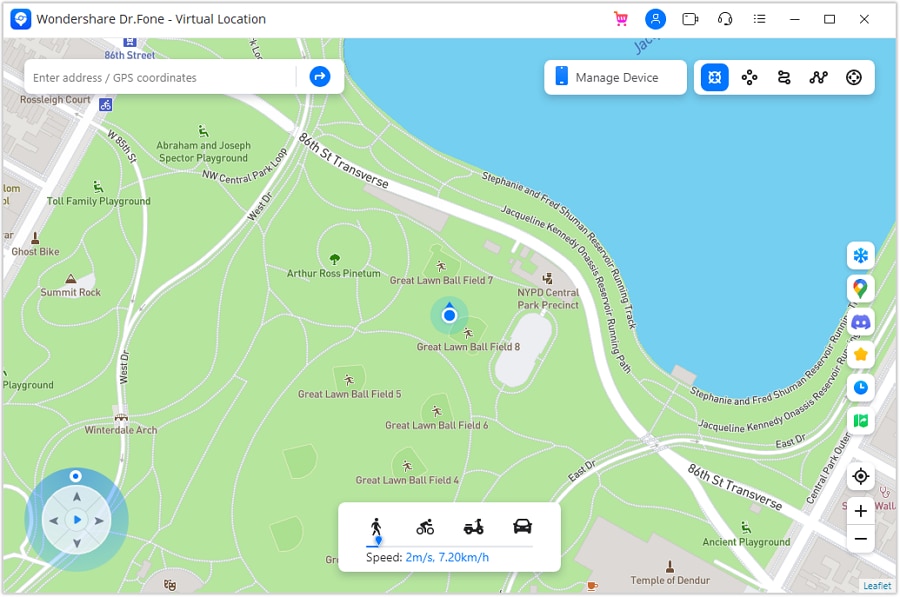
Dr.Fone - Virtual Location changes the reported GPS position on supported devices and apps. Its location tools include teleporting to a map point, joystick control, configurable routes and speeds, and GPX route handling. These functions are useful for controlled location demonstrations on your own phone.
It is not a remedy for mSpy. There is no basis here to promise that a monitoring service will use the simulated coordinates rather than another signal. The tool does not remove spyware, revoke account sessions, block message collection, or guarantee that a stalker cannot determine your location. Built-in sharing controls and removal of unauthorized access remain the relevant privacy measures.
A Separate Location Simulation Walkthrough
Step 1 Open the desktop location module
Install the appropriate desktop edition and select Virtual Location. Use a computer you trust; a shared or monitored computer is not an appropriate place to enter sensitive new credentials.
Step 2 Connect the phone you control
Complete the device's connection and trust prompts, then start the map view. Use Center On if you need to bring the displayed device position into view. Device and software requirements differ, so follow the instructions shown for your setup.
Step 3 Select a destination in Teleport Mode
Switch to the teleport control and search for a place, such as Rome, Italy. Inspect the map result before applying it; a selected map point is a simulation destination, not evidence that monitoring has stopped.
Step 4 Apply and verify the test position
Choose Move Here, then inspect the reported coordinates in a supported app on your own handset. Route controls can simulate movement instead of a fixed point. Finish the test and restore the normal location before using navigation or any service that needs accurate positioning.





Method 5: Plan a Factory Reset When Trust Cannot Be Restored
A reset is a disruptive fallback for a device whose setup you can no longer trust. It erases local apps, settings, and personal data. Before proceeding, preserve evidence and essential files safely, confirm access to your accounts, and consider help if removing monitoring could trigger retaliation.
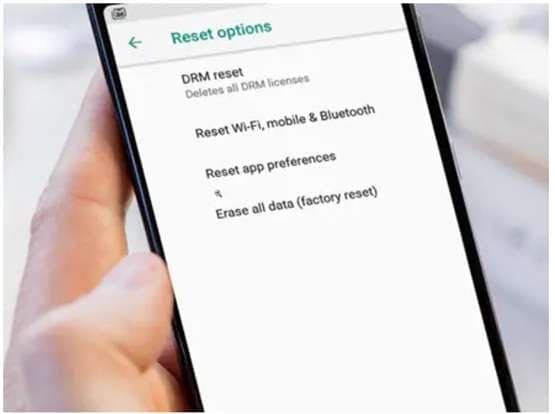
Step 1 Locate the reset controls
On many Android phones, open Settings and then System. Manufacturers may place the equivalent controls under General management or another menu.
Step 2 Review Reset options
Choose the option that erases the device, not merely a network-settings reset. Read the data-loss warning and verify that the phone is yours to erase.
Step 3 Complete the factory reset
Confirm the erase action with the device's required authentication. On iPhone, the corresponding built-in route is Settings > General > Transfer or Reset iPhone > Erase All Content and Settings.
Step 4 Set up carefully afterward
Use secured accounts and reinstall only trusted apps. Avoid automatically restoring an unexamined app setup. A reset cannot change a stolen password, remove another person's cloud access, or prevent monitoring from being configured again if they retain access to the phone.
How the Referenced Data Eraser Fits In
The original article also links to Dr.Fone - Data Eraser (iOS) as a guided data-wiping reference. Erasing stored photos, contacts, messages, call history, or supported app data is a different task from detecting or proving removal of monitoring software. Consult the correct device workflow; the linked iOS page is not an Android removal guide.
Whether you choose built-in erasure or evaluate a separate wiping tool, data destruction can eliminate evidence. Do not make a purchase or begin a wipe on the assumption that it will also secure compromised accounts.
Method 6: Address a Jailbreak and Keep iOS Current
Open Settings > General > Software Update and install an available supported release when it is safe to do so. Keeping iOS current addresses known security issues. It should not be described as proof that all surveillance has disappeared.
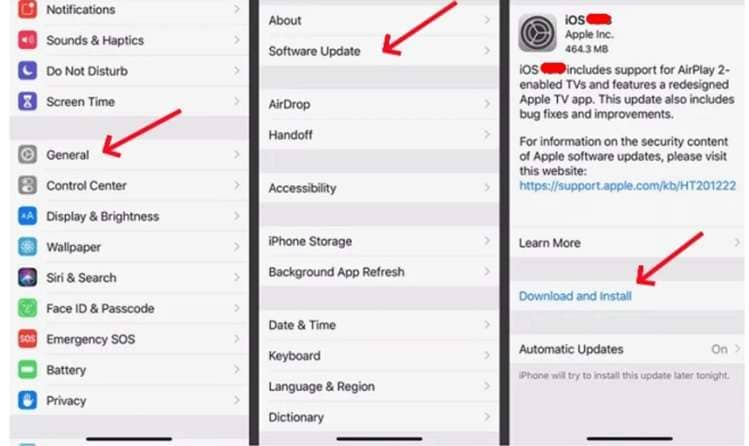
If monitoring may depend on a jailbreak, an ordinary update may not be a sufficient cleanup plan. Ask Apple or a qualified technician about restoring trusted system software when necessary. Continue checking account devices, sharing permissions, and trusted computers because those access routes are separate from a jailbreak.
Method 7: Restore Google Play Protect Scanning
Google recommends leaving Play Protect enabled. It checks applications for harmful behavior and may warn about, disable, or remove harmful apps. An inactive scanner is worth correcting, but neither a clean scan nor an enabled switch guarantees that all unwanted monitoring has been found.
Step 1 Open the Play Store account menu
Launch Google Play Store and select your profile icon.
Step 2 Enter Play Protect
Open its settings and enable Scan apps with Play Protect if it is disabled. Menu presentation can vary.
Step 3 Run and review a scan
Return to Play Protect and scan the device. Read any warning and follow the removal guidance for a confirmed harmful app, while preserving evidence and considering safety first.
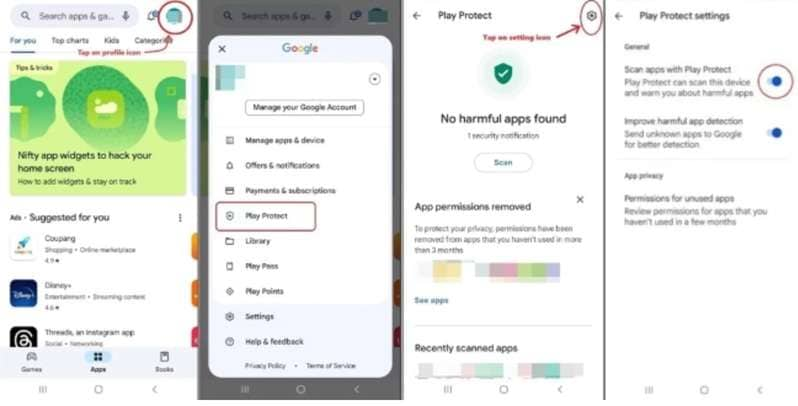
Keep this protection active after cleanup and be cautious about future installations outside trusted sources. It complements permission and account checks; it does not replace them.
Part 4. Match the Response to the Access You Found
Choose according to the suspected entry point, not the most dramatic symptom. Account measures usually preserve local files, but may still alert someone through lost access. Device erasure is far more disruptive. The table separates security controls from GPS simulation so they are not treated as interchangeable solutions.
| Response | Relevant situation | Data and evidence considerations | What remains unresolved |
|---|---|---|---|
| New Apple or Google password | Credentials may have been exposed | Does not itself erase phone files; session changes may be noticed | Local monitoring apps and recovery access need separate checks |
| Two-factor authentication | Additional protection for later sign-ins | Retains device data; trusted numbers must be yours | Previously trusted sessions and physical access |
| Android app uninstall | An unauthorized application has been identified | May delete the app and associated evidence | Compromised cloud accounts |
| Virtual GPS simulation | A controlled test of location-based app behavior | Not a stalkerware cleanup procedure | Spyware, message access, and other location signals |
| Factory reset | The local phone setup is no longer trustworthy | Erases local content and may destroy evidence | Account access and risk of reinstalling unwanted software |
| Data-wiping reference | Evaluating deliberate erasure of personal files | Destructive; preserve necessary records beforehand | Detection and independent account protection |
| iOS update or trusted restore | Outdated or unexpectedly modified system software | Impact depends on updating versus erasing and restoring | Cloud sessions, sync trust, and sharing choices |
| Play Protect | Android harmful-app scanning needs to be restored | May warn about or remove harmful software | Detection is not exhaustive |
Conclusion
Stopping suspected mSpy surveillance means protecting both the handset and the accounts behind it. Begin with a safety plan, document what you can, examine platform-specific access, and address the route you actually find. Use a reset only with a clear understanding of its data and evidence costs.
Dr.Fone - Virtual Location remains a location simulation tool, not a way to certify that tracking has ended. Judge success by removal of unauthorized access and safer account control, not by whether one map displays a different pin.
FAQ
1. Does a hot phone prove mSpy is installed?
No. Charging, games, navigation, updates, and weak connectivity can also cause heat or battery drain. Investigate unexplained app permissions, installations, and account activity rather than diagnosing spyware from temperature alone.2. Can monitoring continue without a visible app icon?
Yes, the lack of a launcher icon does not rule out monitoring. Check Android's full installed-app list. On iPhone, also examine Apple Account devices, cloud access, sharing, and trusted sync computers instead of searching only for an app to delete.3. Is a reset enough to stop mSpy permanently?
A factory reset usually removes ordinary locally installed apps, but it does not secure an exposed account or prevent someone with renewed device access from setting monitoring up again. Review credentials and recovery methods, and avoid restoring an unexamined setup.4. Can a GPS changer remove spyware or make my location secret?
No. Simulating GPS does not uninstall surveillance software or block access to calls, messages, accounts, or other location signals. Review location permissions and sharing directly, and address the unauthorized monitoring itself.
 Add Wondershare Dr.Fone as a preferred source on Google



