Teleport your device anywhere instantly with one click.


 100% Security Verified | No Subscription Required | No Malware

 :

 ChatGPT
 Perplexity
 Gemini
 Claude
 Grok
If 3uTools Virtual Location is not working, first identify where the process fails. A blank map suggests a map-data or connection problem; an undetected iPhone points toward the USB connection or required device software; a developer-image error needs a version-specific check. These symptoms should not all be blamed on the Google Maps API.
This 2026 troubleshooting guide retains eight repair approaches, starting with lower-impact checks before reinstalling software. An alternative GPS tool is also explained, but switching programs is not a guaranteed cure for unsupported devices, operating-system restrictions, or a third-party app that rejects simulated location.
In this article
Part 1: What 3uTools VirtualLocation Does
3uTools is a device-management application whose Virtual Location feature can send a selected test position to a connected, supported iPhone or iPad. A map marker, searched address, or coordinate pair supplies the destination. This changes location information used in supported circumstances; it does not physically move the phone or automatically override every service's region checks.
Before diagnosing a failure, reproduce the basic workflow once and note the precise error. Keep your own device unlocked, use a working USB data cable, and complete any legitimate trust or connection prompts. The original setup consists of these six actions:
-
Step 1 Install the desktop application
Obtain 3uTools from its official source and complete installation on a compatible computer. Avoid unrelated download mirrors offering bundled utilities.
-
Step 2 Attach the iPhone
Use a data-capable USB cable to connect the phone to that computer. Unlock it and check that 3uTools actually recognizes the device.
-
Step 3 Enter Toolbox
Open the Toolbox area in the application rather than a separate flashing or firmware operation.
-
Step 4 Open Virtual Location
Select the location utility and wait for its map window to finish loading. If no map appears, record that symptom before changing phone settings.
-
Step 5 Specify the destination
Enter the intended longitude and latitude in their labeled fields, or use a location search if your version provides one. Inspect the pin to catch reversed coordinates.
-
Step 6 Apply and check
Choose Modify virtual location, read the success or error prompt, and compare the reported position in the phone's maps app. A successful map selection alone does not prove that the phone changed.

An alternative discussed later is Dr.Fone - Virtual Location. Compare its supported connection process after diagnosing the symptom rather than assuming a different program will repair 3uTools itself.
Part 2: Eight Checks for 3uTools Virtual Location Failures
1. Investigate Internet and Map-Service Access
When tiles remain blank or a map stops responding, confirm that the computer can load an ordinary website. Reconnect to a reliable network and relaunch the location window. If browsing also fails, solve the network problem before reinstalling a phone-management application.
A reachable internet connection does not prove that every map provider is reachable. Service availability, filtering, or an application-side integration problem can still interfere. Where the installed version offers Mapbox or another provider, test that option. Do not describe a particular API outage as confirmed merely because the map is empty, and do not assume only a technician can perform these basic checks.
2. Close and Reopen the Application
Exit 3uTools normally after stopping any active operation. If its window closes but the program remains stuck, use Task Manager to end only the identified 3uTools process. Never interrupt a firmware installation, restore, or other device-writing operation just to refresh the location tool.
Reopen the application and retry the same destination once. This can clear a temporary application state, but it does not correct an unsupported operating system or a persistent server failure.

3. Reinstall 3uTools if Installation Is Damaged
Incomplete files or an interrupted installation are possible causes, not a diagnosis that applies to every failure. First check whether an official update or repair option is available. If reinstalling is appropriate, save relevant application settings, close the utility, uninstall it normally, and install the current official package.
Avoid deleting device backups or unrelated Apple software during cleanup. After installation, check device recognition before opening Virtual Location; this separates an installation improvement from a phone-connection failure.

4. Restart the Computer
Save your work, disconnect safely when no device operation is active, and restart Windows. Then reconnect the unlocked phone and launch 3uTools before opening competing location utilities.
A restart reloads processes and services. It does not erase every bug, reinstall missing components, or permanently fix an incompatible driver. If the identical error returns, record it and continue to the more specific connection checks.
5. Check the Network, USB Link, and Unlocked Phone
Inspect both connections involved: the computer needs network access for online resources, while the phone needs a stable data connection to the computer. Reseat the cable, try a suitable USB port, and avoid relying on a charge-only cable.
Keep the iPhone screen unlocked during recognition and complete the trust prompt if one appears. If the device is absent from 3uTools altogether, changing map providers is unlikely to solve the first problem. Establish recognition before retrying coordinates.

6. Verify Required Components and Version Support
Allow the official installer or application to finish downloading required support files. A blocked or interrupted component download can leave the main interface usable while a device-specific function fails.
Check the installed 3uTools version, iOS version, and any exact driver or developer-image error. Use the vendor's instructions that match that combination. Do not obtain unsigned developer images or drivers from a forum just because another user reports success on a different phone.
7. Switch an Available Map Source
If the phone is detected but the map is still missing, inspect the map-source controls. The original interface includes Load embedded maps and describes switching between Google Maps and OpenStreetMap; options may differ in your installation.

Change one source at a time and allow the view to reload. If a replacement works, the result points toward the original map path rather than proving the phone's location mechanism was defective. Reapply the intended destination only after the map is usable.
8. Review iTunes or Apple Device Components Before Reinstalling
The original article associates a developer-image loading failure with iOS 17 and proposes reinstalling iTunes. That is not a universal remedy. A developer-image message can involve version support or the Windows driver environment; it should not automatically trigger removal of working Apple software.
Update 3uTools and inspect the vendor's instructions for the exact error first. If those instructions genuinely require repairing or reinstalling the installed Apple device components, preserve backups and account access, use the appropriate official Windows distribution, restart the computer, and reconnect the unlocked phone. Do not look for a Windows installer in the iPhone's App Store or edit the registry without understanding the specific change.
Part 3: A 3uTools Virtual Location Alternative to Evaluate in 2026
If the eight checks leave your original workflow unusable, Dr.Fone - Virtual Location offers a separate GPS-simulation workflow. Check its current device and system requirements before installing. An alternative can replace a task; it does not necessarily fix 3uTools, a damaged cable, or an unsupported environment.
Dr.Fone - Virtual Location: Map-Based GPS Simulation
 Set your map route to simulate GPS movement.
- Set your wanted movement speed.
- HD and large map view to check location.
- Fake GPS location to anywhere.
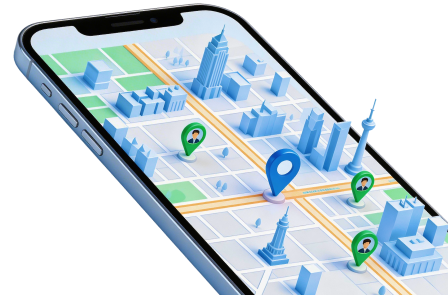
The product provides teleport controls for selecting a destination and route-based controls for simulated movement, including speed settings. Those functions are useful when testing a supported phone's location response from a desktop map rather than repeatedly changing coordinates in a failing utility.
Location-based services may handle simulated data differently. The source's related examples are Pokemon Go, Snapchat, Instagram, and Facebook. These references do not establish guaranteed compatibility, exemption from account penalties, or permission to mislead other users. Follow each service's rules.
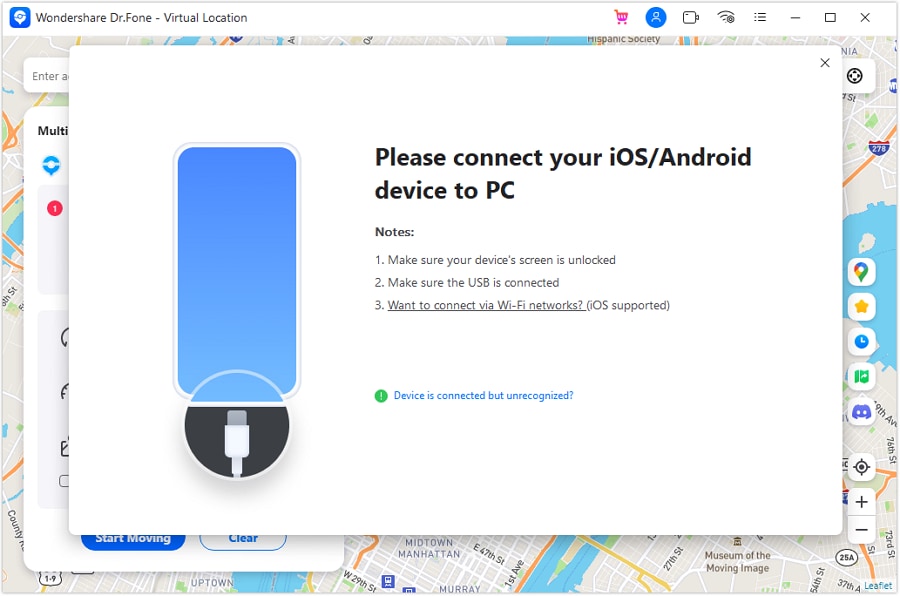
Step 1: Launch the Software and Connect the Device
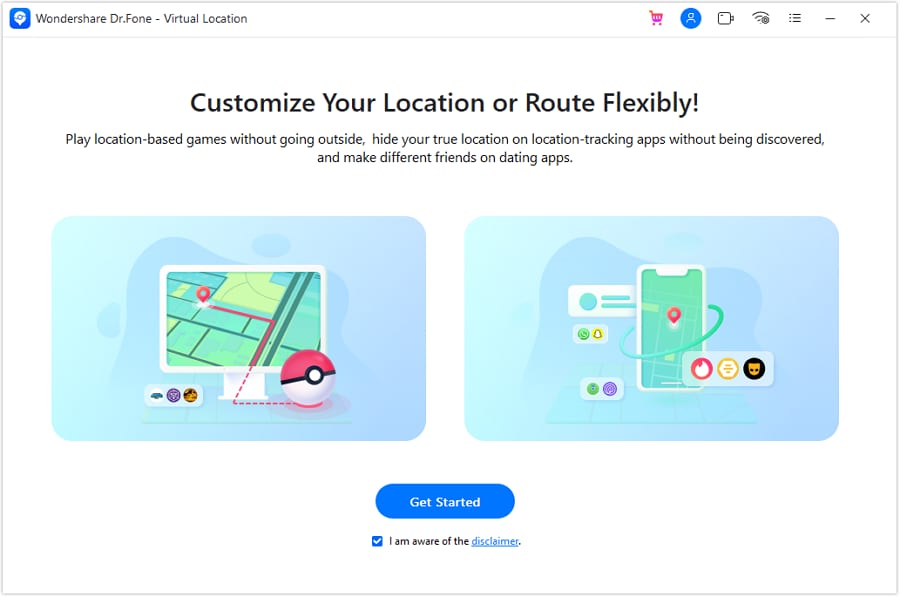
Install the appropriate desktop edition, open it, and enter Virtual Location. Connect your supported iPhone or Android device and follow the prompts for that device. Read the displayed terms and connection instructions rather than assuming every platform uses an identical setup.

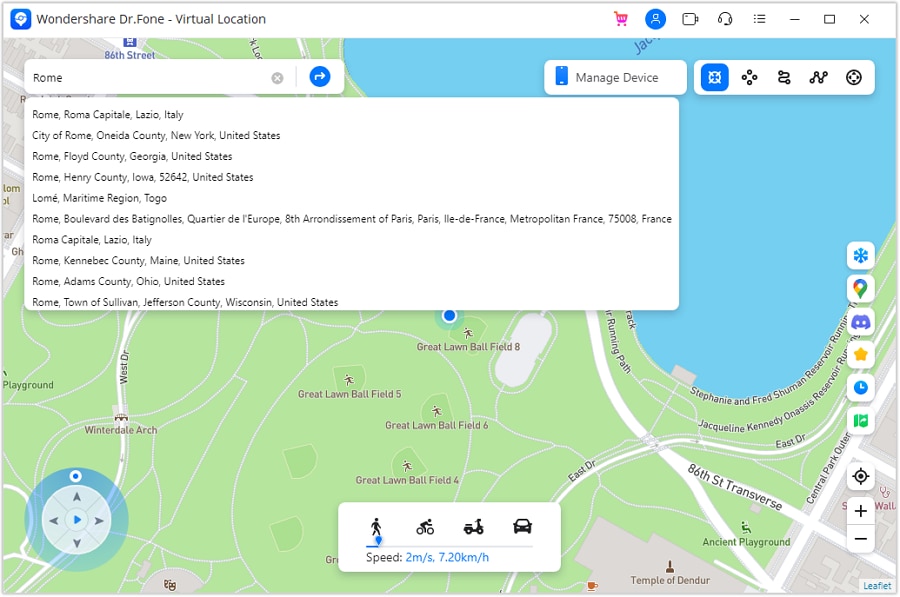
Step 2: Search for a Teleport Destination
Wait for the map to identify the connected device. Select Teleport Mode and search for the intended address or coordinates. Zoom in to inspect the marker; the desktop map is part of the application, not evidence that every website has already changed region.
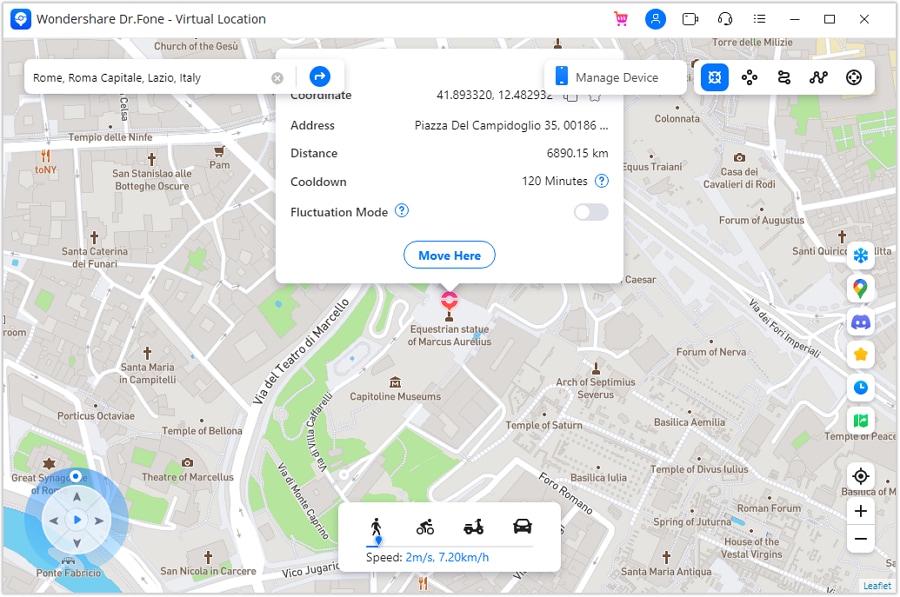
Step 3: Confirm the Position or Plan Supported Movement
After checking the selected point, choose Move Here to apply it. If you need to test movement rather than a fixed point, use the appropriate route or jump controls provided by the software and review the selected stops and speed before starting.
Choosing a nearby destination is not a guarantee against game restrictions or account sanctions. Treat this as a controlled location test, not a method for making prohibited activity safe.
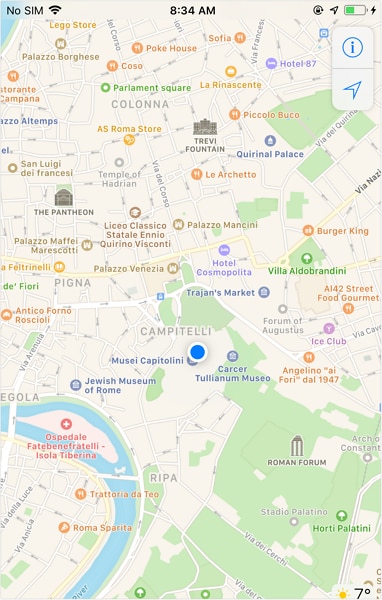
Step 4: Verify the Phone's Reported Location
Open the phone's maps app and compare its reported position with the desktop destination. Then separately assess the app you intended to test. Websites may use IP addresses, account regions, or other signals, so a GPS change cannot be described as updating every site within a few minutes.
The original video remains available as a demonstration of the alternative workflow; its interface may differ from the installed release.
When testing is finished, follow the software's restart-device prompt to return to the real GPS position. Confirm the result before relying on navigation, and do not run competing location simulators at the same time.




Conclusion
Start with the exact 3uTools symptom, not a blanket explanation. Test internet access, restart safely, verify the unlocked phone's connection, and examine support files or map sources as appropriate. Reinstallation is a later diagnostic step, not proof that all installation or iOS errors share one cause.
If you evaluate Dr.Fone - Virtual Location, check compatibility and verify its result in Maps. Keep the distinction between changing a supported GPS reading and changing what every app or website accepts.
FAQ
-
1. Why does 3uTools show a blank map?
Possible causes include an unstable network, a map-provider access problem, or an application-side issue. Test ordinary web access and an available alternative map source before assuming the phone is responsible. -
2. Does restarting Windows fix every location error?
No. It can reload stuck services or processes, but it cannot supply missing version support or repair every driver problem. Retry once and record the precise message if it returns. -
3. Should I uninstall iTunes for a developer-image error?
Not automatically. Check the current utility version and vendor guidance for the exact error. Repair Apple device components only when that guidance fits your Windows installation. -
4. Will a GPS alternative change my IP address?
GPS simulation is not an IP-address change or VPN connection. A service can use additional signals and may reject the simulated position even when Maps displays it.
 Add Wondershare Dr.Fone as a preferred source on Google