Teleport your device anywhere instantly with one click.


 100% Security Verified | No Subscription Required | No Malware

 :

 ChatGPT
 Perplexity
 Gemini
 Claude
 Grok
To change your home address on an iPhone, update the saved address in the service that is using the old one. Apple Contacts, Apple Maps, Safari AutoFill, and Google Maps do not all treat a Home label as the same setting. Moving your map's blue dot is a different task and will not replace your postal address.
Start with your own contact card, then check the Maps shortcuts and browser form suggestions you actually use. The instructions below retain the original walkthrough images as visual references; menu names and screen arrangements can differ in newer app versions.

In this article
Part 1: Update Your Home Address for Apple Maps
Your contact card is a useful starting point because Apple uses its address information for features such as AutoFill and Siri. However, the original claim that Apple Maps cannot set a Home address directly is outdated. Apple's current instructions also let you add a place in Maps and assign its type as My home. Check both records if an old address keeps reappearing.
The Contacts method remains useful on models such as iPhone 11, X, XR, and 8, although the installed iOS version determines the exact interface. You are editing a saved destination, not changing your device's physical position or navigation accuracy.
Step 1 Open your own contact card
Launch Contacts and select My Card at the top. If your details are not marked as your card, create or locate your contact entry and use Make This My Card. Verify the name before editing so that another person's address is not changed accidentally.
Step 2 Enter editing mode
Tap Edit to expose the individual contact fields. Find the address section rather than altering a phone number or email field. Keep a copy of the old address only if you still need it for a separate, clearly labeled purpose.

Step 3 Replace the address details
Edit the street, city, region, postal code, and country as required. Check apartment or unit information carefully; a correct street with an old unit number can still produce the wrong delivery or form entry.

Step 4 Add the Home label and save
If there is no address field, choose Add Address. Enter your details, tap the field's label, choose home, and tap Done. A work address should have its own label rather than replacing the home label with an ambiguous entry.
Step 5 Check the saved place in Maps
Open Apple Maps and inspect Home. In the current Places interface, tap Add, search for your address, and select the correct result. Open its details and set Type to My home. If an obsolete place is pinned, remove or unpin that old entry before relying on the shortcut.

Step 6 Keep useful destinations accessible
The original screenshots show the older Favorites workflow: open the place card and use the favorite option to save it. Newer releases may use Places or pinning instead. Saving a favorite provides quick access, but it does not by itself correct the address on your Contacts card. Test the Home shortcut and inspect the destination before starting directions.

Part 2: Correct the Address Used by iPhone AutoFill
Safari can reuse contact details when a website asks for shipping or personal information. If its suggestion is stale, changing a map pin alone may not solve the problem. First make sure the right contact card contains the new address, then confirm that Safari is configured to read that card.
My Info is a contact-card selector, not a separate form for typing a postal address. The original instructions mixed these two functions. Make address edits in Contacts and use Safari settings only to enable contact information and select its source.
Step 1 Review your contact details
Return to My Card in Contacts, choose Edit, and correct the Home address as described above. Save with Done and reopen the card to confirm the new value remains in place.
Step 2 Find Safari's AutoFill settings
Open Settings and locate Safari, then AutoFill. On releases that group app settings together, the route is Settings > Apps > Safari > AutoFill; older releases expose Safari directly in Settings. You can also search Settings for AutoFill if the layout differs.
Step 3 Enable contact information
Turn on Use Contact Info if you want Safari to offer the information from your card. Payment-card and password features are separate settings; enabling them is not required simply to correct an address suggestion.
Step 4 Choose the correct My Info card
Tap My Info and select your own contact entry. Revisit a suitable web form and inspect the suggested address before submitting. If a shop still shows an old address, check that website's saved account or delivery details separately instead of assuming Safari controls them.

Part 3: Change Your Home Address for Google Maps on iPhone
Google's Home address belongs to your Google account rather than your Apple contact card. Check which Google account is active before making changes, especially if you switch between personal and work profiles. Updating one account does not necessarily update another.
The screenshots below preserve the original Your Places workflow. Current menus may differ, and Google's official address-management route is through your Google Account's Personal info page. Both approaches concern a saved destination, not an instruction to spoof your current GPS position.
Step 1 Open Maps and verify the account
Connect your iPhone to the internet, open Google Maps, and check the profile icon. Select the account whose Home shortcut needs changing. This prevents a successful edit in the wrong profile from looking like a failed update.
Step 2 Locate your address settings
In the older interface shown here, open the side menu and choose Your Places. If those controls are absent, open your profile, choose Manage your Google Account, and go to Personal info. Google's current instructions list Home address and Work address there.

Step 3 Select Home
Open the Home entry rather than a similarly named saved list. Review the current value. If your interface offers an edit menu beside Home, use it; otherwise edit Home address in the account's Personal info settings.
Step 4 Enter and verify the new destination
Type the full replacement address and select the matching result. Where Choose on map is available, position the pin carefully and verify its street address. The account settings route instead lets you enter the new address and save it directly.

Step 5 Save and reopen the shortcut
Confirm the change, then revisit Home in Maps and check where directions lead. Older versions provide a three-dot menu for editing or removing the entry. In the current account route, choose Home address and Remove if you no longer want it stored.

Saved Home Addresses and GPS Simulation Are Different
 Set your map route to simulate GPS movement.
- Set your wanted movement speed.
- HD and large map view to check location.
- Fake GPS location to anywhere.
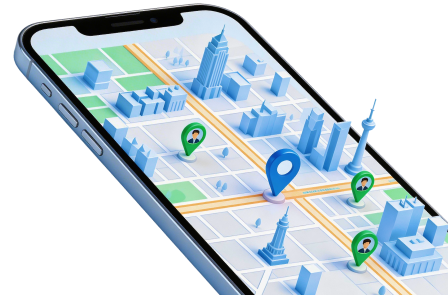
Dr.Fone - Virtual Location is relevant when you need to simulate a device's map coordinates, not when you need to correct a postal address. Its location and route controls are separate from Contacts, Safari's My Info selection, and Google's Home address record. None of the three address changes above requires GPS simulation software.
For a supported-device location test, the desktop tool can select a destination or simulate movement along a route. Check the current device requirements before connecting, and use it only where the app's rules permit simulated coordinates. It does not update billing information or make a saved Home address accurate automatically.
Step 1 Prepare the supported device
Open Virtual Location on your computer, connect your phone, and complete the connection and trust prompts shown by the software.
Step 2 Choose a test coordinate
Select Teleport Mode, search for an address or coordinate, and inspect the destination on the map before confirming Move Here.
Step 3 Verify and restore the location
Check the phone's map to see whether the simulated position is applied. When finished, follow the program's restart prompt to restore the actual location, then check it again before navigation.
Keep your saved Home records unchanged during a coordinate test unless you genuinely intend to edit them. A simulated blue dot is not a replacement for the address maintenance in Parts 1–3.




Conclusion
Correcting your iPhone's Home address means checking the relevant records: My Card for contact-based features, Safari's selected card for AutoFill, and the active Google account for Google Maps. Inspect Apple Maps' own saved Home place as well. After saving, test the actual shortcut or form that was showing the wrong address; this is more reliable than assuming every app shares a single Home setting.
FAQ
1. Does changing Home move my iPhone's current location?
No. A saved Home address is a destination or contact detail. It does not move your physical device or replace its GPS coordinates.2. Can Apple Maps now set a Home address directly?
Yes. Apple's current guidance allows adding a place in Maps and assigning My home as its type. Your Contacts address is still relevant to AutoFill and other contact-based features.3. Why is Safari still suggesting my old address?
Check the address on My Card and confirm that AutoFill's My Info points to that contact. A website may also store its own delivery information that must be changed separately.4. Will my Apple contact edit update Google Maps?
Do not assume it will. Check the Home address for the Google account used in Maps and save the correct value there.
 Add Wondershare Dr.Fone as a preferred source on Google