 Teleport your device anywhere instantly with one click.


 100% Security Verified | No Subscription Required | No Malware


 :

 ChatGPT
 Perplexity
 Gemini
 Claude
 Grok
Waze's 'No GPS - Showing approximate location' warning means it cannot obtain a sufficiently reliable position for navigation. The marker may lag, remain stationary, or appear on the wrong road. A garage exit is a familiar trigger, but the message alone does not establish a damaged GPS receiver.
Work through the eight checks below while safely parked. Separate access permissions, satellite visibility, mobile data, and software behavior rather than changing everything at once. The final product section explains a distinct task: controlled GPS simulation for app testing, which must not be used as a substitute for an accurate driving position.
In this article
Part 1. Separate a GPS Warning from Its Possible Causes
Waze relies on the location information supplied through iOS, which can combine GPS with other signals. Approximate access is a privacy setting; poor reception is a positioning problem. Either can prevent detailed navigation, but enabling a permission cannot make satellites visible through a concrete roof.
| Possible source | Mechanism | Useful comparison |
|---|---|---|
| Obstructed sky | Structures or dense cover interfere with satellite reception | Does the marker settle after moving outside? |
| Restricted permission | Waze cannot receive location, or receives only an approximate area | Check Waze's individual permission, not only the master switch |
| Interrupted internet service | Traffic, fresh maps, or route calculations cannot update normally | Compare map loading on cellular data and a working Wi-Fi network |
| Incorrect system time | Clock and time-zone settings are inconsistent with the current location | Correct the clock before treating this as a hardware diagnosis |
| Application or system fault | A stale process, app version, or system configuration disrupts updates | Compare Waze with another maps app in the same outdoor conditions |
Part 2. Eight Checks for Waze Positioning on an iPhone
After each change, reopen Waze and see whether the position becomes accurate outdoors. You can compare the map while stationary; do not operate settings while driving or continue a route guided by a visibly incorrect marker. Note whether the fault affects Waze alone, all location apps, or only CarPlay.
Fix 1. Remove Physical Signal Obstructions
Start in an open, safe location away from underground parking, high walls, and heavy tree cover. Give the phone an opportunity to reacquire a position instead of judging it immediately after leaving an enclosed space. Keep the device positioned where its reception is not needlessly obstructed.
If accuracy returns outside without a settings change, the surroundings are a stronger explanation than a corrupted Waze installation. This first check costs nothing and avoids unnecessary resets. If the warning persists under clear sky, move on to the permission check rather than assuming outdoor reception must be perfect.
Fix 2. Give Waze Precise Location Access
Apple distinguishes the permission to use location from the precision of that location. For active navigation, enable the location service and appropriate foreground access, then verify the Precise Location switch. Always access, when offered and needed for a specific feature, is a separate choice rather than a universal requirement.
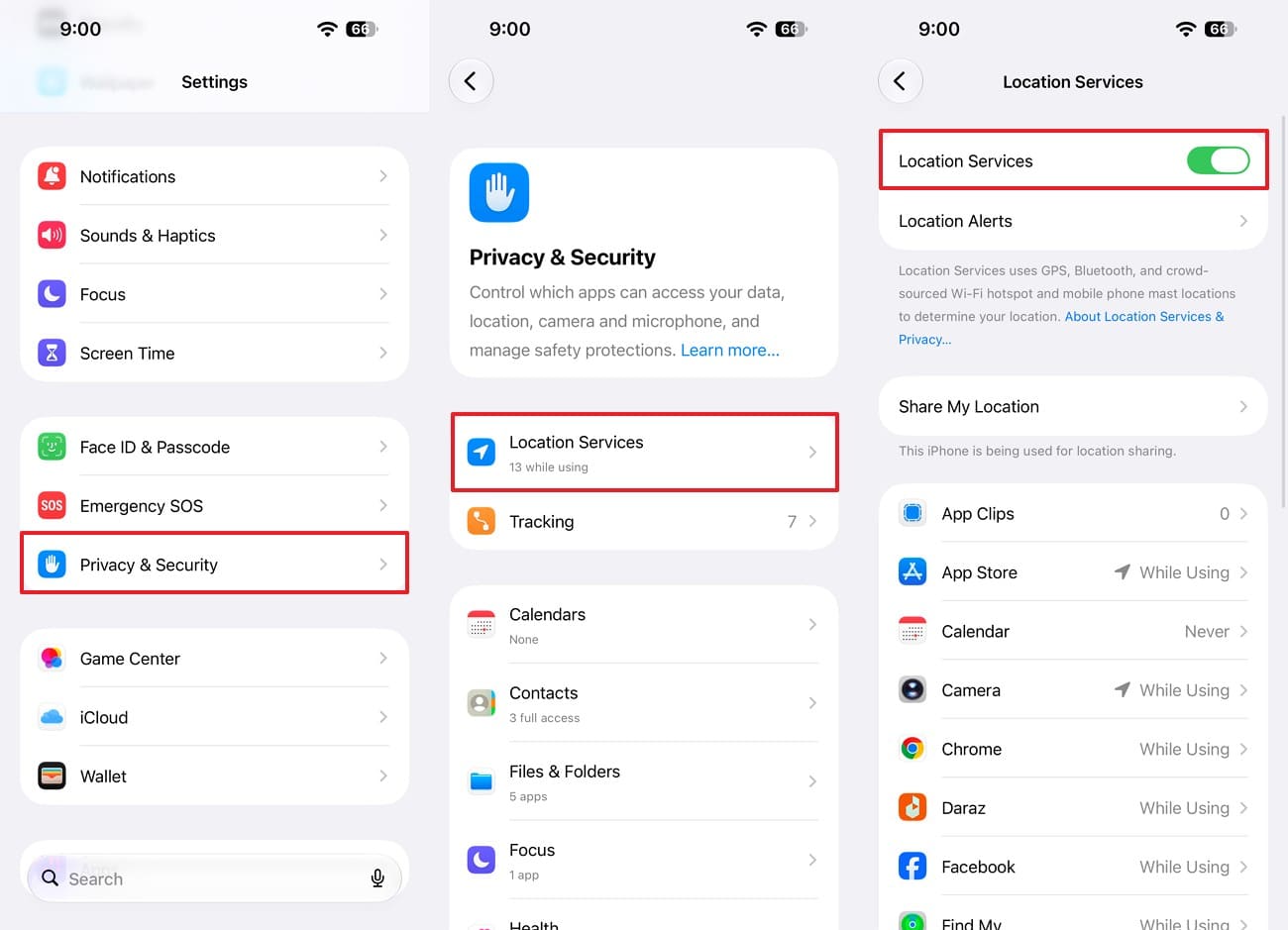
Step 1 Inspect the master location switch
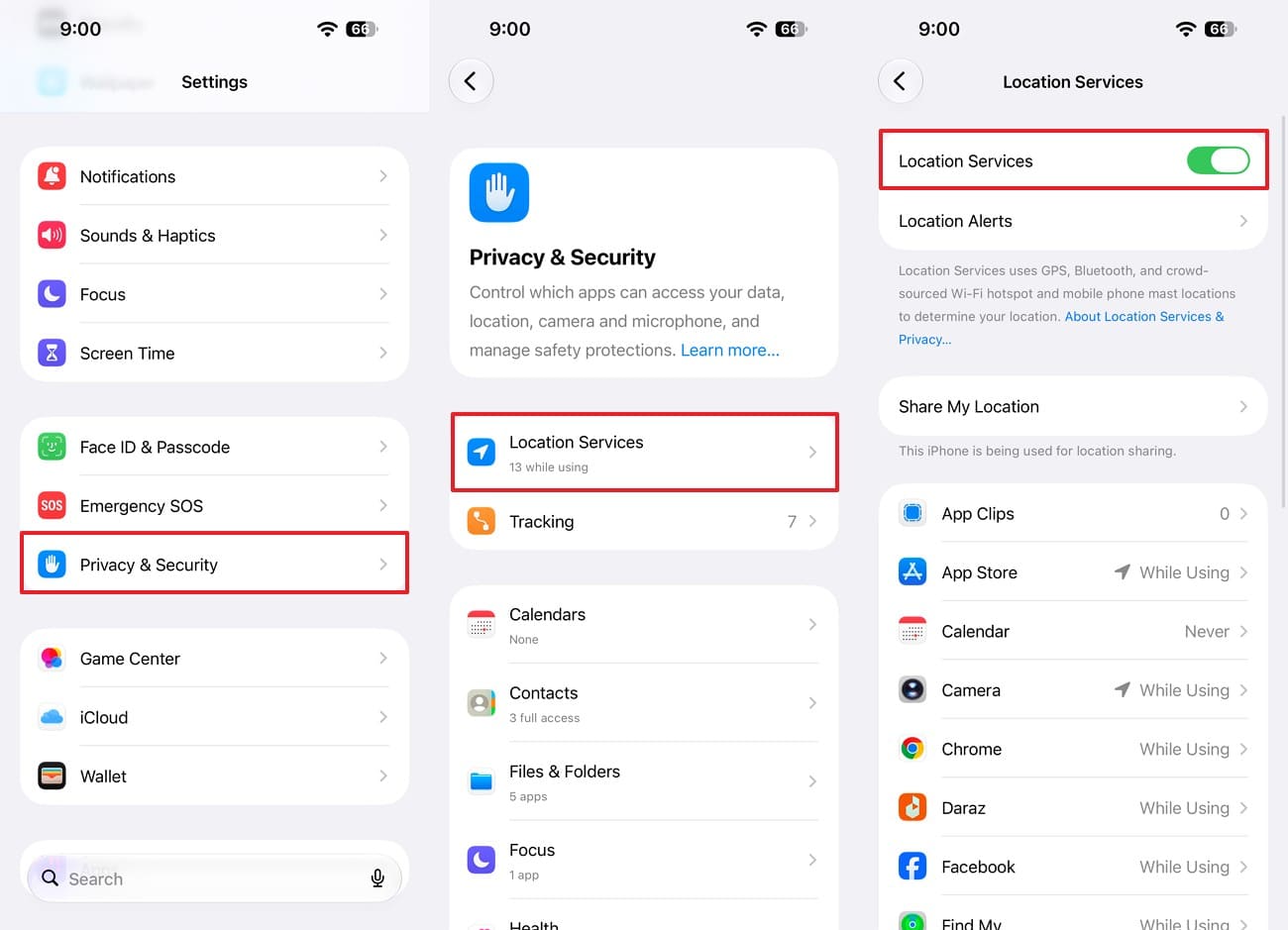
In Settings, open Privacy & Security, then Location Services. If location is disabled, turn it on. An app-specific choice cannot override this master setting.
Step 2 Review Waze's own access
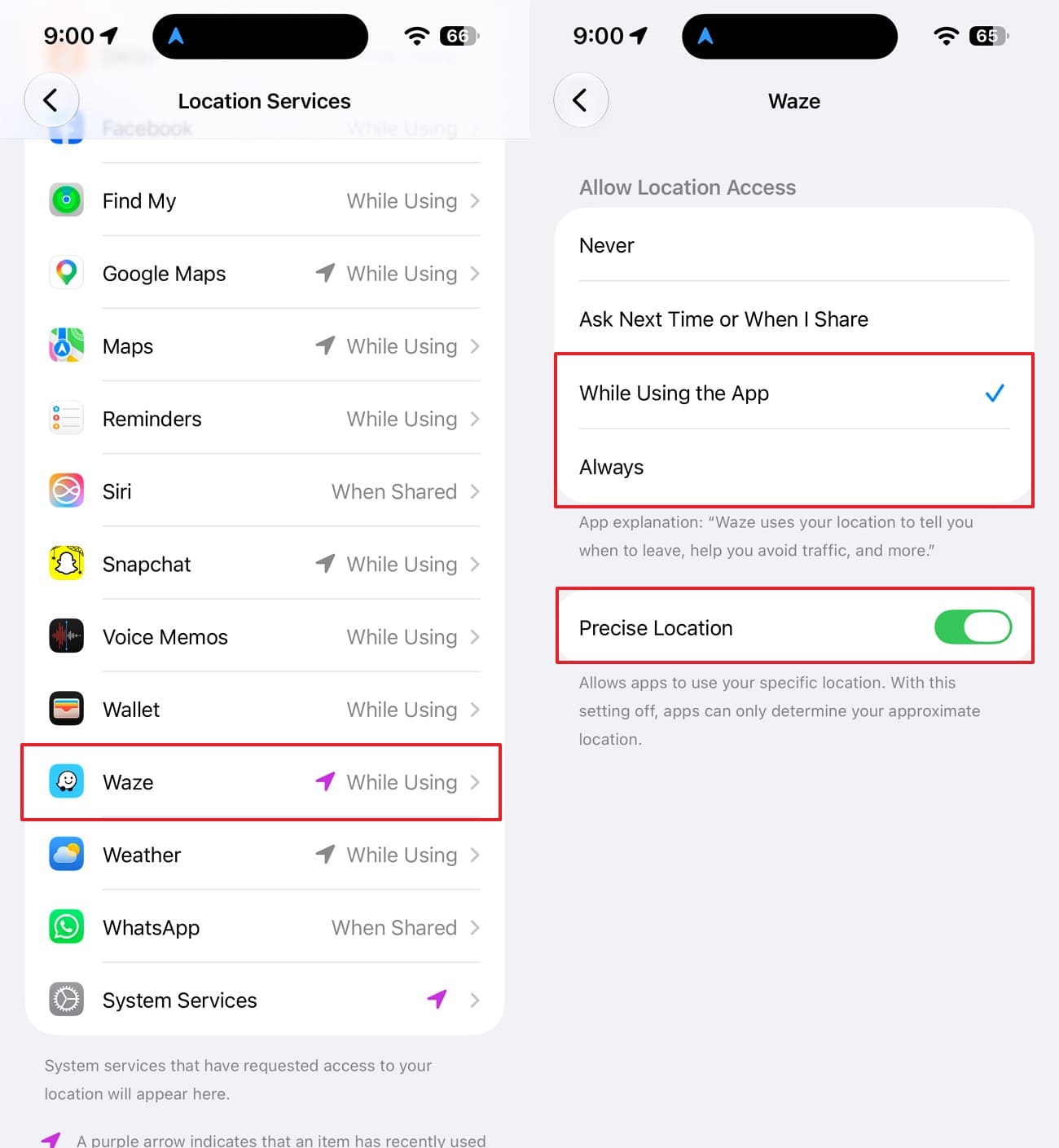
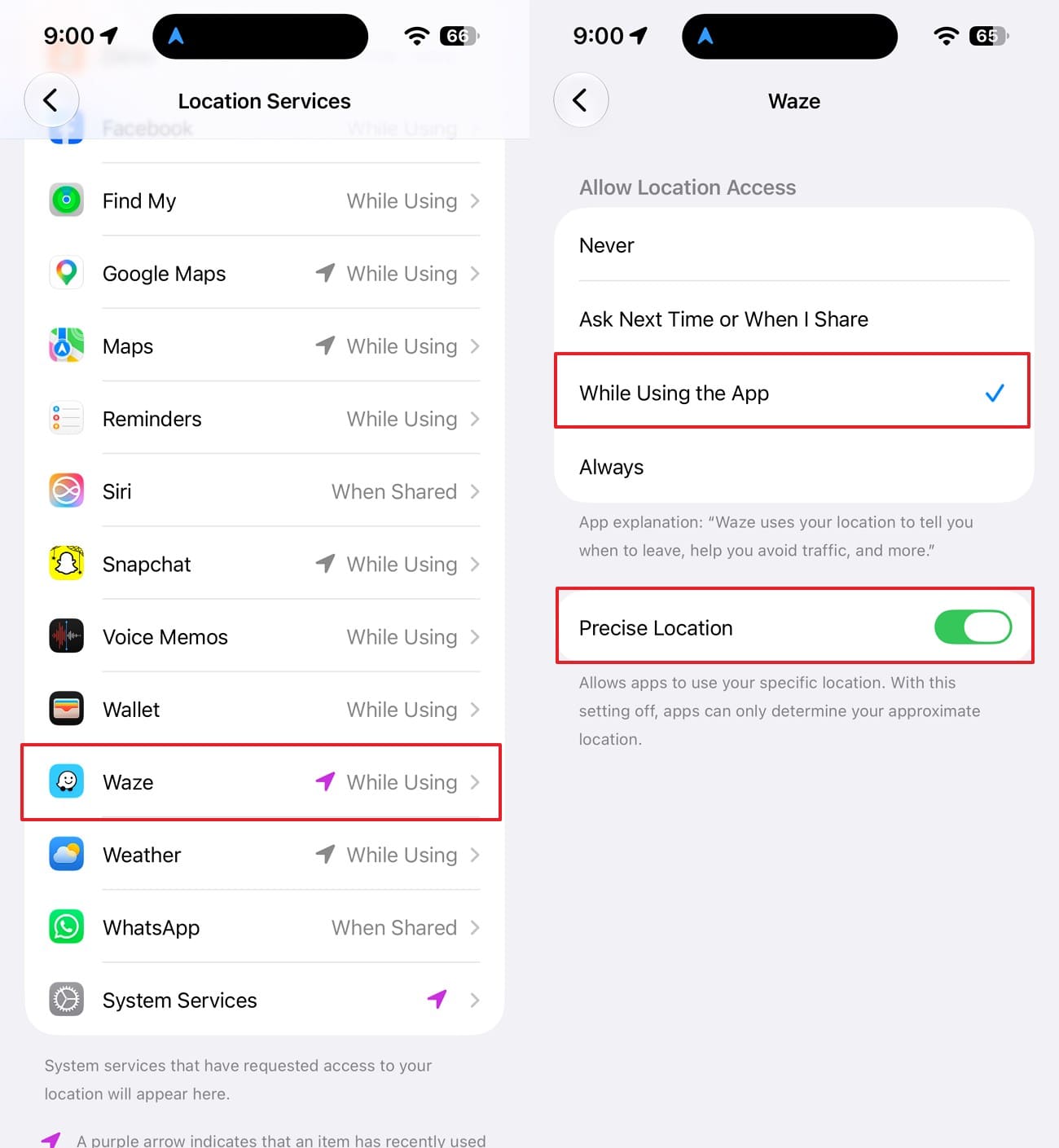
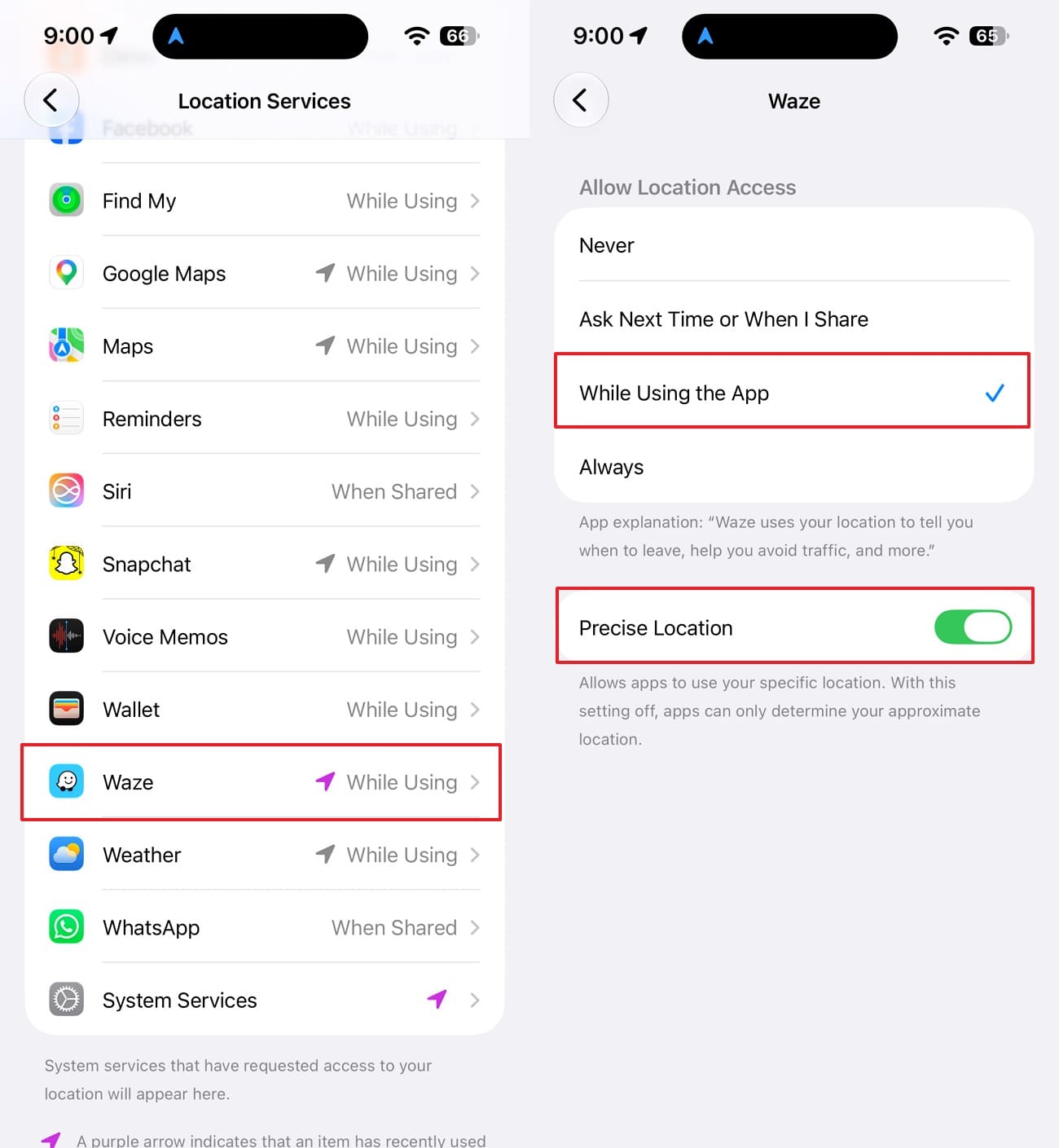
Select Waze in the application list, allow While Using the App for foreground navigation, and enable Precise Location. If you use features requesting background access, review the explanation before choosing Always. Return to Waze and reassess the marker.
Fix 3. Check Wi-Fi and Cellular Service Separately
A frozen map is not necessarily a missing satellite fix. Waze needs internet service for live routing and traffic, while iOS can also use network information to assist positioning. Diagnose data availability without claiming that reconnecting Wi-Fi repairs an antenna or guarantees GPS reception.
Step 1 Refresh the Wi-Fi connection
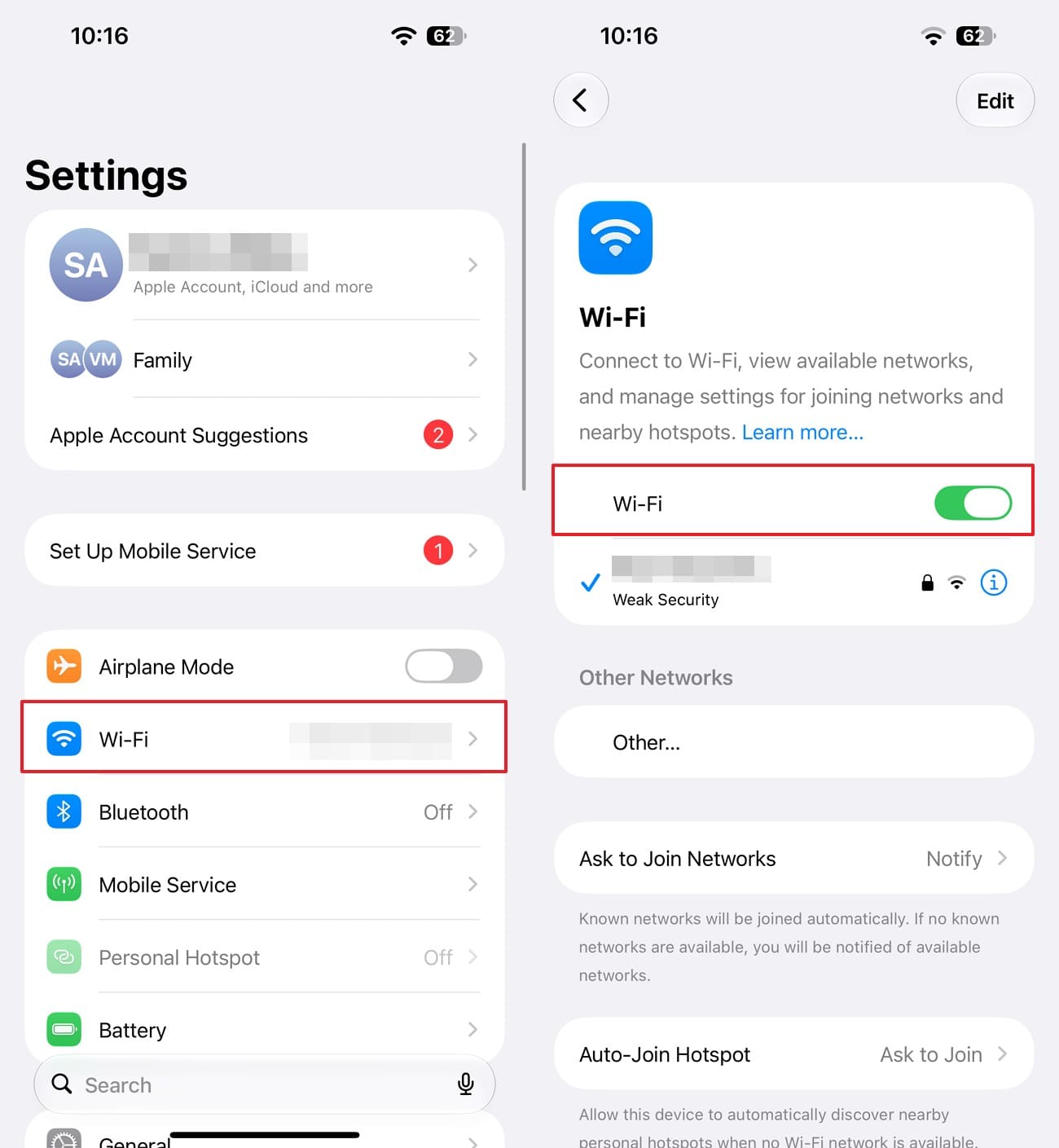
Visit Settings, then Wi-Fi, and disconnect and reconnect to a network known to have internet access. Check whether a captive portal needs completion. When away from that network, compare with cellular service rather than remaining attached to a weak Wi-Fi signal.
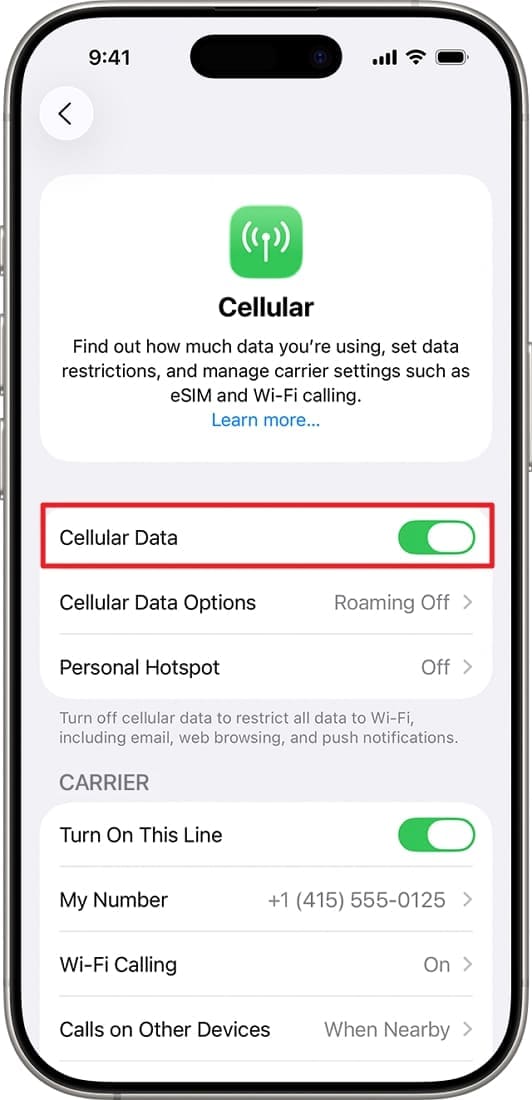
Step 2 Confirm Waze can use mobile data
Under Cellular or Mobile Data, make sure data is enabled for both the phone and Waze. A brief off-and-on refresh may clear a temporary connection problem. Check that normal web content loads before retesting routes.
Fix 4. Correct the Clock and Time Zone
A wrong date or time is worth fixing, especially after travel or manual clock changes. This is a system-consistency check, not proof that the clock caused the warning. Keep the displayed time accurate and then assess whether navigation changes.
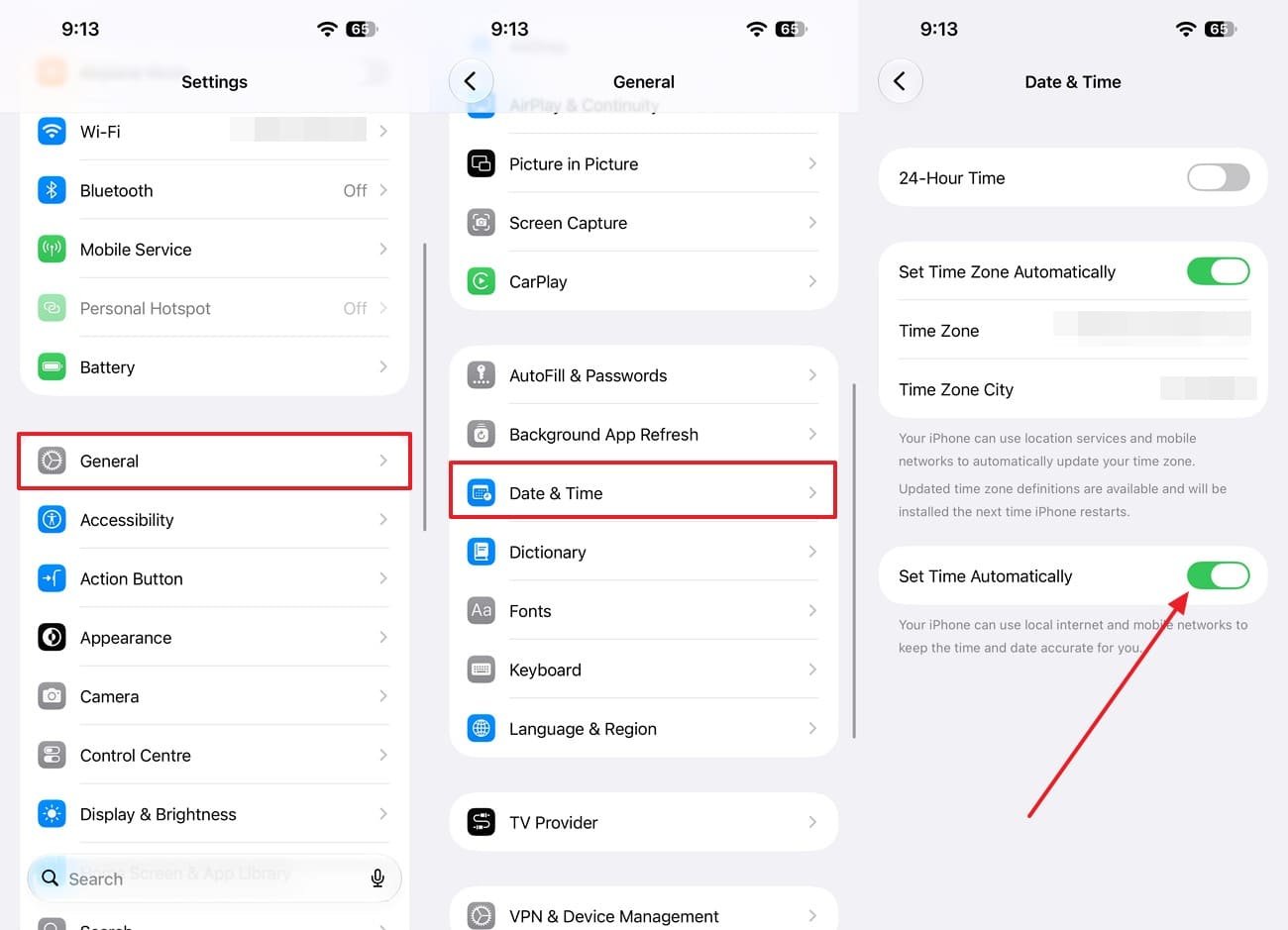
Step 1 Review automatic date and time
Open General in Settings and select Date & Time. Use Set Automatically if available and confirm the resulting date and clock are correct. Restrictions or network conditions may affect whether automatic controls can be changed.
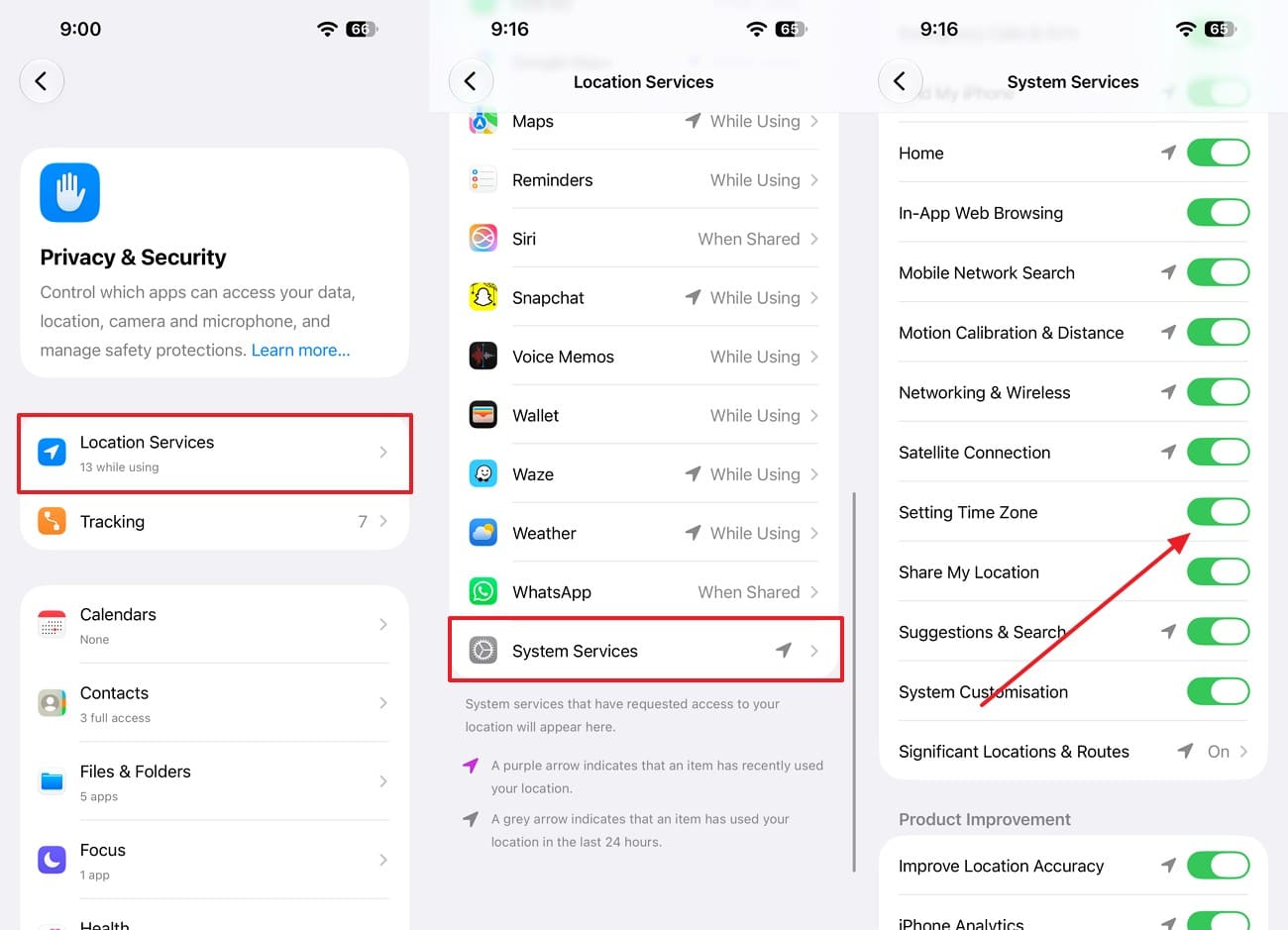
Step 2 Review location-based time-zone detection
Within Location Services, open System Services and inspect Setting Time Zone. Allow it if you want automatic local-zone detection, then verify the result before returning to Waze.

Fix 5. Restart the Phone and Renew Location Access
A restart can clear a stuck process without deleting the phone's content. Begin with a normal shutdown rather than selecting any erase or factory-reset function. Recheck location permission afterward because the app still needs authorized access.
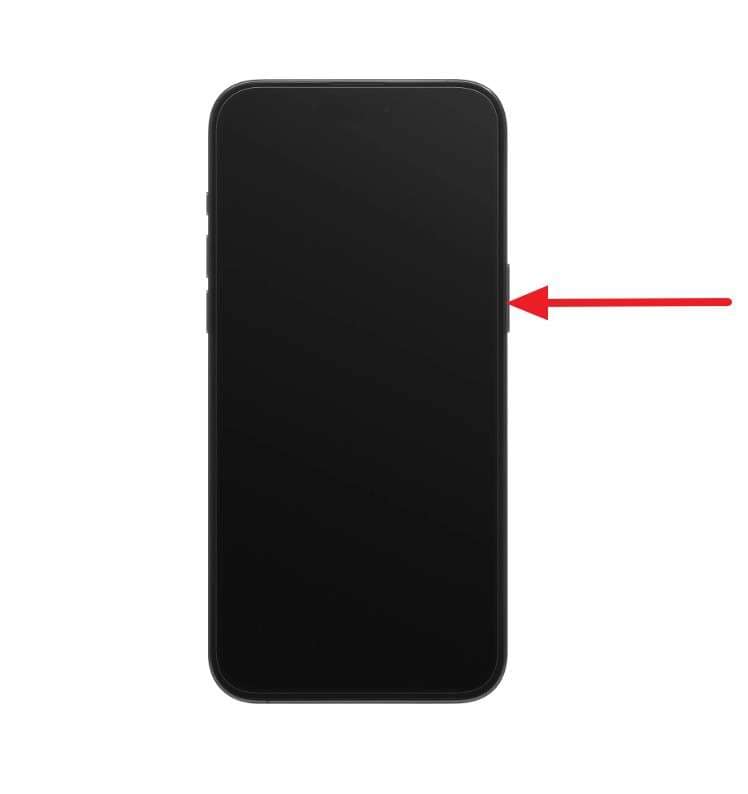
Restart: On a Face ID iPhone, hold the side button with either volume button until the power slider appears. Slide to shut down, wait briefly, and power the phone on again with the side button. Older models use different button arrangements, so follow the instructions for that model.
Refresh access: If needed, temporarily switch Location Services off and back on from Privacy & Security. This interrupts location for other apps too, so avoid doing it during any safety-critical use. Open Waze again in clear outdoor conditions and compare the position.
Fix 6. Install Available App and System Updates
Check for a newer compatible Waze release before more disruptive troubleshooting. Software fixes may address app behavior, but an update is not guaranteed to solve a problem caused by poor reception. Back up the iPhone before installing a system update and follow its power and storage requirements.
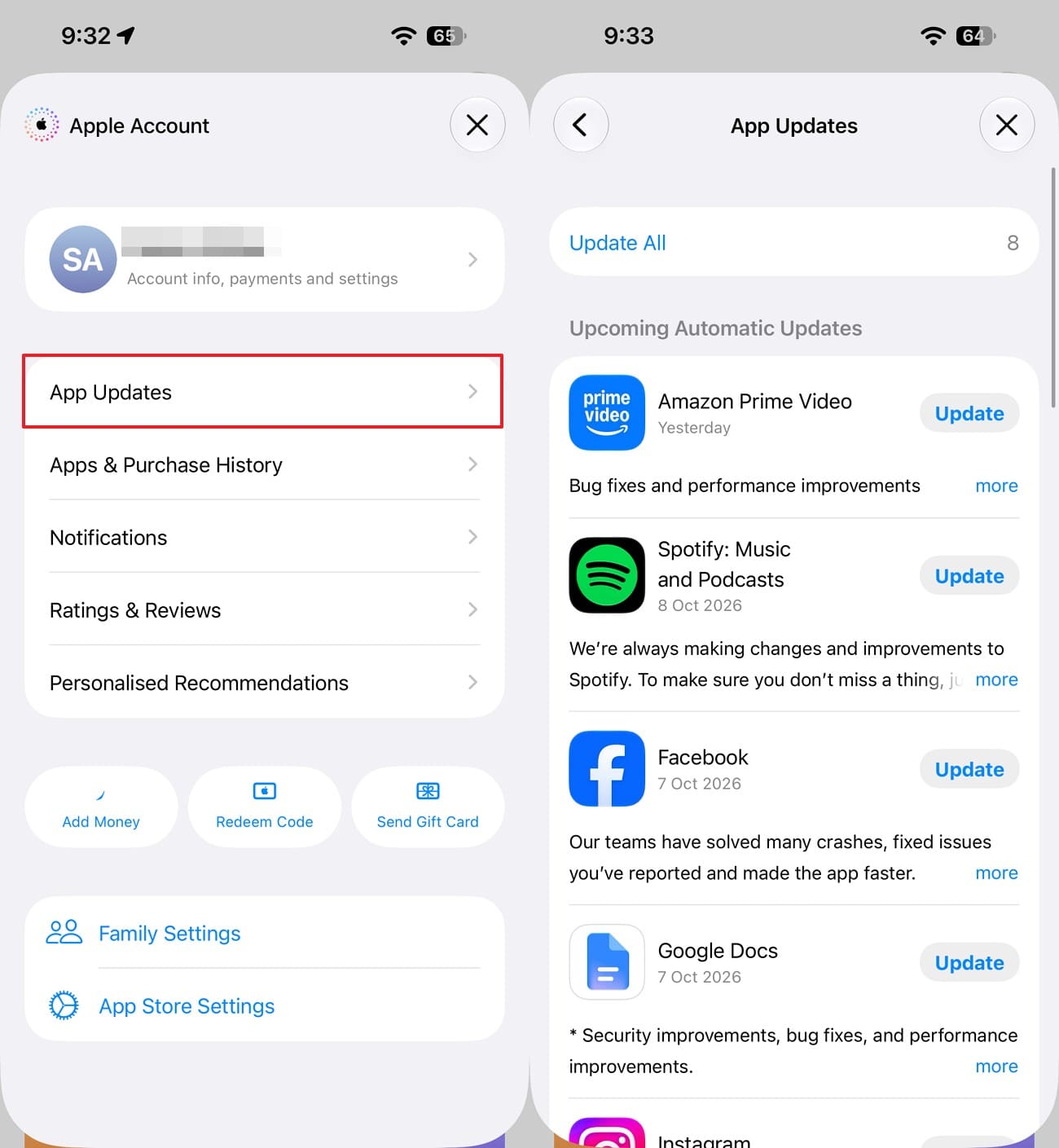
Waze update: Open your App Store account's update list or Waze's store page. Install an available update from the official listing, then launch it again. Labels in the account screen can differ with the installed iOS version.
Step 1 Make a backup
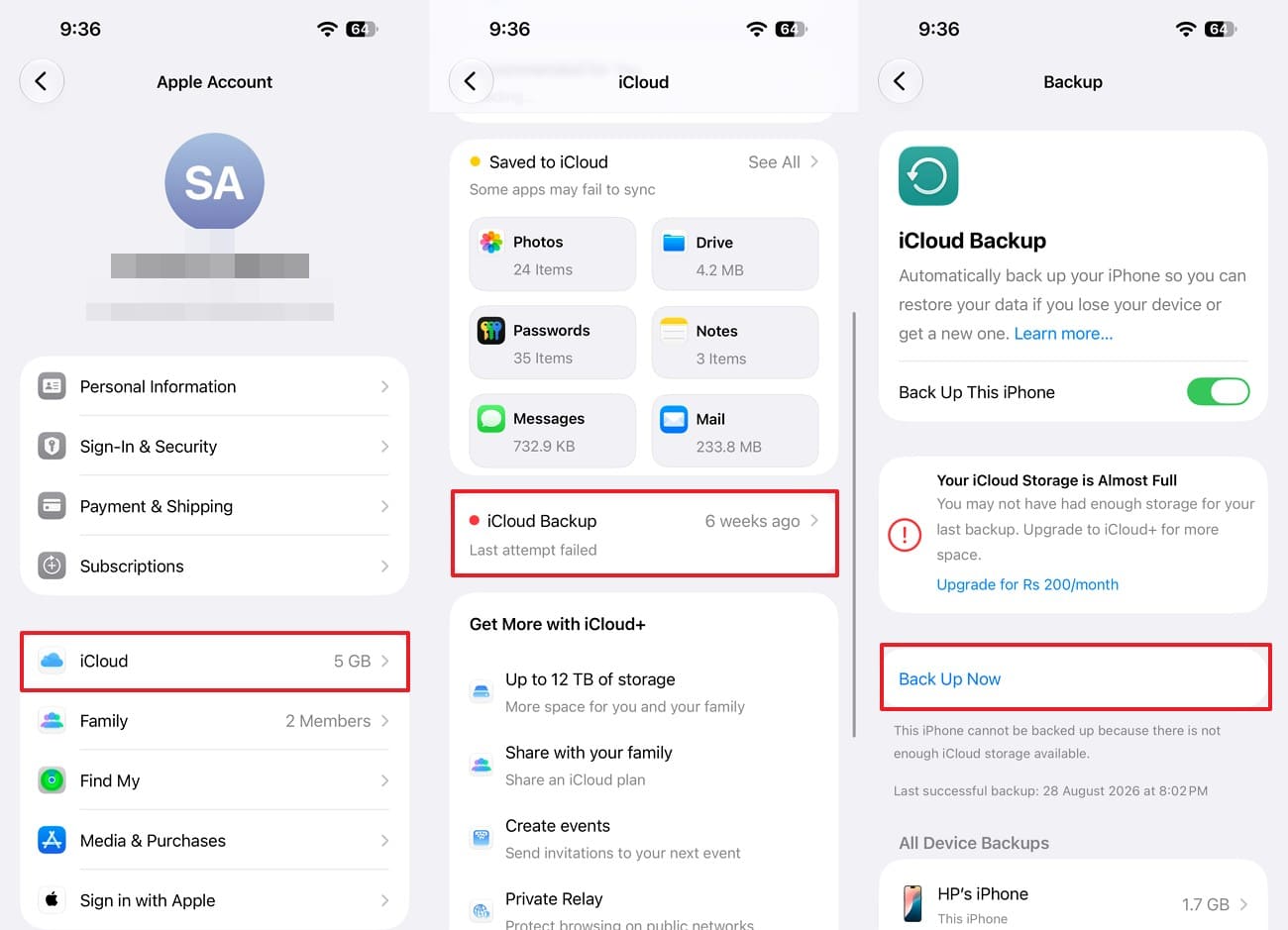
Use iCloud Backup from your Apple Account settings, or back up to a computer. For iCloud, open iCloud, select iCloud Backup, and choose Back Up Now. Confirm completion instead of assuming a backup exists because the switch is enabled.
Step 2 Check the compatible iOS release
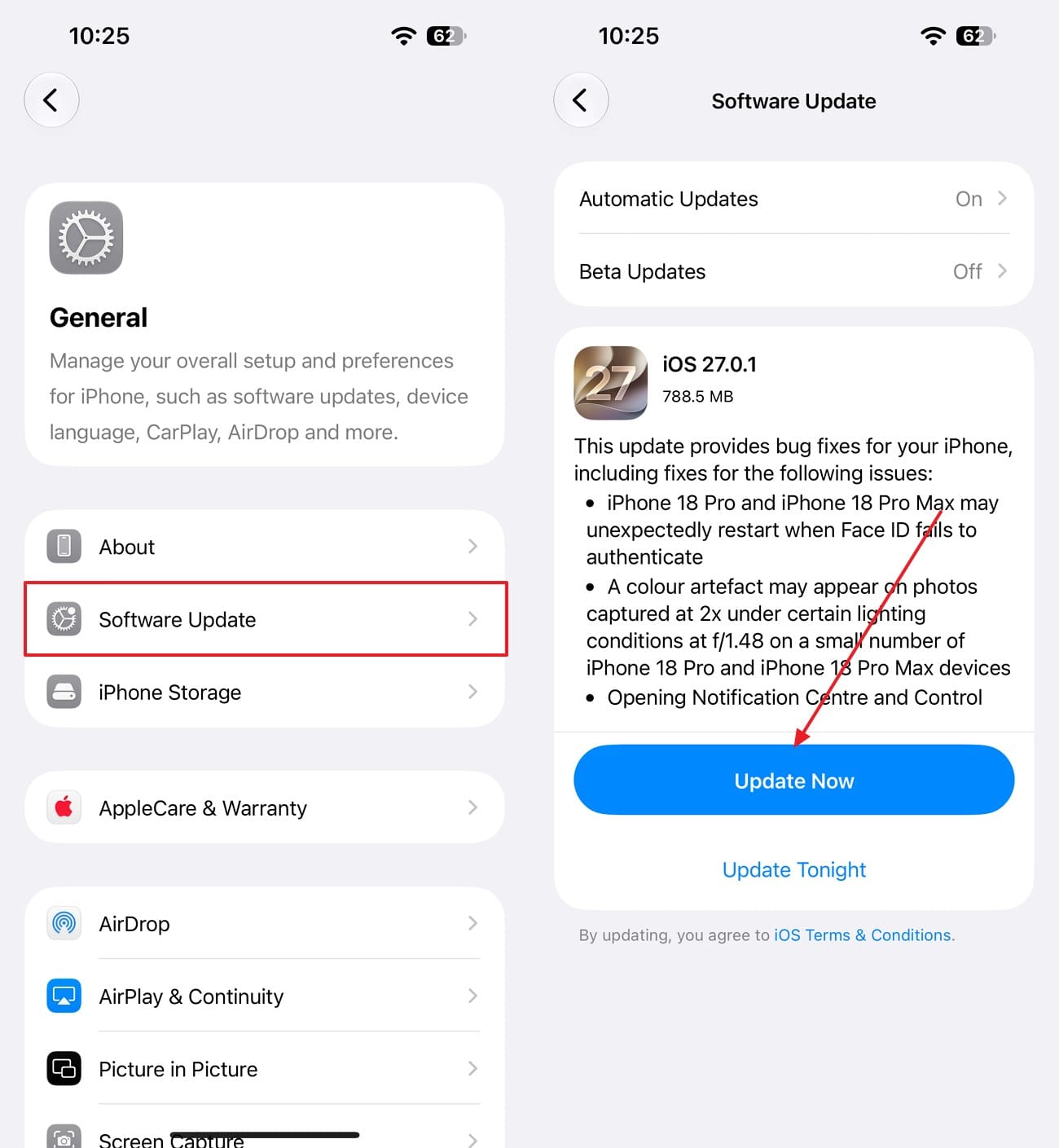
Go to General, then Software Update, and follow the offered installation instructions. Keep power and a reliable connection available. Once the device is ready, repeat the outdoor Waze check under the same conditions used earlier.
Fix 7. Reinstall Waze Only After Protecting Account Access
If another maps app tracks accurately in the same place but Waze continues failing, reinstalling can clear app-local configuration or damaged files. It can also remove locally held information, so first confirm account recovery and do not assume every setting is backed up.
Step 1 Verify the correct Waze account
Open Waze's Settings and inspect Account and login. Check the email and sign-in method, and verify any outstanding email confirmation. This helps you return to the same account rather than inadvertently creating a new one.
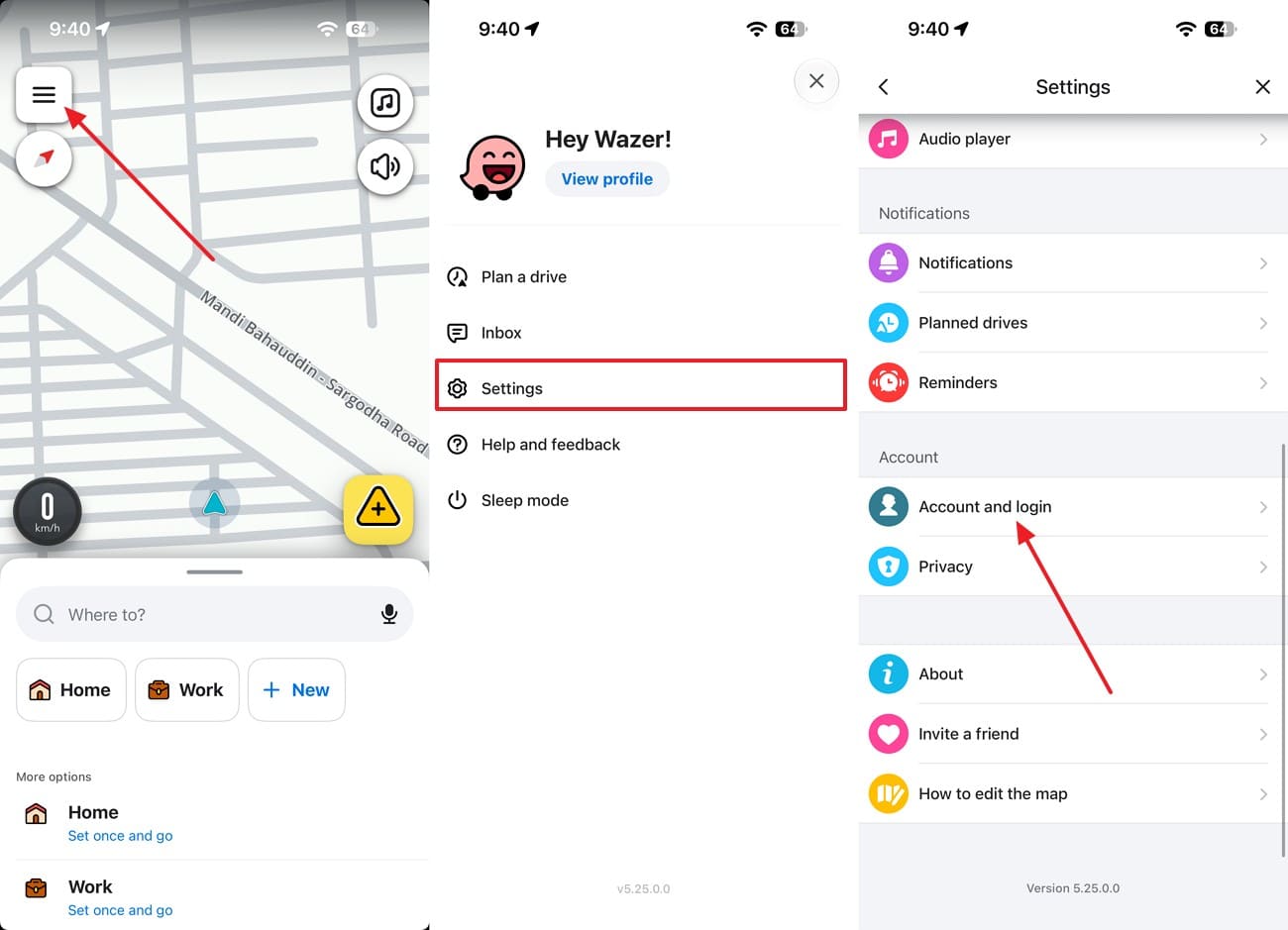
Step 2 Remove and reinstall the application
Hold the Waze icon, choose Remove App, and confirm Delete App if you are ready to remove it. Install the official Waze app again from the App Store and authenticate with the verified account. Account-associated places may return, but recheck local preferences.
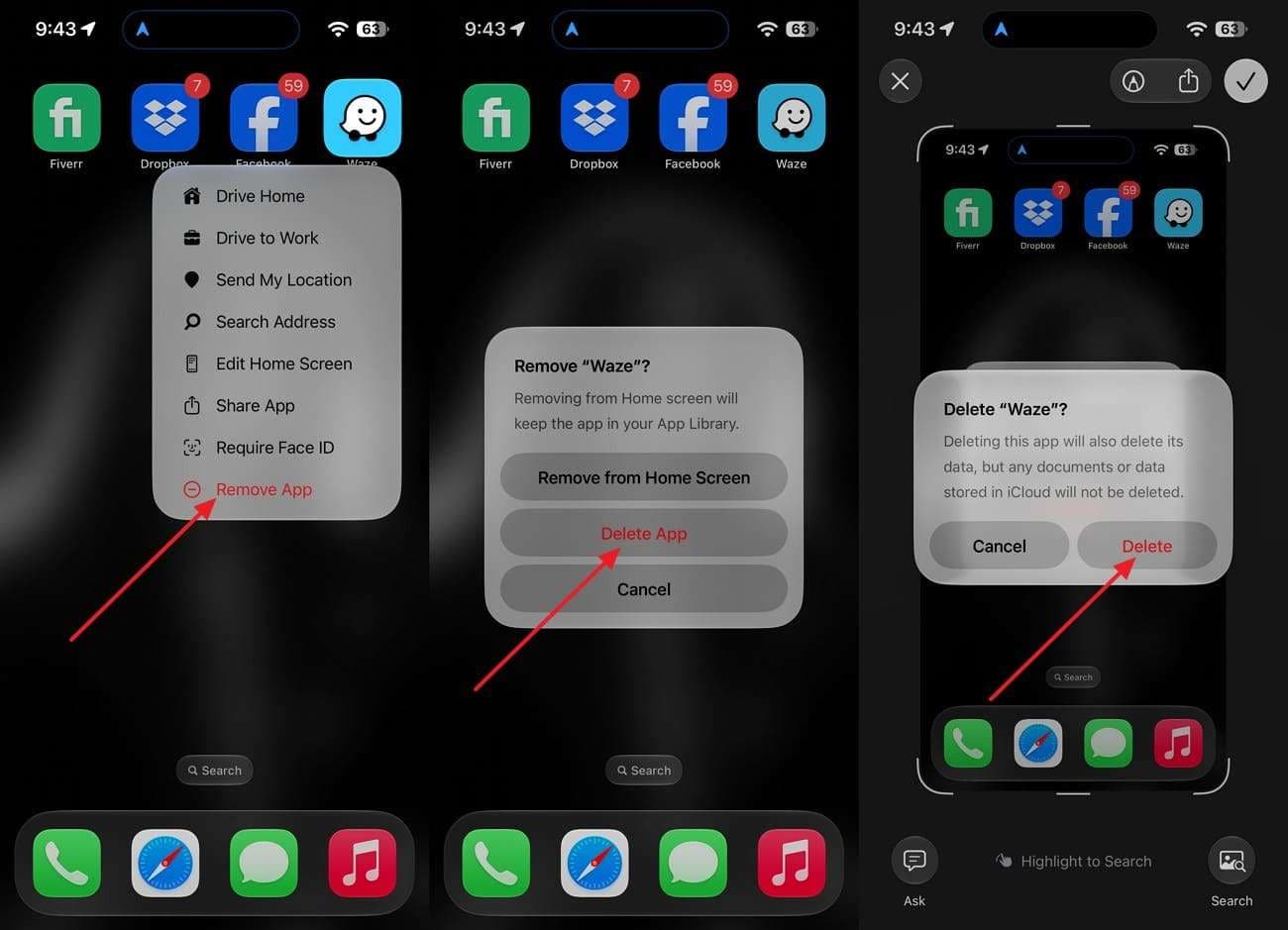
Step 3 Regrant appropriate permissions
Find Waze under Location Services again, authorize foreground use, and enable precision. Do not interpret a completed reinstall as proof that permission was retained. Test outside before depending on another route.
Fix 8. Reset Relevant Settings, Not the iPhone's Content
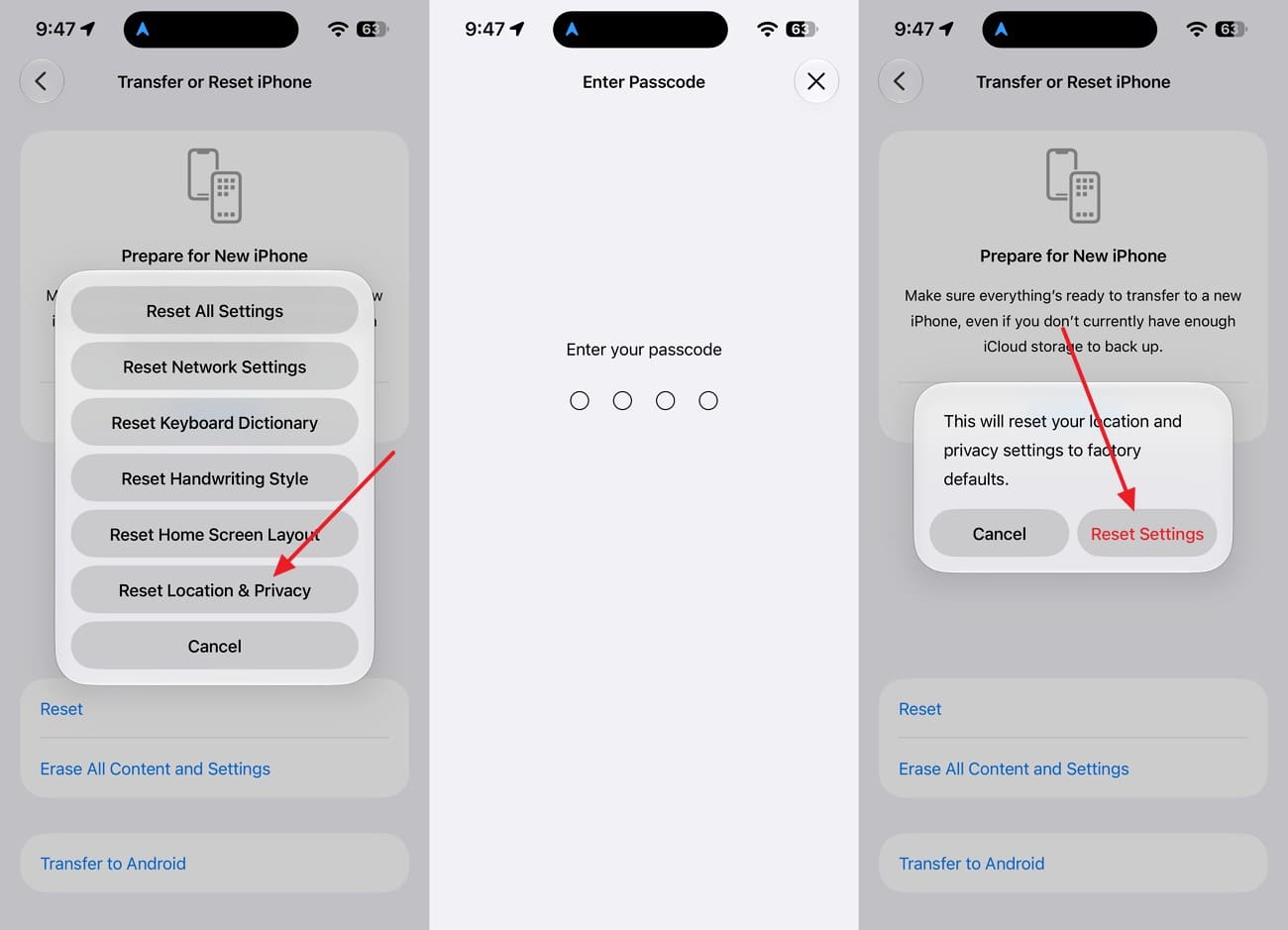
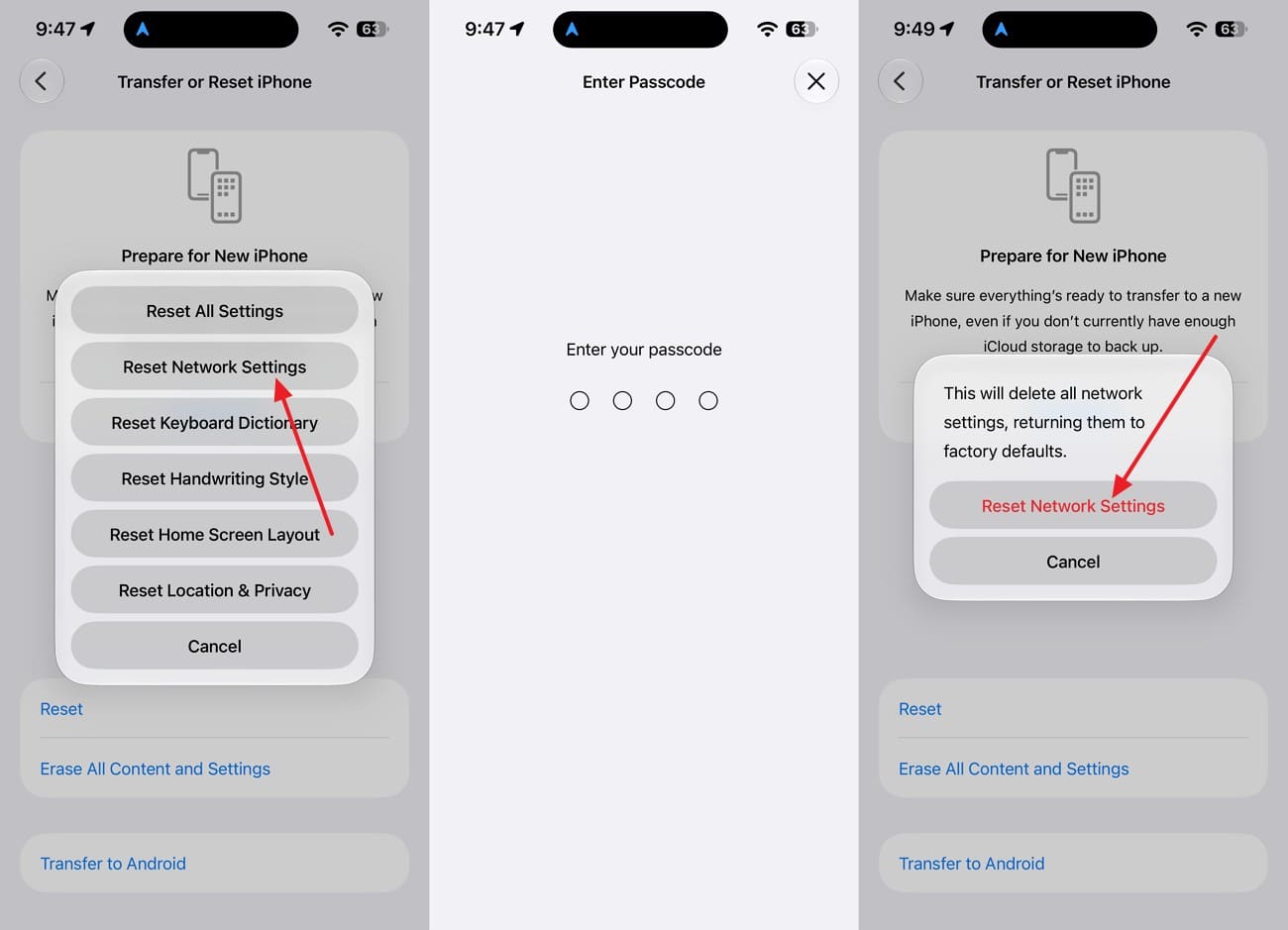
Use targeted resets only after the simpler checks. Reset Location & Privacy requires apps to request permission again. Reset Network Settings has a wider connectivity impact, including removal of remembered Wi-Fi networks and passwords, so keep the information needed to reconnect.
Step 1 Enter the reset menu carefully
Open General, then Transfer or Reset iPhone, and choose Reset. Do not choose Erase All Content and Settings; that is a different and destructive action, unnecessary for this troubleshooting sequence.
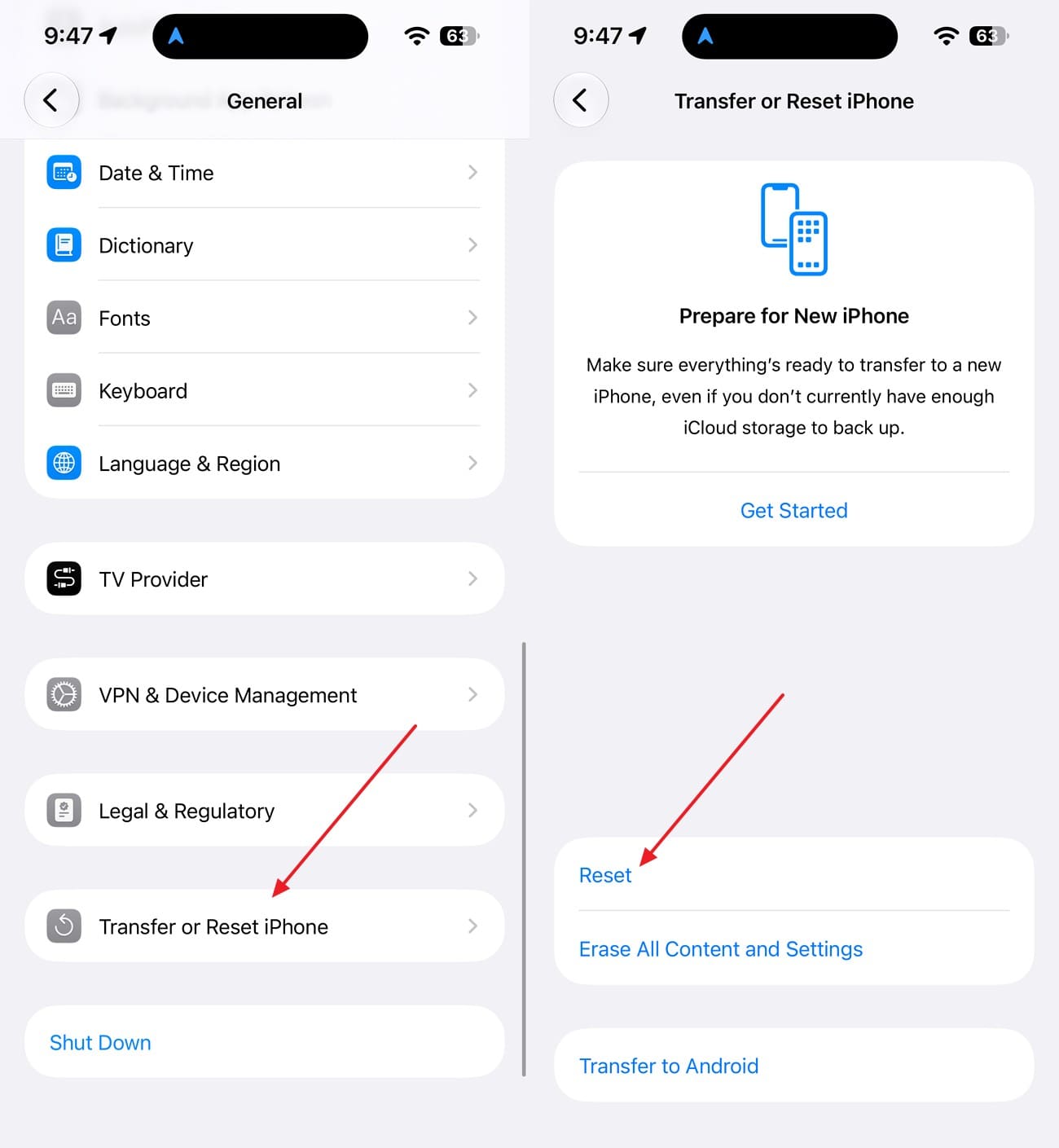
Step 2 Reset permissions if they appear stuck
Select Reset Location & Privacy, enter the device passcode, and confirm the settings reset. Understand that other applications will also need renewed permission when they next request location access.
Step 3 Authorize Waze again
Open the app and respond to its location request. Check the Waze entry in Location Services for foreground permission and Precise Location, then compare the result outdoors.
Step 4 Reset network configuration only if justified
If connectivity remains broken independently of GPS reception, return to Reset and select Reset Network Settings. Confirm the prompt and reconnect afterward. This is not a reason to clear network settings when data service already works normally.
Pro Tip. Use GPS Simulation Only as a Separate Test Workflow
 Set your map route to simulate GPS movement.
- Set your wanted movement speed.
- HD and large map view to check location.
- Fake GPS location to anywhere.

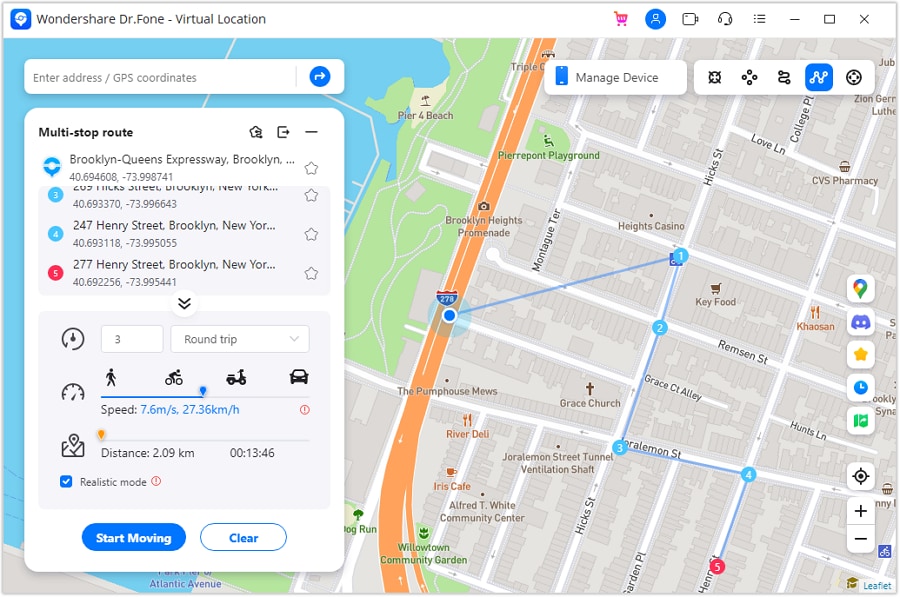
Dr.Fone - Virtual Location provides position and route simulation on supported phones from a computer. Teleport, One-Stop Route, and Multi-Stop Route controls can help assess how a compatible app reacts to a chosen coordinate or movement pattern during an authorized test.
That capability cannot restore satellite reception, fix a faulty GPS component, or make an incorrect driving position trustworthy. The product page lists some maps applications, but this article does not establish current Waze compatibility. Keep navigation, emergency services, and any shared-location arrangement out of a simulated session, and check your exact OS and device support first.
Connecting an iPhone and Finishing a Controlled Route Test
Use your own iPhone and a trusted Windows PC or Mac while stationary. Menu labels may change between releases. Where a supported iOS version requires Developer Mode, complete only the phone's official confirmation flow and understand the security implications before continuing.
Step 1 Establish the phone connection
Connect by USB, open Toolbox in Dr.Fone, and choose Virtual Location. Select Get Started, choose the phone from the device control, and follow any displayed pairing or Developer Mode instructions. Never install a profile or approve access you do not understand.

Step 2 Select a test coordinate
Choose Teleport Mode, search for the intended test point, and verify the pin before choosing Move Here. Observe the result only in an app whose behavior you are authorized to test. Changing a coordinate does not validate real-world reception.

Step 3 Run and end a sample route
Choose Multi-Stop Route, add the test destinations, review the sequence, and set speed and repetition before Start Moving. When the test is over, stop the simulation and use the current restoration instructions. Restart the phone if required rather than assuming that closing the window restored genuine coordinates.
Before any real trip, confirm the phone's actual position in a maps app outdoors and ensure no simulation remains active. A virtual marker is test data, not evidence that the Waze no-GPS fault has been repaired.




Conclusion
Resolve the Waze approximate-location warning by isolating the failure: clear sky first, precise permission next, then data service and software. Reserve reinstalling and targeted resets for persistent cases, protect account access, and escalate when multiple apps fail under the same outdoor conditions.
Dr.Fone - Virtual Location can support a separate, controlled position-testing workflow. It should never be presented as one of the eight fixes for real GPS reception or as a way to make unsafe navigation acceptable.
FAQ
1. What if the warning appears only in CarPlay?
Disconnect CarPlay and compare Waze directly on the phone. If the phone is accurate but the dashboard is not, follow Waze's CarPlay-specific guidance and investigate the vehicle connection or head unit. Factory-installed and aftermarket systems can require different support routes.2. Does Low Power Mode automatically switch GPS off?
No. Do not equate reduced background activity with a universal GPS shutdown. You may temporarily disable Low Power Mode to compare behavior, but a change in symptoms is a diagnostic clue rather than proof of a hardware fault.3. Can a VPN change the GPS coordinates Waze receives?
A VPN changes the network traffic path, not the phone's physical satellite reception. A slow or blocked connection can affect maps and routing, so temporarily disconnecting it can help isolate a data problem without establishing a GPS problem.4. When should I stop trying software fixes?
If Waze and another maps app remain inaccurate in open conditions after permissions, updates, and a restart, collect the phone model, software version, and test results for Apple Support. If only Waze fails, use Waze support rather than assuming the receiver is broken.
 Add Wondershare Dr.Fone as a preferred source on Google



