Teleport your device anywhere instantly with one click.


 100% Security Verified | No Subscription Required | No Malware

 :

 ChatGPT
 Perplexity
 Gemini
 Claude
 Grok
The Chappy dating app has closed, so looking for its old download is not the best route to a new connection. Its appeal was clearer dating intentions and a more considerate experience for gay men. Those remain useful criteria when comparing alternatives, even though no current app recreates the entire former service.
For 2026, the four options in the original article are best treated as a shortlist rather than a universal ranking: Scruff, eHarmony, Hinge and HeeSay. Compare the people and features available where you live, decide whether you want a relationship, casual dating or community, and check the actual free limits before subscribing. Free registration does not always include unrestricted messaging.
In this article
Part 1: What Chappy's Design Can Teach You About Choosing an App
Chappy's former tools are useful comparison points, not features you can reactivate by finding an archived installer. Its shutdown reporting said the team was joining Bumble; that did not mean all old matches and conversations would automatically transfer. Avoid services claiming to recover a closed account through a new payment or login portal.
A Bumble Connection, Not a Guarantee of Safety
The original article connects Chappy with Bumble's emphasis on respectful introductions. That relationship helped frame its identity as a platform where boundaries and intentions mattered. It does not establish that every interaction was safe or that another Bumble product uses exactly the same rules.
When evaluating a replacement, look for accessible blocking and reporting tools, understandable privacy settings and community guidelines you can use in practice. A brand's safety message is a starting point for inspection, not a reason to ignore uncomfortable behavior.

The Sliding Scale Made Intentions Easier to Express
The memorable slider let people indicate whether they wanted something casual, a relationship or an option between those poles. Its practical benefit was giving an introduction more context before the first message. A match with a similar setting could reduce ambiguity, but it could not guarantee shared expectations.
Look for a comparable place to state your own goals in a current profile, then discuss them directly. Labels mean different things to different people, and anyone can change their mind. Agreement on an app is never a substitute for ongoing consent.

Facebook-Based Checks Had a Limited Purpose
The source describes Chappy's Facebook-linked registration and expectation of a recognizable face photo. These measures aimed to make accounts less anonymous, but linking a social profile is not the same as independently verifying a person's identity, intentions or trustworthiness.
A replacement may offer a different kind of verification, or different controls for people who need discretion. Read what a badge actually means, review who can see your photos, and do not assume any check eliminates impersonation. You should not have to disclose your workplace or home address to prove you belong.

Room for Both Relationships and Casual Dating
The source's 'Mr. Right' and 'Mr. Right Now' examples illustrate a distinction between long-term and more immediate connections. The important idea is choice rather than a hierarchy: consenting adults can want different experiences without either goal being inherently better.
A useful alternative lets you describe what you want and decline what you do not. It should not pressure you into a category or imply that a platform aimed at relationships guarantees commitment. Communicate boundaries early and reassess if someone's actions conflict with their stated intentions.

Part 2: Compare Four Alternatives and Their Free-Tier Limits
These services cover different kinds of dating and social interaction. The retained navigation uses the original 'best free' wording, but this comparison does not certify every feature as free or rank local communities by quality. Start with the option that fits your purpose, then check availability, age rules and the current membership screen.
Scruff
Consider it for: meeting gay, bi, trans and queer men through a community-oriented platform that includes travel and events. Scruff's official site describes discovering people nearby and elsewhere, chatting, exploring cities before travel and finding gatherings. That makes its appeal broader than a single hookup label.
If you enjoyed Chappy's flexibility, state whether you want a date, friendship or a longer-term connection rather than assuming everyone uses Scruff in the same way. Its Pro membership offers additional controls, so check which searches and visibility options are available without payment before calling a specific filter free.

- A clearly defined community focus can make the platform easier to evaluate.
- Profiles and conversations offer ways to find shared interests without a single prescribed dating goal.
- City exploration and event discovery can support honest travel planning.
- Dating and social interaction can coexist rather than requiring separate identities.
- A busy social feed may not suit someone wanting only curated introductions.
- Some controls belong to Pro, and local activity may not match the broader community's size.
eHarmony
Consider it for: relationship-focused introductions through a compatibility questionnaire. The official gay-dating page includes same-gender dating, and the product tour describes using preferences and quiz answers to help identify possible matches. It is an option to evaluate if you preferred a deliberate, structured process.
Do not assume the source's exact question count is fixed or that an algorithm removes all incompatible people. More importantly, eHarmony's current tour distinguishes limited messaging on Basic from unlimited messaging and additional features on Premium. A no-cost profile is not the same as a fully free communication service.

- A questionnaire encourages reflection on values and relationship preferences.
- The service explicitly positions itself around longer-term connection.
- A structured introduction process may suit people who dislike rapid browsing.
- Compatibility information can provide a starting point for a thoughtful conversation.
- The initial questionnaire requires more time than a minimal photo profile.
- Basic communication is restricted; compare paid terms, renewal and cancellation before committing.
No independent success-rate comparison is supplied here. Paying for a membership does not prove that everyone is serious, and compatibility information should support, not replace, your own judgment.
Hinge
Consider it for: profile-led conversations about interests and personality. Hinge's relationship-oriented positioning complements the original article's focus on photos and prompts. Responding to a particular detail gives a conversation more substance than a generic greeting.
Use your profile to state intentions clearly, then assess whether the people you encounter have compatible goals. Prompt-based interaction does not guarantee a lasting relationship or make one group of users inherently 'higher quality' than another. Free activity limits and paid options should be checked in your own account.

- Specific profile details can make a first message more personal.
- Prompts provide context beyond a gallery of photographs.
- Relationship-oriented positioning may fit a deliberate dating goal.
- Reciprocal comments let you assess conversation style before arranging a date.
- Free interaction limits may constrain how quickly you explore profiles.
- Available matches depend on location and preferences; there is no universal local-pool guarantee.
HeeSay (formerly Blued)
Consider it for: a social-community experience alongside dating. The official website identifies HeeSay as an LGBTQ+ online community. The source describes live streaming, voice conversations and shared photos, so readers looking for broader interaction may find its format worth comparing with a conventional matching app.
Check those features in the current regional listing rather than assuming every account receives identical tools. A lively community interface can be appealing for social discovery, but someone who wants only a few private, relationship-focused introductions may prefer a different format.

- Community and dating can be explored within one service.
- The source-described live and voice formats offer alternatives to a static profile.
- Social discovery may suit people who want friendship as well as dates.
- Available reporting, privacy and verification tools can be reviewed before sharing more.
- Broadcast-style features may feel distracting if your sole purpose is private dating.
- Feature access, spending and community activity require a regional check rather than a global assumption.
Across all four alternatives, keep first meetings public, avoid sending money and respect another person's refusal. Do not share someone else's profile images or location without consent. Where disclosure of sexuality or precise location creates risks, use the app's privacy controls and local safety guidance rather than trusting a marketing claim of anonymity.
Location Settings: Understand the Difference Between Exploration and Privacy
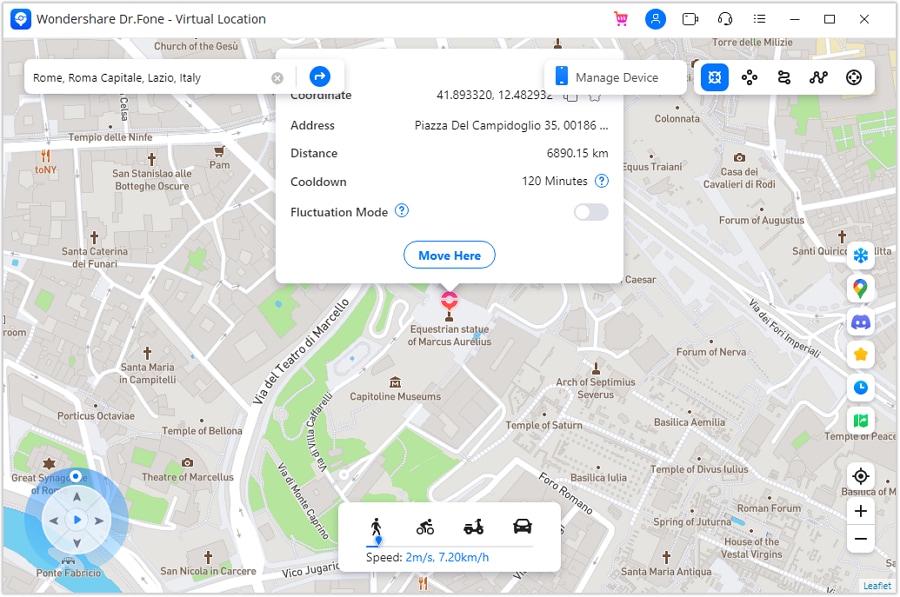
 Set your map route to simulate GPS movement.
- Set your wanted movement speed.
- HD and large map view to check location.
- Fake GPS location to anywhere.
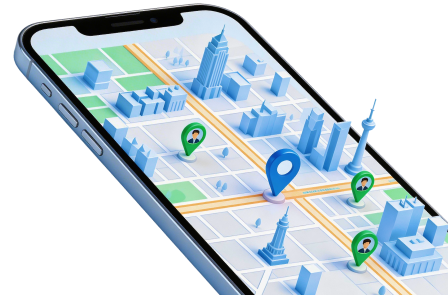
Dr.Fone - Virtual Location can simulate GPS destinations and movement on supported phones. In this context, its relevant role is testing location-aware app behavior on your own device, not certifying a match, accessing private profiles or restoring Chappy. Start with an app's own travel or city-selection options when those already meet your needs.
A mock coordinate does not guarantee that a dating service changes your discovery region, stops displaying distance or conceals your real whereabouts. Accounts, networks and cached data can involve other signals. This product is not a VPN, and it cannot override another app's paid access rules or promise personal safety.
Step 1 Review permission and compatibility
Confirm your device is supported and the proposed location test is allowed by the app. Use only your own phone or a device whose owner has knowingly agreed; do not use location tools to monitor or pursue someone.
Step 2 Select a controlled destination
Follow the current connection instructions, open the location module and choose the map point or route. Check the phone's displayed location in a suitable test app rather than assuming every dating service uses GPS identically.
Step 3 Restore the normal position
End the test and return to your genuine location using the supported procedure. Be honest about travel and where you live; simulated proximity should not be used to mislead someone into a meeting.
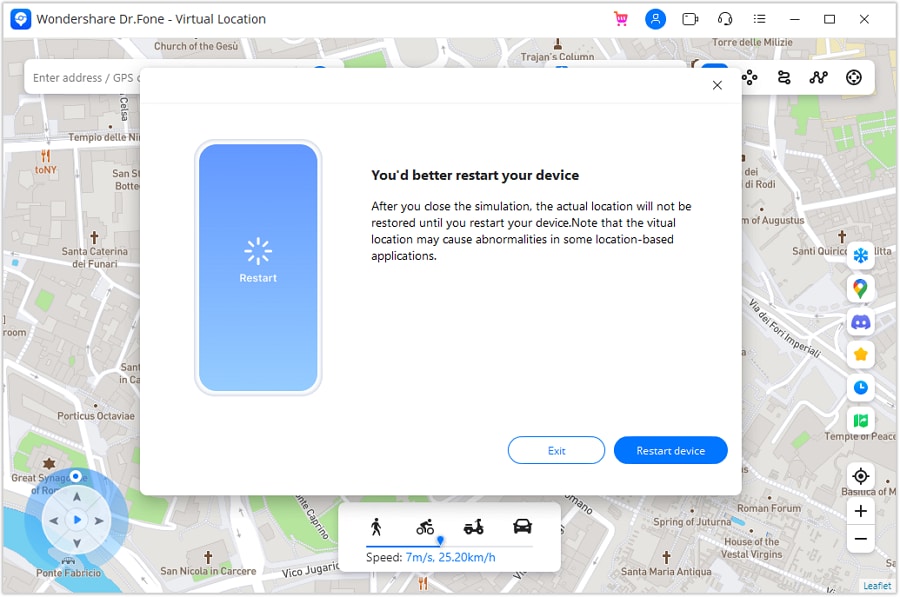
Treat location simulation as a limited technical feature, not a privacy plan. For dating decisions, the more important checks remain consent, membership terms, understandable sharing settings and the behavior of the person you are speaking with.




Conclusion
Chappy's useful legacy is the expectation that intentions and boundaries should be understandable. Choose Scruff if its community and travel format appeals, evaluate eHarmony if structured compatibility suits your goals and budget, try Hinge for profile-led introductions, or compare HeeSay for broader social interaction. Check what is actually free in your account, and judge a connection by mutual respect rather than an app's reputation or a promised outcome.
FAQ
1. Can I still use the Chappy dating app?
The original service has shut down. Reporting at the time described its team joining Bumble and warned that existing matches would not transfer. Do not assume a new app using the same name can recover your account or conversations.2. What should replace Chappy's sliding scale?
Look for current profile fields and conversations that let you state whether you want a relationship, casual dating or friendship. A label helps start that discussion but does not establish ongoing consent or guarantee a match wants exactly the same thing.3. Are all four alternatives fully free?
No. Access and communication limits differ, and paid tiers may add controls or features. eHarmony's product tour explicitly distinguishes limited Basic messaging from Premium access. Review your regional membership screen rather than treating free registration as unlimited use.4. Which alternative should I consider for a serious relationship?
eHarmony's structured compatibility approach and Hinge's relationship-oriented profile format are reasonable starting points. Neither guarantees commitment or a particular success rate. Check local availability, costs and whether the people you meet share your intentions.
 Add Wondershare Dr.Fone as a preferred source on Google