Teleport your device anywhere instantly with one click.

 100% Security Verified | No Subscription Required | No Malware

 :
: 
 ChatGPT
 Perplexity
 Gemini
 Claude
 Grok
Grok
Whether you are navigating the high-stakes tournaments of the Galar and Paldea regions or grinding through the ranks of the Pokémon GO Battle League, success is never accidental. As we move into 2026, the competitive landscape has evolved, demanding more than just a collection of high-stat monsters. To secure consistent victories, you must master the art of strategic team building, ensuring every member of your roster serves a specific purpose and complements the others' weaknesses. Constructing a cohesive unit is the thin line between a crushing defeat and a legendary win streak.
This comprehensive 2026 guide is designed to demystify the complexities of professional Pokémon team construction. We will dive deep into the fundamental roles that define a top-tier squad, explore proven compositions that dominate the current meta, and provide actionable tips for refining your strategy. Whether you are a newcomer or a seasoned veteran, these insights will help you select the right Pokémon to outmaneuver any opponent and build a world-class team in record time.
In this article
Part 1. Understanding the Fundamental Roles in a Pokémon Team
In the world of competitive Pokémon, stats alone do not win battles; roles do. A professional-grade team is built like a well-oiled machine, where each Pokémon occupies a specific niche based on its unique attributes and move sets. Understanding these roles is the first step toward building a team that can react to any situation the opponent throws your way.
Sweeper (Physical and Special)
Sweepers are your primary win conditions. These Pokémon are engineered as "glass cannons," boasting exceptional Speed and either high Attack or Special Attack. Their goal is simple: enter the field and knock out as many opponents as possible before they can react. However, because their defensive stats are typically low, they require careful timing and protection from teammates to be effective.
Tank and Wall
Tanks and Walls serve as the defensive backbone of your roster. While a Tank possesses high HP and enough offensive power to trade hits effectively, a Wall is dedicated purely to survival. Walls use their massive Defense or Special Defense stats to absorb punishment from enemy Sweepers, often utilizing status-inflicting moves or hazards to wear down the opposition gradually. They are essential for halting the momentum of aggressive opponents.
Annoyer (Disruptor)
The Annoyer's job is to make the opponent's life as difficult as possible. These fast, tactical Pokémon focus on disruption rather than direct damage. By utilizing moves that cause Paralysis, Burn, or Sleep, or by stripping away enemy items, they break the opponent's rhythm and create perfect openings for your Sweepers to finish the job safely.

Cleric (Healer)
A Cleric is the ultimate utility player, focused on the longevity of the entire squad. They carry specific moves like Wish, Heal Bell, or Aromatherapy to restore health and cure debilitating status conditions across your entire team. In a long, competitive match, a well-timed heal from a Cleric can turn a losing battle into a comeback victory.
Drainer
Drainers are masters of the "battle of attrition." These Pokémon utilize moves like Leech Seed, Giga Drain, or Drain Punch to simultaneously damage the opponent and replenish their own HP. This makes them incredibly difficult to remove from the field, as they constantly negate the damage they receive while slowly chipping away at the enemy's resources.
Part 2. Proven Team Compositions for Competitive Play
Once you understand the individual roles, you can begin combining them into synergistic team structures. Depending on your preferred playstyle, several classic compositions have remained highly effective through 2026. Here are some blueprints to get you started.
2-1. The Hyper-Offensive Build: 4x Sweepers, 1x Tank, and 1x Annoyer
This high-risk, high-reward strategy is designed to end matches quickly. By leading with an Annoyer to set hazards or disrupt the enemy, you clear the path for four dedicated Sweepers (usually two Physical and two Special). The single Tank acts as a safety net, capable of absorbing one major hit while your offensive threats keep the pressure at a maximum until the opponent's team is dismantled.
2-2. The Balanced Core: 3x Sweepers, 1x Tank, 1x Wall, and 1x Annoyer
The Balanced Core is arguably the most consistent structure in competitive Pokémon history. It provides an answer to almost every situation. With a dedicated Wall and Tank to absorb varied damage types and an Annoyer to manage the flow, your three Sweepers have the freedom to exploit type weaknesses. This versatility makes it the gold standard for players looking to climb the ladder.
2-3. The Defensive Stall Build: 1x Drainer, 1x Tank, 1x Cleric, and 3x Sweepers
The Stall Build focuses on outlasting the opponent. By using a Drainer and Cleric to keep your team healthy, you force the opponent to waste resources. The Tank absorbs the heavy hits, allowing your Sweepers to enter the battle late in the game when the enemy's team is already weakened and low on PP. It requires patience but is incredibly effective against hyper-aggressive players.
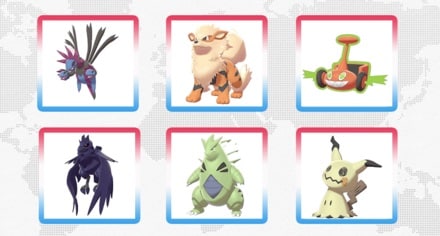
2-4. The Legendary Powerhouse Team: Rayquaza, Arceus, Dialga, Kyogre, Palkia, and Groudon
For those who value raw power above all else, the Legendary Powerhouse team is the ultimate choice. These Pokémon possess some of the highest base stat totals in the game. While catching and training them is a monumental task, the result is a squad that can brute-force through most defenses. However, be wary of competitive formats that place restrictions on the number of Legendary Pokémon allowed.
2-5. The All-Rounder Sun & Moon Team: Garchomp, Decidueye, Salazzle, Araquanid, Metagross, and Weavile
This iconic lineup offers a fantastic entry point for players who want a balanced, themed team. It features high-speed physical threats like Garchomp and Weavile, supported by the defensive durability of Metagross. The unique typing of Salazzle and Araquanid provides excellent coverage, ensuring that you are rarely left without a super-effective move against your opponent.
 Set your map route to simulate GPS movement.
- Set your wanted movement speed.
- HD and large map view to check location.
- Fake GPS location to anywhere.

Part 3. Core Principles for Strategic Pokémon Team Building
While blueprints are helpful, the best competitive players understand the underlying principles of the game. Here are five essential tips to elevate your team from average to elite.
Tip 1: Establish Your Winning Condition
Every team needs a plan. Are you trying to sweep early with high speed, or are you trying to outlast the opponent with defense? Decide on your core strategy before you even pick your first Pokémon. This decision will guide your choice of items, abilities, and natures for the rest of your roster.
Tip 2: Master Defensive Synergy
Offense sells tickets, but defense wins championships. Ensure your team has "defensive synergy," meaning that if one Pokémon is weak to Water, another member of the team should resist or be immune to Water attacks. This allows you to switch safely during a battle, preserving your offensive threats for when they are needed most.
Tip 3: Analyze Type Coverage
A great team can hit every Pokémon type for super-effective damage. Use a type-coverage calculator to ensure you aren't missing any key offensive targets. Having a diverse move pool across your Sweepers is vital to preventing your team from being walled by a single defensive threat.
Tip 4: Continuous Adaptation
The competitive meta is constantly shifting. A team that dominates today might struggle tomorrow as players find counters. Stay active in community forums, watch professional streams, and don't be afraid to swap out a Pokémon or change a move set if you notice a recurring weakness in your battles.
Tip 5: Utilize Niche and Rare Pokémon
In high-level play, predictability is your enemy. Incorporating a niche Pokémon with an unusual ability or a rare Legendary can catch opponents off guard. In games like Pokémon GO, where region-specific Pokémon are common, using tools to expand your collection can give you a significant strategic edge over local players.
Part 4. How to Edit and Refine Your Pokémon Team In-Game
Refining your roster is a continuous process. In modern Pokémon games, swapping team members is more intuitive than ever. Whether you're playing on a console or mobile, the ability to pivot your strategy is key to staying ahead of the competition.
In titles like Pokémon Sword, Shield, or Scarlet and Violet, you can access your storage boxes from almost anywhere. By entering the main menu and selecting your party, you can quickly swap out underperforming members for new strategies. For Pokémon GO players, maintaining a diverse tag-based inventory allows for quick team adjustments between League matches.
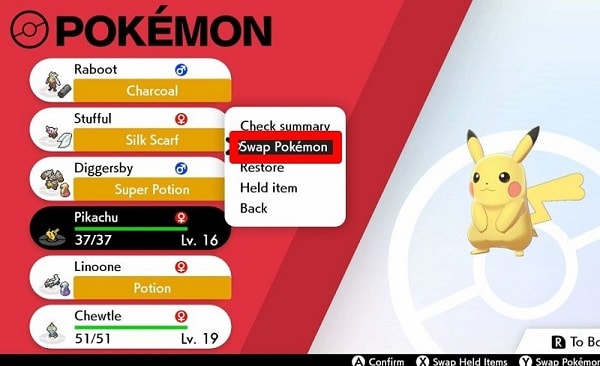
Regularly auditing your team's performance is the hallmark of a pro player. If you find your team is consistently struggling against a specific type or strategy, use these in-game tools to refine your lineup immediately. For those looking to optimize their Pokémon GO experience specifically, the right utility tools can make all the difference in acquiring the best roster.




Conclusion
Building a top-tier Pokémon team in 2026 is a masterclass in strategy, balance, and persistence. By deeply understanding the distinct roles of your Pokémon and applying core principles of type synergy and meta-awareness, you can transform a simple collection into a championship-winning squad. Remember that the best teams are never finished; they are constantly evolving through practice and refinement. Use the tools at your disposal, stay curious about new strategies, and you will soon find yourself at the top of the competitive rankings. Victory belongs to those who prepare for it.
FAQ
1. What is the most critical element for a successful competitive Pokémon team?
Synergy is more important than raw power. A team of six legendary Pokémon can still lose to a lower-stat team that uses type coverage, entry hazards, and status effects correctly. Your focus should always be on how well your team members cover each other's weaknesses.2. Is it mandatory to use high-tier Legendary Pokémon to win?
No. While Legendaries offer high stats, they are often predictable. Many professional players find success by using uncommon or "niche" Pokémon with unique abilities that opponents aren't prepared to counter. Adaptability and surprise often outweigh raw numerical advantages.3. How does team building change specifically for Pokémon GO?
In Pokémon GO, team building is limited to three members and is restricted by Combat Power (CP) limits in the Great and Ultra Leagues. You must prioritize Pokémon with high "bulk" (Defense and Stamina) and moves that generate energy quickly to maximize Shield pressure.4. What is the best way to handle a team with many shared weaknesses?
If multiple Pokémon share a weakness (e.g., three Pokémon weak to Ice), you must include a dedicated "check" or "counter"—a Pokémon that resists Ice and can safely switch in. Without this synergy, a single enemy threat could sweep your entire team.
 Add Wondershare Dr.Fone as a preferred source on Google