Teleport your device anywhere instantly with one click.


 100% Security Verified | No Subscription Required | No Malware

 :

 ChatGPT
 Perplexity
 Gemini
 Claude
 Grok
Faking a location on iOS 14 means supplying simulated coordinates for a supported test or application; it is not the same as turning off Precise Location. Apple's approximate-location setting limits precision, while a simulation tool attempts to provide a different position. Neither approach guarantees that every app will show the place you choose.
Apple released iOS 14 on September 16, 2020. It is an older operating system, not an upcoming release in 2026. The feature overview below explains that release's changes, followed by reasons to distinguish privacy controls from location simulation and a corrected Xcode testing workflow. Check software compatibility with your exact device before starting.
In this article
Location simulation rather than general phone maintenance
 Set your map route to simulate GPS movement.
- Set your wanted movement speed.
- HD and large map view to check location.
- Fake GPS location to anywhere.
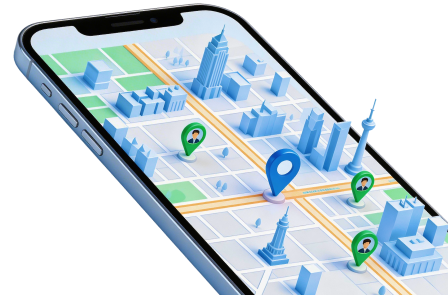
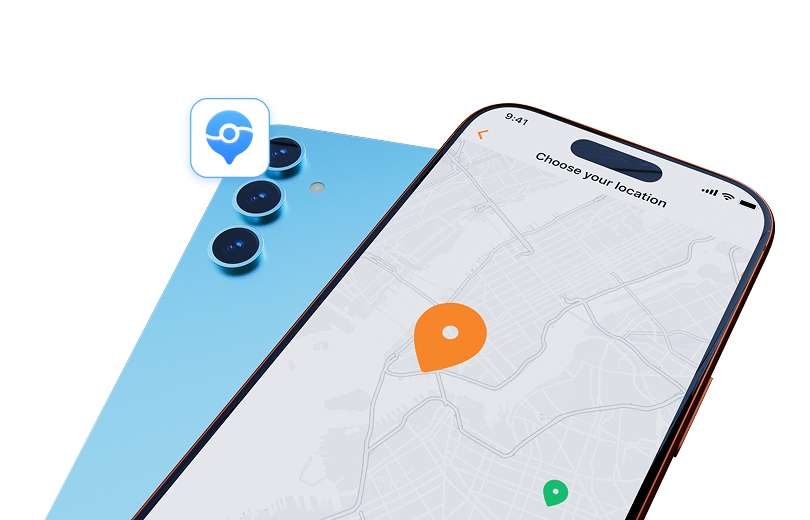
Dr.Fone - Virtual Location provides map-based GPS simulation, including destination selection, route planning, and adjustable movement speed on supported devices. It is a different function from transferring files, repairing a phone, or recovering data. The fixed product panel does not establish support for every older iOS build.
For a permitted location test, first confirm that the current desktop release supports your iPhone and iOS version. Connect the phone, complete the software's trust and setup prompts, select Teleport Mode, and search for the intended place or coordinates. Review the map result before choosing Move Here, then verify the reported position in the phone's maps app.
When the test is over, follow the software's restart-device prompt and confirm that the actual location returns. Do not rely on simulated positioning for navigation, emergency services, or a claim that someone cannot track you. Third-party apps may use additional signals and may prohibit location manipulation.




Part 1: The features introduced with iOS 14
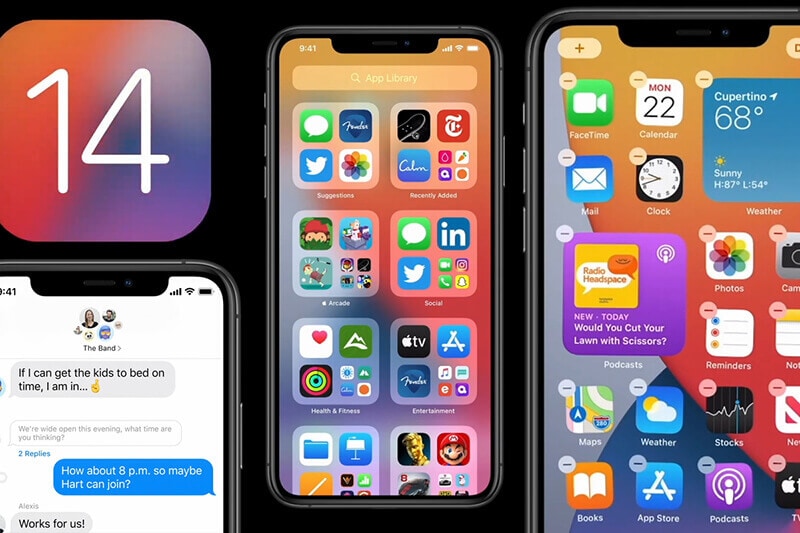
The original article mixed launch expectations with practical instructions. Treat the following as a release-specific overview instead. iOS 14 changed the Home Screen, multitasking, Messages, and privacy controls; those features do not themselves add a system-wide switch for choosing arbitrary GPS coordinates.
1.1 App Library and a more organized Home Screen
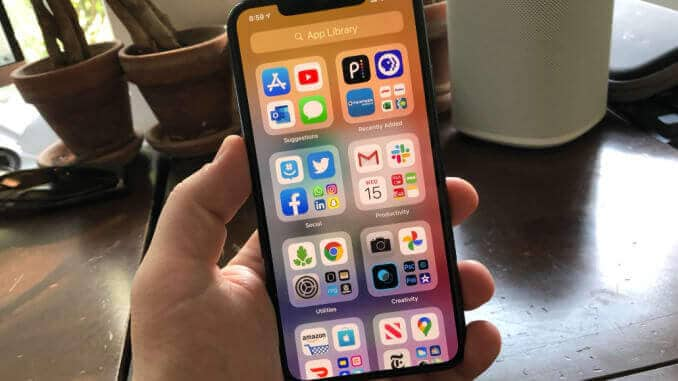
App Library groups installed apps into automatically organized categories at the end of the Home Screen pages. It provides another route to an app when you do not want its icon on a visible Home Screen page. Downloaded apps can remain in App Library rather than adding clutter to every page.
Widgets also became a more prominent part of the Home Screen. Smart Stack can surface a relevant widget using context such as time, activity, and location. That contextual display is separate from changing the location information supplied to other apps.
1.2 Compact calls and Siri save screen space
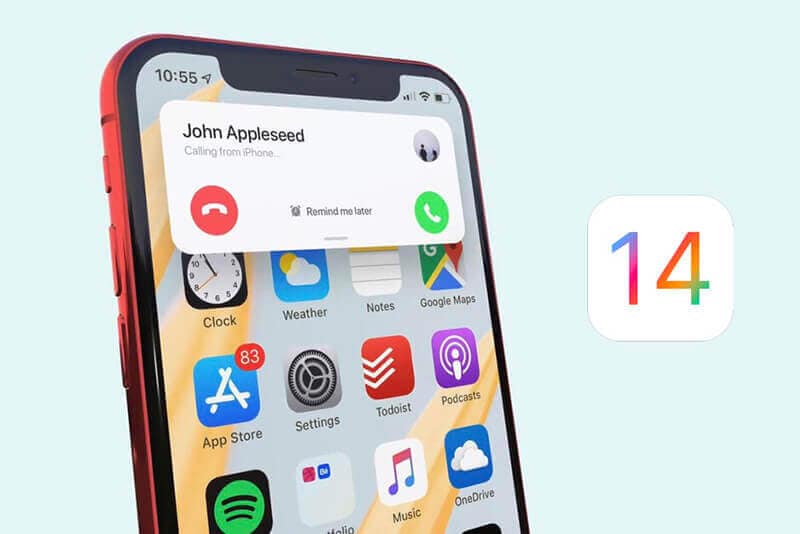
Incoming phone and FaceTime calls gained a compact presentation so a call did not always replace the task on screen. Siri also adopted a smaller interface. These are display and multitasking changes, not additional storage capacity or a way to free disk space.
The practical benefit is continuity: you can see more of the app you were using while responding to an interruption. The exact presentation depends on the type of call, settings, and application support.
1.3 Picture in Picture for supported video
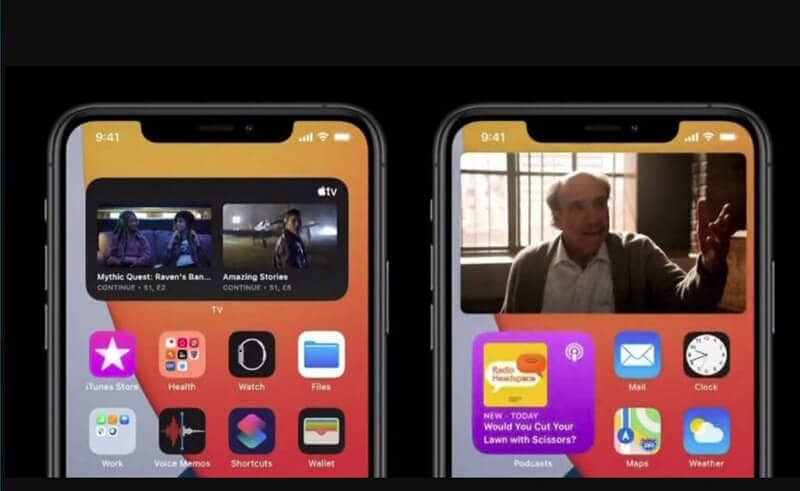
Picture in Picture lets a supported video or FaceTime call remain visible in a floating window while you use another app. You can move the window and adjust its size rather than abandoning one activity completely to open another.
This does not mean every streaming app or every video permits the same behavior. Availability depends on the app and content. Use a compatible video source and the controls provided by that app.
1.4 Siri's knowledge and messaging changes
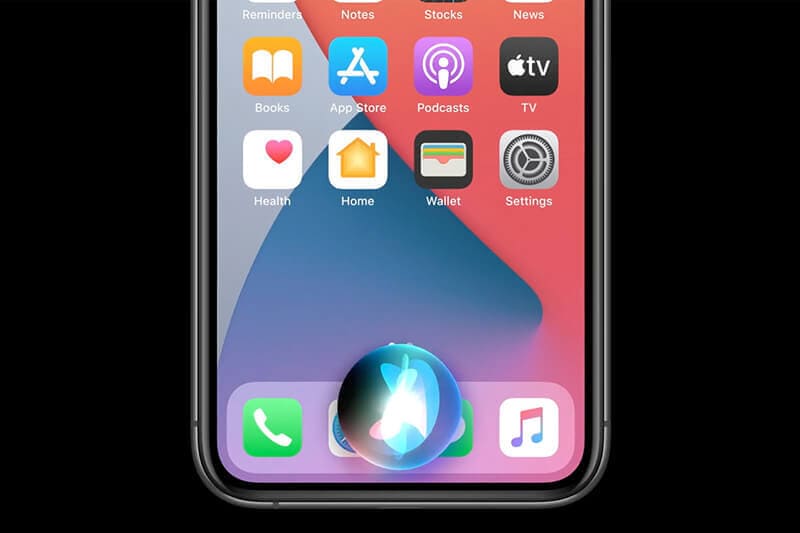
The release expanded Siri's ability to answer questions using information from the web and added messaging capabilities such as sending audio messages. The smaller visual interface made it easier to ask for help without losing the context of the current task.
Siri's available functions depend on language, region, device, and service support. Those improvements should not be confused with a GPS override: asking about another city does not relocate the phone there.
1.5 App Clips for a focused task
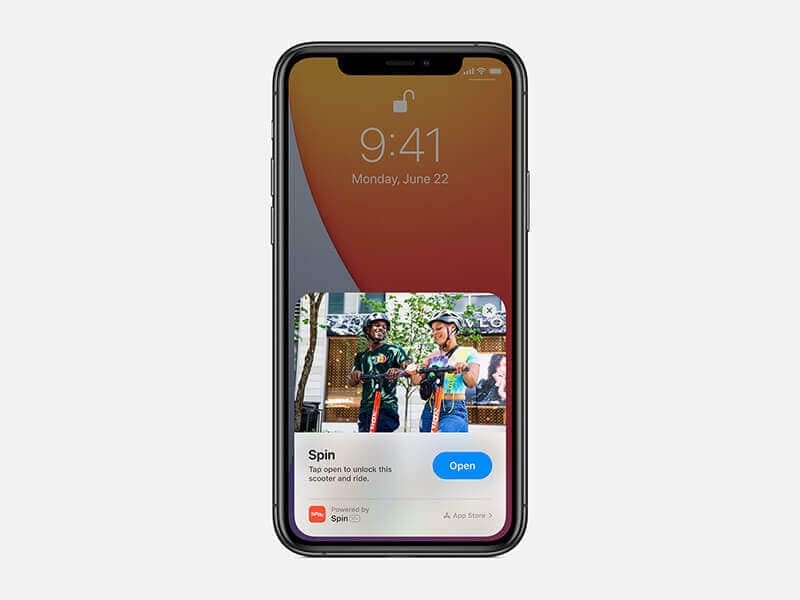
An App Clip is a small, task-focused part of an app. It can help complete an action such as paying for parking, ordering food, or renting a scooter without first installing the full application. Supported discovery methods include links, QR codes, NFC, and App Clip codes.
The business must provide a compatible App Clip; this is not a universal way to run any app without installation. It also does not bypass the service's account, payment, or location requirements.
1.6 Pinned conversations and clearer group replies
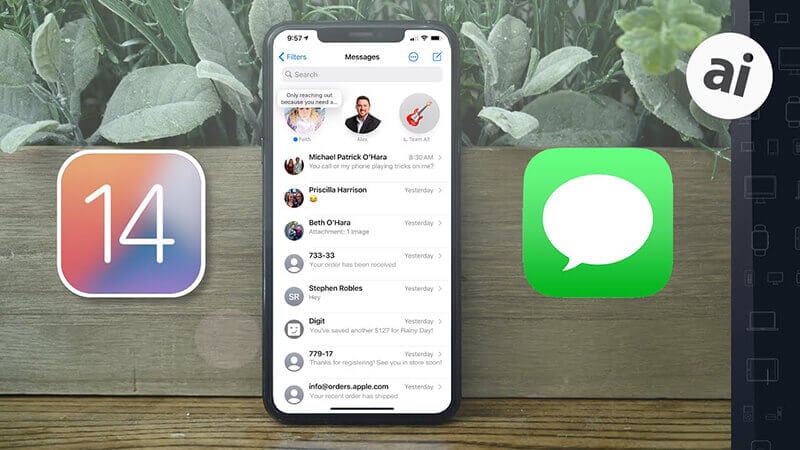
Messages introduced pinned conversations so important threads could stay near the top of the list. Inline replies and mentions made busy group conversations easier to follow, and a group could use a custom image or emoji as its identifying picture.
An inline reply is a reply you choose to attach to a particular message. It is not an automatic response generated whenever someone writes to the group, as the original wording could suggest.
1.7 More Memoji customization
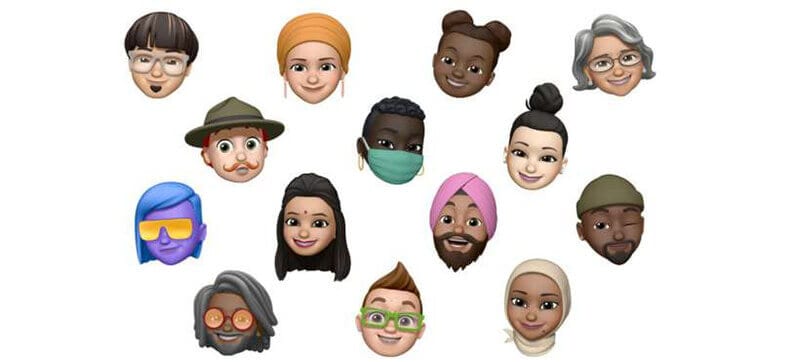
New Memoji options broadened the available hairstyles, headwear, ages, and face coverings. Additional expressive stickers, including a hug, offered more ways to personalize a conversation without typing a full message.
These are communication features. They do not determine app permissions or change the device's reported physical position.
1.8 Weather detail with regional limits
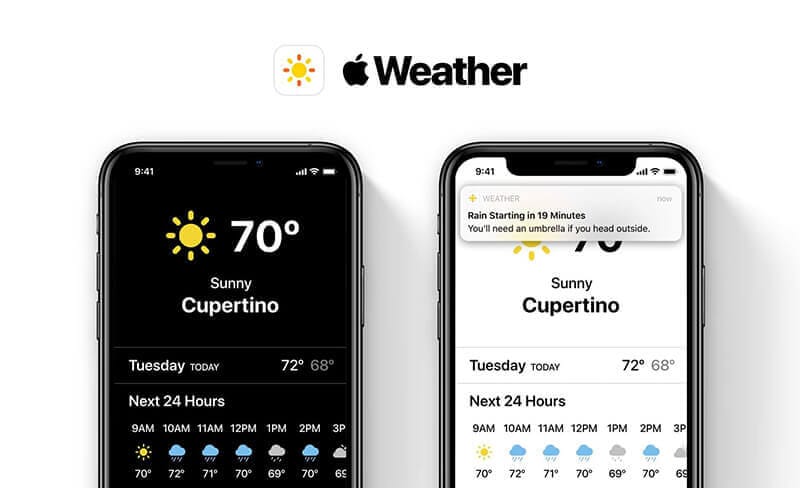
The Weather changes included severe-weather information and a next-hour precipitation chart where supported. The chart presents short-term rain information rather than a guarantee that every location receives minute-by-minute coverage.
Apple's release information listed regional limits for these features. Check the actual Weather app for your area instead of assuming every historical screenshot represents worldwide availability.
1.9 Cycling directions and electric-vehicle routing
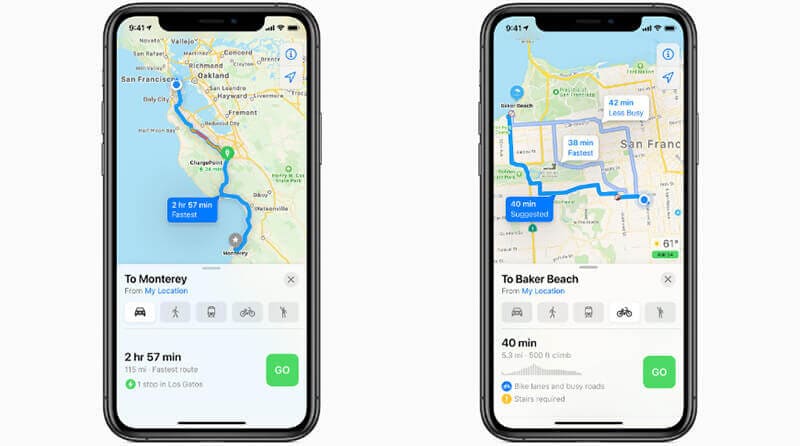
Maps added cycling directions that can account for hills, busy streets, and stairs. Electric-vehicle routing can include charging stops based on a supported vehicle's charge information and charger requirements. Guides provide curated suggestions for places to visit.
Coverage and compatible vehicles matter. A route shown in a release demonstration does not prove that the same feature is available in every country or car, and simulated coordinates should not be used as a substitute for safe navigation.
1.10 Digital car keys require compatible hardware

Digital car keys can unlock and start participating vehicles using supported Apple hardware. Keys can be shared through Messages, and access can be disabled through iCloud if the device is lost.
This was not available to every iPhone merely because it could run iOS 14. Apple's release notes specified iPhone XR, iPhone XS and later, or iPhone SE second generation, alongside compatible vehicles. Confirm the car maker's requirements before relying on a digital key.
1.11 Translate's original language selection
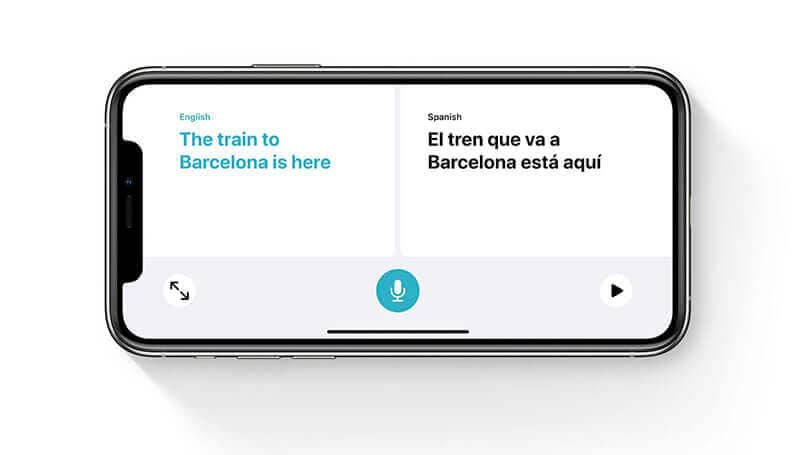
The Translate app supported voice and text translation among 11 languages at launch: English, Mandarin Chinese, Japanese, Korean, Spanish, German, French, Italian, Russian, Brazilian Portuguese, and Arabic. Downloaded language support enabled an on-device mode.
That is the original release's language list, not a current limit for every later version. Keep the operating-system context when comparing screenshots or troubleshooting an older phone.
1.12 Approximate location and permission controls
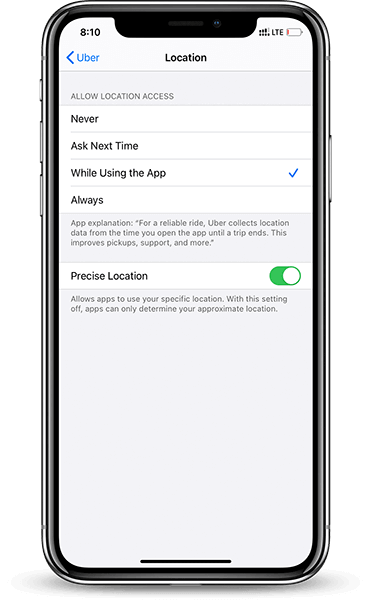
Apps need permission to access Location Services, and iOS 14 introduced the option to provide an approximate position instead of a precise one. For an app that does not need exact coordinates, turning Precise Location off can reduce unnecessary precision.
On iOS 14, open Settings > Privacy > Location Services, select the app, and review its access setting and Precise Location switch. Newer iOS releases use Privacy & Security in the settings path. Approximate location still describes your general area; it does not let you select another country or make your phone untraceable.
1.13 Choosing a default browser or mail app

The important change was the ability to choose supported third-party apps as the default browser or email app. Third-party browsers and mail apps were not first invented for the iPhone with this release; the default-handler choice was the distinction.
iOS 14 was offered for iPhone 6s and later models available in its supported generation, including compatible iPhone SE models. That historical compatibility statement does not mean every phone released afterward can install iOS 14 or that current desktop tools still support it.
Part 2: When to use privacy controls instead of a fake location
People investigate fake GPS for several different reasons: testing location-based software, exploring how an app responds to a region, changing a dating app's discovery area, or trying to affect a location-based game. Those goals need different solutions. Reducing an app's access is not the same as generating coordinates for a test.
For ordinary privacy, start with the built-in options. Deny location access to an app that does not need it, restrict background access where appropriate, or turn off Precise Location. Dating services such as Tinder and Grindr may offer their own region or discovery controls; check their rules rather than assuming a GPS change overrides every account setting.
A fake coordinate is not protection against stalking or a guarantee of anonymity. Apps and services can use account details, network information, saved profile locations, and other signals. Location-based games may prohibit manipulation and apply account penalties. Use simulations for permitted testing, not as a promise of safety or automatic game progress.
Part 3: Testing location on an iOS 14 device
There is no ordinary iOS 14 Settings control for entering an arbitrary GPS location. The source's method uses Xcode, Apple's development environment on a Mac. It requires a working development setup; simply compiling an app and then opening Maps does not, by itself, select a simulated destination.
Method 1: Use Xcode for a controlled location test
Choose an Xcode and macOS combination that can work with the device and the project. Current Xcode menus can differ from the older screenshots below. Location simulation is a development and testing function, not a documented promise that every unrelated third-party app will receive the chosen coordinates.
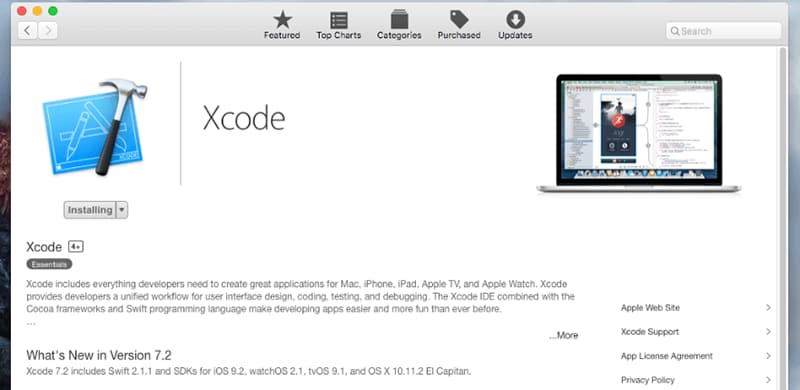
Step 1 Install Xcode and create a project
Install a compatible Xcode release from Apple on the Mac. Create an iOS app project, provide its identifying details, and save it. Older releases called the starting template Single View App; later releases use different template names.
Step 2 Sign in and configure signing
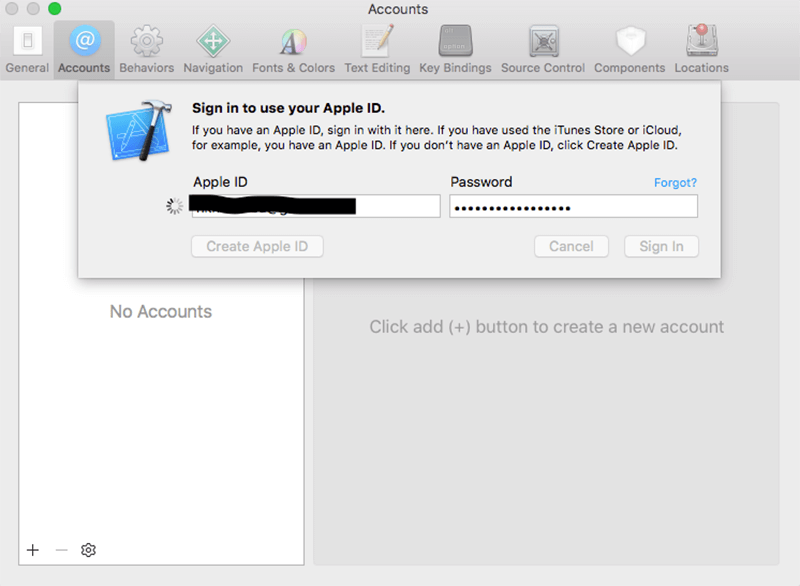
Add your Apple account in Xcode's account settings, then choose the signing team for your own project. Connect and trust the iPhone when prompted. The source's Preferences > Accounts path reflects an older interface, not every current Xcode release.
Step 3 Choose the device and run the project
Select the intended iPhone as the run destination, keep it unlocked as required, and use Product > Run or the Run control. Resolve signing or device-support errors first; creating a login alone does not establish a successful build.
Step 4 Select a simulated location and verify the test
In a compatible older debugging workflow, use Xcode's Debug > Simulate Location control or its GPX option during the debugging session. For an automated test plan, Apple documents Product > Test Plan > Edit Test Plan, then Configuration > Localization > Simulated Location. Choose a known test position and inspect the app under test. Apple notes that a test-plan simulated location affects code in the test bundle, not automatically a separate UI-tested app.
If you inspect a maps app as an additional check, do not assume it must mirror a test-bundle setting. Confirm the scope of the particular simulation method. Stop the debugging session, disable the simulation, and verify normal positioning after the test.
Xcode takes more setup than a simple settings change because it is a developer tool. Its use does not inherently require a jailbreak, and a setup error is not proof that iOS security has been compromised. Do not install untrusted certificates, disable protections indiscriminately, or assume a modern test API works unchanged on an older iOS 14 device.
Conclusion
For an iOS 14 privacy concern, first review Location Services and Precise Location. For a permitted GPS test, use a compatible tool and verify exactly which app or test receives the simulated position. Keep the release's feature history separate from current recommendations, preserve a clear route back to real positioning, and never treat fake GPS as a universal privacy shield or guaranteed game advantage.
FAQ
1. Does turning off Precise Location fake my GPS?
No. It gives the selected app a less precise position in your general area. It does not let you enter an arbitrary destination.2. Can Xcode change every app's location?
Do not assume that. Simulation behavior depends on the debugging or testing method. Apple's test-plan setting affects code in the test bundle, with separate handling needed for UI automation.3. Does iOS 14 compatibility guarantee current tool support?
No. Check the exact phone, iOS build, Mac or Windows requirements, and software release. Historical iOS support and a current tool's supported-device list are different things.4. Is a simulated position a complete privacy solution?
No. Apps can rely on more than GPS, and some services prohibit simulated locations. Use permission controls for ordinary privacy and restore actual positioning after a test.
 Add Wondershare Dr.Fone as a preferred source on Google