Teleport your device anywhere instantly with one click.


 100% Security Verified | No Subscription Required | No Malware


 :

 ChatGPT
 Perplexity
 Gemini
 Claude
 Grok
'My old iSpoofer installation no longer connects, and the download pages I find look unfamiliar. Is there a supported way to change my own iPhone's test location?'
A reader question adapted from the source article

An unavailable iSpoofer installation is not a reason to trust the next download mirror. The original guide describes the legacy Pokémon GO tool as discontinued. However, an inaccessible website does not, by itself, prove who ended a service, why it ended or whether every later product using the same name is connected to its original developers. No verified current first-party relaunch notice was available for this review.
For a useful iSpoofer alternative, first define the job: an authorized GPS demonstration is different from manipulating a live Pokémon GO session. This guide retains both the iPhone desktop workflow and Android's testing controls, while removing the idea that a substitute can guarantee uninterrupted gameplay or protect an account from enforcement.

In this article
Part 1. iSpoofer Shutdown: What Is Known and What Needs Evidence?
The iSpoofer discussed in the source was a third-party location tool associated with Pokémon GO on iOS. Its former appeal was virtual travel without physically moving to the destination. That background explains why searches for 'iSpoofer use', 'iSpoofer download' and 'iSpoofer shut down' often lead to the same question: can an old installation still be relied upon?
For a discontinued or unverified build, the practical answer is no: do not treat it as maintained merely because a file remains downloadable. A login error could arise from an outdated client, certificate, network issue or unsupported service. It cannot establish a shutdown date or confirm a legal story. Avoid entering game credentials into a replacement whose ownership and support cannot be checked.
1-1. Separate Policy Conflicts from Shutdown Speculation
The source attributes the shutdown to cheating enforcement, bans, legal pressure and operating difficulties. Those are different kinds of claims and need different evidence. The following distinctions are more dependable than repeating all four as proven causes.
- Game-policy conflict is documented. The official Pokémon GO fairness policy identifies falsifying GPS location and unauthorized access through third-party software as cheating. Changing utilities does not remove that rule.
- Penalties are possible, not a measured risk score. Official policy allows warnings, suspensions and permanent termination; some behavior may result in termination without earlier strikes. This does not independently verify every historical report of an iSpoofer-specific ban wave.
- A specific legal cause is not established here. No accessible first-party closure statement was obtained confirming a lawsuit, a forced shutdown or the developer's finances. Those explanations should not be presented as settled facts.
- Maintenance matters to continued use. A legacy download offers no assurance of compatibility with the current game or phone software. Conversely, it is inaccurate to promise that every attempted installation automatically triggers an immediate ban.

The warning screenshot is retained as a source illustration, not proof of the cause or timing of a particular enforcement event. The decision-relevant point is the documented policy, not an unsupported estimate that one application is safe while another is certain to be detected.
1-2. Can a Claimed iSpoofer Comeback Be Trusted?
Do not assume that a search result announcing 'iSpoofer is back' belongs to the original project. Look for an identifiable publisher, maintained documentation, genuine support channels, a clear update record and an explanation of what is being installed. A familiar name, old screenshot or working payment page does not establish continuity.
There is no verified relaunch timetable to recommend in this guide. Nor is it necessary to predict that a return is impossible. The sensible approach is to avoid unsupported legacy builds, use the official Pokémon GO client for gameplay and assess a separately maintained GPS utility only for an activity you are allowed to perform.
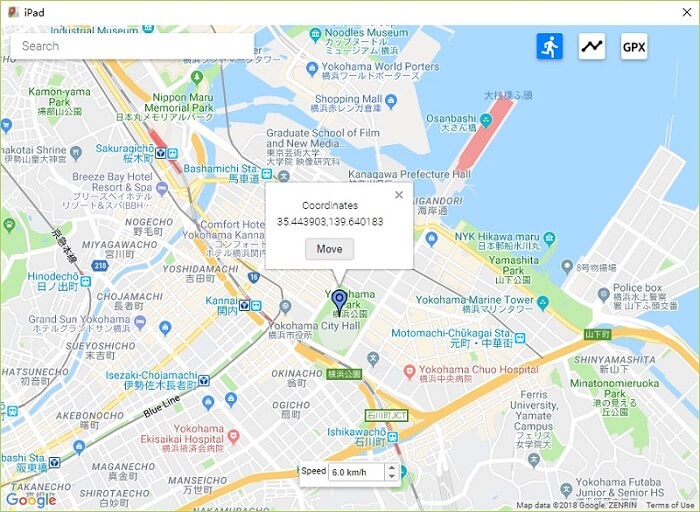
Official account-security guidance warns against sharing passwords, login tokens or cookies with unauthorized services. If you already supplied them to an unfamiliar download site, secure the affected account through its genuine provider and review linked login methods.
Part 2. An iPhone GPS Alternative: Dr.Fone - Virtual Location
 Set your map route to simulate GPS movement.
- Set your wanted movement speed.
- HD and large map view to check location.
- Fake GPS location to anywhere.

Dr.Fone - Virtual Location offers a desktop map interface for changing the reported position of a supported iPhone. Destination selection, route simulation, configurable movement and GPX handling are relevant when demonstrating or testing how a permitted app responds to coordinates. Standard supported iOS workflows are advertised as not normally requiring a jailbreak.
This makes it an alternative GPS workflow, not an officially approved successor to iSpoofer. Desktop installation and the absence of a jailbreak do not prove reduced Pokémon GO detection. Check current computer and phone requirements, distinguish trial access from paid functions and confirm your target app's rules before using any simulation.
Complete the iPhone connection and location check
Step 1 Connect the supported iPhone
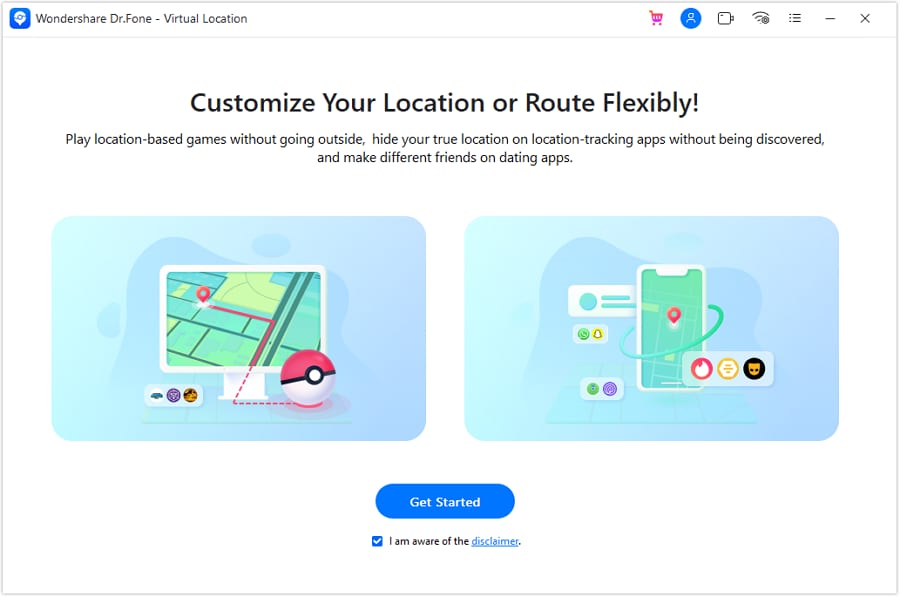
Open the desktop software, choose Virtual Location and attach your unlocked iPhone using a suitable USB cable. Read and complete the device's trust or connection prompts. When the software recognizes the phone, continue through Get Started if that button is shown. Do not enter a game password merely to establish this hardware connection.
Step 2 Find the intended map position
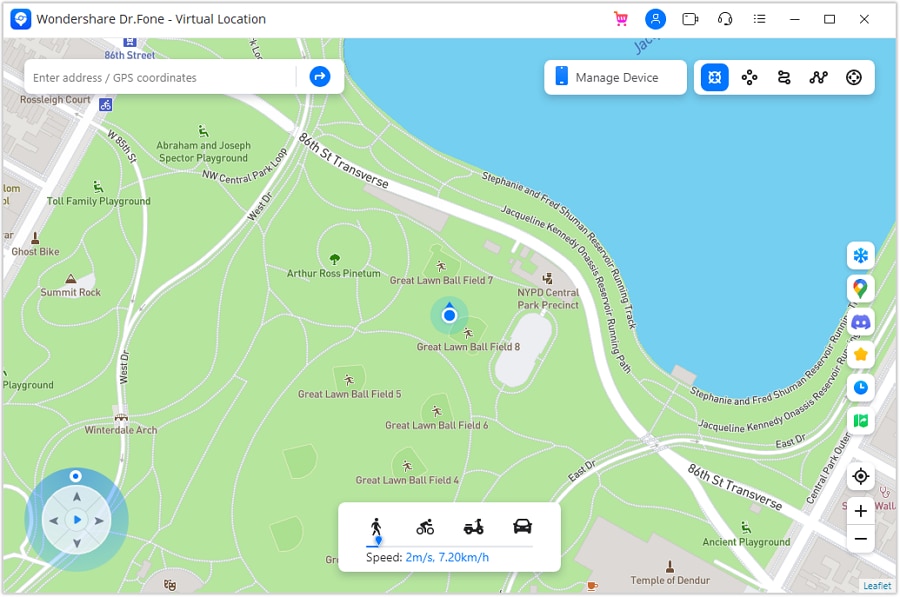
Confirm that the displayed device is yours, then select Teleport Mode by its label or tooltip. The source screenshot uses an older icon arrangement, so do not depend on a fixed 'third icon' position. Search for an address, place name or coordinate pair, and inspect the resulting pin before changing the phone's reported location.
Step 3 Confirm and verify in an allowed app
Zoom in to review the selected point and use Move Here when it matches your intended test. Then check the result in your own supported map or testing app. A successful marker change in the desktop window is not proof that every app reads the same coordinates.

The retained phone-map illustration shows the sort of result to inspect. Do not extrapolate it into a guarantee that Pokémon GO, a tracker or a dating service will accept the simulation. Finish by stopping the simulation and confirming that genuine location has returned before navigation or live sharing.
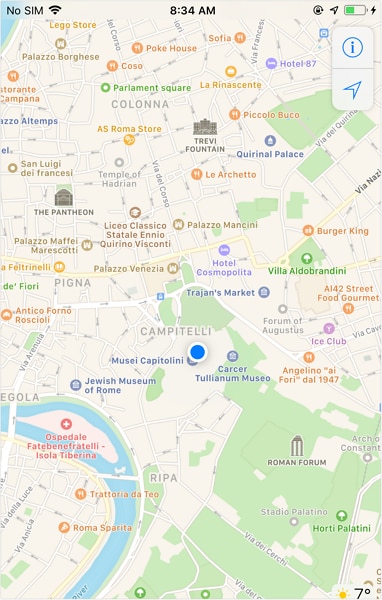

This completes the connection, destination selection and result-checking workflow. If your phone or intended app is unsupported, stop rather than repeatedly changing locations or treating an error as a reason to install an unknown patched client.




Part 3. Android Mock Location Is a Testing Method, Not Guaranteed Game Support
Android includes a developer setting for selecting a mock-location app. Google's Developer options documentation describes this as a way to test an app's behavior in other locations. The setting authorizes a mock provider on your own phone; it does not force every installed app to accept its data or make game spoofing compliant.
That distinction also applies to the promoted desktop utility: the official Dr.Fone product page explicitly excludes Pokémon GO from Android support. Do not read the Android download button or general GPS capabilities as an Android Pokémon GO workaround. The steps below preserve the original testing workflow, not a promise of successful game access.
Step 1 Reveal the device's developer controls
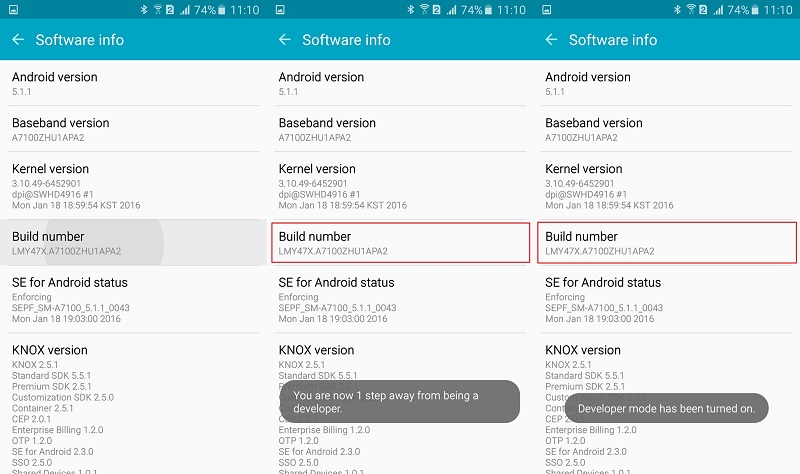
On your own Android phone, locate Build number in About phone or the manufacturer's Software information screen. Tap it seven times and complete any device-authentication prompt. Return to Settings to find Developer options. The exact menu path varies by manufacturer, so use the device's help information if the illustrated screen differs.
Step 2 Choose a trustworthy mock provider
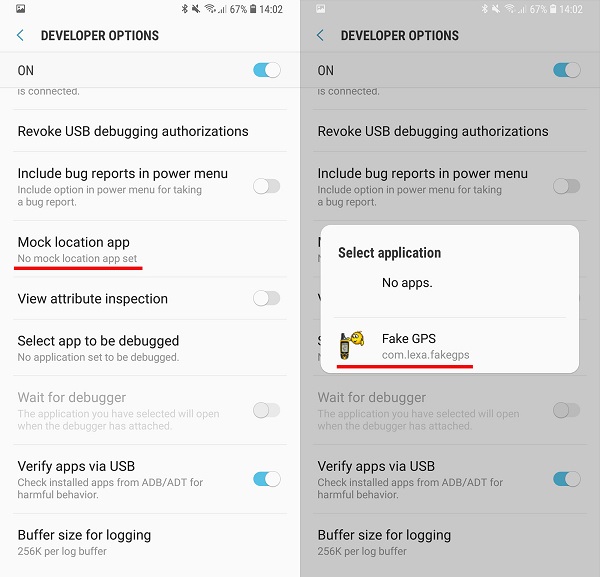
Install a mock-location application appropriate for your authorized test, reviewing the publisher and requested permissions rather than relying solely on ratings. In Developer options, open Select mock location app and choose that provider. There is no need to change unrelated settings or grant unfamiliar apps access to your game credentials.
Step 3 Run the test and restore the real position
Open the chosen provider, search for your intended point and start its simulation according to its instructions. Inspect your own test app's result; some apps identify or reject mock data. When finished, stop the provider, clear the mock-app selection if appropriate and verify actual positioning again. The illustrated provider is an inherited example, not a current endorsement or a claim that Pokémon GO accepts it.
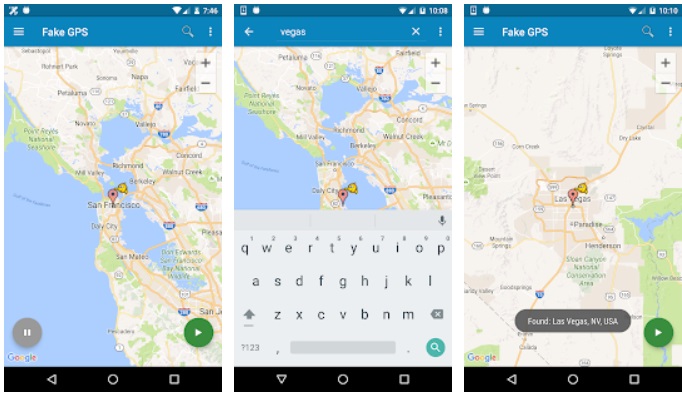
For a mismatch, distinguish a provider that never starts from an app that deliberately refuses mock locations. Reinstalling an old game modification or cycling through unknown APKs does not resolve the underlying policy problem and can expose credentials or device permissions.
Conclusion
A failed legacy iSpoofer installation calls for careful source verification, not a search for a guaranteed safe replacement. Dr.Fone - Virtual Location provides a documented GPS-testing workflow for supported iPhones; Android's developer setting provides a different testing route. Neither grants Pokémon GO approval or immunity from penalties. Avoid unsupported shutdown stories, unverified relaunch claims and applications that request credentials for promised game advantages.
FAQ
1. Is the exact cause of iSpoofer's shutdown verified here?
No accessible first-party closure statement was obtained. The source describes the legacy service as discontinued, but its claims about legal action and business motives are not established. The game's prohibition on falsified location is independently documented.2. Does using a desktop alternative remove Pokémon GO account risk?
No. A no-jailbreak connection is not an anti-cheat exemption. The official fairness policy applies to GPS spoofing regardless of which utility supplies the coordinates.3. Can a VPN replace a GPS location utility?
Not for the same task. A VPN mainly changes IP-based network location, whereas a GPS utility changes reported coordinates on supported configurations. One is not evidence that the other signal has changed.4. What should an iPhone user compare before choosing an alternative?
Check publisher identity, current phone and computer requirements, required permissions, available GPS controls, trial limits and support. Dr.Fone is one such GPS option, but compatibility and the target app's rules still need separate checks.
 Add Wondershare Dr.Fone as a preferred source on Google