Teleport your device anywhere instantly with one click.


 100% Security Verified | No Subscription Required | No Malware

 :

 ChatGPT
 Perplexity
 Gemini
 Claude
 Grok
Can VMOS change a Pokemon GO location, and why do older instructions no longer seem reliable?

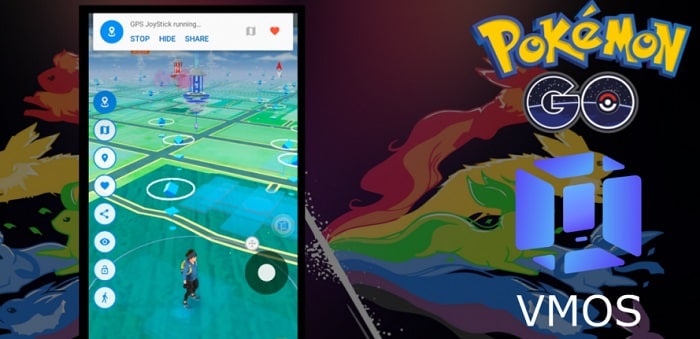
VMOS is an Android virtual-machine tool, not a verified ban-free Pokemon GO solution. The source describes a legacy combination of a virtual Android system, root-capable tools, and GPS simulation. It provides no evidence that the full combination works with the current game. Virtualization also does not exempt an account from the game's rules.
This guide explains the original five-stage process and its screenshots, corrects the root and location-setting errors, and separates legitimate location testing from unsupported game-bypass claims. No current compatibility test or successful catch is being implied, and no APK or system-modification tool was downloaded or executed for this rewrite.
In this article
Part 1: What VMOS does, and why it does not guarantee game support
VMOS creates a separate virtual Android environment inside a compatible Android device. The guest environment can have its own installed applications, settings, and files. The current official product page describes an independent virtual space, background running, file management, and optional Root mode; available capabilities can depend on the version and activation requirements.
A virtual environment is not the same thing as an ordinary second user account, and a guest root option is not proof that the physical host phone has been rooted. Likewise, the source's Android 5.1-or-later statement is an old compatibility claim, not a reliable minimum requirement for every current VMOS release or for Pokemon GO.
Read the current requirements at the official VMOS product page before installation. It describes additional activation guidance for some Android 12+ devices, illustrating why a single old setup sequence should not be treated as universal. A separate Play Store or Google account inside a guest also does not guarantee that a game considers the environment supported.

The original article argued that using two Android environments would make simulated movement undetectable. That conclusion is unsupported. A virtual machine may isolate some application data, but isolation is not a promise of invisibility, account safety, or acceptance by every third-party application.
For Pokemon GO specifically, the official terms-enforcement guidance lists falsifying location and using emulators or modified or unofficial software among prohibited behavior. The associated fairness policy allows account restrictions and, in some circumstances, immediate termination. A joystick does not create an exception, nor does it guarantee Buddy progress or evolution from home.
Part 2: Review the original five-stage VMOS location workflow
The following stages retain the source's sequence and relevant screenshots so readers can understand what the old instructions attempted. They are an explanation of the legacy method and its failure points, not a tested recommendation to bypass Pokemon GO. Installation, root permissions, location reporting, and application policy are separate requirements; succeeding at one does not satisfy the others.
-
Step 1 Check the VMOS installation source and distinguish root from debugging
The old process began by obtaining a VMOS APK and permitting its installation. For a legitimate virtual-machine task, use the vendor's current official distribution route and check the package and requirements. Do not copy an old APK filename from a screenshot or install a similarly named package from an unknown mirror.

The source then suggested globally enabling unknown sources. Current permission wording varies across Android versions and can be associated with the specific application performing an installation. Grant only the permission actually needed for a trusted package, and revoke installation permission afterward if it is no longer needed. This is not a reason to weaken all device protections.

Its next claim was technically wrong: tapping Build number seven times exposes Developer options; it does not root a normal Android phone. Android's official Developer options documentation describes debugging and development controls. VMOS Root mode, if offered for a particular guest, is a different setting with different scope.

Before any permitted test, identify whether a setting belongs to the physical host or the virtual guest. Do not follow a screenshot as though its root switch is present on every phone. If the required virtual environment is unavailable, the old workflow has already reached a compatibility limit.
-
Step 2 Understand the additional applications named by the source
The original method did not rely on VMOS alone. It named a patching tool, a root-capable file manager, a bypass-oriented utility, and a GPS joystick. Their mention is not a recommendation to obtain them, grant them broad permissions, or sign into a game through them.
- Lucky Patcher was proposed for altering application behavior; it is not a requirement for using VMOS as a general virtual machine.
- ES File Explorer was proposed for accessing and moving files in protected guest directories; such access can damage an environment if used incorrectly.
- VFIN Android was described as a way to bypass game checks; no current effectiveness or account safety has been verified here.
- GPS Joystick by The App Ninjas was the source's coordinate and movement-control tool; simulated coordinates remain subject to each application's rules.

These are distinct tools, not features automatically installed with VMOS. Some names may appear in multiple package listings or unofficial downloads. Do not infer current availability, trusted provenance, or a supported integration from the article's list. A location-testing task should use the minimum necessary tools in an environment you are authorized to modify.
-
Step 3 Review host and guest location settings without disabling recovery safeguards
The source next asked readers to turn off the host's Location Services and Location History. These controls do not do the same job: stopping a history feature does not establish a new GPS location, and disabling location can prevent applications from functioning. Neither is evidence that a game will use a virtual guest's simulated position.

It also showed disabling Find My Device through guest security settings. A device-recovery setting is not a supported anti-detection control. Do not disable your physical phone's recovery protection merely to reproduce an old game-spoofing walkthrough; keeping track of host-versus-guest settings is particularly important here.

Finally, the original process enabled the guest's location and selected a high-accuracy option. The available labels depend on the Android image. An accuracy label describes a location configuration, not permission to choose any city or proof that the game cannot detect an emulator.

For a legitimate test, document the current settings first, change only what the test actually requires, and restore normal permissions and recovery features afterward. If the guest cannot supply usable location data, repeatedly disabling host services is not a reliable fix.
-
Step 4 Recognize the risks of the old protected-directory modifications
The next stage granted elevated access to the named tools and tried to turn GPS Joystick into a system application by moving files into protected system directories. The source referred to both the system app area and the joystick's data-app folder, but those folder labels are not a version-independent installation procedure.

Moving application files without the correct ownership, permissions, package handling, and image support can leave a virtual Android system unable to run the application properly. Granting root access also increases what a third-party application can change inside that environment. Do not apply these modifications to the host phone as though they are harmless file moves.
The source then proposed restarting the guest, enabling Root Explorer, and deleting an xbin directory. It claimed removing that folder and uninstalling a patcher would avoid detection. That guarantee is unsupported; deleting a system directory is not a general compatibility repair and can break the environment. The screenshot is retained to explain the old instruction, not endorse repeating it.

For troubleshooting, use the vendor's supported restore or clean-environment procedure rather than guessing which protected files to remove. Removing a tool's icon does not establish that a guest is supported or that a third-party service cannot identify its configuration.
-
Step 5 Separate process controls, GPS output, and gameplay acceptance
The final legacy stage opened VFIN and used a Kill Process function before starting the game. Ending a background process is not proof that later activity is invisible, and this rewrite does not verify VFIN as an effective or permitted game-bypass mechanism.

The source then opened GPS Joystick, entered a place name or coordinates, and selected a simulated position. In an authorized location test, the relevant result would be what a suitable maps or test application actually reports. Entering coordinates alone is not evidence that Pokemon GO accepted them.

Its joystick and speed panel illustrated simulated walking, jogging, or running; the map control was intended to adjust the route or destination. These controls concern reported movement. They do not prove physical travel, guarantee Buddy distance credit, or remove enforcement risk.

If an application rejects the virtual environment, a new coordinate, process restart, or slower speed should not be advertised as a guaranteed fix. Stop unsupported game use, restore ordinary device settings, and use the official game on a supported configuration.
Dr.Fone - Virtual Location: A separate option for permitted GPS testing
 Set your map route to simulate GPS movement.
- Set your wanted movement speed.
- HD and large map view to check location.
- Fake GPS location to anywhere.
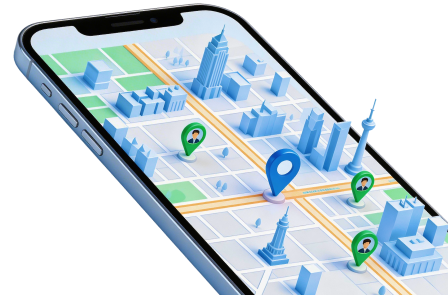
Dr.Fone - Virtual Location provides a desktop GPS-simulation workflow for supported phones. Its destination, route, speed, and joystick functions concern the reported location, not modification of a game's authorization rules. It is not described here as a VMOS bypass, a recovery toolkit, or a guarantee against account restrictions.
For a permitted mapping or development task, this is a different workflow from the source's virtual-machine file modifications. Check current device requirements before use, and do not assume that support for a phone means support for every app installed on it. Pokemon GO's prohibition on falsified location still applies.
Step 1 Connect the supported phone
Open the desktop location module, connect the intended device, and complete its authorization prompts. Confirm that the program recognizes the correct phone.
Step 2 Choose the virtual position
Select Teleport mode, search for the test destination, inspect the map pin, and confirm with Move Here. This applies simulated GPS rather than changing the physical device's actual whereabouts.
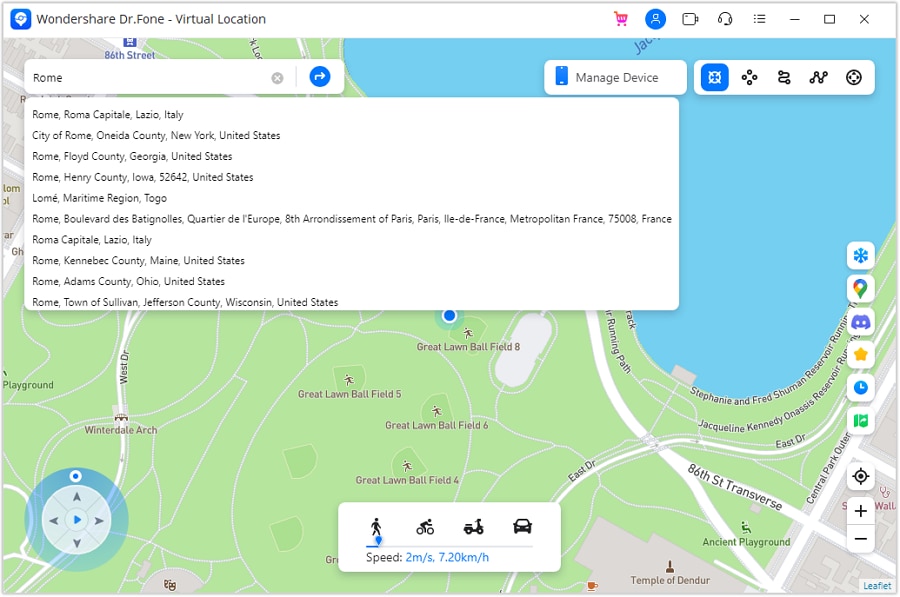
Step 3 Verify and end the test
Check the reported position in the phone's Maps application, then follow the restoration prompt and restart the device when finished. Reopen Maps to confirm actual location reporting has returned.
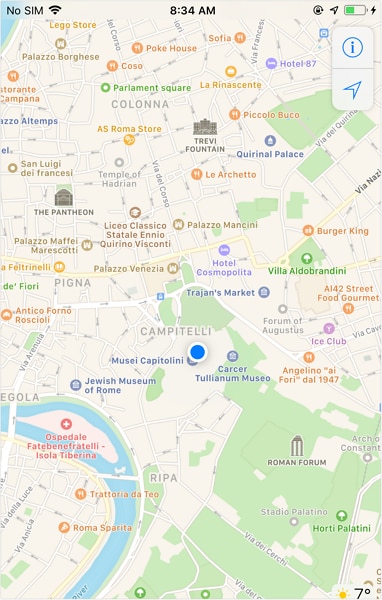
Neither a desktop simulator nor a virtual Android guest can promise a successful Pokemon GO session or immunity from penalties. Use location simulation only where permitted, and never interpret marketing language about ease of use as a guarantee of game approval.




Conclusion
The old VMOS method combined installation permissions, guest-root tools, location settings, protected-file changes, and a GPS joystick. It should not be presented as a verified current solution or a ban-free technique. Developer options are not root, system-directory deletion is not a reliable repair, and virtualized GPS does not override game rules. For Pokemon GO, use a supported setup and official gameplay; keep any authorized location tests separate.
FAQ
1. Is VMOS guaranteed to work with current Pokemon GO?
No. The source provides a legacy workflow, not a current compatibility test. A virtual Android environment can be available even when a particular game rejects or prohibits it.2. Does tapping Build number seven times root my phone?
No. It enables Developer options on applicable Android versions. Host root access and any Root mode inside a VMOS guest are separate matters.3. Should I delete xbin or disable Find My Device to fix VMOS gameplay?
No general safe fix is established by those old instructions. Protected-directory deletion can damage an environment, and disabling recovery features does not prove that game checks are bypassed.4. Is Dr.Fone - Virtual Location a ban-free substitute?
No. It is a GPS-simulation tool for supported devices and permitted uses. It does not remove Pokemon GO's location rules or guarantee account safety.
 Add Wondershare Dr.Fone as a preferred source on Google