Teleport your device anywhere instantly with one click.

 100% Security Verified | No Subscription Required | No Malware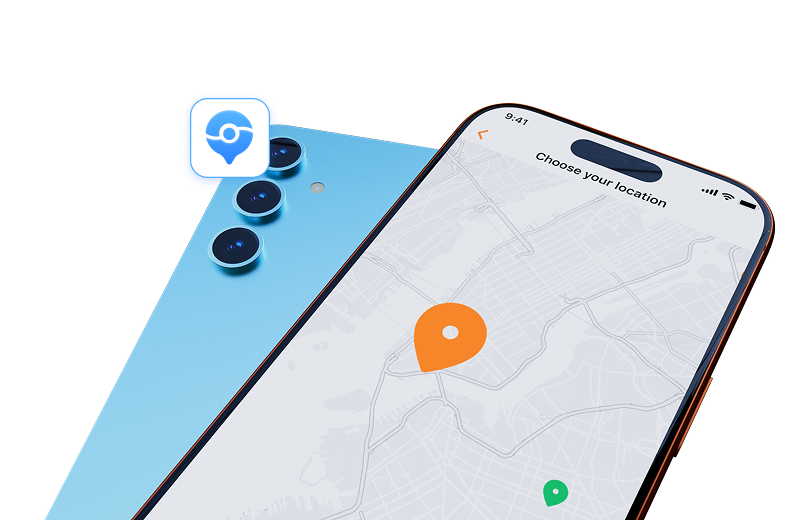

 :
: 
 ChatGPT
 Perplexity
 Gemini
 Claude
 Grok
Grok

Hi, I've tried to use a few fake GPS apps for my delivery driver work, and they work on most platforms. But Uber always seems to detect them. Is there a reliable way to fix this issue?
An Uber Driver's Forum
Many users, especially Uber drivers, often look for ways to change their GPS location. For drivers, it can be a strategy to appear in high-demand or surge-pricing areas to maximize earnings. For riders, it might be about booking a car for someone at a different location or simply for privacy reasons. However, Uber has sophisticated systems to detect location manipulation, making most standard GPS spoofing apps ineffective.
This guide will provide a comprehensive overview of how to safely and effectively fake your GPS on Uber in 2026. We will explore the most reliable methods for both iPhone and Android, discuss the potential risks involved, and introduce a powerful tool that significantly lowers the chance of detection.
In this article
Part 1. Understanding Uber's GPS and the Risks of Spoofing
Before attempting Uber GPS spoofing, it's essential to understand how its system works and the potential consequences. Uber doesn't rely on a single source for location data. It integrates several leading navigation services, including its own Uber Nav, alongside industry giants like Google Maps, Waze, Sygic, and Navmii. This multi-layered approach helps ensure accuracy and makes it more challenging to fool the system.
Faking your GPS location on Uber is a violation of their terms of service. If detected, you could face consequences such as:
- Account Suspension: Your account may be temporarily suspended while Uber investigates the activity.
- Permanent Deactivation: Repeated or blatant attempts at GPS spoofing can lead to a permanent ban from the platform.
- Loss of Earnings: For drivers, any earnings made through fraudulent means may be forfeited.
- Safety Concerns: Providing an inaccurate location can create confusion and potential safety risks for both riders and drivers.
Therefore, using a crude or unreliable method is not recommended. A sophisticated and stable tool is necessary to minimize these risks.
Part 2. The Safest Method to Fake Your Uber GPS Location on Any Device
For a secure and reliable experience with fake GPS on Uber, a desktop application offers far greater control and stability than mobile-only apps. Dr.Fone - Virtual Location (iOS/Android) stands out as the premier solution for this task. It allows you to change your phone's GPS coordinates from a computer, making the spoofed location appear authentic to apps like Uber.
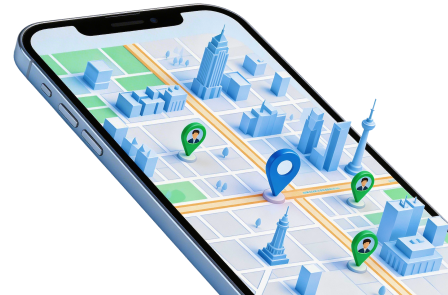
 Set your map route to simulate GPS movement.
- Set your wanted movement speed.
- HD and large map view to check location.
- Fake GPS location to anywhere.
Here’s a step-by-step guide on how to use Dr.Fone to change your Uber location:
-
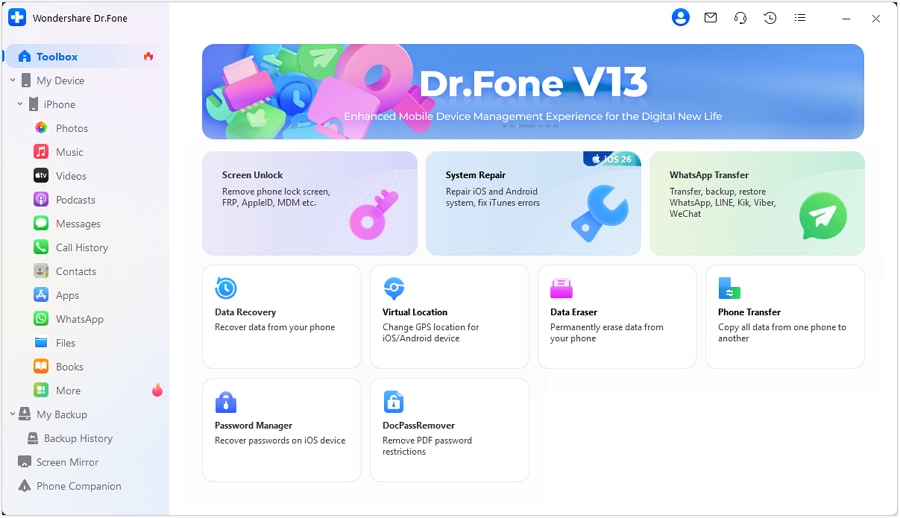
Step 1 Download and Launch Dr.Fone
First, download and install the Dr.Fone toolkit on your computer. Launch the program and select "Virtual Location" from the main dashboard. Connect your iPhone or Android device to the computer via a USB cable and click "Get Started."
-
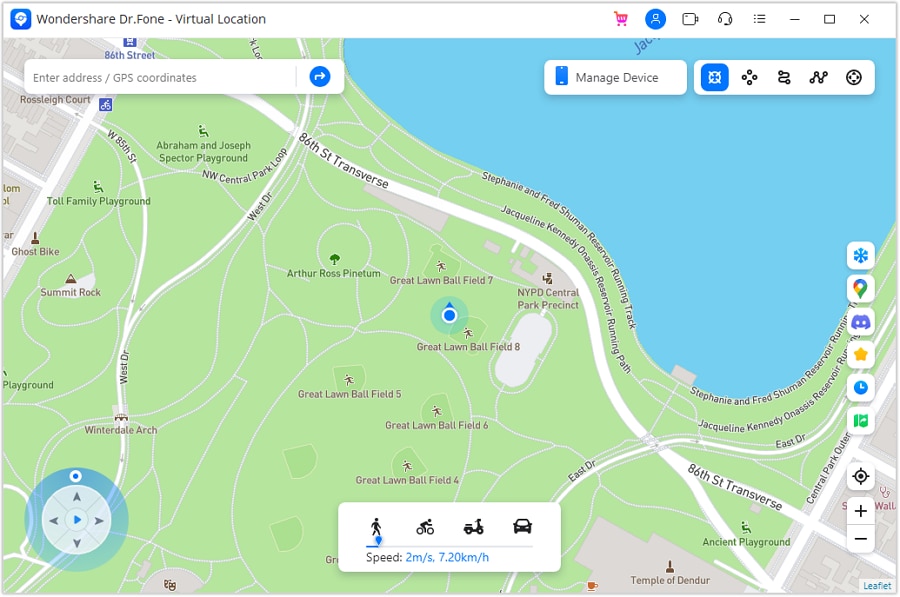
Step 2 Pinpoint Your Actual Location
The software will display a map. To ensure it has correctly identified your device's current location, click the "Center On" icon (it looks like a target or crosshair). This will calibrate the map to your real-time position.
-
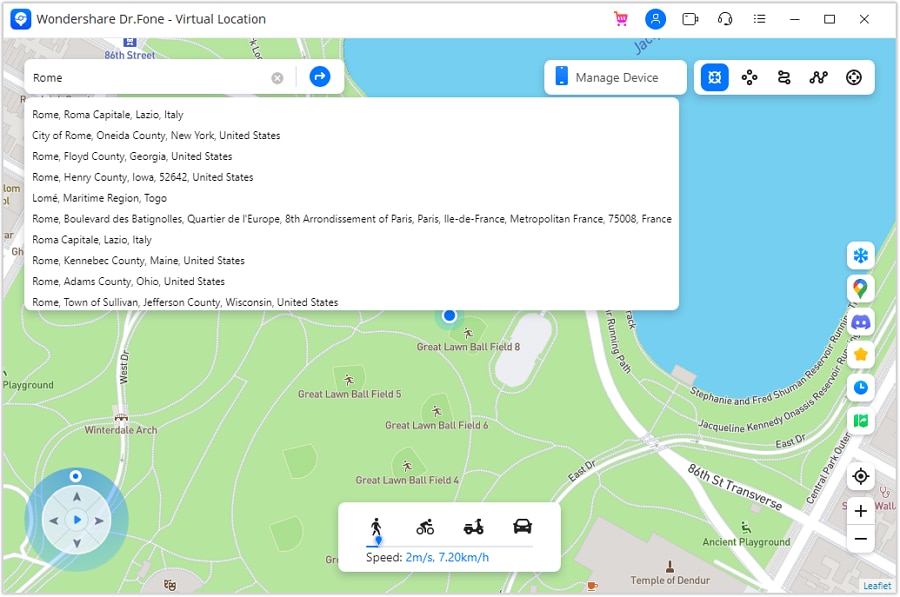
Step 3 Activate Teleport Mode
In the top-right corner of the screen, you'll see several icons. Click the third one from the left to activate "Teleport Mode." This allows you to instantly jump to any location worldwide.
-
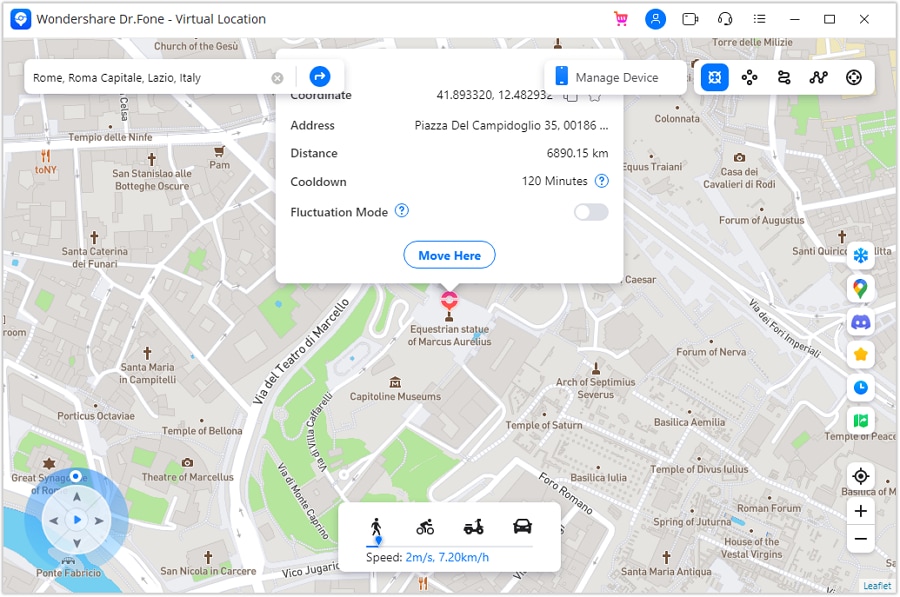
Step 4 Select Your Desired Uber Location
Enter the address or coordinates of your desired location in the search bar at the top left. Once the location appears on the map, a pop-up box will show the details. Click "Move Here" to set this as your new GPS location.
-
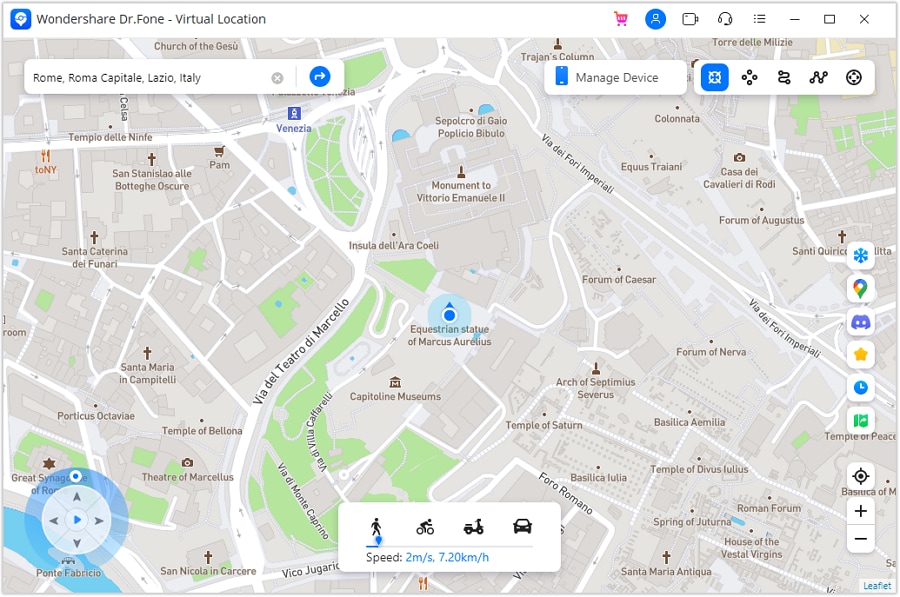
Step 5 Verify the New Location on Your Phone
Your device's GPS will now reflect the new location you set in Dr.Fone. You can open Uber or any other map application on your phone to verify that your location has been successfully changed. This completes the process.
Part 3. Alternative Methods for Android (With Cautions)
While Dr.Fone is the recommended universal solution, Android users have access to several app-based options. These methods require enabling "Developer options" and setting a "mock location app." However, be aware that these apps are often less stable and more susceptible to detection by Uber's systems.
3-1. Hola Fake Location
Hola is a well-known name in the VPN space, and they also offer a location spoofing app. To use it, you first need to set your device's location mode to "GPS only." Then, open the Hola app, choose the desired location on the map, and press the play button to activate the fake GPS signal.
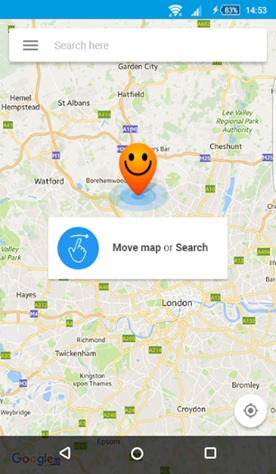
3-2. Fake GPS Go
This is another popular app dedicated to location spoofing. The setup is similar: set your location mode to "GPS only" in your phone's settings, choose your new location within the app, and tap the "Go" button. Your device will then start broadcasting the new coordinates. It's a straightforward option for those looking to quickly fake GPS for Uber in 2026.

3-3. Location Changer
Location Changer provides a simple interface for setting a new location. After enabling mock locations in your Developer options and selecting this app, you can easily change your position. While easy to use, like other mobile apps, its reliability with sophisticated platforms like Uber can be inconsistent.

Part 4. How to Choose a Reliable GPS Spoofing Tool
When selecting a tool for GPS spoofing Uber, it's crucial to prioritize reliability and safety. Here are key factors to consider:
- Compatibility: Ensure the tool supports your device and its operating system version (both iOS and Android).
- Stability: A good spoofer should maintain a stable connection and not fluctuate or revert to your real location, which is a red flag for Uber.
- Ease of Use: The interface should be intuitive, allowing you to change locations without complex technical steps.
- Detection Risk: Desktop-based solutions like Dr.Fone are generally harder to detect than mobile apps because they control GPS data at a more fundamental level.
- Additional Features: Look for features like multi-spot route simulation, variable speed controls, and joystick mode, which can make the faked movement appear more natural.
Conclusion
Faking your GPS location on Uber can offer advantages, but it comes with significant risks if not done carefully. While Android offers several app-based solutions, their reliability is often questionable and can put your account in jeopardy. For a consistent, safe, and effective method that works seamlessly on both iPhone and Android devices, Dr.Fone - Virtual Location (iOS/Android) is the superior choice. Its desktop-controlled interface provides the stability and precision needed to bypass detection, making it the most trustworthy tool for managing your location on Uber and other apps.




FAQ
-
1. Can Uber still detect fake GPS in 2026?
Yes, Uber continuously updates its detection algorithms to identify and flag inconsistencies in GPS data. App-based spoofers that cause location jumps or instability are easier to detect. Desktop tools like Dr.Fone offer a more stable method by controlling the device's GPS data at the system level, making it less detectable. -
2. Are there any risks to my Uber account if I spoof my location?
Yes, faking your location is a direct violation of Uber's terms of service. If your activity is detected, you risk consequences ranging from a temporary account suspension to permanent deactivation. Using a highly reliable and stable tool is crucial to minimize this risk. -
3. Does changing my GPS for Uber affect other apps on my phone?
Yes. When you change your device's GPS location, it affects all location-based applications. This includes Google Maps, Apple Maps, weather apps, Find My, and social media check-ins. Tools like Dr.Fone allow you to easily stop the spoof and revert to your real location whenever you need to. -
4. Why is a desktop application better than a mobile app for Uber GPS spoofing?
Desktop applications provide more precise and stable control over the GPS data your device broadcasts. They are generally more robust, less prone to crashing, and harder for sophisticated apps like Uber to detect compared to mobile-only spoofer apps, which can be flagged more easily by the operating system.
 Add Wondershare Dr.Fone as a preferred source on Google