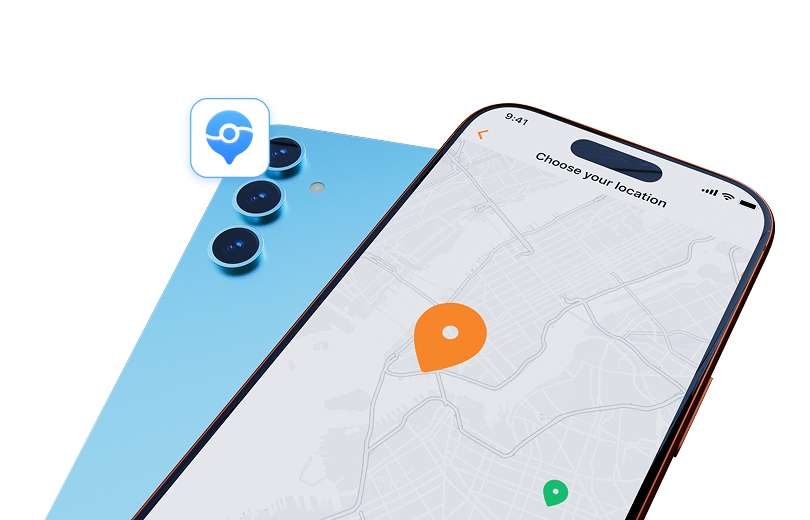
Teleport your device anywhere instantly with one click.


 100% Security Verified | No Subscription Required | No Malware

 :

 ChatGPT
 Perplexity
 Gemini
 Claude
 Grok
Choose Location Changer for straightforward map-pin control and a joystick; consider Mock Locations when road routes, timed stops, or GPX replay are central to your test. Neither app can promise that every Android app will accept simulated coordinates, and neither should be mistaken for an IP-address privacy service.
This comparison separates documented functions from the older article's user opinions and numerical snapshots. Both listings have evolved: Location Changer now explicitly lists GPX import, so the original 'joystick only' distinction is no longer accurate. Evaluate the installed version on your own phone before paying.

In this article
- Part 1: Location Changer VS. Mock Locations
- Part 2: Location Changer VS. Mock Locations: Key Features Compare
- Part 3. Location Changer VS. Mock Locations: How They Work Compared?
- Part 4. Location Changer VS. Mock Locations: User Reviews and Ratings
- Part 5. Location Changer VS. Mock Locations: Pros and Cons Compared
- Part 6. Comparison of Location Changer and Mock Locations
Part 1: What Location Changer and Mock Locations Actually Change
These Android tools supply test coordinates through the operating system's mock-location mechanism. A pin can represent a fixed position, while movement controls can make coordinates progress over time. That is useful for checking a location-aware app without repeatedly moving the physical handset.
The original description overstated their reach by promising a replacement location for all apps and websites. A service may reject mock data, use an IP address, or combine several signals. Background operation is not invisibility: Android can identify a location as mocked, and application rules still apply. Avoid using either tool to misrepresent an emergency location or evade another service's restrictions.
Part 2: Compare Pins, Joysticks, Routes, and GPX Support
Location Changer's current listing describes long-press map pins, a movable joystick, speed adjustment, detailed location information, and GPX import. It also describes several pins with an interval and a Drive option for movement between them. Those functions make it more than the single-mode utility described in the old comparison. Screen-off behavior and battery restrictions can affect the timing.
Mock Locations documents a road-route mode with start and end points, parking points, adjustable speed, and configurable pauses. Its joystick needs permission to display over other apps. It can replay a recorded GPX track, run at one selected point, or use straight-line movement when the road-following option is disabled.
There is therefore no meaningful automatic tie based on counting two modes against one. Compare the controls you need: quick pin placement, manual movement, repeatable track replay, or a route with stops. Also distinguish 'the app is running in the background' from 'the target service cannot detect it'; the latter is not established by either workflow.
Part 3: Set Up Android and Run Each App
Both examples require selecting the intended mock-location provider. Android's settings vary across manufacturers, so use the field names below rather than assuming every phone has an identical System menu. The retained screenshots show older Android layouts and are not evidence that every pictured checkbox still exists.
Step 1 Find the device information
Open Settings and locate About phone. Some phones place it within System, while others show it directly. On Samsung models, Build number is commonly inside Software information.
Step 2 Unlock Developer options
Tap Build number seven times and complete any device-authentication prompt. Look for the confirmation that developer settings are enabled. Do not alter unrelated developer switches.

Step 3 Locate the mock-provider selector
Return to Developer options and find Select mock location app. The older Allow mock locations checkbox in the source image is version-dependent; on current devices, select the installed provider by name instead.

Step 4 Check the main Location setting
Keep device Location enabled and grant permissions required for the chosen test. The pictured GPS-only Location Mode belongs to an older interface, not a universal prerequisite. Use your handset's available settings and avoid disabling connectivity simply to copy the image.

How to Set a Position with Location Changer
Step 1 Install and open the correct app
Find Location Changer by Netlinkd, review its permissions, and launch it. Similar names in an app store do not guarantee that you have the utility discussed here.
Step 2 Choose the destination
Search for the place or long-press the map to position a pin. Inspect the selected point before starting, especially where several search results have similar names.

Step 3 Follow the settings prompt
If the app asks to configure a mock provider, follow its prompt to Developer options. The Yes dialog in the original walkthrough is a shortcut to those settings, not proof that the provider is already selected.

Step 4 Select the provider and start
Choose Location Changer under Select mock location app, return to the utility, and start the simulation. Check the result in a map or your own test app. To finish, tap Stop before removing the mock-provider selection; verify your real position afterward.

How to Set a Position with Mock Locations
Step 1 Install the matching utility
Locate Mock Locations (fake GPS path) by Dvaoru in Google Play. Review the current trial and purchase conditions rather than assuming a free installation includes unlimited access.
Step 2 Complete its setup prompts
Open the app and allow the permissions needed for the mode you intend to use. The floating joystick specifically needs display-over-other-apps permission; do not grant unrelated access without understanding why it is requested.
Step 3 Define a point or route
Choose a point for stationary testing, or enter route endpoints and the desired movement settings. Review speed and pauses before playback rather than assuming every test should travel continuously.

Step 4 Assign the app and run the test
In Developer options, select Mock Locations as the mock provider, return to the app, and press its start or play control. Check whether your target app accepts the result. Stop playback when finished and confirm that normal location reporting resumes.

Part 4: Interpret the Source Article's Reviews and Ratings
The original article reproduced six individual comments but did not establish a current, independently verified review sample. The summaries below retain the substance and reported scores without presenting accusations as facts or implying fresh hands-on testing. Store ratings and subscription details can change.
| Source reviewer | App and reported score | What the comment contributes |
|---|---|---|
| Make Name Acceptable Go | Location Changer, 5/5 | Reported an easy start and a responsive developer. Asked whether a 24-hour ad-removal option could be reused and whether altitude and speed values had clear units. These are interface questions to inspect in the current version. |
| Ashley Morgan | Location Changer, 5/5 | Described a small learning curve and satisfactory free use, then bought premium with expiring rewards credit. Liked movement controls and unobtrusive advertising, and reported stable background use. One person's experience cannot establish universal reliability. |
| James Stikeleather | Location Changer, 5/5 | Liked placing favorite pins and found the free pin limit adequate before subscribing for more pins, fewer ads, and a joystick. Also distinguished GPS changes from an ISP-visible IP address; using a separate VPN was that reviewer's choice, not a feature of this app. |
| Shashwat Singh | Mock Locations, 1/5 | Raised concerns about advertising and analytics trackers, naming Yandex, Liftoff, and Google. The original accusation of spyware was a user allegation, not a verified security finding. Inspect present disclosures and permissions rather than treating the accusation as established. |
| John Mal | Mock Locations, 1/5 as reproduced | Praised low battery impact, little position bouncing, and a convenient setup, while describing a return to the original location after extended background use. Suggested battery saving as a possible cause. The positive wording conflicts with the reproduced score, so this entry cannot reliably support a numerical verdict. |
| Suraj Chari | Mock Locations, 2/5 | Reported variable speed and brief jumps between actual and simulated coordinates. This is a useful failure mode to test, not proof that every current installation behaves that way. |
Part 5: Weigh the Practical Pros and Cons
Ease of use and a small installation footprint were favorable themes in the source, but neither proves privacy, safety, or compatibility. Treat background reliability and battery effects as device-specific checks. A phone that keeps its display awake can consume power even if an app feels lightweight.
| App | Potential advantages | Limitations to check |
|---|---|---|
| Location Changer | Direct pin selection, joystick control, useful coordinate information, and a comparatively approachable workflow. | The source mentions ads, crashes, and wakefulness. Its reviews disagree about ad intrusiveness; assess the installed edition. Battery restrictions may interrupt background operation. |
| Mock Locations | Route planning, road following, timed pauses, joystick operation, and GPX replay offer several test patterns. | The source describes an older-looking interface, difficult GPX imports, and sleep-related concerns. Check your actual file and battery behavior during the trial rather than assuming imported routes work perfectly. |
Part 6: Compare the Evidence Before Choosing an Alternative
| Decision factor | Location Changer | Mock Locations |
|---|---|---|
| Core controls | Pin selection, joystick, speed, multiple pins, Drive, and GPX import are documented in the current listing. | Stationary points, road routes, pauses, joystick, and GPX replay are documented. |
| Background behavior | The developer describes reboot continuation and warns about battery restrictions. That does not mean operation while the phone is powered off. | Test screen-off and long-session behavior; the source itself contains a report of position resetting. |
| Android availability | The source listed Android 4.4 and later. Verify the current store's device eligibility instead of treating this as a universal compatibility promise. | The same older Android 4.4 threshold appeared in the source; check the current listing for your device. |
| Stability | The old comparison alleged frequent crashes without a controlled test. | The old table asserted no unexpected crashes, but its comments describe other reliability problems. No definitive winner follows. |
| Price reference | The source quoted $2.99 per item, not a verified current universal price. | The source quoted $0.49–$10.99 per item. The current listing describes a 24-hour premium trial; read the actual checkout terms. |
| Support | One reproduced reviewer praised responsiveness; it is not a service-level guarantee. | The source's negative support verdict lacks a transparent measurement method. |
| Aggregate rating reference | The source cited 4.4/5. | The source cited 4.0/5. Neither old score should be used as today's store rating. |
Which App Better Fits Your Location Test?
Start with Location Changer if a simple pin-and-joystick workflow matters most. Try Mock Locations if repeatable routes, road behavior, and timed stops are your main requirements. Since both now document GPX-related functions, examine the specific import or playback controls instead of deciding from an obsolete feature count.
Neither old star ratings nor an unverified 'safe' label settles the choice. Confirm installation eligibility, required permissions, screen-off behavior, target-app acceptance, and the cost of the feature you actually need. If the intended service prohibits mocked coordinates, a different interface does not remove that restriction.
A Desktop-Controlled Option: Dr.Fone - Virtual Location
 Set your map route to simulate GPS movement.
- Set your wanted movement speed.
- HD and large map view to check location.
- Fake GPS location to anywhere.
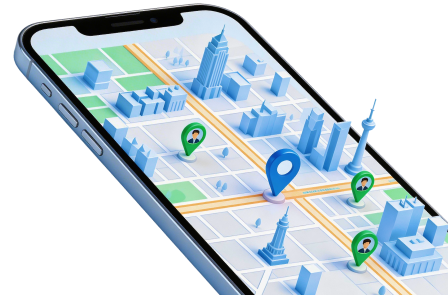
Dr.Fone - Virtual Location provides a computer-based map for supported iOS and Android location tests. Its destination, route, speed, and movement controls offer a different workflow from choosing an Android mock-provider app directly on the phone.
Check platform and application support first. The official product page specifically excludes Pokémon GO from its Android support; generic Android GPS simulation must not be treated as game compatibility. No tool here promises an undetectable session, a changed IP address, or protection from account enforcement.
Step 1 Connect the supported phone
Open Virtual Location on the computer and follow the device-connection and trust prompts. Keep the software's actual requirements in view rather than applying the old Android-version table to this different product.
Step 2 Define the test
Use Teleport Mode to search for a point and confirm Move Here, or configure the appropriate route and speed for a movement test. Inspect the map before running it.
Step 3 Check and end the session
Verify the coordinate in a permitted test app. Stop the simulation and use the restart prompt to restore the actual location, then confirm normal reporting on the handset.
Compare the workflow on a supported device before relying on it; a different control surface is not evidence that another app's restrictions disappear.




Conclusion
Location Changer is a reasonable starting point for accessible map controls, while Mock Locations exposes detailed route-testing options. Your decision should follow the current feature list and a real compatibility check, not old ratings or claims of universal stealth. For a desktop-controlled location test, consider the supported-device workflow of Dr.Fone - Virtual Location while observing the same application restrictions.
FAQ
1. Is Location Changer limited to a joystick?
No. Its current listing also describes pins, multiple-point movement, and GPX import. The source article's single-mode comparison is outdated.2. Which app is more suitable for a route with stops?
Mock Locations explicitly documents road routes, parking points, and pauses. Test the desired route and speed behavior on your device before buying.3. Do these apps change my IP address?
No. GPS mock data and IP-based location are different signals. Location Changer's own listing states that it is not a VPN.4. Why can a map jump back to my real position?
Check that the intended mock provider is selected, playback remains active, and battery restrictions have not stopped the app. A service may also reject mocked coordinates; no universal fix is guaranteed.
 Add Wondershare Dr.Fone as a preferred source on Google