Teleport your device anywhere instantly with one click.

 100% Security Verified | No Subscription Required | No Malware

 :
: 
 ChatGPT
 Perplexity
 Gemini
 Claude
 Grok
Grok
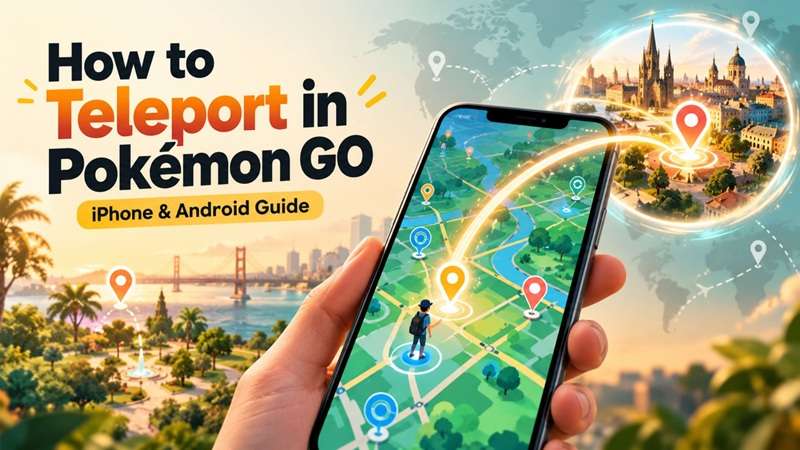
You have a rare Pokémon that spawns thousands of miles away, but your neighborhood has no PokéStops. For some players, Pokémon GO's real-world exploration can be frustrating when mobility is limited, or the weather is bad. GPS teleporting allows you to show up in far-off places without moving an inch. But wait. PokéStops may become unusable, a Pokémon may flee, or your account may get restricted if you suddenly jump.
So, how to teleport in Pokémon GO without taking these risks? This guide evaluates three techniques for both iPhone and Android. It also covers spoofing cooldowns, common location bugs, and other useful precautions to take before spoofing.
In this article
Why Do Players Want to Teleport in Pokémon GO?
Pokémon GO's experience is built on walking and exploration. However, location can impose limits. Rural players may have difficulty finding PokéStops nearby. Others may have issues with mobility, poor weather, or time to travel. As a result, players who want to access more of the game without being limited to their surroundings can use GPS teleporting.
Here's what makes it appealing:
- Catch region-exclusive Pokémon: Complete more of your Pokédex with region-exclusive Pokémon you can find only in other countries, no travel needed!
- Participate in busier Raids: Head to hotspots where players (Raiders & Raid Bosses) are waiting. Don't waste time in empty lobbies or depend on Remote Raid Passes.
- Hatch eggs without walking: Use simulated GPS motion to hatch eggs without walking, and you may be able to get some distance in the game.
- Earn Buddy rewards: Collect Buddy Hearts and Candy to evolve and power up Pokémon with Buddy rewards.
- Experience global events: Visit worldwide event sites through Pokémon GO Fest and Pokémon GO Tour without the need for travel destination bookings.
- Level up faster: Increase your XP earning potential in order to reach Level 80 faster.
- Complete research tasks: Visit the Pokémon and locations required for Special Research and limited-time challenges.
- Get daily rewards: Visit more PokéStops and Gyms and encounter new Pokémon.
- Avoid going out in extreme heat, storms, dark at night, or in risky areas.
While a Pokémon GO teleport hack may seem convenient, GPS spoofing can violate the game's rules and lead to account penalties. There is no guaranteed way to teleport in Pokémon GO without that risk.
Part 1: How to Teleport in Pokémon GO: 3 Methods for iPhone and Android
Not every Pokémon GO teleport hack changes your location in the same way. Some tools replace your device's GPS coordinates, while others only change its internet-facing IP address. On iPhone, desktop location changers offer a non-jailbreak option. Android users can enable mock locations through Developer Options. Here's how these approaches work and what each can actually do.
Method 1: Teleport Pokémon GO on iOS with Dr.Fone - Virtual Location
Changing an iPhone's GPS position usually requires more than installing a basic app. Dr.Fone - Virtual Location provides a computer-based solution that lets you select a virtual destination without jailbreaking your device.
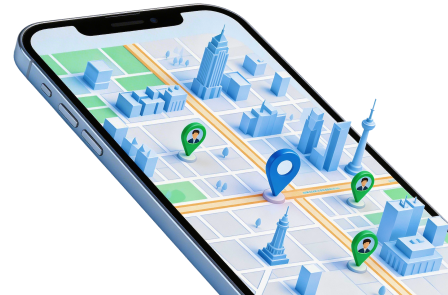
Its Teleport Mode accepts city names and GPS coordinates, while route simulation lets you create paths and adjust movement speeds. The interface also provides a large map for selecting precise locations.
 Set your map route to simulate GPS movement.
- Set your wanted movement speed.
- HD and large map view to check location.
- Fake GPS location to anywhere.
How to use Dr.Fone - Virtual Location:
-
Step 1 Launch Virtual Location and Connect Your iPhone
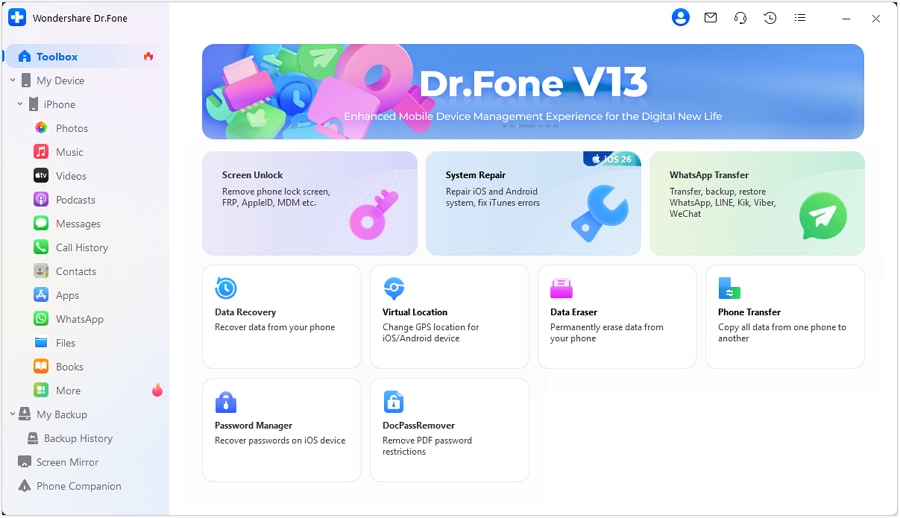
Download and install Dr.Fone on your computer. Open the toolkit and select the "Virtual Location" module. Connect your iPhone to the computer via a USB cable and click the "Get Started" button.
-
Step 2 Activate Teleport Mode and Search
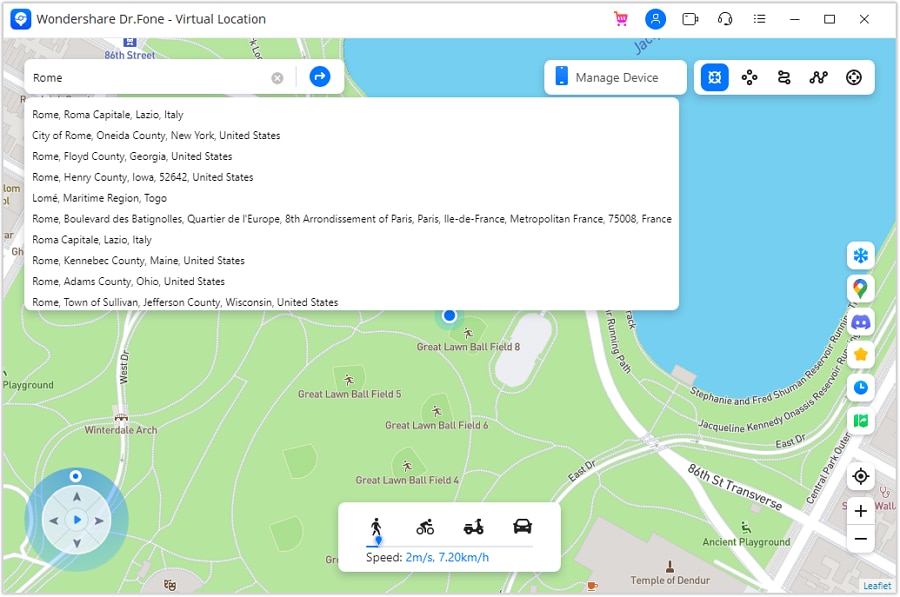
Once the map interface loads, click the first icon in the top-right corner to enter "Teleport Mode". In the top-left search bar, enter a location name or specific Pokémon Go teleport coordinates, then press Enter.
-
Step 3 Move to the New Location
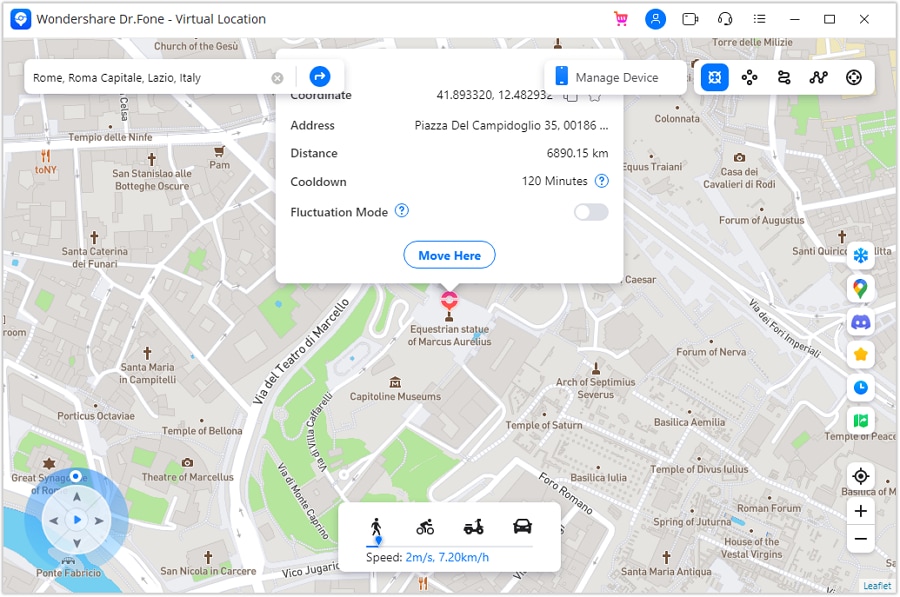
The software will display the searched location on the map. You can adjust the pin for precise placement. When you're ready, click the "Move Here" button in the pop-up box.
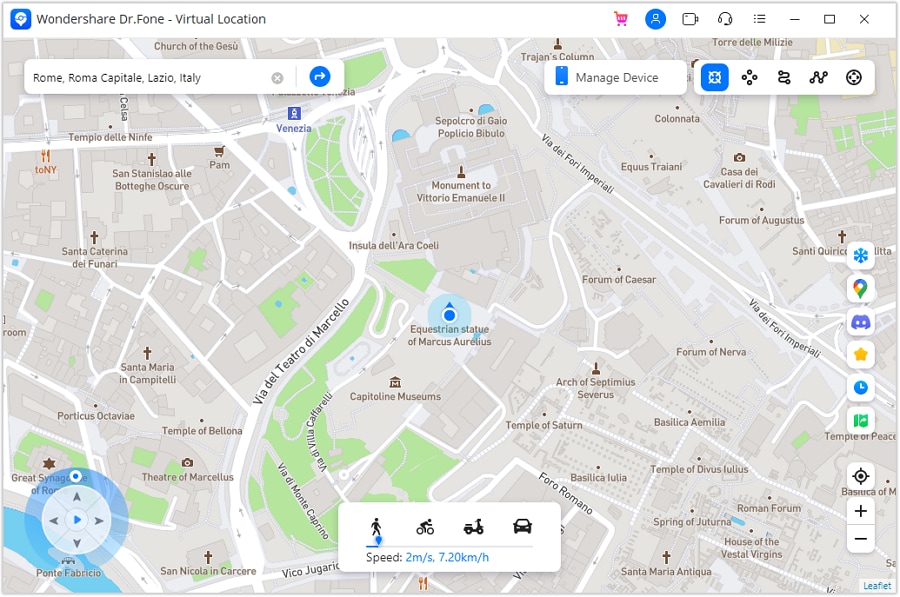
Your iPhone's GPS location will instantly change. You can now open Pokémon Go (after observing the cooldown time) and enjoy playing in your new virtual location!




Method 2: Pokémon GO Teleport Android Using Fake GPS Location
Android makes GPS simulation easier with its built-in mock-location settings. The Fake GPS Location application uses this feature to replace a phone's reported location without root on supported devices.
You can choose a city or enter coordinates manually, making it an easy option for virtual location testing.
How to use Fake GPS Location on Android:
-
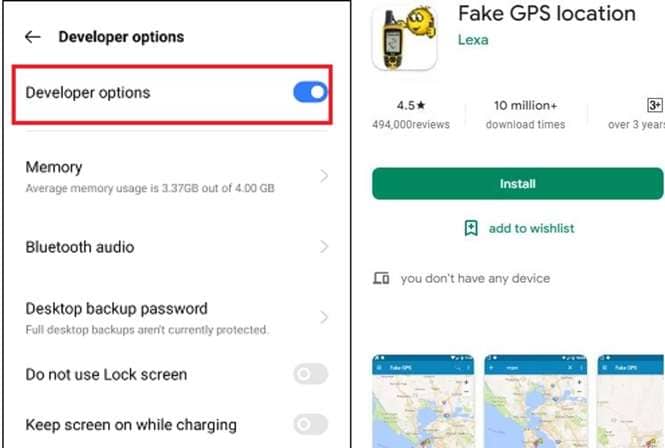
Step 1 Unlock Developer Options
Open Settings > About Phone and tap Build Number repeatedly until Developer Options is enabled.
-
Step 2 Download the App
Find Fake GPS Location on Google Play and install it.
-
Step 3 Set the Mock-Location Provider
Navigate to Developer Options > Select mock location app and choose Fake GPS Location.
-
Step 4 Enter Your Destination
Launch the app and search for a city or GPS coordinates.
-
Step 5 Start GPS Simulation
Tap Start to activate the selected location.
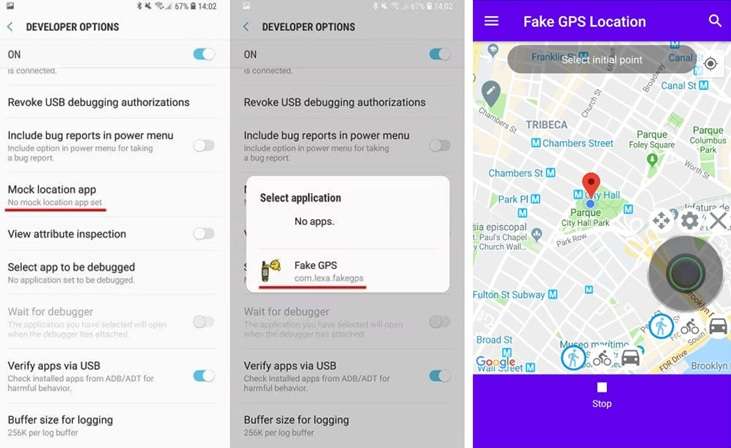
The phone can now provide simulated coordinates to compatible applications.
Method 3: Can a VPN Help You Teleport in Pokémon GO?
A VPN is often talked about along with GPS spoofing tools but is different. It helps in changing your public internet address by routing your connection through another server. This doesn't take the place of the GPS coordinates that determine your Pokémon GO avatar's location.
For instance, a VPN connection to the US could assign your phone a US IP address, while its GPS still reads your location.
How to use a VPN on iPhone:
-
Step 1 Install a VPN
Download a VPN to your Apple iPhone such as NordVPN.
-
Step 2 Connect to Another Area
Sign in and select one of the servers in the country of your choice.
-
Step 3 Launch Pokémon GO
Open the game with the VPN connection active.
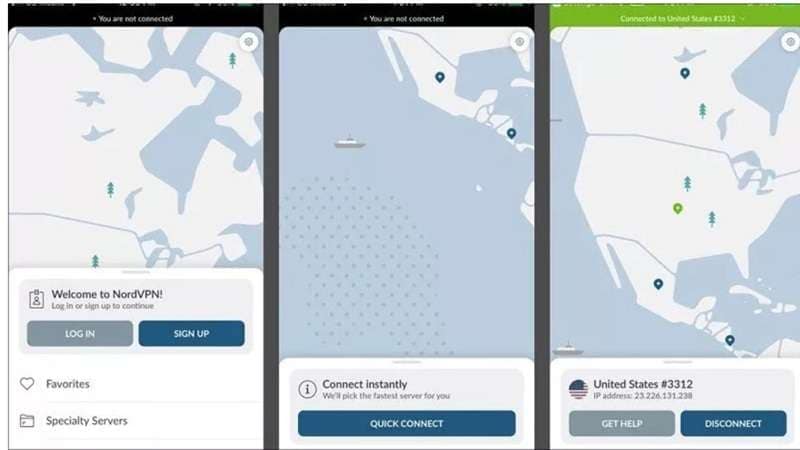
Although your IP address changes, your avatar generally stays at the location provided by your device's GPS.
Part 2: Pokémon GO Teleport Without Ban: 6 Essential Precautions
Teleportation can cause location errors, failed catches, or account bans when the game detects abnormal phone GPS behavior. While there's no way to guarantee safe teleporting in Pokémon GO, these practical tips can reduce technical issues and explain common spoofing-related problems.
Tip 1: Follow the Pokémon GO Spoofing Cooldown
A cooldown is the period you have to wait before doing a location-based action again when catching Pokémon, spinning PokéStops, and Gym actions.
- Before making a long-distance jump, check the cooldown chart.
- Allow time between location-dependent activities.
- Remember that cooldown estimates do not guarantee protection from bans.
Tip 2: Close Pokémon GO Before Teleporting
Modifying your GPS while playing may result in conflicting location findings.
- Always shut down Pokémon GO instead of keeping the app on standby mode.
- Alter your virtual location prior to reopening the game.
- Logging out first is optional, but it is not a proven anti-ban measure.
Tip 3: Stop Auto-Walking and Adventure Sync Activities
Switching locations during simulated movement can create inconsistent travel data.
- Stop any active auto-walking or route simulation.
- Avoid changing destinations mid-journey.
- Check whether Adventure Sync is recording activity when troubleshooting movement issues.
Tip 4: Refresh Your Connection With Airplane Mode
If your phone continues showing an old location, try reestablishing the connection.
- Temporarily activate airplane mode.
- Deactivate it and keep an eye out for the return of online connectivity.
- Verify that the alteration shows the right location.
Airplane Mode doesn't hide GPS spoofing from Pokémon GO.
Tip 5: Check Background Location Services
Some devices may jump between real and virtual coordinates, causing a problem called GPS snap-back.
- Examine the location authorizations for your GPS-spoofing application.
- Check for conflicting background location services.
- Keep essential security tools, including Find My Device, enabled.
Tip 6: Use a Compatible Location Changer
GPS tools which are not reliable can create erratic coordinates.
- Pick software that is compatible with your device and OS.
- Use adjustable route and joystick controls when simulating movement.
- On supported iPhones, Dr.Fone - Virtual Location offers GPS controls without jailbreaking.
Conclusion
Pokémon GO extends far beyond your neighborhood, but exploring it virtually takes more than a quick GPS jump. Understanding how to teleport in Pokémon GO, respecting cooldowns, and recognizing location errors can help you navigate the process.
Dr.Fone - Virtual Location does not jailbreak the iPhone but offers an alternative. Although Android providers mock-location apps while VPNs merely change the IP, Dr.Fone – Virtual Location makes it possible to move on the map on supported iPhones. Beyond gaming, it offers a convenient way to manage the GPS location shared with compatible apps, adding greater location privacy.
 Add Wondershare Dr.Fone as a preferred source on Google