Effortlessly manage data through preview, delete, export, etc.

 100% Security Verified | No Subscription Required | No Malware

 :
: 
 ChatGPT
 Perplexity
 Gemini
 Claude
 Grok
Grok
Banks often password-protect digital statements to secure your sensitive financial information. While this security is essential, it can become a significant hurdle when you need to print, upload, or share a bank statement for a loan application, tax filing, or other official purposes.
Repeatedly entering passwords for multiple statements is tedious and time-consuming. Fortunately, a reliable bank statement password remover can permanently unlock these files, streamlining your workflow and saving you valuable time. These tools are designed to handle the specific encryption used on financial documents safely.
In this article
Part 1. Why Are Bank Statements Password-Protected?
Financial institutions have a critical responsibility to protect your data. Password protection on bank statements is a primary defense against unauthorized access and fraud. Understanding the reasons behind this measure helps appreciate its importance, even when it seems inconvenient.
Protecting Sensitive Financial Data
Bank statements contain a wealth of personally identifiable information (PII), including your full name, address, account numbers, and detailed transaction history. If this data fell into the wrong hands, it could be used for identity theft, financial fraud, or other malicious activities. Encryption and password protection ensure that only the intended recipient can view the document.
Common Password Formats Used by Banks
To balance security with user convenience, banks often use standardized, predictable password formats. These typically involve a combination of personal details you can easily recall, such as:
- Your date of birth (e.g., DDMMYYYY or MMDDYYYY)
- The first few letters of your name combined with your birth date
- A combination of your postal code and the last 4 digits of your account number
- Your customer ID or a portion of your national identification number
Common Issues Users Face
Despite these standardized formats, users frequently encounter problems. You might forget the specific format required by a particular bank, misplace the instructions sent with the statement, or be unable to recall details for an older, less-used account. This is where a statement password remover becomes an essential tool.
Part 2. Understanding PDF Passwords on Bank Statements
Yes, you can legally and safely remove the password from your own bank statement for personal convenience. When you own the document, using a tool to unlock the bank statement PDF is a practical step for easier management. However, it's crucial to understand the types of passwords you might encounter.
User Password vs. Owner Password
PDFs use two distinct types of passwords for security:
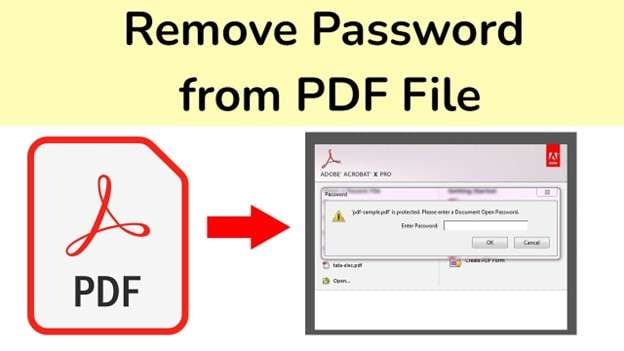
- User Password (or Open Password): This is the most common type used for bank statements. It is required to open and view the document's contents. Without this password, the file is inaccessible.
- Owner Password (or Permissions Password): This password restricts actions *after* the file is opened. It can prevent users from printing, copying text, editing the document, or adding comments. You can typically view the PDF but cannot modify or extract its content.
Most bank statement password issues revolve around the User Password, as it completely blocks access.
When Is It Okay to Remove the Password?
Removing the password from your bank statement is appropriate and often necessary in several common scenarios:
- Submitting Official Documents: When applying for loans, visas, or new jobs, you often need to provide unlocked statements.
- Financial Organization: For tax preparation or personal accounting, having unrestricted access to your files simplifies the process.
- Archiving and Sharing: If you need to store statements in a personal digital archive or share them with a financial advisor, removing the password first is more efficient.
Part 3. How to Remove Password from PDF Bank Statement Securely
When it comes to sensitive documents, using a secure, offline tool is non-negotiable. Dr.Fone – DocPassRemover provides a robust and private solution to remove both open and permission passwords without uploading your data to the internet.
Why Choose Dr.Fone – DocPassRemover?
Dr.Fone stands out as a premier solution for learning how to unlock bank statement PDF password. Its design prioritizes security, speed, and ease of use, making it the ideal choice for handling confidential files.
- Total Security: As a desktop application, it processes your files locally on your computer. Your bank statements are never uploaded to a server, eliminating the risk of data breaches.
- Comprehensive Unlocking: It handles both forgotten User Passwords (which prevent opening) and restrictive Owner Passwords (which block printing/editing).
- High Success Rate: Advanced decryption algorithms ensure a high probability of unlocking your files, even with complex passwords.
- User-Friendly Interface: The process is straightforward, requiring no technical expertise. Simply upload your file and let the software do the work.

Dr.Fone - DocPassRemover
Secure Offline PDF Password Remover
Decrypt open passwords and remove restrictions—all in one secure tool!
Safely convert secured PDFs, even if you don't know the open password. This tool automatically detects the file's lock status and removes restrictions like editing, printing, and copying with a clean and easy interface.
Steps to Unlock a PDF When the Password Is Forgotten
If your bank statement is locked and you can't remember the password, follow this guide on how to remove password from PDF bank statement:
-
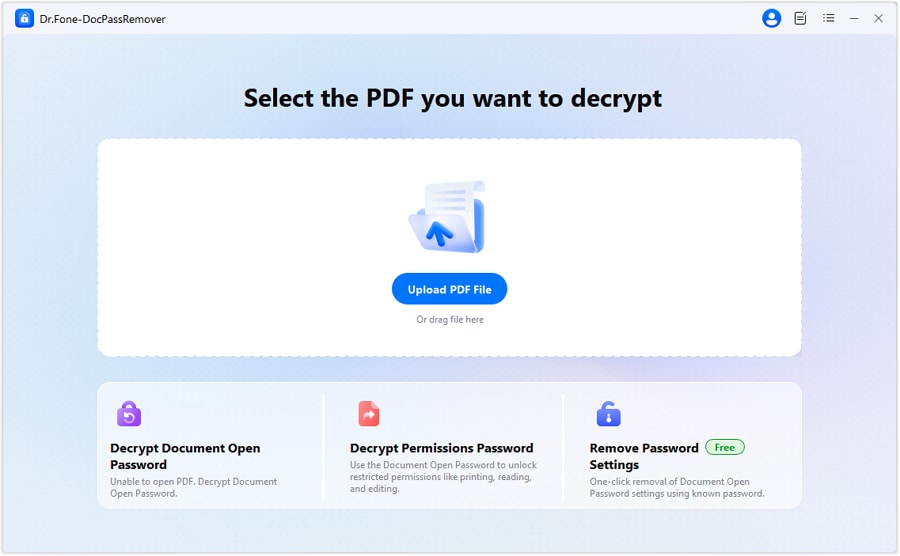
Step 1Launch Dr.Fone and Select the Decrypt Tool
Open the Dr.Fone toolkit on your computer and navigate to the document unlocking feature.
-
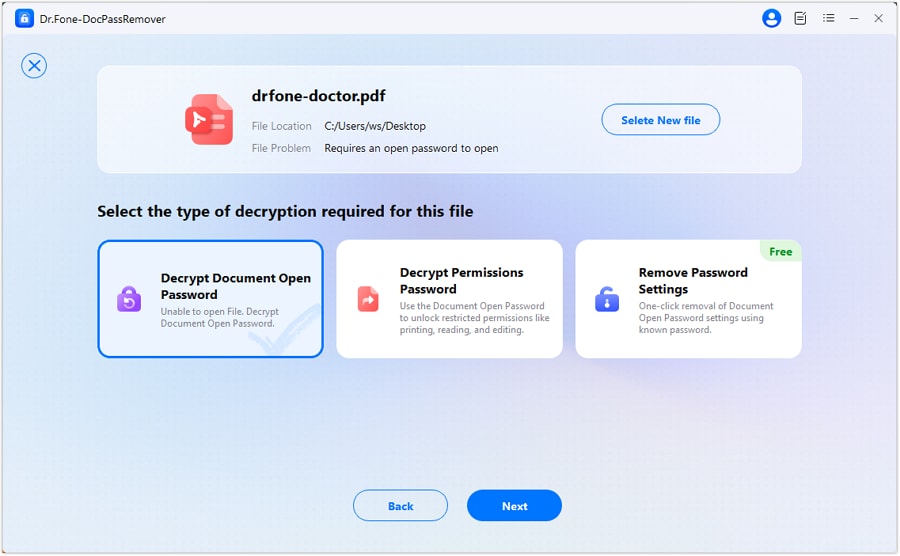
Step 2Upload Your Locked Bank Statement
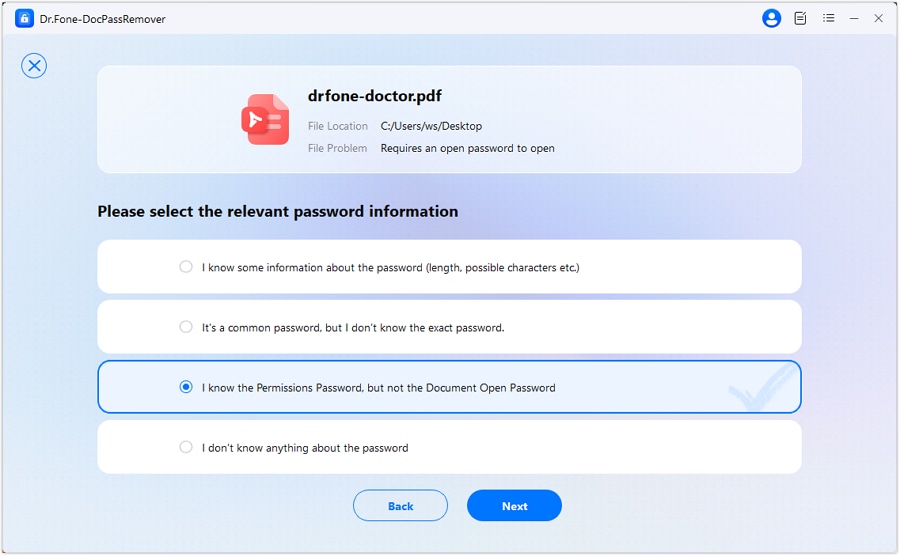
Click to browse for your file or drag and drop the locked bank statement PDF into the program window. Choose the option for "Decrypt Document Open Password."
-
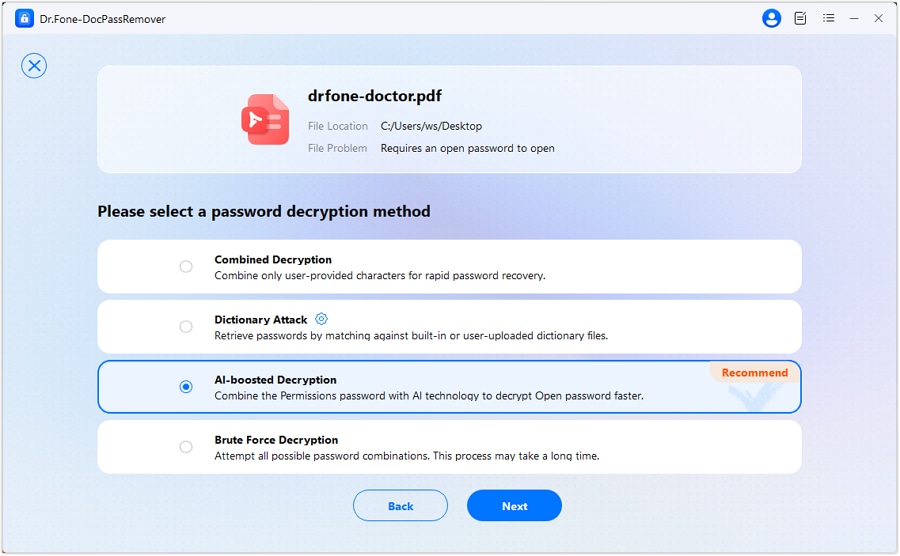
Step 3Choose the Decryption Method
Select the appropriate mode. If you remember any part of the password (like its length or character types), use AI-boosted Decryption for faster results. If you have no clue, choose Brute Force Mode to let the software run a comprehensive analysis.
-
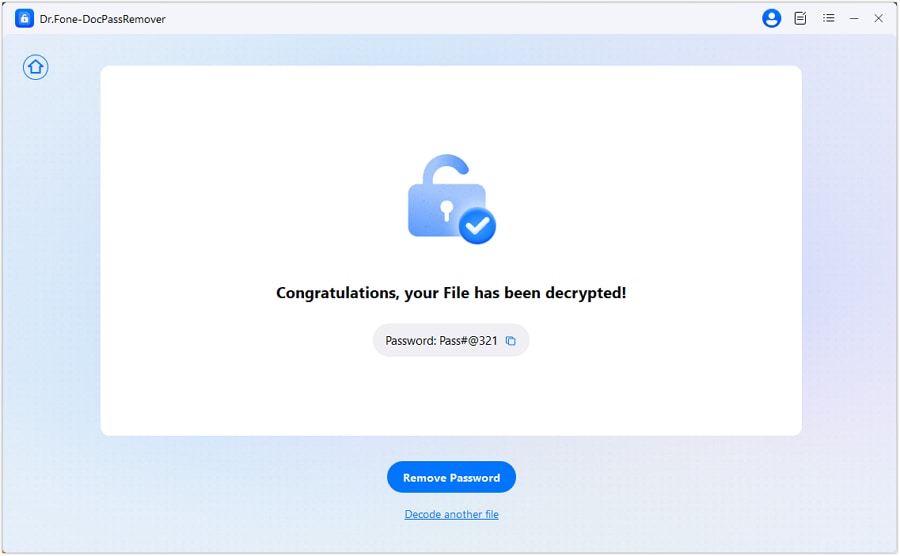
Step 4Start the Unlocking Process
The tool will begin analyzing the file to recover or remove the password. Once completed, you will be notified, and you can save the newly unlocked version of your bank statement.
Steps to Remove PDF Permission Restrictions
If you can open your statement but can't print or copy text, you need to remove the Owner Password. The process is even faster:
-
Step 1Launch Dr.Fone – DocPassRemover
Open the software on your Windows PC (Windows 7 or newer).
-
Step 2Import the Restricted PDF
Drag and drop the file into the program and select the "Decrypt Permissions Password" option from the main menu.
-
Step 3Begin Automatic Decryption
Click "Start Decrypting." The tool will instantly remove the permission restrictions. You can then click "Open Decrypted File" to access the fully functional PDF, ready for printing, copying, or editing.
Part 4. Alternative Methods to Unlock Bank Statement PDFs
While an offline bank statement password remover like Dr.Fone – DocPassRemover is the most secure option, other methods exist. However, they come with significant limitations, especially concerning security and functionality.
Method 1: Manual Unlocking (If You Know the Password)
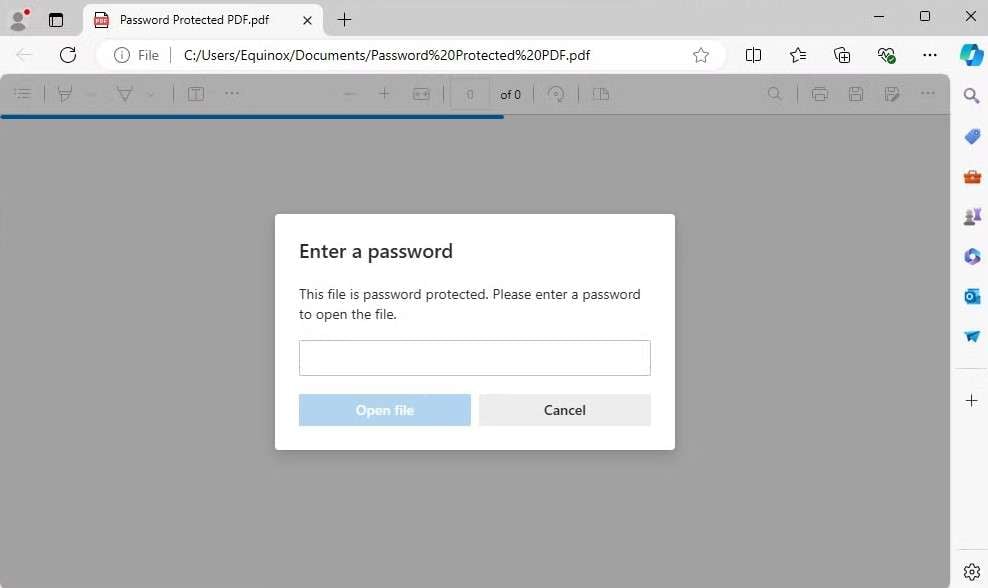
This is the simplest method, but it relies on you knowing the password. Open the PDF in any standard reader, enter the password, and then use the "Save As" or "Print to PDF" function to create a new, unlocked copy. This is only useful if the password isn't forgotten.
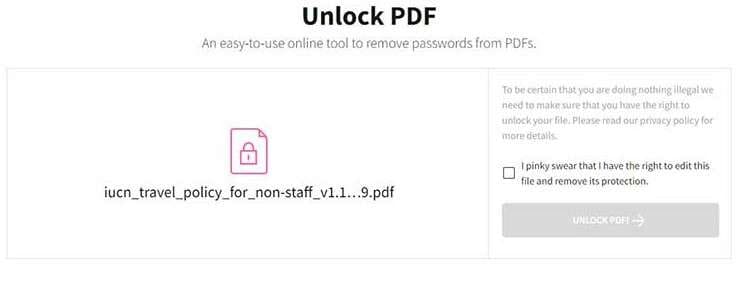
Method 2: Online PDF Unlockers
Web-based tools offer a quick solution by allowing you to upload your file to their server for unlocking. While convenient, this method is extremely risky for financial documents.
- Free and easily accessible
- No software installation required
- Major security risk for bank statements
- Your data can be stored, sold, or breached
- Often have file size and usage limits
- May not work on strongly encrypted files
Method 3: Google Chrome Method
Your web browser can also act as a simple password remover if the permissions are not restrictive.
- Drag and drop the locked PDF into a Chrome tab.
- Enter the password when prompted to view the file.
- Press Ctrl + P (Windows) or Cmd + P (Mac) to open the print dialog.
- Change the destination to "Save as PDF" and save the new, unlocked file.
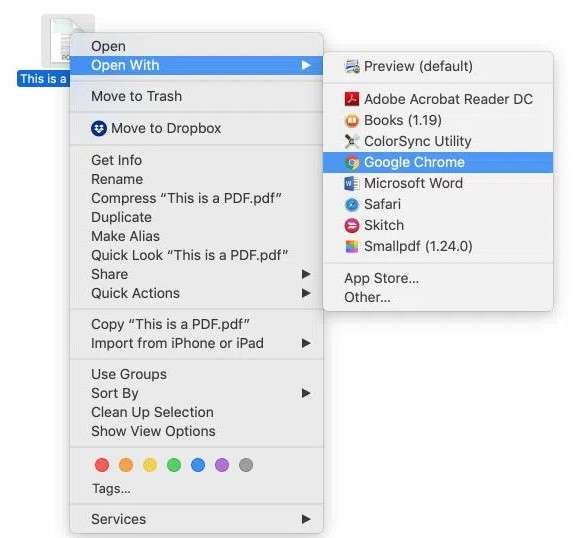
This method is clever but only works if you already know the password and if printing is allowed by the Owner Password.
Part 5. Best Practices for Managing Secured PDF Documents
Constantly dealing with locked PDFs can be a recurring frustration. To streamline your workflow and avoid future password issues, adopt these best practices:
- Use a Secure Password Manager: Store the password formats for different banks in a reputable password manager. This prevents you from forgetting them and keeps them secure.
- Create a Decrypted Archive: Once you receive a statement, use a trusted tool to save an unlocked version in a secure, encrypted folder on your computer for quick access.
- Rely on Secure Offline Tools: For any password removal task, always default to a secure, offline tool like Dr.Fone – DocPassRemover. This should be your standard practice to protect your sensitive data from online threats.
By implementing these habits, you can manage your financial documents efficiently while maintaining the highest level of security.
Conclusion
Navigating password-protected bank statements shouldn't be a source of stress. While password protection is a vital security feature, having a reliable bank statement password remover is essential for efficient document management. Tools like Dr.Fone – DocPassRemover offer the perfect balance of power and security, allowing you to unlock your financial documents safely on your own computer.
Unlike risky online services, this offline solution guarantees your privacy while effectively removing both open passwords and permission restrictions. By understanding how to remove password from PDF bank statement using a secure method, you can regain control over your documents, simplify your financial tasks, and ensure your sensitive data remains protected.




Frequently Asked Questions
-
1. Is it legal to remove the password from my own bank statement?
Yes, it is completely legal to remove the password from a bank statement that belongs to you. The purpose of the password is to protect your data during transmission and from unauthorized third parties. Once you have securely received it, you are free to manage the document for your own convenience, such as for easier access, printing, or submission for official purposes. -
2. Are online bank statement password removers safe to use?
No, using online password removers for bank statements is not recommended. These services require you to upload your sensitive financial documents to their servers, which poses a significant security and privacy risk. Your data could be stored, misused, or exposed in a data breach. It is always safer to use a secure, offline desktop application like Dr.Fone - DocPassRemover. -
3. What's the difference between an Open Password and a Permission Password?
An Open Password (or User Password) is required to open and view the PDF file. Without it, you cannot see the contents. A Permission Password (or Owner Password) restricts actions like printing, copying text, or editing the document after it has been opened. Most bank statements use an Open Password for initial access. -
4. Can I unlock a bank statement PDF if I have completely forgotten the password?
Yes, advanced tools like Dr.Fone – DocPassRemover are designed for this scenario. It uses powerful decryption methods, such as Brute Force and AI-assisted attacks, to analyze the file and recover or remove the password even if you have no memory of it. This process is done securely on your computer without compromising the file's data.
 Add Wondershare Dr.Fone as a preferred source on Google