Effortlessly manage data through preview, delete, export, etc.

 100% Security Verified | No Subscription Required | No Malware

 :
: 
 ChatGPT
 Perplexity
 Gemini
 Claude
 Grok
Grok
While downloading your e-Aadhaar card is a simple process, accessing the document can be a recurring hassle. Many users find themselves stuck at the password prompt, unsure of the correct format to unlock their file. This obstacle becomes particularly frustrating when you're short on time or need to share the document digitally. Entering the same complex password every single time is an unnecessary inconvenience.
As digital document management becomes more common, the demand for a straightforward way to remove the Aadhaar password has grown. This guide provides secure, practical, and user-friendly methods to create a password-free version of your Aadhaar PDF, ensuring you can access your information quickly and without compromising your data's security.
In this article
- Part 1. Understanding the Aadhaar Card PDF Password
- Part 2. How to Remove Aadhaar Password Using Google Chrome
- Part 3. Using Online Tools for Aadhaar PDF Password Removal
- Part 4. A Secure Desktop Solution for Unlocking PDF Documents
- Part 5. Additional Trusted Aadhaar Password Remover Tools
- Part 6. Essential Safety Tips for Managing Your Aadhaar PDF
Part 1. Understanding the Aadhaar Card PDF Password
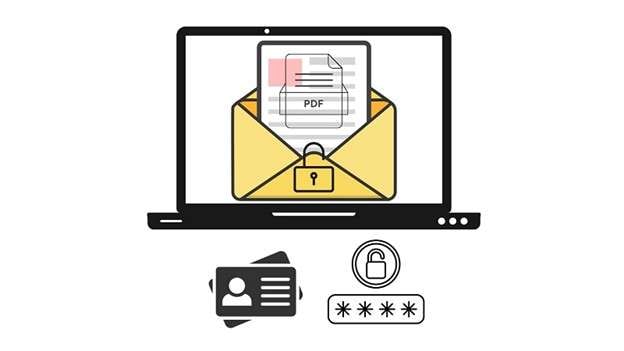
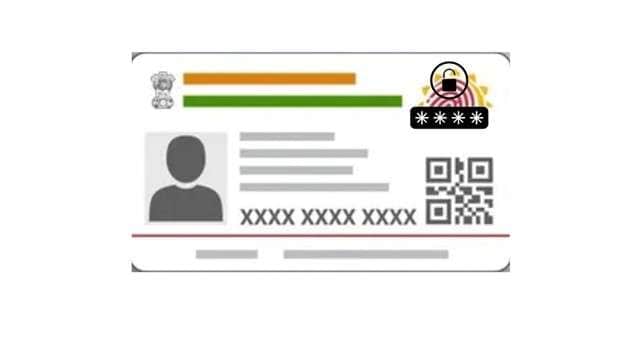
The password protection on your e-Aadhaar card is a security measure implemented by the Unique Identification Authority of India (UIDAI) to safeguard your personal information from unauthorized access. However, this feature can become inconvenient, leading many to search for a reliable Aadhaar password remover.
The Aadhaar card password is not a random string of characters; it follows a specific, consistent format. The password is a combination of the first four letters of your name (in all capital letters) followed by your four-digit year of birth. For example, if your name is Ranjina Chopra and you were born in 1992, your password would be RANJ1992. Without this password, the PDF file remains encrypted and inaccessible.
Types of PDF Passwords You May Encounter
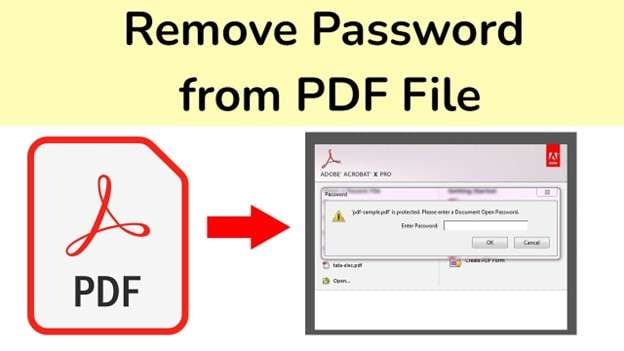
When managing your Aadhaar PDF, you might deal with two different types of passwords that control access in distinct ways:
- Document Open Password: This is the primary password required to view the contents of the PDF. It's the one you need to enter every time you open your e-Aadhaar file. If you forget this password, you are completely locked out.
- Permissions Password: This secondary password restricts certain actions, such as printing, copying text, or editing the document. Even if you can open the file, a permissions password can prevent you from using it freely.
While knowing the password simplifies access, forgetting it renders the document unusable. This is where an effective Aadhaar PDF unlock tool becomes essential. However, it's crucial to use only trusted software to handle a sensitive document like your Aadhaar card.
Part 2. How to Remove Aadhaar Password Using Google Chrome
One of the simplest and most accessible ways to perform an Aadhaar card password remove operation is by using Google Chrome. This method doesn't require any additional software installation and can be done manually in a few minutes, provided you know the original password.
-
Step 1Locate the E-Aadhaar PDF
Find the downloaded e-Aadhaar PDF file on your computer.
-
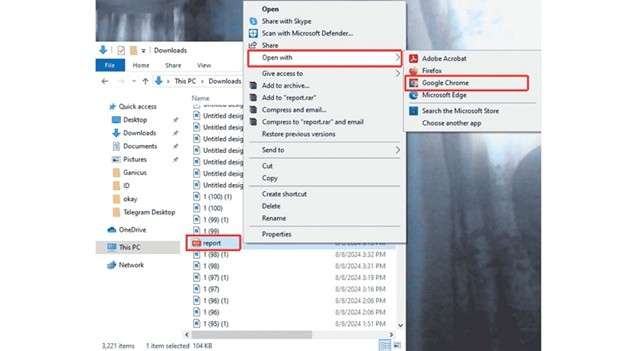
Step 2Open with Google Chrome
Right-click on the file, navigate to "Open with," and select "Google Chrome" from the list of applications.
-
Step 3Enter the Password
When prompted, type in your Aadhaar password (e.g., RANJ1992) and press Enter. The document will now open and be visible in your browser.
-
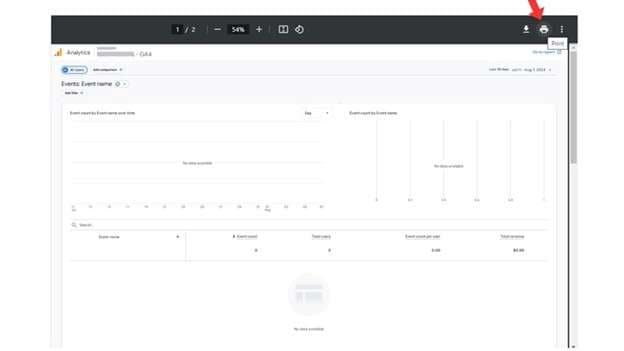
Step 4Open the Print Dialog
Click the Print icon located in the top-right corner of the Chrome window, or use the keyboard shortcut Ctrl+P (on Windows) or Cmd+P (on Mac).
-
Step 5Change the Destination
In the Print settings window that appears, find the "Destination" field and click the dropdown menu.
-
Step 6Select 'Save as PDF'
Choose the "Save as PDF" option from the destination list.
-
Step 7Save the New File
Click the "Save" button. You will be prompted to choose a location and a name for your new file. After doing so, click "Save" again. You now have a new, password-free copy of your Aadhaar card.
Limitations of the Google Chrome Method
- Requires Known Password: This technique is only effective if you already know the password to open the document.
- No Password Recovery: It cannot help you gain access if the password is forgotten or lost.
- Ineffective on Strong Encryption: It may not work on PDFs with advanced or complex permission restrictions.
- Manual Process: You must repeat these steps manually for every new e-Aadhaar file you download.
- No Batch Processing: It does not support removing passwords from multiple files at once, which can be time-consuming.
- Lacks Advanced Features: This method offers no additional security controls or password management capabilities.
For more robust and flexible password management, a dedicated Aadhaar password remover is a more suitable choice.
Part 3. Using Online Tools for Aadhaar PDF Password Removal
For a rapid Aadhaar PDF unlock, online tools present a convenient option. These web-based services allow you to upload your file and remove the password within moments. Their speed and simplicity make them popular for one-off tasks.
However, exercising caution is paramount. Not all online platforms are secure, and uploading a document containing sensitive personal information like your Aadhaar card to an unknown server poses a significant privacy risk. Always choose well-established services with transparent privacy policies.
Here are two reputable options:
- iLovePDF: Known for its user-friendly interface and a wide range of PDF modification tools.
- Smallpdf: A trusted name in online document processing with a strong emphasis on data security and a clean design.

How to Use Online Password Removers
Most online tools follow a similar straightforward process:
-
Step 1Upload the Document
Navigate to the website and upload your password-protected Aadhaar PDF.
-
Step 2Provide the Password
You will be prompted to enter the current password to unlock the file.
-
Step 3Initiate the Unlock Process
Click the "Unlock PDF" or "Remove Password" button to start the process.
-
Step 4Download the Unlocked File
After the tool processes your file, you can download the new password-free version to your device.
Important Considerations for Online Tools
- Privacy and Security Risks: Be extremely cautious. Avoid websites that appear unprofessional or request excessive personal information. Uploading your Aadhaar card means your data is temporarily stored on their servers.
- File and Password Limitations: Free versions of these tools may have restrictions on file size or may not be able to handle PDFs with strong encryption.
- Internet Dependency: A stable internet connection is necessary to upload your document and download the unlocked version.
If you have concerns about data privacy or need a more powerful solution, a dedicated desktop Aadhaar password remover offers a safer and more reliable alternative.
Part 4. A Secure Desktop Solution for Unlocking PDF Documents
If the previous methods are unsuitable due to security concerns or file restrictions, desktop software provides a robust and secure alternative to unlock Aadhaar card PDF files. Unlike online tools, these applications process your files locally on your computer, eliminating the risk of uploading sensitive data to the internet.
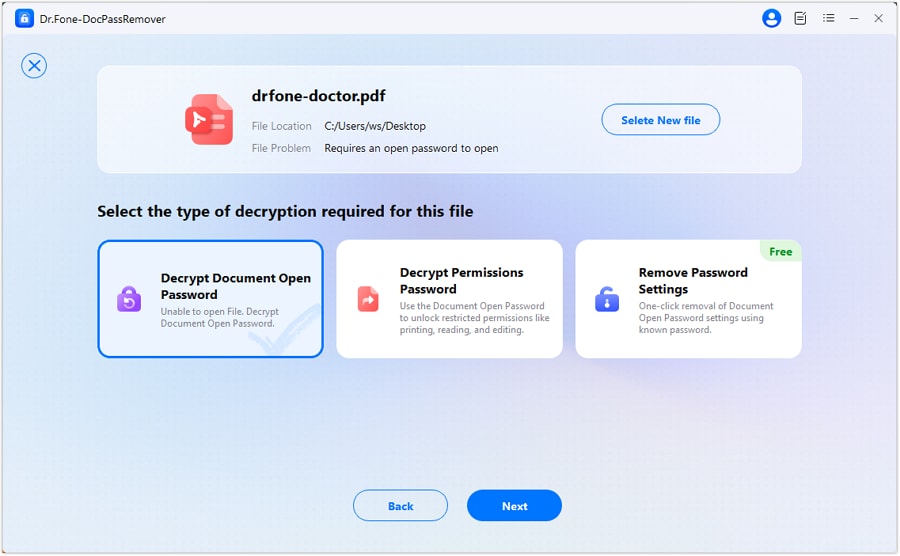
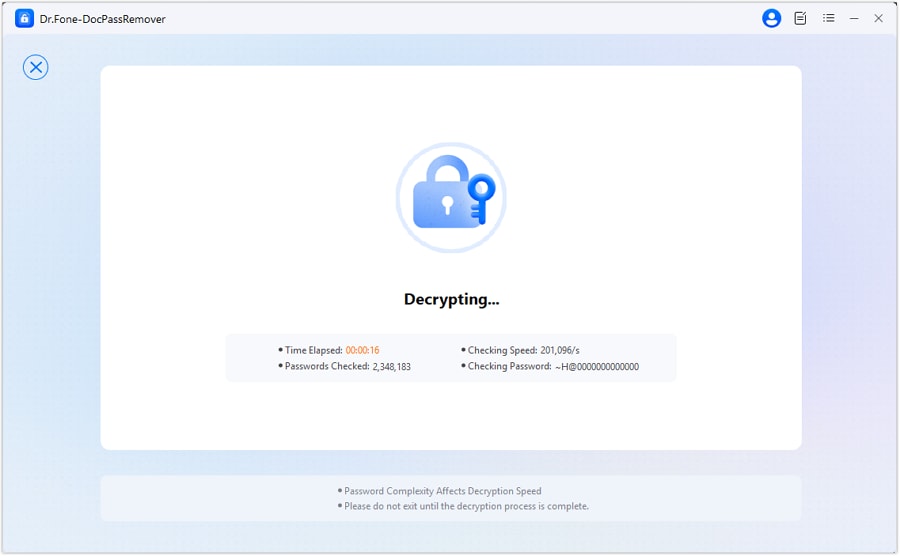
Dr.Fone – DocPassRemover is a specialized tool designed to remove restrictions on copying, printing, and editing from PDF documents. It's important to note that to remove the primary open password, you must know it beforehand. Once the file is opened, Dr.Fone can effectively strip away any permission passwords, granting you full control over your document.
This software is particularly useful for managing multiple documents, as it supports batch unlocking and is compatible with both Windows and Mac operating systems. It is an ideal solution when you need to remove the Aadhaar card password restrictions from several files efficiently.
Step-by-Step Guide to Using a PDF Lock Remover
-
Step 1Download and Install the Software
First, download and install the Dr.Fone DocPassRemover tool on your Windows or Mac computer.
-
Step 2Add Your PDF Files
Launch the application and click the "Add Files" button to import one or more Aadhaar PDF files that you wish to unlock.
-
Step 3Select Files to Unlock
The software will analyze the files. In the "Item" column, you will see the lock status. If prompted, enter the document open password for each file. Select the PDFs you want to process.
-
Step 4Start the Removal Process
Click the "Start" button. The tool will begin removing the permission restrictions from the selected files, saving unlocked versions to your specified folder.

Part 5. Additional Trusted Aadhaar Password Remover Software Options
Besides Dr.Fone, other reputable desktop applications can help you manage PDF security. Here are a couple of well-regarded options:
- Adobe Acrobat Pro DC: As the industry standard for PDF management, Acrobat Pro is an extremely powerful tool. It can remove both document open and permissions passwords, but it is a premium, subscription-based service.
- SysTools PDF Unlocker: This is a user-friendly and effective tool designed specifically for password removal. It is a trusted solution for a straightforward Aadhaar PDF password unlock.
General Steps for Using Desktop Unlocker Tools
-
Step 1Download and Install
Choose your preferred software, download it from the official website, and complete the installation process.
-
Step 2Open Your Aadhaar PDF
Launch the program and open your locked Aadhaar PDF file within the application.
-
Step 3Access Security Settings
Look for a "Security," "Properties," or "Password" option, typically found in the File or Tools menu.
-
Step 4Remove Restrictions
Select the feature to remove passwords or permission restrictions and follow the on-screen prompts.
-
Step 5Save the Unlocked File
Save the document as a new, unlocked PDF file on your computer.
Using a desktop Aadhaar password remover is generally more secure and reliable than online alternatives, giving you greater control over your sensitive documents.
Part 6. Essential Safety Tips for Managing Your Aadhaar PDF
Now that you know how to unlock your Aadhaar card PDF, it is crucial to focus on maintaining the security and integrity of your digital documents.

1. What to Do If You Forgot Your Aadhaar Password?
If you cannot recall your Aadhaar PDF password, do not panic. The password format is standardized. Double-check that you are using the first four capital letters of your name and your correct birth year. If you are still unable to open it, you may need to download a fresh copy of your e-Aadhaar from the official UIDAI website.
2. How to Change Your Aadhaar Details
If your name or date of birth is incorrect, leading to a password mismatch, you must update your details. This can be done through:
- UIDAI Website: Use the official portal to submit requests for demographic data updates.
- Enrollment Center: Visit an authorized Aadhaar enrollment center for in-person assistance with updates.
3. Use Strong and Unique Passwords for Other Accounts
While the Aadhaar PDF password is fixed, this serves as a good reminder for your general digital security. Avoid using simple or predictable passwords for your other online accounts. Always create long, complex passwords that combine letters, numbers, and symbols, and never reuse passwords across different services.
4. Keep Your Aadhaar Information Private
Never share your Aadhaar number or the unlocked PDF file with untrusted individuals or on insecure platforms. Be wary of phishing attempts where someone impersonating a government official or bank employee asks for your details. Only use a trusted Aadhaar PDF password remover on your personal computer to maintain privacy.
Conclusion
Accessing your digital Aadhaar card should not be a repetitive chore. Constantly entering passwords and facing restrictions on printing or copying can hinder productivity, especially when time is critical. While browser-based tricks and online tools offer quick fixes, they often have limitations regarding security and functionality.
For a secure and reliable experience, desktop utilities provide the best balance. Tools like Dr.Fone - DocPassRemover offer a dedicated solution to lift usage restrictions locally on your device, ensuring your sensitive data remains private. By choosing the right Aadhaar PDF password unlock method, you can regain full control over your important documents with confidence and ease.



Frequently Asked Questions
-
1. What is the correct password format for an e-Aadhaar PDF?
The password for your e-Aadhaar PDF consists of 8 characters. It is a combination of the first four letters of your name as written on the Aadhaar card (in all capital letters) followed by your four-digit year of birth (in YYYY format). For example, if your name is Suresh Kumar and you were born in 1990, your password would be SURE1990. -
2. Can I permanently remove the password from my Aadhaar PDF?
Yes, you can create a password-free version of the document. The most common method is to open the locked PDF with the correct password and then use a "Print to PDF" or "Save as PDF" function (available in browsers like Chrome or dedicated PDF software). This creates a new copy of the file without the password protection. -
3. Are online tools safe for unlocking an Aadhaar PDF?
Using online tools to remove your Aadhaar password carries inherent security risks. You are required to upload your document, which contains sensitive personal information, to a third-party server. While reputable sites often delete files after a short period, there is always a potential risk of a data breach. For maximum security, it is recommended to use offline desktop software. -
4. What should I do if I have forgotten my Aadhaar PDF password or it isn't working?
If the standard password format (first four letters of your name in caps + birth year) is not working, first verify that the name and date of birth details on your Aadhaar are correct. If you still cannot access the file, the safest solution is to download a fresh, updated copy of your e-Aadhaar from the official UIDAI (Unique Identification Authority of India) website.
 Add Wondershare Dr.Fone as a preferred source on Google