Resolve common problems and system crashes on both iPhone and Android devices.

 100% Security Verified | No Subscription Required | No Malware

 :
: 
 ChatGPT
 Perplexity
 Gemini
 Claude
 Grok
Grok
If your iPhone is stuck on Verifying Update, start with the basics: the iPhone must support the target iOS version, have a power source, an internet connection, and enough available storage. A weak connection, an incomplete update download, insufficient space, or a problem reaching the update server can prevent installation.
Work through the least disruptive steps first: check Wi-Fi and power, open Settings > General > iPhone Storage to review storage, select the downloaded iOS update, tap Delete Update, and try again. Then force restart the iPhone if it remains unresponsive. Avoid jumping straight to erasing or restoring the device, because those actions can have more serious consequences than the troubleshooting steps below.

Part 1: What the Verifying Update screen means
Before an iPhone installs an iOS update, it verifies the update and prepares it for installation. The process can stop at Verifying Update when the device cannot complete the required connection, storage, compatibility, or download checks.
Older searches may mention specific releases such as iOS 17 or iOS 18, but the troubleshooting steps apply to the broader problem of an iPhone stuck while verifying an iOS update.
If the screen changes to Unable to Verify Update, the iPhone has not completed the verification step. If it shows that the update cannot be installed, the cause may instead relate to compatibility, storage, the update server, or an incomplete download.
Part 2: Check the conditions for an iOS update
Installing an iOS update requires a compatible iPhone, a power source, an internet connection, and enough available storage. Apple also identifies unsupported devices, insufficient storage, inability to reach the update server, and incomplete downloads or installations as update problems.
Check these conditions before trying more involved troubleshooting:
- Compatibility: The iPhone must support the target iOS version.
- Power: Connect the iPhone to a power source during the update.
- Internet: Use a stable internet connection while the update is checked and downloaded.
- Storage: Make sure enough space is available for the update and installation.
- Update file: An incomplete or corrupted downloaded update may need to be removed and downloaded again.
For Apple's guidance on compatibility, power, internet access, storage, and update problems, see Apple's iPhone update support.
Part 3: Fix an iPhone stuck on Verifying Update
Try the following methods in order. Start with the connection and storage checks, then move to the downloaded update, force restart, network reset, and computer-based options.
Method 1: Check the network connection and power
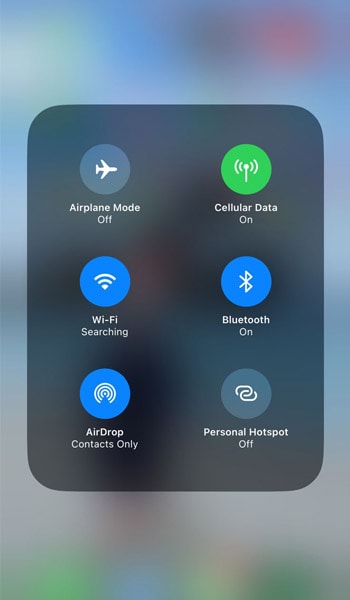
- check iPhone Wi-Fi problems after an iOS update and move closer to the router if the signal is weak.
- Connect the iPhone to a power source before retrying the update.
- Open another app or webpage to see whether the internet connection is working.
- Turn Wi-Fi off and on, or briefly enable and disable Airplane Mode, then reconnect to Wi-Fi.
- Restart the router or modem if other devices also have connection problems.
Method 2: Check storage and delete the downloaded update
Insufficient storage can prevent an iOS update from completing. To check available space, open Settings > General > iPhone Storage.
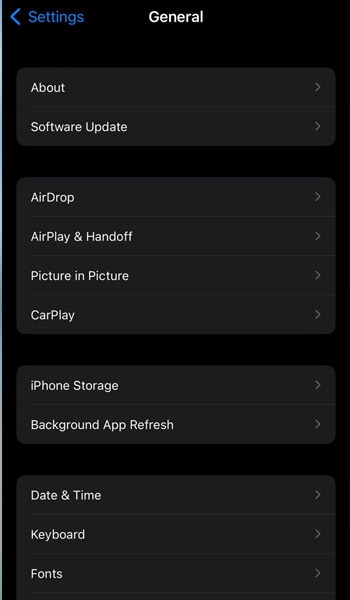
- Step 1: Open Settings.
- Step 2: Tap General.
- Step 3: Tap iPhone Storage.
- Step 4: Select the downloaded iOS update.
- Step 5: Tap Delete Update to remove the update file.
After deleting the update, free additional space by manually deleting apps you no longer use. You can also move photos and videos to a computer or cloud storage before removing them from the iPhone. Then reconnect to power and try downloading the update again.
Method 3: Force restart the iPhone
A force restart can clear a temporary software freeze. Use the instructions for your iPhone model.
iPhone 8 or later, including iPhone SE (2nd generation and later):
- Step 1: Quickly press and release the Volume Up button.
- Step 2: Quickly press and release the Volume Down button.
- Step 3: Press and hold the Side button until the Apple logo appears. This may take longer than 10 seconds.
- Step 4: Release the Side button.
iPhone 7 or iPhone 7 Plus: Press and hold the Volume Down and Side buttons together until the Apple logo appears.
iPhone 6s or earlier, including iPhone SE (1st generation): Press and hold the Home and Side or Top buttons together until the Apple logo appears.

When the iPhone starts again, connect it to power and try the update once more. A force restart is different from erasing the iPhone. For the current model-specific sequences, see Apple's force-restart instructions.
Method 4: Reset network settings
Use this later in the sequence if network problems persist. Reset Network Settings removes saved Wi-Fi networks and passwords, cellular settings, and VPN/APN settings, but it does not erase your photos, apps, or other personal media.
- Step 1: Open Settings.
- Step 2: Tap General > Transfer or Reset iPhone > Reset.
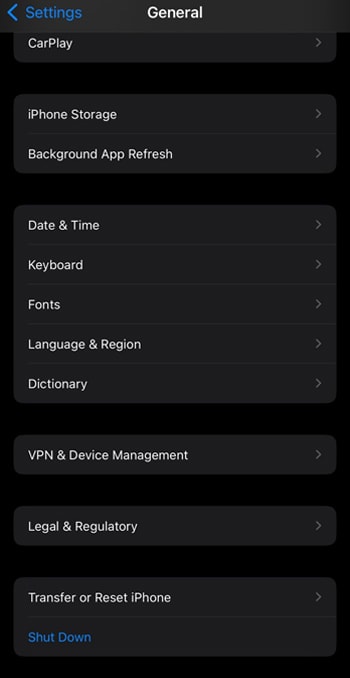
- Step 3: Tap Reset Network Settings.
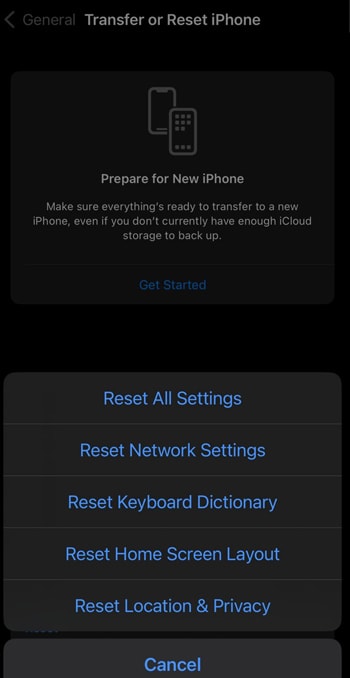
Reconnect to Wi-Fi and try the update again. See Apple's current network reset guidance for the settings that are removed.
Method 5: Try a computer-based update
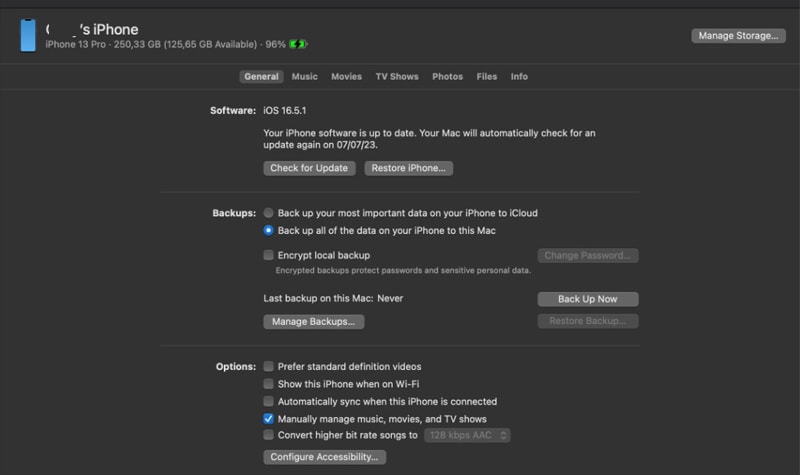
If the iPhone keeps getting stuck while verifying an update, try updating it from a computer. On a Mac, use Finder. On Windows, use the current Apple Devices app; Apple's update guidance may also direct some Windows setups to iTunes.
Connect the iPhone by USB, select the device in the computer app, and follow Apple's update prompts. If you only intend to update the iPhone, do not choose a Restore option by mistake.
When to use Recovery Mode
If the iPhone remains unresponsive, shows the Connect to computer screen, or cannot complete a normal update, use Apple's Recovery Mode workflow. On Mac, open Finder; on Windows, open Apple Devices. When Apple offers Update or Restore, try Update first if you have not already tried it. Restore reinstalls iOS and erases all data. See Apple's current Recovery Mode instructions or this iPhone Recovery Mode troubleshooting guide.
Part 4: Use Dr.Fone for a Persistent iOS Software Problem
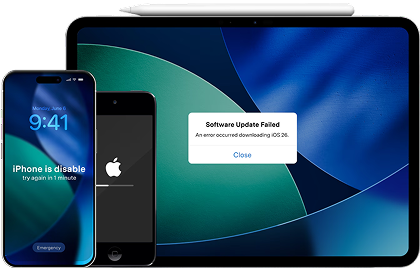
If the update still fails after you have checked compatibility, power, internet access, storage, the downloaded update file, and the network settings, the problem may be a broader iOS software issue. Dr.Fone - System Repair (iOS) is an optional guided desktop path for software-related problems including failed iOS updates.
 Fix iOS issues, no data loss.
- One-click repair for all iOS problems.
- Solve recovery mode, Apple logo, black screen, etc.
- Upgrade or downgrade iOS without iTunes
-
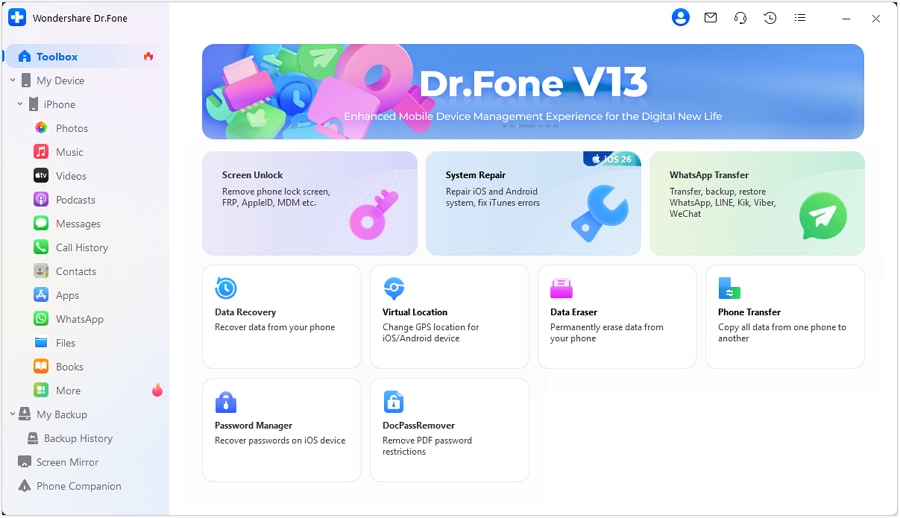
Step 1 Launch Dr.Fone and open System Repair
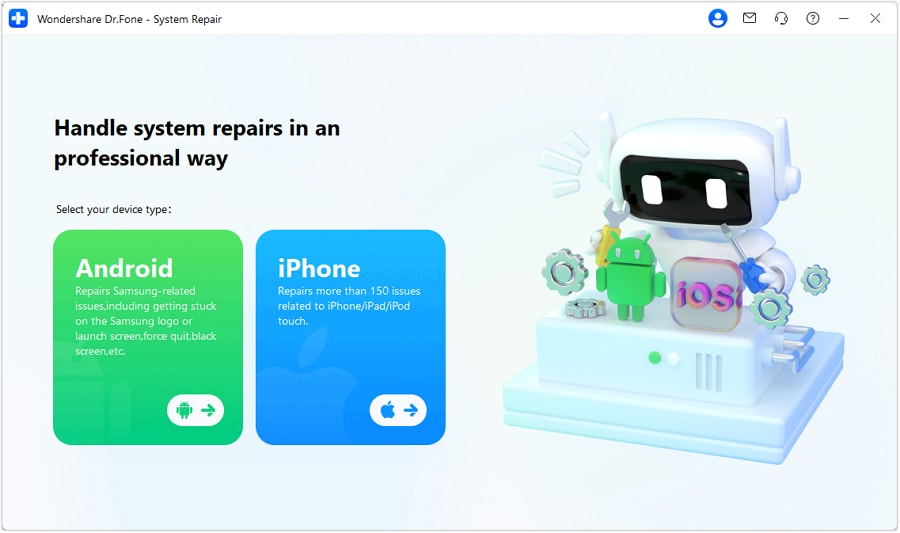
Open Wondershare Dr.Fone, go to Toolbox, and select System Repair.
-
Step 2 Connect the iPhone and choose iOS Repair
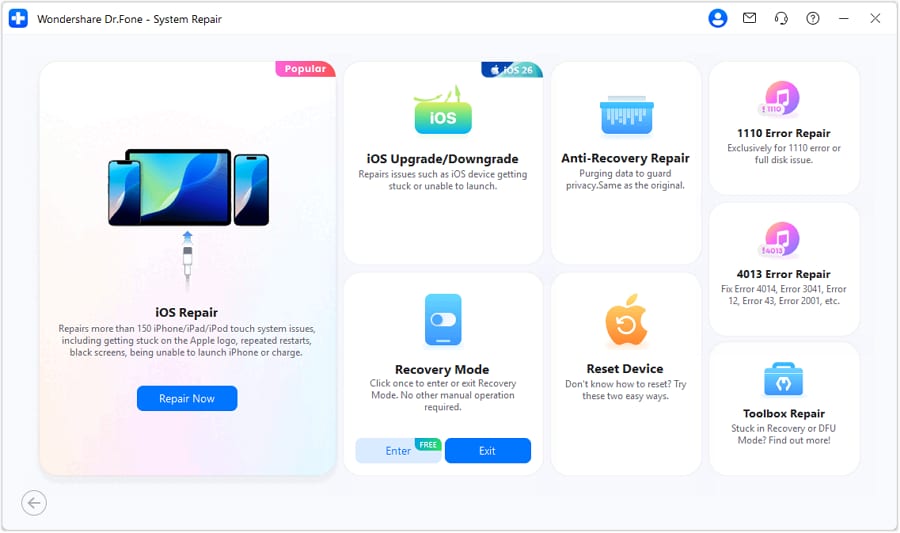
Connect the iPhone by cable, choose iPhone as the device type, then select iOS Repair.
-
Step 3 Choose Standard Repair first
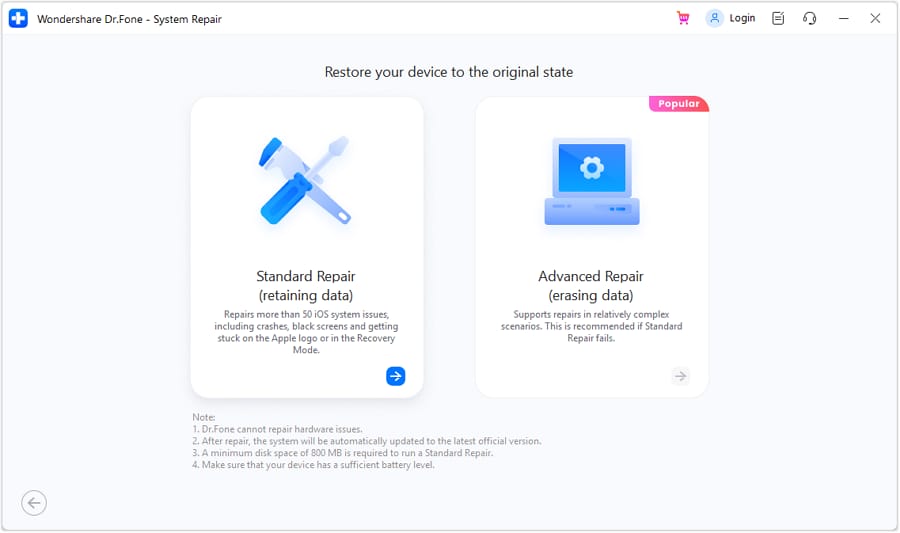
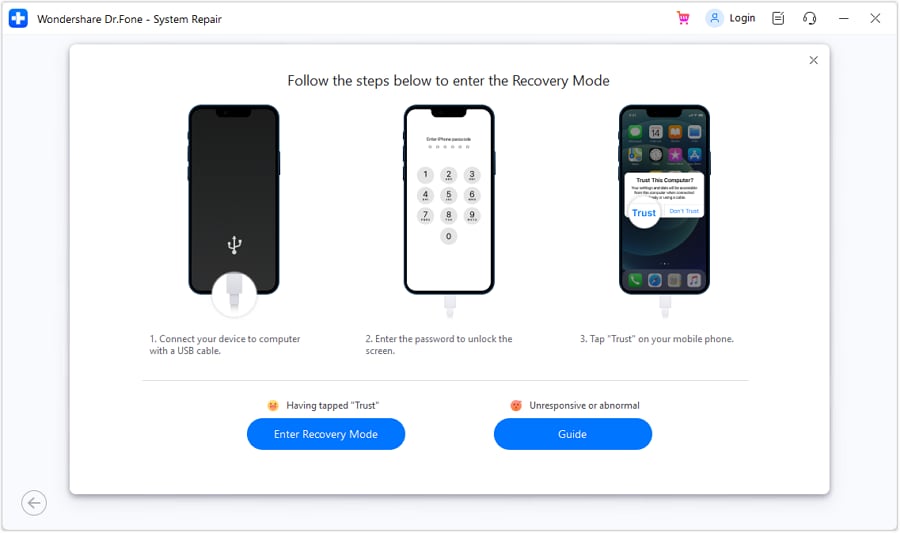
Select Standard Repair for the repair path designed to preserve personal data. Follow the on-screen Recovery Mode instructions if Dr.Fone asks you to enter that mode.
-
Step 4 Download firmware and start the repair
Choose the appropriate firmware, click Download, wait for verification, then click Repair Now. Keep the iPhone connected until the process finishes.
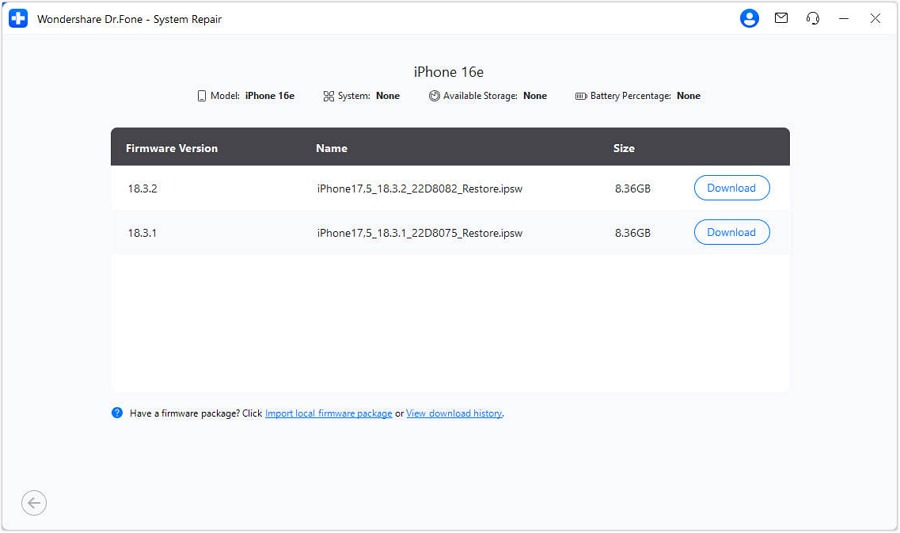
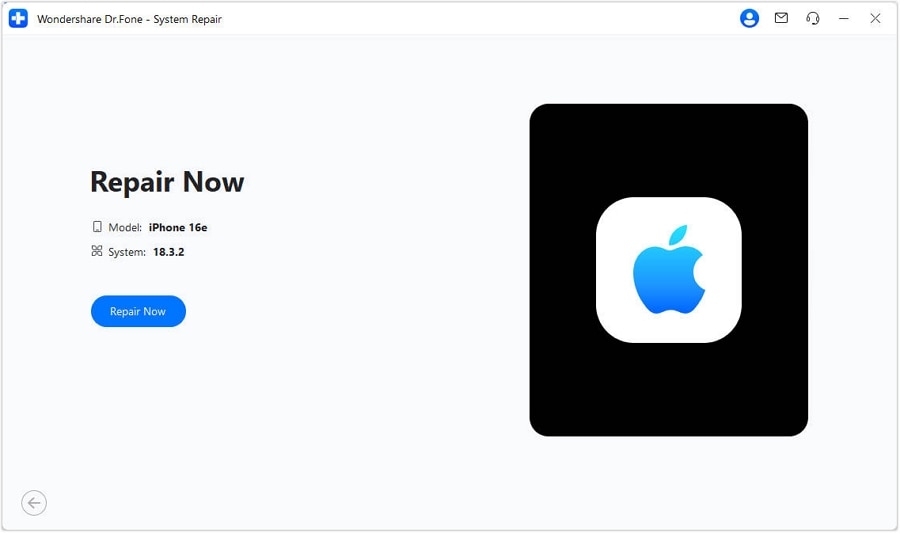
If Standard Repair does not resolve the issue, Dr.Fone also provides Advanced Repair, which erases data. Review the backup and data-loss implications before using it. For the full current workflow, see the official Dr.Fone iOS System Repair guide.
Part 5: Prevent future update verification problems
Before starting an iOS update, make sure the iPhone supports the target software, is connected to a power source and the internet, and has enough available storage.
Keep a stable Wi-Fi connection during the download and installation. If an update download becomes incomplete or the iPhone repeatedly stops at Verifying Update, delete the downloaded update from Settings > General > iPhone Storage and try again.
Keep important photos, videos, and other data backed up before significant system changes. If the device later shows a Recovery Mode screen or another post-update problem, use the troubleshooting path that matches the specific symptom.




 safe & secure
Frequently Asked Questions
-
1. How long should an iPhone be stuck on Verifying Update?
The verification step should not remain unchanged indefinitely. If the screen stays stuck and the iPhone does not continue, begin troubleshooting with power, internet access, compatibility, and available storage. Then delete the downloaded update and try again. -
2. Why does my iPhone say Unable to Verify Update?
An iPhone may show Unable to Verify Update when it cannot complete the update check. Possible causes include an unstable internet connection, insufficient storage, an unsupported iPhone, inability to reach the update server, or an incomplete update download. -
3. What should I do if my iPhone is stuck on Verifying Update?
Connect the iPhone to power, check the internet connection and compatibility, review available storage, and delete the downloaded update from Settings > General > iPhone Storage. Tap Delete Update, then download the update again. If it remains stuck, try a force restart or a later computer-based option. -
4. How do I delete a stuck iOS update on iPhone?
Open Settings > General > iPhone Storage, select the downloaded iOS update, and tap Delete Update. Afterward, make sure the iPhone has enough storage and try the update again. -
5. Why won't my iPhone install an iOS update?
An iPhone won't install an iOS update if it does not support the target software, lacks available storage, is not connected to power or the internet, cannot reach the update server, or has an incomplete download or installation. -
6. Can an iPhone be too old to install an iOS update?
Yes. An iPhone must support the target iOS version. If the device is not compatible, the update cannot be installed on that iPhone. -
7. Will force restarting an iPhone erase its data during a stuck update?
A force restart uses the device's button sequence to restart an unresponsive iPhone; it is not the same as choosing an erase or restore option. Use the button sequence for your iPhone model and do not select an erase option unless you intend to use it. -
8. What should I check before retrying an iOS update stuck on Verifying Update?
Before retrying an iOS update stuck on Verifying Update, check that the iPhone supports the target software, is connected to a power source and the internet, and has enough available storage. If the downloaded update is present in iPhone Storage, delete it and download it again. -
9. Should I use a computer if my iPhone keeps verifying the update?
If your iPhone keeps verifying the update after the basic checks, a computer-based update can be considered as a later troubleshooting path. On a Mac, connect the iPhone and use Finder. On Windows, use the Apple Devices app. Follow Apple's update instructions for the connected device, and avoid Restore when you only intend to update because Restore erases the iPhone.
Conclusion
When an iPhone is stuck on Verifying Update, first satisfy the basic update conditions: compatibility, power, internet access, and available storage. Next, remove the downloaded update from Settings > General > iPhone Storage, tap Delete Update, and try again.
If the problem continues, use the appropriate force-restart sequence, reset network settings, or try a computer-based update. If the issue appears to be a persistent iOS software problem, Dr.Fone Standard Repair is an optional guided path designed to preserve personal data. Advanced Repair is a deeper repair option that erases data.
 Add Wondershare Dr.Fone as a preferred source on Google