Resolve common problems and system crashes on both iPhone and Android devices.

 100% Security Verified | No Subscription Required | No Malware

 :
: 
 ChatGPT
 Perplexity
 Gemini
 Claude
 Grok
Grok
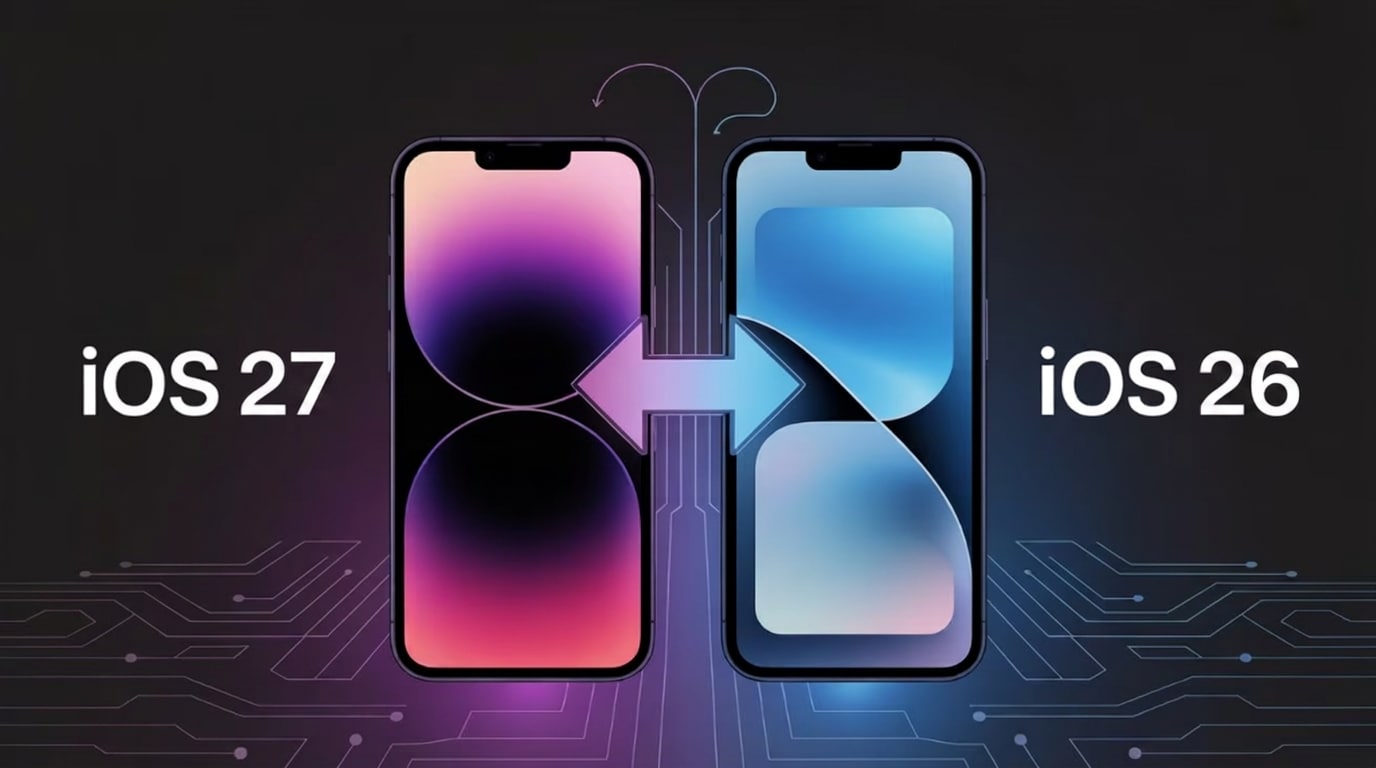
Excitedly jumped onto the iOS 27 update only to find it's not meeting your expectations? Whether it's app compatibility issues, poor battery life, or general instability, you're not alone in considering an iPhone software downgrade. The good news is that you can revert your iOS update.
This comprehensive guide will walk you through the entire process of how to downgrade iOS 27 to iOS 26 safely and effectively. We'll cover the essential preparations, potential risks, and the best methods to roll back your iPhone update without losing your precious data.
In this article
Part 1: Common Reasons to Downgrade iOS 27
If you're looking to downgrade to iOS 26, you likely have your own set of frustrations. The initial excitement for new features can quickly fade when performance issues arise. Here are some of the most common reasons users decide to revert an iOS update:
- Application Incompatibility: One of the biggest pain points with a new iOS release is that some apps, particularly essential ones like banking or work-related applications, may not be updated in time and fail to function correctly.
- Performance Degradation: Many users report significant performance drops after updating, including the iPhone overheating frequently, noticeable slowdowns, and a drastic decrease in battery life.
- System Instability: Beta versions and even initial public releases can be plagued with bugs, leading to random crashes, frozen screens, and other frustrating glitches that disrupt your daily usage.
- User Interface Changes: Sometimes, the changes to the user interface or the removal of a favorite feature can be enough to make a user want to go back to the familiar and efficient environment of the previous version.
Part 2: Key Risks When You Roll Back an iOS Update
While it is possible to downgrade your iPhone software, it's not without risks. The primary concern is data loss. When you upgrade to a newer iOS version, your device's settings, including iCloud configurations, are also updated.
A critical point to understand is that backups are not backward-compatible. An iCloud or computer backup created on iOS 27 cannot be restored to a device running iOS 26. This means if you simply use Apple's official method to restore your device, all your data will be wiped clean. This often leads to the question: will my data be lost if I downgrade iOS? With standard methods, yes. However, with the right approach and tools, the answer can be no.
Fortunately, third-party solutions are designed to navigate this specific problem. They allow you to create versatile backups that are independent of the iOS version, ensuring you can restore your data after you successfully roll back the iPhone update.
Part 3: Crucial Step: Back Up Your iPhone Before Downgrading to iOS 26
Before attempting any iOS downgrade, creating a secure backup of your data is non-negotiable. Apple provides two standard methods: iCloud Backup and local backups via Finder (on Mac) or iTunes (on Windows). However, as we've established, neither of these methods will allow you to restore your iOS 27 backup onto an iOS 26 device.
This limitation is why using a dedicated device for beta testing is often recommended. But for those who have already updated their primary device, a third-party tool is the best way forward. Wondershare Dr.Fone provides a robust solution for creating full or selective backups that can be restored with a single click, regardless of iOS version changes.
3.1: Using Dr.Fone to Create a Compatible Backup
 Effortlessly manage data through preview, delete, export, etc.
- Transfer all data between devices.
- Robust backup solutions for reliable data protection.
- Mirror screens to PC for meetings, teaching, and control.
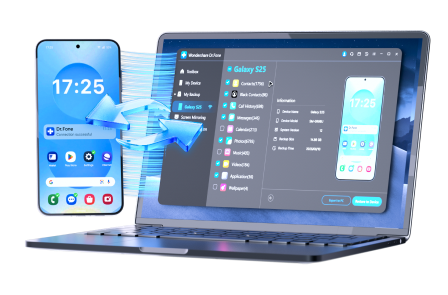
Here's how to easily back up your data using Dr.Fone before you downgrade:
-
Step 1 Launch Dr.Fone and Connect Your iPhone
Download and install Dr.Fone on your computer. Open the application and connect your iPhone using a USB cable.
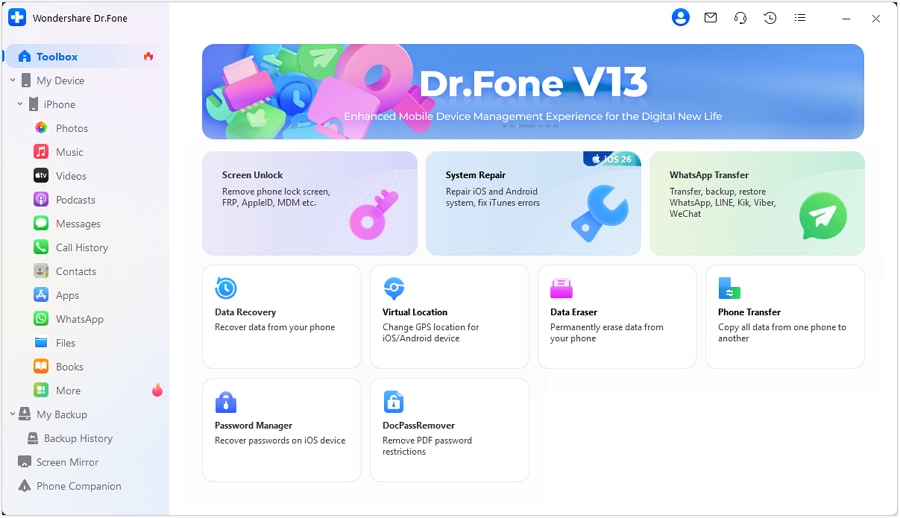
-
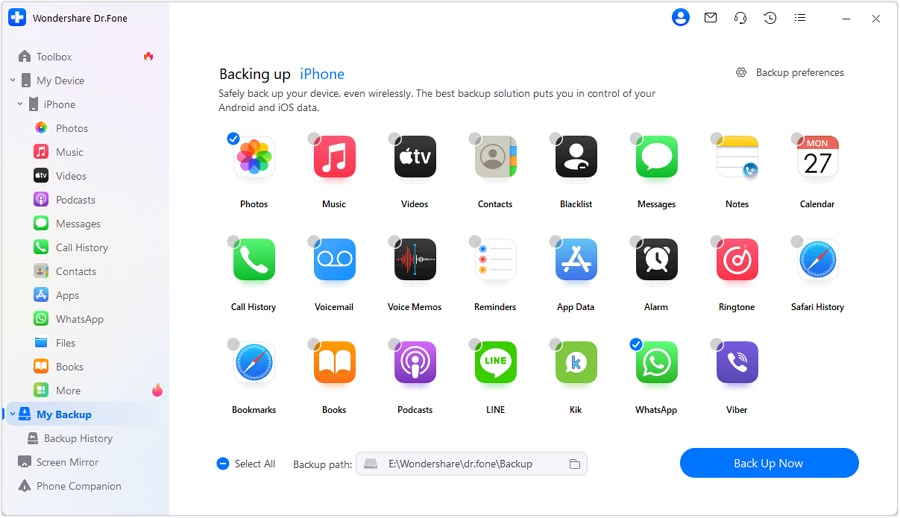
Step 2 Select the Phone Backup Module
From the main toolbox, choose the "Phone Backup" option to proceed.
-
Step 3 Choose Data Types for Backup
Dr.Fone will detect and display all available file types on your device. You can either check the "Select All" box for a full backup or manually choose specific data types like photos, contacts, or messages.
-
Step 4 Start the Backup Process
Click the "Backup" button to begin. The process will take a few minutes, and Dr.Fone will notify you once it's complete. Your data is now safely stored on your computer, ready to be restored after the downgrade.




Part 4: Step-by-Step Guide: How to Downgrade from iOS 27 or iPadOS 27
With your data safely backed up, you can now proceed to downgrade from iOS 27 to iOS 26. There are two primary methods to accomplish this: the official Apple way, which involves data loss, and a third-party solution that preserves your data.
4.1: Using Finder/iTunes to Downgrade from iOS 27 to iOS 26 (Data Loss)
The official method requires putting your iPhone into Recovery Mode and using Finder or iTunes to restore it. This process effectively erases everything on your device and installs a fresh copy of iOS 26. Since you cannot use your iOS 27 backup, you will have to set up your device as new. This method is straightforward but comes at the cost of all your current data and settings.
4.2: Using Dr.Fone - System Repair to Downgrade from iOS 27 to iOS 26 Without Data Loss
- Fix iOS issues, no data loss.
- One-click repair for all iOS problems.
- Solve recovery mode, Apple logo, black screen, etc.
- Upgrade or downgrade iOS without iTunes
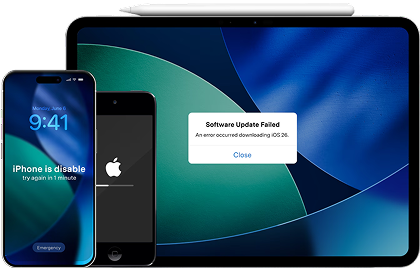
For a seamless and data-safe downgrade, Dr.Fone - System Repair is the ideal tool. It automates the entire process, handling the technical steps of downloading the correct firmware and installing it without wiping your device. Here’s how to downgrade your iOS without losing data:
-
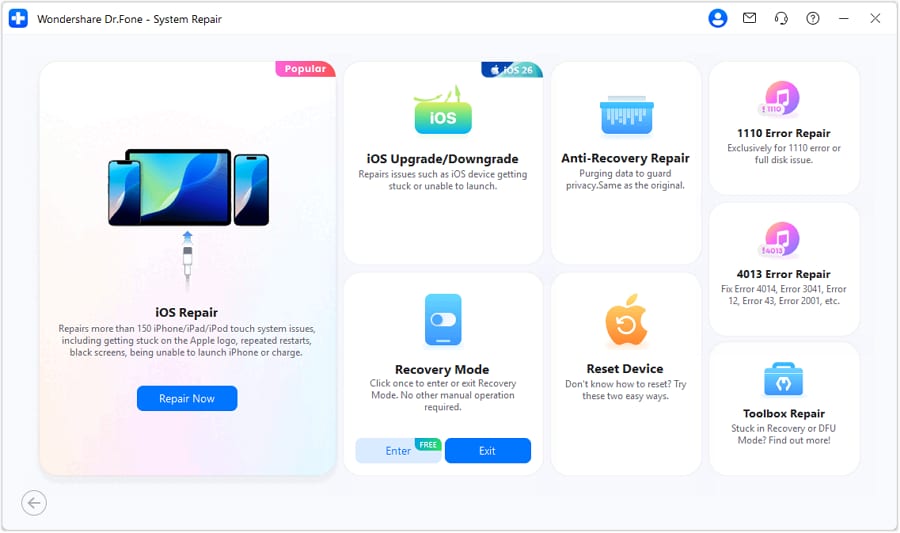
Step 1 Choose iOS Upgrade/Downgrade
Open Dr.Fone and select "System Repair" from the main menu. Connect your iPhone, then navigate to the "iOS" module and select "iOS Upgrade/Downgrade".
-
Step 2 Select "Downgrade iOS" and Download Firmware
Choose the "Downgrade iOS" option. Dr.Fone will then display the available iOS versions you can downgrade to, including iOS 26. Select it and click "Download" to get the appropriate firmware package.

-
Step 3 Verify and Prepare for Repair
Once the firmware is downloaded, Dr.Fone will verify it. After successful verification, you will see a screen confirming that the device is ready to be repaired. Ensure your device remains connected.
-
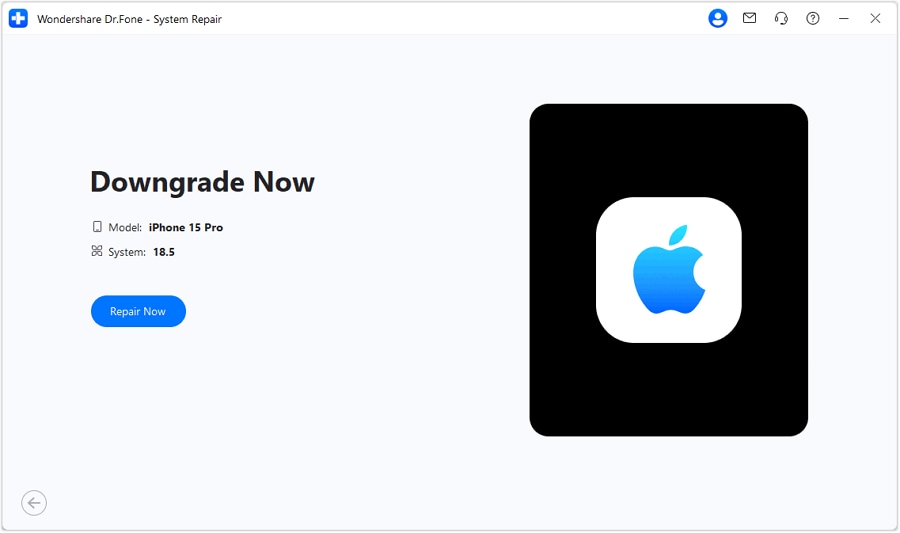
Step 4 Click Repair Now
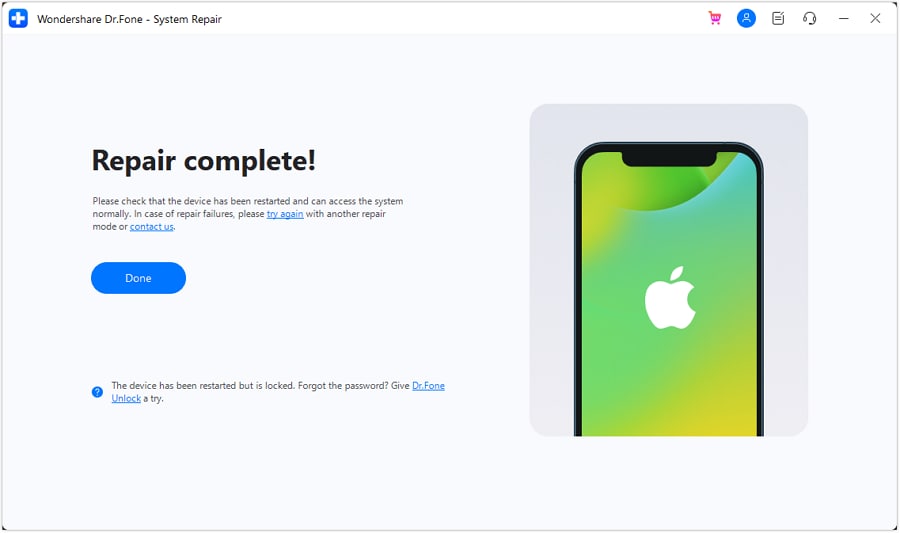
Click the "Repair Now" button to initiate the downgrade process. Dr.Fone will install iOS 26 on your device while preserving your data. Once finished, your iPhone will restart automatically with iOS 26 installed.
For a visual walkthrough, you can watch the video below to see how to downgrade your iOS with Wondershare Dr.Fone:
You might also interested:
No Data Loss: How to Downgrade ios 27 to 26 with different methods
iPhone/iPad Recovery Mode Not Working? 5 Fixes Are Here!
Easy Guide: How to downgrade Apple WatchOS 10 beta in different ways
Conclusion
Downgrading from iOS 27 to iOS 26 can seem intimidating, but it's entirely manageable with the right approach. The biggest challenge presented by Apple's official downgrade method is the incompatibility of backups, which inevitably leads to data loss. This is a significant drawback for users who cannot afford to lose their settings, photos, and messages. To circumvent this, using a comprehensive third-party tool like Wondershare Dr.Fone is the recommended solution. Its Phone Backup module ensures your data is safely stored and restorable, while the System Repair module provides an easy, automated way to roll back your iOS update without wiping your device. This ensures a stress-free transition back to a stable iOS version.
FAQs
-
1. Why should I use a third-party tool to downgrade from iOS 27 to iOS 26?
The primary reason is to avoid data loss. Apple's official method using Finder or iTunes will erase all data from your device, and you cannot restore a backup made on iOS 27. A tool like Dr.Fone - System Repair is specifically designed to downgrade the iOS version while keeping your personal data intact. -
2. Is it always possible to downgrade my iPhone's software?
No, it is not always possible. Apple allows downgrades only to iOS versions that it is still "signing." Typically, Apple stops signing older versions a few weeks after a new update is released. You can only downgrade to a version that is currently signed. Dr.Fone automatically checks for and downloads the correct signed firmware for you. -
3. How can I stop my iPhone from automatically upgrading again after I downgrade to iOS 26?
Yes, you can easily disable automatic updates. Go to Settings > General > Software Update > Automatic Updates. Here, you can turn off the toggles for "Download iOS Updates" and "Install iOS Updates." This will prevent your iPhone from automatically downloading and installing new software in the future.
-
4. How do I enter Recovery Mode if I want to use the official Apple method?
To enter Recovery Mode, connect your iPhone to your computer. Then, quickly press and release the Volume Up button, followed by the Volume Down button. Finally, press and hold the Side Button until you see the recovery mode screen (a computer and cable icon) on your iPhone and a prompt appears in Finder or iTunes on your computer.
 Add Wondershare Dr.Fone as a preferred source on Google